
 English
 Français
 Español

Home / News / Industry News / Hauling vs Towing: Understanding the Difference and Choosing the Right Method
Hauling vs Towing: Understanding the Difference and Choosing the Right Method
2026-08-14
A truck owner preparing to move a disabled sedan across the state faces a straightforward question: should the car be pulled behind the truck, or should the truck carry the car on a trailer or flatbed? The answer affects the cost, the safety risk, and the equipment required. Towing means pulling a load behind your vehicle. Hauling means carrying a load on the vehicle itself. That distinction changes how capacity is measured, how the vehicle handles, and which tie-down products you actually need.
In practical terms, towing is the right choice when the load is a vehicle, trailer, or boat that has its own wheels and can follow behind you. Hauling is the right choice when the load sits in a truck bed, on a flatbed trailer, or inside a van—whether that is lumber, machinery, or a pallet of freight. Most transport mistakes come from confusing the two, and that confusion leads to overloaded axles, sway at highway speed, and tie-down failures that could have been prevented with the correct strap selection.
From a manufacturing perspective, the Xstrap engineering team sees this confusion every day. Buyers order a standard 2-inch ratchet strap when they actually need a tow dolly basket strap, or they overload a 1-inch cam buckle strap that was never designed for vehicle recovery. This guide breaks down the real differences between hauling and towing, explains capacity and cost in plain numbers, and helps you choose the correct equipment for each job.
What Does Hauling Actually Mean?
Hauling refers to carrying cargo on the vehicle itself. In a pickup truck, that means load in the bed. In a cargo van, that means load in the cargo compartment. In a flatbed truck, that means load strapped directly to the deck. The weight of the cargo is supported by the vehicle's suspension, springs, axles, and tires. This is why hauling capacity is controlled by payload rating—the maximum weight the vehicle is designed to carry safely.
Payload capacity is not a single number. It is the difference between the vehicle's gross vehicle weight rating (GVWR) and its curb weight. For example, if a half-ton truck has a GVWR of 7,000 lb and a curb weight of 5,200 lb, its payload capacity is 1,800 lb. Every passenger, every tool in the cab, every accessory added after leaving the factory—all of it reduces available payload. This is the first fact that surprises new truck owners: payload capacity includes people and gear in the cab, not just what sits in the bed.
Hauling places the load directly over or slightly behind the rear axle. When the load is positioned correctly, the weight distributes between the front and rear axles in a controlled way. When the load is stacked too far back, the front axle unloads, reducing steering control. When the load is too heavy, rear springs compress beyond their designed range, and the truck sits nose-high. This changes headlight aim, braking balance, and handling in emergency maneuvers.
For professional operators and DIY owners alike, hauling usually requires a different set of securing products than towing. Cargo in a truck bed needs ratchet straps or cam buckle straps with the correct working load limit. Flatbed cargo needs winch straps or chain binders, edge protectors, and corner guards. The fundamental rule is that the cargo must not shift forward, backward, or sideways regardless of road conditions. This is where the choice between a 2-inch ratchet strap and a 4-inch winch strap actually matters.
What Does Towing Actually Mean?
Towing is the act of pulling a load behind the vehicle. The load is supported by its own wheels, axle, and suspension. This applies to travel trailers, car trailers, tow dollies, dump trailers, and boat trailers. The towing vehicle provides forward motion and steering, but it does not carry the full weight of the towed unit. Instead, a portion of that weight transfers to the hitch—specifically, the tongue weight. A typical trailer has a tongue weight of 10 to 15 percent of its gross weight. A 5,000 lb trailer places about 500 to 750 lb on the hitch receiver.
Towing capacity is the maximum weight a vehicle can pull, but it is not an independent number. It is tied to the vehicle's gross combined weight rating (GCWR), which represents the total curb weight of the vehicle, passengers, cargo, and the fully loaded trailer—all at once. If the truck's GCWR is 15,000 lb and the loaded truck weighs 6,500 lb, then the maximum trailer weight is 8,500 lb, even if the truck's brochure says its towing capacity is 10,000 lb. The rating is always a combination, not a standalone figure.
Towing fundamentally changes vehicle dynamics. The trailer adds length, increases the aerodynamic drag, and puts lateral forces on the rear axle during cornering and side winds. A proper hitch setup and, when needed, a weight distribution system can reduce these effects. The load height of the trailer also matters. A tall enclosed trailer acting like a sail can destabilize a vehicle at highway speed, even when the weight is within the towing capacity rating.
When the towed load is a vehicle, dedicated tie-down products are required to hold it securely. Wheel straps, tire baskets, tow dolly basket straps, and recovery straps each serve different functions. A typical mistake is using a standard ratchet strap with metal hooks on a vehicle frame and assuming it is enough. The point of contact, the angle of the strap, and the rated working load limit all affect whether the vehicle stays in position during sudden braking or an evasive maneuver.
The Core Differences Between Hauling and Towing
The simplest way to summarize the difference is load position. In hauling, the load rides on the vehicle. In towing, the load rides behind the vehicle. But this single difference leads to several important consequences across vehicle dynamics, equipment requirements, and safety.
Hauling at a Glance
- Load carried in the bed, deck, or cargo compartment
- Controlled by payload capacity
- Load weight presses directly onto the vehicle's suspension
- Requires cargo securing straps, edge protectors, or chain binders
- Better for short to medium distances and dense, heavy cargo
Towing at a Glance
- Load follows behind the vehicle on its own wheels
- Controlled by towing capacity and GCWR
- Tongue weight transfers to the hitch, not the full load
- Requires trailer hitch, coupler, and wheel or frame straps
- Better for vehicles, trailers, and long-distance moves
Structural Impact on the Vehicle
When you haul a load in the bed of a truck, the frame, spring packs, and axle all absorb the weight. This is why adding a helper spring or upgrading to heavy-duty shocks is common among owners who haul frequently. The rear axle carries most of the added load, but the front axle still bears a portion depending on where the cargo sits. The center of gravity also rises with every inch of stack height, increasing the risk of rollover in sharp turns.
When you tow, the hitch receiver transfers the tongue weight to the rear of the frame. The trailer's own axle system carries most of the trailer weight. This is why a tow rig with a properly balanced trailer can feel stable at 65 mph, while an overloaded pickup bed will feel top-heavy at 40 mph. However, towing introduces a different risk: trailer sway. A trailer can oscillate side to side at speed, and if the driver tries to correct with the steering wheel, the oscillation often worsens. Sway is rarely a problem in hauling because the cargo does not have its own steering geometry.
Driver Skill and Learning Curve
Hauling is generally easier for new drivers. The vehicle's footprint is unchanged, the turning radius stays the same, and backing up does not require a different mental model. The main challenges are judging height, managing load shift, and staying within payload limits.
Towing requires more practice. Backing up a trailer demands opposite steering input. The trailer follows a different arc than the vehicle in corners, and lane changes require wider margins. A 25-foot travel trailer changes the effective length of the rig, making tight spaces and parking lots significantly more difficult. These factors are not arguments against towing—they are arguments for understanding the difference before deciding.
Suspension and Handling Differences
Hauling compresses the rear suspension with the weight of cargo. The ride height drops at the rear, which can cause the front to point slightly upward. This reduces the effectiveness of the headlight beam and lightens steering response. Heavy loads also increase brake distance because the vehicle has more mass but the same braking system.
Towing puts less vertical weight on the rear axle than hauling the same total weight, but it adds rotational forces and inertial forces that hauling does not. Braking distance increases, acceleration drops, and cross-wind sensitivity rises. The trailer's tires also generate heat at high speed, so tire pressure and load rating on the trailer side matter just as much as the tow vehicle's condition.
Payload Capacity vs Towing Capacity: How They Differ
Payload capacity and towing capacity are often confused because both are quoted in pounds. They measure completely different physical situations, and mixing them up is one of the most common causes of unsafe loading.
Half-Ton Truck (e.g., F-150 class)
Payload
1,800 lb
Towing
8,000 lb
Three-Quarter-Ton Truck (e.g., F-250 class)
Payload
3,300 lb
Towing
15,000 lb
One-Ton Truck (e.g., F-350 class)
Payload
5,000 lb
Towing
20,000 lb
How Payload Capacity Is Calculated
Payload capacity equals GVWR minus curb weight. Curb weight includes all fluids and a full tank of fuel but does not include passengers or cargo. If a truck has a GVWR of 7,200 lb and a curb weight of 5,400 lb, the payload capacity is 1,800 lb. That figure is further reduced by the weight of aftermarket accessories such as a bed liner, a tonneau cover, or running boards.
Another term that appears in this discussion is the rear gross axle weight rating, or RAWR. For the rear axle only, this number indicates the maximum weight the rear axle can support. Even if total payload stays under the GVWR, an unbalanced load can exceed the RAWR and damage the axle housing or bearings. The correct approach is to check both ratings—GVWR and RAWR—before loading.
How Towing Capacity Is Calculated
Towing capacity depends on the GCWR, the vehicle's engine output, the transmission, the final drive ratio, and the cooling system. In the United States, SAE J2807 sets a consistent towing test standard, which most major manufacturers now follow. The test includes acceleration, grade climbing, and braking on a 7 percent grade. That means a 2019 Ram 1500 with a 5.7L HEMI and a 3.92 axle ratio has a different towing capacity than the same truck with a 3.21 axle ratio.
When towing near the maximum rating, the vehicle operates at the edge of its design envelope. The transmission runs hotter, the brakes work harder, and the suspension cycles more deeply. This is not about whether the rig will move—it will move. It is about whether the rig can stop, steer, and keep cool enough to be safe.
Why the Two Ratings Cannot Be Combined
A common misconception is that a truck with 1,800 lb payload and 8,000 lb towing capacity can simultaneously carry 1,800 lb in the bed and tow 8,000 lb behind it. That is not true. The GCWR caps the combined weight. If the loaded truck weighs 6,400 lb, the trailer can weigh at most the difference between the GCWR and that number. Passengers, tools, and cargo in the truck bed all subtract from the available trailer weight. This is why a "max tow package" truck with a heavy driver, a full fuel tank, and a bed full of gear may only be able to tow 6,500 lb of trailer despite a brochure rating of 8,000 lb.
| Truck class | Typical payload range | Typical towing range | Best use |
| Half-ton | 1,400 – 2,400 lb | 7,000 – 13,000 lb | Occasional hauling, light trailers |
| Three-quarter-ton | 2,600 – 4,200 lb | 13,000 – 22,000 lb | Frequent hauling, mid-size trailers |
| One-ton | 4,000 – 7,000 lb | 18,000 – 37,000 lb | Heavy equipment, large trailers |
Cost Comparison: Hauling vs Towing
Cost is often the deciding factor between hauling and towing, but the cost comparison is not as simple as comparing two service quotes. Fuel consumption, equipment wear, rental fees, and labor all play into the total cost. Let us break this down for both the vehicle owner and the fleet operator.
Fuel Economy Impact
Hauling heavy cargo in a truck bed increases fuel consumption because the added weight increases rolling resistance and requires more engine torque. The impact is proportional: an extra 1,000 lb in the bed typically costs 5 to 8 percent in fuel economy.
Towing creates both weight-related and aerodynamic drag. A boxy trailer at highway speed creates significant wind resistance, and the wider frontal area pushes the truck out of its efficient operating range. Expect a 15 to 30 percent fuel economy penalty when towing a trailer at 65 mph, depending on the trailer's height and profile.
Service and Rental Costs
Professional towing services charge by distance and typically include a hook-up fee. A standard local tow of 10 miles can cost $75 to $150. A long-distance tow at $3 to $5 per mile can easily exceed $500 for 100 miles.
Vehicle hauling services, where the vehicle is carried on a flatbed or multi-car trailer, charge by the mile with a minimum rate. A 100-mile car hauling run might cost $200 to $400, while a 1,000-mile cross-country haul runs $800 to $1,500 depending on the vehicle class and route.
Equipment Ownership Costs
If you own a trailer, towing has a fixed equipment cost: the trailer, the hitch, and the maintenance on both. A typical car trailer costs $3,000 to $10,000 new. A tow dolly costs $1,200 to $3,000. The towing vehicle also requires more frequent transmission service, brake inspections, and tire rotation.
Hauling equipment, by contrast, is much cheaper. A quality 2-inch ratchet strap set costs $30 to $80. A 4-inch winch strap assembly costs around $40 to $60. Edge protectors, corner guards, and d-rings add another $20 to $50. The total investment for proper hauling equipment is a fraction of the cost of any trailer or tow dolly.
| Cost factor | Hauling | Towing |
| Typical service start fee | $100 – $300 | $75 – $150 |
| Per-mile service fee | $0.75 – $1.50 | $3.00 – $5.00 |
| DIY equipment rental | $100 – $200 per day | $50 – $100 per day (dolly/trailer) |
| Fuel penalty at highway speed | 5 – 8 percent | 15 – 30 percent |
Safety Considerations for Hauling and Towing
Safety is where the difference between hauling and towing becomes most obvious. The failure modes are completely different, and the equipment used to secure each type of load is not interchangeable.
Weight Distribution and Center of Gravity
In a hauling scenario, the load's center of gravity sits above the truck bed. Stacking cargo too high raises the center of gravity and increases the chance of a rollover in a hard turn. Placing heavy items too close to the tailgate shifts weight rearward and reduces front-axle traction—this makes the steering feel "light" and increases stopping distance on wet roads. The right approach is to position the heaviest part of the load closest to the cab, directly between the front and rear axles when possible.
In a towing scenario, the critical measurement is tongue weight. Too little tongue weight causes the trailer to sway. Too much tongue weight overloads the rear axle and reduces steering authority. Most trailer manufacturers publish a recommended range: 10 to 15 percent of gross trailer weight. For a 6,000 lb trailer, that is 600 to 900 lb at the hitch. A dedicated scale or a simple tongue-weight scale is the standard way to check this.
Tie-Down Equipment: Hauling Requirements
The cargo in a truck bed must be secured with straps or chains that have a working load limit appropriate for the expected forces. The forces during panic braking are often greater than the cargo's static weight. A 1,000 lb load can generate 800 to 1,000 lb of forward force during an emergency stop from 55 mph. This is why a light-duty tarpaulin strap is never acceptable for securing a load of lumber, appliances, or machinery.
When hauling on a flatbed, the strap angle matters. Straps run vertically or diagonally, and the load angle affects the tension. Xstrap rates every strap with a working load limit based on the webbing strength, the stitching pattern, and the hardware used. The rating assumes a straight-line pull. When the strap is angled, the effective securing force drops, and multiple straps are required.
Tie-Down Equipment: Towing Requirements
A vehicle on a tow dolly or car trailer must be fixed at four points—two at the front and two at the rear. Dedicated wheel straps or tow dolly basket straps are the correct products. These straps wrap around the tire and close with a ratchet, holding the tire against the trailer's cradles or wheel bar. A standard ratchet strap with J-hooks is not designed for that purpose, and relying on it creates a serious risk of the vehicle shifting during a hard stop.
Recovery straps, which are used to pull a stuck vehicle out of mud or snow, are engineered differently. They are designed to stretch and absorb energy during a dynamic pull. Using a recovery strap as a tie-down or using a tie-down strap as a recovery strap are both dangerous because the energy behavior of each product is different. This is a key point for anyone who needs to understand why properly rated towing straps matter in cargo transport.
Braking and Stopping Distance
Both hauling and towing increase braking distance, but in different ways. Hauling increases the vehicle's mass directly. The brake system has to dissipate more kinetic energy, and if the load shifts forward, it adds forward momentum that the brakes must overcome. Towing introduces an articulated mass: if the trailer's brakes are not adjusted properly, the trailer pushes the towing vehicle during a stop. Most states require trailer brakes on trailers above a certain weight threshold, typically 3,000 lb, and those brakes must be maintained.
When hauling near the payload limit, the rear axle can exceed its load rating even when the total cargo weight seems acceptable. The result is frequent bottoming of the suspension, uneven tire wear, and degraded braking performance at the rear axle. Checking both the GVWR and the RAWR before a loaded trip is the right way to prevent this.
Application Scenarios: Which Method Fits Your Job?
Both hauling and towing have their own preferred applications. The industry use cases below reflect common real-world situations, and the equipment recommendations follow from the type of load and the distance involved.
Local Job Site Delivery
Delivering drywall, steel pipes, or roofing shingles within a 50-mile radius is a hauling job. The cargo sits in the bed, stacked on edge or palletized, and secured with ratchet straps or cam buckle straps. Edge protectors prevent the webbing from cut contact on sharp corners.
Moving a Disabled Vehicle
A broken-down car being moved 40 miles to a repair shop is a towing job. The car either gets a tow dolly with its front wheels raised or a full car trailer. Wheel straps or tire cradles secure the vehicle, not frame-mounted hooks.
Hauling Equipment to a Trailhead
An ATV, a UTV, or an off-road motorcycle in a truck bed is a hauling job. This is the scenario where cam buckle straps, tie-down kits, and soft-loop anchors perform best. Motorcycles, in particular, need stable anchoring to prevent the bike from tipping during lane changes.
Moving a Travel Trailer Cross-Country
A family moving their camper 800 miles is a towing task. Weight distribution hitches, trailer brakes, sway control, and a properly rated hitch receive all the attention. The trailer's internal cargo is hauled, but the trailer itself is towed.
What Works Best for a Truck Owner Who Does Both?
Most truck owners do both hauling and towing, especially when they own a trailer. The smart move is to build a versatile toolbox that covers both categories. That toolset should include ratchet tie-downs for cargo, a tow dolly kit for vehicle transport, and recovery straps for stuck vehicles. When selecting a strap, check the working load limit and the strap's intended use. Xstrap product pages list all of this information, and our guide to choosing the right utility tie-down straps walks through the selection process step by step.
An important point for repeat users: do not assume that a strap that worked for one load is appropriate for all loads. The webbing, stitching, and hardware all degrade with exposure to sunlight, moisture, and abrasion. A strap that has been overloaded may look fine from the outside but have broken internal fibers. Inspect every strap before each use, and replace any strap that shows cuts, frayed stitching, or deformed hooks.
Cargo transportation the cargo transportation setups that industrial operators use every day are different from consumer setups, but the physics are the same. Whether the load is a pallet of automotive parts or a family's kayaks, the load must meet the same standard of restraint.
How to Choose the Right Equipment for Hauling
The product grading system for tie-down straps exists for a reason. Light-duty straps are for small loads like securing luggage or a tarp. Standard-duty straps handle most consumer cargo. Heavy-duty and super-duty straps are for construction materials, machinery, and vehicles. Choosing the correct grade prevents both under-specification, which is dangerous, and over-specification, which wastes money.
Understand Working Load Limit vs Break Strength
Every strap has two key ratings. The working load limit (WLL) is the maximum force the strap can withstand in normal use; it accounts for a safety factor—usually 3:1 or greater in Xstrap products. The break strength is the point at which the strap physically fails. Never plan a load to the break strength; plan to the WLL. A strap with a 10,000 lb break strength typically has a WLL of 3,333 lb and should not be used to secure a load that exerts more than that amount of pull.
Equipment selection for towing follows the same logic. A tow dolly basket strap is rated for the weight of the vehicle being towed, and its end hardware is designed to be safe against a tire tread without cutting into the sidewall. A car tie-down strap rated for 3,300 lb WLL is appropriate for a single car weighing around 4,000 lb because the strap is usually used in pairs, with each strap handling roughly one-quarter of the vehicle's total weight.
Hardware and Hook Styles
The hook style matters more than many buyers realize. Flat hooks are suited for tie-down points on trailers and truck frames. Wire hooks, also called J-hooks or double J-hooks, are common on ratchet straps for trailers and cargo. S-hooks are used for lighter applications. The point is to match the hook size and style to the anchor point, not to the tow vehicle. A hook that does not fit securely can slip off during transit, releasing the load instantly.
Recommended Xstrap Products by Use Case
Xstrap manufactures tie-down and towing products across several categories, and the product naming system is designed to make selection simpler. Below are three categories that align with the most common hauling and towing jobs.
Car Tie-Down Straps
Designed for securing vehicles on trailers or flatbeds. These straps use soft loops or flat hooks rated for vehicle tie-down and are suitable for most passenger cars and light trucks.
Shop car tie-down straps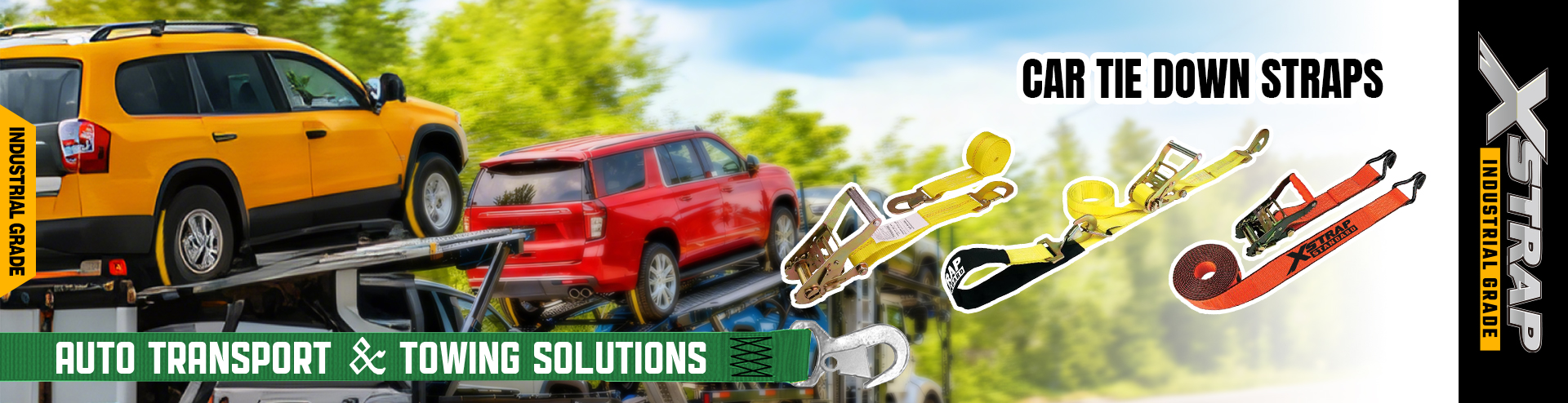 Custom Car Tie Down Straps Manufacturers, SuppliersAs top China Car Tie Down Straps Manufacturers and Car Tie Down Straps Suppliers, Zhangjiagang SMK MFG. Co., Ltd. supply Custom Car Tie D...View Product →
Tow Dolly Basket Straps
Specific to tow dollies, these straps wrap around the towed vehicle's tires to hold them in the wheel cradles. Basket straps are the only safe way to secure a car on a dolly.
Explore tow dolly basket straps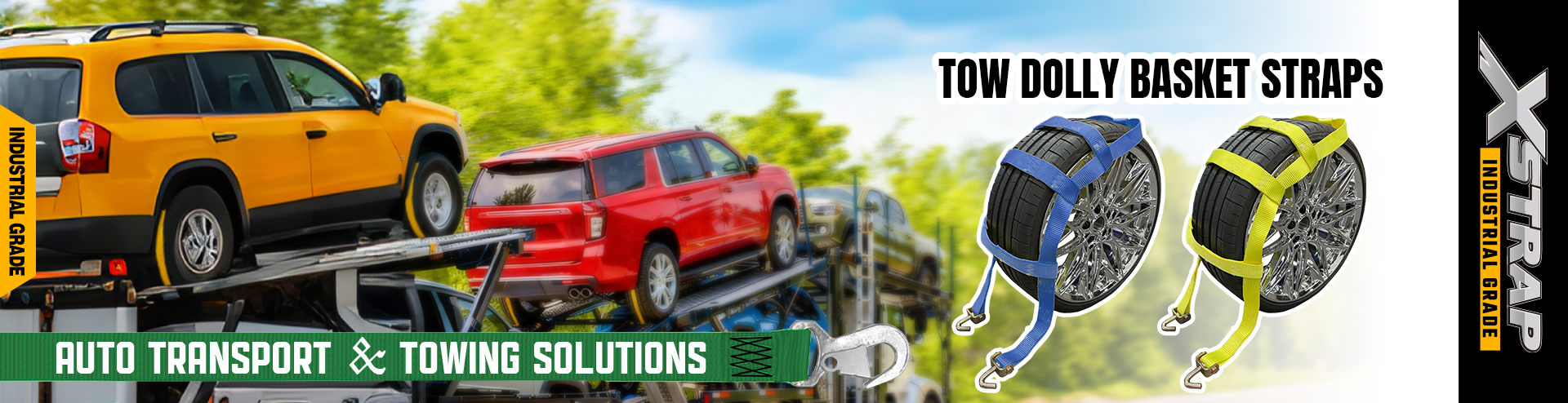 Custom Tow Dolly Basket Straps Manufacturers, SuppliersAs top China Tow Dolly Basket Straps Manufacturers and Tow Dolly Basket Straps Suppliers, Zhangjiagang SMK MFG. Co., Ltd. supply Custom T...View Product →
Recovery Straps
For pulling a vehicle that is stuck, not for tie-down. Recovery straps are engineered to stretch and absorb energy during a dynamic pull, reducing the shock load on both vehicles.
View recovery straps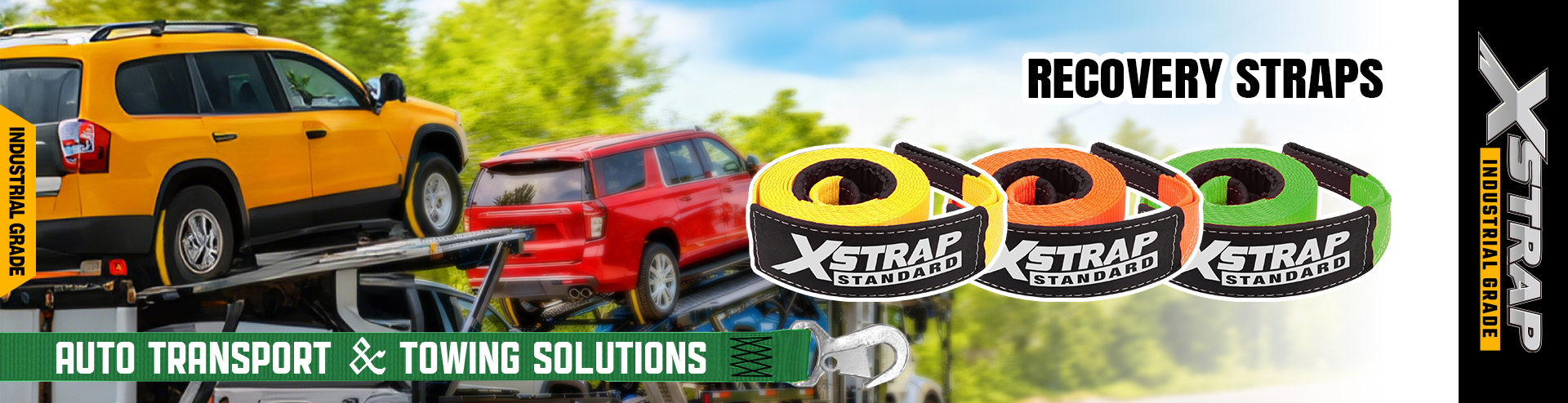 Custom Recovery Straps Manufacturers, SuppliersAs top China Recovery Straps Manufacturers and Recovery Straps Suppliers, Zhangjiagang SMK MFG. Co., Ltd. supply Custom Recovery Straps f...View Product →
When choosing a product, match the strap's working load limit to the maximum load you expect to secure, and check the length and hardware style against the anchor points. The strap length must be enough to complete a full wrap through the anchor and back to the ratchet, with enough spare webbing to provide the desired tension without exceeding the ratchet handle's working range.
Frequently Asked Questions
What is the main difference between hauling and towing?
Hauling means carrying cargo on the vehicle itself—in the bed, on a flatbed, or inside a cargo box. Towing means pulling a load behind the vehicle on its own wheels. The load position changes which capacity rating applies, how the vehicle handles, and what type of securing equipment is required.
Can one vehicle handle both hauling and towing?
Yes, but not at their individual maximums at the same time. The gross combined weight rating (GCWR) is the total limit for truck plus payload plus trailer. Every pound added to the truck bed or cab reduces the available trailer weight. Always check the payload capacity and the GCWR before loading and hitching.
Is towing more expensive than hauling?
Towing is generally more expensive. The fuel penalty is higher because of both weight and aerodynamic drag, and the equipment investment is greater—buying a trailer or tow dolly far exceeds the cost of a set of ratchet straps. On the service side, towing companies usually charge more per mile than hauling companies.
Which method is safer for long-distance transport?
Hauling is safer for dense, compact loads that fit within the vehicle's footprint and do not exceed the payload rating. Towing is safer when the load is a vehicle or trailer that requires its own wheels and is too large to fit in a truck bed. The longer the trip, the more important it is to inspect the tires, brakes, and tie-down equipment on both the vehicle and the load.
What happens if the load exceeds the payload or towing capacity?
Exceeding payload capacity overloads the tires and suspension, increases brake distance, and can cause the rear axle to fail. Exceeding towing capacity introduces dangerous trailer sway, reduces steering authority, and can overheat the transmission. Both situations raise the risk of a serious accident, and most insurance companies can deny coverage when the rated capacity is exceeded.
Do I need different straps for hauling and towing?
Yes. Hauling requires cargo straps suitable for the load type and anchor points, with the WLL matched to the expected loads. Towing a vehicle requires dedicated wheel straps or tow dolly basket straps. The two are not interchangeable. Recovery straps are a third category with a completely different design purpose. Using a tie-down strap for vehicle recovery is dangerous because it cannot absorb the kinetic energy of a dynamic pull.
Popular Products
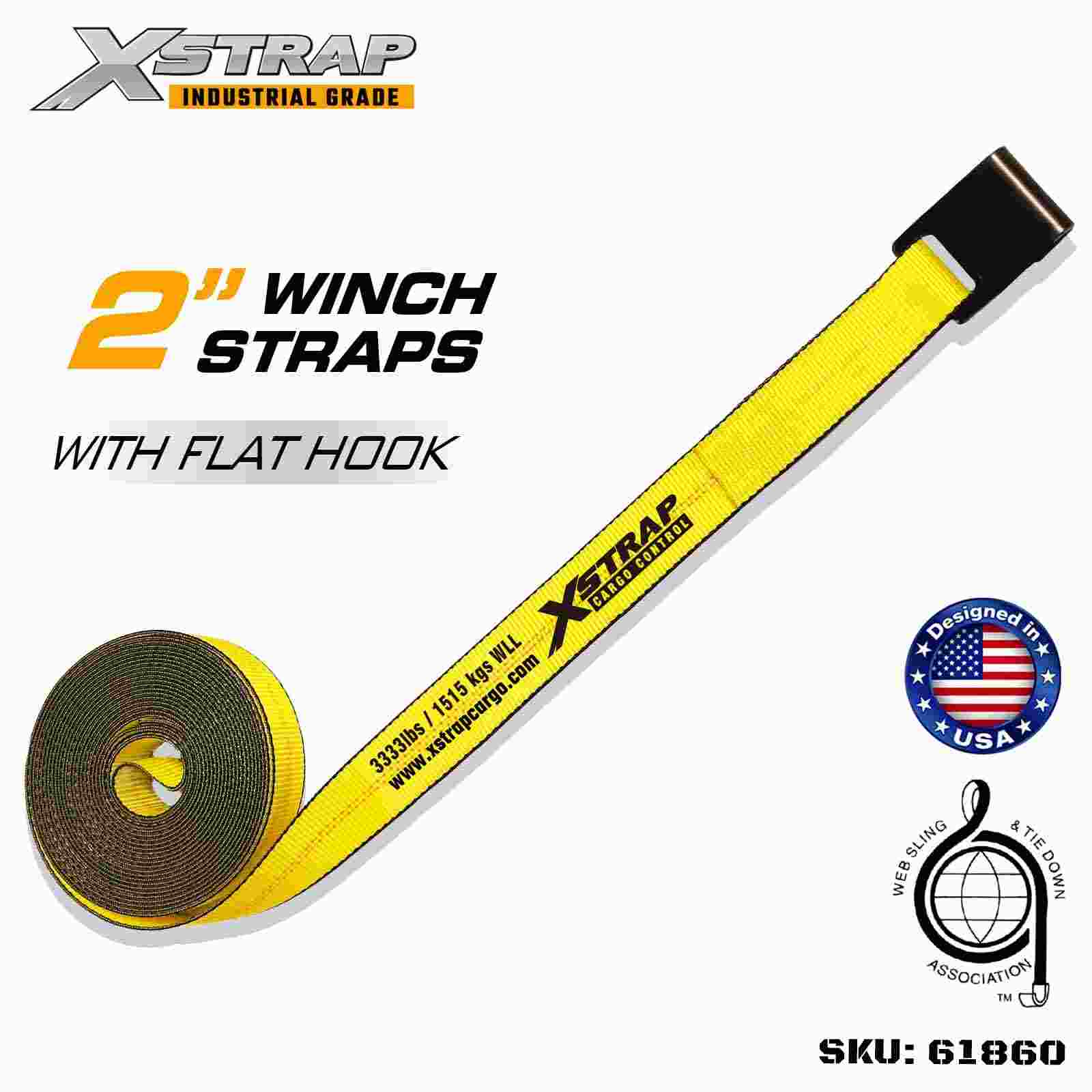
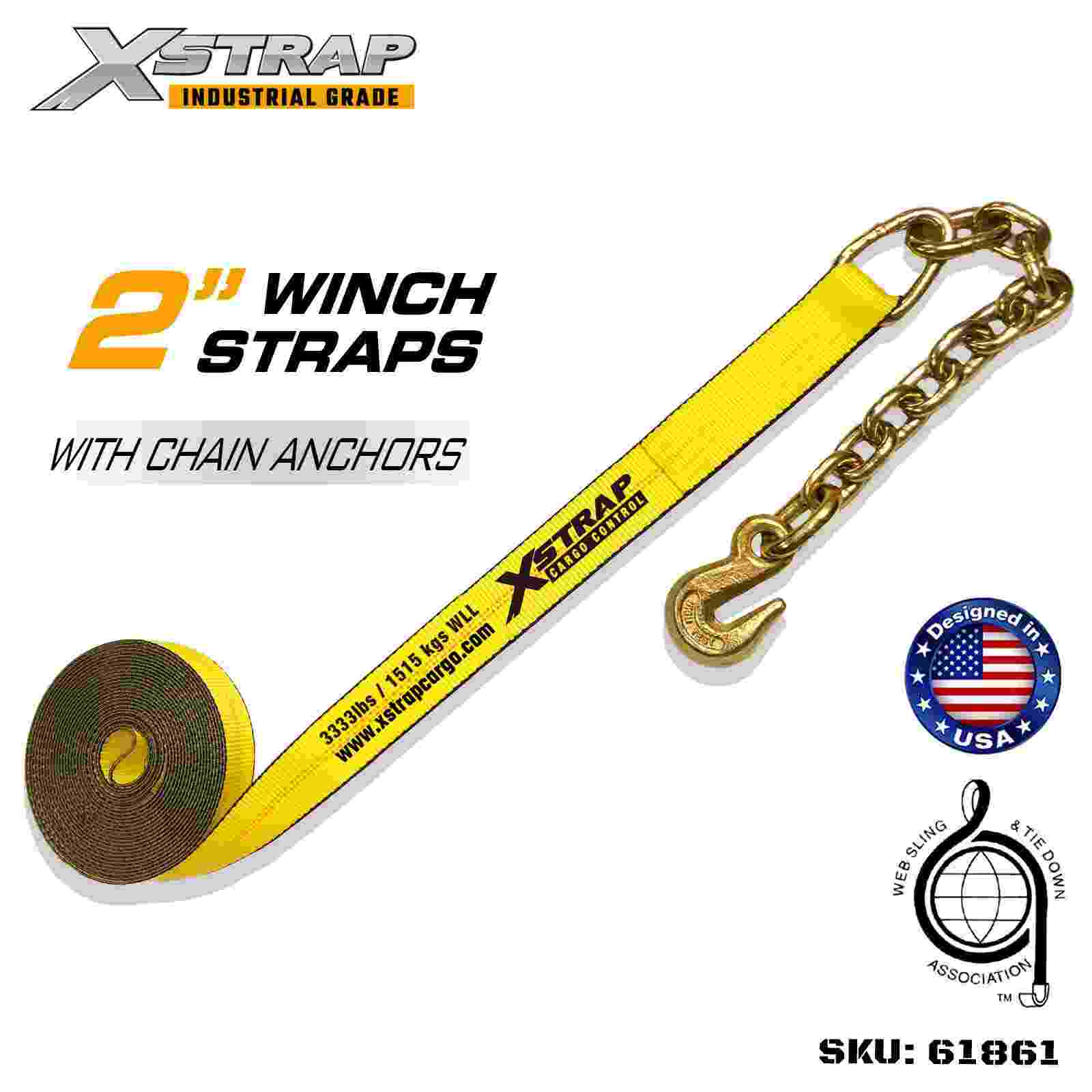
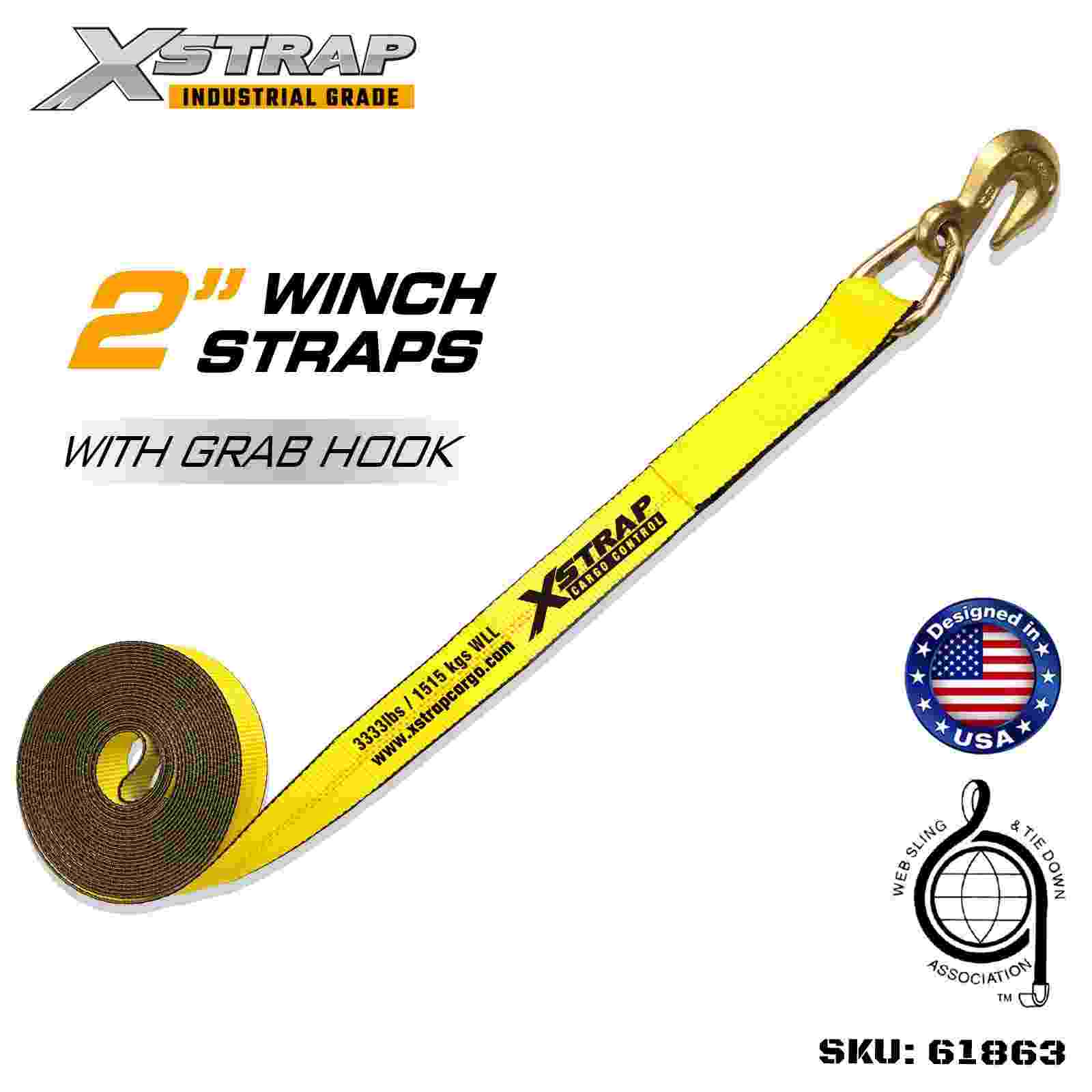
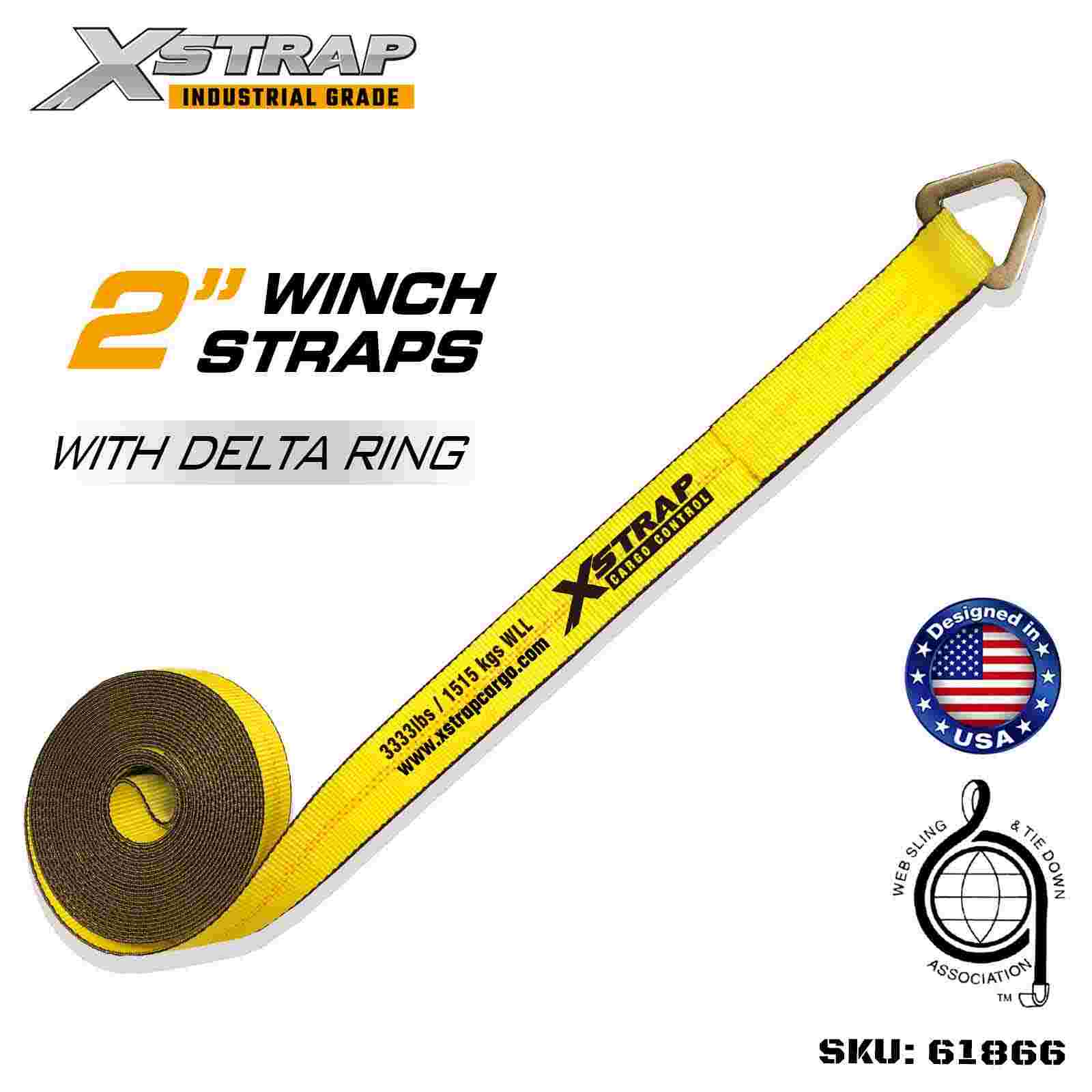
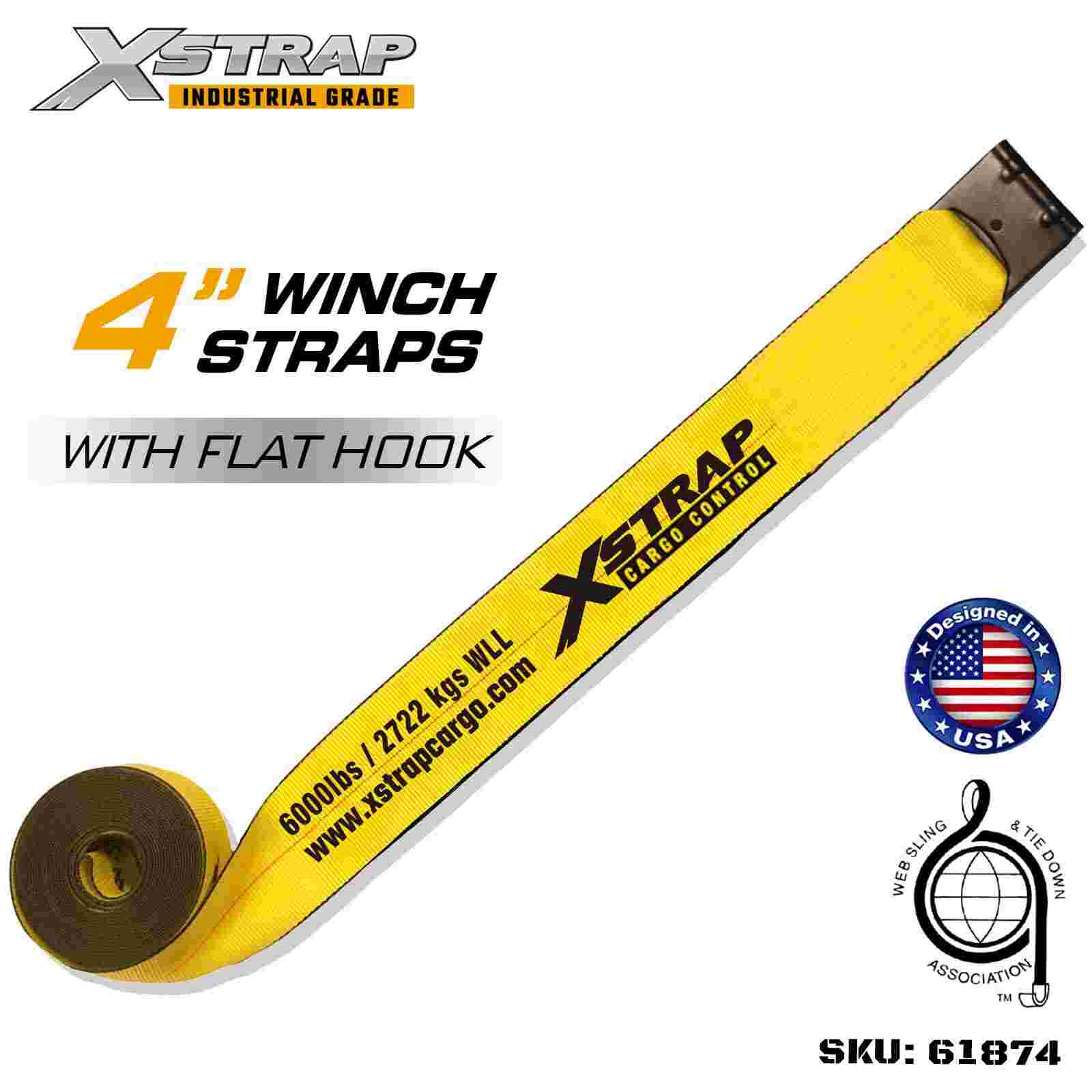
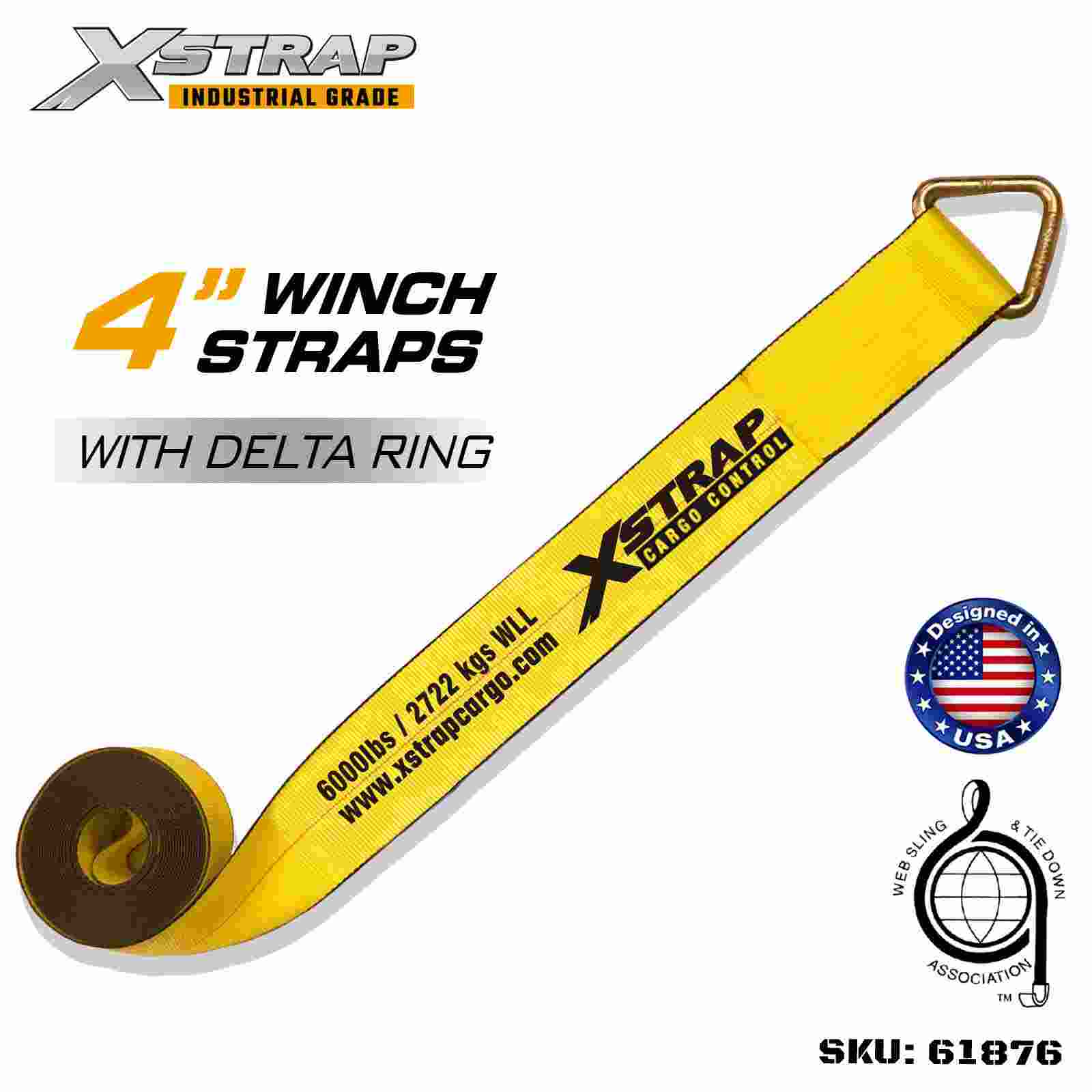
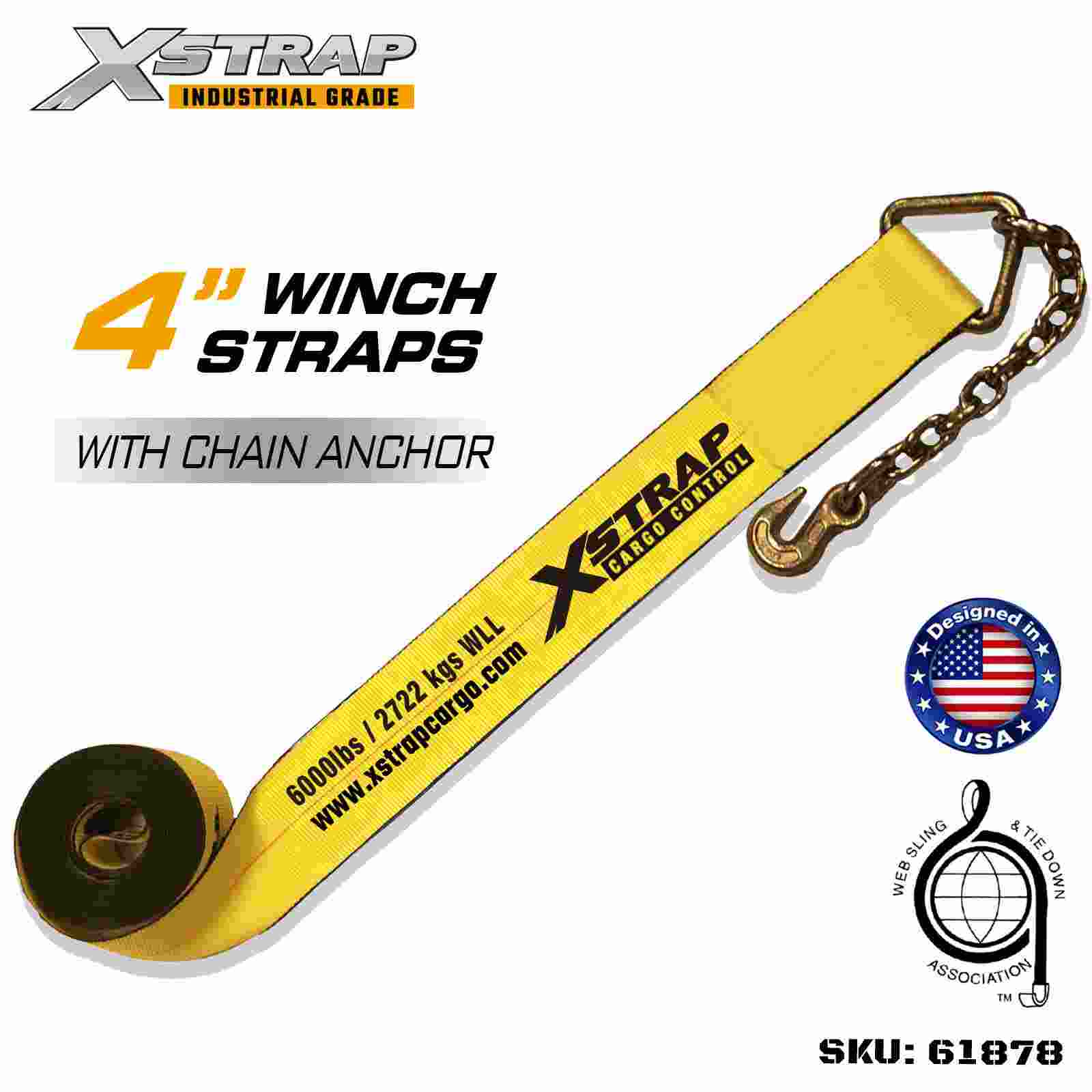
Recent News
 How Do You Choose the Right Utility Tie Downs and Bungee Cords for Your Needs
Introduction
When it comes to securing your gear for transport, storage, or organization, Utility Tie Downs and Bungee Cords are essential tools. Whether you're hauling heavy loads...
 The Ultimate Guide to Ratchet Straps: Choosing, Using, and Maintaining Them
Introduction to Ratchet Straps
What Are Ratchet Straps?
Ratchet straps, also known as tie-down straps or cargo straps, are a type of load securement tool widely used in transportat...
 How Can Ratchet Tie Down Standard Duty Straps Ensure Safe and Reliable Cargo Securement
What Are Ratchet Tie Down Straps and Why Are They Important for Cargo Securement?
Introduction to Ratchet Tie Down Straps
Ratchet tie down straps are essential tools for anyone inv...
 What are Ratchet Straps and how do they help you transport your items safely
What Are Ratchet Straps?
Ratchet straps, also known as ratchet tie-downs or cargo straps, are heavy-duty fastening tools designed to secure items during transportation. They consis...
 How to Properly Use Light Duty Ratchet Tie Downs for Maximum Load Security
Understanding the Basics of Ratchet Tie Down Light Duty Straps
Ratchet tie-down straps are a critical tool in the transportation, storage, and securement of goods. They are used to...
-
 +86-18112697781qindan355@gmail.comNo. 21 Yuefeng Road, Yangshe Town, Zhangjiagang City, Suzhou City, Jiangsu Province
 -
Quick Links
Social Media
-
OEM Partner
-


Copyright © 2025 Zhangjiagang SMK MFG. Co., Ltd. All rights reserved.
 Wholesale Tension Strap Manufacturers
Wholesale Tension Strap Manufacturers