
 English
 Français
 Español

Home / News / Industry News / The Ultimate Guide to Ratchet Straps: Choosing, Using, and Maintaining Them
The Ultimate Guide to Ratchet Straps: Choosing, Using, and Maintaining Them
2025-10-16
Introduction to Ratchet Straps
What Are Ratchet Straps?
Ratchet straps, also known as tie-down straps or cargo straps, are a type of load securement tool widely used in transportation, shipping, and storage. These straps are designed to hold cargo firmly in place, preventing shifting or damage during transit. A typical ratchet strap consists of high-strength webbing, a ratchet mechanism, and hardware such as S-hooks, J-hooks, or flat hooks. The webbing is usually made of polyester material, which provides durability, resistance to abrasion, and minimal stretching. The ratchet mechanism allows users to tighten the straps securely by pulling the webbing through a slotted spool and cranking the handle to achieve the desired tension.
Ratchet straps are used in a variety of applications, from securing heavy machinery on flatbed trucks to holding down smaller items on utility trailers. Their reliability in cargo control makes them essential tools for both commercial operators and individual users. Tie down techniques using ratchet straps can vary depending on the type of load, but the goal remains the same: to maintain safety and compliance with transportation standards such as DOT regulations.
|
Component |
Description |
|
Webbing |
Polyester strap material, provides strength and flexibility |
|
Ratchet Mechanism |
Metal device used to tighten and release the strap |
|
Hooks (S, J, Flat) |
Hardware for attaching straps to anchor points |
|
E-track Straps |
Straps designed for use with E-track cargo systems |
Brief History and Evolution
The use of straps for load securement can be traced back to early rope and chain methods used for transporting goods. Before the introduction of ratchet straps, cargo was often tied down with ropes or chains, which required knot-tying skills and did not always provide consistent tension. This created risks of cargo shifting, particularly during long journeys. As transportation industries evolved, the need for more reliable and standardized tie-down straps grew.
The modern ratchet strap emerged as an innovation combining polyester webbing with a ratchet mechanism that allowed controlled tensioning. This development offered several advantages over traditional ropes and chains, including repeatable tension, improved safety, and faster application. Over time, manufacturers introduced variations such as E-track straps for use in enclosed trailers, as well as specialized hardware options like flat hooks, S-hooks, and J-hooks to suit different anchor points.
Today, ratchet straps are available in various sizes and configurations, with working load limits and breaking strengths clearly labeled to ensure compliance with cargo control requirements. The evolution of ratchet straps reflects advancements in both material technology and safety regulations, aligning with the growing demand for efficient load securement methods in modern transportation.
Why Use Ratchet Straps? (Benefits and Applications)
Ratchet straps are chosen over other tie down techniques because they combine strength, ease of use, and versatility. Their primary benefit is the ability to secure loads of different shapes and sizes without requiring specialized tools. By adjusting the tension using the ratchet mechanism, users can apply enough pressure to keep cargo immobile without causing damage to the load or the vehicle.
One major benefit of ratchet straps is their defined working load limit and breaking strength, which provide users with clear guidelines on how much weight the straps can safely secure. The working load limit typically represents one-third of the strap’s breaking strength, offering a safety margin that aligns with DOT regulations. This makes ratchet straps suitable for both light-duty applications, such as securing furniture in a moving truck, and heavy-duty uses, like tying down construction equipment on a flatbed trailer.
Applications of ratchet straps are extensive. In household use, a home mover may use tie-down straps to hold appliances or boxes in place. In commercial transportation, cargo straps are essential for securing pallets, pipes, lumber, and heavy machinery. In specialized industries, E-track straps provide additional flexibility by attaching directly to track systems installed in trailers or vans. Regardless of the setting, ratchet straps provide reliable cargo control, reducing the risk of accidents or product damage.
|
Application |
Strap Type |
Key Features |
|
Household moving |
Light-duty ratchet straps |
Compact, easy to use, S-hooks |
|
Commercial trucking |
Heavy-duty cargo straps |
High working load limit, flat hooks |
|
Enclosed trailers |
E-track straps |
Compatible with E-track cargo systems |
|
Industrial equipment |
Extra-heavy-duty straps |
High breaking strength, reinforced webbing |
Understanding Load Ratings: Working Load Limit and Breaking Strength
A critical aspect of using ratchet straps effectively is understanding their load ratings. The working load limit (WLL) defines the maximum weight that the strap can safely handle during use. The breaking strength represents the maximum load the strap can withstand before failure, typically three times the WLL. By following these ratings, users can ensure that tie-down straps are applied within safe limits.
For example, a ratchet strap with a breaking strength of 6,000 pounds will usually have a working load limit of 2,000 pounds. This margin ensures safety during transport and provides confidence in cargo control. Ignoring these ratings can result in overloading, which increases the risk of strap failure and accidents. In addition, DOT regulations require that ratchet straps used for commercial transport be labeled with their working load limit, ensuring compliance and accountability.
|
Rating Term |
Definition |
Example Value |
|
Working Load Limit (WLL) |
Maximum safe working capacity |
2,000 lbs |
|
Breaking Strength |
Maximum load before failure |
6,000 lbs |
|
Safety Margin |
Ratio between breaking strength and WLL |
3:1 |
Components and Hardware Options
Ratchet straps come with different hardware options to suit various tie down techniques and cargo requirements. S-hooks are commonly used for light-duty applications, such as attaching to small anchor points in cars or utility trailers. J-hooks are stronger and provide a secure grip for larger loads. Flat hooks are often found on heavy-duty cargo straps, offering a wide attachment surface for truck beds and trailers.
In addition to these hook options, E-track straps are designed for use with E-track systems installed in enclosed trailers. This allows for flexible cargo control, as straps can be repositioned along the track for securing items of different sizes. The webbing itself is also customizable, with different widths and lengths available to match the type of cargo being secured.
The ratchet mechanism, a central part of the strap, allows for precise tensioning. By feeding the webbing through the slot and cranking the handle, the strap is tightened until the load is secure. A quick-release lever provides an easy way to loosen the strap once the transport is complete.
Safety and Compliance Considerations
Safety is a primary reason for using ratchet straps instead of ropes or improvised tie-down methods. DOT regulations require specific cargo securement standards for commercial transport, including the use of properly rated tie-down straps with visible labeling. Failure to comply can result in fines, accidents, or cargo loss.
Proper cargo control also requires applying the correct number of straps for the load. For example, heavy machinery on a flatbed may require multiple ratchet straps, each with adequate working load limits, to meet regulatory requirements. Additionally, operators must inspect straps regularly for signs of wear, fraying, or damage to the webbing and ratchet mechanism. Using damaged straps can compromise load securement and violate safety regulations.
Training in tie down techniques is equally important. Knowing how to thread, tension, and release ratchet straps correctly ensures that they function as intended and prevents misuse. Safe operation not only protects cargo but also enhances overall transportation safety.
|
Safety Factor |
Description |
|
Proper Labeling |
Straps must show working load limit |
|
Inspection |
Regularly check webbing, hooks, and ratchet mechanism |
|
Regulatory Compliance |
DOT regulations require proper cargo securement |
|
Correct Application |
Use the right strap type and number of straps per load |
How to Choose the Right Ratchet Strap
Determine Your Needs: What Are You Securing?
When choosing ratchet straps, the first step is to determine the type of load you are securing. The weight, size, and shape of the cargo will influence the type of tie-down straps you should use. For lightweight household items such as furniture, small boxes, or equipment, lighter-duty cargo straps may be sufficient. For heavier applications such as construction machinery, building materials, or vehicles, you will need industrial-grade ratchet straps with higher working load limits.
The shape of the cargo also plays an important role in cargo control. Irregularly shaped loads may require additional tie down techniques, such as using multiple straps at different angles to ensure stability. The surface of the cargo should also be considered, as fragile items may require padded webbing or additional protection to prevent damage during tightening. By carefully assessing your needs, you can select tie-down straps that provide both safety and efficiency in load securement.
|
Type of Cargo |
Strap Requirement |
Example Application |
|
Light household items |
Light-duty ratchet straps |
Furniture, small appliances |
|
Medium weight cargo |
General-purpose cargo straps |
Pallets, boxes, building supplies |
|
Heavy machinery |
Heavy-duty ratchet straps |
Vehicles, industrial equipment |
|
Irregularly shaped loads |
Multiple straps with varied angles |
Pipes, lumber, mixed cargo |
Working Load Limit (WLL) vs. Breaking Strength
A key factor in selecting the right ratchet straps is understanding the difference between working load limit (WLL) and breaking strength. The working load limit refers to the maximum weight the strap can safely handle under normal conditions. Breaking strength, on the other hand, is the maximum force the strap can withstand before failure. For safety, the working load limit is typically one-third of the breaking strength.
This distinction is critical for ensuring compliance with DOT regulations and for maintaining safety during cargo transport. Using straps beyond their working load limit increases the risk of strap failure, which can lead to accidents, fines, or cargo damage. Always check the labeling on cargo straps, as manufacturers are required to display the WLL clearly. By matching the strap’s working load limit to the weight of your cargo, you ensure secure load control without compromising safety.
|
Rating Term |
Definition |
Example |
|
Working Load Limit (WLL) |
Maximum safe working capacity |
1,500 lbs |
|
Breaking Strength |
Maximum force before strap failure |
4,500 lbs |
|
Safety Factor |
Ratio of breaking strength to WLL |
3:1 |
Material Considerations: Weather Resistance, UV Resistance, and Abrasion Resistance
The material of ratchet straps significantly affects their durability and performance. Most tie-down straps use polyester webbing, which is known for its minimal stretch, weather resistance, and resistance to abrasion. Polyester is preferred because it maintains tension during transport and performs well in both indoor and outdoor conditions.
For applications where the straps will be exposed to sunlight for extended periods, UV resistance is essential. UV rays can weaken webbing over time, reducing its strength and effectiveness. Similarly, in environments with frequent moisture exposure, such as marine transport, webbing with water resistance helps prevent mold and mildew growth.
Abrasion resistance is another important factor, especially when straps are used against rough surfaces like metal edges or construction materials. In such cases, protective sleeves or reinforced webbing may be used to extend the life of the ratchet straps. By evaluating environmental conditions and material requirements, you can select tie-down straps that remain reliable over repeated use.
|
Condition |
Material Feature Needed |
Benefit |
|
Outdoor, long-term sunlight |
UV-resistant webbing |
Prevents degradation |
|
Marine or wet environments |
Water-resistant webbing |
Reduces mold and mildew |
|
Heavy construction loads |
Abrasion-resistant webbing |
Extends lifespan |
|
General use |
Polyester webbing |
Minimal stretch, versatile |
Length and Width: Choosing the Appropriate Dimensions
The dimensions of ratchet straps are essential for effective load securement. The length of the strap determines how much cargo it can wrap around, while the width impacts its overall strength. Common strap widths include 1-inch, 2-inch, 3-inch, and 4-inch options. Narrower straps are typically used for lighter loads, while wider straps are designed for heavy-duty cargo control.
For example, a 1-inch ratchet strap may be used for securing household items, while a 4-inch industrial cargo strap is more suitable for securing heavy machinery. Length also plays a role, as longer straps provide greater flexibility for tying down oversized or irregularly shaped loads. However, excessively long straps can create unnecessary slack, which needs to be managed carefully to avoid tangling or loosening during transport.
Selecting the right combination of length and width ensures that the tie-down straps are both practical and safe for your specific application. Many manufacturers provide guidance charts that pair load capacity with strap dimensions, making it easier to select the correct strap for your cargo.
|
Strap Width |
Typical Application |
Approx. WLL |
|
1 inch |
Light household loads |
500 – 1,000 lbs |
|
2 inch |
General-purpose cargo |
1,500 – 3,000 lbs |
|
3 inch |
Heavy-duty cargo |
3,000 – 5,000 lbs |
|
4 inch |
Industrial equipment |
5,000+ lbs |
End Fitting Selection: Matching the Right Hook or Fitting to Your Anchor Points
The end fittings of ratchet straps are just as important as the webbing and ratchet mechanism. These fittings connect the straps to anchor points on the vehicle, trailer, or storage system. The most common fittings include S-hooks, J-hooks, flat hooks, and E-track straps. Each has distinct advantages depending on the type of anchor point and cargo being secured.
S-hooks are versatile and easy to use, making them suitable for lighter loads and common household or recreational applications. J-hooks provide a stronger and more secure grip, making them ideal for medium to heavy-duty cargo control. Flat hooks are designed for flatbed trailers and provide a wide attachment surface that distributes force evenly across anchor points. E-track straps are specialized for use in enclosed trailers with E-track systems, offering flexible positioning and secure attachment.
When choosing end fittings, it is essential to match them with the correct anchor points. Using the wrong type of hook can compromise tie down techniques and reduce overall safety. For compliance with DOT regulations, ensure that the end fittings are rated for the same working load limit as the webbing and ratchet mechanism.
|
End Fitting Type |
Common Use |
Advantages |
|
S-hooks |
Household, recreational |
Easy to attach, lightweight |
|
J-hooks |
Medium to heavy-duty cargo |
Strong, secure grip |
|
Flat hooks |
Flatbed trailers |
Wide attachment surface |
|
E-track straps |
Enclosed trailers |
Flexible positioning |
Additional Considerations for Cargo Control
Beyond the main selection factors, users should also consider maintenance and inspection of ratchet straps. Regularly check the webbing for fraying, cuts, or discoloration, as these signs indicate wear that may compromise load securement. Inspect the ratchet mechanism for rust, bent parts, or malfunctioning release levers, as these can reduce reliability.
Tie down techniques should also be practiced to ensure straps are applied correctly. Proper threading of the webbing through the ratchet mechanism, adequate tensioning, and securing excess strap length are all essential for safe use. In commercial applications, operators must remain compliant with DOT regulations, which require proper labeling and the correct number of straps based on cargo weight and dimensions.
Investing in quality ratchet straps with the right specifications not only ensures safe transportation but also helps extend the life of the equipment. By aligning cargo type, weight, environment, strap dimensions, and end fittings, users can achieve reliable and efficient load securement in a variety of settings.
Step-by-Step Guide to Using Ratchet Straps
Safety Precautions: Inspecting Straps, Avoiding Twists and Knots, and Protecting Edges
Before using ratchet straps, it is important to follow safety precautions to ensure reliable cargo control and compliance with DOT regulations. The first step is to inspect the tie-down straps thoroughly. Look for signs of fraying, cuts, burns, or discoloration on the webbing, as these can weaken the strap and reduce its working load limit. The ratchet mechanism should also be checked for rust, bent components, or difficulty in operation. A properly functioning ratchet mechanism ensures that the strap can be tightened and released without difficulty.
During setup, avoid twisting the webbing, as twists create uneven tension that can compromise load securement. Knots should never be tied in cargo straps because they reduce the breaking strength and can cause premature failure. For loads with sharp edges, protective sleeves or corner protectors should be used to prevent abrasion and cutting of the webbing. These steps help maintain the strength and durability of ratchet straps, allowing them to perform effectively for multiple uses.
|
Safety Step |
Purpose |
Example Practice |
|
Inspect webbing |
Identify wear and damage |
Look for frays or cuts |
|
Check ratchet mechanism |
Ensure smooth operation |
Test for locking and release |
|
Avoid twists/knots |
Maintain full strength |
Lay strap flat across cargo |
|
Use edge protection |
Prevent abrasion damage |
Corner protectors on metal edges |
Attaching the Straps: Connecting End Fittings to Anchor Points
The next step in using ratchet straps is attaching them securely to the anchor points of the vehicle or trailer. The choice of end fittings—such as S-hooks, J-hooks, flat hooks, or E-track straps—should be matched to the anchor points available. For example, S-hooks are often used for lighter loads in household or recreational applications, while flat hooks are commonly used on flatbed trailers for securing heavy cargo. E-track straps are suitable for enclosed trailers equipped with an E-track system, offering flexibility in positioning.
When connecting tie-down straps, ensure that the hooks or fittings are seated properly without risk of slipping. Anchor points must be strong enough to handle the working load limit of the strap and should be positioned in a way that distributes tension evenly across the cargo. Using multiple cargo straps may be necessary for larger or irregular loads to ensure complete coverage and balance. Careful attachment at this stage is critical for overall load securement and prevents the risk of movement during transport.
|
End Fitting Type |
Common Use |
Anchor Point Example |
|
S-hooks |
Light-duty cargo |
Utility trailer hooks |
|
J-hooks |
Medium-duty cargo |
Truck bed rails |
|
Flat hooks |
Flatbed trailers |
Steel rub rails |
|
E-track straps |
Enclosed trailers |
E-track systems |
Tightening the Strap: Using the Ratchet Mechanism to Secure the Load
Once the straps are attached, the next step is to thread the webbing through the ratchet mechanism and tighten it. To begin, open the ratchet handle fully to expose the slot in the ratchet spool. Feed the free end of the webbing through the slot, pulling it through until there is little slack remaining. The webbing should lie flat without twists, as this ensures even distribution of force across the strap.
With the webbing threaded, begin cranking the ratchet handle back and forth. Each motion engages the teeth of the ratchet mechanism, pulling the strap tighter with each cycle. Continue ratcheting until the strap is snug against the cargo, ensuring there is sufficient tension to prevent shifting but not so tight that it risks damaging the load. It is essential to check that the strap is aligned properly and that the webbing remains free of folds or creases. Proper use of the ratchet mechanism provides consistent and secure tightening, making it an essential part of tie down techniques.
|
Step |
Action |
Result |
|
Thread webbing |
Insert through ratchet spool |
Strap aligned and ready |
|
Remove slack |
Pull free end of webbing |
Cargo pre-tensioned |
|
Ratchet handle |
Pump handle back and forth |
Strap tightened incrementally |
|
Verify tension |
Inspect strap and cargo |
Secure load, no shifting |
Securing the Excess Webbing: Proper Methods to Prevent Flapping and Damage
After tightening the ratchet straps, the excess webbing must be managed to prevent it from flapping in the wind or becoming tangled during transport. Loose webbing not only creates noise but can also become damaged if it rubs against sharp surfaces or drags on the ground. To address this, there are several methods for securing the extra length of tie-down straps.
One common approach is to roll the excess webbing neatly into a coil and tie it off with a rubber band, hook-and-loop fastener, or reusable strap keeper. Another option is to tuck the extra webbing back into the ratchet mechanism if space allows. Some operators prefer to weave the strap into itself, creating a secure hold without additional accessories.
The chosen method should keep the webbing firmly in place while maintaining quick access for releasing the strap later. Proper management of excess webbing extends the life of cargo straps by preventing unnecessary wear and ensures compliance with DOT regulations regarding secure load control.
|
Method |
Description |
Advantage |
|
Coiling with fastener |
Roll webbing and secure with band or strap keeper |
Neat and reusable |
|
Tucking into ratchet |
Feed extra back into mechanism |
Quick and simple |
|
Weaving into itself |
Thread webbing through loops |
Secure without tools |
Releasing the Strap: Safely Disengaging the Ratchet and Removing the Strap
The final step in using ratchet straps is releasing them once the load has been transported. To do this safely, open the ratchet handle completely until it reaches the fully open position. This disengages the ratchet mechanism and releases tension from the webbing. Pull the webbing free from the spool, ensuring that it does not snap back or catch on cargo edges during removal.
It is important to release the straps slowly and in a controlled manner to avoid sudden movement that could cause injury or damage. Once the webbing is removed, roll it neatly for storage to prevent tangling or creasing. Regular cleaning of the straps after use also helps extend their service life, particularly if they have been exposed to dirt, moisture, or chemicals during transport.
Properly releasing and storing tie-down straps ensures they remain ready for future use and maintains their working load limit and breaking strength ratings. Safe removal is as critical as initial application, as it completes the cycle of effective load securement.
|
Step |
Action |
Benefit |
|
Open ratchet fully |
Disengage teeth and release tension |
Safe strap removal |
|
Pull webbing free |
Remove from ratchet spool |
Prevents catching or snapping |
|
Roll and store |
Coil webbing neatly |
Prevents tangles and damage |
Additional Considerations for Effective Load Securement
While the basic steps for using ratchet straps are straightforward, additional practices help ensure safety and effectiveness. Always confirm that the number of cargo straps used meets the requirements of the load’s weight and dimensions, as specified by DOT regulations. Using multiple straps provides redundancy and balance for heavy or irregular loads.
It is also recommended to check strap tension periodically during long trips, as vibrations and cargo shifting can cause loosening over time. Re-tightening when necessary helps maintain consistent cargo control. Training in proper tie down techniques is beneficial, particularly for commercial drivers who rely on cargo straps daily to secure loads.
By following step-by-step procedures and incorporating additional safety checks, ratchet straps provide reliable load securement for a wide variety of applications, from household moves to industrial transport.
Best Practices for Securing Different Types of Cargo with Ratchet Straps
Securing Cargo on a Flatbed Trailer
Flatbed trailers are commonly used to transport heavy machinery, pallets, steel, and construction materials. When securing cargo on a flatbed, ratchet straps play a crucial role in ensuring stability and compliance with DOT regulations. Tie-down straps should be selected according to the working load limit and breaking strength requirements of the cargo. For example, a 4-inch wide cargo strap with flat hooks is often used for industrial equipment because it distributes pressure evenly and anchors securely to trailer rails.
The ratchet mechanism must be engaged correctly to maintain tension throughout the trip, and additional webbing should be managed to prevent flapping. Using multiple tie down techniques, such as cross-strapping, increases stability by reducing side-to-side movement. It is also advisable to use edge protectors on sharp corners of loads like steel beams or crates to prevent webbing damage. Regular inspection during transit ensures that vibrations or shifting do not loosen the cargo straps, which is particularly important for long hauls.
|
Cargo Type |
Strap Type |
Anchor Point |
Recommended Practice |
|
Pallets |
2-inch ratchet straps |
Side rails |
Apply at multiple angles |
|
Steel beams |
4-inch flat hook straps |
Rub rails |
Use edge protectors |
|
Heavy machinery |
4-inch J-hook straps |
Frame anchor points |
Cross-strapping for balance |
Tie-Down Techniques for ATVs and UTVs
Transporting ATVs and UTVs requires specialized tie down techniques to prevent shifting during transport. Ratchet straps with S-hooks or J-hooks are often preferred for these vehicles, as they can attach easily to the frame or designated tie-down points. The webbing should be strong enough to resist stretching, maintaining consistent tension without loosening.
When securing ATVs and UTVs, it is recommended to use at least four cargo straps—one for each corner of the vehicle. This approach distributes the working load limit across multiple straps, ensuring that the vehicle remains stable. The ratchet mechanism should be tightened until the suspension of the ATV or UTV compresses slightly, which helps reduce bounce during transit. Care should be taken not to overtighten, as this could strain the frame or suspension system.
- track straps are also useful when hauling multiple vehicles inside an enclosed trailer. They provide flexible positioning and quick attachment, streamlining the cargo control process. By selecting the correct webbing length and anchoring points, ATVs and UTVs can be transported safely to off-road sites or recreational areas.
|
Vehicle Type |
Strap Width |
Hook Type |
Tie-Down Method |
|
Single ATV |
1-2 inch |
S-hooks |
Four-point tie-down |
|
Dual ATVs |
2-inch |
J-hooks |
Cross-strap with compression |
|
UTV |
2-4 inch |
E-track straps |
Multiple anchor points in trailer |
Securing Motorcycles
Motorcycles require specific load securement methods because of their narrow frames and sensitive balance points. Ratchet straps are essential for keeping the motorcycle upright during transportation, whether on a trailer or in a pickup truck bed. Soft loops can be used to protect the handlebars or frame from direct contact with metal hooks, reducing the risk of scratches or damage.
For motorcycles, tie-down straps should be attached to the handlebars, triple tree, or designated anchor points on the frame. A minimum of four straps is recommended—two in the front and two in the rear. The front straps should pull the motorcycle forward and down, compressing the suspension slightly for stability. The rear straps prevent backward or sideways movement. Webbing tension must be checked regularly to avoid loosening caused by vibrations during travel.
Flat hooks or J-hooks are commonly used for motorcycle transport, depending on the type of trailer or truck. Cargo straps with abrasion-resistant webbing are ideal for this application, as they withstand repeated use without weakening. Proper load securement ensures that motorcycles arrive safely at their destination without risk of tipping or sliding.
|
Anchor Point |
Strap Type |
Benefit |
|
Handlebars with soft loops |
1-2 inch ratchet straps |
Prevents scratches, stable grip |
|
Triple tree/frame |
J-hook straps |
Strong and direct tie-down |
|
Rear frame |
Flat hook straps |
Prevents rear-end movement |
Securing Lumber and Construction Materials
Lumber, pipes, and construction materials present unique challenges due to their size, weight, and irregular shapes. Ratchet straps are often the most practical solution, especially when used on flatbed trailers or open truck beds. Wide cargo straps with flat hooks are typically chosen because they can secure large bundles evenly and resist shifting during transport.
Tie down techniques such as over-the-top strapping and side-angle strapping are commonly employed. Over-the-top strapping ensures downward pressure on stacked materials, while angled straps prevent lateral movement. For irregular loads such as pipes or mixed construction materials, cross-strapping helps stabilize the cargo effectively. Webbing must be abrasion-resistant to withstand contact with rough surfaces, and edge protectors should be used on sharp corners to prevent cuts.
DOT regulations require a minimum number of tie-downs based on the length and weight of the load, so compliance is essential when securing construction materials. Cargo control in this context not only ensures safety but also protects valuable building supplies from shifting or falling during transport.
|
Material Type |
Strap Requirement |
Technique |
Note |
|
Lumber bundles |
3-4 inch flat hook straps |
Over-the-top |
Use edge protectors |
|
Pipes |
2-4 inch J-hook straps |
Cross-strapping |
Prevents rolling |
|
Mixed materials |
Multiple straps |
Combination methods |
Inspect tension regularly |
General Best Practices Across Cargo Types
Regardless of the type of cargo, several best practices apply universally when using ratchet straps. Always match the strap’s working load limit to the weight of the cargo, allowing for a sufficient safety margin relative to its breaking strength. Inspect webbing for wear, avoid knots or twists, and ensure the ratchet mechanism operates smoothly. Anchor points should be selected carefully, and end fittings should be compatible with the cargo and vehicle type.
Managing excess webbing is also an important part of cargo control. Excess strap should be coiled and secured to prevent flapping, which can cause wear and distraction during transport. Regular checks during long trips ensure that tie-down straps remain tight and effective. By combining proper tie down techniques with appropriate strap selection, operators can maintain safe and compliant load securement in line with DOT regulations.
Maintaining and Storing Ratchet Straps
Inspection: Checking for Wear, Cuts, and Damage Before Each Use
Proper inspection of ratchet straps is a crucial step in ensuring safe load securement. Before every use, tie-down straps should be examined for signs of wear, cuts, or fraying on the webbing. Since the webbing is responsible for holding most of the weight, any visible damage can compromise its working load limit and reduce the breaking strength. Common areas of damage include abrasion near the ratchet mechanism, frayed edges where hooks connect, and cuts from contact with sharp corners of cargo.
In addition to the webbing, users should also inspect hardware components such as the ratchet mechanism, S-hooks, J-hooks, flat hooks, and any E-track straps used in cargo control. The ratchet mechanism must function smoothly without excessive resistance or slipping. Hooks should not be bent, cracked, or rusted, as these issues can weaken their ability to secure loads. Proper tie down techniques rely on equipment that is structurally sound, so even small defects should not be ignored.
It is recommended to establish a regular inspection routine, especially for operators who rely on cargo straps for professional use. Keeping a record of inspection results can help identify straps that need to be retired or replaced. This practice ensures compliance with DOT regulations and prevents avoidable failures during transport.
|
Inspection Area |
What to Check |
Signs of Damage |
Action to Take |
|
Webbing |
Cuts, fraying, abrasion |
Loose fibers, visible cuts |
Replace strap |
|
Ratchet mechanism |
Smooth operation |
Slipping, rust |
Clean or replace |
|
Hooks (S, J, flat) |
Shape and strength |
Bent, cracked, rusted |
Replace hardware |
|
E-track fittings |
Locking and alignment |
Loose fit, wear |
Replace fitting |
Cleaning: Removing Dirt, Grime, and Chemicals
Cleaning ratchet straps is essential for maintaining the integrity of the webbing and metal components. Over time, cargo straps accumulate dirt, oil, road salt, and even chemicals depending on the type of load transported. These contaminants can degrade the webbing fibers and reduce the effectiveness of the tie down techniques used. A regular cleaning schedule helps extend the life of ratchet straps while maintaining safe load securement.
For routine cleaning, straps should be rinsed with clean water to remove dirt and debris. If necessary, mild soap can be used, but harsh chemicals or solvents should be avoided as they can weaken the webbing. After cleaning, straps should be air-dried completely before storage. Wet webbing can encourage mold, mildew, and material weakening, which compromises the working load limit over time.
Metal components such as the ratchet mechanism, S-hooks, J-hooks, flat hooks, and E-track straps should also be cleaned to prevent rust and corrosion. A soft brush can be used to remove stubborn dirt from the ratchet mechanism, and lubrication can be applied lightly to maintain smooth operation. By removing grime and ensuring components remain free of buildup, operators can maintain reliable cargo control across different applications.
|
Cleaning Task |
Recommended Method |
What to Avoid |
Benefit |
|
Webbing rinse |
Use water and mild soap |
Harsh chemicals, bleach |
Protects fiber strength |
|
Drying |
Air-dry fully |
Heat sources, direct sunlight |
Prevents weakening |
|
Ratchet mechanism |
Brush and light oil |
Heavy lubrication |
Smooth operation |
|
Hooks and fittings |
Wipe and inspect |
Ignoring rust spots |
Maintains load integrity |
Storage: Proper Storage to Prevent Damage and Prolong Lifespan
Proper storage of ratchet straps is one of the most important practices for extending their lifespan and ensuring reliable performance. After each use, cargo straps should be coiled neatly to avoid tangling, knotting, or twisting. Storing straps loosely or in piles can lead to creases in the webbing, which may weaken fibers over time. Keeping webbing smooth and organized helps maintain its strength and readiness for future load securement tasks.
Straps should be stored in a dry, cool location away from direct sunlight and extreme temperatures. Prolonged exposure to UV rays can degrade the webbing material, while moisture encourages mold and rust on the metal hardware. To avoid such damage, straps can be placed in storage bags or bins designed for tie-down straps. Professional operators may also use specialized strap winders or E-track strap organizers to keep equipment in order.
The ratchet mechanism, S-hooks, J-hooks, flat hooks, and other fittings should be stored in a way that prevents unnecessary pressure on the webbing. Storing cargo straps with heavy loads placed on top of them can cause deformation and reduce their working load limit. Regularly rotating the straps in use and separating worn ones from newer ones is also an effective way to ensure consistent performance. This approach not only protects the investment in ratchet straps but also supports compliance with DOT regulations related to cargo control.
|
Storage Condition |
Best Practice |
Reason |
|
Location |
Dry, cool, shaded |
Prevents UV and moisture damage |
|
Organization |
Coil neatly or use strap winders |
Reduces tangles and creases |
|
Protection |
Use bags or bins |
Keeps straps clean and secure |
|
Hardware care |
Store without pressure |
Prevents deformation |
Integrating Maintenance and Storage into Cargo Control Practices
Maintenance and storage are not standalone tasks but integral parts of cargo control. Tie down techniques rely not only on how ratchet straps are applied but also on the condition of the equipment itself. Regular inspection ensures straps meet their rated working load limit and breaking strength, cleaning preserves the webbing and ratchet mechanism, and proper storage prevents unnecessary wear. Together, these practices form a complete approach to load securement.
Operators who handle heavy cargo, motorcycles, ATVs, UTVs, or construction materials should make maintenance a routine alongside trip preparation. Keeping spare cargo straps on hand allows for immediate replacement if any strap fails inspection. Integrating these best practices ensures that ratchet straps remain reliable, compliant with DOT regulations, and capable of supporting safe and efficient transportation across different industries.
Popular Products
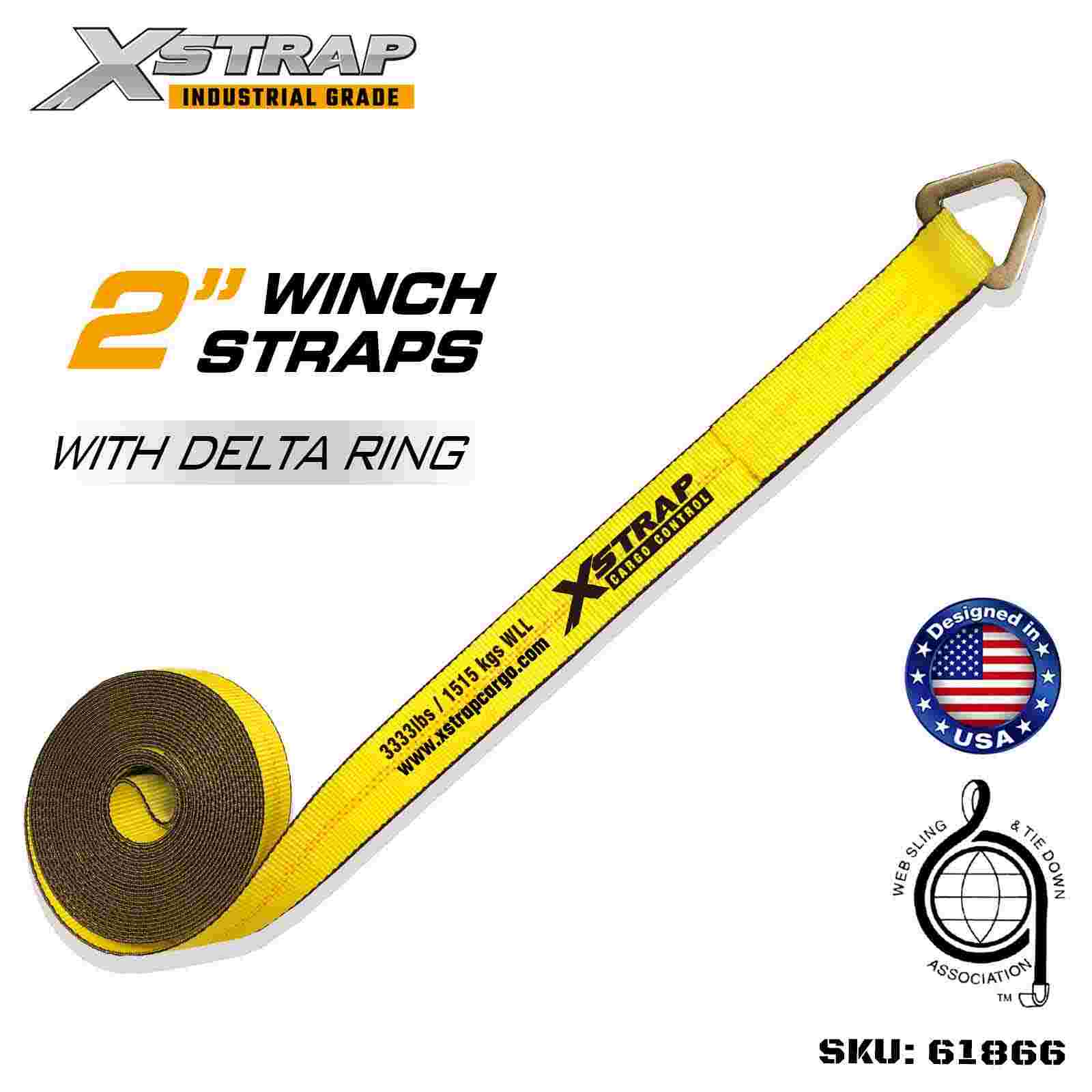
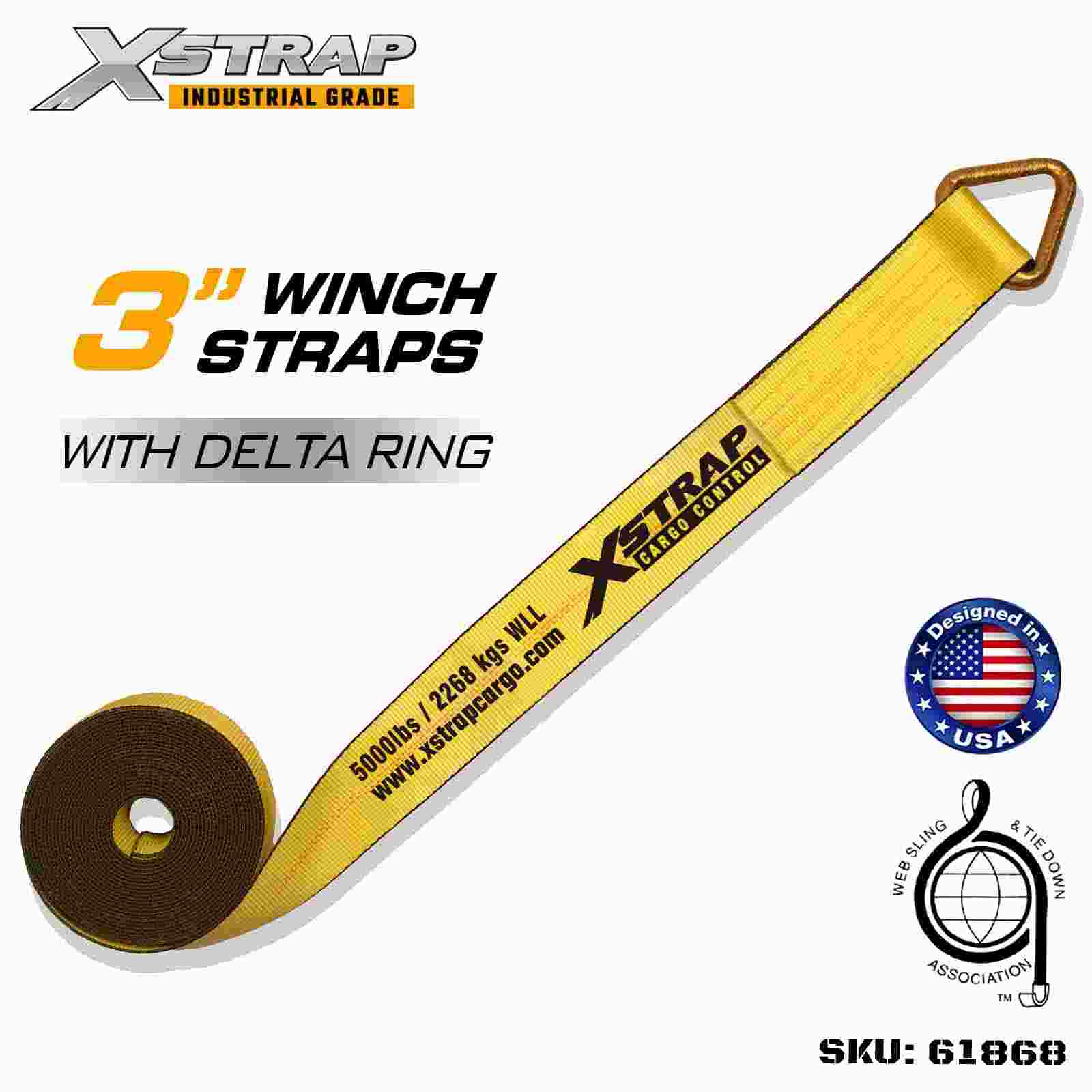
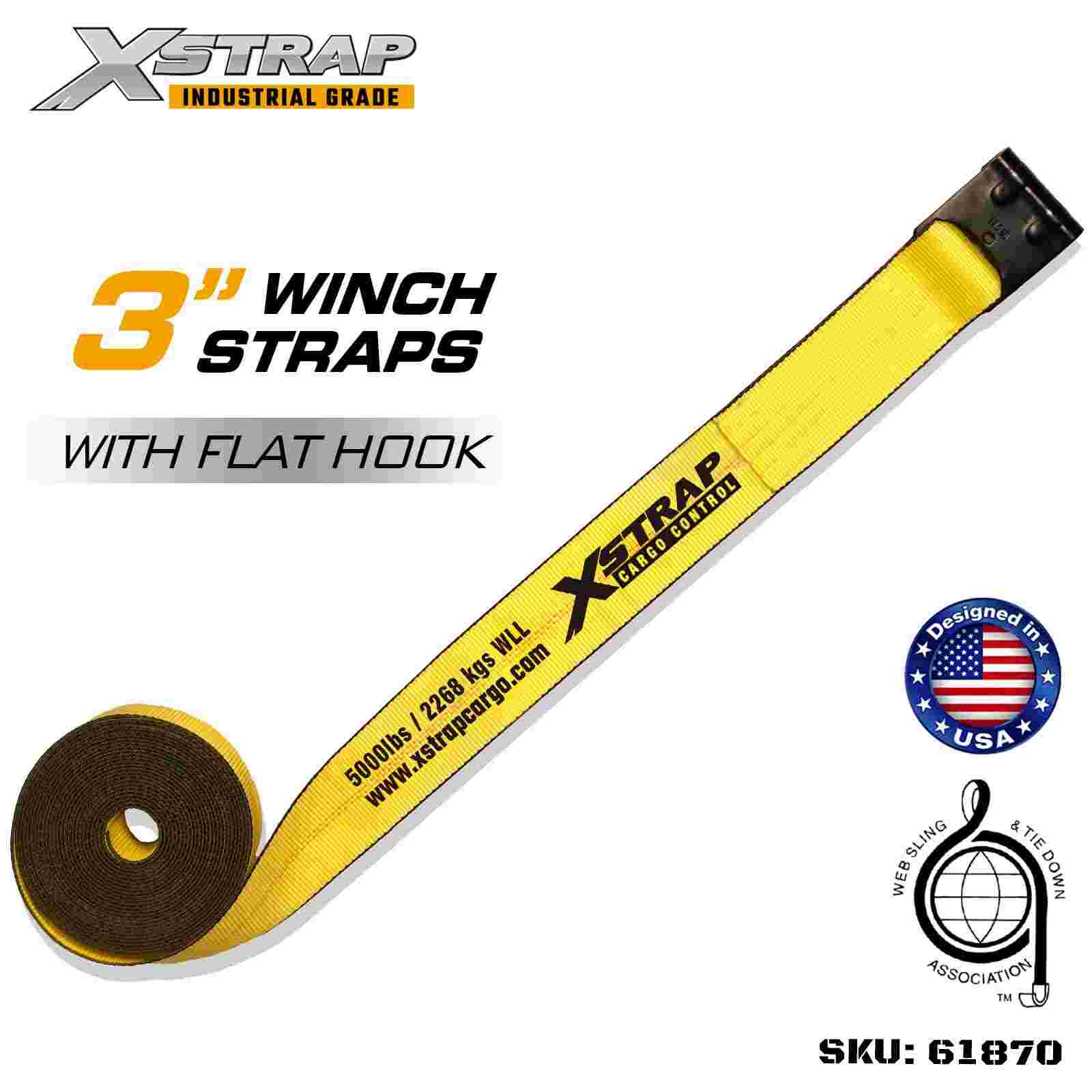
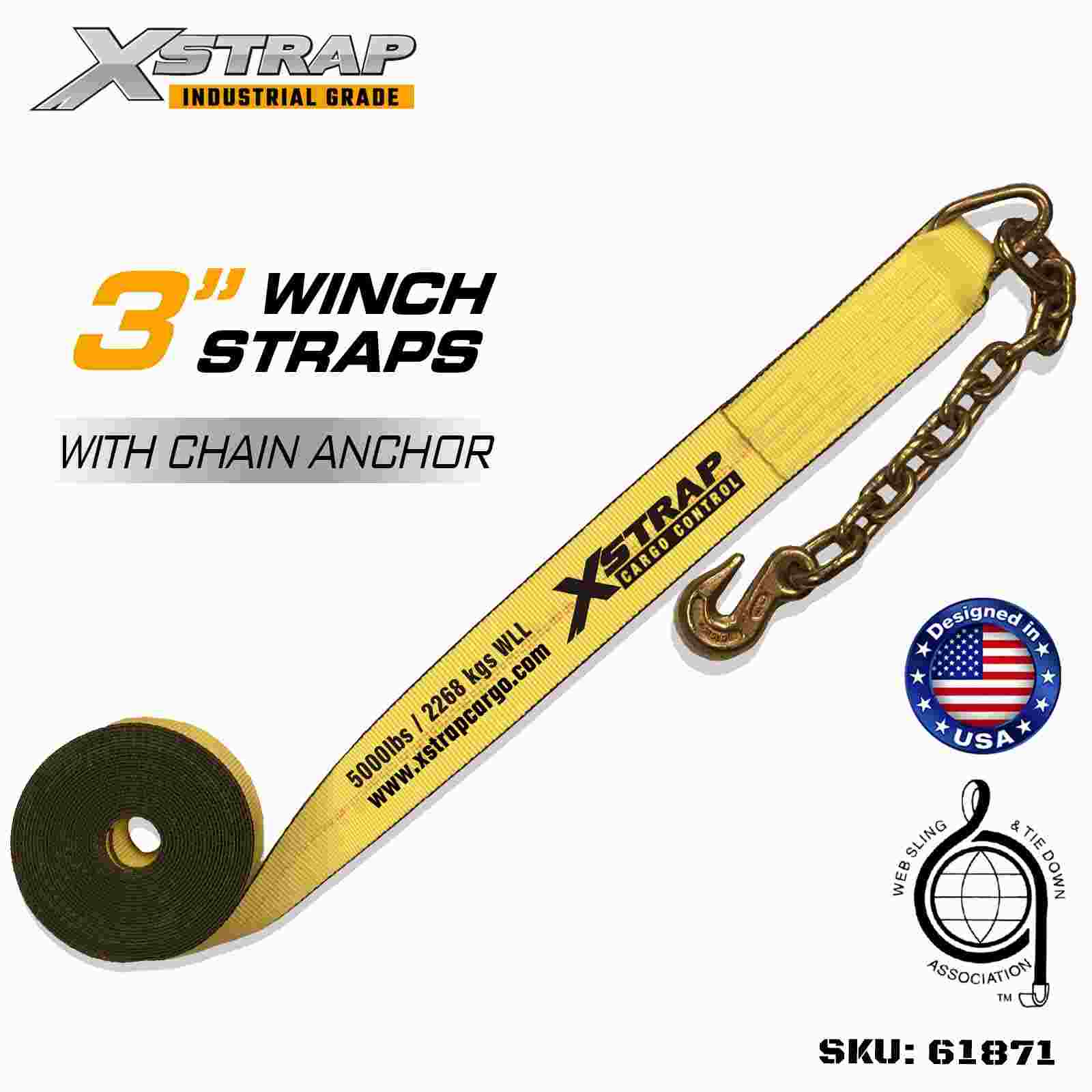
Recent News
 How Do You Choose the Right Utility Tie Downs and Bungee Cords for Your Needs
Introduction
When it comes to securing your gear for transport, storage, or organization, Utility Tie Downs and Bungee Cords are essential tools. Whether you're hauling heavy loads...
 The Ultimate Guide to Ratchet Straps: Choosing, Using, and Maintaining Them
Introduction to Ratchet Straps
What Are Ratchet Straps?
Ratchet straps, also known as tie-down straps or cargo straps, are a type of load securement tool widely used in transportat...
 How Can Ratchet Tie Down Standard Duty Straps Ensure Safe and Reliable Cargo Securement
What Are Ratchet Tie Down Straps and Why Are They Important for Cargo Securement?
Introduction to Ratchet Tie Down Straps
Ratchet tie down straps are essential tools for anyone inv...
 What are Ratchet Straps and how do they help you transport your items safely
What Are Ratchet Straps?
Ratchet straps, also known as ratchet tie-downs or cargo straps, are heavy-duty fastening tools designed to secure items during transportation. They consis...
 How to Properly Use Light Duty Ratchet Tie Downs for Maximum Load Security
Understanding the Basics of Ratchet Tie Down Light Duty Straps
Ratchet tie-down straps are a critical tool in the transportation, storage, and securement of goods. They are used to...
-
 +86-18112697781qindan355@gmail.comNo. 21 Yuefeng Road, Yangshe Town, Zhangjiagang City, Suzhou City, Jiangsu Province
 -
Quick Links
Social Media
-
OEM Partner
-


Copyright © 2025 Zhangjiagang SMK MFG. Co., Ltd. All rights reserved.
 Wholesale Tension Strap Manufacturers
Wholesale Tension Strap Manufacturers