
 English
 Français
 Español

Home / News / Industry News / How to Properly Use Light Duty Ratchet Tie Downs for Maximum Load Security
How to Properly Use Light Duty Ratchet Tie Downs for Maximum Load Security
2025-10-16
Understanding the Basics of Ratchet Tie Down Light Duty Straps
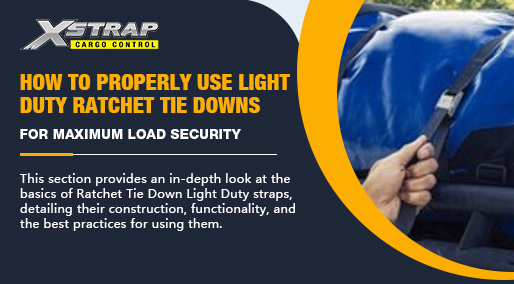
Ratchet tie-down straps are a critical tool in the transportation, storage, and securement of goods. They are used to ensure that cargo is firmly held in place, preventing it from shifting, damaging surrounding objects, or even causing accidents during transit. When considering ratchet tie-down straps for light-duty applications, it’s important to understand the materials, features, proper use, and how they compare to other methods of securing cargo. This section provides an in-depth look at the basics of Ratchet Tie Down Light Duty straps, detailing their construction, functionality, and the best practices for using them.
What Are Ratchet Tie Down Light Duty Straps?
Ratchet tie-down straps are typically made from high-strength webbing and feature a ratchet mechanism that allows for easy tightening and securing of loads. Unlike other types of tie-downs, such as rope or bungee cords, ratchet straps provide a much more secure hold, making them ideal for a variety of applications, particularly in the transportation of goods. The "light-duty" aspect refers to the load capacity and design, which is suitable for smaller and lighter loads.
Light-duty ratchet tie-downs are often used for securing smaller cargo such as furniture, boxes, camping gear, or motorcycles. These straps are generally 1 inch wide and come in various lengths to accommodate different securing needs. The ratchet mechanism allows the user to tighten the strap with precision, ensuring the load is held firmly in place without the risk of slippage or loosening during transit.
Components of Ratchet Tie Down Light Duty Straps
The typical ratchet tie-down light-duty strap consists of three primary components: the webbing, the ratchet mechanism, and the hook or end fittings. The webbing is usually made of polyester or nylon, both of which offer excellent tensile strength and resistance to stretching. Polyester is particularly favored for its UV resistance, ensuring the strap remains durable even under prolonged exposure to sunlight.
The ratchet mechanism is a key feature of these straps. It consists of a handle, a gear, and a release lever. The handle is used to tighten the strap by turning the gear, which pulls the webbing through a spool. This allows the user to apply significant tension to the strap, ensuring the load is securely fastened. Once the desired tension is achieved, the ratchet locks in place, preventing the strap from loosening until the release lever is engaged.
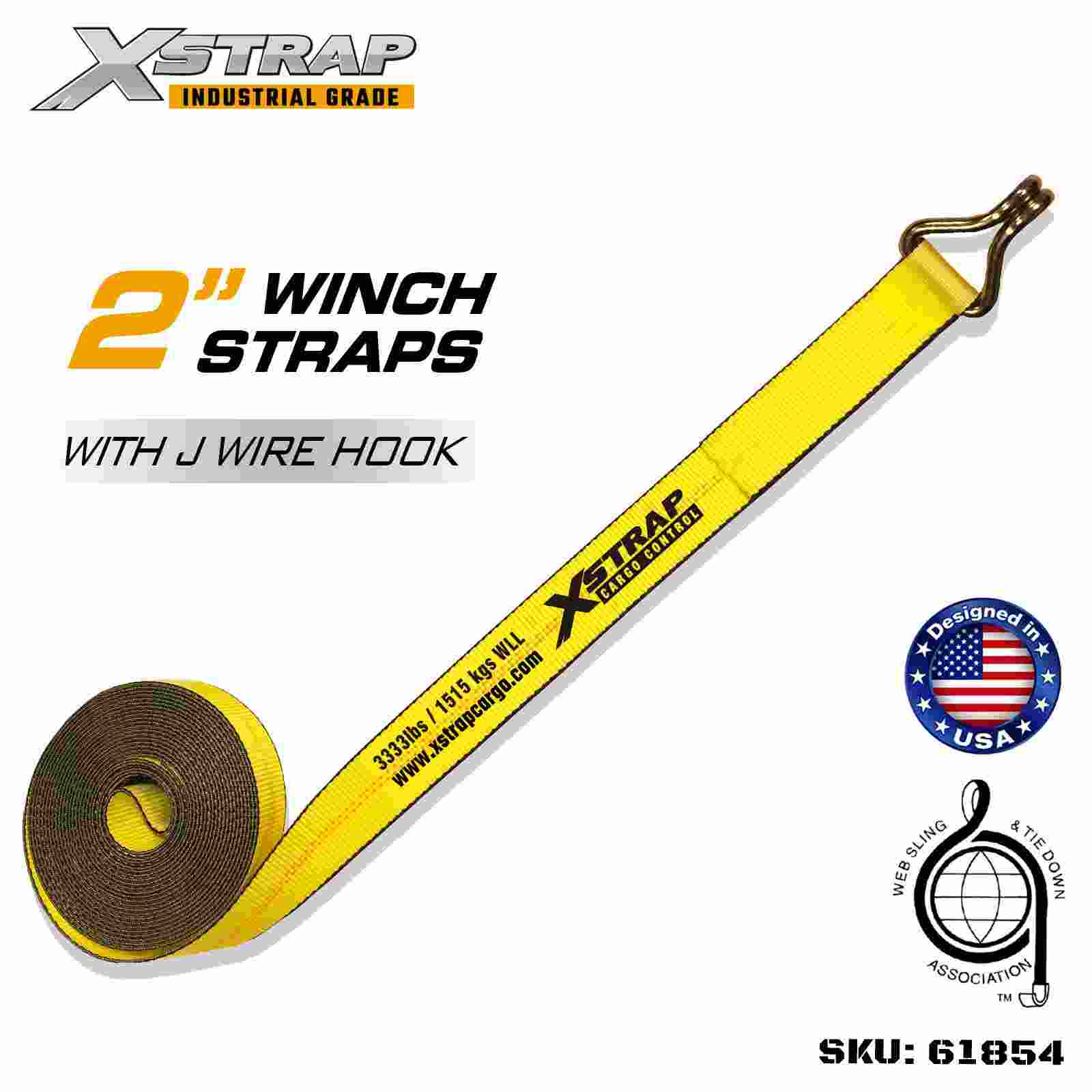
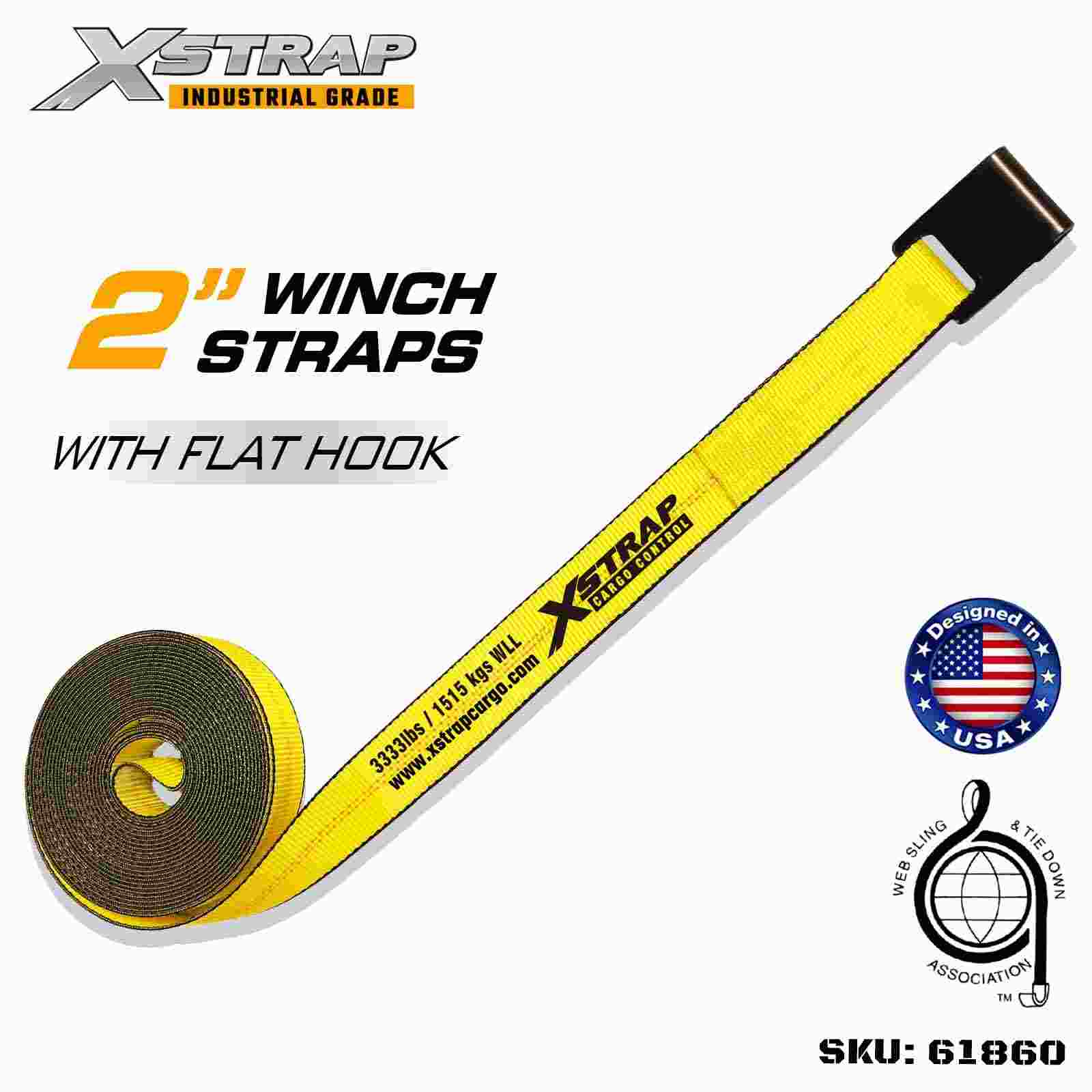
The hooks or end fittings are made from steel or alloy materials and are designed to connect the strap to secure points on the load and the vehicle or anchor point. There are several different types of hooks available, including S-hooks, J-hooks, and flat hooks, depending on the application. For light-duty use, these hooks are usually smaller but still designed to hold the load without bending or breaking.
How Do Ratchet Tie Down Light Duty Straps Work?
The process of using a ratchet tie-down light-duty strap is simple yet highly effective. The first step is to secure the hook of the strap to a fixed point on the vehicle or anchor point. This could be the truck bed, trailer, or even a stationary object in the storage area. Once the hook is secured, the strap is fed through the ratchet mechanism and over the cargo. The next step is to operate the ratchet handle, which will pull the strap tighter and tighter, gradually increasing the tension as the webbing tightens around the load.
The advantage of the ratchet mechanism lies in its ability to apply incremental pressure, ensuring that the load is secured tightly without the need for excessive force. Unlike traditional tie-down methods, which rely on knots or manual adjustments, the ratchet mechanism provides a secure hold with minimal effort. Once the strap is tight, the ratchet will lock into place, preventing the strap from loosening during transit.
One key consideration when using ratchet tie-down light-duty straps is to ensure that the strap is not overtightened. Over-tightening can cause damage to the cargo, the strap itself, or the vehicle. The optimal amount of tension should be sufficient to hold the cargo in place without causing deformation or stress on either the strap or the load.
Benefits of Using Ratchet Tie Down Light Duty Straps
There are several advantages to using ratchet tie-down light-duty straps over other methods of securing cargo. One of the primary benefits is the ease of use. The ratchet mechanism makes it simple to achieve the desired tension, even for individuals with little experience in securing cargo. This contrasts with other tie-down methods, such as ropes, which require knots that can be difficult to tie properly and may slip or loosen over time.
Another benefit of ratchet tie-down light-duty straps is their reliability. The ratchet mechanism ensures that once the strap is tightened, it remains in place, even during rough handling or transportation. This provides peace of mind that the cargo is secure, reducing the risk of shifting or damage during transit.
Ratchet tie-down straps also offer excellent durability. The webbing is designed to withstand the forces of tightening, as well as exposure to the elements. Polyester webbing, for example, is highly resistant to UV rays, mold, and mildew, which helps prolong the life of the strap. The steel hooks and ratchet mechanisms are typically coated with corrosion-resistant finishes, ensuring they remain functional over time.
Choosing the Right Ratchet Tie Down Light Duty Strap
When selecting a ratchet tie-down light-duty strap, several factors should be considered to ensure the best choice for the intended application. One of the most important factors is the load capacity of the strap. Ratchet tie-down light-duty straps are rated for lighter loads, often ranging from 500 to 1,500 pounds. It’s essential to choose a strap that is capable of handling the weight of the load being secured. Choosing a strap with a load capacity that exceeds the weight of the cargo provides an added safety margin.
The length of the strap is another important consideration. Straps are available in various lengths, and the right length will depend on the size and shape of the load. Longer straps offer greater flexibility in securing larger or irregularly shaped cargo, while shorter straps may be sufficient for smaller, more compact loads. The width of the strap is also important, as wider straps distribute the load over a larger surface area, reducing the risk of damage to the cargo.
Best Practices for Using Ratchet Tie Down Light Duty Straps
To maximize the effectiveness of ratchet tie-down light-duty straps, there are several best practices to follow. First, always inspect the straps before use to ensure they are free of frays, cuts, or other signs of wear. Damaged straps should be replaced immediately to prevent failure during use.
Next, when tightening the strap, ensure that the load is evenly distributed. Uneven distribution can lead to excessive strain on certain points of the strap, increasing the risk of failure. It's also important to avoid over-tightening the strap, as this can lead to damage to both the strap and the load.
Finally, always ensure that the hooks are securely attached to the anchor points and that the ratchet mechanism is properly engaged. This will help prevent the strap from loosening during transit, ensuring that the load remains secure.
Choosing the Right Ratchet Tie Down Light Duty for Your Load
Selecting the correct ratchet tie-down strap for light-duty loads is crucial to ensuring safe and secure transportation of goods. When it comes to choosing the right strap, several key factors need to be considered, including the load capacity, the length of the strap, the material, and the type of hook or attachment. Understanding the specific characteristics of the load being secured and the environment in which the strap will be used can also influence the decision. This section will break down these factors in detail, providing a comprehensive guide to selecting the right ratchet tie down light duty strap for your needs.
Understanding Load Capacity and Its Importance
One of the most critical aspects of choosing the right ratchet tie-down light-duty strap is understanding the load capacity. The load capacity of a strap refers to the maximum weight it is designed to safely hold under typical usage conditions. This is often marked on the strap, and it’s essential to select a strap with a load capacity that exceeds the weight of the cargo you intend to secure.
Load capacity is typically measured in pounds or kilograms, and ratchet tie-down light-duty straps can range from securing lighter loads, such as boxes, camping equipment, or small household goods, to slightly heavier items like motorcycles or bicycles. When selecting the right strap, it’s essential to consider not only the weight of the load but also the distribution of that weight. Unevenly distributed loads may require additional support, so in those cases, a higher-capacity strap may be necessary to prevent the strap from breaking or loosening.
It is also important to recognize that the load capacity rating is an estimate based on typical use. For safety, it’s always best to select a strap with a higher load capacity than the weight of the cargo, as this provides a buffer against unforeseen circumstances such as bumpy roads or heavy winds during transport. When working with particularly fragile or valuable items, opting for straps with a higher capacity will also provide peace of mind that the load will be securely fastened.
Selecting the Right Strap Length
Another crucial consideration when choosing ratchet tie-down light-duty straps is the length of the strap. The length of the strap determines how much slack is available for securing the load and whether the strap can be properly looped around the cargo and anchor points. Typically, ratchet tie-down light-duty straps are available in lengths ranging from 6 feet to 30 feet or more, depending on the application.
For smaller loads, such as securing a box or a piece of furniture, shorter straps may suffice. A strap that is too long, however, could create unnecessary slack, which might cause it to loosen during transport or result in excess material that is difficult to manage. In contrast, if the strap is too short, it might not be able to fully wrap around the cargo or the anchor points, reducing the effectiveness of the tie-down.
The correct length will depend on the size and shape of the load. For irregularly shaped items, longer straps may be required to ensure the strap can loop around multiple points. When securing larger or bulkier loads, longer straps can provide more flexibility in adjusting and securing the cargo. Additionally, it’s important to factor in the distance between anchor points—whether you’re tying down to a truck bed, trailer, or another structure—since this can influence the overall length needed for a proper securement.
Choosing the Right Strap Material for Durability and Flexibility
Ratchet tie-down light-duty straps are typically made from one of two materials: polyester or nylon. Both of these materials have their advantages, and the choice of material depends on the intended use and environment in which the strap will be used. Understanding the properties of each material is essential to selecting the right one for your needs.
Polyester:
Polyester is the most commonly used material for ratchet tie-down straps. It is known for its high tensile strength, resistance to UV rays, and minimal stretching. Polyester straps are highly durable and resistant to weathering, which makes them an excellent choice for outdoor use or in environments where exposure to sunlight, moisture, or chemicals is expected.
Polyester straps do not stretch under tension, which ensures that the cargo remains securely fastened without the strap loosening during transport. The high resistance to UV rays also prevents the strap from deteriorating over time, even when used outdoors for extended periods.
Nylon:
Nylon is another option for ratchet tie-down straps, though it is less commonly used in light-duty applications compared to polyester. Nylon is highly elastic, which means it can stretch slightly under tension. While this can be beneficial in some cases—such as when securing loads with irregular shapes—excessive stretching can cause the strap to lose tension and slacken over time. This makes nylon a less ideal choice for applications where secure tension is critical.
However, nylon is incredibly strong and resistant to abrasion, which makes it suitable for certain applications where heavy wear and tear are expected. It is also more resistant to oils and chemicals, which can be advantageous in specific environments.
Understanding the Types of Hooks and Attachments
The type of hook or attachment on a ratchet tie-down light-duty strap is another key consideration. The hook is what attaches the strap to the load and the anchor points, and there are various types of hooks available, each designed for different applications.
S-Hooks:
S-hooks are one of the most common types of hooks used on ratchet tie-down straps. These hooks have an "S" shape and are ideal for securing items to anchor points with a simple and effective attachment. They are commonly used in situations where the anchor points are clearly defined, such as securing items in a truck bed with designated tie-down rings or rails.
J-Hooks:
J-hooks are similar to S-hooks but feature a slightly different shape, with the hook bending more sharply in a “J” form. These hooks are useful when securing cargo to slightly more elevated or varied anchor points, such as a trailer with tie-down rails.
Flat Hooks:
Flat hooks are generally used for heavier-duty applications, but they can also be employed in light-duty situations, especially when securing loads on trailers or flatbeds with low-profile anchor points. Flat hooks are designed to lie flat against the surface, ensuring a secure connection and minimizing the risk of the strap slipping off during transit.
Tension Relief Hooks:
Tension relief hooks are designed to provide additional support by relieving some of the tension from the ratchet mechanism, allowing for a more secure connection between the strap and the load. These hooks are particularly useful when dealing with loads that are difficult to secure with standard hooks, such as larger or irregularly shaped cargo.
Factors to Consider Based on Load Type and Environment
The type of load being secured and the environment in which the strap will be used play significant roles in determining the right ratchet tie-down light-duty strap. Here are some additional considerations to help with your decision:
-
Fragile Loads: If you’re securing delicate or fragile items, such as furniture or electronics, opt for a ratchet tie-down strap that has padding or protective sleeves over the hooks to prevent damage to the load. Using a strap with a gentler tension application can help prevent crushing or warping of delicate items.
-
Outdoor Use: If the strap is being used outdoors, particularly in environments with frequent exposure to UV rays, moisture, or extreme temperatures, a polyester strap with UV resistance is highly recommended. This ensures that the strap remains durable and effective even when exposed to harsh weather conditions.
-
Cold or Wet Environments: Nylon straps are often better suited for environments where there is exposure to oils, chemicals, or extreme weather conditions. However, keep in mind that nylon’s tendency to stretch could reduce its effectiveness in certain applications.
Step-by-Step Guide to Using Ratchet Tie Down Light Duty Straps Effectively
Ratchet tie-down straps are an essential tool for securing cargo during transportation. Whether you're securing small items like boxes or larger, more fragile goods, a ratchet tie-down light-duty strap provides a reliable and effective way to ensure everything stays in place. However, to maximize the benefits of these straps, it’s essential to understand the proper techniques for use. This step-by-step guide will walk you through each aspect of using ratchet tie-down straps, from choosing the right strap to properly securing and maintaining the cargo throughout the journey.
1. Choose the Right Ratchet Tie Down Light Duty Strap for Your Load
Before even beginning to use the ratchet tie-down strap, it’s essential to choose the correct one for your load. Light-duty straps, while versatile, are designed for specific purposes, and selecting one that’s too small or too large can lead to ineffective cargo securement or even damage. The first step is to assess the weight and size of the items you’re securing. For example, if you’re transporting furniture or boxes, light-duty straps rated for 500 to 1,500 pounds of load capacity are ideal. Make sure the strap is wide enough to handle the distribution of weight across the load without causing damage, and ensure it’s long enough to wrap around both the load and secure points with ease.
2. Prepare the Cargo and Anchor Points
Once you’ve selected the right ratchet tie-down light-duty strap, the next step is to prepare the cargo and anchor points. Begin by placing the items to be secured in their proper position in the truck bed, trailer, or storage area. It's important to distribute the weight of the load evenly across the space to prevent any unbalanced shifting. The more evenly you position the cargo, the more securely it will be held by the strap.
Next, identify the anchor points available on your vehicle or transport area. Common anchor points include tie-down rails, hooks, or D-rings. These points should be strong enough to hold the weight of the cargo being secured. Always ensure that the anchor points are free of debris, rust, or any other potential issues that could weaken their effectiveness. If you’re unsure of the strength of the anchor points, it’s best to test them with a light pull to ensure their integrity.
3. Attach the Hook or End Fitting to the Anchor Point
Once you’ve positioned the cargo and identified the anchor points, it’s time to attach the ratchet tie-down light-duty strap. Begin by securing one end of the strap to the anchor point. Depending on the type of hook your strap has, this could involve simply hooking an S-hook, J-hook, or flat hook to the anchor point. Be sure the hook is fully engaged with the anchor point to avoid any possibility of it slipping off during transport. The hook should be positioned in such a way that it allows for the strap to be tightened easily without putting undue stress on the hook or the anchor point.
4. Loop the Strap Around the Cargo
The next step is to loop the strap around the cargo. For flat or uniformly shaped items like boxes, this step is fairly straightforward. Simply pass the strap over the top of the load, ensuring it is evenly distributed across the cargo to prevent shifting. If you are securing irregularly shaped or bulkier items, make sure to position the strap in such a way that it encircles the load as securely as possible. This may involve using multiple straps for larger items or wrapping the strap around various anchor points on the load.
When securing larger loads, it’s also a good idea to use multiple tie-down straps. This ensures that each section of the cargo is secured firmly and reduces the risk of movement. If you’re securing something with corners or edges that could puncture or damage the strap, consider using protective corner pads or protective sleeves to avoid damaging the material.
5. Feed the Strap Through the Ratchet Mechanism
With the strap looped around the cargo and the hook attached to the anchor point, the next step is to feed the strap through the ratchet mechanism. The ratchet mechanism typically consists of a handle, a locking mechanism, and a spool around which the strap will wind. To feed the strap into the ratchet, open the ratchet handle by pulling the lever back. Once open, pass the loose end of the strap through the mechanism and pull the strap through until it is taut.
It’s important to ensure the strap is threaded properly through the ratchet, as this will determine how easily and securely you can tighten the strap. Make sure the strap runs through the ratchet spool smoothly and without obstruction. If there are any knots or twists in the strap, they should be corrected before moving forward, as these can lead to uneven tension or even cause the strap to malfunction.
6. Tighten the Ratchet Strap
Now that the strap is threaded through the ratchet, it’s time to begin tightening. Grasp the ratchet handle firmly and begin to pump it up and down. This will gradually pull the strap through the mechanism, tightening it around the load. The beauty of the ratchet mechanism lies in its ability to apply significant tension with relatively little effort, which ensures the cargo is securely fastened.
When tightening, it's important to go slow and steady to avoid over-tightening, which could damage the cargo or strain the strap. Stop when the strap feels taut, but don’t continue tightening beyond this point, as over-tightening can risk damaging both the strap and the cargo, especially if the cargo is fragile. If you're unsure of how tight the strap should be, a good rule of thumb is to aim for the strap to be as tight as possible without causing any deformation of the cargo. Tightening the ratchet in even, measured increments will provide the most secure hold.
7. Lock the Ratchet Mechanism
Once the ratchet strap is sufficiently tight, the next step is to lock the ratchet mechanism. The locking mechanism of the ratchet strap is designed to prevent the strap from loosening during transport. To lock the mechanism, simply push the ratchet handle down until it clicks into place. This will ensure that the strap remains secure, even if there is movement or vibrations during transit.
It’s critical that the ratchet mechanism is fully locked before moving on, as an unsecured ratchet mechanism can lead to the strap loosening and cause cargo to shift or fall. Always double-check that the mechanism has been fully engaged and is functioning properly before driving or transporting the load.
8. Inspect the Strap and Load for Stability
After tightening and locking the ratchet mechanism, the final step is to inspect the strap and load for security. This involves checking that the strap is properly positioned and that it is evenly distributed across the cargo. Ensure that the strap is not twisted, frayed, or damaged in any way that could compromise its effectiveness during transport.
Next, give the cargo a gentle shake to ensure it is stable. The load should remain immobile, with no shifting or wobbling. If any movement occurs, you may need to re-tighten the strap or add additional straps to stabilize the load further. This step is especially important for securing large or irregularly shaped cargo, as they may require more than one tie-down to prevent movement.
Before beginning your journey, check that the hooks are securely attached to the anchor points and that the ratchet mechanism is fully engaged. This inspection ensures that your cargo is properly secured and reduces the risk of issues occurring during transport.
Common Mistakes to Avoid When Using Ratchet Tie Down Light Duty Straps
Using ratchet tie-down light-duty straps is one of the most efficient and secure ways to transport cargo. However, improper usage can lead to issues such as damaged goods, unsafe transportation, or even failure of the tie-down straps themselves. Whether you're new to using tie-downs or an experienced user, understanding the common mistakes to avoid can help ensure your cargo stays safe and secure. This section will explore the most frequent mistakes made when using ratchet tie-down straps and how to prevent them.
1. Using Straps with Insufficient Load Capacity
One of the most critical mistakes people make when using ratchet tie down light duty straps is selecting a strap with insufficient load capacity. The capacity rating of a ratchet strap indicates the maximum weight it can safely handle. Using a strap that is not rated for the weight of your cargo can result in the strap breaking, or worse, causing the load to shift or fall off during transportation.
When choosing a ratchet tie-down strap, always ensure that the load capacity is at least as high as the weight of the items you're securing, ideally higher. For light-duty applications, most straps are designed for loads ranging from 500 to 1,500 pounds, which is suitable for securing boxes, furniture, small appliances, and other moderately heavy items. However, heavier or bulkier items may require a higher-rated strap. Never assume that a lighter-rated strap will suffice—always check the weight rating before use.
It’s also worth noting that the load capacity is usually specified for evenly distributed loads. If the load is irregular or if you're securing multiple items at once, the effective capacity may be reduced, so it’s important to account for this when choosing the strap.
2. Over-tightening the Ratchet Strap
While it's important to secure the cargo tightly, over-tightening the ratchet strap can lead to damage to both the strap and the cargo. One common mistake is to continue tightening the ratchet beyond the point where the strap is securely in place. This can cause excessive pressure on the strap, leading to stretching, wear, or even breakage. Over-tightening can place undue stress on the cargo, especially if it’s fragile or sensitive.
Ratchet tie-down straps are designed to apply gradual, controlled tension, but it's essential to stop once the strap is taut and the load is secure. If you're unsure of the appropriate level of tension, err on the side of caution. Tighten the strap until you can’t move the load or shift it by hand, but avoid tightening to the point where the strap starts to feel like it might snap. Additionally, inspect the cargo to ensure there’s no warping or damage caused by excessive pressure.
For more fragile or sensitive loads, use additional straps to distribute the pressure more evenly, rather than relying on one strap that is too tight. This will help reduce the risk of damage and keep the cargo secure.
3. Not Inspecting the Straps Before Use
Many people make the mistake of using ratchet tie-down straps without inspecting them for signs of wear, damage, or defects. Over time, exposure to UV rays, moisture, and friction can cause the webbing of the strap to weaken, fray, or stretch. Using a damaged strap not only reduces its effectiveness but can also cause a failure during transit, leading to cargo being unsecured or even damaged.
Before using any ratchet tie-down light duty strap, always perform a thorough inspection. Check the webbing for frays, tears, or visible signs of wear. Pay close attention to the stitching, as this is often the weakest point of the strap. Inspect the ratchet mechanism to ensure that it moves smoothly and locks into place properly. Check the hooks or end fittings for any signs of corrosion, bending, or cracking, especially if they’re made from steel or other metals that are prone to rust.
If you notice any defects during the inspection, replace the strap immediately. A compromised strap is a liability, and using it could result in an accident or damage to your load. It's always better to replace a worn-out strap than to risk using one that might fail.
4. Improperly Positioning the Strap
Another mistake that people often make is improperly positioning the strap over the load. When securing cargo, the placement of the strap plays a significant role in how effective the tie-down will be. A poorly positioned strap can cause the cargo to shift, tilt, or even fall off during transport.
For flat or uniformly shaped items, simply running the strap over the top of the load may be sufficient. However, for irregularly shaped or bulkier items, it’s essential to position the strap so that it provides even pressure across the load. This helps prevent any part of the cargo from becoming loose or unstable. Make sure the strap is centered over the load, particularly if it’s a large or irregularly shaped item, and use multiple straps to distribute the force evenly.
If you’re securing fragile items, make sure the strap does not come into direct contact with delicate surfaces that could be scratched or damaged. Using protective sleeves or corner protectors can help prevent damage to both the cargo and the strap.
5. Not Using Enough Straps
The common misconception is that one ratchet tie down light duty strap is enough to secure an entire load. While one strap may be adequate for smaller or lighter loads, larger or more irregularly shaped cargo will likely require multiple straps to ensure stability and security. Relying on a single strap for a heavy or bulky load is asking for trouble, as it puts all the tension on one point and increases the chances of the strap coming loose or the cargo shifting.
For larger or irregularly shaped items, use two or more straps to distribute the tension. When securing heavy furniture, for example, two straps placed at opposite ends of the item will provide more stability than a single strap placed in the middle. If the cargo is especially large, you may need to use more than two straps to ensure that each part of the load is properly secured.
By using multiple straps, you reduce the risk of one strap failing and ensure that the load is more stable during transportation. Be sure to distribute the straps evenly around the cargo, and avoid crossing the straps in such a way that they cause unnecessary pressure on specific points.
6. Not Following the Manufacturer’s Instructions
Every ratchet tie down light duty strap comes with specific manufacturer instructions regarding load capacity, usage, and safety precautions. Many users neglect to read these instructions thoroughly before use, which can result in improper usage or misuse of the straps. The instructions often contain crucial details about how to properly thread the strap through the ratchet, how much tension is recommended, and which types of anchor points are appropriate for use.
Always read and follow the manufacturer's instructions before using any ratchet strap. Pay attention to load limits, especially if you're using the straps for specialized applications like transporting fragile goods or securing heavy loads. Instructions regarding proper storage and care should also be followed to ensure the longevity of the straps. Improper use can not only reduce the effectiveness of the straps but can also lead to injury or accidents during transportation.
7. Ignoring Weather Conditions and Environment
Another common mistake when using ratchet tie-down straps is failing to account for the environment and weather conditions in which the straps will be used. Environmental factors, such as extreme heat, cold, humidity, and direct sunlight, can all impact the performance of your ratchet tie-down straps. UV rays from the sun can degrade the webbing material over time, while moisture can cause rust on the ratchet mechanism or hooks.
When using ratchet tie down light duty straps in harsh environments, take extra precautions. If you're using the straps outdoors, look for UV-resistant straps made from polyester or other materials designed to withstand the elements. Ensure the strap is dry before use to prevent any rusting of the hooks. In particularly humid conditions, consider storing your straps in a dry area to avoid mildew and other forms of degradation.
If you’re working in freezing temperatures, avoid using ratchet straps that are made of materials susceptible to becoming brittle in cold weather. Ensure the straps are properly stored in a dry, moderate temperature environment to maintain their flexibility and strength.
8. Failure to Recheck the Tie-Downs During Transit
Even after securing the cargo and locking the ratchet mechanism, it’s essential to periodically check the straps during transit. Over time, straps can loosen due to vibrations or shifts in the load. The tension on the strap may decrease as the cargo settles or as external factors, such as road bumps, affect the load. Failing to recheck the straps during the trip is a mistake that could lead to the load becoming unsecured.
Whenever possible, pull over during a long trip to recheck the straps and ensure they remain tight. If you’re making a longer journey, it’s good practice to stop at regular intervals to inspect the load. Pay particular attention to any signs of slack in the straps, and adjust them if necessary. If you notice that one strap has loosened more than others, retighten it to maintain equal tension across the entire load.
How to Tighten Ratchet Tie Down Light Duty Straps for Optimal Security
Securing cargo with ratchet tie-down light-duty straps is an essential part of the transportation process, and one of the most important steps is properly tightening the strap to ensure the load stays secure throughout the journey. The ratchet mechanism allows for controlled and incremental tightening, making it a preferred choice for securing items of all shapes and sizes. However, tightening the strap improperly can result in either insufficient tension or over-tightening, both of which can lead to cargo damage or potential safety risks. Understanding the correct procedure for tightening ratchet tie-down light-duty straps is critical for achieving optimal security. This guide provides a thorough step-by-step explanation of how to tighten these straps effectively and safely.
Understanding the Ratchet Mechanism
Before tightening the strap, it's essential to understand how the ratchet mechanism works. Ratchet tie-down straps consist of a strap, a ratchet mechanism, and hooks that attach to anchor points. The ratchet mechanism features a handle, a release lever, and a locking system. When tightening the strap, the user pulls the handle up and down, which turns the ratchet gear and winds the webbing around the spool, thereby increasing the tension on the load.
The design of the ratchet allows for tight and consistent tensioning, which is a significant advantage over other tie-down methods like ropes or bungee cords. Unlike ropes that can stretch and lose tension over time, ratchet straps maintain their tightness, reducing the risk of load movement. The tightening process should be controlled and gradual, allowing for the proper amount of tension without over-stressing the strap or damaging the cargo.
Step 1: Secure the Hooks to the Anchor Points
The first step in tightening a ratchet tie-down light-duty strap is to securely attach the hooks to the anchor points on the vehicle or cargo hold. The hooks, typically S-hooks, J-hooks, or flat hooks, should be attached firmly to designated anchor points such as tie-down rails, rings, or other secure fittings on the vehicle or storage area. These anchor points should be rated for the load you are securing to ensure they can withstand the force applied during the tightening process.
Before proceeding, check the hooks for any signs of wear, rust, or bending. Damaged hooks can compromise the security of the load and may cause the strap to slip or fail. Ensure that the hook is fully engaged with the anchor point, as a loose or partially attached hook can slip off during transit, resulting in a lost load or potential hazards.
Step 2: Feed the Strap Through the Ratchet Mechanism
Once the hooks are securely attached, the next step is to feed the loose end of the strap through the ratchet mechanism. Open the ratchet handle by pulling the release lever. This action disengages the locking mechanism, allowing you to insert the strap into the mechanism. Pass the loose end of the strap through the ratchet's spool, making sure it runs through without any twists or knots. The strap should feed through smoothly to avoid any obstruction or uneven tension while tightening.
As you feed the strap into the ratchet mechanism, ensure that it is aligned correctly. If the strap is threaded incorrectly, the ratchet may not tighten properly, and the strap could get caught or damaged during the process. Always double-check that the strap is threaded evenly through the ratchet before beginning to tighten it.
Step 3: Begin Tightening the Strap
Once the strap is securely threaded through the ratchet mechanism, it’s time to begin tightening. Hold the ratchet handle firmly and begin to pump it up and down in a controlled motion. Each pump of the ratchet handle pulls the strap through the spool, gradually increasing tension and tightening the strap around the load. The ratchet mechanism clicks as it tightens, providing audible feedback that the tension is being applied evenly.
When tightening the strap, proceed gradually and steadily. Avoid jerking or pulling too quickly, as this can result in uneven tension or over-tightening. It’s essential to maintain a steady, even motion throughout the process to ensure the strap is tightened uniformly across the load. Tightening too quickly can also damage the strap or put unnecessary stress on the ratchet mechanism, potentially causing it to break or malfunction.
Step 4: Monitor the Tightness of the Strap
As you continue to tighten the ratchet tie-down light-duty strap, monitor the tension closely. The goal is to achieve a tight, secure fit without over-tightening the strap. While you want to ensure that the load is held firmly in place, excessive tightness can lead to strain on both the strap and the cargo. For instance, over-tightening can cause fragile items to warp or crack, or it could damage the strap itself, reducing its effectiveness over time.
To avoid over-tightening, pay attention to the feedback from the ratchet. If the ratchet handle becomes increasingly difficult to move, it may indicate that the strap is too tight. At this point, you should stop tightening and double-check the tension to ensure that the strap is tight enough to secure the load but not so tight that it causes damage.
It’s also important to note that the type of cargo you're securing will determine the appropriate level of tightness. For soft or fragile goods, avoid over-tightening, as this could crush or deform the items. On the other hand, for heavier, sturdier items, you can apply more tension to ensure that the load is securely fastened.
Step 5: Lock the Ratchet Mechanism
Once you have achieved the desired level of tension, it’s time to lock the ratchet mechanism. The locking system is designed to hold the strap in place, preventing it from loosening during transit. To lock the ratchet mechanism, push the ratchet handle down until you hear an audible click, signaling that the ratchet is locked and secure.
Make sure the mechanism is fully engaged before moving on to the next step. If the ratchet is not locked properly, there is a risk that the strap will loosen during transport, causing the load to shift or fall. After the ratchet is locked, it should not move or budge until you release it. Take a moment to double-check that the ratchet is fully locked to ensure the security of the cargo.
Step 6: Inspect the Load and Strap for Stability
After tightening and locking the ratchet tie-down light-duty strap, it’s essential to inspect both the strap and the load to ensure that everything is secure. Give the cargo a light shake or push to check for any movement. The load should remain stable and should not shift, wobble, or tilt during this inspection. If you notice any movement, it may be necessary to re-tighten the strap or adjust the load distribution to achieve a more secure fit.
Check the strap itself for any signs of slack or looseness. If there is any slack in the strap, it may not be applying sufficient tension to hold the load securely, so re-tighten the strap to eliminate the slack. You should also visually inspect the strap to ensure it is not twisted or caught, as this can affect the efficiency of the tightening process.
Finally, inspect the anchor points and the hooks to ensure they are still securely attached. The hooks should be firmly engaged with the anchor points and should not be at risk of slipping off during transit. If necessary, reattach or reposition the hooks to provide additional stability.
Step 7: Periodically Check the Strap During Transit
Even after successfully tightening and securing the ratchet tie-down light-duty strap, it’s crucial to check the strap periodically during transit. Over time, vibrations from the vehicle, road bumps, and shifts in the load can cause the strap to loosen. Make it a habit to stop and check the straps during long trips to ensure that the tension remains consistent throughout the journey. If you notice any slack, stop and re-tighten the strap as needed.
Popular Products
Recent News
 How Do You Choose the Right Utility Tie Downs and Bungee Cords for Your Needs
Introduction
When it comes to securing your gear for transport, storage, or organization, Utility Tie Downs and Bungee Cords are essential tools. Whether you're hauling heavy loads...
 The Ultimate Guide to Ratchet Straps: Choosing, Using, and Maintaining Them
Introduction to Ratchet Straps
What Are Ratchet Straps?
Ratchet straps, also known as tie-down straps or cargo straps, are a type of load securement tool widely used in transportat...
 How Can Ratchet Tie Down Standard Duty Straps Ensure Safe and Reliable Cargo Securement
What Are Ratchet Tie Down Straps and Why Are They Important for Cargo Securement?
Introduction to Ratchet Tie Down Straps
Ratchet tie down straps are essential tools for anyone inv...
 What are Ratchet Straps and how do they help you transport your items safely
What Are Ratchet Straps?
Ratchet straps, also known as ratchet tie-downs or cargo straps, are heavy-duty fastening tools designed to secure items during transportation. They consis...
 How to Properly Use Light Duty Ratchet Tie Downs for Maximum Load Security
Understanding the Basics of Ratchet Tie Down Light Duty Straps
Ratchet tie-down straps are a critical tool in the transportation, storage, and securement of goods. They are used to...
-
 +86-18112697781qindan355@gmail.comNo. 21 Yuefeng Road, Yangshe Town, Zhangjiagang City, Suzhou City, Jiangsu Province
 -
Quick Links
Social Media
-
OEM Partner
-


Copyright © 2025 Zhangjiagang SMK MFG. Co., Ltd. All rights reserved.
 Wholesale Tension Strap Manufacturers
Wholesale Tension Strap Manufacturers