
 English
 Français
 Español

Home / News / Industry News / How Do You Choose the Right Utility Tie Downs and Bungee Cords for Your Needs
How Do You Choose the Right Utility Tie Downs and Bungee Cords for Your Needs
2025-10-16
Introduction
When it comes to securing your gear for transport, storage, or organization, Utility Tie Downs and Bungee Cords are essential tools. Whether you're hauling heavy loads on a truck, securing luggage to a roof rack, or bundling items together, having the right tie-downs or bungee cords can make all the difference in ensuring safety and stability.
These versatile tools come in various types and sizes, each designed for specific needs. Utility Tie Downs are typically used for more heavy-duty applications, offering strength and adjustability, while Bungee Cords are ideal for lighter tasks that require elasticity and flexibility. But with so many options available, how do you know which one is right for your specific requirements?
What are Utility Tie Downs?
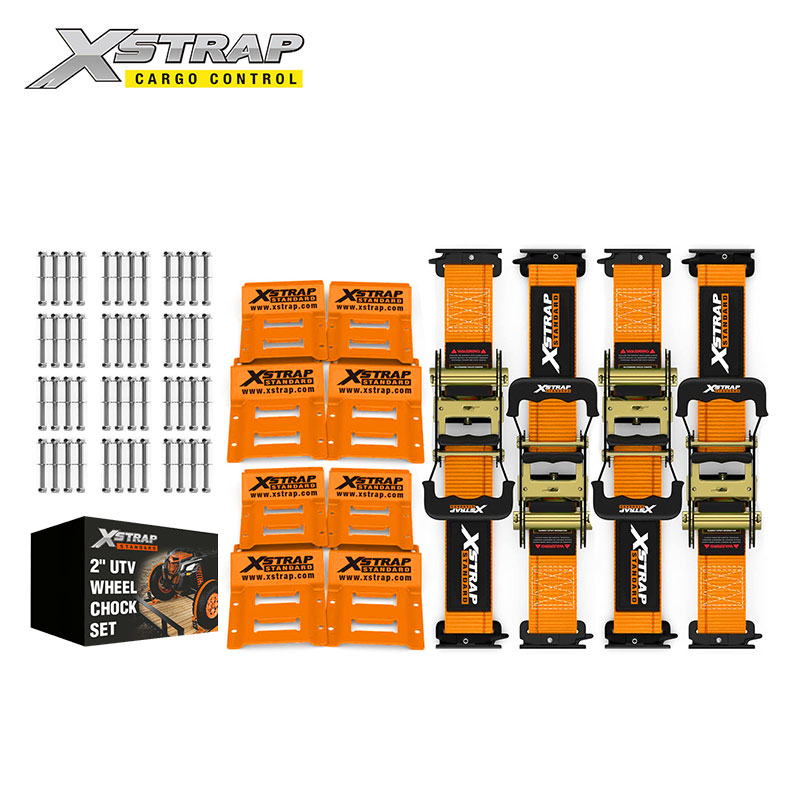
Utility tie-downs are essential tools used to secure items during transport, storage, or any situation where stability is key. Whether you're hauling a heavy load on a trailer, securing equipment on a truck bed, or even organizing your gear in a storage space, these tie-downs ensure that your items remain safely in place.
Definition and Purpose
A utility tie-down is essentially a strap or rope that’s designed to secure cargo by binding it tightly to a fixed point, such as a vehicle, trailer, or storage unit. By applying tension through the tie-down, you prevent movement that could cause damage or be a safety hazard. The primary function of a tie-down is to secure items in place, ensuring that they don't shift, fall, or cause accidents while in transit or storage.
Depending on your needs, a variety of tie-down options are available, each suited to different kinds of jobs. Whether you're working with large equipment, heavy machinery, or just everyday cargo like luggage or camping gear, there’s a utility tie-down designed specifically for the task at hand.
Materials Used in Utility Tie Downs
Utility tie-downs are made from a variety of materials, each offering different strengths and benefits. The two most common materials used in tie-down straps are nylon and polyester, both of which have their own unique properties.
-
Nylon Tie-Downs:
-
Nylon is a strong, durable material known for its elasticity and flexibility. It can stretch to accommodate varying load sizes and, when properly used, provides excellent shock absorption.
-
However, nylon can degrade when exposed to UV rays and moisture over time, which makes it less suitable for long-term outdoor use unless it is specifically treated for UV resistance.
-
-
Polyester Tie-Downs:
-
Polyester is a highly durable, non-stretch material that doesn’t lose its strength or shape under tension. Unlike nylon, polyester resists UV rays, moisture, and weathering, making it an ideal choice for outdoor use, including securing cargo during long hauls.
-
It’s also resistant to abrasion, making it less likely to wear out when in contact with rough surfaces.
-
Both nylon and polyester can be used for various tie-down tasks, but for heavy-duty use and outdoor conditions, polyester is often the better option due to its superior weather resistance.
Strength and Durability
Utility tie-downs are designed to withstand substantial tension without breaking. The strength of a tie-down is typically measured by its working load limit (WLL), which indicates the maximum weight the strap can safely secure. The WLL is determined by the material's tensile strength, the stitching, and the buckle or ratchet system used to adjust the tension.
For example, a ratchet strap might have a working load limit of several thousand pounds, making it suitable for securing large machinery or heavy cargo. On the other hand, a cam buckle strap, which is designed for lighter loads, may have a WLL in the lower range, typically a few hundred pounds.
Durability also depends on the quality of the tie-down’s components. While the strap material is important, the hardware used (such as the ratchet mechanism, cam buckle, or S-hooks) plays a key role in ensuring that the tie-down can withstand tension without failure. High-quality hardware that is rust-resistant, such as stainless steel or galvanized steel, will further extend the lifespan of the tie-down, especially if exposed to moisture or outdoor elements.
Types of Utility Tie Downs
Utility tie-downs come in several forms, each designed for specific tasks and weights. Below are the most common types of tie-downs:
1. Ratchet Straps
Ratchet straps are arguably the most reliable and heavy-duty tie-downs available. They consist of a long strap attached to a ratchet mechanism that allows for precise tensioning. To use a ratchet strap, you thread the strap through the ratchet, tighten it by pulling the handle, and lock it in place. This mechanism is highly effective because it allows the user to apply a significant amount of tension to the strap, which can hold even the heaviest cargo securely.
-
Strength: Typically rated for very high loads (from 500 to 10,000+ lbs), making them ideal for heavy machinery, large appliances, or vehicles.
-
Ease of Use: The ratchet system is a bit more complicated than other types of tie-downs, but it offers superior adjustability and strength.
-
Ideal Uses: Securing heavy loads on trailers, trucks, or moving large equipment.
2. Cam Buckle Straps
Cam buckle straps are an alternative to ratchet straps for lighter loads. The buckle is a simple device that allows you to feed the strap through and tighten it by pulling it through the cam lock. Once tightened, the buckle holds the strap securely in place. Unlike ratchet straps, cam buckle straps don’t apply excessive tension, making them easier to use and better suited for delicate items that require less force.
-
Strength: These straps typically have lower working load limits (around 100 to 500 lbs), making them ideal for securing lighter gear.
-
Ease of Use: Cam buckle straps are easier to use than ratchet straps because they don’t require a lot of effort to tighten.
-
Ideal Uses: Securing lighter items on a roof rack, bike rack, or smaller items in a cargo hold.
3. Rope Tie Downs
Rope tie-downs are an old-school method of securing cargo, and they remain popular due to their versatility and low cost. Ropes are typically made from nylon or polypropylene and are available in various thicknesses, lengths, and strengths. To tie down items, users typically rely on classic knots such as the bowline knot or trucker’s hitch to create a secure hold.
-
Strength: Ropes can have a wide range of strengths depending on the material, but they generally offer less tensile strength than ratchet or cam buckle straps.
-
Ease of Use: While they require some skill in tying knots, ropes are inexpensive and can be adapted to many different applications.
-
Ideal Uses: Securing irregularly shaped items, bundling gear, or when you don’t have access to more advanced tie-down systems.
Benefits of Utility Tie Downs
-
Safety: The primary benefit of utility tie-downs is safety. By keeping your cargo securely fastened, you reduce the risk of accidents on the road or at the storage site.
-
Durability: High-quality tie-downs are designed to last, even under tough conditions like prolonged exposure to UV rays, moisture, and heavy wear.
-
Versatility: With the variety of tie-down types available, there is a solution for virtually every type of cargo—whether you’re moving furniture, hauling heavy machinery, or securing outdoor gear.
-
Cost-Effective: Compared to other cargo-securing methods, tie-downs are affordable and widely available, making them an accessible option for both casual and professional users.
What are Bungee Cords?
Bungee cords are versatile, elastic straps commonly used to secure, bundle, and hold items in place. Their flexibility and ability to stretch make them a popular choice for a wide range of applications, from securing items on vehicles to organizing gear around the home or workplace. Whether you're securing a tarp on a truck bed, bundling a set of chairs for storage, or attaching camping gear to a backpack, bungee cords offer a simple and effective solution for keeping things in place.
Bungee cords are often seen as the go-to choice for lighter, flexible loads that need to be quickly and easily secured. However, like utility tie-downs, choosing the right bungee cord and understanding its limitations is crucial to ensure that your cargo remains safe and secure.
In this section, we’ll explore the different types of bungee cords, their construction, and the various uses they are suited for, as well as tips on selecting the best bungee cord for your specific needs.
Definition and Purpose of Bungee Cords
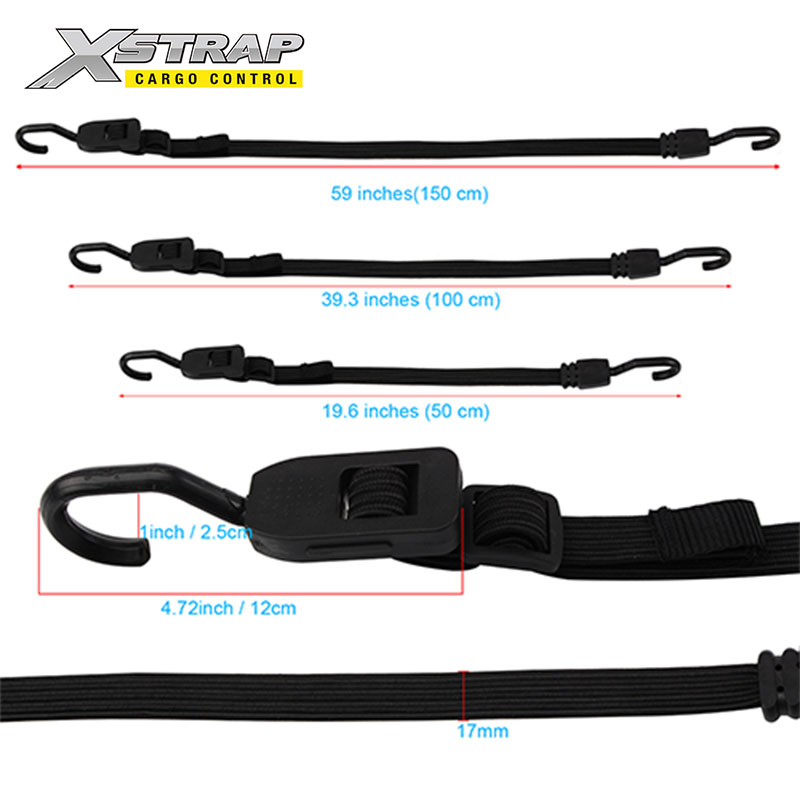
A bungee cord is an elastic rope or strap that typically features a rubber core wrapped in a durable fabric sheath. The elastic core allows the cord to stretch and contract, making it perfect for applications where flexibility and a snug fit are necessary. Bungee cords are commonly fitted with S-hooks, plastic hooks, or eyelets at either end to facilitate easy attachment and detachment.
The primary function of a bungee cord is to provide tension while remaining flexible. This unique characteristic makes them ideal for securing items that need to be tightly bound, but also able to shift or move with the elastic stretch of the cord. The high elasticity allows bungee cords to stretch to several times their original length, which helps accommodate varying sizes of loads, from securing luggage on a vehicle to bundling items like tarps or boxes.
While bungee cords are not meant for heavy-duty, high-tension applications (like those involving large equipment or vehicles), they excel in light to medium-duty situations where quick, adjustable, and reliable securing is needed.
Construction of Bungee Cords
Bungee cords are typically constructed of three key components:
-
Elastic Core:
-
The core of a bungee cord is typically made from natural rubber or latex, providing the stretchable property that defines its function. The rubber core offers a high degree of elasticity, allowing the cord to stretch and contract with ease.
-
Natural rubber is particularly valued for its strength and ability to return to its original shape after being stretched. However, exposure to extreme heat or UV radiation can degrade the material over time.
-
-
Fabric Sheath:
-
To protect the elastic core and add durability, bungee cords are usually wrapped in a woven fabric sheath, often made of nylon or polyester. This outer layer helps to prevent the cord from fraying or snapping under tension.
-
The fabric also protects the rubber core from environmental elements, such as UV rays, moisture, and dirt, all of which can weaken the material if left unprotected.
-
-
Hooks or Fasteners:
-
Bungee cords are equipped with hooks at each end, which allow them to be attached to anchor points such as truck beds, racks, or other securing structures. The most common hook design is the S-hook, which is shaped like the letter "S" and easily slides over anchor points.
-
Some bungee cords use alternative fasteners such as plastic hooks, carabiners, or clips, depending on the intended application. These provide more versatility in how the cord can be used, especially for items that require a more secure or stable connection.
-
Types of Bungee Cords
While the basic design of a bungee cord remains similar across most products, there are different types and variations that cater to specific needs. Below are the main types of bungee cords you’ll encounter:
1. Standard Bungee Cords
Standard bungee cords are the most basic and commonly used type of bungee cord. They are typically made of rubber with a fabric sheath, and feature S-hooks at each end. These cords are ideal for securing items quickly, whether for a short trip or a temporary storage solution. They are often used in light-duty tasks such as securing a tarp, luggage, or small boxes.
-
Strength: Available in various lengths and thicknesses, with weight capacities ranging from a few pounds to several hundred pounds.
-
Common Uses: Securing gear to a car roof rack, bundling camping equipment, holding a tarp over equipment, or fastening small items during transport.
2. Bungee Straps
Bungee straps are similar to standard bungee cords but have a flat design. These cords provide a larger surface area, which can offer a better grip when securing items. The flat design makes them ideal for jobs that require a more stable hold over a wider area, preventing the cord from digging into delicate surfaces.
-
Strength: Like standard bungee cords, they come in various thicknesses, with weight capacities typically between 50 lbs and 300 lbs.
-
Common Uses: Securing items in a truck bed, bundling larger objects, or holding down cargo on a flatbed.
3. Bungee Nets
Bungee nets are made from multiple bungee cords woven together in a mesh pattern. These nets are designed to stretch and conform to the shape of your cargo, providing coverage over larger or irregularly shaped items. Bungee nets are particularly useful when you need to secure multiple objects at once, or when you need to cover a large area without the cords slipping off.
-
Strength: Bungee nets come in various sizes and typically have weight limits ranging from 200 lbs to over 500 lbs, depending on the net's size and construction.
-
Common Uses: Securing cargo in the back of a truck or trailer, covering items in a truck bed, or holding down large bundles or odd-shaped loads.
Choosing the Right Bungee Cord
When selecting the right bungee cord for a job, there are several key factors to consider. Below, we’ll discuss the main aspects that influence the choice of bungee cord:
1. Weight Capacity
One of the most important factors in choosing a bungee cord is ensuring that it can handle the weight of the items you're securing. Each bungee cord is rated for a maximum load, and it’s essential not to exceed this weight limit to prevent stretching or snapping.
-
Light-duty cords typically have a weight capacity of 25-100 lbs, suitable for small items.
-
Heavy-duty cords can handle 300 lbs or more, making them appropriate for large, bulky loads.
2. Length and Stretchability
Bungee cords come in a variety of lengths, and their stretchable nature allows for flexibility in securing items of varying sizes. To determine the right length, measure the distance between the anchor points where the cord will attach, and select a bungee that can stretch to accommodate that span. Make sure to choose a cord that isn’t too short, as it could result in overstretching and potential failure.
3. Material
The material of the bungee cord plays a critical role in its performance and longevity. Look for bungee cords made with high-quality elastic rubber or latex, as these will provide the best stretch and durability. Additionally, ensure the fabric sheath is made from a tough material, like nylon or polyester, which helps to protect the cord from UV damage and wear.
4. Weather Resistance
If you're using bungee cords outdoors, weather resistance is crucial. Some cords are treated with coatings that help them resist UV rays, moisture, and extreme temperatures. If you plan to use bungee cords for outdoor applications, be sure to choose UV-resistant cords to avoid degradation from prolonged sun exposure.
Common Uses of Bungee Cords
-
Securing Cargo: Bungee cords are widely used to secure items during transportation. Whether you’re using them to fasten gear in a truck bed or tie down luggage on a roof rack, their stretchability makes them perfect for securing items quickly and effectively.
-
Camping and Outdoor Gear: Bungee cords are commonly used to bundle or organize camping gear, securing tents, sleeping bags, or other outdoor equipment.
-
Home Organization: Many people use bungee cords around the house to organize tools, ropes, or other equipment. The cords can be used to bundle items together or even secure items to a wall or post.
Safety Tips and Best Practices
While bungee cords are incredibly useful, it's important to follow best practices for safety and performance. Always inspect bungee cords before use to check for signs of wear, such as fraying, cracks, or weakened elasticity. Never exceed the recommended weight limit for a bungee cord, and avoid overstretching it.
Choosing the Right Tie Down or Bungee Cord
Selecting the right tie-down or bungee cord is critical to ensuring the safety and security of your cargo. Whether you’re securing a load on a trailer, bundling items for transport, or organizing equipment in a truck bed, using the wrong type of tie-down or bungee cord can lead to damage, accidents, or even loss of cargo. To help you make the best decision, we’ll break down the key factors to consider when choosing between tie-downs and bungee cords, and how to pick the right one for your needs.
1. Weight Capacity
The most important consideration when selecting a tie-down or bungee cord is weight capacity. Every tie-down strap and bungee cord is rated for a specific load, and exceeding this limit can lead to failure, risking damage to your cargo or even creating dangerous situations on the road.
For Tie-Downs:
-
Ratchet straps are designed to handle heavy loads, typically ranging from 500 lbs to over 10,000 lbs depending on the product. For securing large machinery or vehicles, you'll want to choose a ratchet strap with a high working load limit (WLL).
-
Cam buckle straps have lower weight capacities, typically between 100 lbs to 500 lbs, making them ideal for lighter loads, such as securing small items on a roof rack or in a cargo hold.
-
Rope tie-downs can vary significantly in strength depending on the type of rope used. For light to medium-duty tasks, nylon or polypropylene ropes can handle up to 1,000 lbs, but heavier-duty tasks may require specialized ropes with higher tensile strength.
For Bungee Cords:
-
Standard bungee cords typically have weight capacities ranging from 25 lbs to 100 lbs. These are best for securing smaller, lighter items such as luggage, tarps, or small bundles.
-
Heavy-duty bungee cords can handle anywhere from 150 lbs to 500 lbs, making them suitable for more substantial loads like larger boxes or lightweight gear in a truck bed.
-
Bungee nets often have higher weight capacities, with some capable of securing up to 500 lbs or more, making them ideal for securing multiple items at once, such as in a trailer or truck bed.
When choosing the right product, always select a tie-down or bungee cord with a higher weight capacity than your load requires. This provides an added safety margin to prevent overstretching or failure.
2. Length of the Tie-Down or Bungee Cord
The length of the tie-down or bungee cord is just as important as the weight capacity. You’ll need to choose a length that can comfortably reach the anchor points and provide enough slack or stretch to secure the load properly.
For Tie-Downs:
-
Ratchet straps typically come in lengths ranging from 6 feet to 30 feet, with adjustable lengths available to accommodate various sizes of cargo. When choosing a length, measure the distance between the anchor points and select a strap that allows for sufficient tensioning. Keep in mind that longer straps are better for larger loads, while shorter straps are more suitable for securing smaller items.
-
Cam buckle straps also come in adjustable lengths, usually between 4 feet and 15 feet. These straps are great for securing smaller loads, such as sports equipment, furniture, or light gear.
For Bungee Cords:
-
Standard bungee cords typically range from 12 inches to 48 inches, but they can be stretched to accommodate larger or irregularly shaped items. When selecting the length of a bungee cord, ensure that it can stretch to fit your cargo without overstretching the elastic core.
-
Bungee nets come in a variety of sizes, from 36 inches to over 72 inches, and are designed to stretch to cover larger areas. For example, a truck bed bungee net might stretch over the bed’s full length to secure multiple items.
Tip: Always opt for a bungee cord or tie-down that is slightly longer than the required length. This ensures you have enough slack to stretch or adjust the cord and avoid putting unnecessary strain on it.
3. Material and Durability
The material of your tie-down or bungee cord will directly affect its strength, durability, and resistance to the elements. Different materials perform better in various environments, so consider where and how often you'll be using your gear.
For Tie-Downs:
-
Nylon is a popular material for tie-down straps, especially for lighter loads. It has excellent elasticity, which allows it to stretch to accommodate varying load sizes. However, nylon can degrade when exposed to UV light or moisture over time, so it’s less ideal for long-term outdoor use.
-
Polyester is a preferred material for outdoor and heavy-duty tie-downs due to its durability and resistance to UV rays, moisture, and abrasion. It’s the ideal choice for securing heavy cargo on trailers or during long hauls.
-
Rope tie-downs are typically made from nylon, polypropylene, or polyester. For outdoor use, polyester ropes are best because they resist UV degradation and moisture absorption.
For Bungee Cords:
-
Rubber is the main material for bungee cords. High-quality bungee cords use natural rubber or latex, which offer great elasticity and strength. However, over time, exposure to UV rays can cause the rubber to deteriorate, so look for bungee cords that are UV-treated for extended outdoor use.
-
Polyester or nylon sheaths are often used to protect the elastic core of bungee cords. These sheaths prevent the cord from fraying and provide added protection against abrasion.
-
If you plan to use bungee cords in environments exposed to extreme weather, choose UV-resistant bungee cords with added durability for longevity.
4. Type of Cargo and Application
Different tie-downs and bungee cords are designed to handle specific types of cargo. Understanding the type of load you're securing will help you choose the right product for the job.
For Tie-Downs:
-
If you’re securing heavy machinery or large vehicles, such as motorcycles, trucks, or appliances, ratchet straps are your best option. These straps offer superior tensioning and are ideal for heavy-duty applications.
-
For lighter, smaller loads, such as luggage, sports equipment, or smaller boxes, cam buckle straps or rope tie-downs are typically sufficient.
-
If your cargo is unusually shaped or difficult to fit into a standard strap configuration, rope tie-downs provide the flexibility to tie knots, such as a trucker’s hitch or bowline knot, allowing you to secure irregular loads effectively.
For Bungee Cords:
-
Standard bungee cords are perfect for securing lighter, flexible loads like tarps, small bundles, or luggage. Their elasticity allows them to adapt to different load sizes quickly.
-
Bungee straps are best for securing items in truck beds or around awkwardly shaped cargo, as their wider surface area provides better grip and holds the load more securely.
-
Bungee nets are ideal for securing multiple items at once or covering larger loads in a truck bed, trailer, or on the roof of a vehicle. The mesh design allows them to stretch and fit various shapes, keeping everything in place.
5. Environmental Considerations
The conditions in which you'll use your tie-down or bungee cord can affect its performance and longevity. Exposure to moisture, sunlight, or extreme temperatures can degrade both materials and functionality.
-
UV Exposure: If you’re using your tie-downs or bungee cords outdoors, especially in direct sunlight, UV-resistant products are crucial. This is particularly important for bungee cords made from natural rubber, as they can deteriorate quickly when exposed to UV rays.
-
Moisture Resistance: Both nylon and polyester perform well in damp conditions, but polyester is less prone to absorbing water and is better suited for outdoor use, especially in areas with heavy rainfall.
-
Temperature Extremes: If you plan to use your tie-downs or bungee cords in very hot or cold environments, look for products that are rated for temperature extremes. Some materials, like rubber, can become brittle in freezing temperatures, while others can lose elasticity in heat.
6. Ease of Use and Storage
Finally, consider the ease of use and how easily your tie-down or bungee cord can be stored when not in use.
-
Ratchet straps offer superior tension but can be more complicated to use compared to cam buckle straps or rope tie-downs, which are easier to adjust and apply.
-
Bungee cords are incredibly user-friendly, especially when you're in a hurry or need to quickly secure something. Simply stretch them over the load and attach them to anchor points.
When storing your tie-downs or bungee cords, keep them in a cool, dry place, away from direct sunlight and moisture to prolong their lifespan.
By considering these factors—weight capacity, length, material, cargo type, and environmental conditions—you can ensure that you’re choosing the right tie-down or bungee cord for your specific needs. Whether you need a heavy-duty ratchet strap for transporting a car or a quick and flexible bungee cord for securing a tarp, understanding how to match the right product to the job will help keep your gear safe and secure.
Best Practices for Using Tie Downs and Bungee Cords
While utility tie-downs and bungee cords are incredibly useful tools for securing cargo, improper use or neglecting safety measures can lead to accidents, damaged items, or even personal injury. To help you get the most out of your tie-downs and bungee cords, we’ve compiled a list of best practices for using them correctly and safely. Whether you’re securing items for transport or organizing gear, following these guidelines will ensure that your equipment stays secure and performs as expected.
1. Inspect Your Tie-Downs and Bungee Cords Before Each Use
Before using any tie-downs or bungee cords, it’s crucial to inspect them for signs of wear and tear. Repeated use, exposure to harsh conditions, and heavy loads can weaken the materials, potentially compromising the safety and effectiveness of the cord.
Inspection Checklist:
-
Look for Fraying or Cuts: Check for any fraying or cuts in the fabric sheath of your tie-downs or bungee cords. Frayed edges may indicate that the strap is weakening and could snap under pressure.
-
Check for Stretching or Deformation: Over time, both tie-downs and bungee cords may stretch out or lose their original elasticity. If a bungee cord has become over-stretched, it will not return to its original length and may not hold items securely. Similarly, if a ratchet strap has become too loose or its mechanism is malfunctioning, it could fail to properly secure your load.
-
Inspect Hooks and Fasteners: Make sure the hooks (whether S-hooks, carabiners, or plastic clips) are not bent, rusted, or cracked. Damaged hooks can easily detach from anchor points or fail under tension.
-
Look for UV or Moisture Damage: If you use your gear outdoors, UV exposure and moisture can degrade the materials. For bungee cords, especially, ensure that the rubber core has not cracked from excessive sun exposure.
Pro Tip: If you notice any signs of wear, it’s better to replace the tie-down or bungee cord than risk a potential failure. Even minor damage can cause a major problem down the line.
2. Avoid Overstretching Bungee Cords
Bungee cords rely on their elastic properties to secure cargo, but overstretching them can cause irreversible damage. If you stretch a bungee cord too far, you could compromise its tension, causing it to snap or fail prematurely.
-
Maximum Stretch: Try not to stretch a bungee cord beyond its recommended maximum length. Most cords will state their ideal stretch length, which typically ranges from 1.5 to 2 times their original size.
-
Stretch Gradually: When securing your load, gradually stretch the bungee cord rather than pulling it to its maximum stretch all at once. This reduces the risk of overloading the cord and allows it to maintain better elasticity over time.
-
Use Multiple Cords for Larger Loads: If you’re securing a large or heavy load, don’t rely on a single bungee cord. Use multiple cords to evenly distribute the load and reduce the strain on any individual cord.
3. Use Proper Anchoring Points
The effectiveness of your tie-downs and bungee cords depends significantly on the anchoring points you choose. Using strong, reliable points is essential to ensure that your cargo stays secure during transport.
-
Find Sturdy Anchor Points: When using tie-down straps, ensure that the anchor points (such as tie-down rails on a truck bed or trailer) are strong and not prone to damage. For bungee cords, choose points that are designed for secure attachment, such as truck bed hooks or roof rack tie-downs.
-
Avoid Sharp Edges: Sharp edges can damage your tie-downs or bungee cords, causing them to fray or snap. Be mindful of where you’re attaching the cords—use corner protectors or rubber guards around any sharp edges to prevent friction damage.
-
Even Distribution: Distribute the load evenly across multiple anchor points. This ensures that no single point takes on too much tension, reducing the risk of snapping or wear.
4. Secure Items Properly to Prevent Shifting During Transit
Once you’ve attached your tie-downs or bungee cords, the next step is ensuring your cargo is properly secured and won’t shift during transit. A shifting load can lead to accidents, damage to your items, or even loss of cargo.
-
Tighten the Load: For tie-downs, make sure the strap is tightened to a firm, but not excessively tight, tension. For ratchet straps, use the ratchet mechanism to pull the load tight, but avoid overtightening, as it can damage the cargo or the straps themselves.
-
Check for Slack: Check your bungee cords to ensure there’s no slack once the cargo is secured. If there is slack, the cargo may shift or bounce during transit. For larger items, consider using multiple bungee cords for added security.
-
Use Additional Straps or Nets: For large or irregularly shaped items, consider using bungee nets in addition to bungee cords or tie-down straps. A net can help hold everything in place and prevent items from shifting or falling out.
5. Keep Tie-Downs and Bungee Cords Away from Sharp Edges
Sharp edges are one of the most common causes of wear and damage to tie-downs and bungee cords. Over time, contact with metal or rough surfaces can cut into the fabric or rubber, reducing their strength and effectiveness.
-
Use Edge Protectors: Many commercial tie-downs come with protective sleeves or edge guards that shield the straps from sharp edges. If these aren’t included, you can use rubber corner protectors or simply wrap the straps with cloth to cushion them.
-
Avoid Direct Contact with Metal: When securing items, ensure that the straps are not rubbing against metal parts that could cause damage. This is particularly important when securing cargo in a truck bed or trailer, where metal edges are common.
6. Proper Storage to Prolong Lifespan
How you store your tie-downs and bungee cords can significantly impact their lifespan. Exposure to harsh conditions, like extreme temperatures or moisture, can degrade the materials and reduce their performance.
-
Store in a Cool, Dry Place: After use, store your tie-downs and bungee cords in a cool, dry place, away from direct sunlight or extreme temperatures. UV rays and heat can cause rubber or nylon to break down over time.
-
Avoid Storing in Wet Conditions: Moisture can weaken both fabric and rubber components. Make sure the cords are dry before storing them, and avoid leaving them in damp areas like garages or basements.
-
Roll, Don’t Fold: When storing tie-down straps or bungee cords, avoid folding or creasing them. Instead, roll them up loosely and store them in a bag or container. This helps prevent kinks and preserves the integrity of the cords.
7. Use the Right Tie-Down or Bungee Cord for the Job
It’s essential to choose the right type of tie-down or bungee cord for the specific task at hand. For heavy loads, ratchet straps are ideal, as they provide a strong, secure hold. For lighter tasks, like securing tarps or smaller items, bungee cords are quick and effective.
-
Heavy-Duty vs. Light-Duty: Don’t use lightweight bungee cords for heavy loads, as they’re likely to stretch too much or snap. Similarly, avoid using heavy-duty ratchet straps for small, non-critical tasks where a bungee cord would suffice.
-
Choose the Right Length and Strength: Always ensure the length and strength of your tie-down or bungee cord match the size and weight of the load you’re securing.
8. Avoid Overloading Tie-Downs and Bungee Cords
Overloading your tie-downs or bungee cords is a surefire way to cause them to fail. Be mindful of the weight limits for each cord and always stay within those guidelines. Overloading can also put unnecessary strain on your vehicle or trailer, leading to damage or unsafe conditions.
Common Mistakes to Avoid When Using Tie Downs and Bungee Cords
Securing cargo with tie-downs and bungee cords may seem straightforward, but many people unknowingly make mistakes that can compromise the safety and security of their load. Whether you’re using these tools for transport, storage, or organizing your gear, small missteps can lead to accidents, damage to your cargo, or even personal injury. By understanding the most common mistakes people make and how to avoid them, you can ensure that your tie-downs and bungee cords work effectively and safely.
1. Using the Wrong Type of Tie-Down or Bungee Cord
One of the most common mistakes is choosing the wrong type of tie-down or bungee cord for the job. Not all cords are created equal, and using an inappropriate product can lead to failure under load, damage to your cargo, or even accidents during transport.
What to Avoid:
-
Using Bungee Cords for Heavy Loads: Bungee cords are not designed for heavy-duty applications. They are ideal for light-duty tasks, such as securing tarps, luggage, or small bundles. For heavy loads, such as furniture, large appliances, or machinery, you should always use ratchet straps or cam buckle straps, which offer much greater strength and security.
-
Overloading Lightweight Tie-Downs: Even though tie-downs come in various weight capacities, it’s tempting to use a single lightweight strap for a larger load. Ratchet straps and cam buckle straps should be selected based on the weight and size of the cargo. Always choose a tie-down with a higher weight rating than the load requires to ensure safety.
How to Avoid It:
-
Check the weight capacity of your tie-downs or bungee cords before using them. Ensure the product is rated for the load you plan to secure. For heavy-duty applications, ratchet straps are often your best choice. For lighter tasks, bungee cords or cam buckle straps will work better.
-
For large or irregularly shaped cargo, use multiple tie-downs or bungee cords to distribute the weight evenly, rather than relying on a single product.
2. Overstretching Bungee Cords
Bungee cords are elastic, but they have limits. Overstretching them is a common mistake that can lead to premature failure. If a bungee cord is stretched too far, it may lose its elasticity or snap, especially when subjected to heavy or uneven loads.
What to Avoid:
-
Stretching Bungee Cords Beyond Their Limit: Most bungee cords can stretch to about 1.5 to 2 times their original length before they risk breaking. If you overstretch a cord, it may not return to its original size and could lose its ability to hold items securely.
-
Using Too Few Cords for Large Loads: It’s tempting to use a single bungee cord for large loads. However, doing so may result in overstretching, causing the cord to lose tension or snap.
How to Avoid It:
-
Always check the maximum stretch capacity of your bungee cords. If you need to stretch a bungee cord beyond its normal capacity, consider using heavier-duty bungee straps designed for longer stretches or use multiple bungee cords to spread the load.
-
When securing larger items, use multiple bungee cords or bungee nets to evenly distribute the tension. This will ensure the cargo stays secure without putting excessive strain on any single cord.
3. Not Tightening the Tie-Downs Enough
A common mistake is not tightening tie-downs adequately. Loose straps can cause items to shift during transport, leading to potential damage or dangerous driving conditions. Even if you think the straps are secure, loose tie-downs can create unnecessary slack, allowing your cargo to move.
What to Avoid:
-
Not Using the Ratchet Mechanism Properly: For ratchet straps, it’s easy to underestimate how tight you need to go. If the strap is too loose, your cargo will move, even if the strap is technically “attached.”
-
Not Checking After Tensioning: After tightening a ratchet strap or bungee cord, you might think it’s secure, but the strap can sometimes slip or loosen over time, especially if the load shifts.
How to Avoid It:
-
Tighten the straps properly: When using ratchet straps, ensure the tension is tight enough to hold the cargo firmly in place but not so tight that it damages the cargo. For cam buckle straps, tighten until the strap is snug and holds the cargo securely.
-
Check the load after tightening: Once your tie-downs or bungee cords are in place, check the load again before setting off. Ensure everything is firmly secured and that no straps have loosened.
-
Double-check all straps: After a few miles of driving, it’s a good idea to stop and inspect your tie-downs. They can loosen slightly, especially with vibration and movement during transit.
4. Using Frayed or Damaged Tie-Downs and Bungee Cords
Another common mistake is using tie-downs or bungee cords that are already damaged or showing signs of wear. Frayed straps or cracked bungee cords may not hold your cargo properly, and they could break under strain, causing you to lose your load.
What to Avoid:
-
Using Old, Frayed, or Worn-Out Straps: Even if your tie-downs or bungee cords seem functional, they may have invisible damage that could compromise their strength. For example, UV exposure, abrasions, or regular use can weaken the fibers.
-
Using Cords with Broken Hooks: The hooks or fasteners on your tie-downs and bungee cords can become bent or broken with heavy use. This can prevent the cord from securely anchoring your cargo.
How to Avoid It:
-
Inspect your gear before each use: Check for visible damage, including frays, cracks, rusted or bent hooks, and stretched material. If any part of the tie-down or bungee cord looks damaged, replace it immediately.
-
Store your gear properly: Store your tie-downs and bungee cords in a cool, dry place to prevent UV degradation and moisture damage. This will prolong their lifespan and help prevent damage from environmental factors.
-
Replace damaged items: If you spot any damage or wear, don’t risk it—replace the damaged tie-downs or bungee cords to ensure the safety of your cargo.
5. Improperly Securing Cargo
Even with the right tie-downs and bungee cords, improper securing techniques can lead to cargo shifting or falling out during transit. Not using enough tie-downs, anchoring them incorrectly, or failing to distribute the load evenly can cause significant issues.
What to Avoid:
-
Securing Cargo to Inadequate Points: Securing your cargo to weak or inappropriate anchor points can cause the tie-downs to break or slip off. Always ensure that the anchoring points are strong and reliable.
-
Not Distributing the Load Evenly: If the load isn’t evenly distributed, some parts of the cargo may experience more tension than others, increasing the risk of the tie-downs failing.
How to Avoid It:
-
Use the right anchor points: Make sure that you’re securing your cargo to secure, reliable points on your vehicle, trailer, or truck bed. Avoid anchoring to weak or flexible areas that may not withstand the tension.
-
Distribute the load evenly: For large or bulky items, ensure that the weight is spread across multiple tie-downs or bungee cords. This helps to prevent excessive tension on one strap, which could cause it to fail.
-
Use corner protectors: When securing items with sharp corners or edges, use corner protectors to prevent damage to the straps or bungee cords.
6. Not Following Safety Guidelines
Safety should always be a top priority when securing cargo. Neglecting basic safety guidelines can result in accidents, including cargo shifting during transit, damage to your vehicle, or even injury to yourself or others.
What to Avoid:
-
Standing in the Path of Tightening Straps: Never stand directly in front of a ratchet strap or bungee cord while tightening it, as sudden failure can cause injury. Always stand to the side, out of the direct line of tension.
-
Exceeding Weight Limits: One of the most dangerous mistakes is exceeding the weight capacity of your tie-downs or bungee cords. This can cause the straps or cords to fail, leading to lost cargo and potential accidents.
How to Avoid It:
-
Follow manufacturer guidelines: Always check the weight limits and usage instructions provided by the manufacturer.
-
Use proper technique when tightening: Stand to the side and ensure the tension is gradually applied when using ratchet straps. Never force straps or cords past their rated limits.
Popular Products
Recent News
 How Do You Choose the Right Utility Tie Downs and Bungee Cords for Your Needs
Introduction
When it comes to securing your gear for transport, storage, or organization, Utility Tie Downs and Bungee Cords are essential tools. Whether you're hauling heavy loads...
 The Ultimate Guide to Ratchet Straps: Choosing, Using, and Maintaining Them
Introduction to Ratchet Straps
What Are Ratchet Straps?
Ratchet straps, also known as tie-down straps or cargo straps, are a type of load securement tool widely used in transportat...
 How Can Ratchet Tie Down Standard Duty Straps Ensure Safe and Reliable Cargo Securement
What Are Ratchet Tie Down Straps and Why Are They Important for Cargo Securement?
Introduction to Ratchet Tie Down Straps
Ratchet tie down straps are essential tools for anyone inv...
 What are Ratchet Straps and how do they help you transport your items safely
What Are Ratchet Straps?
Ratchet straps, also known as ratchet tie-downs or cargo straps, are heavy-duty fastening tools designed to secure items during transportation. They consis...
 How to Properly Use Light Duty Ratchet Tie Downs for Maximum Load Security
Understanding the Basics of Ratchet Tie Down Light Duty Straps
Ratchet tie-down straps are a critical tool in the transportation, storage, and securement of goods. They are used to...
-
 +86-18112697781qindan355@gmail.comNo. 21 Yuefeng Road, Yangshe Town, Zhangjiagang City, Suzhou City, Jiangsu Province
 -
Quick Links
Social Media
-
OEM Partner
-


Copyright © 2025 Zhangjiagang SMK MFG. Co., Ltd. All rights reserved.
 Wholesale Tension Strap Manufacturers
Wholesale Tension Strap Manufacturers