
 English
 Français
 Español
Why are towing straps critically important in cargo transportation?
2025-08-20
Towing straps, particularly ratchet straps, are fundamentally important in cargo transportation because they provide an active, reliable, and highly effective solution for load restraint, directly impacting road safety, cargo integrity, and regulatory compliance. Unlike traditional ropes or chains, modern towing straps combine the flexibility of high-strength synthetic webbing (like polyester) with the mechanical advantage of a metal ratchet mechanism. This allows the operator to apply significant and controllable mechanical tension, generating substantial downward force and friction between the cargo and the transport platform (e.g., truck, trailer, flatbed). This force is critical to prevent load shift—longitudinal, lateral, or vertical movement—during transit caused by acceleration, braking, cornering, or road vibrations. Any movement of the cargo can lead to product damage, packaging abrasion, and, more critically, can cause vehicle instability, uneven tire loading, or in extreme cases, load collapse, posing a severe safety hazard to other road users. Thus, the primary safety function is to immobilize the load securely. Furthermore, high-quality straps offer exceptional tensile strength, abrasion resistance, and UV stability, allowing them to withstand the harsh conditions and constant vibration of long-haul journeys, ensuring consistent and durable performance. Economically, they safeguard high-value goods, preventing financial losses from damage, project delays, and insurance claims. Moreover, transportation safety regulations in many regions explicitly mandate that cargo must be properly secured. Using graded and certified straps is a direct method of demonstrating compliance and avoiding legal penalties. Their relative ease of operation also encourages widespread adoption, enabling everyone from professional logistics firms to individual users to significantly enhance the safety and efficiency of their transport operations.
Popular Products
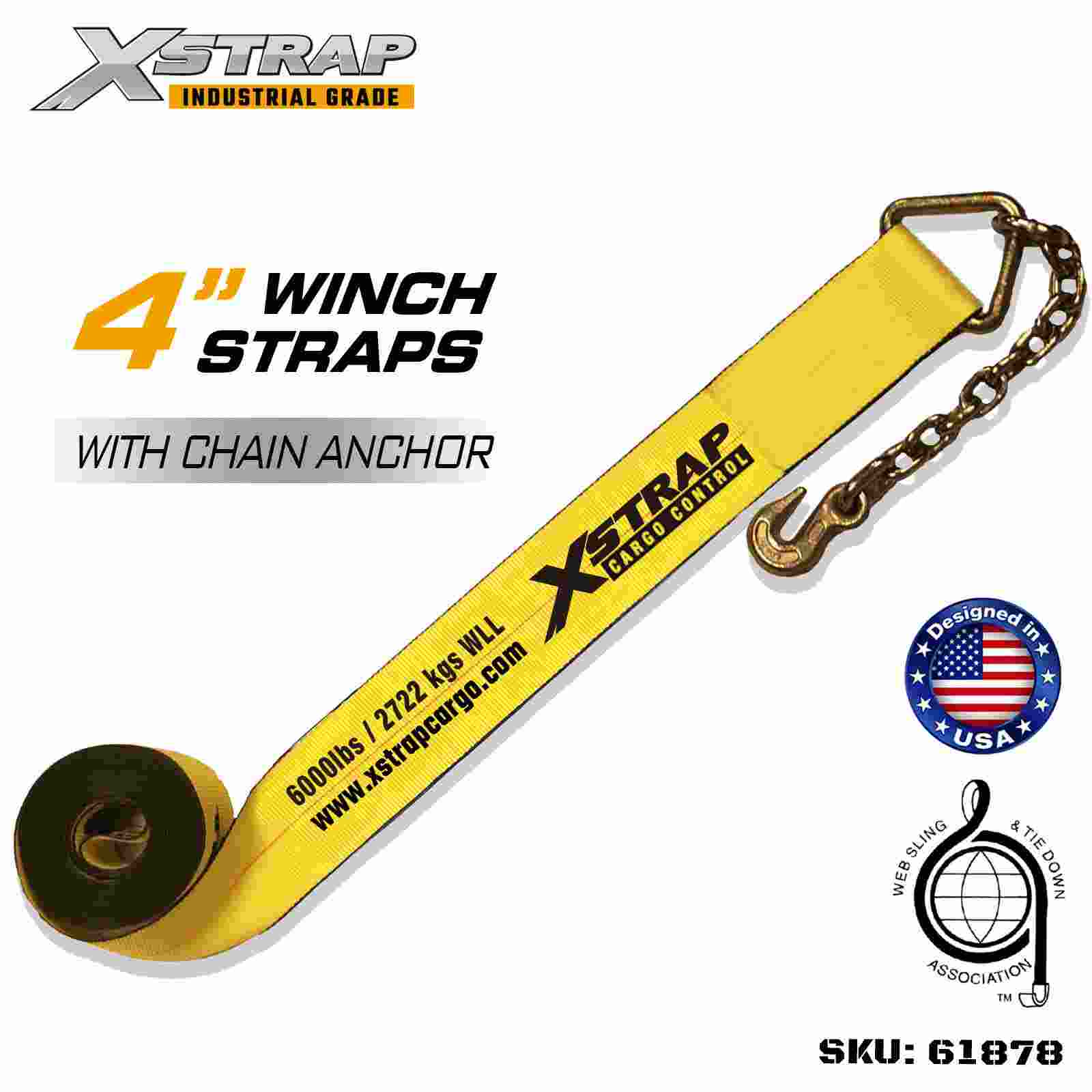
Recent News
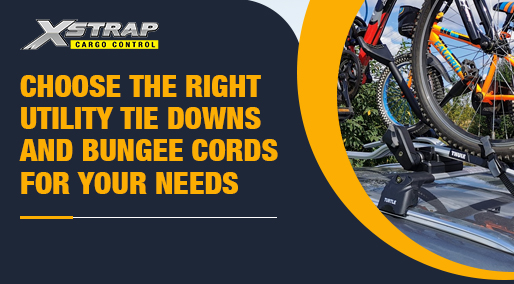 How Do You Choose the Right Utility Tie Downs and Bungee Cords for Your Needs
Introduction
When it comes to securing your gear for transport, storage, or organization, Utility Tie Downs and Bungee Cords are essential tools. Whether you're hauling heavy loads...
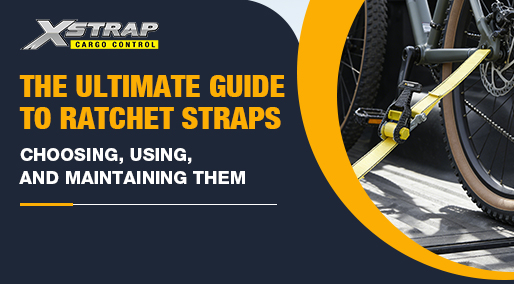 The Ultimate Guide to Ratchet Straps: Choosing, Using, and Maintaining Them
Introduction to Ratchet Straps
What Are Ratchet Straps?
Ratchet straps, also known as tie-down straps or cargo straps, are a type of load securement tool widely used in transportat...
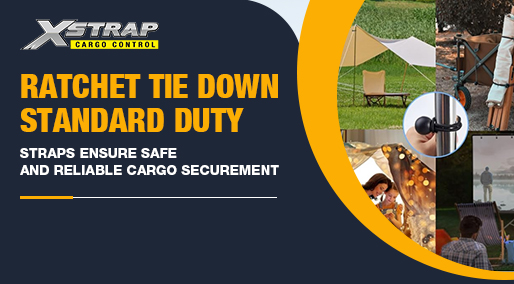 How Can Ratchet Tie Down Standard Duty Straps Ensure Safe and Reliable Cargo Securement
What Are Ratchet Tie Down Straps and Why Are They Important for Cargo Securement?
Introduction to Ratchet Tie Down Straps
Ratchet tie down straps are essential tools for anyone inv...
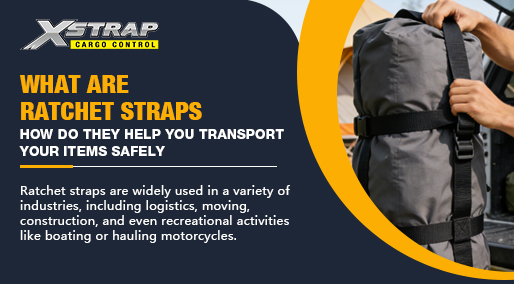 What are Ratchet Straps and how do they help you transport your items safely
What Are Ratchet Straps?
Ratchet straps, also known as ratchet tie-downs or cargo straps, are heavy-duty fastening tools designed to secure items during transportation. They consis...
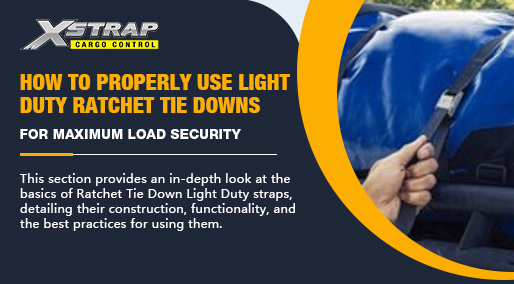 How to Properly Use Light Duty Ratchet Tie Downs for Maximum Load Security
Understanding the Basics of Ratchet Tie Down Light Duty Straps
Ratchet tie-down straps are a critical tool in the transportation, storage, and securement of goods. They are used to...
-
 +86-18112697781qindan355@gmail.comNo. 21 Yuefeng Road, Yangshe Town, Zhangjiagang City, Suzhou City, Jiangsu Province
 -
Quick Links
Social Media
-
OEM Partner
-


Copyright © 2025 Zhangjiagang SMK MFG. Co., Ltd. All rights reserved.
 Wholesale Tension Strap Manufacturers
Wholesale Tension Strap Manufacturers