
 English
 Français
 Español

What Size Transport Chain Do You Actually Need
2026-07-31
Chain Engineering & Load Data
Inside The Build: How A transport chain Is Engineered To Hold
Every load secured on a flatbed, lowboy, or drop deck depends on a single unbroken chain of metallurgy, heat treatment, and mechanical geometry. Before a transport chain ever reaches a jobsite, it passes through raw material inspection, controlled forging, quenching and tempering, proof load testing, and surface finishing. This section breaks down what actually happens inside the manufacturing process, how link grade and wire diameter determine working load limit, and where a binder chain fits into the picture alongside the main chain body.
Metallurgy & Construction Behind Every Link
Raw Material
Alloy Steel Wire Rod
Manufacturing starts with alloy steel wire rod selected for controlled carbon and manganese content. Each coil is traced back to a mill certificate before it enters production, and mechanical testing confirms tensile properties meet the target grade before a single link is formed.
Heat Treatment
Quench & Temper Cycle
After welding, links pass through a continuous quench and temper furnace. This step is what separates a transport chain from ordinary hardware chain — it raises core hardness while keeping the link ductile enough to absorb shock loading during transport rather than snapping under sudden tension.
Surface Finish
Zinc / Yellow Dichromate Coating
The gold tone seen on most transport chain comes from a yellow dichromate or zinc plating pass applied after heat treatment. Beyond appearance, this layer slows oxidation, which matters most for chains stored outdoors on a truck deck or in a yard exposed to rain and road salt.
Grade Classification: Reading The Numbers That Matter
Chain grade is stamped directly on the link and it is the single most important number when matching a transport chain to a load. A higher grade number means the same wire diameter carries more weight because the steel alloy and heat treatment allow for a higher minimum tensile strength per cross-sectional area.
| Chain Grade | Typical Wire Alloy | Relative Strength | Common Use Case |
| Grade 70 | Carbon steel, heat treated | Baseline transport-rated | General freight, tie-down of standard cargo |
| Grade 80 | Alloy steel, quenched & tempered | ~14% higher than Grade 70 | Equipment hauling, overhead rigging support |
| Grade 100 | High alloy steel | ~25% higher than Grade 80 | Heavy machinery, high-load lifting assist |
Matching Chain Size To Working Load Limit
Working load limit, or WLL, is the manufacturer-rated maximum load a chain should carry under normal use — never the breaking strength. A properly sized transport chain should run at roughly 30% below its rated WLL once dynamic forces like braking and road vibration are factored in.
| Size | Link Diameter | Approx. WLL | Approx. Break Strength | Fits |
| 5/16" x 20' | 7.9mm | 3,150 lbs | 12,600 lbs | Pickup trailers, light equipment attachments |
| 3/8" x 20' | 9.5mm | 6,600 lbs | 26,400 lbs | Skid steers, compact excavators |
| 1/2" x 20' | 12.7mm | 12,000 lbs | 48,000 lbs | Wheel loaders, full-size dozers |
Note: WLL figures shift with chain grade, so a 3/8" Grade 100 chain will carry noticeably more than a 3/8" Grade 70 chain. Always confirm the grade stamp before calculating a load plan, and never mix chain grades within the same tie-down run.
Binder Chain vs Transport Chain: Two Different Jobs
Transport Chain
Runs the full distance from anchor point to anchor point, wrapping over or through the cargo. Length is typically sold in 10', 15', or 20' runs, and each end usually terminates in a clevis grab hook so the operator can shorten the reach on site without cutting the chain.
Binder Chain
A short-length chain, usually under 4 feet, paired with a ratchet or lever binder. Its only job is tensioning — once the transport chain is routed and hooked, the binder pulls the slack out and locks the whole assembly under mechanical tension so it cannot loosen in transit.
Neither piece replaces the other. A binder without a properly rated transport chain has nothing to tension, and a transport chain without a binder will sit loose and shift under vibration. On a jobsite, operators typically keep both in the same tie-down kit for exactly this reason.
Where Transport Chain Shows Up On A Daily Basis
Flatbed & Lowboy Freight
Steel coils, pipe bundles, and lumber packs riding on a flatbed or step deck get wrapped and hooked using transport chain paired with a load binder at each anchor point along the rail.
Construction Sites
Excavators, skid steers, and compactors moving between job locations get chained down at the frame or designated tie-down lugs before the trailer ever leaves the yard.
Agricultural Transport
Combines, tractors, and grain carts crossing between fields or dealer lots rely on chain and binder combinations rated well above the machine's shipping weight.
Port & Yard Operations
Container yards and marine terminals use heavier grade chain for temporary securement of oversized cargo during loading and staging before final placement.
Forestry & Logging
Log trucks running rough terrain need chain rated for repeated shock loading, since logs shift constantly on uneven forest roads compared to paved highway routes.
Mining & Heavy Industry
Haul trucks and mobile crushers moved between pit locations get secured with Grade 100 chain where the terrain and load weight leave no margin for error.
Quality Control Steps Before A Chain Leaves The Plant
Step 1
Incoming Wire Inspection
Every coil of wire rod is checked against mill certification for chemical composition and diameter tolerance before it is released to the forming line.
Step 2
Link Forming & Welding
Links are bent and flash-welded under controlled current and pressure, with weld consistency checked at set intervals across each production run.
Step 3
Quench & Temper
Chain runs through the heat treat furnace at controlled temperature and speed, with hardness sample-tested at the start, middle, and end of every batch.
Step 4
Proof Load Testing
Sample lengths are pulled under a rated proof load on calibrated tensile equipment to confirm the chain performs to its stamped grade before shipment.
Field Maintenance Checklist
01
Inspect every link for cracks, gouges, or stretched links before each haul, paying close attention to the clevis grab hook and any weld points.
02
Retire any section showing wear beyond 10% of the original link diameter, since reduced cross-section directly lowers working load limit.
03
Store chain coiled and dry rather than left balled up wet on a trailer deck, which accelerates corrosion at contact points between links.
04
Re-check binder tension after the first few miles of a haul, since initial vibration often seats the load and leaves slack that needs to be taken up again.
05
Never mix chain grades or sizes on the same securement point — always match the rated hardware to the rated chain to avoid a weak link in the system.
Full grade and length options for every application above are listed on the transport chain product page, including proof-tested Grade 70, Grade 80, and Grade 100 runs with clevis grab hook ends ready for immediate use.
Popular Products
Recent News
 How Do You Choose the Right Utility Tie Downs and Bungee Cords for Your Needs
Introduction
When it comes to securing your gear for transport, storage, or organization, Utility Tie Downs and Bungee Cords are essential tools. Whether you're hauling heavy loads...
 The Ultimate Guide to Ratchet Straps: Choosing, Using, and Maintaining Them
Introduction to Ratchet Straps
What Are Ratchet Straps?
Ratchet straps, also known as tie-down straps or cargo straps, are a type of load securement tool widely used in transportat...
 How Can Ratchet Tie Down Standard Duty Straps Ensure Safe and Reliable Cargo Securement
What Are Ratchet Tie Down Straps and Why Are They Important for Cargo Securement?
Introduction to Ratchet Tie Down Straps
Ratchet tie down straps are essential tools for anyone inv...
 What are Ratchet Straps and how do they help you transport your items safely
What Are Ratchet Straps?
Ratchet straps, also known as ratchet tie-downs or cargo straps, are heavy-duty fastening tools designed to secure items during transportation. They consis...
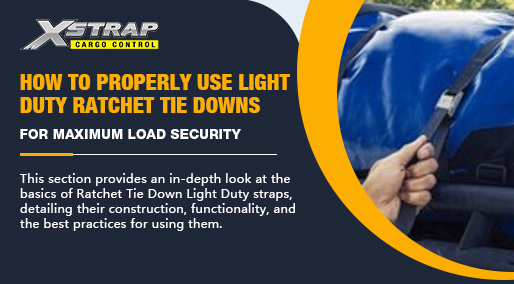 How to Properly Use Light Duty Ratchet Tie Downs for Maximum Load Security
Understanding the Basics of Ratchet Tie Down Light Duty Straps
Ratchet tie-down straps are a critical tool in the transportation, storage, and securement of goods. They are used to...
-
 +86-18112697781qindan355@gmail.comNo. 21 Yuefeng Road, Yangshe Town, Zhangjiagang City, Suzhou City, Jiangsu Province
 -
Quick Links
Social Media
-
OEM Partner
-


Copyright © 2025 Zhangjiagang SMK MFG. Co., Ltd. All rights reserved.
 Wholesale Tension Strap Manufacturers
Wholesale Tension Strap Manufacturers