
 English
 Français
 Español
How Do You Secure Cargo Safely Using Professional Container Straps
2026-07-24
Securing heavy cargo inside industrial shipping units is the foundational cornerstone of modern global logistics, long-distance supply chains, and multi-modal transport networks. When moving massive industrial assets across vast oceans or rugged overland routes, manufacturers and transport operators constantly confront immense dynamic forces, sudden vibrational shifts, and extreme environmental variances. Understanding the engineering mechanics of heavy-duty securement requires deep insight into material science, advanced textile manufacturing, and field-tested application methods. Whether you are managing standardized containerized freight or specialized open-top project cargo, selecting the right restraint components ensures absolute compliance and structural integrity from origin to destination.
To eliminate shifting risks and protect high-value assets, modern supply chains rely heavily on advanced securement engineering. Utilizing certified container straps provides the baseline reliability needed to lock heavy pallets, industrial machinery, and oversized crates firmly into place. Without adequate pre-tensioning and industrial-grade high-tenacity polyester weaving, high-value shipments risk catastrophic structural failure during transit. This comprehensive guide explores advanced technical specifications, mechanical performance metrics, and innovative securement layouts designed to elevate your logistical safety protocols without compromising operational efficiency.
As international trade scales up, the demand for reliable fastening accessories has surged. Logistics managers frequently evaluate various options, ranging from heavy-duty web anchors to specialized ratchets. Every piece of equipment plays a distinct role in maintaining cargo stability. Knowing how these components interact under pressure prevents transit damage and reduces insurance claim frequencies across the entire supply chain network.
Advanced Manufacturing and Structural Physics of Synthetic Restraints
The structural physics governing cargo securement inside standard and specialized intermodal containers involve complex combinations of longitudinal acceleration, lateral rolling forces, and vertical lifting vectors. Heavy industrial machinery and palletized cargo generate immense kinetic energy when maritime vessels encounter rough seas or transport vehicles navigate sharp highway curves. Standard webbing materials often stretch or degrade under prolonged cyclical loading, making high-modulus synthetic fibers essential for maintaining constant pre-tension throughout the journey.
As a specialized manufacturing factory, our production lines focus on maximizing breaking strength while minimizing elongation under maximum working load limits. By incorporating advanced multi-layer weaving patterns and reinforced edge treatments, we ensure that modern restraint systems resist severe abrasion from rough wooden pallets and sharp steel container walls. This prevents premature fraying and maintains structural load capacity across multi-modal transport journeys involving maritime shipping, rail freight, and heavy trucking.
Furthermore, the molecular orientation of polyester yarn dictates its resilience against moisture and chemical agents. Unlike organic fibers, high-tenacity polyester does not rot or weaken when exposed to humid marine conditions. This chemical inertness guarantees that tension levels remain stable over weeks of ocean transit, protecting goods from the subtle loosening effects caused by thermal expansion and contraction cycles.
Material Science, Polymer Engineering, and Durability Benchmarks
The longevity and operational reliability of industrial restraint systems depend directly on raw material selection and advanced chemical treatment processes. Premium-grade polyester webbing offers exceptional resistance to moisture absorption, ultraviolet degradation, and chemical exposure, outperforming traditional nylon or polypropylene alternatives in demanding outdoor environments. Furthermore, specialized resin coatings enhance the friction coefficient between the webbing surface and the cargo, preventing slippage even when subjected to intense vertical vibrations.
Rigorous testing protocols for industrial textiles involve cyclical stress evaluations under extreme temperature fluctuations and salt-spray corrosion chambers. High-performance polyester maintains up to ninety percent of its structural breaking strength even after prolonged exposure to direct sunlight and corrosive marine atmospheres. This high degree of environmental resistance ensures that equipment manufacturers and global logistics operators can deploy these systems globally with absolute confidence in their mechanical reliability.
In addition to tensile strength, resistance to edge wear is a critical factor during cargo transport. Sharp metal corners and wooden skid edges can easily sever low-quality straps. Our advanced manufacturing techniques apply denser weave densities along the outer borders, creating a built-in defense against cutting and tearing without adding unnecessary bulk to the overall assembly.
Comprehensive Technical Parameters and Performance Metrics
Evaluating industrial-grade restraint systems requires precise analysis of mechanical ratings, elongation rates, and hardware compatibility. The following detailed breakdown outlines the performance characteristics of various heavy-duty configurations utilized in global trade operations.
| Product Classification | Primary Material Composition | Standard Width Range | Working Load Limit (WLL) | Minimum Break Strength (MBS) | Elongation at Break |
| Heavy Industrial Webbing | 100% High-Tenacity Polyester | 50mm - 100mm | 2500kg - 5000kg | 7500kg - 15000kg | Less than 7% |
| Integrated Ratchet Assemblies | Polyester Webbing + Drop-Forged Steel | 50mm - 75mm | 2000kg - 4000kg | 6000kg - 12000kg | Less than 6% |
| Roll-Off Specialized Systems | Resin-Coated Multi-Ply Polyester | 75mm - 100mm | 3500kg - 6000kg | 10500kg - 18000kg | Less than 5% |
| Composite Flexible Strapping | Extruded Polyester Cord Filament | 19mm - 38mm | 1000kg - 2500kg | 3000kg - 7500kg | Less than 9% |
These data points serve as an essential engineering benchmark for procurement teams. Reviewing breaking strengths alongside elongation limits ensures that the chosen hardware behaves predictably under maximum operational stress. Lower elongation rates mean fewer adjustments are required mid-journey, securing cargo placement more effectively over thousands of miles.
Optimizing Tension Distribution Across Palletized Freight
When securing multiple rows of palletized goods within a standard intermodal container, achieving uniform tension across all contact points is vital. Uneven tension distribution can cause individual pallets to shift, leading to cascading load failures during transit. Utilizing multi-point anchor configurations combined with advanced tensioning hardware ensures that force is distributed evenly across the entire footprint of the cargo.
Operational personnel should always inspect anchor points welded to the container interior walls before applying pre-load tension. Ensuring that anchor points are free from rust, structural warping, or micro-fractures guarantees that the securement system can withstand maximum operational loads without tearing free from the container frame during emergency braking maneuvers.
Proper arrangement also involves placing friction mats underneath heavy pallets to increase baseline resistance against sliding forces. When high-friction mats work in tandem with our premium container straps, the required mechanical pre-tension can be optimized, reducing wear on both the cargo packaging and the tensioning hardware components.
Specialized Applications for Open-Top and Flatbed Operations
Transporting oversized machinery, construction aggregates, or industrial scrap materials often requires open-top or roll-off configurations where standard enclosed walls are absent. In these challenging scenarios, utilizing specialized securement gear like shipping container straps becomes mandatory. These systems are engineered to withstand direct wind shear, heavy rain impact, and severe road vibrations without losing their pre-set tension.
The integration of high-strength hardware components, such as forged steel hooks, double-J hooks, and heavy-duty ratchet buckles, ensures rapid deployment and secure locking capabilities. Operators can easily adjust tension levels on the fly, maintaining optimal clamp force throughout complex multi-stage transport cycles across diverse geographical terrains.
Open-top operations expose restraint textiles to direct environmental elements. Consequently, ultraviolet inhibitors are blended directly into the yarn extrusion phase during manufacturing. This extra layer of chemical protection prevents sunlight degradation, allowing straps to maintain their full breaking strength even after prolonged exposure outdoors.
Advanced Protocols for Containerized Freight Safety
Ensuring complete safety within containerized transport requires meticulous planning and adherence to international maritime and land transport standards. Cargo shifting is one of the leading causes of container damage, vessel instability, and roadway accidents during transit. By deploying certified securement solutions, operators can mitigate these risks effectively. The implementation of robust internal bracing, combined with high-performance synthetic restraints, creates a secure ecosystem for valuable industrial assets.
Furthermore, understanding the specific environmental stressors encountered during global shipping routes allows logistics managers to choose optimal hardware configurations. Saltwater spray, extreme humidity, and sub-zero temperatures can compromise inferior fastening materials, leading to sudden tension loss. Premium-grade polyester elements combined with corrosion-resistant galvanized steel hardware ensure uninterrupted performance under the harshest operational conditions imaginable.
Training warehouse staff on correct inspection protocols further safeguards operations. Establishing a routine checklist for detecting frayed edges, cracked metal buckles, or distorted hooks prevents compromised equipment from entering active shipping lines, maintaining an unblemished safety record year-round.
01
Initial Cargo Assessment and Weight Mapping
Before initiating any physical securement process, operators must evaluate the total mass, center of gravity, and footprint dimensions of the cargo. Accurate weight distribution prevents dangerous rolling moments inside the container during maritime transit.
02
Anchor Point Inspection and Hardware Selection
Inspect all interior container tie-down points for structural integrity. Match the calculated working load limits of the chosen restraint hardware with the specific mass and friction characteristics of the cargo being transported.
03
Controlled Tension Application and Final Audit
Apply pre-tension gradually using calibrated mechanical ratchets or tensioners. Verify that the webbing lies completely flat against cargo surfaces without twists, sharp bends, or hazardous friction points before final transit dispatch.
Engineering Superiority in Roll-Off and Intermodal Applications
The evolution of intermodal freight containers has transformed how raw materials and finished industrial products are moved across international boundaries. Specialized variants such as open-top containers, flat racks, and high-cube units demand equally versatile securement methodologies. When dealing with roll off container straps, manufacturing precision is paramount. These straps must endure high friction, frequent mechanical tensioning cycles, and exposure to abrasive aggregate materials without experiencing fiber degradation.
Factory-direct quality control ensures that every linear meter of industrial webbing meets strict breaking strength thresholds. By utilizing automated weaving looms and precision heat-setting techniques, producers eliminate internal stress points within the polyester core. This manufacturing excellence translates directly into safer field operations, reducing equipment maintenance downtime and protecting vehicle fleets from unexpected load shifts during high-speed highway transport or tight cornering maneuvers.
Moreover, structural compatibility with heavy winches and industrial hook arrays ensures seamless integration into existing transport vehicles. Whether retrofitting an older logistics fleet or outfitting new intermodal chassis, high-performance web systems provide the dependable clamping force required by modern commercial shipping standards.
Maximizing Efficiency with Self-Contained Ratchet Mechanisms
Operational speed and ergonomic ease are vital considerations for busy port terminals, distribution centers, and manufacturing plants. The integration of self contained ratchet straps streamlines the entire loading and securing workflow. By combining the tensioning winch, high-tenacity webbing, and heavy-duty end fittings into a unified assembly, operators can achieve optimal pre-load tension with minimal physical effort.
These integrated systems eliminate the loose components that often get misplaced or damaged in harsh industrial environments. The self-contained mechanism protects the gear teeth and spring assembly from dirt, grit, and moisture ingress, ensuring smooth ratchet action over thousands of deployment cycles. Workers can secure complex, awkward loads swiftly and securely, meeting strict departure schedules without compromising safety standards.
Ergonomic handling also reduces workplace strain injuries among loading crews. Smooth mechanical leverage allows workers to achieve higher tension levels with less physical torque, boosting overall terminal productivity while maintaining an uncompromised margin of cargo safety.
Decoding Industry Standards and Compliance Protocols
Compliance with international transportation regulations is non-negotiable for global trade participants. Governing bodies enforce strict guidelines regarding cargo securement capacity, periodic inspection intervals, and mandatory disposal criteria for worn-out synthetic web ties. Understanding how to strap down a shipping container in accordance with these legal frameworks protects companies from heavy fines, shipment rejections, and liability claims.
Facility managers must implement routine audit schedules to examine webbing for UV bleaching, chemical contamination, cuts, or stitching failures. Knowing How to strap a shipping container properly involves training personnel to recognize early signs of wear and replacing compromised units immediately before dispatch. Investing in premium-grade certified hardware significantly simplifies compliance management across international borders.
Regulatory bodies routinely update guidelines to reflect new technological developments in restraint manufacturing. Staying informed of these statutory revisions ensures that commercial supply chains remain fully compliant, mitigating legal exposure during cross-border inspections and customs audits.
Navigating Critical Decision-Making in Cargo Securement Selection
Procuring the ideal securement accessories requires a thorough evaluation of operational demands, environmental factors, and load configurations. When logistics coordinators ask What are shipping straps called, they uncover a wide spectrum of specialized terminology ranging from web tie-downs to heavy-duty logistic tracks. Identifying the exact nomenclature ensures seamless communication between purchasing departments and manufacturing partners, eliminating costly ordering errors.
Furthermore, recognizing When must container straps be used is essential for maintaining zero-defect safety records. Mandatory deployment is triggered whenever partial loads, fragile goods, or high-center-of-gravity equipment are loaded into standard or modified intermodal units. Partnering with a knowledgeable manufacturing source ensures you receive expert guidance on What is the best support for shipping containers and their internal contents under any given operating environment.
Sourcing directly from an established factory also allows procurement teams to request custom lengths, specialized color coding, and tailored hardware configurations to meet unique project specifications, ensuring total optimization for every distinct shipping requirement.
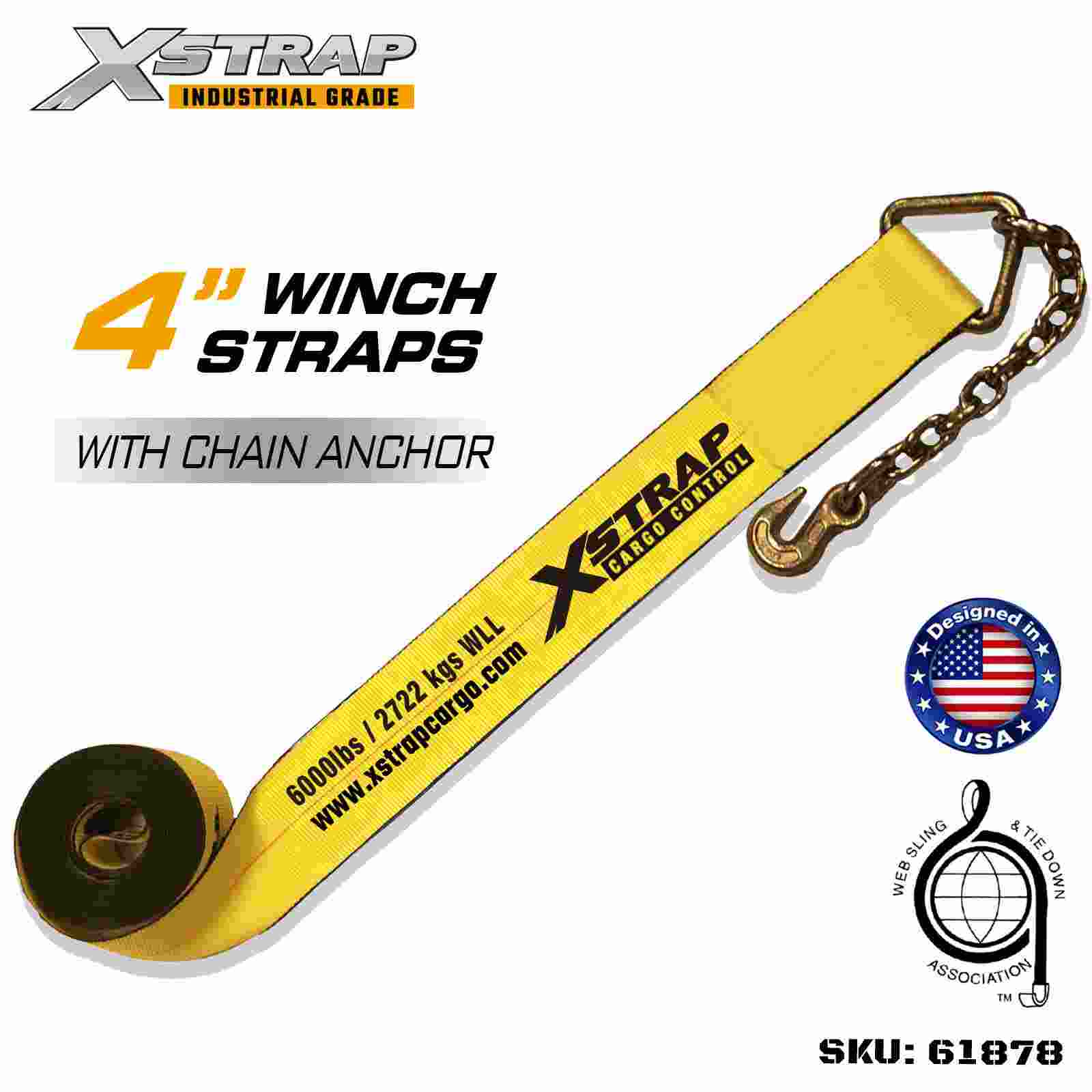
Popular Products
Recent News
 How Do You Choose the Right Utility Tie Downs and Bungee Cords for Your Needs
Introduction
When it comes to securing your gear for transport, storage, or organization, Utility Tie Downs and Bungee Cords are essential tools. Whether you're hauling heavy loads...
 The Ultimate Guide to Ratchet Straps: Choosing, Using, and Maintaining Them
Introduction to Ratchet Straps
What Are Ratchet Straps?
Ratchet straps, also known as tie-down straps or cargo straps, are a type of load securement tool widely used in transportat...
 How Can Ratchet Tie Down Standard Duty Straps Ensure Safe and Reliable Cargo Securement
What Are Ratchet Tie Down Straps and Why Are They Important for Cargo Securement?
Introduction to Ratchet Tie Down Straps
Ratchet tie down straps are essential tools for anyone inv...
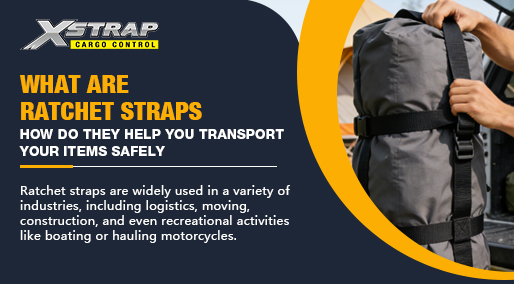 What are Ratchet Straps and how do they help you transport your items safely
What Are Ratchet Straps?
Ratchet straps, also known as ratchet tie-downs or cargo straps, are heavy-duty fastening tools designed to secure items during transportation. They consis...
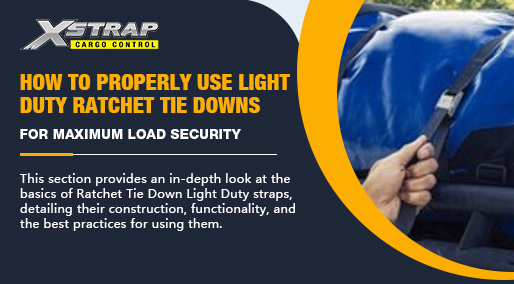 How to Properly Use Light Duty Ratchet Tie Downs for Maximum Load Security
Understanding the Basics of Ratchet Tie Down Light Duty Straps
Ratchet tie-down straps are a critical tool in the transportation, storage, and securement of goods. They are used to...
-
 +86-18112697781qindan355@gmail.comNo. 21 Yuefeng Road, Yangshe Town, Zhangjiagang City, Suzhou City, Jiangsu Province
 -
Quick Links
Social Media
-
OEM Partner
-


Copyright © 2025 Zhangjiagang SMK MFG. Co., Ltd. All rights reserved.
 Wholesale Tension Strap Manufacturers
Wholesale Tension Strap Manufacturers