
 English
 Français
 Español
Home / News / Industry News / What Is the Right Lift Sling for Your Load — Chain Sling, Webbing Sling or Round Sling
What Is the Right Lift Sling for Your Load — Chain Sling, Webbing Sling or Round Sling
2026-07-03
Rigging & Load Handling Reference
Lift Sling, Chain Sling and Webbing Sling: How Working Load Limits, Materials and Construction Determine the Right Rigging Sling for the Job
Selecting a lift sling is not a matter of matching a hook size to a load. Working load limit, material behavior under repeated cycling, and the geometry of the lift all interact, and a rigging sling that performs well in one application can be the wrong choice in another. The comparison below sets out the technical differences between chain sling, webbing sling, round sling, and nylon lifting straps so that the correct rigging slings can be matched to the correct load, environment, and duty cycle.
5:1 Minimum design factor applied to rated capacity on most chain sling and webbing sling assemblies
4 Common leg configurations: single, double, triple and quad leg adjustable chain sling
80/100 Alloy chain grades used for heavy duty lifting slings in structural and foundry work
12 Months — typical formal recertification interval for slings in continuous industrial service
Chain Sling and Adjustable Chain Sling Construction
A chain sling is built from heat-treated alloy chain, most commonly Grade 80 or Grade 100, fitted with forged master links, hooks, and shortening components. The chain sling category exists because chain resists cutting, crushing, and high-temperature exposure in a way that textile sling straps cannot. An adjustable chain sling adds a clevis-type shortening grab hook on each leg, allowing the working length of every leg to be tuned on site so that an asymmetrical load can be leveled without changing the rigging hardware. This makes an adjustable chain sling particularly suited to structural steel, machinery relocation, and foundry environments where load centers of gravity vary from one lift to the next.
Because chain does not stretch the way webbing sling or round sling material does, a chain sling holds its geometry under sustained load, which matters when a lift must be held in a fixed position for an extended period, such as during alignment or welding. The tradeoff is weight: a chain sling of equivalent working load limit is markedly heavier to handle than a comparable nylon lifting sling, and abrasive contact between chain links and a finished load surface must be managed with padding or corner protection.
Webbing Sling, Nylon Slings and Rigging Straps
A webbing sling — sometimes referred to as rigging straps, lifting strops, or nylon lifting straps depending on the region — is woven from high-tenacity synthetic yarn into a flat strap. Nylon slings and polyester webbing sling both fall under this category, and the fiber choice changes how the sling behaves rather than just its color coding. Nylon lifting straps stretch more under load and recover their shape afterward, which absorbs shock loading better than a rigid chain sling, but nylon slings also lose a portion of their strength when wet and are more sensitive to certain chemicals than polyester equivalents.
A flat webbing sling spreads contact pressure over a wider surface area than chain, which reduces the risk of marking or denting a finished or coated load. This is the primary reason lifting sling straps are the default choice for equipment with painted, polished, or composite surfaces. Heavy duty lifting straps intended for repeated industrial cycling typically use a duplex or reinforced-edge construction, with abrasion-resistant coating on the load-bearing face to extend service life where the sling contacts sharp or textured surfaces.
Round Sling / Endless Slings
A round sling is constructed from a continuous core of polyester yarn protected by a woven textile sleeve, with no stitched load-bearing seam exposed to the working surface. Because the core is a closed loop, round sling and other endless slings distribute load evenly across the full circumference and can be rotated during use to shift wear away from a single contact point, extending working life compared with a single-use contact zone on a flat sling.
Lifting Strops for Choke and Basket Hitches
Both flat webbing sling and round sling configurations can be rigged in vertical, choke, or basket hitch, and the rated capacity changes with each. A basket hitch on rigging straps typically doubles the vertical rating when legs remain within roughly five degrees of parallel, while a choke hitch reduces capacity relative to a straight vertical lift due to the compression point created at the choke.
Rated capacity marked on any lift sling assumes a vertical hitch at zero degrees. As sling leg angle from vertical increases, the load on each leg increases even though the total suspended weight has not changed — a factor riggers must apply before reading any working load limit table as a fixed number.
Working Load Limit Comparison by Sling Type
| Sling Type | Typical Material | Vertical WLL Range | Elongation at Rated Load | Surface Contact | Primary Use Case |
| Chain Sling | Grade 80 / Grade 100 Alloy Steel | 1.1 t – 60 t | Negligible | Point / line contact | Structural steel, foundry, sustained holds |
| Adjustable Chain Sling | Grade 80 / Grade 100 Alloy Steel | 1.1 t – 40 t | Negligible | Point / line contact | Uneven load centers, machinery leveling |
| Webbing Sling / Nylon Lifting Straps | Nylon or Polyester Yarn | 0.5 t – 20 t | Approx. 6% – 8% | Broad flat contact | Finished surfaces, general rigging straps use |
| Round Sling / Endless Slings | Polyester Core, Woven Sleeve | 1 t – 50 t | Approx. 3% – 4% | Rotating full-circumference contact | Basket hitch, irregular or curved loads |
| Heavy Duty Lifting Straps | Reinforced Polyester / Nylon | 5 t – 25 t | Approx. 5% – 7% | Broad flat contact, reinforced edge | High-cycle industrial and yard operations |
Inspection Criteria Before Each Lift
Every lift sling in service should be checked before use regardless of sling type. On a chain sling, this means checking for stretched or twisted links, nicks, gouges, and any bend in a master link or hook throat. On webbing sling, nylon slings, or round sling assemblies, the inspection covers cuts to load-bearing yarns, broken or abraded stitching, chemical or heat discoloration, and any melting or glazing of the fiber surface caused by friction. A sling with a damaged tag or missing capacity marking should be removed from service, since the working load limit cannot be verified without it. Rigging slings that have been overloaded, even briefly, should be withdrawn and inspected by a qualified person before being returned to use.
Frequently Asked Questions
When should a chain sling be used instead of a webbing sling?
A chain sling is the better choice where the load has sharp edges, high temperature, or where the rigging must hold a fixed position for an extended period without stretch. A webbing sling or nylon lifting sling is preferred where surface protection matters or where lighter, more flexible rigging straps are needed for frequent repositioning.
What determines the working load limit of a round sling?
The working load limit of a round sling is set by the number and tensile rating of the yarns forming the continuous core, not by the outer protective sleeve, which exists to guard the core from abrasion and UV exposure rather than to carry load.
Can heavy duty lifting straps be repaired if the stitching is damaged?
Load-bearing stitching on lifting sling straps should not be field-repaired. Damaged stitching, cuts through the outer yarns, or exposed core fibers on nylon lifting straps are grounds for removing the sling from service and replacing it, since re-stitching in the field cannot be verified against the original rated capacity.
How does an adjustable chain sling differ from a fixed-leg chain sling?
A fixed-leg chain sling has a set leg length and is rigged directly to fixed lifting points. An adjustable chain sling includes shortening grab hooks on each leg so the rigger can equalize leg length on site, which is useful whenever the load's center of gravity is not centered between the lifting points.
Matching lift sling type to load geometry, surface finish, and duty cycle is what determines both service life and lifting safety. Chain sling and adjustable chain sling assemblies suit demanding, high-temperature, or sustained-hold applications; webbing sling, nylon slings, round sling and heavy duty lifting straps cover the broader range of general rigging where surface protection, flexibility, and reduced handling weight are the priority.
Popular Products
Recent News
 How Do You Choose the Right Utility Tie Downs and Bungee Cords for Your Needs
Introduction
When it comes to securing your gear for transport, storage, or organization, Utility Tie Downs and Bungee Cords are essential tools. Whether you're hauling heavy loads...
 The Ultimate Guide to Ratchet Straps: Choosing, Using, and Maintaining Them
Introduction to Ratchet Straps
What Are Ratchet Straps?
Ratchet straps, also known as tie-down straps or cargo straps, are a type of load securement tool widely used in transportat...
 How Can Ratchet Tie Down Standard Duty Straps Ensure Safe and Reliable Cargo Securement
What Are Ratchet Tie Down Straps and Why Are They Important for Cargo Securement?
Introduction to Ratchet Tie Down Straps
Ratchet tie down straps are essential tools for anyone inv...
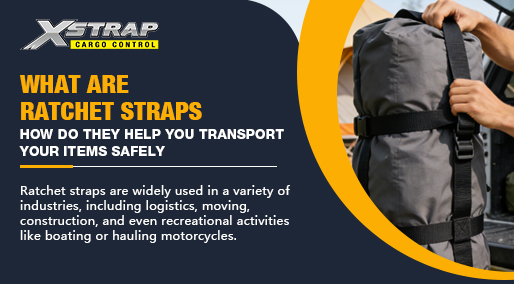 What are Ratchet Straps and how do they help you transport your items safely
What Are Ratchet Straps?
Ratchet straps, also known as ratchet tie-downs or cargo straps, are heavy-duty fastening tools designed to secure items during transportation. They consis...
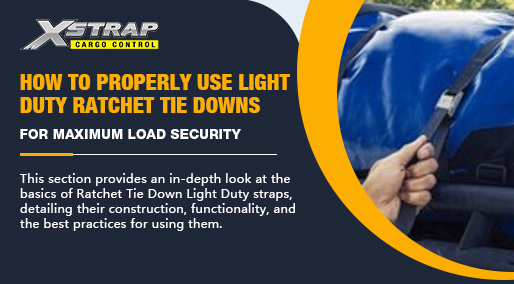 How to Properly Use Light Duty Ratchet Tie Downs for Maximum Load Security
Understanding the Basics of Ratchet Tie Down Light Duty Straps
Ratchet tie-down straps are a critical tool in the transportation, storage, and securement of goods. They are used to...
-
 +86-18112697781qindan355@gmail.comNo. 21 Yuefeng Road, Yangshe Town, Zhangjiagang City, Suzhou City, Jiangsu Province
 -
Quick Links
Social Media
-
OEM Partner
-


Copyright © 2025 Zhangjiagang SMK MFG. Co., Ltd. All rights reserved.
 Wholesale Tension Strap Manufacturers
Wholesale Tension Strap Manufacturers