
 English
 Français
 Español
How Much Weight Can an Industrial Ratchet Tie-Down Actually Secure
2026-07-10
Factory Spec Sheet
What Actually Determines Strap Strength on a 2in x 20ft Industrial Ratchet Tie-Down
Webbing width and length are only the starting point on any spec label. The real difference between one industrial ratchet tie-down and another sits in stitch pattern, hardware forging, and the pull-test method used at the factory floor. The breakdown below is drawn from production and testing records rather than general buying advice.
Every finished industrial tie down straps batch is pull-tested to failure before packaging, and the recorded break force — not a catalog estimate — is what determines the printed Working Load Limit.
Safe Zone
Break Force
16-Pass
Box-X stitch count securing the hook fitting to the webbing end, tested for shear separation before release
100%
Batch pull-test coverage — every production run is destructively tested, not sample-checked, before the WLL is printed
Zinc-Plated
Ratchet housing and handle finish, rated against salt-spray corrosion for repeated outdoor and marine exposure
How Much Weight Can a Tie-Down Strap Hold
The honest answer is that no single figure applies across every industrial ratchet tie-down — capacity is set by webbing width, weave density, and the batch pull-test result. The table below lists certified Working Load Limits by width class for straps produced on this line.
| Webbing Width | Standard Length | Working Load Limit | Typical Cargo Class |
| 1 in | 10–15 ft | Light crates, small motorcycles, palletized boxes | |
| 2 in | 20 ft | Lumber, steel coil banding, mid-size machinery | |
| 3 in | 27–30 ft | Flatbed loads, skid-mounted generators | |
| 4 in | 30 ft | Heavy equipment, container floor cargo |
Where This Strap Class Gets Used
Flatbed Hauling
Securing lumber bundles, steel bar stock, and palletized freight across two or more anchor points per load segment.
Machinery Transport
Holding compressors, generators, and skid-mounted equipment against lateral shift during braking and cornering.
Container Loading
Cross-lashing pallets inside dry-van and container floors where anchor rings are spaced along the rail track.
Deck & Marine Cargo
Holding fixtures on open decks where webbing must resist UV exposure and repeated saltwater contact.
Manufacturing Options Available Off the Same Production Line
- Custom webbing width — 1 in, 1.5 in, 2 in, 3 in, and 4 in tooling run on the same cutting line
- Custom cut length — strap length adjusted in 1 ft increments from 6 ft to 40 ft
- Custom webbing color — solid dye lots for fleet color-coding by load class
- Logo weaving or heat-transfer printing — placed along the webbing for fleet identification
- Hook fitting selection — flat hook, S-hook, J-hook, or double-J configurations
- Packaging format — single poly bag, header-card retail pack, or bulk carton for large-volume orders
Common Questions From the Loading Dock
How many stitch passes hold the hook onto a 2 inch ratchet strap?
Production runs on this webbing width typically use a 16-pass box-X stitch pattern, which is tested for shear separation before the strap leaves the line.
What does the Working Load Limit printed on the label actually mean?
It is the maximum tension the strap should carry during normal use, set at roughly one-third of the measured break force recorded during pull-testing — not the point of failure itself.
Can a ratchet tie-down kit be re-webbed once the strap wears out?
Yes, when the ratchet housing and hardware are still sound, the webbing section can be replaced separately rather than discarding the full kit.
Does webbing color or dye lot affect strength?
No, dye lot is cosmetic. Strength is governed by fiber denier, weave density, and stitch pattern, all of which stay constant across color runs from the same production batch.
Popular Products
Recent News
 How Do You Choose the Right Utility Tie Downs and Bungee Cords for Your Needs
Introduction
When it comes to securing your gear for transport, storage, or organization, Utility Tie Downs and Bungee Cords are essential tools. Whether you're hauling heavy loads...
 The Ultimate Guide to Ratchet Straps: Choosing, Using, and Maintaining Them
Introduction to Ratchet Straps
What Are Ratchet Straps?
Ratchet straps, also known as tie-down straps or cargo straps, are a type of load securement tool widely used in transportat...
 How Can Ratchet Tie Down Standard Duty Straps Ensure Safe and Reliable Cargo Securement
What Are Ratchet Tie Down Straps and Why Are They Important for Cargo Securement?
Introduction to Ratchet Tie Down Straps
Ratchet tie down straps are essential tools for anyone inv...
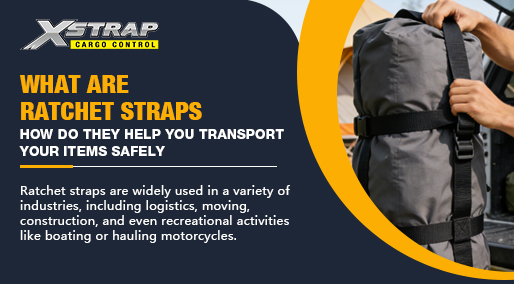 What are Ratchet Straps and how do they help you transport your items safely
What Are Ratchet Straps?
Ratchet straps, also known as ratchet tie-downs or cargo straps, are heavy-duty fastening tools designed to secure items during transportation. They consis...
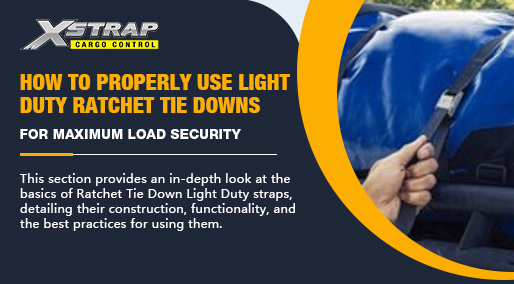 How to Properly Use Light Duty Ratchet Tie Downs for Maximum Load Security
Understanding the Basics of Ratchet Tie Down Light Duty Straps
Ratchet tie-down straps are a critical tool in the transportation, storage, and securement of goods. They are used to...
-
 +86-18112697781qindan355@gmail.comNo. 21 Yuefeng Road, Yangshe Town, Zhangjiagang City, Suzhou City, Jiangsu Province
 -
Quick Links
Social Media
-
OEM Partner
-


Copyright © 2025 Zhangjiagang SMK MFG. Co., Ltd. All rights reserved.
 Wholesale Tension Strap Manufacturers
Wholesale Tension Strap Manufacturers