
 English
 Français
 Español

Home / News / Industry News / Modernizing Transport Securement: How Ratchet Tie Down Straps are Reshaping the Global Logistics Industry
Modernizing Transport Securement: How Ratchet Tie Down Straps are Reshaping the Global Logistics Industry
2026-06-26
As the scale of international trade continues to expand and transport chains become increasingly complex, the importance of cargo securement technology has become more prominent. Over the past few decades, through the evolution from traditional ropes and chains to modern synthetic materials, the emergence of ratchet tie down straps has marked a new stage in the development of transport securement tools. This innovative technology has not only changed the way global logistics professionals work, but has also brought significant improvements in transport safety, cost control, and environmental sustainability.
Technological Innovation in Transport Securement Tools
Against the backdrop of global trade growth, the logistics industry's requirements for cargo securement tools are constantly increasing. Traditional rope-based methods suffer from inaccurate tension control, susceptibility to loosening, and potential damage to cargo. In contrast, ratchet tie down straps provide a more reliable and controllable tension adjustment mechanism through a mechanical ratchet system.
According to industry data, transport companies using ratchet straps for cargo securement have reduced their cargo damage rates by 70-85% compared to traditional methods. This figure reflects the significant advantages of the product in terms of uniform tension distribution and stability.
In long-distance transport, the emergence of retractable ratchet straps has further optimized operational efficiency; their automatic recoil mechanism shortens loading and unloading times from 5-10 minutes to 15-30 seconds, representing considerable cost savings for enterprises requiring frequent loading.
Breakthroughs in Industrial Applications: Heavy Duty Ratchet Straps
Heavy duty ratchet straps represent the industrial-grade application level of this product category. The development and use of these products indicate that transport securement technology can now meet the demands of increasingly complex industrial scenarios.
Performance Comparison: Heavy Duty vs. Standard Specifications
Tensile Strength 3000-5000 lbs vs 1500-2000 lbs
Ratchet Durability 2000-5000 cycles vs 500-1000 cycles
Service Life Extension 3-5 times longer
Temperature Range -20°C to +60°C (Wider range)
Research from international transport safety organizations shows that companies properly using heavy duty ratchet straps have reduced transport accident rates by 60-75%. This result stems both from the reliability of the product itself and from the more standardized operating procedures adopted by transport companies.
The Market Position of 4 Inch Ratchet Straps
Among the various specifications, 4 inch ratchet straps have become the most widely used in the market. This is not accidental, but rather a reflection of the perfect alignment between product design and actual application needs.
The 4-inch width design offers multiple advantages. First, the increased width enhances contact area, allowing tension to be distributed more evenly across the cargo surface—crucial for protecting fragile items, painted surfaces, or precision instruments. Second, this width reduces hand fatigue for operators during long shifts, thereby improving efficiency and safety. Third, from a cost-benefit perspective, 4 inch ratchet straps achieve an optimal balance between load capacity (3000-5000 lbs) and economy.
Market research shows that this specification accounts for approximately 50-55% of the global ratchet straps market, establishing its dominant position. 4 inch ratchet straps have become standard equipment in fields such as automotive transport, construction material distribution, and heavy machinery relocation.
Adapting to Environmental Challenges: Stainless Steel Ratchet Straps
As environmental protection and sustainable transport become global priorities, the use of stainless steel ratchet straps is expanding. Choosing stainless steel not only represents an upgrade in product quality but also reflects the logistics industry's focus on sustainability.
In ocean transport, chemical distribution, and scenarios requiring frequent wash-downs, ratchet systems made of ordinary steel are prone to corrosion, which severely impacts reliability. Stainless steel ratchet straps, by utilizing 316-grade stainless steel, completely eliminate this risk. Studies show that in high-salinity or high-humidity environments, the service life of stainless steel products can be 4-6 times that of ordinary steel products.
Cost Analysis: Stainless Steel vs. Ordinary Steel
Initial Investment 30-40% higher
Service Life 4-6 times longer
ROI Period 2-3 years
Annual Maintenance Costs Reduced by over 70%
Standardization of Truck Straps
With the refinement of international transport safety standards, the use of truck straps has formed a comprehensive normative system. The establishment of international standards, such as the US DOT and the European EN12195, provides clear guidance for the design, manufacturing, and use of these straps.
According to these standards, the calculation of the number of truck straps needed for commercial transport has become scientific. It is stipulated that cargo loaded on semi-trailers should use at least four tie-down straps, with increased numbers required for particularly heavy or long cargo. Furthermore, there are strict requirements for placement—straps should be evenly distributed along the length of the cargo, typically in thirds.
Professional transport companies have integrated the use of truck straps into their standardized operating procedures. The implementation of regular maintenance checks, standardized tension control, and clear responsibility in safety incident handling has significantly reduced risks during transport.
Driving Industry Efficiency with Retractable Ratchet Straps
The introduction of retractable ratchet straps represents a significant functional breakthrough. Utilizing a spring-based recoil system, users can quickly release and retract straps with a simple pressing motion.
This innovation is particularly valuable in high-frequency loading scenarios. For warehousing logistics centers and distribution hubs that frequently load and unload cargo, retractable ratchet straps significantly enhance efficiency. The reduction in setup time from several minutes to mere seconds creates substantial time savings over dozens of daily cycles.
Additionally, the retractable feature optimizes inventory management. Transport companies do not need to stock various strap lengths; a small number of retractable ratchet straps can handle diverse cargo sizes, offering clear advantages in both space and cost management.
International Standards and Market Competition
Authoritative bodies such as the International Maritime Organization (IMO), the US Department of Transportation (DOT), and European transport standards organizations have established detailed criteria regarding the safety, durability, and material quality of tie-down straps. These standards ensure that consumers are guaranteed basic safety performance regardless of the brand chosen.
These standards have also fostered industry competition and upgrading. Ratchet tie down straps that meet multiple international certifications enjoy higher market recognition, motivating companies to invest continuously in product quality, innovative design, and user service. Market data indicates that over the past five years, the global ratchet straps market has grown at an average annual rate of 8-12%, driven by technological innovation and the continuous expansion of application fields.
New Directions for Sustainable Development
As global focus on environmental protection and sustainability grows, the transport industry is seeking greener solutions. Compared to traditional chains and ropes, ratchet tie down straps offer advantages in material recyclability, service life, and reduced wear on other transport equipment.
Modern ratchet straps made from high-strength polyester webbing are highly recyclable, and disposal at the end of their service life is relatively simple. Furthermore, because they do not cause wear and tear to truck trailers, cargo, or other transport equipment, they reduce the frequency of equipment replacement, thereby lowering the overall environmental footprint.
Practical experience from transport companies proves that switching to ratchet tie down straps not only improves efficiency and safety but also contributes to environmental metrics. This multi-dimensional value makes ratchet straps the preferred choice for responsible enterprises.
Final Thoughts on Industry Development
Currently, the technology behind ratchet tie down straps continues to innovate. New concepts, such as intelligent tension monitoring, the application of heat-resistant materials, and cargo securement supervision systems integrated with digital technology, are being explored by the industry. These directions point toward a future where transport securement technology is deeply integrated with modern digital advancements.
For transport companies, logistics providers, and shippers, choosing and correctly using the right securement tools has become a necessity for enhancing competitiveness. Thanks to their comprehensive advantages in safety, efficiency, cost, and environmental impact, ratchet tie down straps have become standard equipment for modern transport globally. As technology progresses and application areas expand, the importance of this product in international trade will continue to rise.
Popular Products
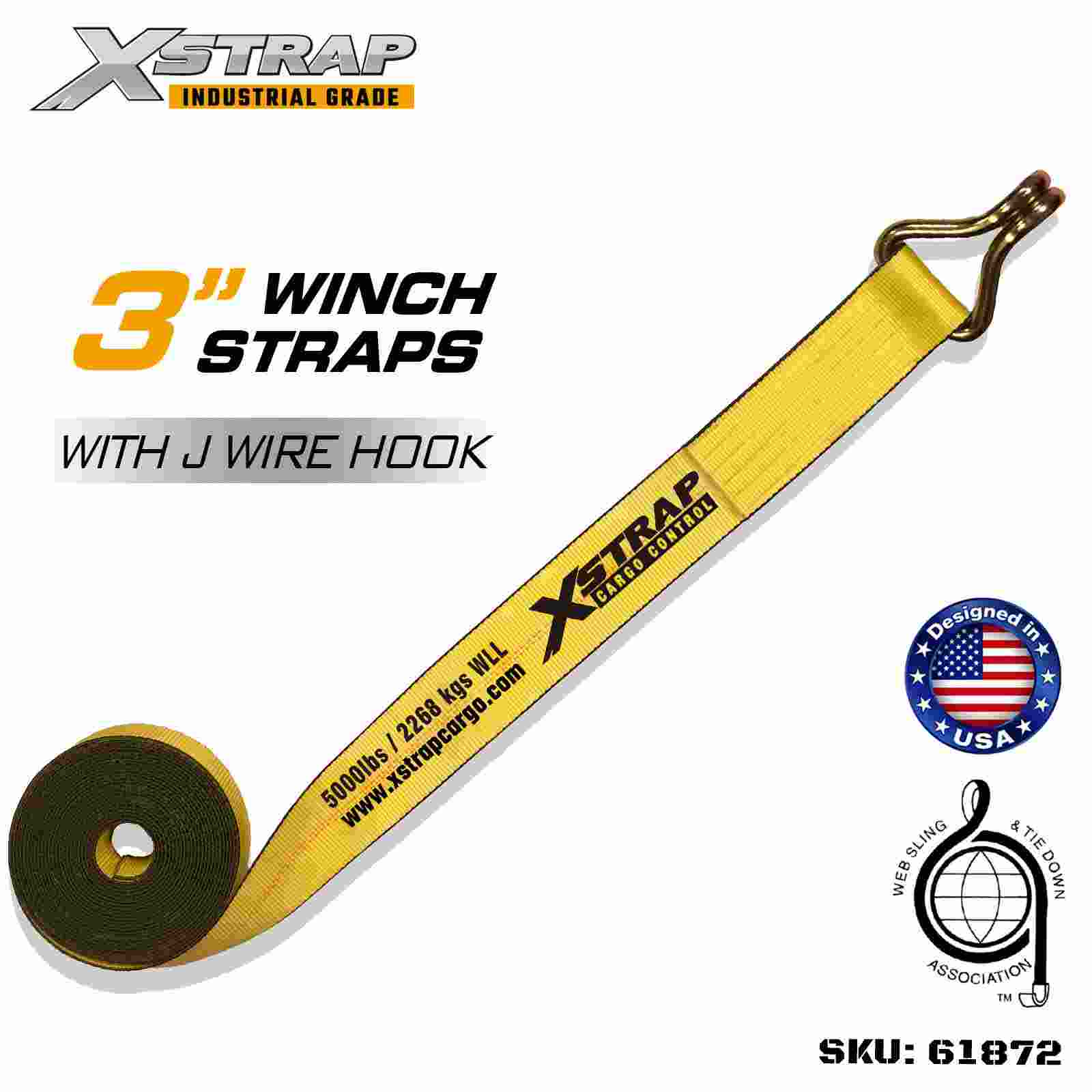
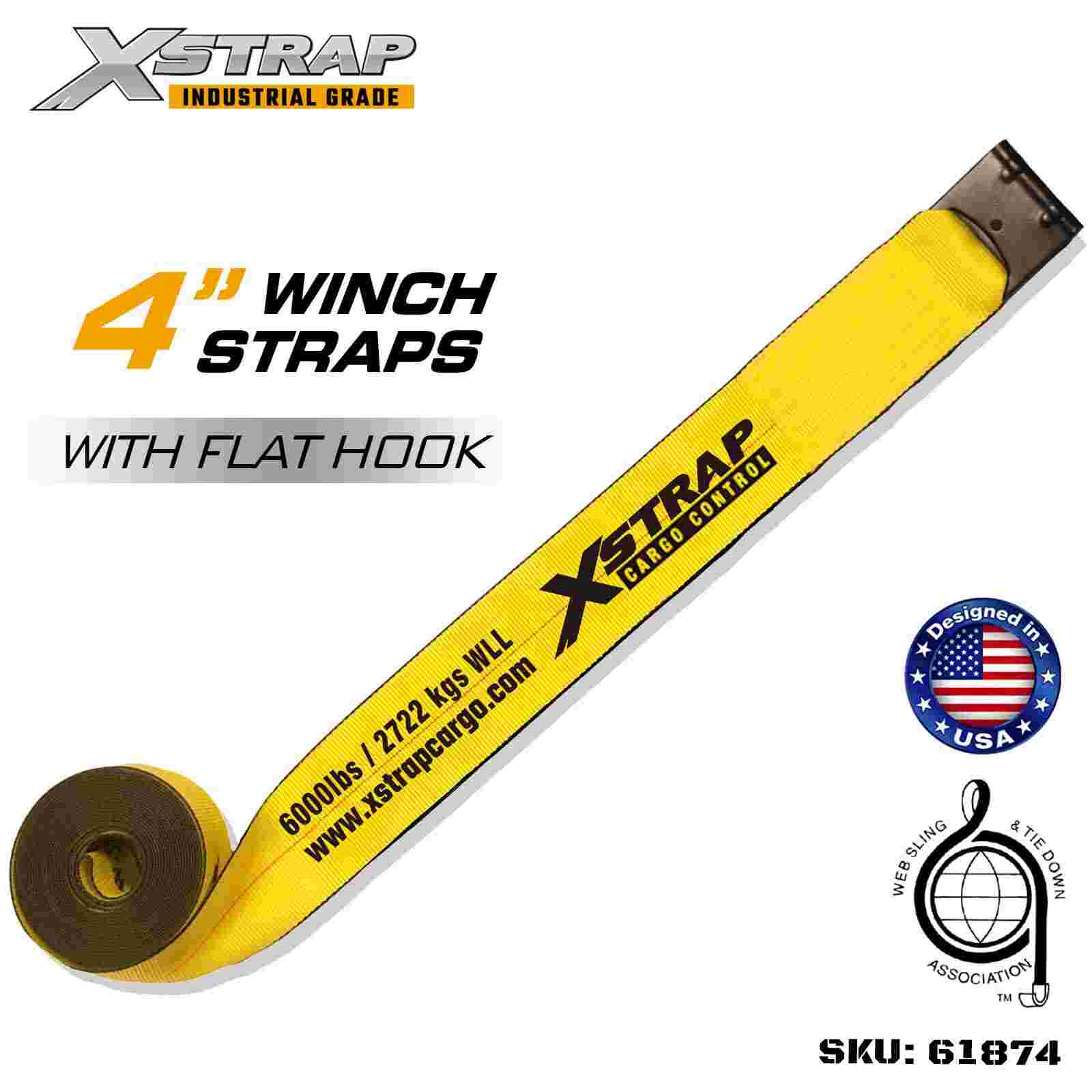

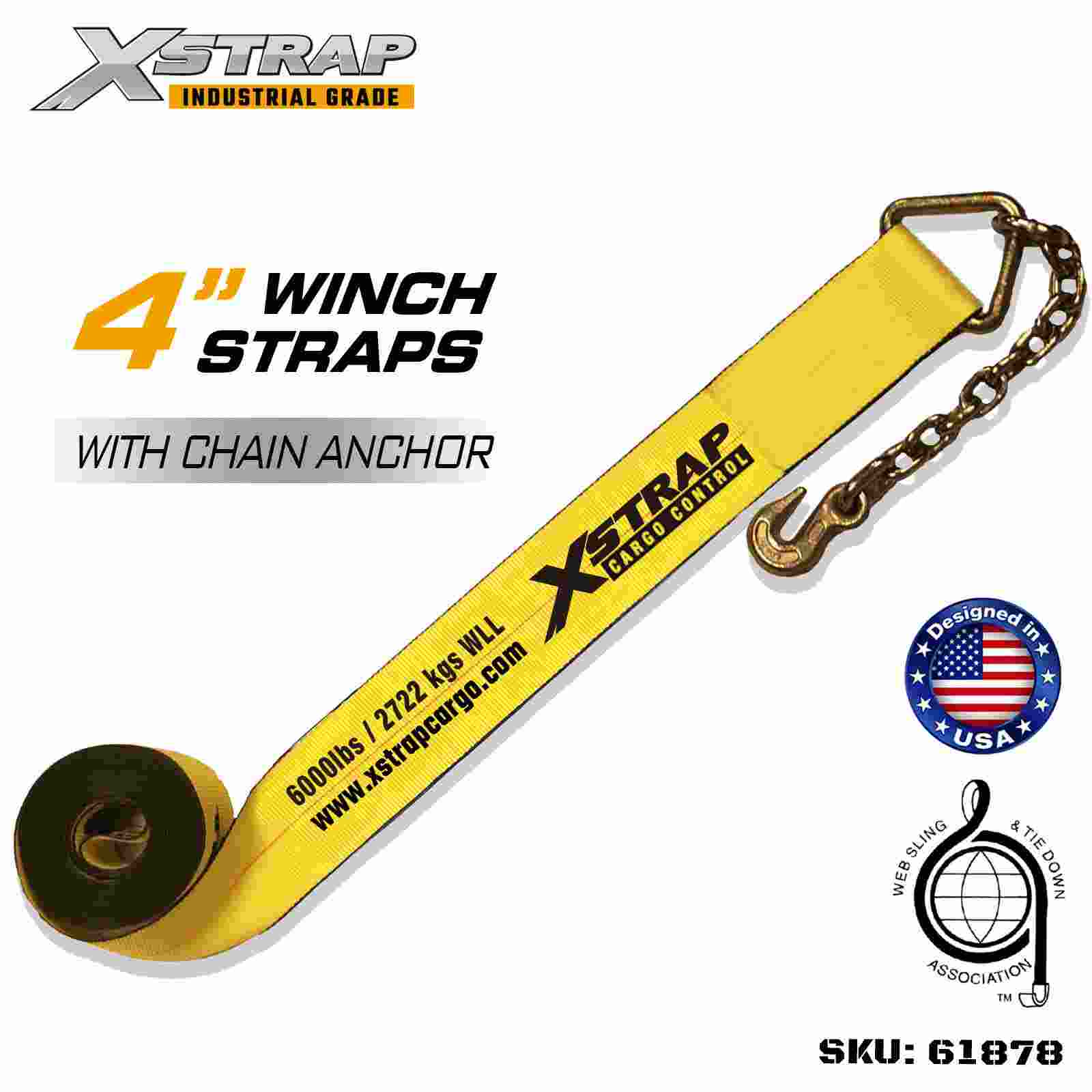
Recent News
 How Do You Choose the Right Utility Tie Downs and Bungee Cords for Your Needs
Introduction
When it comes to securing your gear for transport, storage, or organization, Utility Tie Downs and Bungee Cords are essential tools. Whether you're hauling heavy loads...
 The Ultimate Guide to Ratchet Straps: Choosing, Using, and Maintaining Them
Introduction to Ratchet Straps
What Are Ratchet Straps?
Ratchet straps, also known as tie-down straps or cargo straps, are a type of load securement tool widely used in transportat...
 How Can Ratchet Tie Down Standard Duty Straps Ensure Safe and Reliable Cargo Securement
What Are Ratchet Tie Down Straps and Why Are They Important for Cargo Securement?
Introduction to Ratchet Tie Down Straps
Ratchet tie down straps are essential tools for anyone inv...
 What are Ratchet Straps and how do they help you transport your items safely
What Are Ratchet Straps?
Ratchet straps, also known as ratchet tie-downs or cargo straps, are heavy-duty fastening tools designed to secure items during transportation. They consis...
 How to Properly Use Light Duty Ratchet Tie Downs for Maximum Load Security
Understanding the Basics of Ratchet Tie Down Light Duty Straps
Ratchet tie-down straps are a critical tool in the transportation, storage, and securement of goods. They are used to...
-
 +86-18112697781qindan355@gmail.comNo. 21 Yuefeng Road, Yangshe Town, Zhangjiagang City, Suzhou City, Jiangsu Province
 -
Quick Links
Social Media
-
OEM Partner
-


Copyright © 2025 Zhangjiagang SMK MFG. Co., Ltd. All rights reserved.
 Wholesale Tension Strap Manufacturers
Wholesale Tension Strap Manufacturers