
 English
 Français
 Español

Home / News / Industry News / What Is the Best Boat Winch Strap for Your Trailer, and How Do You Install It Correctly
What Is the Best Boat Winch Strap for Your Trailer, and How Do You Install It Correctly
2026-07-17
Manufacturing Insight
Engineering Behind Every Boat Winch Strap: Materials, Testing and Installation Standards
A technical breakdown of webbing construction, hardware specification, and field performance
Every winch strap leaving a production line goes through controlled processes before reaching a trailer, a marina, or a fleet yard. Fiber selection, webbing density, stitching pattern and hardware plating determine how a strap winch performs under repeated loading cycles, salt exposure, and UV fatigue over years of service.
9000lbs
Max breaking strength on reinforced webbing
Raw Material Selection for Winch Boat Strap Production
Polyester webbing remains the standard base material for a boat trailer winch strap because of its low stretch ratio and resistance to water absorption compared to nylon alternatives. Webbing is woven in high-density patterns and heat-treated to stabilize fiber alignment, reducing elongation under sustained load.
Hardware components such as hooks, D-rings and flat hooks used on a can am winch hook strap are typically zinc or nickel plated to resist corrosion. Plating thickness is measured in microns, with thicker coatings extending service life in salt-heavy marine environments.
01
Fiber Weaving
High-density polyester webbing woven to target width tolerance
02
Heat Stabilization
Reduces elongation and locks fiber alignment before cutting
03
Hardware Plating
Zinc or nickel coating applied for corrosion resistance
04
Batch Testing
Tensile and stitch strength verified before packaging
Stitching Patterns and Load Distribution
The stitching pattern on a boat winch strap directly affects how load is distributed across the webbing width. Box-X stitching is commonly applied at hook attachment points because it spreads tension across multiple thread lines rather than concentrating stress on a single seam. Bar-tack stitching is used at strap ends for high-frequency use cases where a winch boat strap is loaded and released daily.
| Stitch Type | Application Point | Load Spread | Recommended Use |
| Box-X Stitch | Hook & Ring Attachment | High | Heavy-load boat trailer winch strap |
| Bar-Tack Stitch | Strap End Termination | Medium-High | Daily-use winch strap |
| Straight Lock Stitch | Mid-Strap Reinforcement | Medium | Standard duty strap winch |
How to Install Boat Winch Strap: Correct Setup Procedure
Proper installation begins with matching the winch strap width to the winch drum, since a mismatched width causes uneven spooling and premature edge fraying. The strap end is secured to the drum using the integrated bolt or keeper plate, then routed through the winch stand guide without any twist along its length. A twisted strap concentrates load on one edge of the webbing rather than spreading it evenly, which shortens service life significantly.
The hook or loop end is then connected to the bow eye, and the winch handle is turned to bring the strap to moderate tension. Over-tightening during installation is a common cause of stress on the bow eye mounting bracket, so tension should only be enough to remove slack, not to fully compress the hull against the trailer bunks.
How to Use a Winch Strap: Operating Guidelines for Long Service Life
Consistent operating habits extend the working life of any winch strap far beyond what material specification alone can achieve. Before each load cycle, the full strap length should be inspected for cuts, fraying, or hardware deformation, with particular attention to the section that wraps the winch drum, since this area experiences the highest cumulative friction.
- Keep tension moderate; avoid ratcheting or forcing the handle past resistance
- Check strap tension again after the first few minutes of transport, since webbing settles under initial road vibration
- Release strap tension fully before unhooking to prevent uncontrolled drum rebound
- Avoid dragging the strap across abrasive trailer surfaces during spooling
- Store the strap dry and shielded from direct sunlight when the trailer is not in use
How to Replace Boat Winch Strap: Wear Indicators and Replacement Steps
A winch strap is a wear component, and material fatigue develops gradually through UV exposure, moisture cycling, and repeated friction against the winch drum. Recognizing early wear indicators prevents strap failure during transport, which is the most common cause of load-shift incidents on trailers.
Fiber fraying or fuzzing along the webbing surface
Noticeable color fading from prolonged UV exposure
Edge separation or layer delamination on the webbing
Corrosion or deformation on hook and hardware components
Stitching that has loosened or partially separated
Replacement follows a straightforward sequence: release winch tension gradually to avoid sudden drum rebound, remove the mounting bolt or keeper plate securing the old strap, and measure both drum width and mounting hole spacing before ordering a replacement winch strap. The new strap is installed following the same routing and tensioning steps used during original installation, followed by a low-speed test to confirm even load distribution before full use.
Production Capability for Consistent Specification Orders
Maintaining identical specification across large production runs is a core requirement for fleet operators and distributors sourcing winch strap in volume. Production lines hold tight tolerance on webbing width, thickness, and color across runs, with raw material lots tracked so hardware and webbing batches remain traceable across an entire order.
50,000+
Units producible per month across standard winch strap sizes
7-15
Days typical lead time depending on order volume and customization
100%
Batch inspection rate on hardware plating and stitch integrity
ISO 9001
Quality management system governing production consistency
Testing Protocols Before Shipment
Before any winch strap is packaged, production batches are pulled for tensile testing on calibrated load cells. Samples are stretched to failure to confirm breaking strength matches the rated specification printed on the label. Webbing is also checked for width consistency, thickness uniformity, and colorfastness under simulated UV exposure to ensure long-term performance across freshwater and saltwater applications.
Tensile pull testing on random batch samples
Stitch strength verification at all attachment points
Hardware corrosion resistance salt-spray testing
Width and thickness tolerance inspection
UV and abrasion resistance simulation
Common Questions About Winch Strap Selection
What webbing width is best for a mid-size boat trailer winch strap?
A 2-inch webbing width is generally sufficient for trailers carrying boats between 2000 and 5000 pounds, provided the working load limit matches the vessel weight with adequate safety margin.
Does hook style affect how to install boat winch strap correctly?
Flat hooks require a flush mounting point on the bow eye, while snap hooks suit round attachment rings, so hook style should match the boat's existing hardware before installation.
How often should a can am winch hook strap be inspected on utility vehicles?
For frequent off-road or utility use, inspection every 30 days is recommended since repeated loading cycles wear stitching and hook connections faster than seasonal boat use.
Can order specifications be adjusted for regional hardware standards?
Hook types, webbing width, and length can be adjusted to match regional trailer standards, and technical drawings can be reviewed before production begins on larger orders.
Applications Beyond Marine Trailers
While a winch boat strap is primarily associated with boat trailers, the same webbing and hardware engineering principles apply to ATV and UTV recovery straps, cargo securing straps for flatbed transport, and container lashing straps used in industrial loading operations. Facilities manufacturing strap winch products for marine use typically apply the same tensile and stitching standards across these adjacent product lines, since load-bearing requirements overlap significantly.
Popular Products
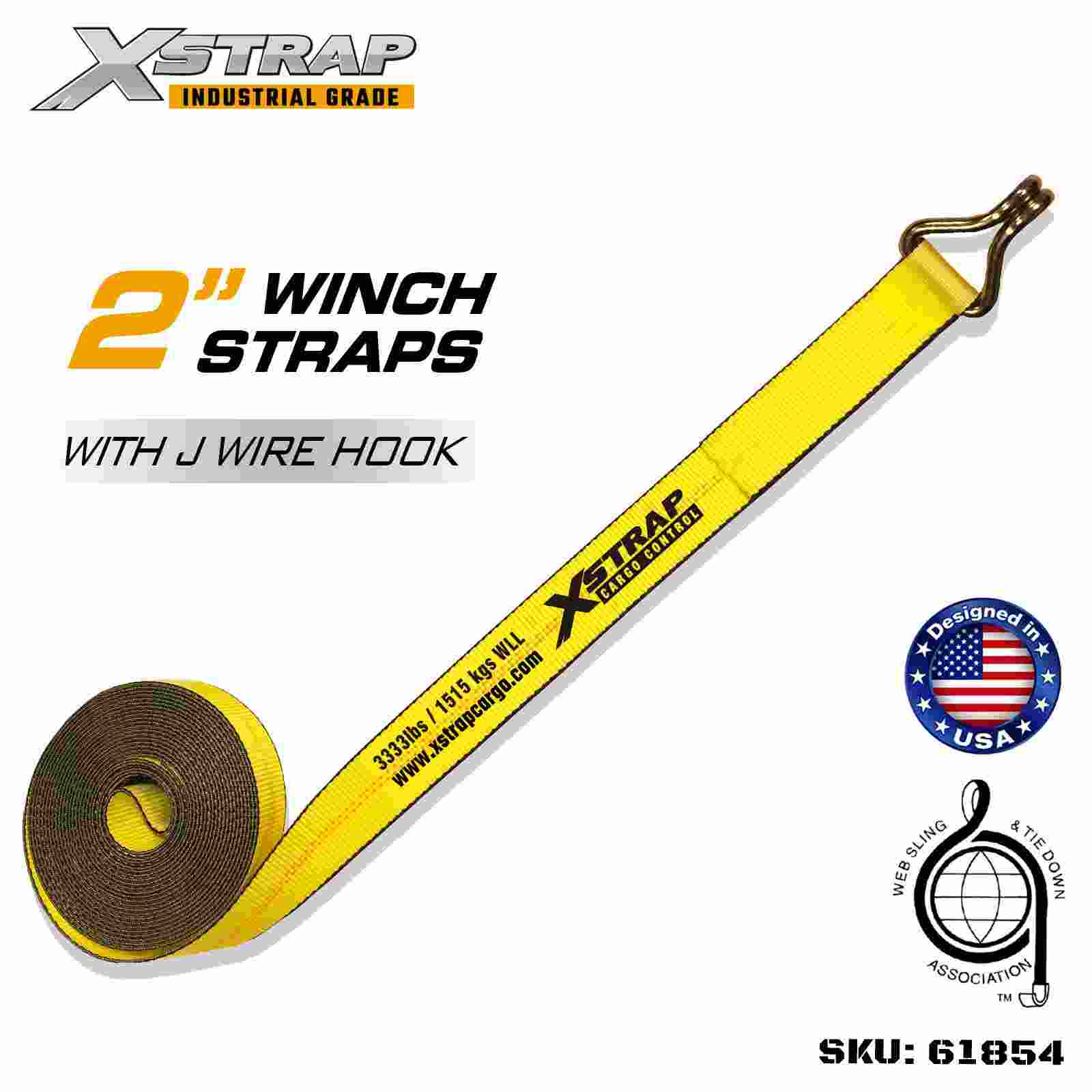
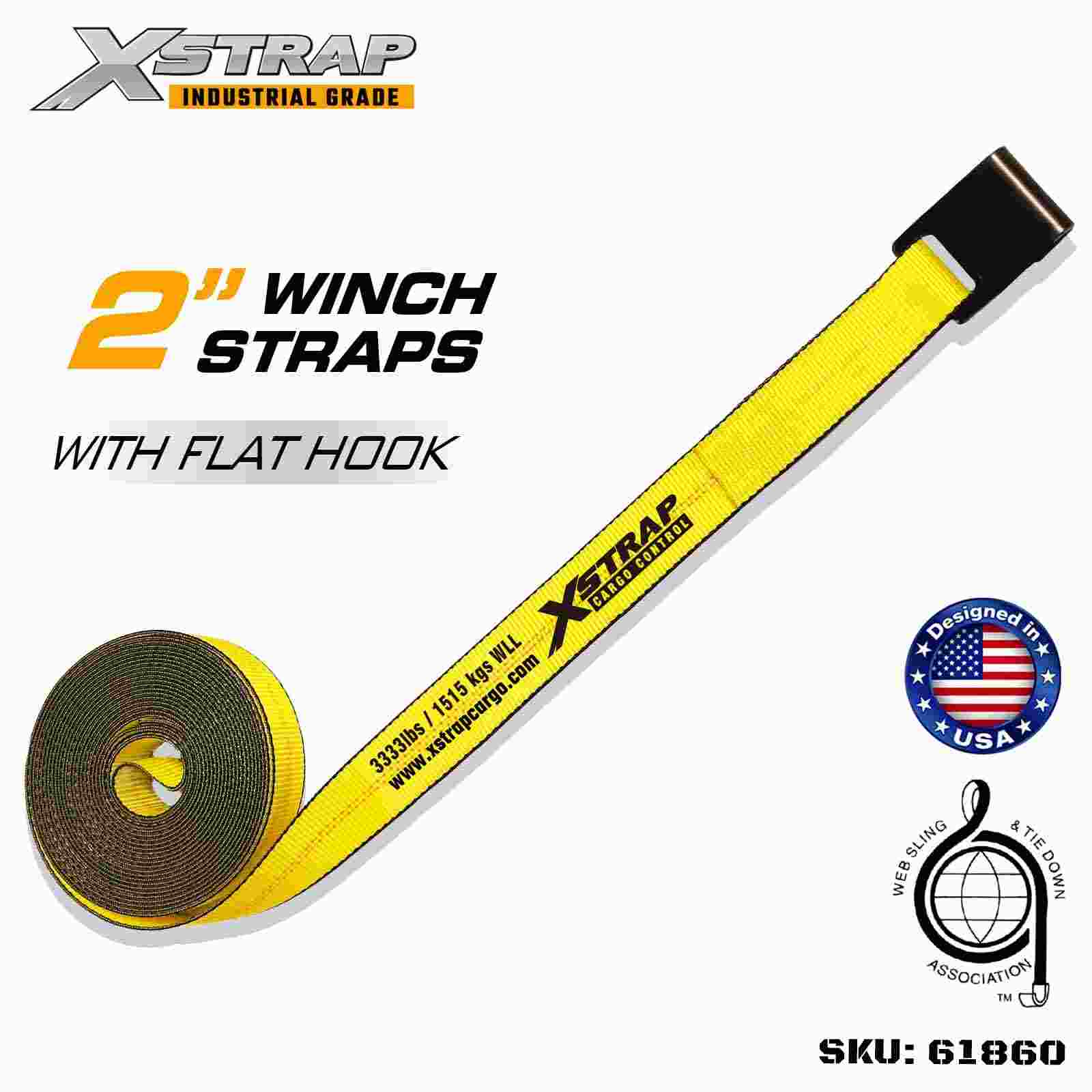
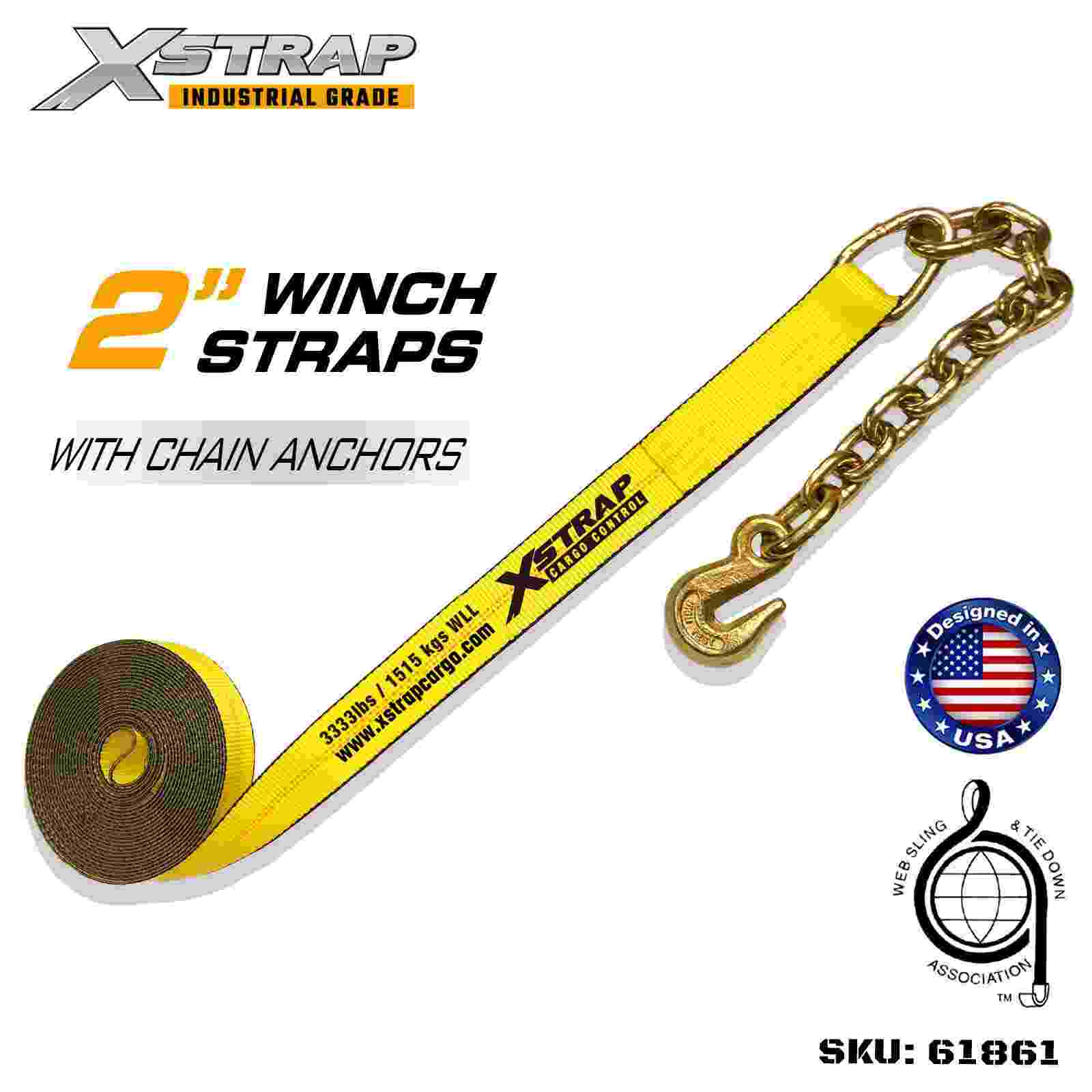
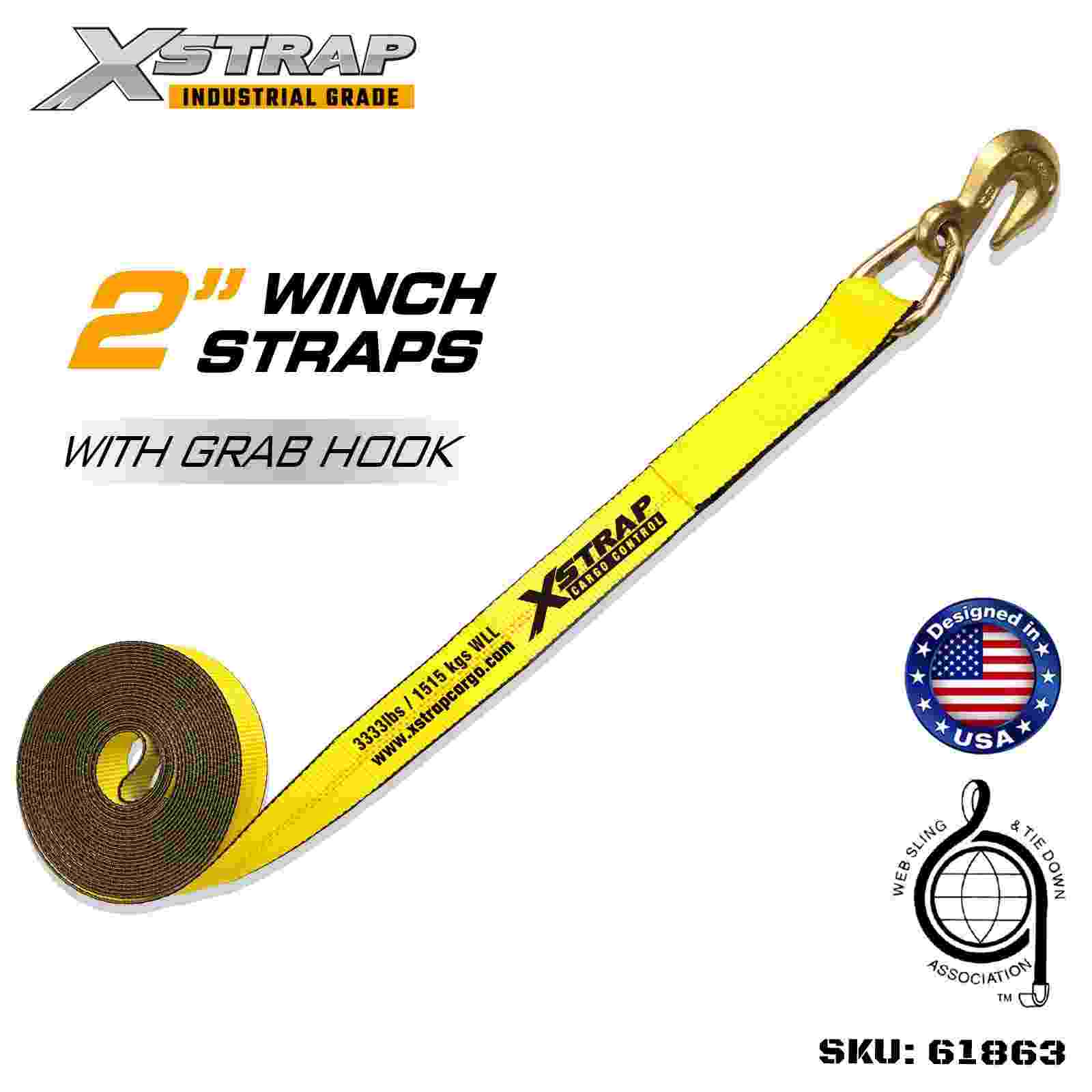
Recent News
 How Do You Choose the Right Utility Tie Downs and Bungee Cords for Your Needs
Introduction
When it comes to securing your gear for transport, storage, or organization, Utility Tie Downs and Bungee Cords are essential tools. Whether you're hauling heavy loads...
 The Ultimate Guide to Ratchet Straps: Choosing, Using, and Maintaining Them
Introduction to Ratchet Straps
What Are Ratchet Straps?
Ratchet straps, also known as tie-down straps or cargo straps, are a type of load securement tool widely used in transportat...
 How Can Ratchet Tie Down Standard Duty Straps Ensure Safe and Reliable Cargo Securement
What Are Ratchet Tie Down Straps and Why Are They Important for Cargo Securement?
Introduction to Ratchet Tie Down Straps
Ratchet tie down straps are essential tools for anyone inv...
 What are Ratchet Straps and how do they help you transport your items safely
What Are Ratchet Straps?
Ratchet straps, also known as ratchet tie-downs or cargo straps, are heavy-duty fastening tools designed to secure items during transportation. They consis...
 How to Properly Use Light Duty Ratchet Tie Downs for Maximum Load Security
Understanding the Basics of Ratchet Tie Down Light Duty Straps
Ratchet tie-down straps are a critical tool in the transportation, storage, and securement of goods. They are used to...
-
 +86-18112697781qindan355@gmail.comNo. 21 Yuefeng Road, Yangshe Town, Zhangjiagang City, Suzhou City, Jiangsu Province
 -
Quick Links
Social Media
-
OEM Partner
-


Copyright © 2025 Zhangjiagang SMK MFG. Co., Ltd. All rights reserved.
 Wholesale Tension Strap Manufacturers
Wholesale Tension Strap Manufacturers