Ratchet Straps vs. Tow Straps: The Definitive Engineering Breakdown
When searching for vehicle securement solutions, professionals frequently ask: Can ratchet straps be used for towing? The answer requires a deep dive into material science, load dynamics, and safety standards. While ratchet straps, tow dolly ratchet straps, and tow truck ratchet straps share a visual resemblance, their design philosophies are fundamentally opposed. This guide provides an exhaustive technical comparison, helping you select the correct strap for every application—from flatbed securing to emergency recovery.
Ratchet straps are engineered for static restraint—holding cargo immobile during transit. Their polyester webbing offers near-zero elongation, ensuring a rigid hold. Conversely, tow straps utilize nylon webbing with controlled stretch, acting as a shock absorber during dynamic towing. Understanding this dichotomy is the first step toward safe and compliant operation.
Product Family Overview: Choosing the Right Ratchet Strap for Your Task
Standard Ratchet Straps
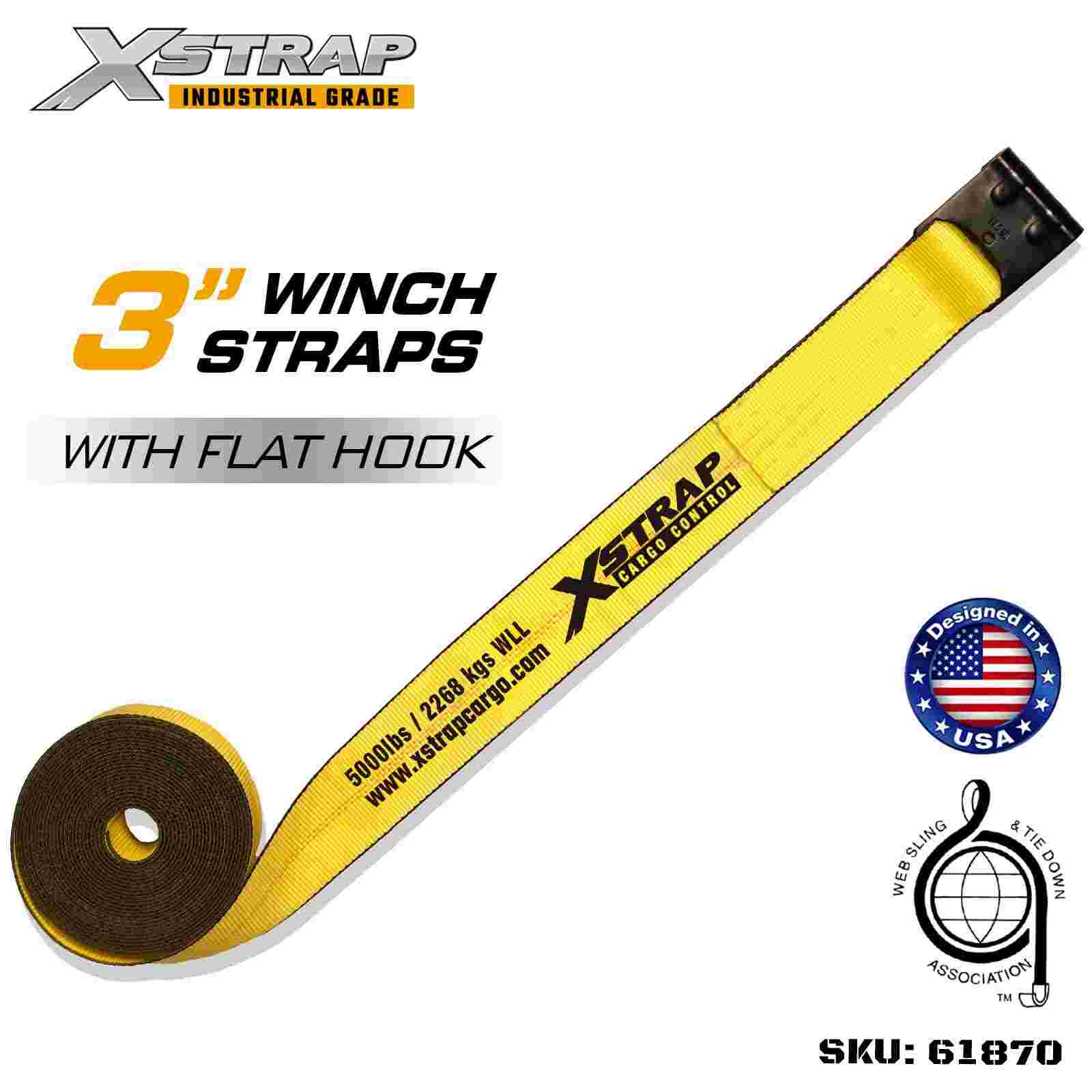
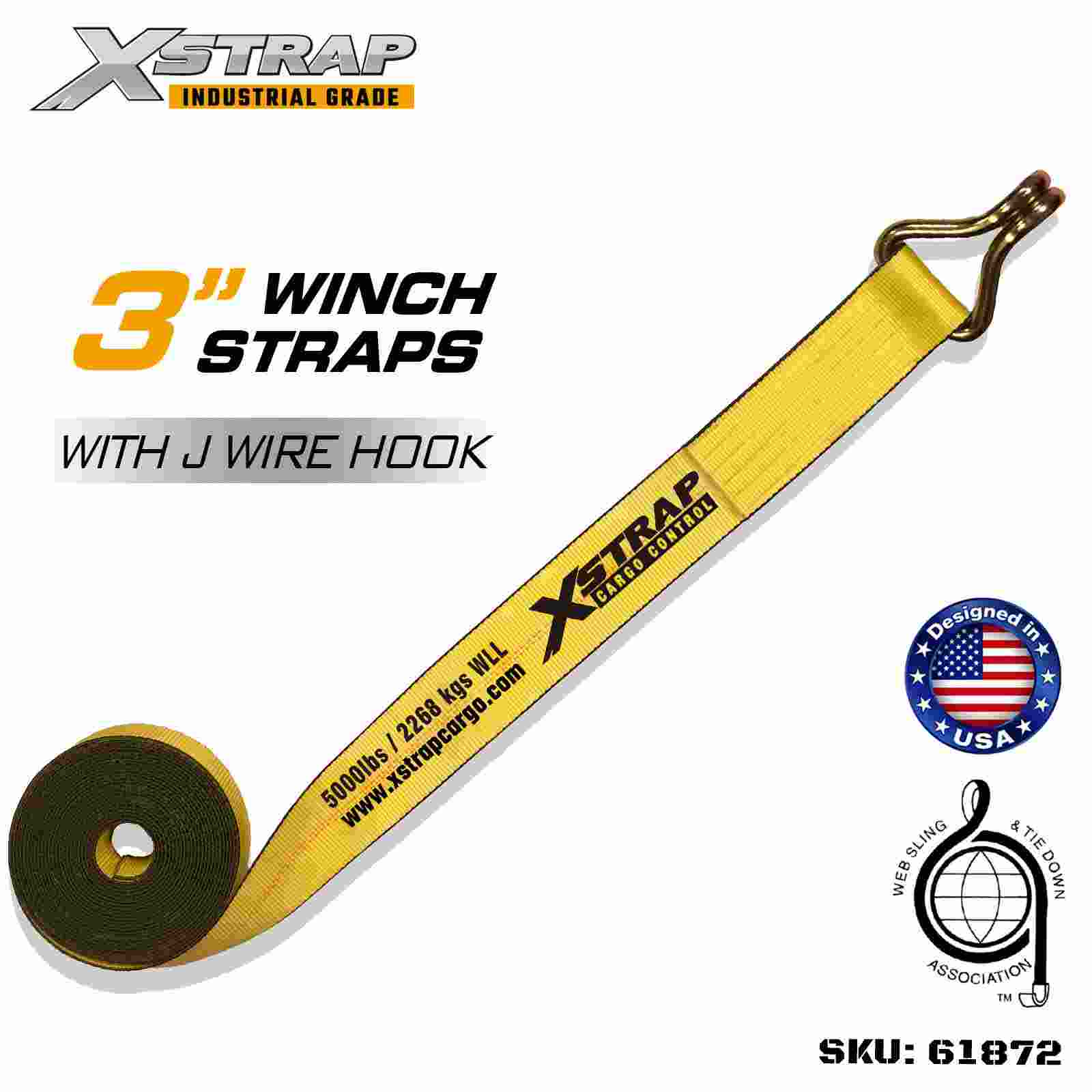
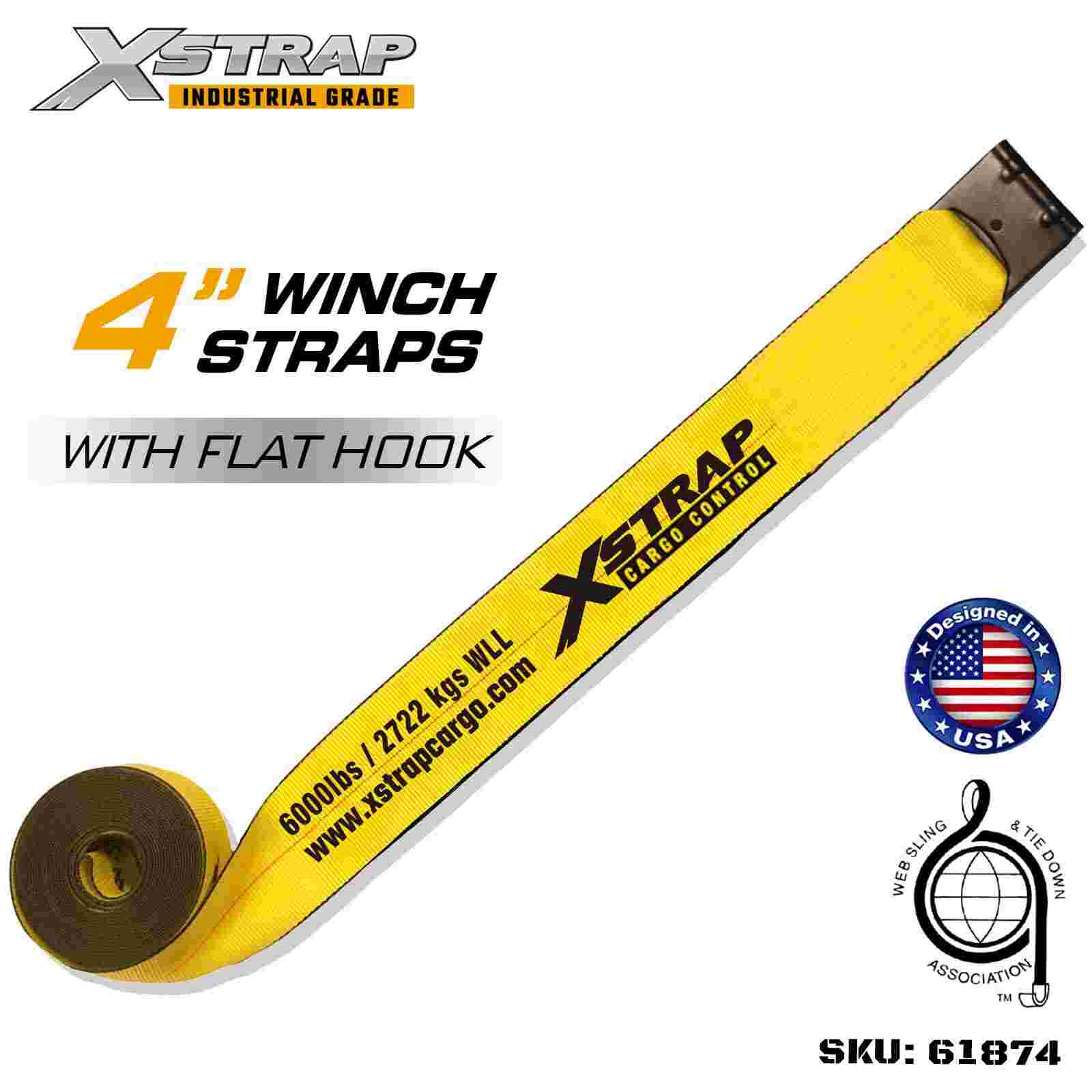
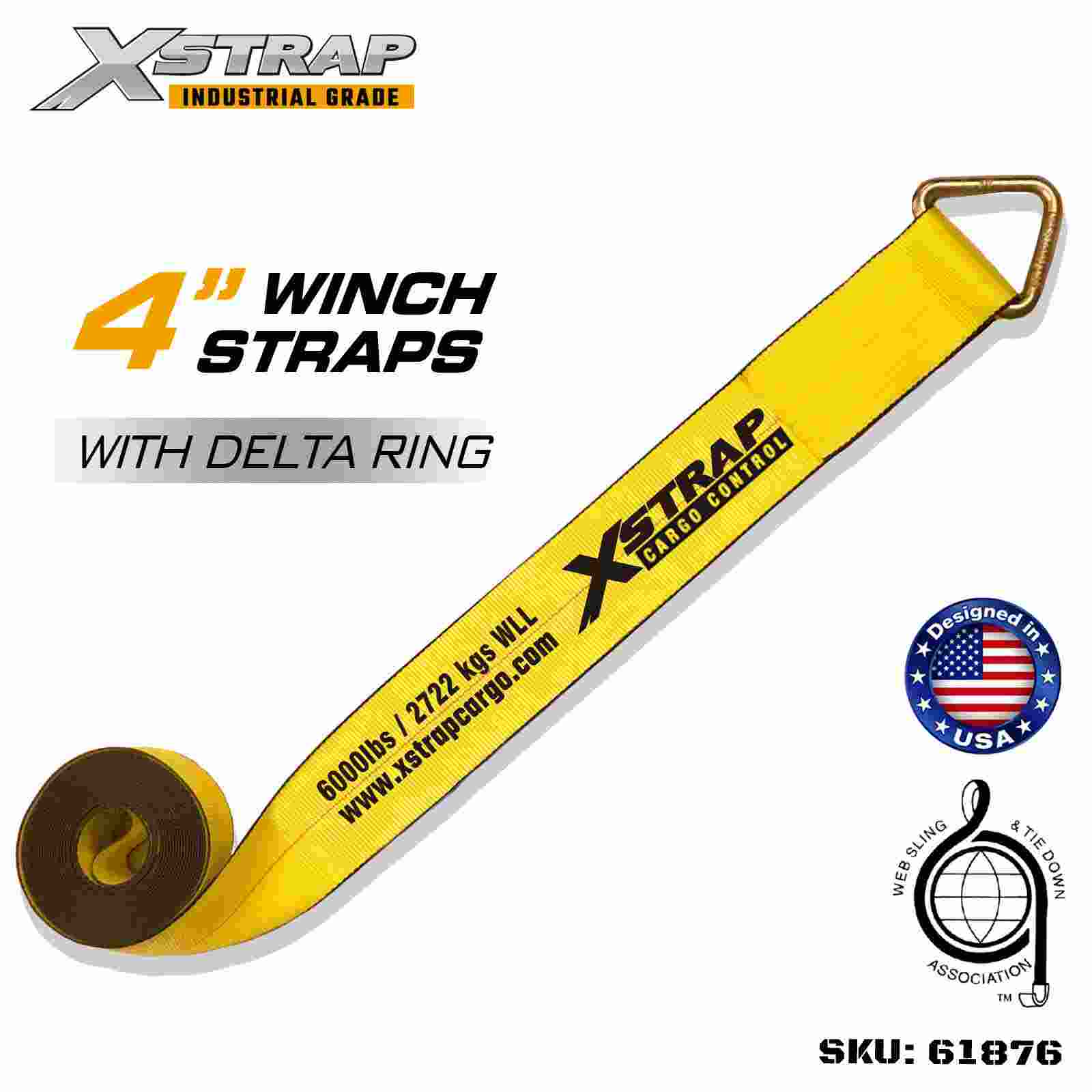
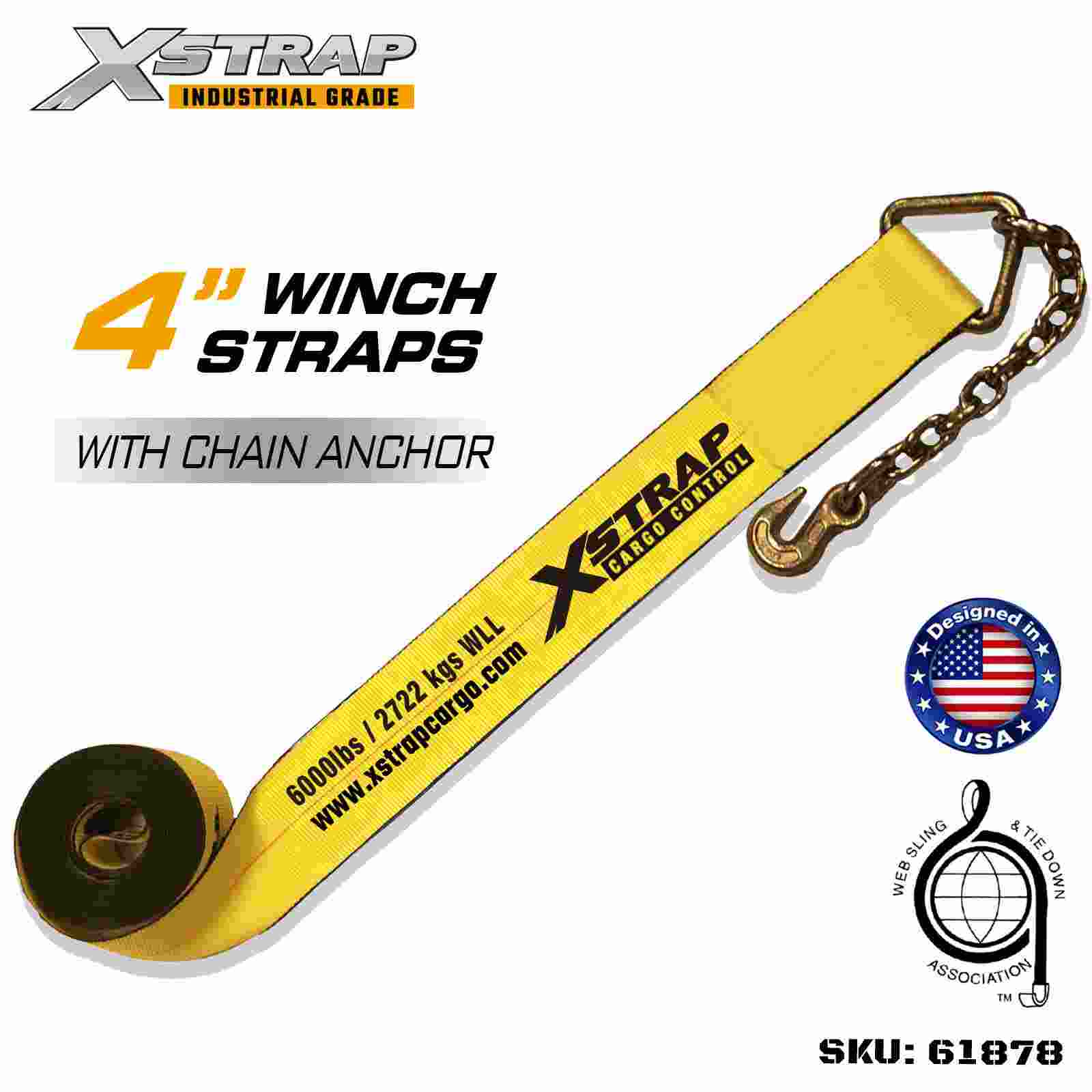
Designed for general cargo securement on flatbeds, trailers, and in enclosed vans. Available in 1" to 4" widths with working load limits (WLL) from 500 lbs to 5,400 lbs. Polyester webbing with minimal stretch. End fittings include flat hooks, J-hooks, and S-hooks.
WLL Range: 500 – 5,400 lbs
Break Strength: 1,500 – 16,200 lbs
Tow Dolly Ratchet Straps
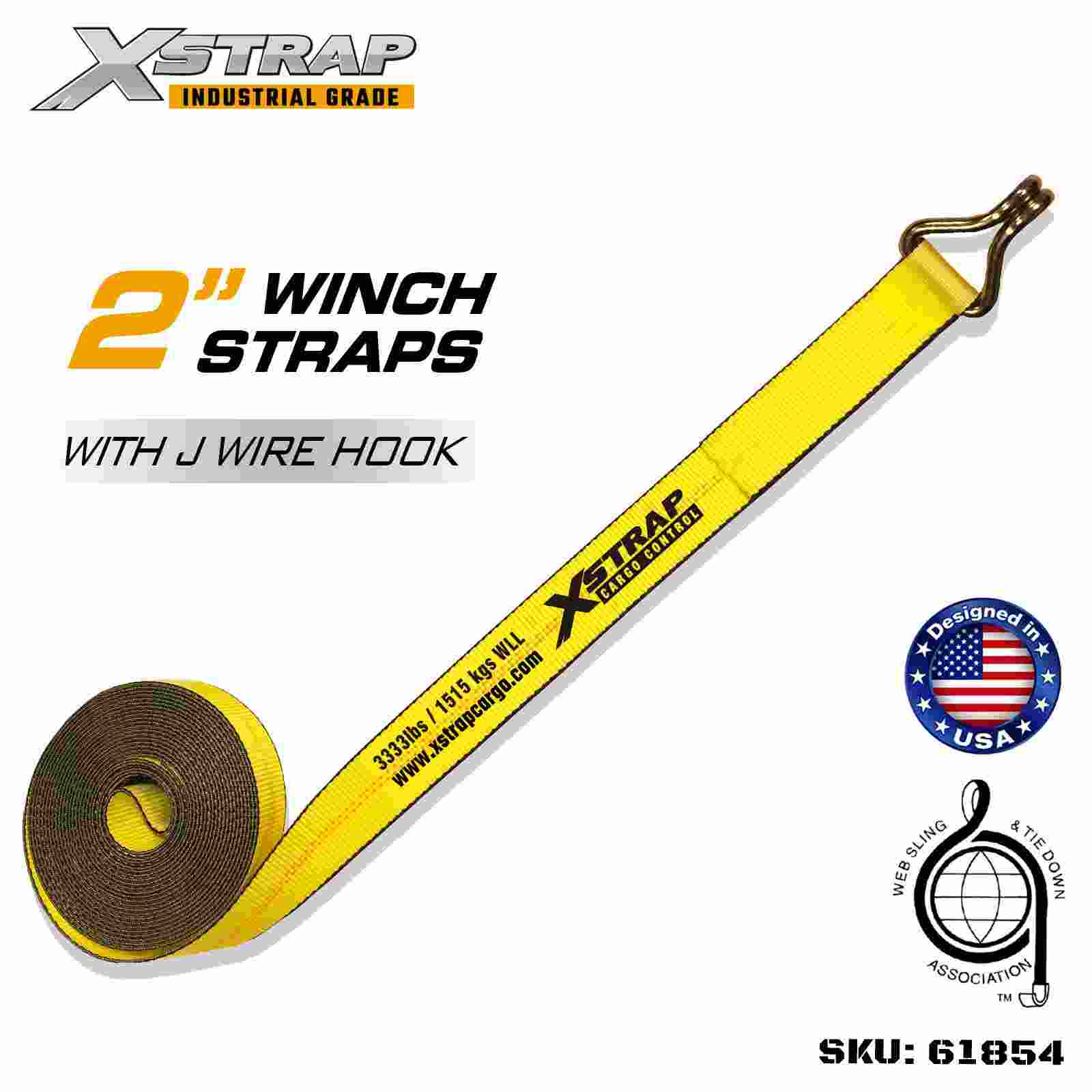
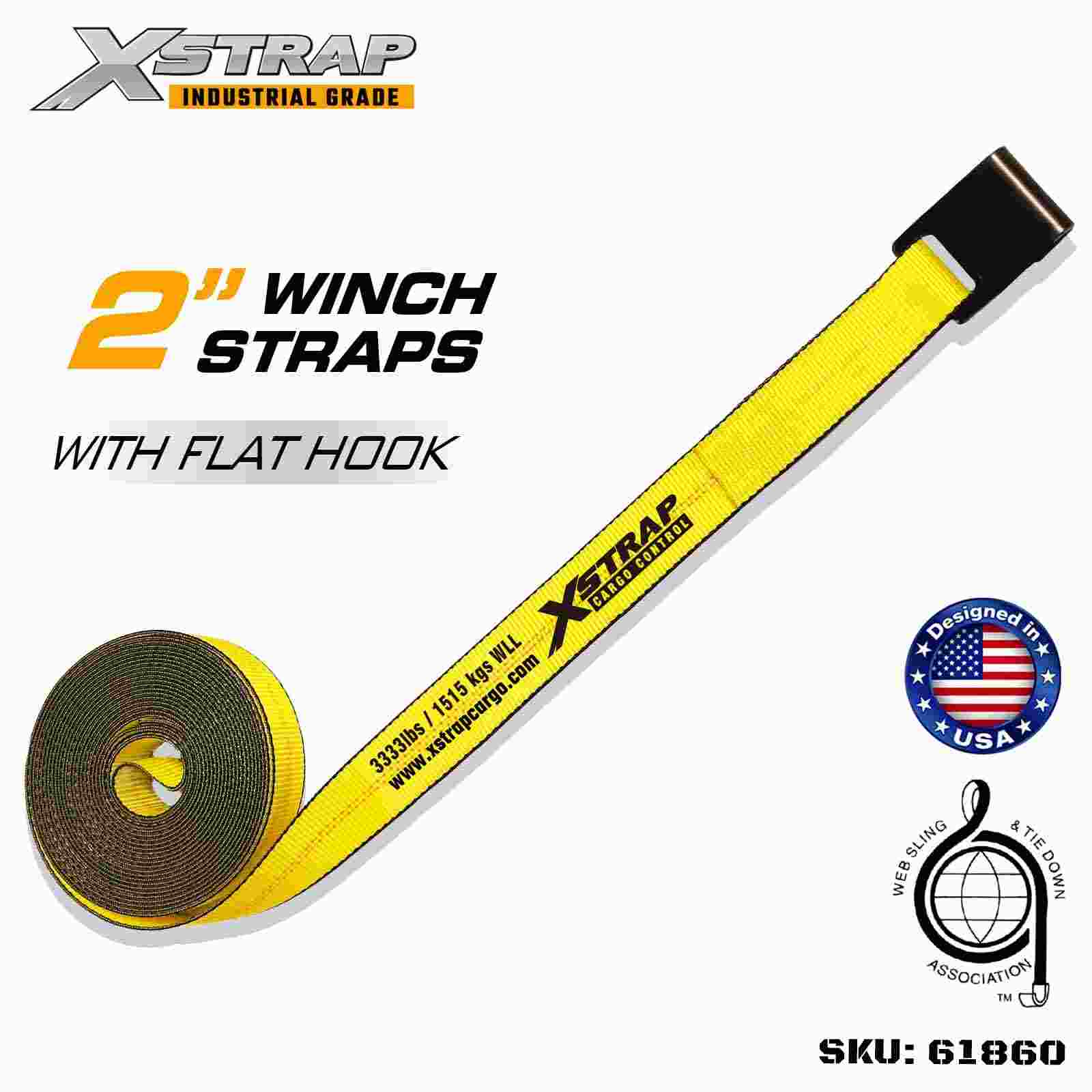
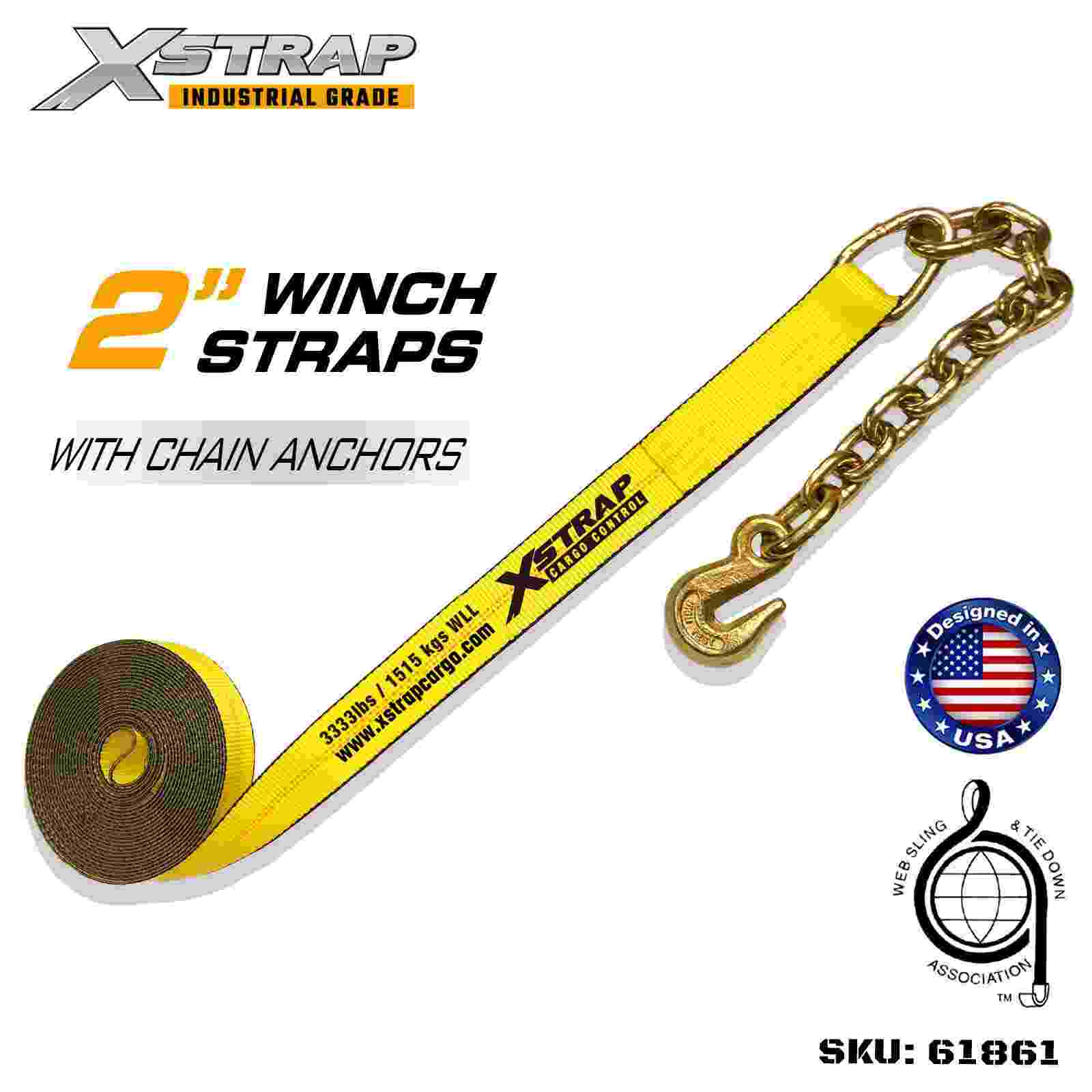
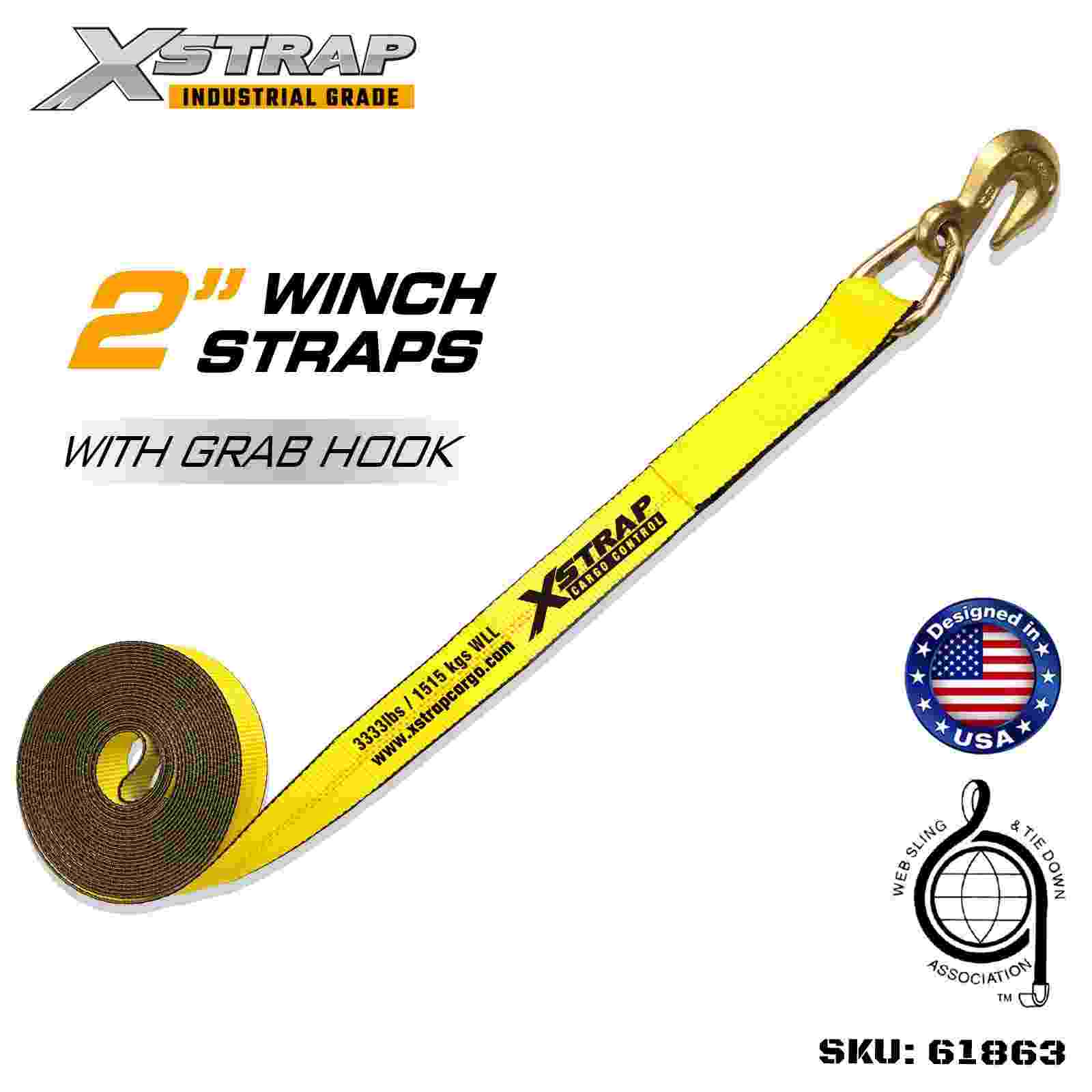
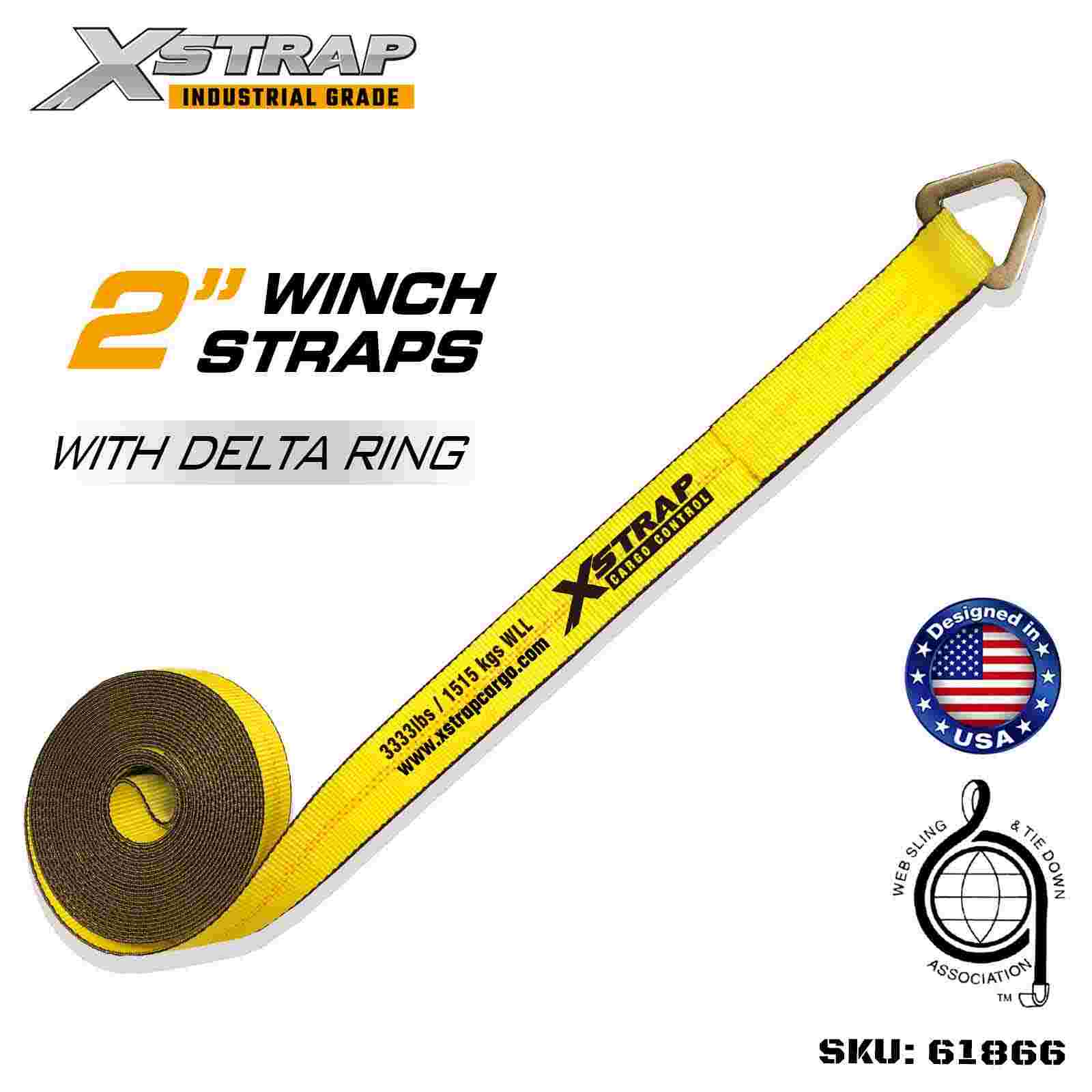
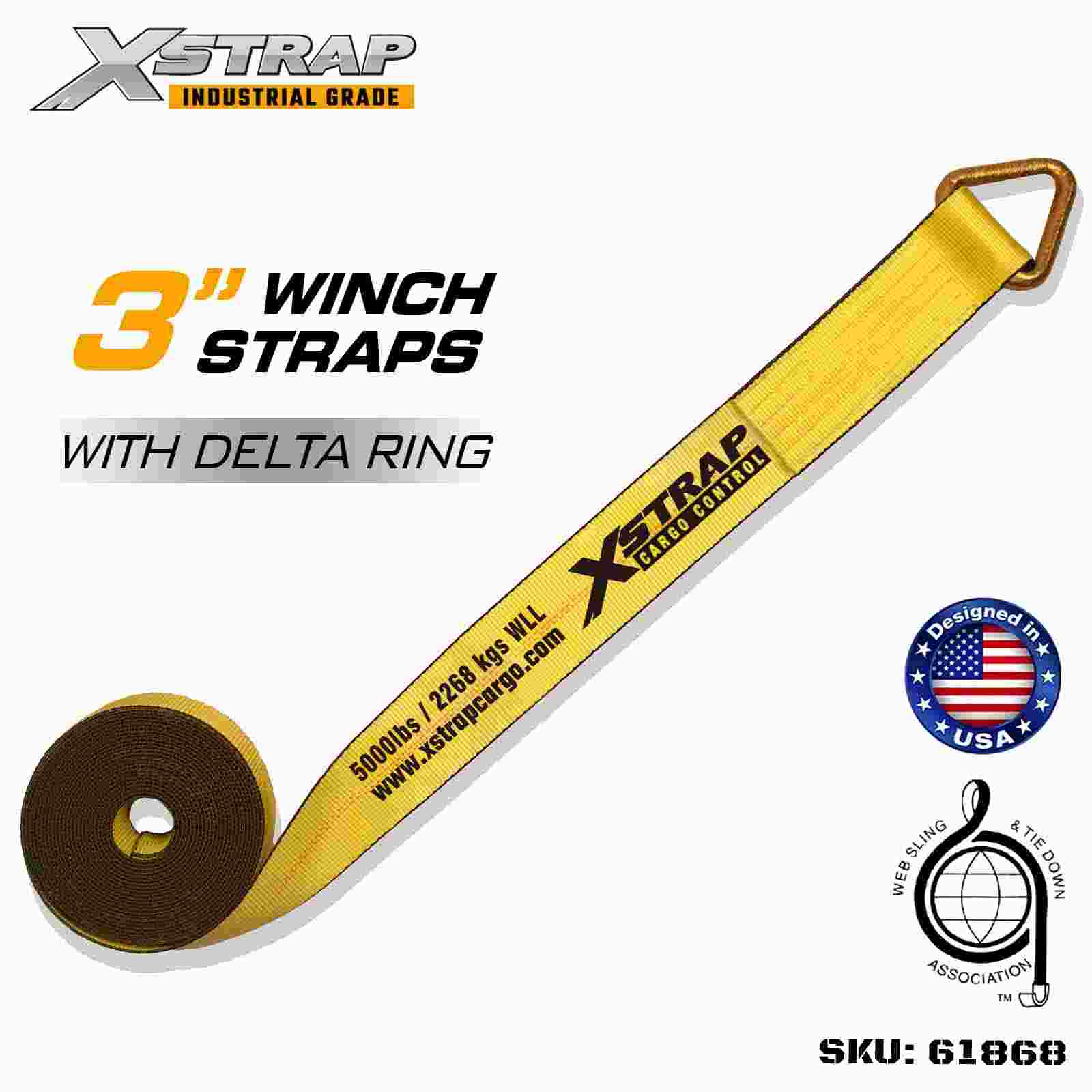
Specialized for securing vehicle tires onto tow dollies. These straps feature extra-wide webbing (typically 2" or 3") and reinforced stitching to withstand the lateral forces during cornering. They are used exclusively for static tire hold-down, not for pulling the dolly itself.
WLL: 3,333 lbs (2") / 5,400 lbs (3")
Break Strength: 10,000 lbs – 16,200 lbs
Tow Truck Ratchet Straps
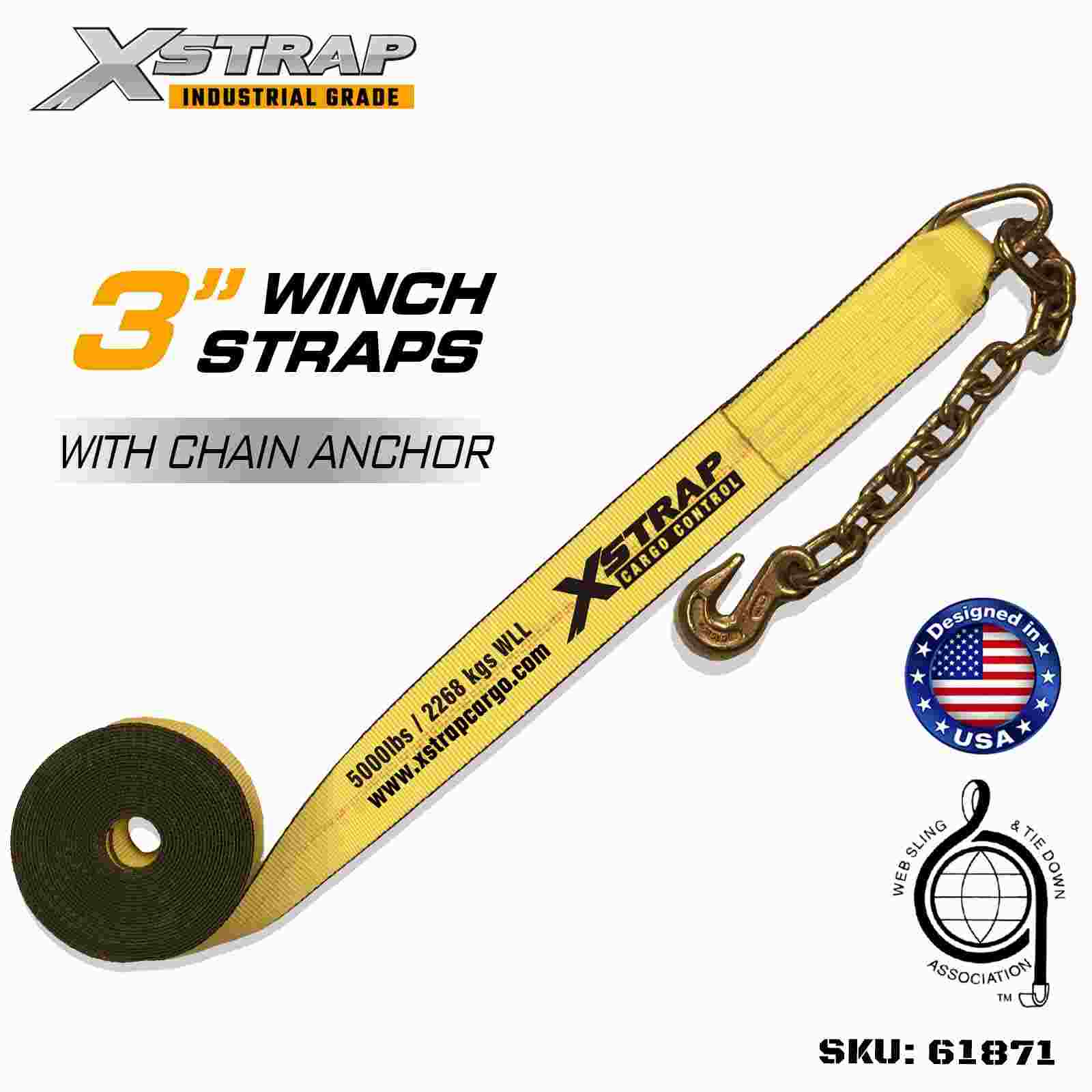
Heavy-duty versions employed by recovery operators to secure disabled vehicles onto rollback decks. Often feature abrasion-resistant sleeves and heat-treated end fittings. Despite their robust construction, they remain static securement devices—never to be used for dynamic towing.
WLL: 5,400 – 10,000 lbs
Break Strength: 16,200 – 30,000 lbs
Key takeaway: All ratchet straps—regardless of branding—are designed for static load holding. Their polyester webbing and ratchet mechanisms are not rated for the shock loads inherent in towing.
Material Science: Polyester vs. Nylon – Elongation Under Load
The critical difference between ratchet straps and tow straps lies in their webbing material. Polyester (used in ratchet straps) exhibits less than 3% elongation at WLL, while nylon (used in tow straps) can stretch 10–20% under the same load. This elasticity is what absorbs dynamic shocks during towing.
Elongation Percentage vs. Applied Load (% of WLL)
20% 15% 10% 5% 0%
25%50%75%100%
● Polyester (Ratchet Strap) ● Nylon (Tow Strap)
As the chart illustrates, nylon's elongation allows it to absorb sudden jolts, protecting both vehicles and connection points. Polyester's rigidity makes it ideal for securement but dangerous for towing because any shock load transfers directly to the strap's weakest point, often causing abrupt failure.
Working Load Limit (WLL) Comparison by Width and Material
The WLL is the maximum safe static load a strap can handle. It is calculated as 1/3 of the break strength for polyester straps (per DOT and WSTDA standards). Tow straps typically follow a 3:1 or 4:1 safety ratio as well, but their break strength is inherently higher due to nylon's superior toughness.
Ratchet Strap
1"
Polyester
500
1,500
~2%
Ratchet Strap
2"
Polyester
3,333
10,000
~3%
Ratchet Strap
3"
Polyester
5,400
16,200
~3%
Tow Strap (Nylon)
2"
Nylon
5,300
16,000
~12%
Tow Strap (Nylon)
3"
Nylon
8,000
24,000
~15%
Notice that a 2" tow strap has a higher WLL (5,300 lbs) than a 2" ratchet strap (3,333 lbs) and significantly more elongation. This makes the tow strap the only suitable choice for dynamic pulling.
Dynamic Shock Loads: Why Static Ratings Are Deceptive
During towing, the force exerted on the strap can spike to 2–3 times the vehicle's static weight due to acceleration, braking, and road irregularities. A 4,000 lb car can generate a shock load exceeding 10,000 lbs. Even if a ratchet strap has a break strength of 10,000 lbs, its lack of elongation means it will experience the full force instantly, often leading to catastrophic failure.
Shock Load Multiplier by Action
These multipliers clearly show that a strap rated for a static pull of 5,000 lbs can experience instantaneous forces exceeding 12,000 lbs in real-world conditions. Only nylon tow straps with their built-in stretch can attenuate these peaks.
Safe Usage Protocol: Static Securement vs. Dynamic Towing
01
Inspect the Strap
Check for cuts, abrasions, UV damage, and stitching integrity. Never use a damaged strap—its WLL is void.
02
Verify the WLL
Ensure the strap's WLL exceeds the static weight of the cargo being secured. For towing, use only straps labeled "Tow Strap" or "Recovery Strap" with appropriate WLL.
03
Choose the Right End Fitting
For ratchet straps, use flat hooks or J-hooks that match the anchor points. For tow straps, use closed loops or heavy-duty clevis hooks to prevent disengagement.
04
Apply Tension Gradually
Ratchet straps should be tightened progressively, ensuring even pressure. Tow straps should be attached with a slight slack to allow the nylon to engage gradually.
05
Use Safety Chains
For towing, always incorporate a secondary safety chain or cable as a backup in case the primary strap fails.
Frequently Asked Questions – Clearing Up Misconceptions
Can ratchet straps be used for towing?
No. Ratchet straps are static securement devices. Their polyester webbing and ratchet mechanisms cannot handle dynamic shock loads. Use designated tow straps for any pulling operation.
How much weight can a ratchet strap pull?
The WLL indicates static holding capacity, not pulling capability. A 2" ratchet strap has a WLL of 3,333 lbs, but its dynamic resistance is unpredictable and unsafe. Always refer to the manufacturer's guidelines for intended use.
Can I use a ratchet strap to tow a car in an emergency?
Absolutely not. Emergency towing still involves dynamic forces. Using a ratchet strap risks sudden breakage, vehicle damage, and severe injury. Keep a proper tow strap in your emergency kit.
Is it illegal to pull a car with tow straps?
Using a certified tow strap that meets safety standards (e.g., WSTDA) is legal in most regions, provided you follow local regulations regarding lighting, signage, and speed limits. Ratchet straps, however, are not approved for towing and may result in fines.
How much force can a ratchet strap apply?
The ratchet mechanism itself can generate up to 1,500 lbs of tightening force, but this is for compression, not pulling. The strap's tensile strength is its break strength, but using it for pulling exceeds its design limits.
Longevity & Maintenance: Extending the Life of Your Ratchet Straps
Proper care ensures that your ratchet straps remain reliable for static securement. Here are essential maintenance practices.
Cleaning
Wash with mild soap and water. Avoid harsh chemicals that degrade polyester fibers. Air dry completely before storage.
Inspection Frequency
Visually inspect before each use. Perform a detailed check (including stitching and end fittings) monthly or after any heavy load.
Storage
Store in a cool, dry place away from direct UV exposure. UV rays can weaken polyester over time, reducing its break strength.
Replacement Criteria
Replace straps if you notice any cuts, fraying, broken stitches, rusted hardware, or if the strap has been subjected to a sudden shock load beyond its WLL.
How to Choose the Correct Strap – A Decision Framework
Step 1
Identify your primary application: securement or towing?
↓
Securement
Choose a ratchet strap with appropriate WLL based on cargo weight.
Towing
Select a nylon tow strap with a WLL at least 1.5× the vehicle's weight.
↓
Step 2
Measure your anchor points: choose correct length and end fitting type.
↓
Step 3
Verify certification labels – look for WLL, break strength, and material identification.
Technical Specifications: Ratchet Mechanisms & End Fittings
Understanding the components of a ratchet strap helps you select the right model for your securement needs.
Ratchet Buckle
Available in standard (10,000 cycles) and heavy-duty (20,000 cycles) grades. Features a pawl-and-gear system that locks the webbing under tension. Some models include a release handle for one-handed operation.
End Fittings
- Flat Hook: Best for anchor slots and flat surfaces.
- J-Hook: For around tubes or rails.
- S-Hook: General purpose, but prone to distortion under heavy loads.
- D-Ring: Used with loop-end straps for versatile connections.
Webbing Width & Thickness
Common widths: 1", 2", 3", 4". Thicker webbing (e.g., 0.08" vs 0.06") offers higher abrasion resistance and WLL. Always match the ratchet size to the webbing width.
Compliance Standards – What You Need to Know
In many jurisdictions, the use of securement and towing equipment is regulated by standards such as WSTDA (Web Sling & Tiedown Association) and DOT (Department of Transportation).
WSTDA T-1
Specifies the minimum requirements for ratchet straps used in cargo securement, including labeling, testing, and WLL calculations.
FMCSA Cargo Securement Rules
Mandates that all tiedowns must have a WLL that is at least 50% of the cargo's weight. Ratchet straps must be used according to their marked WLL.
SAE J-1234 (Towing)
Establishes performance criteria for tow straps, including dynamic testing and elongation requirements. Ratchet straps do not meet these criteria.
Always check your local regulations. Using non-compliant equipment can lead to fines and liability in case of an accident.
Real-World Load Scenarios – What Happens When You Tow with a Ratchet Strap?
Scenario 1: Emergency Tow on a Highway
Vehicle weight: 3,500 lbs. Hard braking from 30 mph generates a shock load of ~2.8x = 9,800 lbs. A 2" ratchet strap (WLL 3,333 lbs, break 10,000 lbs) is already at its breaking point. The strap snaps, the towed vehicle crashes into the tow vehicle – total loss.
Scenario 2: Same Vehicle Using a 2" Nylon Tow Strap
Same 3,500 lb vehicle. The tow strap's 5,300 lbs WLL and 12% elongation absorb the shock, reducing peak force to ~7,500 lbs – well within its 16,000 lbs break strength. Safe recovery achieved.
Final Recommendations for Professionals
After reviewing the technical data, it is unequivocal that ratchet straps—including tow dolly ratchet straps and tow truck ratchet straps—are exclusively designed for static load holding. Their polyester construction and ratchet mechanisms offer zero shock absorption, making them hazardous for any towing application.
For safe and compliant operations:
- Use ratchet straps only for securing vehicles onto flatbeds, dollies, or trailers. Ensure the strap's WLL is adequate for the cargo weight.
- For towing, invest in purpose-built nylon tow straps that are clearly labeled with their WLL and dynamic load rating.
- Regularly inspect all equipment and replace any strap showing signs of wear or damage.
- Train your team on the proper selection, inspection, and use of both ratchet straps and tow straps to prevent accidents.
By respecting the engineering limits of each tool, you ensure not only regulatory compliance but also the safety of your personnel and assets.

 English
 Français
 Español