
 English
 Français
 Español
Home / News / Industry News / Are You Using the Wrong Strap? The Dangerous Difference Between Tie-Down, Towing, and Lifting – Is Your Cargo Safe?
Are You Using the Wrong Strap? The Dangerous Difference Between Tie-Down, Towing, and Lifting – Is Your Cargo Safe?
2025-12-18
I. Fundamental Security: Ensuring Cargo Transportation Safety
1.1. Basic Principles of Loading Safety: Why Proper Securing is Crucial?
Cargo is not static during transportation. Vehicle acceleration, deceleration, turning, and road bumps all generate powerful dynamic forces on the loaded goods. These forces, if not effectively counteracted, can cause the cargo to shift, overturn, or even penetrate the cabin, leading to serious safety incidents and property damage.
Loading safety's core is managing and counteracting the following types of loads:
- Vertical Load (Gravity): The weight of the cargo itself.
- Horizontal Loads (Dynamic Forces):
- Forward Load (Braking/Deceleration): This is usually the largest load, where the cargo attempts to rush forward. Regulations typically require the securing system to resist at least
0.8g of forward force. - Rearward Load (Acceleration): The cargo attempts to slide backward. Typically
0.5g . - Lateral Load (Turning): The cargo attempts to slide or overturn sideways. Typically
0.5g .
- Forward Load (Braking/Deceleration): This is usually the largest load, where the cargo attempts to rush forward. Regulations typically require the securing system to resist at least
The correct cargo securing system, such as using tie-down straps or other tools, must provide sufficient Restraint and/or Friction to ensure the cargo remains stable within the loading area under all the dynamic conditions mentioned above.
1.2. Core Tool Overview: The Role Differentiation of Tie-Down Straps, Bungee Cords, Tow Straps, and Lifting Slings in Logistics, Outdoors, and Industrial Applications
Although tie-down straps, bungee cords, tow straps, and lifting slings are all considered "bundling" or "connecting" tools, their design objectives, material properties, and safety ratings are fundamentally different. Choosing the wrong tool for an operation, especially when dealing with heavy loads or life safety, is extremely dangerous.
- Tie-Down Straps: Designed specifically for restraining and securing cargo. They apply tension using a ratchet or cam buckle, increasing the friction between the cargo and the vehicle bed, or directly anchoring the cargo to the vehicle.
- Core Function: Horizontal and lateral securing of cargo during transportation.
- Key Metric: Working Load Limit (WLL) and webbing width.
- Bungee Cords: Primarily used for quick bundling, organization, and light-duty restraint. Their core advantage is elasticity, allowing them to absorb minor shocks and provide adaptable securing, but they do not possess sufficient strength to safely restrain heavy objects.
- Core Function: Light-duty temporary securing and shock absorption.
- Key Metric: Elastic elongation.
- Tow Straps: Designed specifically for vehicle towing or recovery. They are usually made of Nylon with some stretch or low-stretch Polyester, used to smoothly transfer force between vehicles without causing damage.
- Core Function: Horizontal pulling and energy recovery (for off-road recovery) between vehicles.
- Key Metric: Rated Capacity and elongation.
- Lifting Slings: Designed specifically for vertical lifting and suspension of heavy loads. They must comply with strict industrial safety standards, feature a high safety factor, and withstand immense concentrated vertical loads.
- Core Function: Vertical hoisting and lifting in industrial environments.
- Key Metric: Rated Working Load Limit (WLL) / Safety Factor and rigging configuration (e.g., vertical, choker, basket).
Usage Comparison Table: Differentiating the Function and Limitations of Core Tools
| Tool Name | Primary Use | Core Mechanism | Load Level | Key Safety Metric | Suitable for Vertical Lifting? |
| Tie-Down Straps | Cargo transport securing and restraint. | Applies tension, increases friction, anchors cargo. | Light to heavy load | Working Load Limit (WLL) | No |
| Bungee Cords | Temporary securing, light-duty bundling, shock absorption. | Elastic pulling force. | Extremely light load | Elongation and Diameter | No |
| Tow Straps | Vehicle towing, recovery rescue. | Horizontal force transfer, utilizes kinetic energy (Nylon). | Heavy to super heavy load | Rated Towing Capacity | No |
| Lifting Slings | Vertical hoisting, heavy load suspension. | Withstands concentrated vertical load. | Medium to extremely heavy load | Rated Working Load Limit (WLL) / Safety Factor | Yes |
II. Bundling and Securing: An In-Depth Analysis of Tie-Down Straps and Bungee Cords
2.1. Tie-Down Straps (Ratchet Straps): The Preferred Choice for Heavy-Duty Securing
Tie-down straps are the cornerstone of highway transportation safety. Their design aims to apply tension far exceeding manual force using a mechanical device (ratchet or cam buckle), thereby effectively securing the cargo.
2.1.1. Structure and Mechanism: Detailed Breakdown
A typical ratchet-style tie-down strap consists of the following four main parts:
- Webbing: Usually made of Polyester. Polyester is the preferred choice due to its low elongation (approx. 3% stretch) and excellent weather and abrasion resistance, ensuring the cargo does not loosen due to strap stretching after tightening. Nylon webbing is typically used in applications requiring higher elasticity (like tow straps), but is less common in tie-down straps.
- Ratchet Mechanism: This is the core for applying and maintaining tension. The ratchet uses leverage to allow the operator to easily achieve the required tension and locks the webbing using gears and pawls, preventing slack.
- Cam Buckle Mechanism: Primarily used for light-duty tie-down straps. The cam buckle grips the webbing with a spring-loaded cam. While quick to use, they apply far less tension than a ratchet, relying only on the operator's manual tightening, making them unsuitable for large, heavy objects requiring high friction.
- End Fittings: These are the metal components used to attach the webbing to the vehicle's anchor points. Common types include:
- S-Hooks: Light-duty securing, suitable for small pickup trucks or trailers.
- J-Hooks: Heavy-duty securing, providing a safer, deeper grip point, and are the most common hardware for ratchet tie-down straps.
- Flat Hooks: Designed specifically for side rails or tie-down points on flatbed trucks and trailers, offering maximum contact area.
2.1.2. Types and Selection: Load Rating (WLL/LC)
When selecting tie-down straps, the most critical parameter is the Working Load Limit (WLL), also known as Lashing Capacity (LC) in European standards.
- WLL Definition: This is the maximum force the webbing and hardware can safely withstand without compromising its function. It is derived by dividing the Break Strength by a safety factor (usually 3:1).
- Safety Calculation: In practical use, the total WLL of all tie-down straps used to secure cargo must be greater than or equal to the dynamic load required by transport regulations. For example, if the forward load is
2,000 kg , the sum of the WLLs providing forward resistance must total at least2,000 kg .
2.1.3. Correct Usage Techniques: The Principle of Tie-Down Straps
Correctly using tie-down straps is not just about pulling the webbing tight; it involves utilizing scientific principles to maximize cargo safety. There are two main securing methods:
1. Friction Tie-Down (Over-the-Top Tie-Down)
This is the most common use of tie-down straps, where the strap is passed over the top of the cargo, anchored on both sides of the vehicle bed, and then tightened with a ratchet.
- Principle: The tensioned tie-down straps exert a downward vertical force on the cargo, thereby significantly increasing the friction between the cargo and the vehicle deck. Frictional force (Ff) is proportional to the downward pressure (N) and the friction coefficient (μ), i.e., Ff=μ×N.
- Application: Suitable for large or multiple items with stable structures that cannot be directly anchored (e.g., wooden crates, palletized goods).
- Challenge: Loss of tension. Over time and due to vibrations during transport, the tension in the tie-down straps may decrease, requiring periodic checks and re-tensioning.
2. Direct Tie-Down
This method involves connecting the tie-down straps directly between designated attachment points on the cargo (e.g., frame, lifting rings) and the vehicle's anchor points.
- Principle: The strap directly resists horizontal dynamic forces rather than relying on friction. The tie-down straps in this case act as restraining chains or cables, "locking" the cargo in position.
- Application: Suitable for heavy machinery, vehicles, or other objects with robust anchoring points.
- Advantage: Compared to friction tie-down, it is less reliant on tension and more direct and reliable in resisting forward, rearward, and lateral forces.
The Importance of the Tie-Down Angle
The effectiveness of tie-down straps is closely related to their tension angle. In friction tie-down, the angle
- Ideal Angle: An angle close to perpendicular to the top of the cargo (i.e., α close to 90°) minimizes horizontal force and maximizes the downward pressure, thereby generating the greatest frictional force.
- Angle Too Small: When the tie-down straps angle is too flat (α close to 0°) there is little downward pressure, severely reducing the securing effectiveness.
2.2. Bungee Cords: Quick, Light-Duty, and Temporary Securing
Bungee cords are common items in a toolbox, but their function and safety limitations are often misunderstood. Their core advantage is elasticity, not high-strength securing.
2.2.1. Material Science: Core and Sheath
- Core: Usually consists of multiple strands of natural rubber or synthetic latex. This is the source of the bungee cords' elasticity, allowing them to stretch 50% to 100% beyond their original length.
- External Fabric Sheath (Jacket): Usually woven Nylon or Polypropylene, used to protect the rubber core from UV rays, abrasion, and sharp edges.
Keyword Emphasis: The core value of bungee cords lies in their elasticity, making them excellent for light-duty securing that requires shock absorption and quick adjustment, but they stand in sharp contrast to the high-strength, low-elongation tie-down straps.
2.2.2. Applicability and Limitations: Clear Boundaries
Bungee cords are excellent light-duty organizational tools but should not be considered safety restraint devices.
| Feature | Bungee Cords | Tie-Down Straps |
| Main Function | Shock absorption, temporary bundling. | Apply high tension, long-term securing. |
| Load Capacity | Extremely low, no formal WLL rating. | Clear, certifiable WLL/LC. |
| Safety | Not suitable for primary safety restraint. | Meets transport regulation requirements for securing. |
| Elongation | High (50% - 100%). | Low (Polyester < 3%). |
- Limitation Warning: Why bungee cords should not be used to bear main loads or high-strength safety securing?
- Lack of WLL Certification: They typically lack strict WLL certification, making it impossible to reliably assess their load-bearing capacity.
- High Elongation: Their high elasticity means they cannot rigidly restrain cargo in position; the cargo can still move during hard braking or turning.
- “Ejection” Risk: When tension is released or a hook accidentally detaches, there is a severe "whiplash" or "ejection" hazard.
- Correct Application Examples:
- Securing a tarpaulin on a truck bed (temporary tensioning of a cover).
- Bundling and organizing outdoor camping gear (lightweight items).
- Tying loose cables or hoses together.
2.2.3. Safe Use and Maintenance
- Avoid Overstretching: Do not stretch bungee cords beyond the manufacturer's recommended length (typically 50% to 100%). Overstretching damages the core fibers and can lead to sudden failure.
- Check for Aging: UV light causes the rubber core to age and become brittle rapidly. If the sheath of the bungee cords shows wear, cuts, or the core starts to look white or hard, they should be immediately discarded.
- Eye Protection: Due to their inherent rebound risk, always wear safety glasses when using and releasing bungee cords.
III. Movement and Recovery: The Pulling Force of Tow Straps
3.1. Tow Straps: Designed Specifically for Smooth Pulling
The design objective of tow straps is to safely and smoothly transfer pulling force between vehicles. Unlike tie-down straps, which are primarily used for securing cargo, the core function of tow straps is the horizontal movement of vehicles, whether for standard road towing or for recovery from mud, sand, or snow.
3.1.1. Comparison with Chains and Cables: The Advantages of Tow Straps
In vehicle recovery and towing, tow straps, due to their material properties, offer significant advantages over traditional chains or wire ropes:
| Feature Comparison | Tow Straps (Webbing) | Tow Chains / Wire Ropes |
| Weight and Handling | Lightweight, easy to store and handle. | Heavy, difficult to handle, risk of rust. |
| Shock Absorption | Elastic (especially Nylon), can absorb impact force. | Almost no elasticity, sudden tightening can cause structural damage. |
| Damage Risk | Flexible material, minimal damage to paint and vehicle parts. | Hard and rigid, can scratch or damage connection points. |
| Break Risk | Relatively minor whiplash effect when breaking (non-metal). | Extreme "whiplash effect" when breaking, highly dangerous. |
| Core Function | Towing and kinetic energy recovery (rescue). | Standard towing, heavy object moving (no elasticity required). |
Keyword Emphasis: The strength and safety of tow straps make them the preferred choice for modern vehicle towing, especially in off-road recovery where utilizing their elasticity to provide cushioning and kinetic energy is their unique advantage.
3.1.2. Materials and Types: Elongation is the Key Differentiating Factor
Tow straps are mainly divided into two categories based on their manufacturing material and elongation, which determines their applicable scenarios:
| Type | Material | Elongation (Stretch) | Primary Function | Keyword Association |
| Standard Tow Strap | Polyester | Low elongation (approx. 5% - 10%) | Suitable for pulling a vehicle out of a dangerous area or for road towing. | Smooth pulling |
| Kinetic Recovery Strap | Nylon | High elongation (approx. 15% - 30%) | Suitable for recovery rescue when a vehicle is stuck deep in mud or sand. | Energy absorption and release |
- Special Mechanism of Nylon Tow Straps: Nylon material provides the tow strap with excellent elasticity. When the recovery vehicle accelerates, the tow straps stretch like a giant rubber band, storing kinetic energy. Once stretched to its limit, the stored energy is smoothly released, applying continuous pulling force to help the stuck vehicle recover without a harsh jolt. This is the direct opposite of the low-elongation tie-down straps.
3.1.3. Safe Towing Procedures: Usage and Selection
The safe use of tow straps depends on correct selection and connection methods.
1. Rated Load Selection:
The safe selection of tow straps is based on their Rated Capacity or Minimum Breaking Strength (MBS).
- Recovery Rescue: It is recommended to choose tow straps with an MBS of at least 2 to 3 times the Gross Vehicle Weight of the stuck vehicle. This is because the force required for recovery is much greater than the static weight of the vehicle (it must overcome the suction of mud and rolling resistance).
- Standard Towing: Choose tow straps with an MBS of at least 1.5 times the gross weight of the vehicle being towed.
2. Connection Points:
- The vehicle manufacturer's designated tow points must be used. These points are typically sturdy closed loops or hooks.
- Strictly Prohibited: Do not use suspension components, bumpers (unless specifically designed for towing), axles, or any sharp, easily bendable parts as connection points. Connection point failure is more common and hazardous than the failure of the tow straps themselves.
3. Distinguishing Misuse:
- Tow Straps vs. Lifting Slings: Tow straps must never be used for vertical lifting. They are designed for horizontal pulling force, and their MBS and WLL (if present) are calculated based on dynamic impact loads and horizontal direction. Lifting slings, in contrast, must meet strict vertical lifting safety factors and standards.
- Tow Straps vs. Tie-Down Straps: Tow straps must never be used for securing cargo. Their high elongation (Nylon) will allow the cargo to move during transit; even Polyester tow straps typically lack ratchets or cam buckles to provide the necessary friction tie-down force.
IV. Vertical Load Bearing: Industrial Applications of Lifting Slings
4.1. Lifting Slings: Precision Control and High-Load Lifting
Lifting slings are critical safety equipment designed for the vertical, angled, or combined hoisting of heavy objects. They are essential in industrial environments such as construction, manufacturing, marine operations, and warehousing, as they must safely bear and transfer immense static and dynamic vertical loads.
Unlike tow straps and tie-down straps, which primarily resist horizontal forces, the entire design and certification of lifting slings revolve around safely resisting vertical gravity.
4.1.1. Lifting Sling Basic Structure: Selection of Various Materials
Lifting slings primarily fall into three main categories, each with its specific application scenarios and advantages:
- Web Slings: Typically made of high-strength Polyester or Nylon webbing. They are lightweight, flexible, and minimize damage to the surface of the object being lifted. They usually feature reinforced lifting eyes.
- Round Slings: Composed of a continuous bundle of high-strength Polyester fibers (the core load-bearing element) and a non-load-bearing protective jacket. This design allows tension to be distributed evenly when under stress and provides extra protection against abrasion.
- Wire Rope / Chain Slings: Used for extreme heavy-duty applications, high temperatures, harsh environments, or where resistance to sharp edge cutting is required.
Keyword Emphasis: The design of lifting slings must comply with strict industrial standards such as ASME B30.9, and their core is Vertical Lifting Capacity and extremely high safety factors.
4.1.2. Advantages and Identification of Web and Round Slings
Among all types of lifting slings, synthetic fiber slings (web and round) are widely used for their light weight, flexibility, and non-conductivity.
1. Color Coding System:
To ensure operators can quickly and accurately identify a sling's load capacity, a color coding system is commonly used in the industry to represent the rated vertical WLL for different widths of lifting slings webbing:
| Webbing Width (Inches) | Webbing Color | Vertical WLL Example Range |
| 1 | Purple | 2,600 lb - 3,200 lb |
| 2 | Green | 5,300 lb - 6,400 lb |
| 3 | Yellow | 8,000 lb - 9,600 lb |
| 4 | Grey | 10,600 lb - 12,800 lb |
- Important Note: While color coding is common, the only reliable WLL information must be obtained from the permanent tag on the lifting slings.
2. Protection and Maintenance:
- Protective Sleeves: Lifting slings are highly susceptible to cutting or abrasion when contacting sharp edges of the hoisted object. Edge protectors or wear pads must be used to safeguard the webbing, otherwise, the sling's WLL will be severely compromised.
- Safety Factor: Industrial lifting slings are typically designed with a safety factor of 5:1 (i.e., the ultimate break strength is five times the WLL), which is significantly higher than the safety factor of many tow straps or tie-down straps.
4.1.3. Lifting Configuration and Capacity: The Geometry of the Load
The actual WLL of lifting slings is not a fixed value. It changes significantly based on the rigging geometry. Operators must always refer to the Vertical WLL on the tag and adjust the capacity based on the actual lifting angle.
| Lifting Configuration (Hitches) | WLL Calculation Factor | Actual WLL Change Explanation |
| Vertical Hitch | 1.0 | The tagged WLL of the lifting slings, serving as the baseline. |
| Choker Hitch | Approx. 0.8 | WLL is reduced by approximately 20%. The sling passes around the load and is choked by the eye, which introduces friction and bending stress. |
| Basket Hitch (90° Vertical Angle) | 2.0 | WLL is doubled. Two legs of the sling bear the load in parallel, with each leg only carrying 50% of the load. |
| Basket Hitch (Angle < 90°) | WLL×2×Sling Angle Factor | When the sling angle decreases (angle with the horizontal), the WLL sharply decreases because it significantly increases the tension on the webbing. |
- Effect of Angle on WLL (Sling Trigonometry): When the angle between the sling legs and the horizontal in a Basket Hitch decreases from 90° to 30°, the required tension doubles. This significantly lowers the effective WLL of the sling. This is one of the most common hazards in lifting operations.
V. Cross-Application and Maintenance: Universal Guide from Securing to Lifting
Although tie-down straps, bungee cords, tow straps, and lifting slings are all indispensable in their respective fields, misuse or confusion of their functions is one of the primary causes of industrial and transportation safety accidents.
5.1. Misconception Clarification: Why Professional Tools are Irreplaceable?
The core distinction between these four tools lies in understanding the design purpose of their Working Load Limit (WLL), Safety Factor, and Material Elongation.
| Misuse Scenario | Incorrect Tool | Correct Tool | Underlying Reason (Safety Difference) |
| Heavy Cargo Securing | Bungee Cords | Tie-Down Straps | Too elastic, no WLL certification. Cannot provide sufficient friction to resist dynamic horizontal loads. |
| Vertical Hoisting | Tow Straps | Lifting Slings | Tow straps safety factor and material elongation (especially Nylon) do not meet the strict safety standards (typically 5:1) required for vertical hoisting. |
| Towing Recovery | Tie-Down Straps | Tow Straps | Tie-down straps have extremely low elongation. They can cause a "hard impact" during vehicle recovery, damaging vehicle connection points or leading to sudden strap failure. |
| As Anchor Extension | Lifting Slings | Tow Straps/Tie-Down Straps | Lifting slings are highly focused on protection, and should not be exposed to ground friction or sharp edges on the vehicle chassis. They are more expensive and more easily rendered scrap due to abrasion than tow straps. |
- Key Elongation Difference:
- Lifting Slings / Tie-Down Straps (Polyester): Low elongation (<5%), ensuring the load/cargo remains in a fixed position.
- Tow Straps (Nylon): High elongation (15%-30%), used to absorb shock and store kinetic energy.
5.2. Care and Inspection of Key Tools: Ensuring Long-Term Reliability
All webbing-based tools (tie-down straps, tow straps, lifting slings) are susceptible to environmental factors and mechanical wear. Regular inspection and correct maintenance are crucial to ensuring their WLL and rated capacity are maintained.
1. Abrasion and Chemical Exposure:
| Inspection Item | Tie-Down Straps / Tow Straps | Lifting Slings |
| Label | WLL/Rated Capacity must be clearly visible. Discard if the label is lost. | WLL and safety information must be clearly visible. Discard if the label is lost. |
| Webbing Condition | Check for cuts, tears, melting marks, or UV degradation (webbing discoloration, brittleness). | Check for signs of acid, alkali, bleach, or other chemicals (which can cause permanent loss of fiber strength). |
| Hardware/Hooks | Check ratchets and hooks for bending, cracks, or severe corrosion. The ratchet must lock smoothly. | Check connecting components (like shackles) for deformation or excessive wear. |
| Scrap Criteria | Any cut exceeding 10% of the webbing width should be considered grounds for scrapping. | Any visible damage to the core threads or penetration of the outer jacket must be grounds for scrapping. |
2. Cleaning and Storage:
- Cleaning: Most Polyester and Nylon webbing (including tie-down straps, tow straps, lifting slings) should be washed with mild soap and water, then thoroughly rinsed and air-dried. Avoid harsh chemical cleaners or hot water.
- Storage: Must be stored in a dry, cool area away from direct sunlight. UV rays are the main enemy of rubber (in bungee cords) and the webbing (in tie-down straps), causing rapid strength degradation.
3. Special Maintenance for Bungee Cords:
Because bungee cords lack WLL certification and have a shorter design lifespan, any visible loss of elasticity, sheath wear, or hook rust means they should be replaced. Never attempt to repair or knot damaged bungee cords.
5.3. Laws and Standards: Operator Responsibility
In professional settings, the use of tie-down straps for transporting cargo and lifting slings for hoisting must comply with strict government and industry standards.
- Cargo Securing Standards: Mandate the minimum restraint force required for cargo, compelling operators to calculate the total WLL of tie-down straps needed based on cargo weight, friction coefficient, and dynamic loads.
- Lifting Standards: Strictly regulate the manufacturing, color coding, inspection frequency, and scrapping criteria for lifting slings. Operators must receive professional rigging training to understand the effect of lifting angles on lifting slings WLL (e.g., the derating factor for a 60° lift).
The highest principle of safe operation is: If there is any doubt about the condition or suitability of a tool, do not use it. This is a common requirement for all operators involving tie-down straps, bungee cords, tow straps, and lifting slings.
VI. Q&A: Frequently Asked Questions
6.1. FAQ Regarding Working Load Limit (WLL):
| Q&A No. | Question (Q) | Answer (A) | Core Tool Involved |
| Q 6.1.1 | What is the difference between WLL and Break Strength on tie-down straps? | Break Strength is the maximum static load the tool can withstand before structural failure. Working Load Limit (WLL) is the maximum load recommended for safe use under normal conditions, usually the Break Strength divided by a safety factor (e e.g., 3:1). Always only use the WLL to guide securing. | Tie-Down Straps |
| Q 6.1.2 | Is the color coding for lifting slings universally recognized worldwide? | While the color coding system is widely adopted (especially in North America and Europe), it is not a mandatory international standard. Minor variations may exist between different manufacturers or regions. Therefore, you must always refer to the WLL printed on the sling's permanent tag, rather than relying solely on the color. | Lifting Slings |
| Q 6.1.3 | How do I calculate how many tie-down straps I need to safely secure cargo? | Rule of Thumb: The total WLL of all straps must be at least equal to: the load required for forward resistance (usually 80% of the cargo weight), and the load required for rearward or lateral resistance (usually 50% of the cargo weight). The minimum requirements for all directions must be met simultaneously. | Tie-Down Straps |
6.2. FAQ Regarding Maintenance:
| Q&A No. | Question (Q) | Answer (A) | Core Tool Involved |
| Q 6.2.1 | Can tow straps be machine washed? | Generally not recommended. The best method is to hand wash with mild soap and a soft brush to remove dirt, oil, and salt, then hang them to dry thoroughly. Machine washing can damage fibers or labels, and the heat from a dryer can severely weaken the strength of Nylon or Polyester materials. | Tow Straps |
| Q 6.2.2 | How should I properly store bungee cords and tie-down straps to extend their lifespan? | Keep them away from UV light (direct sunlight), chemicals, and extreme temperatures. Store them rolled up or loosely in a dry, dark storage container. UV light is the main enemy of rubber (in bungee cords) and the webbing (in tie-down straps), causing rapid strength degradation. | Bungee Cords & Tie-Down Straps |
| Q 6.2.3 | Can worn or damaged lifting slings be repaired? | Industrial standards usually prohibit users from repairing lifting slings themselves. Only professional inspection and repair by the manufacturer or an authorized service center can ensure the restoration of the WLL. If the sling's tag is damaged or missing, it must be scrapped. | Lifting Slings |
6.3. FAQ Regarding Misuse:
| Q&A No. | Question (Q) | Answer (A) | Core Tool Involved |
| Q 6.3.1 | Can I use multiple bungee cords to bundle a heavy object to replace one tie-down strap? | Absolutely not. Multiple bungee cords only increase elasticity but still cannot provide sufficient, continuous, non-elastic restraint force to resist dynamic loads. Their high elongation means the heavy object will still move during braking, creating a safety hazard. | Bungee Cords & Tie-Down Straps |
| Q 6.3.2 | What precautions are necessary when using lifting slings or tow straps in extreme weather (e.g., low temperatures or wet conditions)? | Extreme cold can reduce the flexibility of synthetic fibers, making them more susceptible to cuts or abrasion. Furthermore, frozen mud or water can significantly increase towing resistance, possibly requiring you to select a higher rated tow straps. Wet conditions can make webbing more prone to slippage. | Lifting Slings & Tow Straps |
| Q 6.3.3 | Tow straps do not have metal hooks; how do I attach them to my truck? | Tow straps have reinforced webbing loops at both ends. They are typically connected to the vehicle's designated tow points using high-strength shackles. It is strictly forbidden to loop the strap around the axle or bumper, as this can damage the strap or the vehicle. | Tow Straps |
Popular Products
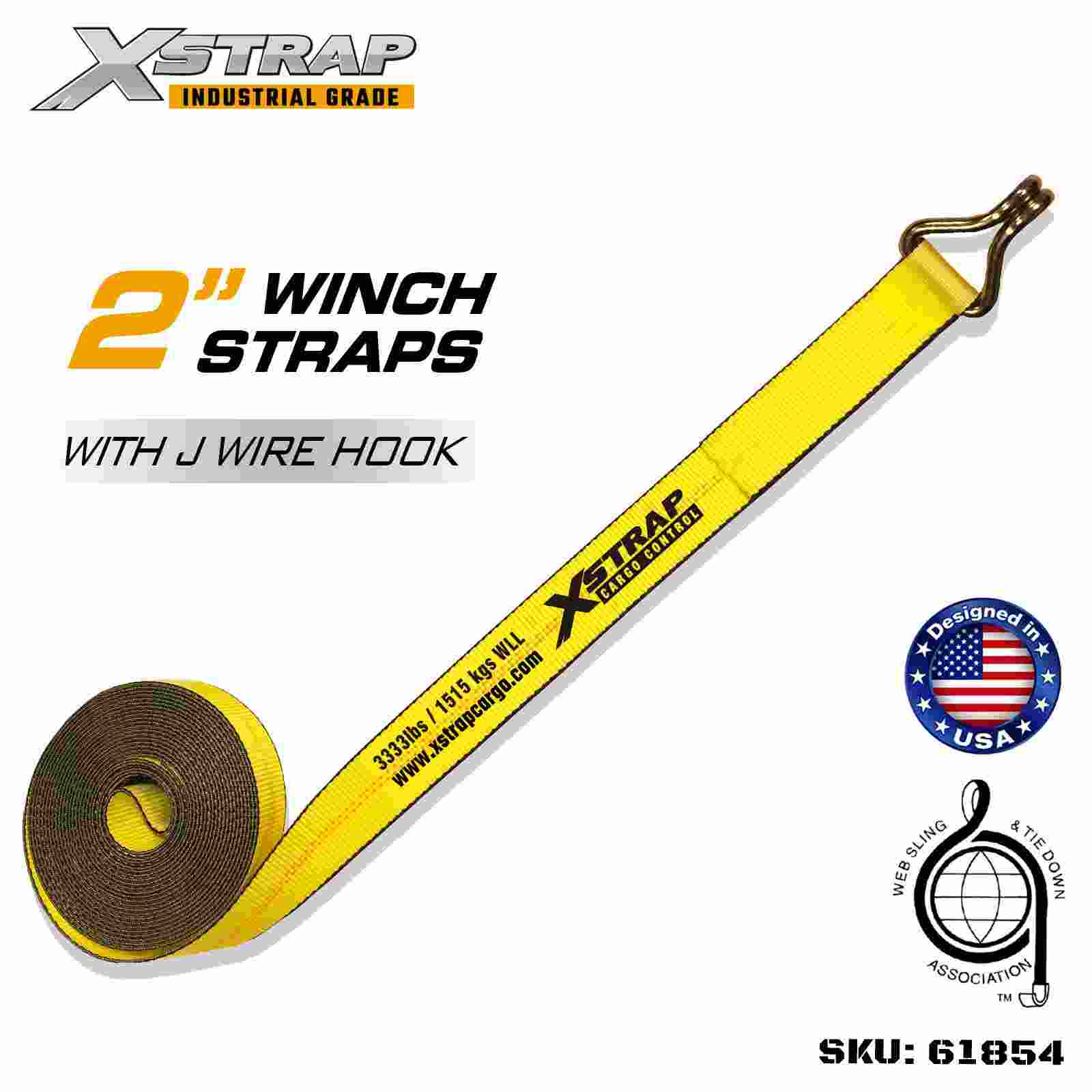
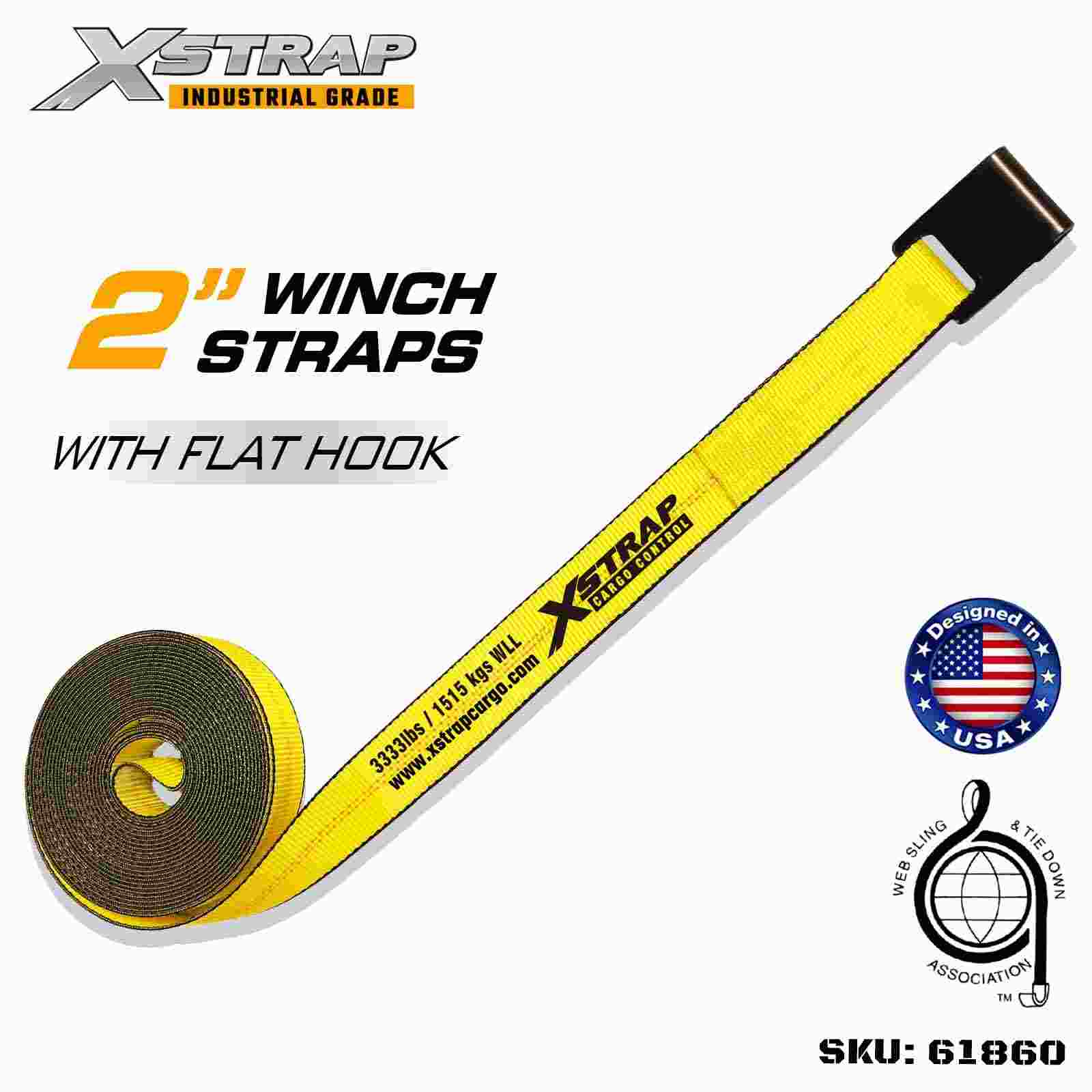
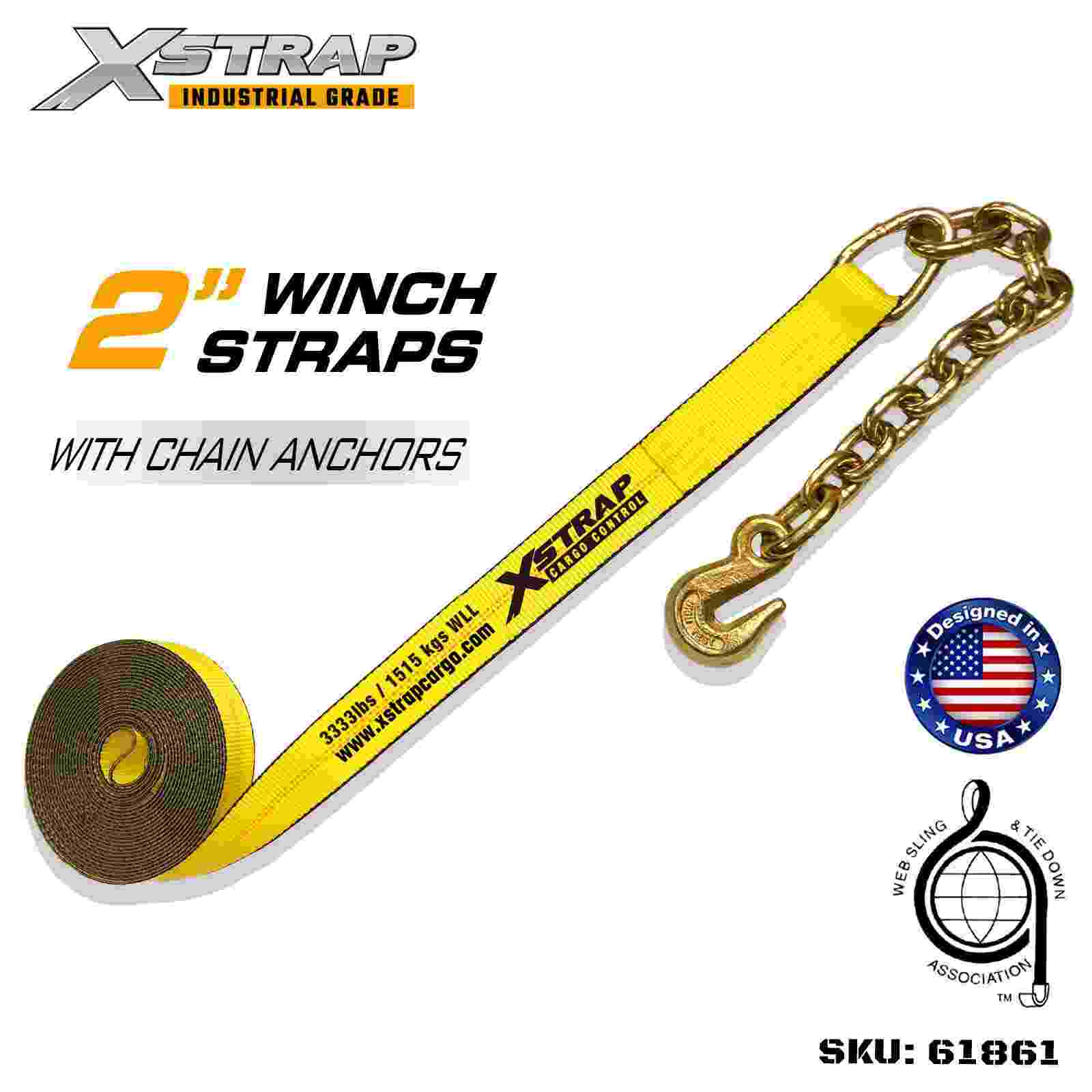
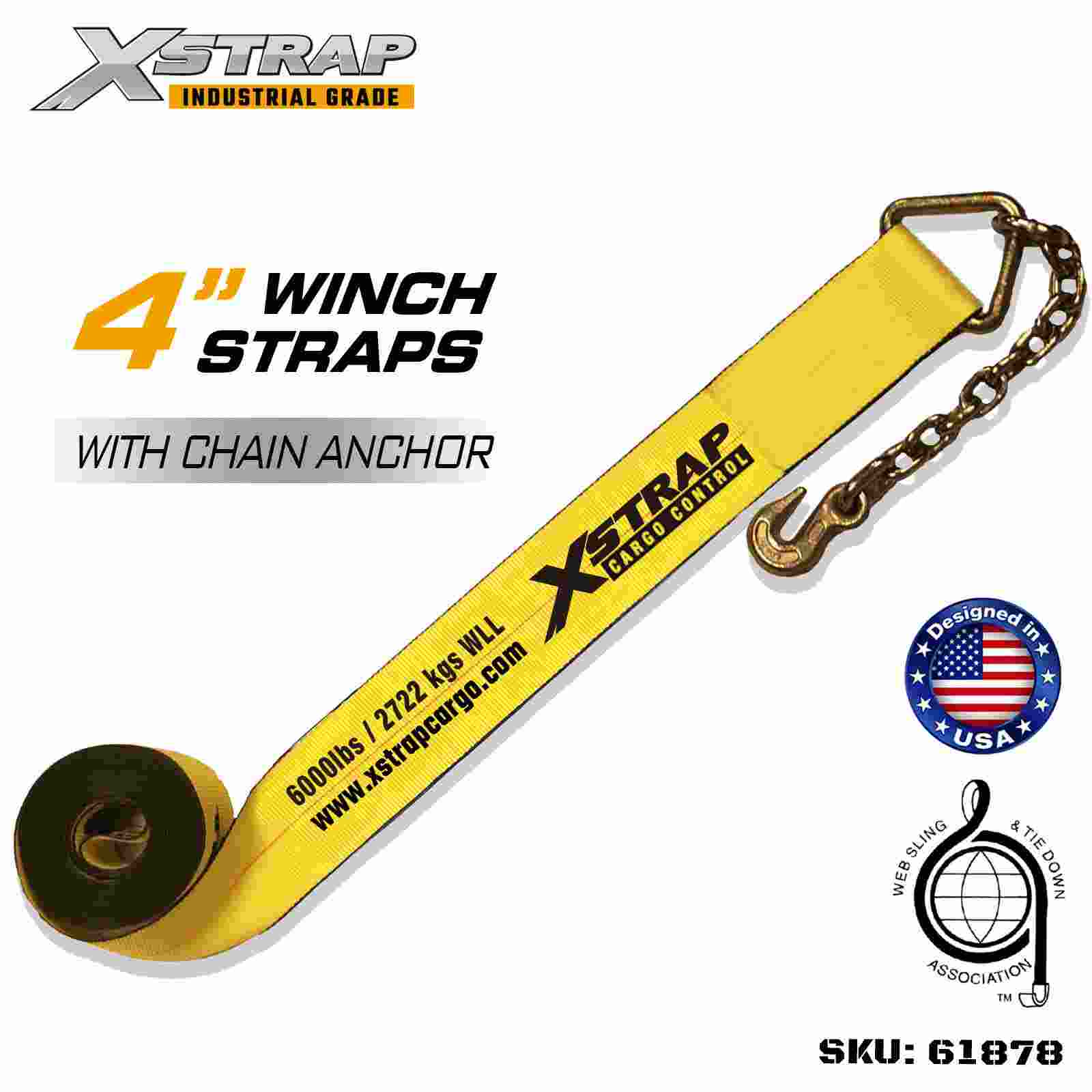
Recent News
 How Do You Choose the Right Utility Tie Downs and Bungee Cords for Your Needs
Introduction
When it comes to securing your gear for transport, storage, or organization, Utility Tie Downs and Bungee Cords are essential tools. Whether you're hauling heavy loads...
 The Ultimate Guide to Ratchet Straps: Choosing, Using, and Maintaining Them
Introduction to Ratchet Straps
What Are Ratchet Straps?
Ratchet straps, also known as tie-down straps or cargo straps, are a type of load securement tool widely used in transportat...
 How Can Ratchet Tie Down Standard Duty Straps Ensure Safe and Reliable Cargo Securement
What Are Ratchet Tie Down Straps and Why Are They Important for Cargo Securement?
Introduction to Ratchet Tie Down Straps
Ratchet tie down straps are essential tools for anyone inv...
 What are Ratchet Straps and how do they help you transport your items safely
What Are Ratchet Straps?
Ratchet straps, also known as ratchet tie-downs or cargo straps, are heavy-duty fastening tools designed to secure items during transportation. They consis...
 How to Properly Use Light Duty Ratchet Tie Downs for Maximum Load Security
Understanding the Basics of Ratchet Tie Down Light Duty Straps
Ratchet tie-down straps are a critical tool in the transportation, storage, and securement of goods. They are used to...
-
 +86-18112697781qindan355@gmail.comNo. 21 Yuefeng Road, Yangshe Town, Zhangjiagang City, Suzhou City, Jiangsu Province
 -
Quick Links
Social Media
-
OEM Partner
-


Copyright © 2025 Zhangjiagang SMK MFG. Co., Ltd. All rights reserved.
 Wholesale Tension Strap Manufacturers
Wholesale Tension Strap Manufacturers