
 English
 Français
 Español

How to choose and use various types of ratchet tie-down straps
2025-12-25
Deep Dive into the Core Role of Ratchet Tie Down
In modern logistics, industrial transportation, and daily household moving, the Ratchet Tie Down is the most critical tool for ensuring cargo safety. Its core function is to provide extremely high clamping force through the principle of mechanical advantage, effectively preventing cargo from shifting, tipping, or falling due to inertia, vibration, or turning during transit.
Core Construction Analysis
A high-quality Ratchet Tie Down system typically consists of three precision-engineered components working in coordination:
- High-Strength Webbing: This is the primary load-bearing component, usually made of industrial-grade high-strength polyester. Polyester features extremely low elongation (typically less than 7%) and offers excellent weather resistance, UV resistance, and acid/alkali resistance. This ensures that during long-distance transport—even in rain, snow, or intense sun—the webbing will not loosen due to water absorption or heat expansion, maintaining a constant tight grip on the cargo.
- Ratchet Mechanism: The "heart" of the Ratchet Strap. It consists of a handle, gears, pawls, and a mandrel. By moving the smooth handle up and down, the gear rotates notch by notch, driving the mandrel to wind the webbing. Its one-way locking function ensures that once tension is applied, the webbing will not slip backward, achieving mechanical locking stability.
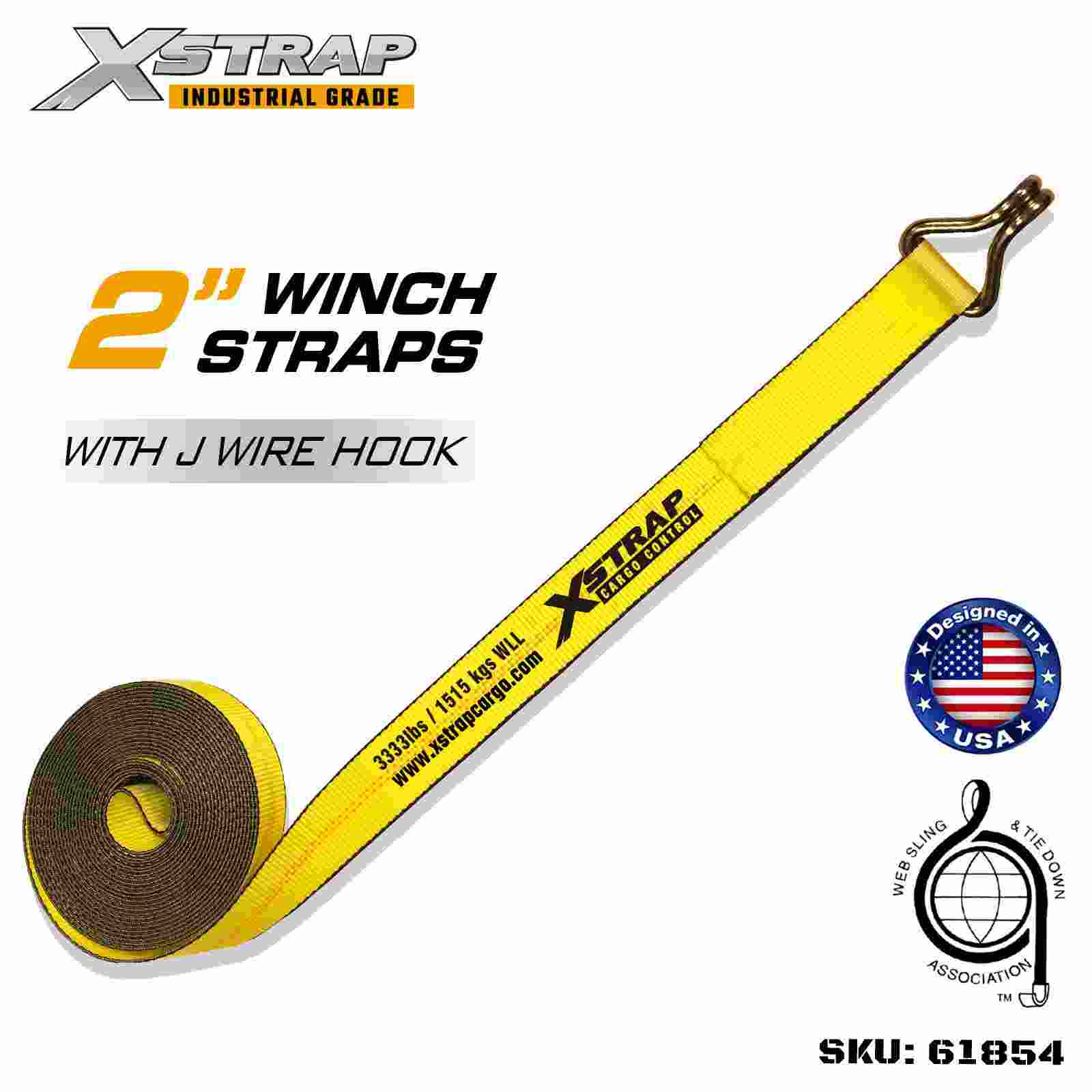
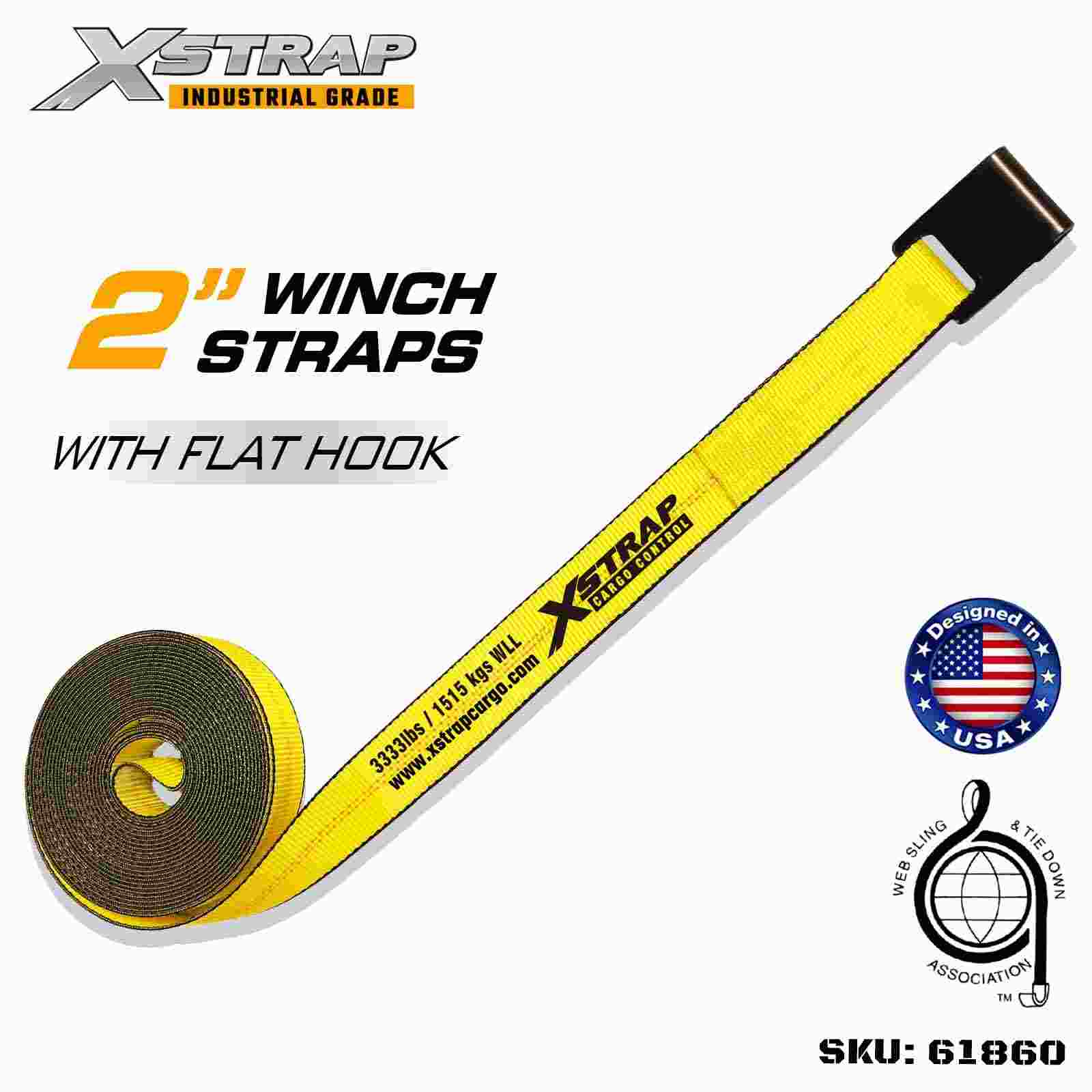
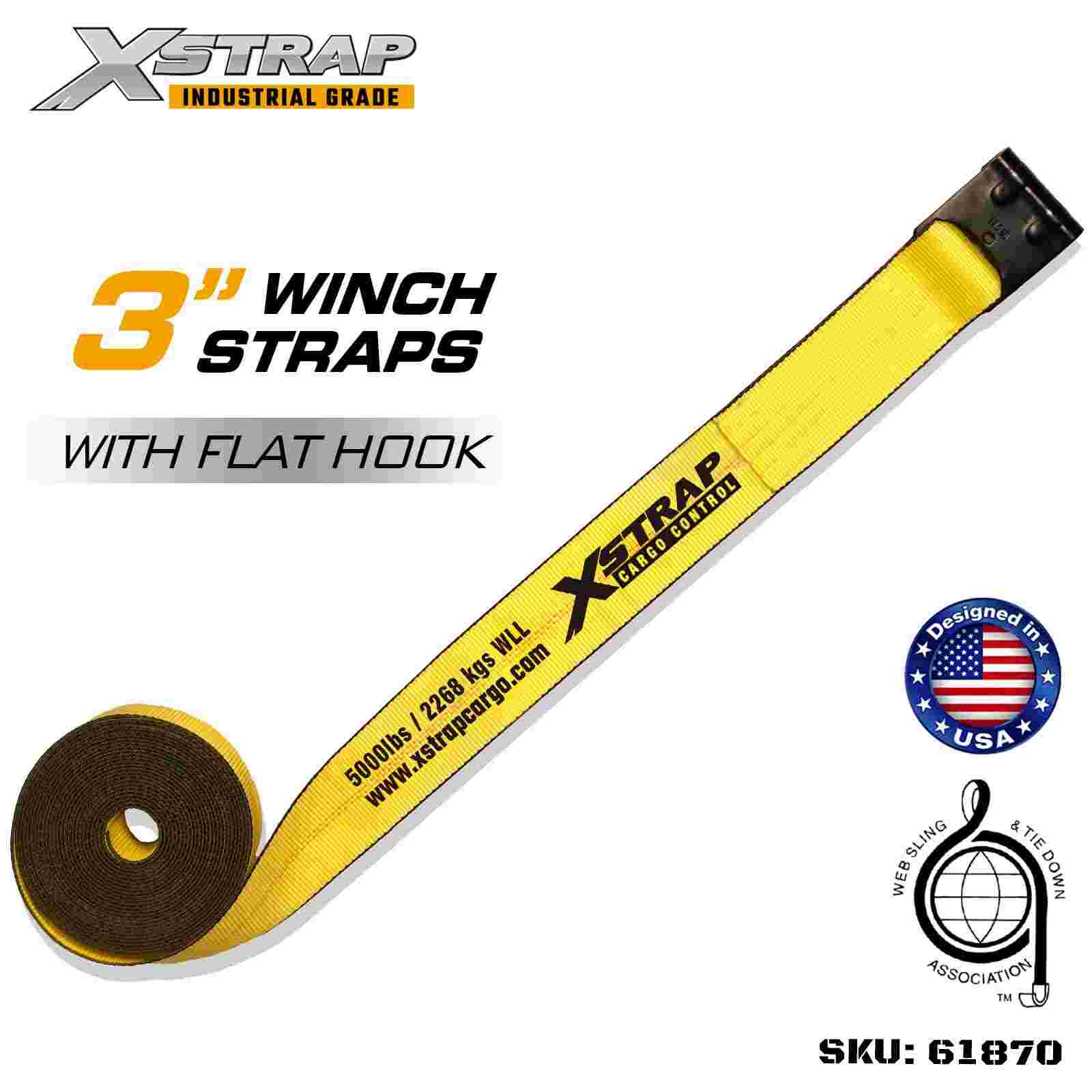
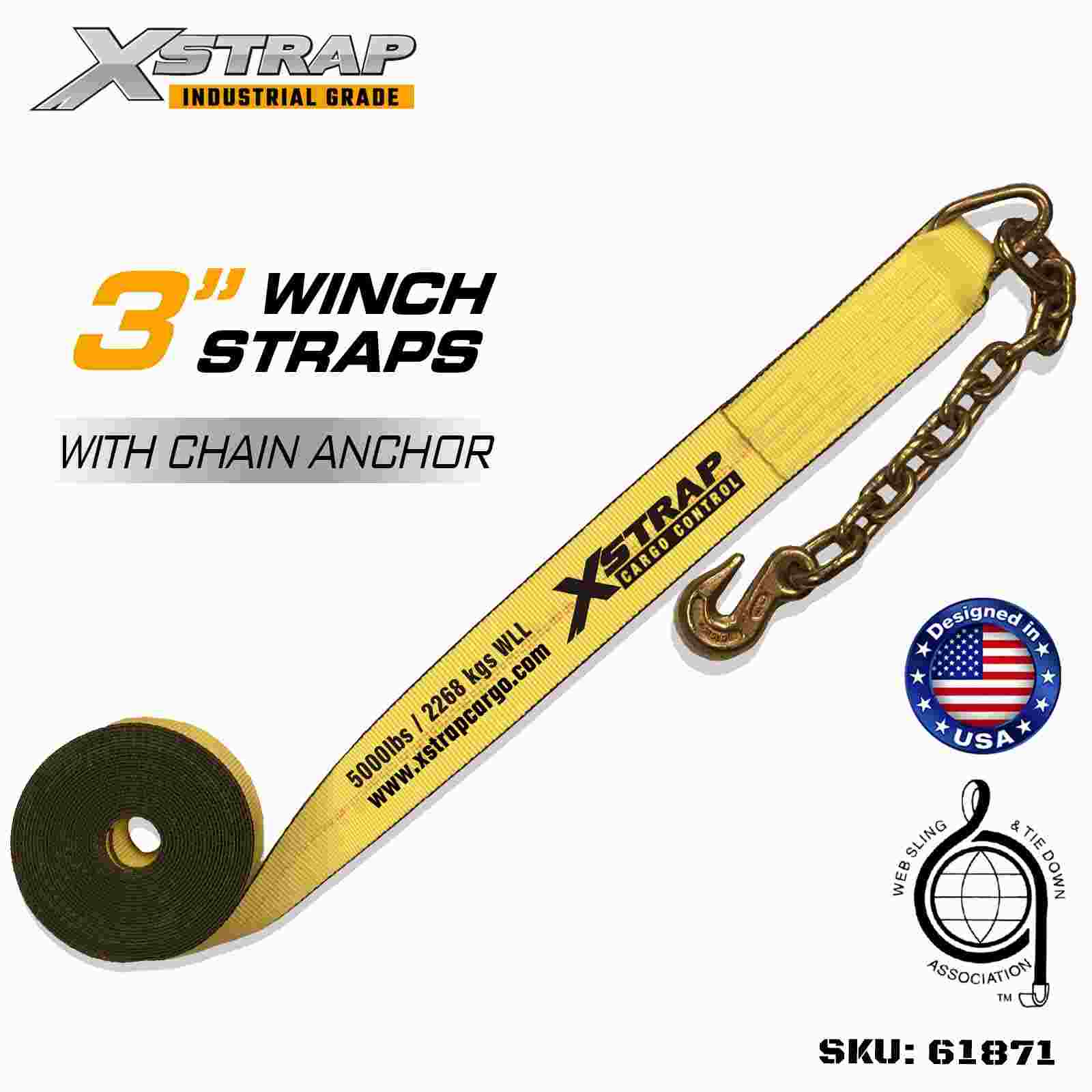
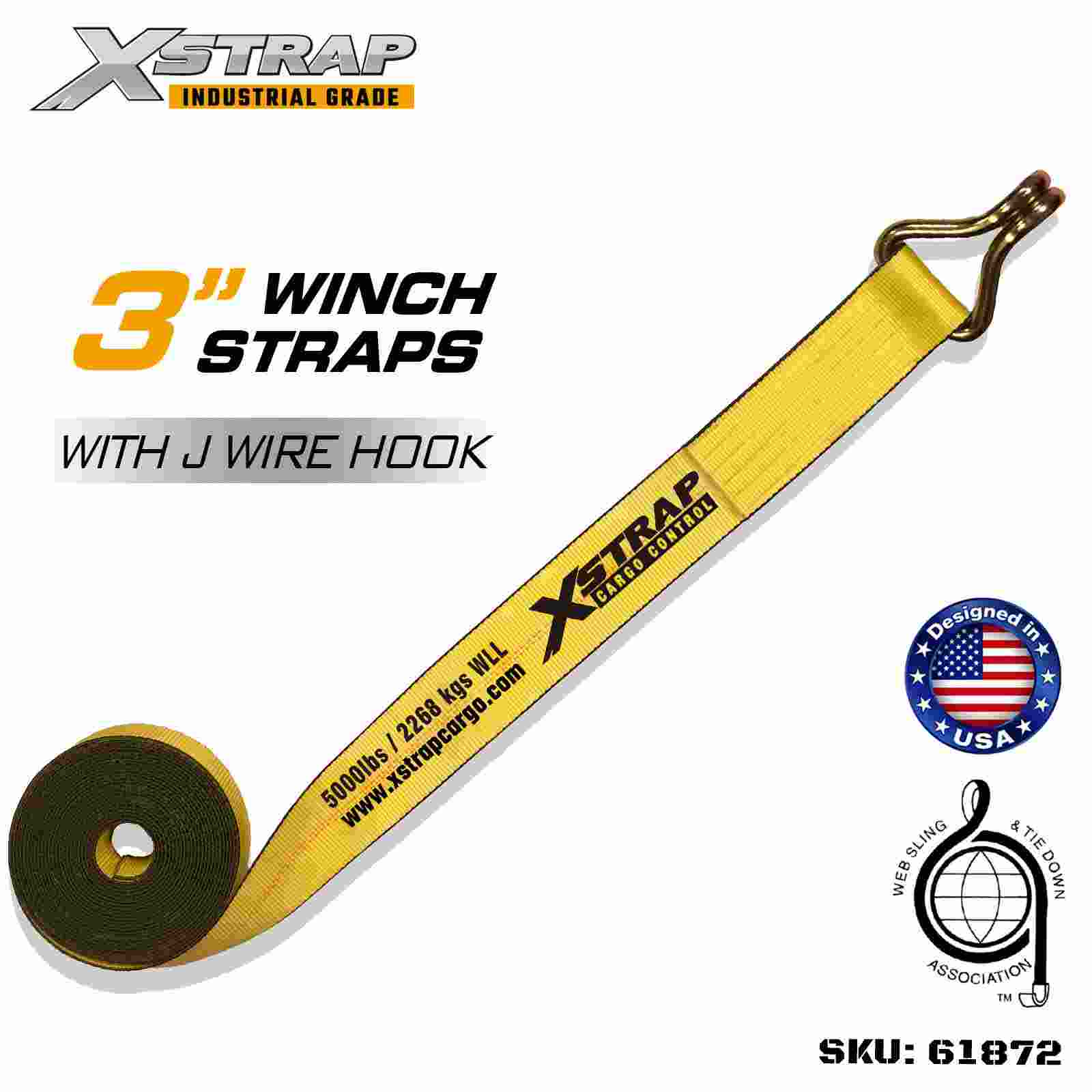
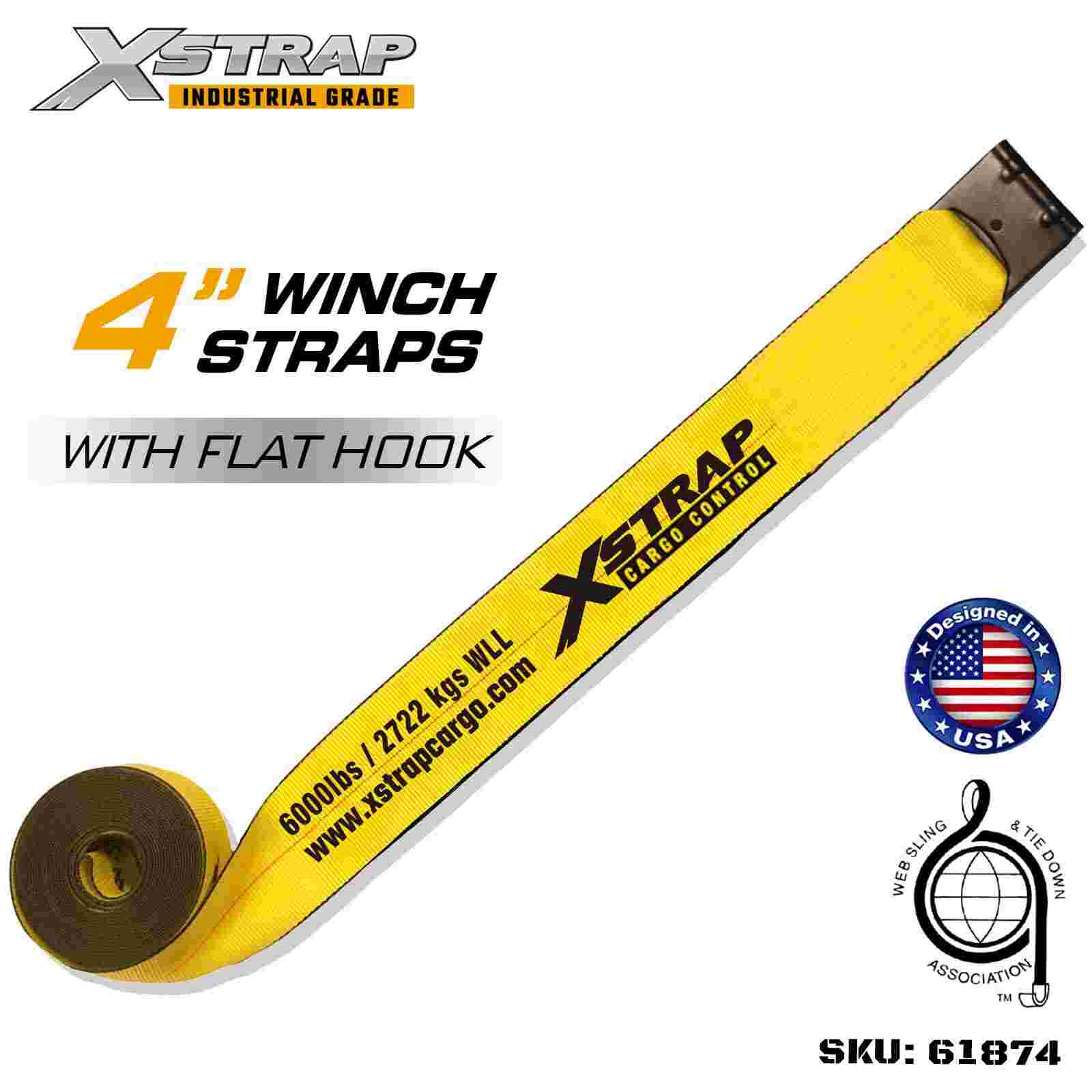
- End Fittings: Depending on the anchoring requirements, a Ratchet Tie Down is equipped with various metal hardware. The most common is the Double J Hook, which securely hooks onto truck side rails; S-Hooks are often used for light freight or motorcycle tie-downs; Flat Hooks are suitable for the rub rails of wide-body trailers.
Application Overview
From commercial freight to personal outdoor life, the Ratchet Strap is used extensively:
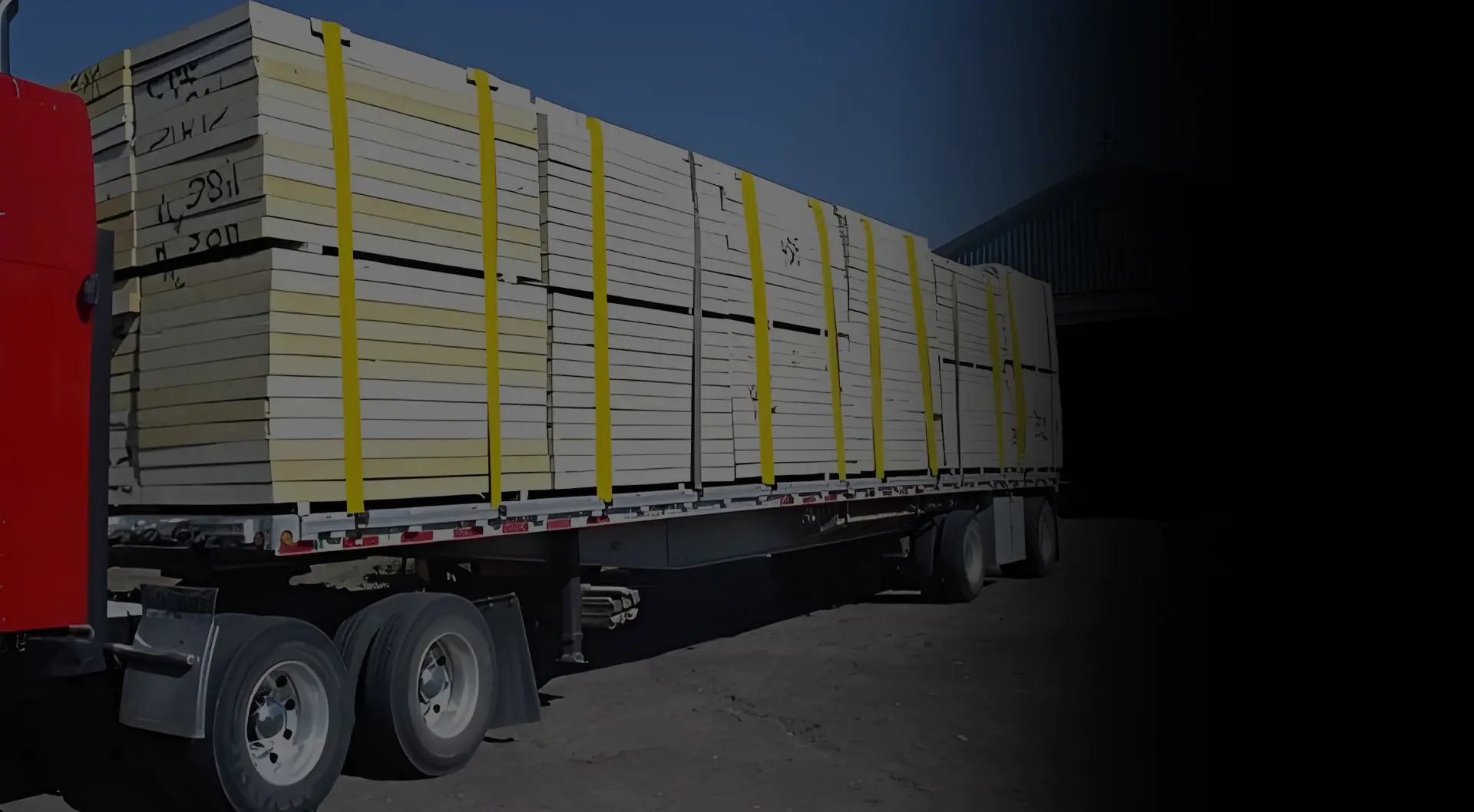
Logistics and Transport: Securing palletized goods inside trucks, fixing construction materials on flatbed trailers, and balancing heavy loads inside shipping containers.
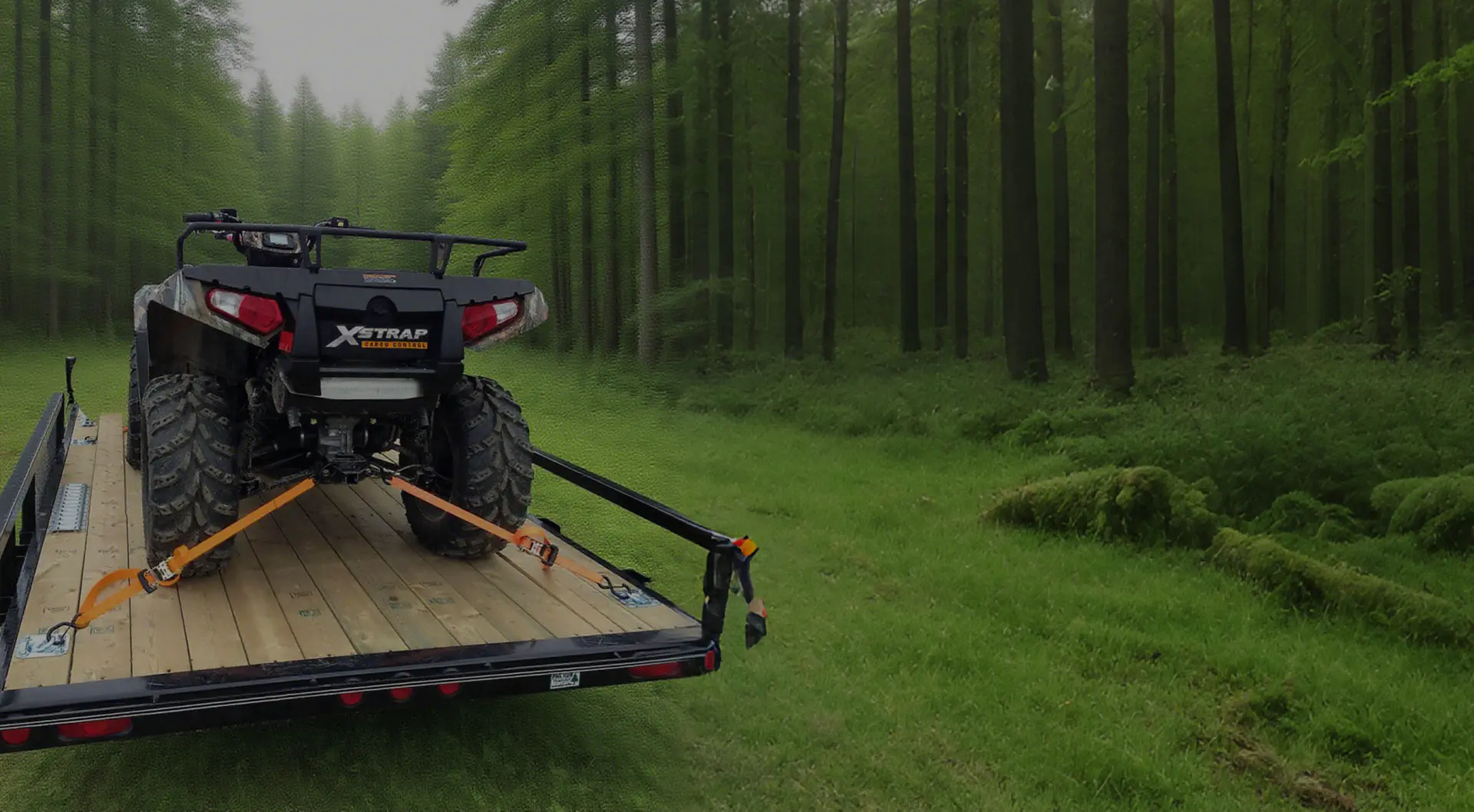
Outdoor Sports: Securing kayaks or surfboards on car roof racks; tying down motorcycles, All-Terrain Vehicles (ATVs), or lawnmowers on trailers.
Home Moving: Stabilizing large appliances like refrigerators or washing machines during a move to prevent tipping and surface damage inside the van.
 |
 |
 |
Classification and Selection Parameters of Common Ratchet Straps
Based on different operating habits, efficiency needs, and cargo shapes, the Ratchet Strap has evolved into several mainstream forms. To help users choose the right tool, here is a performance parameter comparison:
Parameter Comparison Table
| Feature | Standard Ratchet Strap | Retractable Ratchet Strap | Endless Ratchet Strap |
| Main Use | General-purpose heavy cargo | Rapid/frequent loading | Bundling loose items/No-anchor points |
| Webbing Storage | Manual winding; prone to tangling | Internal spring auto-retraction | Manual winding; circular design |
| Break Strength (B.S.) | Extremely High (up to 10,000kg+) | Medium (typically 600kg - 1,500kg) | High (up to 5,000kg+) |
| Operation Speed | Slower (requires manual threading) | Fastest (one-second retraction) | Medium (requires threading back) |
| Common Widths | 25mm, 38mm, 50mm, 75mm | 25mm, 50mm | 25mm, 35mm, 50mm |
| End Fittings | Various Hooks (S/J/Flat) | Fixed Hooks | No Hooks (Loop design) |
| Durability | Simple and extremely durable | Requires more precise maintenance | Extremely simple; good for harsh environments |
Retractable Ratchet Strap
The Retractable Ratchet Strap is the preferred solution for users seeking operational efficiency. The core of its design is an internal spring-loaded coil mechanism similar to a car seatbelt.
Significant Advantages: It completely solves the pain points of traditional Ratchet Straps, such as messy, tangled, and hard-to-store webbing. When not in use, the webbing automatically retracts into the housing. During operation, the user simply pulls out the required length, attaches the hook, and clicks the ratchet a few times.
Limitations: Because the automatic coil mechanism occupies space, the webbing length is usually limited (generally between 2-4 meters), and the maximum load capacity is typically lower than large heavy-duty manual versions.
Endless Ratchet Strap
Unlike traditional hooked designs, the Endless Ratchet Strap is a closed-loop or open-ended long strap where the end threads directly back into its own ratchet mandrel, without any metal hooks.
Design Logic: It does not require specific anchor points on the vehicle or rack. It secures cargo by wrapping around the load entirely (such as circling a bundle of timber or aluminum tubes) and uses its own pressure to bind the items into a stable unit.
Application Scenarios: Ideal for bundling cylindrical objects on pallets or reinforcing multiple loose items onto a single warehouse pallet.
Installation and Safety Operation Guide
Whether using a standard model, an Endless Ratchet Strap, or a Retractable Ratchet Strap, the correct operational flow is the prerequisite for cargo stability. Incorrect threading can cause the webbing to jam or suddenly loosen under the vibration of high-speed travel.
Core Operational Steps
Preparation and Inspection: Before using any Ratchet Tie Down, ensure the handle rotates freely. For a Retractable Ratchet Strap, test if the retraction function is smooth.
Threading the Webbing (for non-automatic models): Place the ratchet handle in the closed (flat) position. Thread the end of the webbing through the slot in the center mandrel of the ratchet.
Eliminating Slack (Crucial Step): This is the step most beginners overlook. Before cranking the handle, pull the webbing tight by hand until it is flat against the cargo surface with no slack. Note: If too much webbing (more than 3 layers) is wound around the mandrel, the ratchet will jam due to lack of space. Pre-tightening ensures the minimum number of wraps around the axis.
Tensioning: Begin cranking the ratchet handle up and down. When you feel significant resistance and the cargo remains rock-solid when shaken, it is properly tightened. For a Ratchet Strap, over-tightening can damage light cargo, while under-tightening is dangerous.
Locking the Handle: After tightening, the handle must be pressed completely down into the locked position. You should hear a "click" as the pawls fully engage the gears, preventing the handle from accidentally popping open during transit.
Inspection and Retirement Criteria
Long-term exposure to UV rays, industrial chemicals, or continuous high tension will significantly degrade the fiber strength of a Ratchet Tie Down. Regular inspection systems must be established.
Retirement Standards Comparison
| Item | Pass Criteria | Retirement (Replacement) Criteria |
| Webbing Integrity | Surface is flat and smooth | Cuts or abrasion on the edge exceeding 10% of width; visible melting or chemical burns. |
| Stitching Status | Stitching is tight and continuous | Broken, loose, or severely worn stitching at load-bearing points. |
| Mechanism | Ratchet moves crisply; locks firmly | Deformed, rusted, or jammed frame; or failed pawl springs. |
| End Fittings | Hooks maintain original shape | Visible deformation (opening up) of the hook, cracks, or severe corrosion. |
| Labeling | Clearly marked WLL | Missing or unreadable label. |
Maintenance and Care
Lubricate Mechanical Parts: Periodically apply a tiny amount of dry silicone lubricant to the gears, mandrel, and sliding plates. Avoid thick, sticky grease as it attracts road grit, which accelerates wear.
Clean and Dry: If the Ratchet Strap gets covered in mud, oil, or road salt, rinse it with clean water and let it air dry completely before storage. Storing damp webbing leads to mildew, which weakens the polyester structure.
Retraction Protection: For the Retractable Ratchet Strap, guide the webbing back by hand during retraction to prevent the metal hook from hitting the housing at high speed, which can damage the internal spring.
FAQ about Ratchet Tie Down
Q: Why does my Ratchet Strap often get stuck in the mandrel?
A: This is almost always caused by failing to pull the excess webbing tight before cranking. Too many layers on the mandrel cause the webbing to overlap and crush itself under tension. To fix it, use pliers to loosen the axis or ensure you pull it tight manually next time before ratcheting.
Q: Can an Endless Ratchet Strap be used for lifting heavy loads?
A: Absolutely not. All Ratchet Tie Down products (including the endless type) are designed specifically for "securing and horizontal lashing." Lifting requires entirely different safety factors and specialized lifting slings. Never use a tie-down strap for vertical lifting.
Q: Is a Retractable Ratchet Strap less durable than a manual one?
A: The webbing material is usually identical, but the mechanical complexity is higher. In extremely sandy or muddy environments, the lifespan may be shorter if the retraction mechanism isn't cleaned. However, in standard freight scenarios, the efficiency gains far outweigh the maintenance needs.
Q: How many Ratchet Tie Downs do I need?
A: A general rule is that the total Working Load Limit (WLL) of all straps used should be at least half the weight of the cargo to account for G-forces. For long items, laws usually require at least two independent Ratchet Straps.
Popular Products
Recent News
 How Do You Choose the Right Utility Tie Downs and Bungee Cords for Your Needs
Introduction
When it comes to securing your gear for transport, storage, or organization, Utility Tie Downs and Bungee Cords are essential tools. Whether you're hauling heavy loads...
 The Ultimate Guide to Ratchet Straps: Choosing, Using, and Maintaining Them
Introduction to Ratchet Straps
What Are Ratchet Straps?
Ratchet straps, also known as tie-down straps or cargo straps, are a type of load securement tool widely used in transportat...
 How Can Ratchet Tie Down Standard Duty Straps Ensure Safe and Reliable Cargo Securement
What Are Ratchet Tie Down Straps and Why Are They Important for Cargo Securement?
Introduction to Ratchet Tie Down Straps
Ratchet tie down straps are essential tools for anyone inv...
 What are Ratchet Straps and how do they help you transport your items safely
What Are Ratchet Straps?
Ratchet straps, also known as ratchet tie-downs or cargo straps, are heavy-duty fastening tools designed to secure items during transportation. They consis...
 How to Properly Use Light Duty Ratchet Tie Downs for Maximum Load Security
Understanding the Basics of Ratchet Tie Down Light Duty Straps
Ratchet tie-down straps are a critical tool in the transportation, storage, and securement of goods. They are used to...
-
 +86-18112697781qindan355@gmail.comNo. 21 Yuefeng Road, Yangshe Town, Zhangjiagang City, Suzhou City, Jiangsu Province
 -
Quick Links
Social Media
-
OEM Partner
-


Copyright © 2025 Zhangjiagang SMK MFG. Co., Ltd. All rights reserved.
 Wholesale Tension Strap Manufacturers
Wholesale Tension Strap Manufacturers