
 English
 Français
 Español

What is the difference between a ratchet strap and a tie-down strap
2026-09-18
Choosing between a ratchet strap and a tie-down strap is not a matter of preference. It is a matter of matching a tensioning mechanism to a load, a route, a fixing point, and a legal framework. Buyers who treat the two names as interchangeable often end up with webbing that stretches beyond recovery, hooks that open under vibration, or a ratchet frame that locks at a tension the cargo cannot tolerate. This page breaks the question down from the factory floor upward: how the webbing is woven, how the hardware is formed and finished, how the assembly is proof loaded, and how the finished product behaves once it is under tension on a moving vehicle.
01
Category vs. Mechanism
A tie-down strap is the umbrella term. A ratchet tie down is one specific tensioning architecture inside that umbrella.
02
Tension Retention
A gear-and-pawl lock holds tension far longer than a cam buckle or a spring clip under sustained vibration.
03
Webbing Behaviour
Polyester and nylon recover differently. The fibre choice changes how often a strap needs re-tensioning on a long run.
04
Marked Ratings
Working load and breaking load are two different numbers. Confusing them is the most common specification error.
Why the Two Names Are Not Interchangeable
A tie-down strap describes a purpose. It is any flexible restraint built from webbing and end fittings that limits the movement of cargo during transport. The family includes cam buckle straps, spring clip straps, endless loop straps, winch straps, over-centre buckle straps, and knot-tied webbing. A ratchet tie down describes a mechanism. It is a tie-down strap whose tension is generated and held by a ratchet assembly — a toothed gear driven by a pivoting handle, held in position by a spring-loaded pawl.
This distinction has practical consequences. When a specification sheet calls for a tie-down strap, it may accept any tensioning method that meets the load figure. When a specification calls for a ratchet tie down, a cam buckle product cannot be substituted without a formal deviation, because the two do not retain tension in the same way and do not generate the same preload at the same handle effort.
There is also a documentation consequence. Standards that govern cargo restraint — including EN 12195-2, WSTDA T-1, and AS/NZS 4380 — require markings that identify the tensioning device type, the working load limit, the length, and the elongation characteristics of the webbing. A ratchet assembly carries a different marking set from a cam buckle assembly. Reading those markings is the fastest way to determine which product is actually in hand.
Every ratchet tie down is a tie-down strap. Not every tie-down strap is a ratchet tie down. The word "ratchet" tells you how tension is applied and held, not what the product is for.
Inside a Ratchet Tie Down: Component by Component
Understanding the difference at the component level explains why performance diverges so widely between two products that look similar in a photograph. A ratchet tie down is a system of eight interacting parts, and each one sets a limit on the whole.
Webbing
Woven from high-tenacity polyester or nylon multifilament yarn. Widths typically run 25 mm, 35 mm, 38 mm, 50 mm, 75 mm, and 100 mm. The weave density and the yarn count determine the breaking strength and the elongation at working load.
Ratchet Frame
The two side plates that carry the gear axle and the handle pivot. Formed from stamped or forged steel, then coated. Frame thickness controls how much side load the assembly survives before the plates splay.
Gear and Pawl
The toothed wheel and the spring-loaded locking tooth. Tooth count sets how fine the tension adjustment is. A 12-tooth gear advances in larger steps than an 18-tooth gear, but the coarser tooth carries a heavier individual load.
Handle
Length is the primary lever. A longer handle lowers the hand force required to reach a given tension, which matters on high-load applications and on repetitive loading in cold conditions.
Pawl Spring
A small compression or torsion spring that keeps the pawl engaged. Spring fatigue is a silent failure mode: the ratchet still looks intact but releases under shock load.
End Fittings
Double J-hooks, flat hooks, wire hooks, spring hooks, D-rings, E-fittings, and chain extensions. The fitting is often the weakest link, not the webbing.
Stitching
Lockstitch patterns with defined stitch density and back-stitching at the ends. Stitch quality determines whether the strap fails at the rated load or below it.
Label
The marking element that carries the working load limit, the standard reference, the length, the manufacture date, and the traceability code. Without it, the product cannot be verified.
How the Webbing Is Made and Why It Changes Performance
Webbing is not a generic textile. It is an engineered load path. The yarn enters the loom as continuous multifilament bundles, usually high-tenacity polyester or nylon 6.6. Warp yarns run lengthwise and carry the tension. Weft yarns run crosswise and hold the warp in position. The pick density — how many weft threads per centimetre — influences abrasion resistance, thickness, and how much the finished webbing elongates under load.
After weaving, the webbing passes through a heat-setting stage. This stabilises the yarn structure and reduces the tendency to creep under sustained tension. Dyeing follows, then a finish treatment that may include a water-repellent or anti-fungal agent depending on the intended environment. Webbing intended for outdoor marine use usually receives additional UV stabilisation, because prolonged sun exposure degrades polyester faster than most users expect.
Elongation Is the Hidden Specification
Elongation at working load is the number that separates a strap that stays tight from one that needs re-tensioning every hundred kilometres. Low elongation is not automatically better. A webbing with very low stretch transfers shock loads directly to the cargo and the fixing points, which can damage both. A webbing with high stretch absorbs shock but loses tension as it relaxes.
Polyester webbing typically elongates less than nylon at the same percentage of breaking load, which is why polyester dominates general cargo restraint and nylon appears more often in shock-absorbing and recovery applications. The chart below shows the general shape of the load-elongation relationship for the two fibres.
Load vs. Elongation — Polyester and Nylon Webbing
The practical reading: for the same share of breaking load, polyester reaches that load at a lower elongation. Nylon continues to extend further before reaching the same relative load. On a flatbed run with a fixed route, polyester reduces the number of re-tensioning stops. On a route with heavy road shock, the extra extension of nylon can act as a buffer.
Hardware Forming, Heat Treatment, and Finish
The metal parts of a ratchet tie down are not decorative. They carry the entire load path from the webbing to the vehicle anchor. There are two main forming routes. Stamping starts from steel sheet, cuts a blank, and presses it into shape. Forging heats a billet and shapes it under pressure, producing a continuous grain flow that resists fatigue better. Forged hooks and forged ratchet frames cost more and survive more load cycles.
Material grade matters as much as the forming method. Common grades in restraint hardware include carbon steel and alloy steel with defined yield and tensile properties. After forming, hooks and frames pass through heat treatment to reach the required hardness and toughness balance. Too hard and the part cracks; too soft and the hook throat deforms under load.
Surface finish determines corrosion life. Electroplated zinc offers a thin, bright coating suitable for dry inland use. Hot-dip galvanising deposits a thicker zinc layer that resists salt spray far longer. Powder coating adds colour and mechanical protection but can hide cracks under the coating, so inspection practice must account for it. For coastal, agricultural, and winter-road applications, coating specification is a genuine performance decision rather than a cosmetic one.
Rivets, Pins, and Joint Integrity
The ratchet frame, gear, handle, and end fittings are joined by rivets or pins. Joint integrity is a fatigue question. A rivet that is slightly undersized or improperly set will develop play after a few hundred load cycles. That play lets the pawl sit off-centre, which accelerates tooth wear and eventually produces a release under load. Production quality control at this stage is what separates a strap that survives one season from one that survives five.
Assembly and Proof Loading
Once the ratchet assembly is built and the webbing is cut, the strap is assembled and the end fittings are attached. Two attachment methods dominate. Stitched attachment folds the webbing around the fitting and sews it with a defined stitch pattern. Sleeve-and-rivet attachment passes the webbing through a metal sleeve and crimps or rivets it. Stitched attachments distribute load across many stitch lines; riveted attachments concentrate it at the rivet holes.
Proof loading follows assembly. A sample from each production batch is pulled to a defined proof load — typically twice the working load limit — and held there for a set period to confirm that no component yields. A second sample is pulled to destruction to confirm the breaking load. Results are recorded against the batch code, which is why the label on a finished strap can be traced back to a specific webbing roll and a specific hardware lot.
2:1
Minimum ratio of breaking load to working load limit under common restraint standards
5:1
Ratio often applied to overhead lifting slings, a different product category with different rules
50 mm
Webbing width most commonly specified for general flatbed and trailer cargo restraint
1500 daN
Typical working load limit for a 50 mm polyester ratchet tie down with standard hooks
How the Ratchet Mechanism Generates and Holds Tension
The ratchet works through a combination of leverage and one-way locking. The handle acts as a lever. Its pivot is at the frame, and the gear axle sits partway along its length. The ratio of handle length to the distance from pivot to gear axle determines the mechanical advantage. A longer handle or a shorter pivot-to-gear distance lowers the hand force needed to reach a given tension.
The pawl converts that tension into a locked state. As the handle swings forward, the pawl rides over the gear teeth. As the handle swings back, the pawl drops into the next tooth and the gear cannot rotate backwards. Each stroke advances the webbing by one tooth pitch. The strap tightens in discrete increments and holds between strokes.
This is the structural reason a ratchet tie down retains tension better than a cam buckle. A cam buckle holds by friction between an eccentric cam and the webbing. Friction depends on surface contact, and surface contact changes as the webbing compresses, warms, or picks up dust. A gear tooth holds by geometry. Geometry does not relax.
Tension Retention Over 60 Minutes — Ratchet, Cam Buckle, Spring Clip
Other Tensioning Methods Inside the tie-down strap Family
Understanding what a ratchet tie down is requires understanding what it is not. The other tensioning methods each solve a different problem.
Cam Buckle
A spring-loaded eccentric cam presses the webbing against a fixed bar. Tension is set in one pull. Adjustment is fast and the strap is easy to release. The cam can mark the webbing if over-tensioned, and holding force drops under sustained vibration. Best suited to light and medium loads where rapid fitting matters more than long-term tension stability.
Over-Centre Buckle
A toggle mechanism that snaps past centre to lock. It produces a defined tension at the closed position, which makes it predictable, but offers almost no range of adjustment. Common in applications where a fixed, repeatable tension is required across many identical units.
Spring Clip
A simple clip that grips the webbing with spring pressure. The lowest-cost option and the weakest at holding tension. Appropriate for stabilising light items where the load does not shift and the route is short.
Knot-Tied Webbing
No hardware at all. Tension comes from the knot and from hand pulling. Knot efficiency is low, meaning the knot area reduces the effective strength of the webbing. Suitable only where the restraint requirement is minimal.
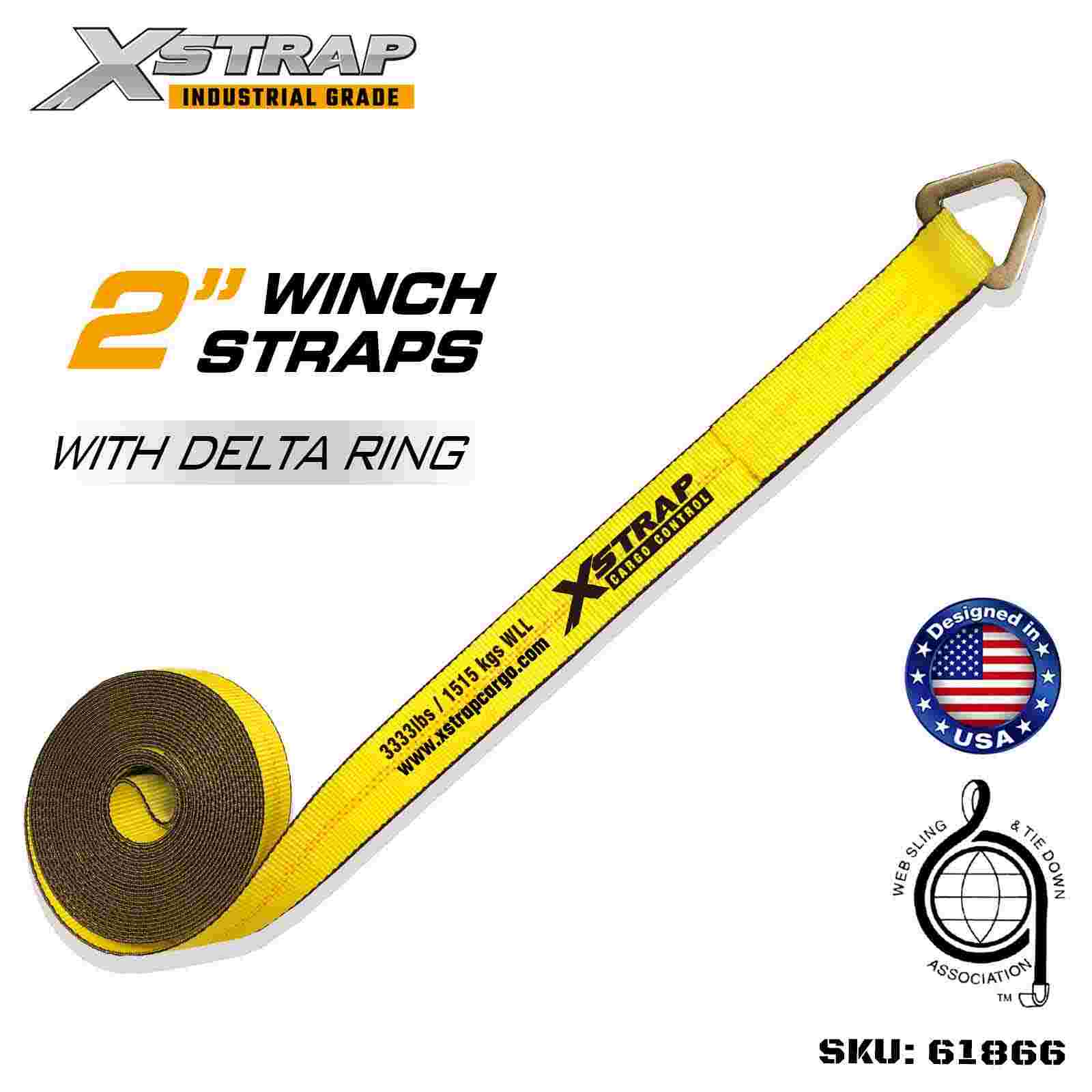
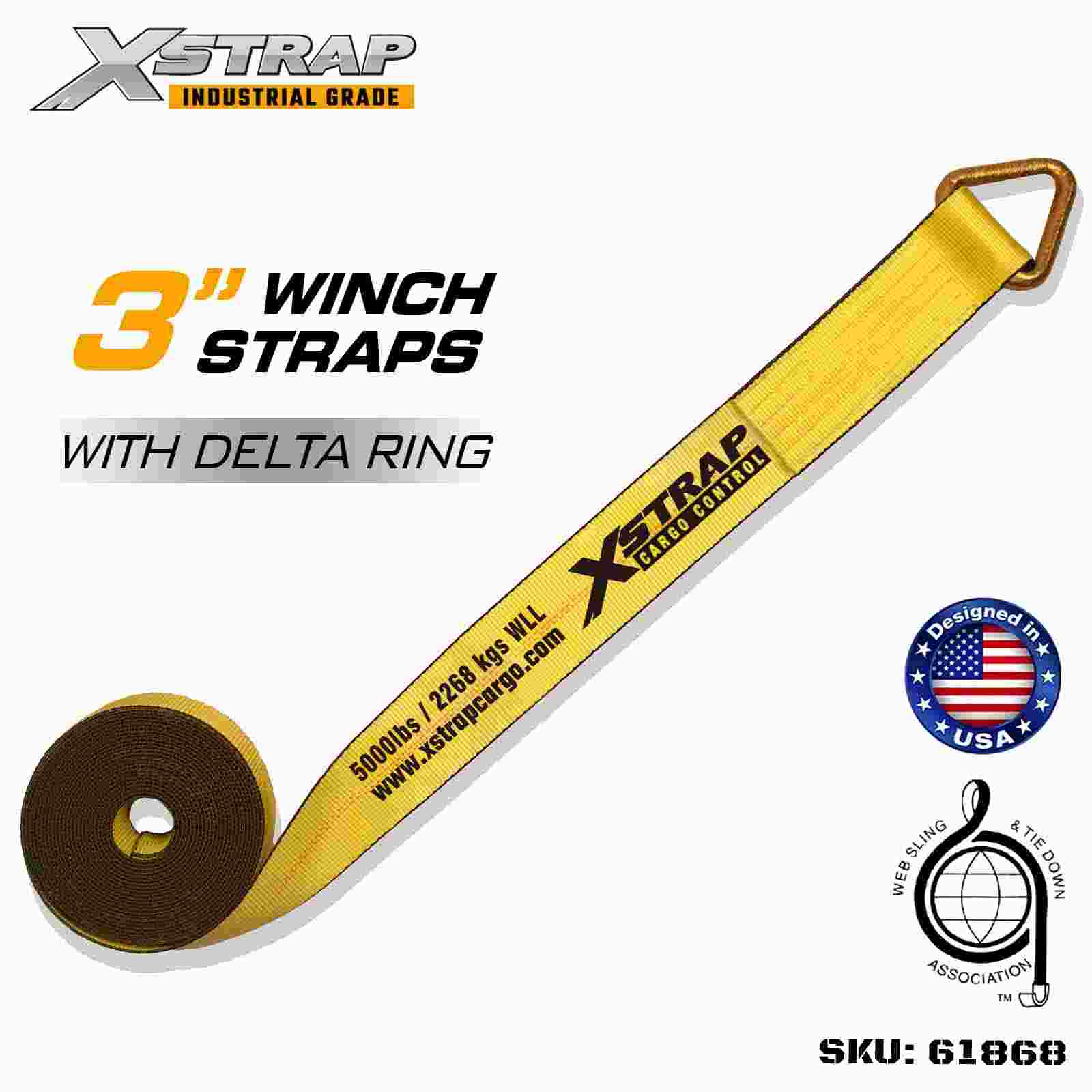
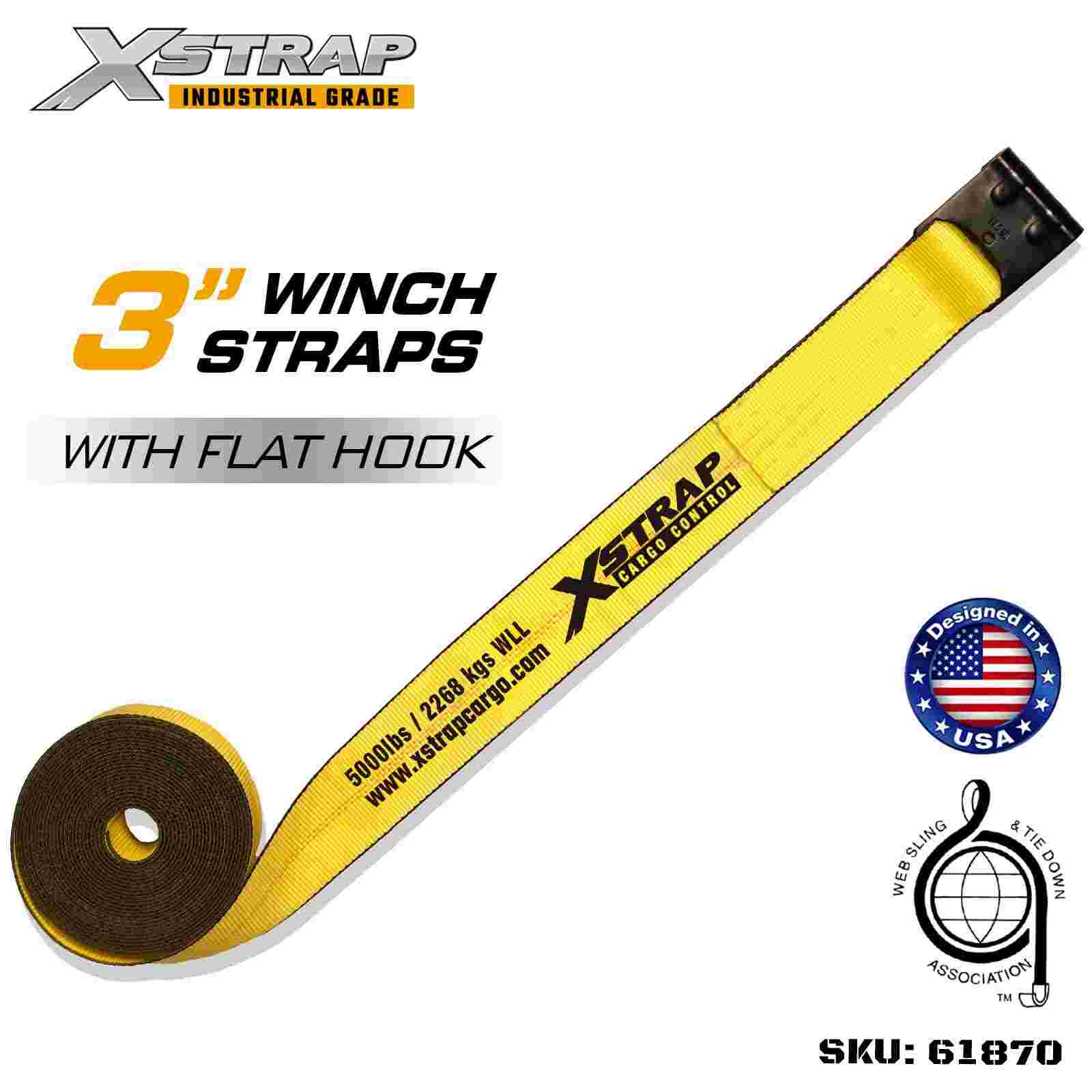
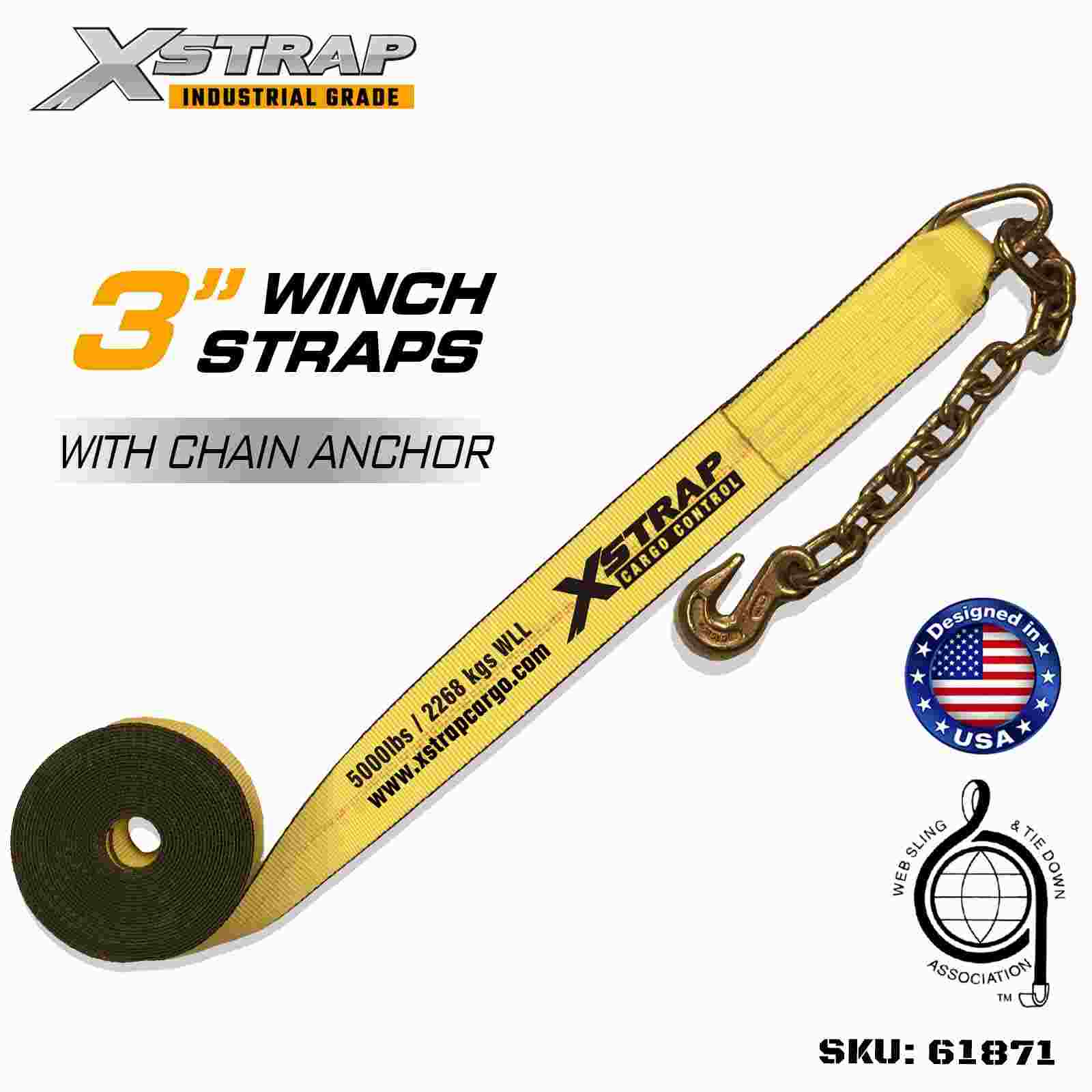
Winch Strap
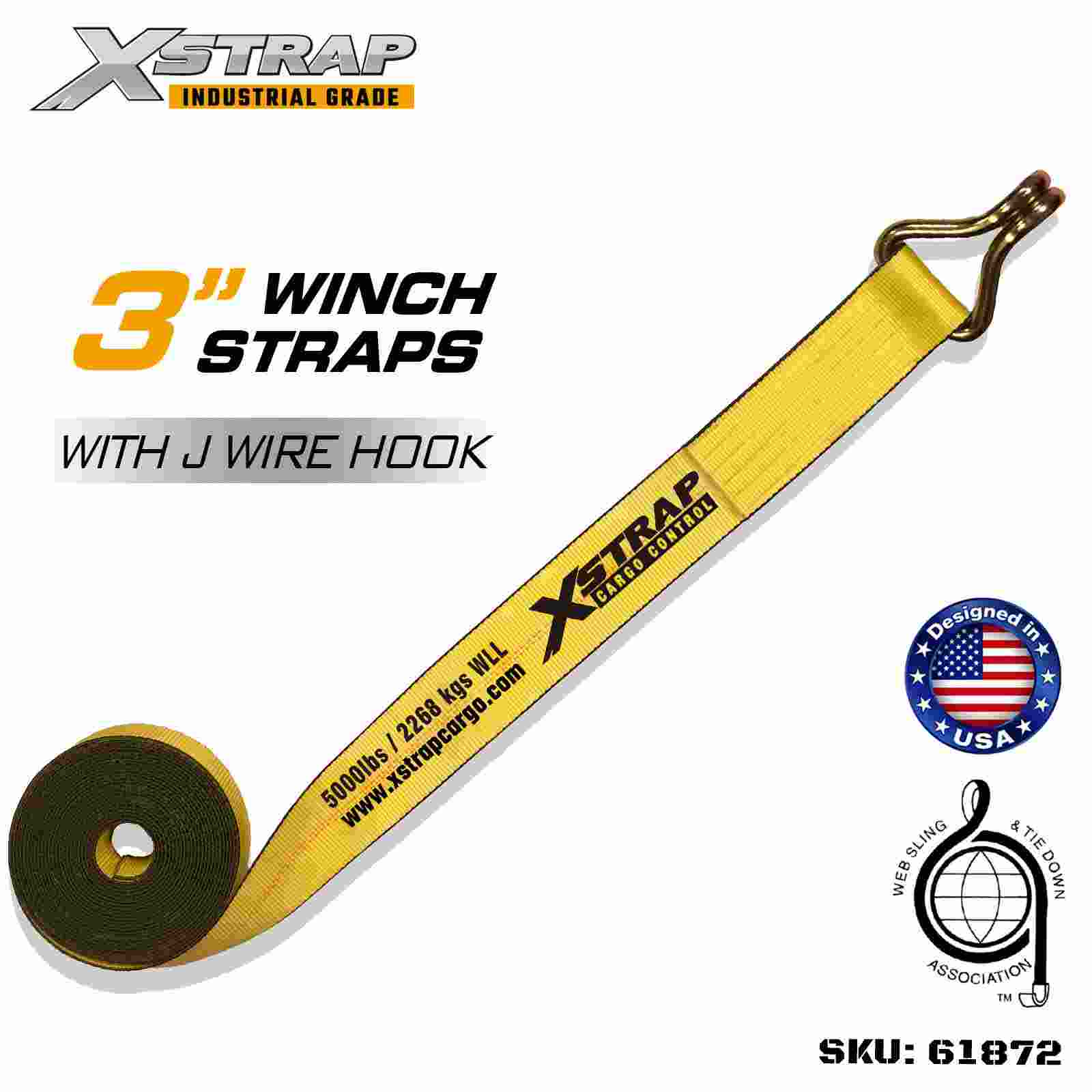
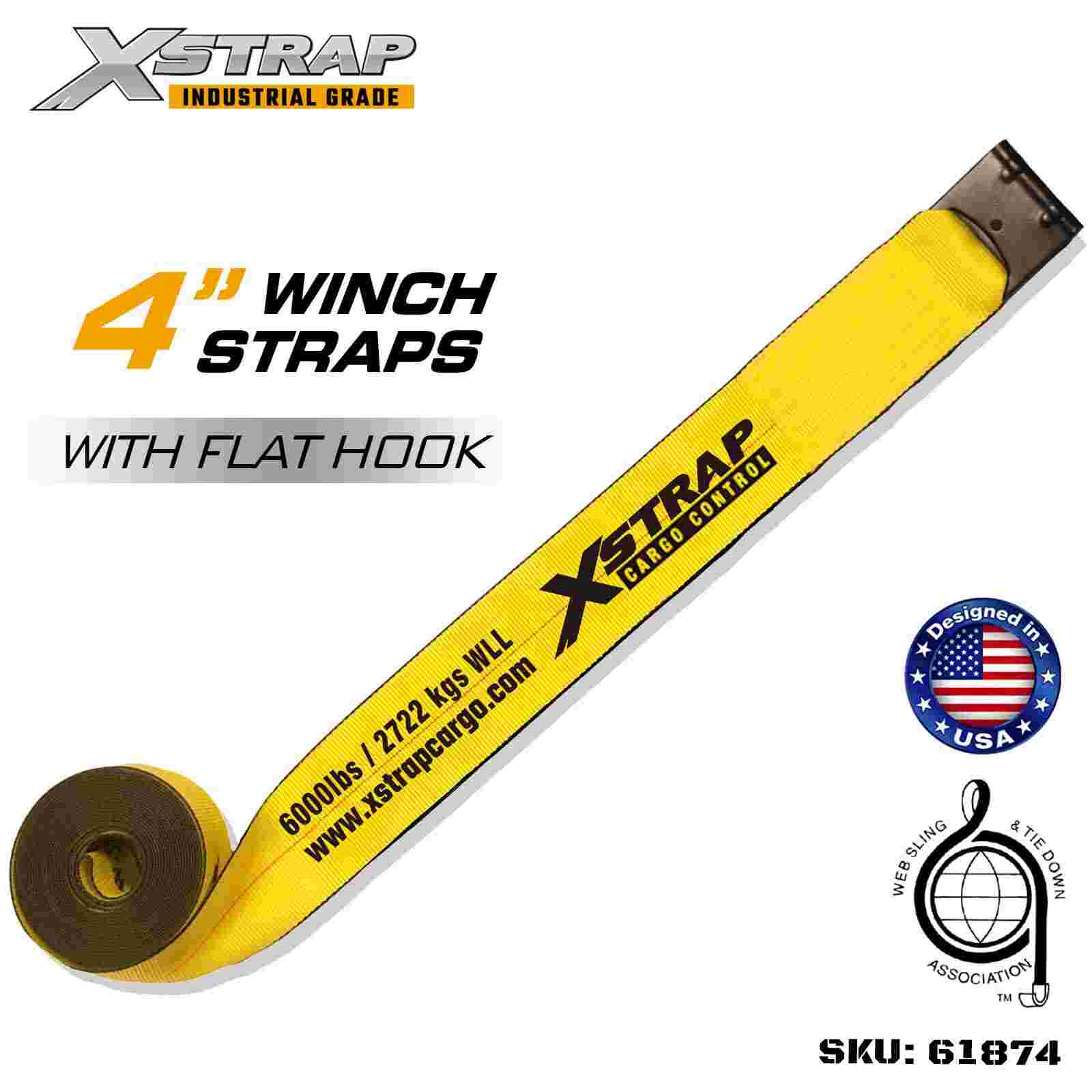
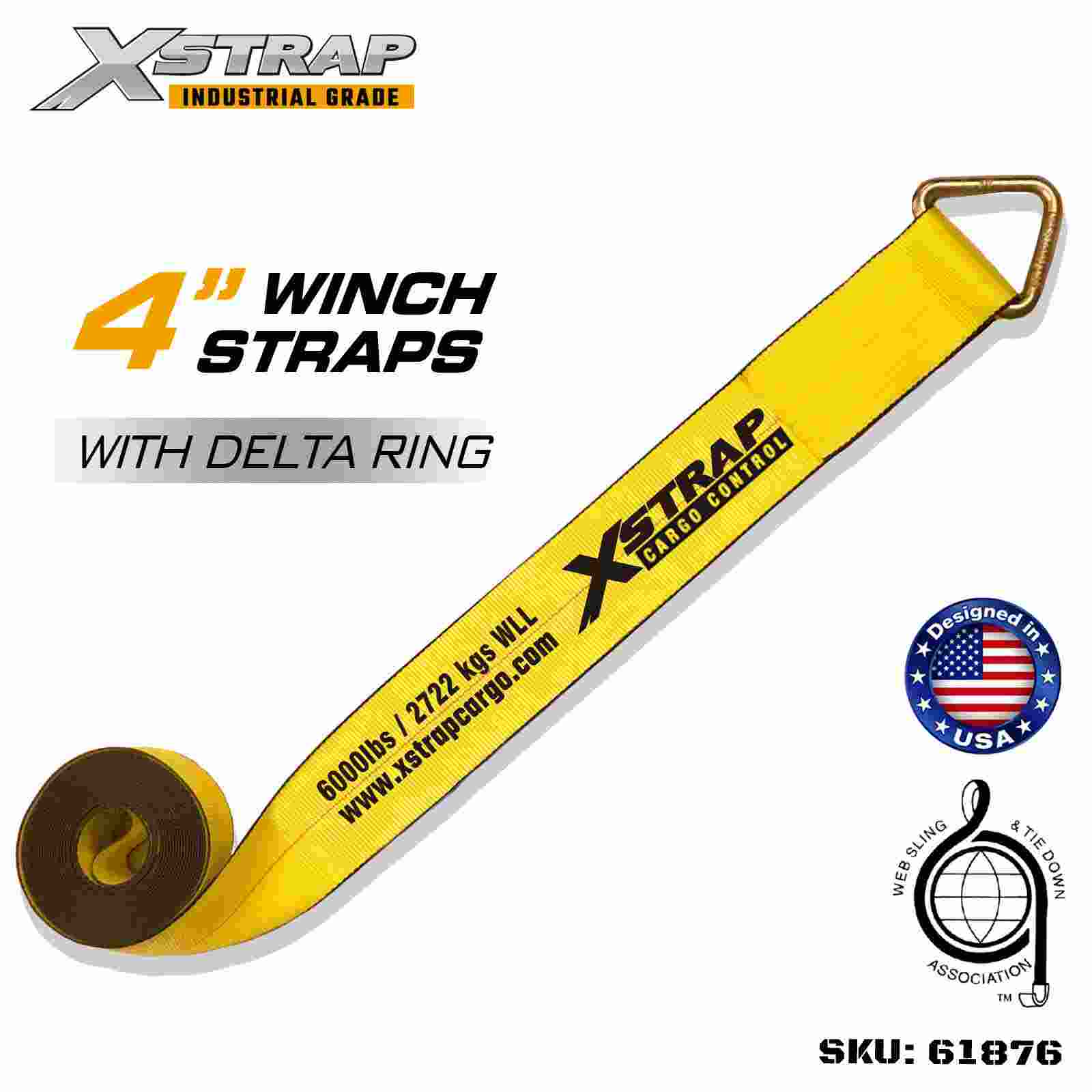
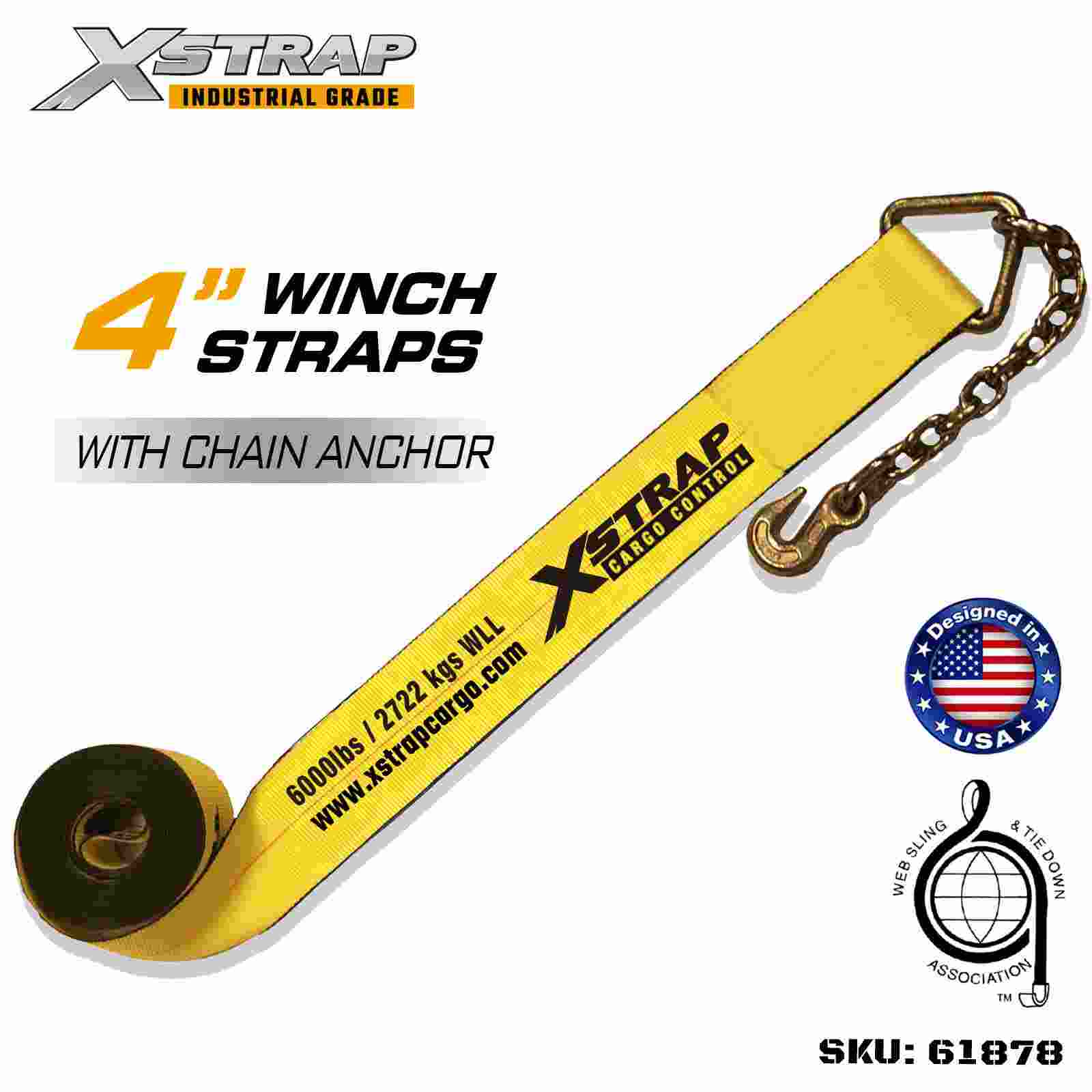
A separate winch drum provides the tension, and the strap itself has no built-in mechanism. Winch systems reach higher tensions than any hand-operated ratchet and are standard for heavy flatbed and container work.
Endless Loop
A continuous loop of webbing with no tensioning device. Used as a soft sling or as an extension, and combined with a ratchet strap rather than replacing it.
Parameter Comparison Table
The table below sets out the engineering parameters that separate a ratchet tie down from other members of the tie-down strap family. Figures represent common production ranges; the marked value on an individual product always takes precedence.
| Parameter | Ratchet Tie Down | Cam Buckle Strap | Spring Clip Strap |
| Tensioning principle | Gear, pawl, and lever | Eccentric cam friction | Spring pressure |
| Tension adjustment | Incremental, tooth by tooth | Single pull, limited fine control | Manual pull only |
| Hand force to reach rated tension | Low to moderate, reduced by handle length | Moderate to high | High, limited by grip strength |
| Tension retention under vibration | High | Moderate | Low |
| Typical webbing widths | 25, 35, 38, 50, 75, 100 mm | 25, 35, 50 mm | 25, 35 mm |
| Typical working load limit | 400 to 5000 daN | 250 to 750 daN | 100 to 400 daN |
| Typical breaking load | 800 to 10000 daN | 500 to 1500 daN | 200 to 800 daN |
| End fitting options | Double J, flat, wire, spring, D-ring, E-fitting, chain | Spring hook, flat hook | Spring hook, S-hook |
| Release method | Pawl release lever or handle | Cam lift | Spring compress |
| Relative assembly weight | Higher | Medium | Lower |
| Typical service environment | Heavy cargo, long routes, high vibration | Light to medium cargo, short routes | Light cargo, occasional use |
| Standards commonly referenced | EN 12195-2, WSTDA T-1, AS/NZS 4380 | EN 12195-2, WSTDA T-1 | EN 12195-2 |
Working Load Limit by Webbing Width
The chart below compares working load limits across common webbing widths for ratchet tie downs and cam buckle straps. The gap widens as width increases, because the ratchet mechanism allows the webbing to be loaded closer to its full capacity without relying on friction grip.
Angle Factors and How Many Straps Are Actually Needed
Working load limit is measured with the strap pulling in a straight line. In real restraint, straps run at an angle, and an angled strap delivers less usable restraint force in the direction that matters. The table below gives common angle factors used in cargo restraint calculations.
| Angle from horizontal | Angle factor | Effective restraint per 1000 daN of strap rating |
| 90° (vertical) | 1.00 | 1000 daN |
| 75° | 0.97 | 970 daN |
| 60° | 0.87 | 870 daN |
| 45° | 0.71 | 710 daN |
| 30° | 0.50 | 500 daN |
| 20° | 0.34 | 340 daN |
| 15° | 0.26 | 260 daN |
A Worked Example
Assume a cargo unit weighing 4000 kg and two ratchet tie downs with a working load limit of 1500 daN each, running at 45° from horizontal. The nominal total rating is 3000 daN. Applying the 0.71 angle factor gives an effective restraint of about 2130 daN. In a typical road transport restraint calculation, the required restraint force is derived from the cargo mass multiplied by an acceleration factor that depends on the direction of movement and the securing method. If the required figure exceeds 2130 daN, the configuration needs more straps, a larger webbing width, or a different routing that raises the angle.
The point of the exercise is not to supply a universal formula. It is to show that a ratchet tie down rating is a starting figure, not a finished answer. Angle, fixing point strength, friction between the cargo and the deck, and the condition of the webbing all modify the result.
Matching the Product to the Cargo
Flatbed and Trailer Freight
50 mm polyester ratchet tie downs with double J-hooks or flat hooks, working load limit 1500 to 2500 daN. Four to eight straps per load depending on cargo mass and geometry. Long handles reduce loading time on repetitive runs.
Heavy Machinery
75 mm or 100 mm webbing with forged hooks, working load limit 2500 to 5000 daN. Chain extensions and D-ring anchors are common. Soft loops protect painted or machined surfaces at the contact points.
Timber and Steel
Wide webbing spreads pressure and reduces edge cutting. Edge protectors are essential on sharp profiles. Ratchet mechanisms are preferred over cam buckles because the load settles and loses tension during the first kilometres.
Light Commercial Delivery
25 mm or 35 mm ratchet straps, or cam buckle straps where load weight is low and fitting speed matters. Working load limits of 400 to 750 daN cover most van and light truck requirements.
Outdoor and Marine
UV-stabilised polyester webbing with galvanised or stainless hardware. Ratchet assemblies with enclosed springs resist salt and grit better than open designs. Freshwater rinsing extends service life significantly.
Agricultural Equipment
Wide webbing, high working load limits, and corrosion-resistant finishes. Dust and crop residue accelerate pawl wear, so straps on seasonal equipment should be inspected before each harvest rather than once a year.
Mistakes That Cause Premature Failure
- Treating breaking load as working load. A 5000 daN breaking load does not mean 5000 daN can be applied in service. The working load limit is typically half of that or less.
- Routing over sharp edges without protection. A single sharp corner can cut webbing fibres and reduce strength by half or more. Edge protectors cost little and prevent the most common field failure.
- Twisting the webbing. A twisted strap carries load unevenly across its width. Load concentrates on one edge, and the effective rating drops below the marked figure.
- Using a ratchet tie down as a lifting sling. Restraint and lifting are separate categories with different standards and different safety factors. A ratchet tie down is not rated for overhead lifting.
- Leaving the ratchet under full tension in storage. Long-term tension compresses the pawl spring and can leave a permanent set in the handle mechanism. Release tension before storing.
- Ignoring the label. A strap without a legible label cannot be verified against a standard. In many jurisdictions it also fails roadside inspection.
- Mixing webbing widths in one restraint system. The weakest element determines the system capacity. A 25 mm strap added to a set of 50 mm straps creates a hidden weak point.
- Exposing webbing to chemicals. Battery acid, solvents, and some fertilisers degrade polyester and nylon. Contaminated webbing should be removed from service even if it looks intact.
Inspection Routine and Service Life
Inspection is the most underrated part of any restraint programme. A ratchet tie down has a finite service life, and that life depends far more on use conditions than on calendar age. The schedule below reflects common industry practice for routine visual inspection.
Before Every Use
Check the webbing for cuts, abrasion, burns, chemical staining, and broken stitching. Check the ratchet for smooth handle movement and positive pawl engagement. Check hooks for cracks, distortion, and throat opening.
Monthly in Regular Service
Test the pawl spring by releasing and re-engaging the ratchet several times. Inspect rivets and pins for play. Confirm that the label is still legible and the working load limit is readable.
Annually or After Any Shock Event
Perform a detailed inspection of the full length of the webbing, including the sections that are normally wound around the ratchet drum. Any strap that has been subjected to a load beyond its rating should be removed from service regardless of appearance.
Retirement Criteria
Retire the strap when webbing shows cuts, holes, or abrasion that exposes the inner yarn structure; when stitching is broken, pulled, or loose; when the ratchet binds, skips teeth, or fails to lock; when hooks are cracked, bent, or have an enlarged throat; or when chemical or heat damage is visible.
Product Configurations Available from Production
Because restraint requirements vary so widely, a ratchet tie down is rarely a single fixed product. The configurations below reflect the options that can be built to specification.
Webbing Options
Polyester or nylon in widths from 25 mm to 100 mm. Standard colours include orange, blue, black, yellow, red, and green. Custom-dyed runs are available at higher minimums. Webbing can be printed with a customer's own branding or with a repeated safety warning.
Length Options
Common finished lengths run from 1 m to 12 m. Longer assemblies with chain extensions are used where anchor points are far from the cargo. Cut-to-length production allows a specific fixed length for a dedicated trailer fleet.
End Fitting Options
Double J-hook, single J-hook, flat hook, wire hook, spring hook, snap hook, D-ring, E-fitting, claw hook, and chain-and-hook combinations. Fittings are matched to the anchor geometry and to the load path.
Ratchet Options
Standard open ratchet, long-handle ratchet for reduced hand force, rubber-grip handle for cold or wet conditions, enclosed ratchet for dusty environments, and stainless-steel assemblies for coastal and marine applications.
Marking and Documentation
Printed labels with working load limit, breaking load, length, standard reference, manufacture date, and batch code. Test reports available against the batch code for applications that require traceability.
Packaging Formats
Individual poly bag, header card, hang tag with usage instructions, zip-tied coil, or bulk carton. Retail-ready and industrial-ready formats are produced on the same line with different finishing steps.
Glossary of Terms Used in This Article
Working Load Limit
The maximum load a restraint is designed to carry in normal service. Marked on the label and used as the basis for restraint calculations.
Breaking Load
The load at which the assembly fails completely. Always higher than the working load limit, typically by a factor of two or more.
Proof Load
A test load applied to verify that a component does not yield or deform permanently. Usually set below the breaking load and above the working load limit.
Pawl
The spring-loaded tooth that engages the gear and prevents backward rotation of the ratchet drum.
Elongation at Load
How much the webbing stretches when a defined load is applied, expressed as a percentage of the original length.
Preload
The tension present in the strap immediately after tensioning and before any cargo movement occurs.
Angle Factor
A multiplier applied to a strap rating to account for the loss of effective restraint when the strap runs at an angle rather than in a straight line.
Lashing Capacity
The maximum force a restraint assembly is permitted to transmit, expressed in daN, as defined in European restraint standards.
Questions That Come Up Most Often
Can a cam buckle strap replace a ratchet tie down?
Only if the load, the route, and the fixing points allow it. A cam buckle holds by friction and loses tension faster under vibration. Where the marked working load limit of the cam buckle product meets or exceeds the requirement and the cargo does not settle, replacement is technically possible. Where the load is heavy or the route is long, the retention difference makes the substitution unsafe.
Is a wider webbing always stronger?
Wider webbing generally carries a higher breaking load because there are more warp yarns across the width. However, the ratchet frame, the hooks, and the stitching must be rated for the same load. A wide strap with an undersized ratchet frame simply moves the failure point to the hardware.
How tight should a ratchet tie down be?
Tight enough to prevent cargo movement, and not so tight that it crushes the cargo or overloads the anchor points. The strap should be tensioned until the webbing is taut and the ratchet holds firmly with the handle in the closed position. Tension beyond that point adds little restraint and accelerates webbing fatigue.
Does the colour of the webbing indicate the load rating?
In some markets and under some standards, colour coding is used to indicate working load limit bands. Colour coding is not universal, and the same colour can mean different things in different regions. The printed label is the authoritative source, and it should always be checked rather than relying on colour.
What causes a ratchet to slip under load?
The most common causes are a worn pawl tip, a fatigued pawl spring, a bent gear tooth, or a frame that has splayed enough to let the gear move off-axis. Slipping is a retirement condition. A strap that has slipped under load should not be returned to service.
Can ratchet tie downs be repaired?
Replacing a damaged end fitting on an otherwise sound strap is possible in some workshops, but the repair must restore the original rated capacity and the repair must be documented. In most commercial operations, a damaged restraint is retired rather than repaired, because the cost of a new unit is far lower than the risk of an unverified repair.
How long does a polyester ratchet tie down last?
There is no fixed answer. A strap used indoors on stable loads may last many years. A strap used on a construction site with abrasive cargo and daily UV exposure may need replacement within a season. Condition-based retirement, not calendar age, is the correct criterion.
What is the difference between a ratchet strap and a tie-down strap in one sentence?
A tie-down strap is the general name for any webbing restraint used to secure cargo, while a ratchet tie down is a specific type of tie-down strap that uses a gear-and-pawl mechanism to generate and hold tension.
Every specification decision in this article comes back to the same relationship: the tensioning mechanism determines how tension is produced and how long it is held, and the webbing and hardware determine how much tension the assembly can carry. A ratchet tie down and a generic tie-down strap sit in the same product family, but they solve the tension problem in fundamentally different ways. Matching the mechanism to the load, the route, and the anchor points is what separates a restraint system that works from one that merely looks secure.
Popular Products
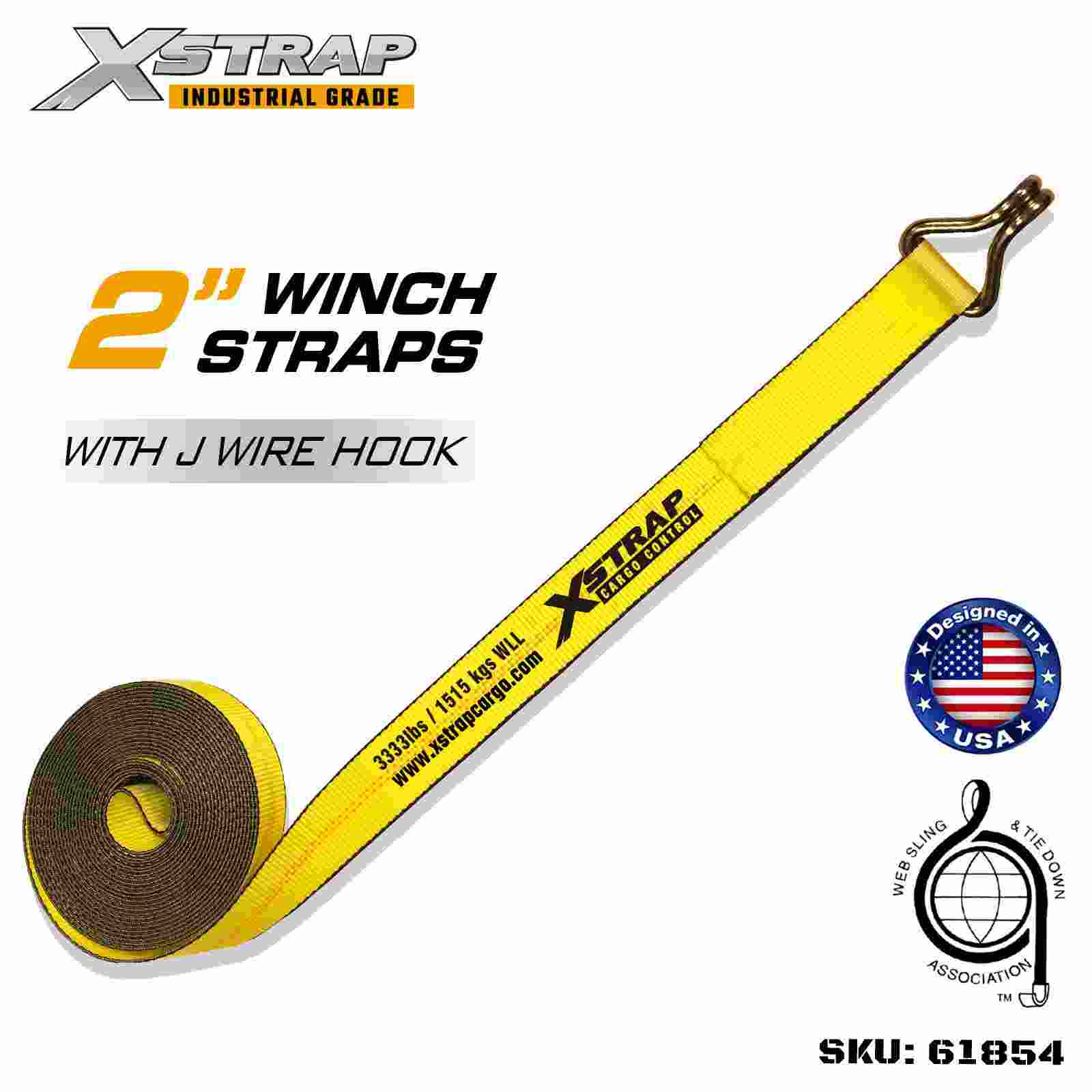
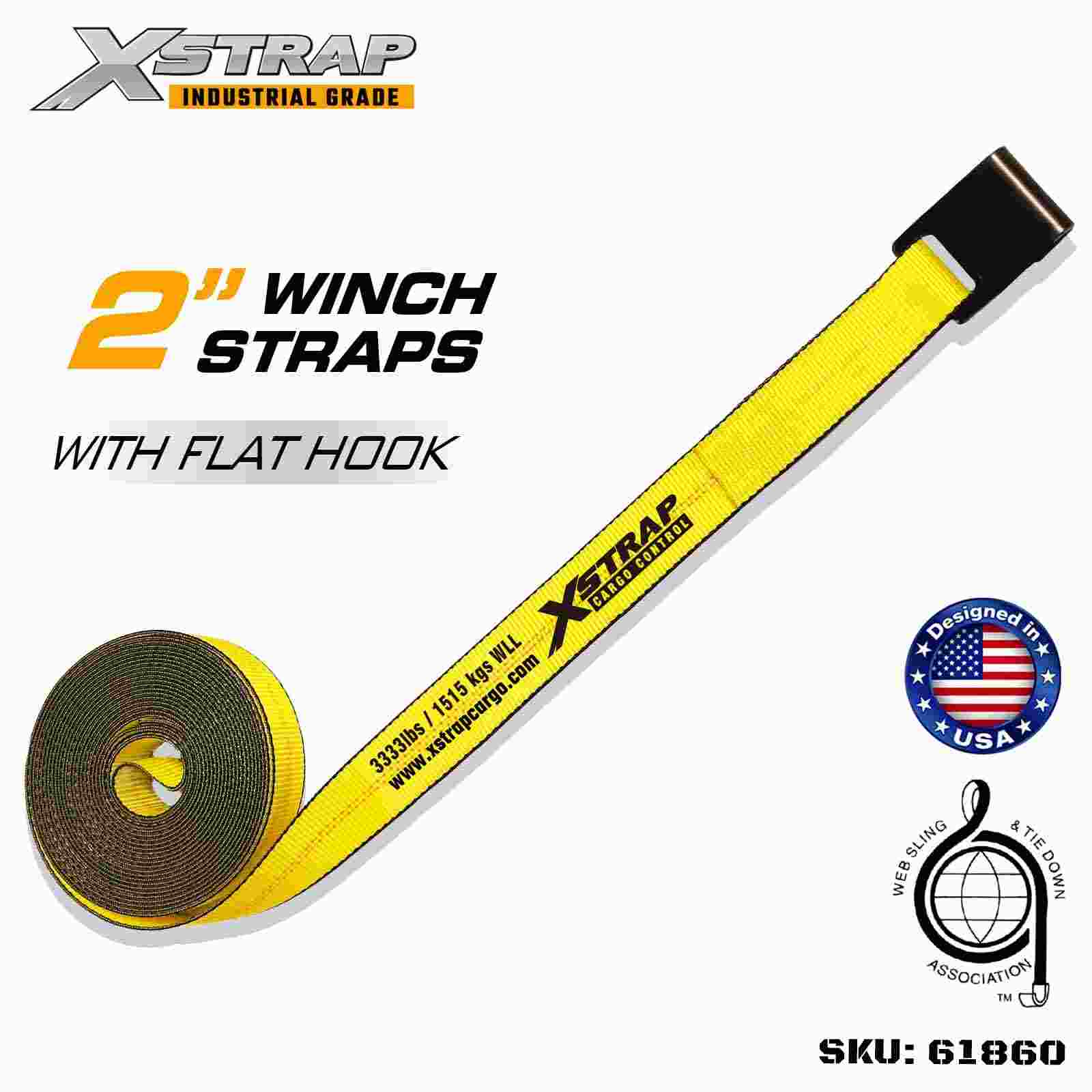
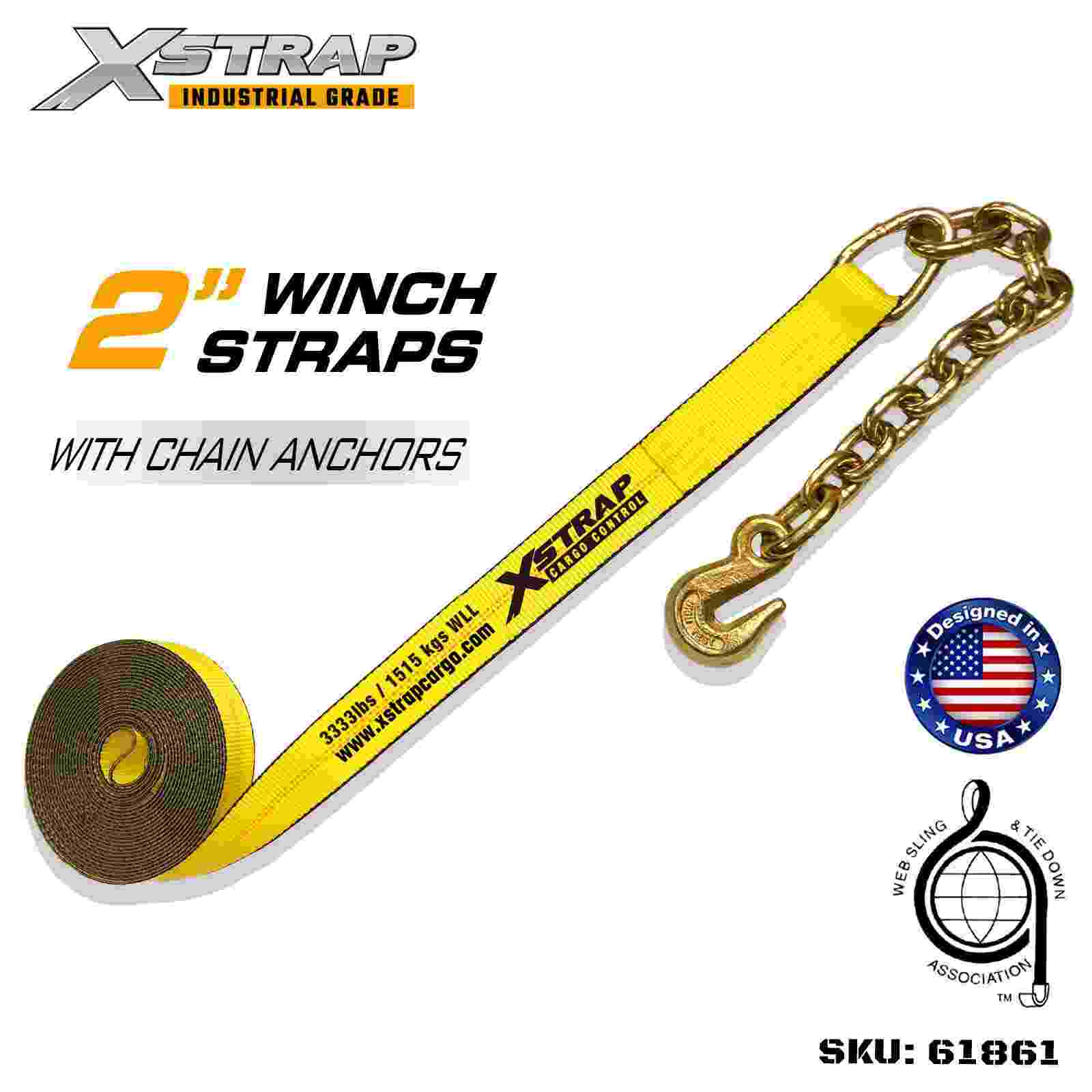
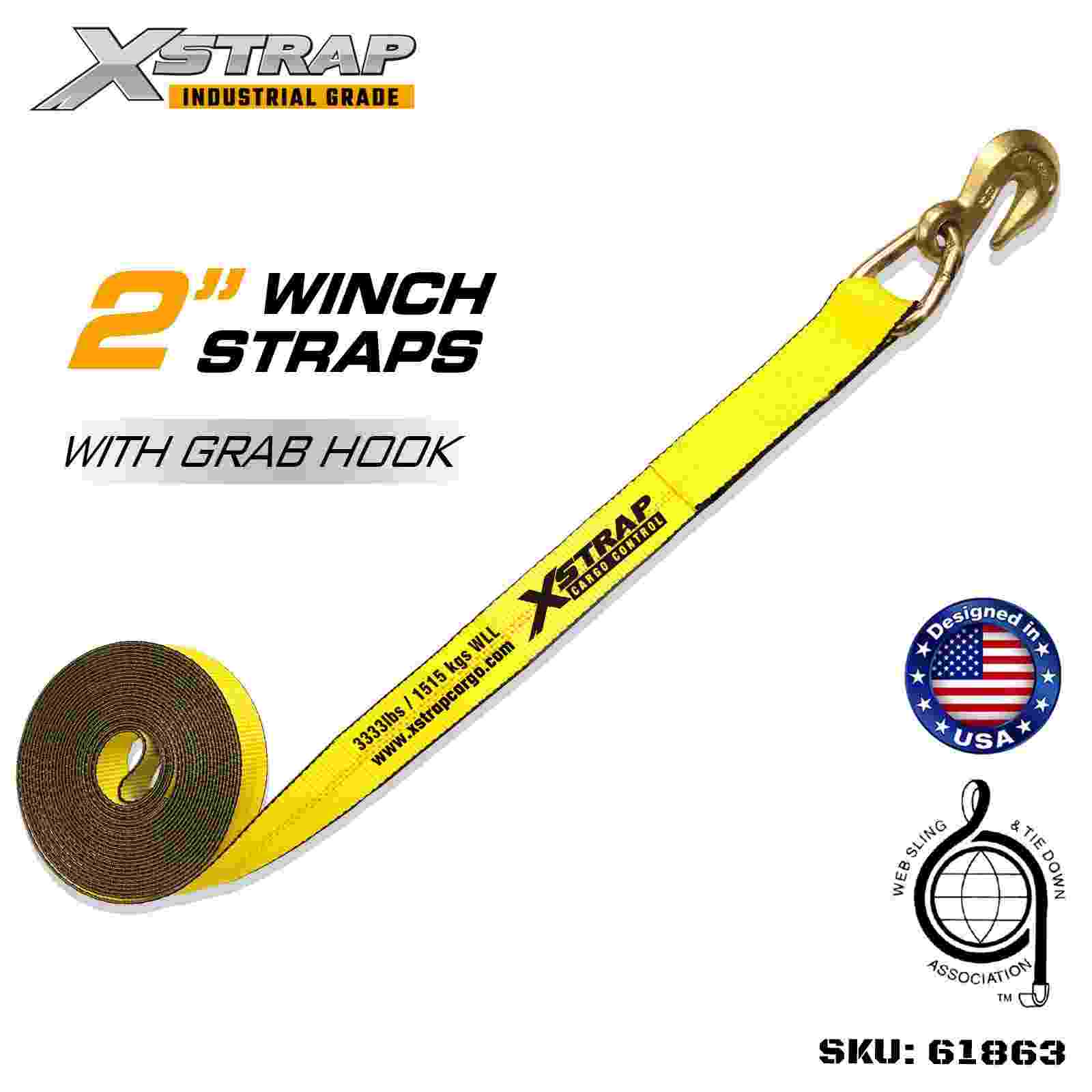
Recent News
 How Do You Choose the Right Utility Tie Downs and Bungee Cords for Your Needs
Introduction
When it comes to securing your gear for transport, storage, or organization, Utility Tie Downs and Bungee Cords are essential tools. Whether you're hauling heavy loads...
 The Ultimate Guide to Ratchet Straps: Choosing, Using, and Maintaining Them
Introduction to Ratchet Straps
What Are Ratchet Straps?
Ratchet straps, also known as tie-down straps or cargo straps, are a type of load securement tool widely used in transportat...
 How Can Ratchet Tie Down Standard Duty Straps Ensure Safe and Reliable Cargo Securement
What Are Ratchet Tie Down Straps and Why Are They Important for Cargo Securement?
Introduction to Ratchet Tie Down Straps
Ratchet tie down straps are essential tools for anyone inv...
 What are Ratchet Straps and how do they help you transport your items safely
What Are Ratchet Straps?
Ratchet straps, also known as ratchet tie-downs or cargo straps, are heavy-duty fastening tools designed to secure items during transportation. They consis...
 How to Properly Use Light Duty Ratchet Tie Downs for Maximum Load Security
Understanding the Basics of Ratchet Tie Down Light Duty Straps
Ratchet tie-down straps are a critical tool in the transportation, storage, and securement of goods. They are used to...
-
 +86-18112697781qindan355@gmail.comNo. 21 Yuefeng Road, Yangshe Town, Zhangjiagang City, Suzhou City, Jiangsu Province
 -
Quick Links
Social Media
-
OEM Partner
-


Copyright © 2025 Zhangjiagang SMK MFG. Co., Ltd. All rights reserved.
 Wholesale Tension Strap Manufacturers
Wholesale Tension Strap Manufacturers