
 English
 Français
 Español

Home / News / Industry News / Ratchet Tie Down Straps vs Packaging Straps: Which One Do You Actually Need
Ratchet Tie Down Straps vs Packaging Straps: Which One Do You Actually Need
2026-04-02
What Are Ratchet Tie Down Straps and Why They Matter
When it comes to securing cargo — whether you're shipping a pallet across the country or hauling equipment on a flatbed — the tools you choose make all the difference. Most people start with the basics: package tape, packaging nets, or simple packing straps. These work fine for lightweight, low-risk loads. But the moment you're dealing with anything heavy, shifting, or high-value, you need something more reliable. That's where ratchet tie down straps come in.
The Difference Between Packaging Straps, Packing Straps, and Ratchet Tie Down Straps
Packaging straps (also called package strapping or packing strapping) are typically narrow poly or steel bands used to bundle boxes, seal pallets, or hold packaged goods together during storage and transit. They're designed for compression — not for anchoring a load against dynamic movement.
Packing straps fall into a similar category. Combined with packaging nets, they create a lightweight containment system for shelves or shipping containers. Package tape is even more basic — adhesive-based, purely for sealing, with no structural load-bearing role whatsoever.
Ratchet tie down straps are engineered for a completely different job. They use a mechanical ratcheting mechanism to generate and hold significant tension, anchoring cargo firmly to a truck bed, trailer, or vehicle.
| Strap Type | Primary Use | Load Capacity | Tension Mechanism |
|---|---|---|---|
| Package strapping | Bundling / palletizing | Low (compression only) | Manual tensioner / heat seal |
| Packing straps | Warehouse / light logistics | Low–Medium | Hand tightening |
| Packaging nets | Surface containment | Low | Elastic / hook-based |
| Package tape | Box sealing | Minimal | Adhesive |
| Ratchet tie down straps | Cargo securing / transport | High (500–10,000+ lbs WLL) | Ratchet mechanism |
Why Ratchet Straps for Trucks Outperform Traditional Packing Strap Solutions
A standard packing strap will loosen over time. Road vibration, temperature changes, and cargo settlement all work against simple tension. Ratchet straps for trucks solve this through a one-way locking gear mechanism — once you ratchet down to your target tension, the strap physically cannot loosen on its own. Beyond holding power, ratchet straps offer adjustability, reusability, and versatility across widths from 1 inch to 4 inches.
Industries and Scenarios Where Ratchet and Straps Are Essential
Ratchet tie down straps span a wide range of industries: flatbed trucking, moving and relocation, motorsports and vehicle transport, agriculture, construction, and marine applications. In each of these settings, relying on packing straps, packaging nets, or basic package strapping simply isn't adequate.
Types of Ratchet Straps and Binding Equipment
Ratchet Strap Hooks: J-Hooks, Flat Hooks, Wire Hooks
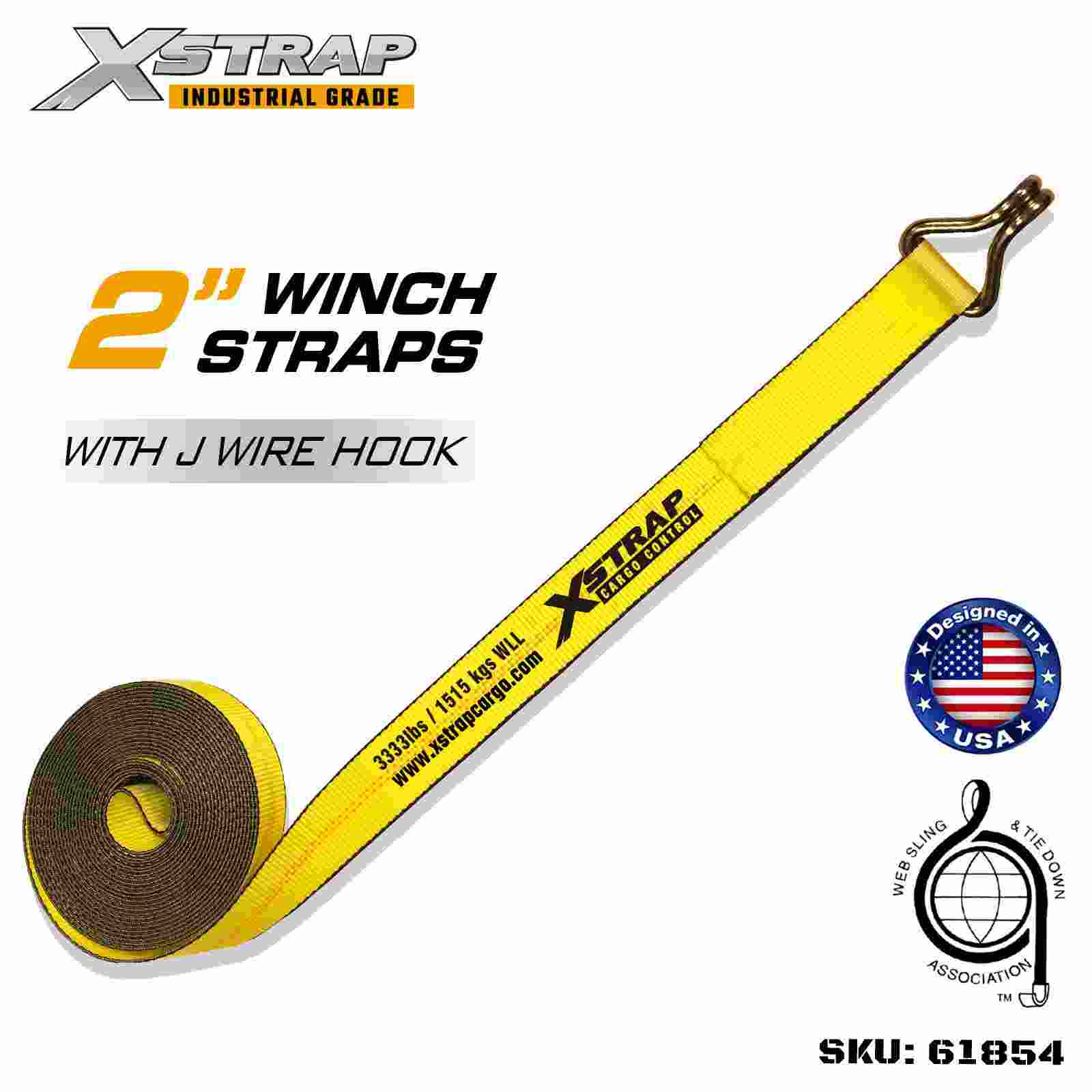
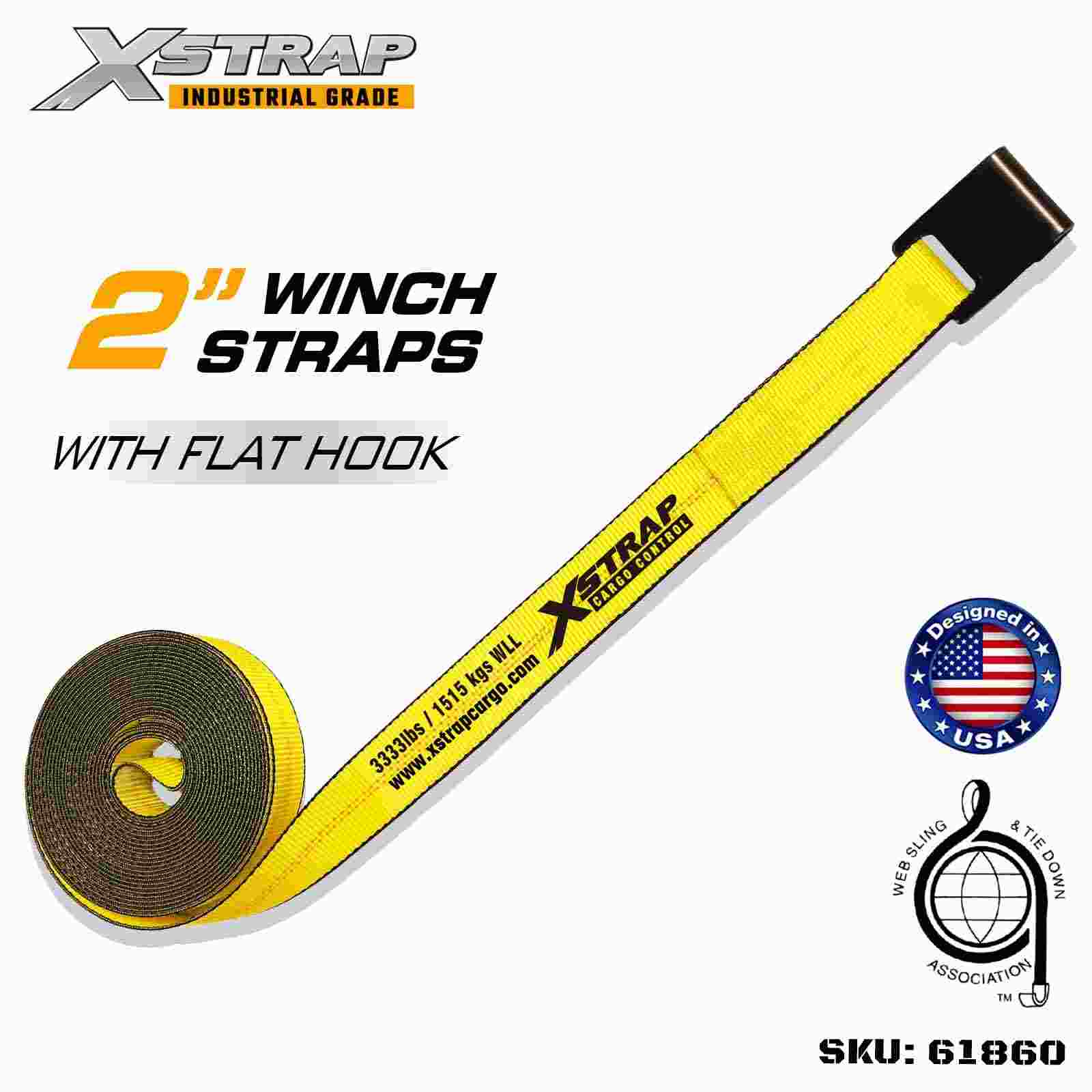
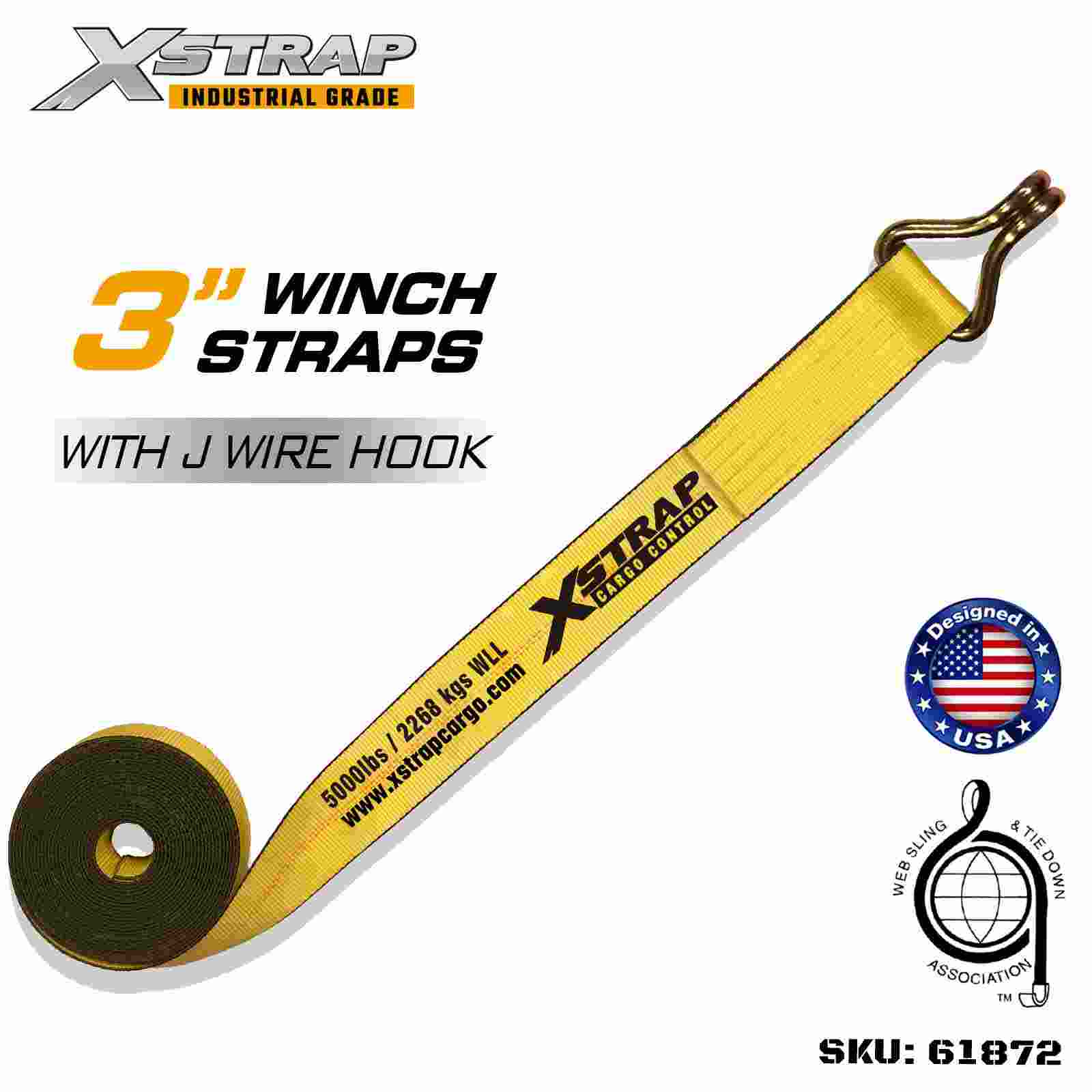
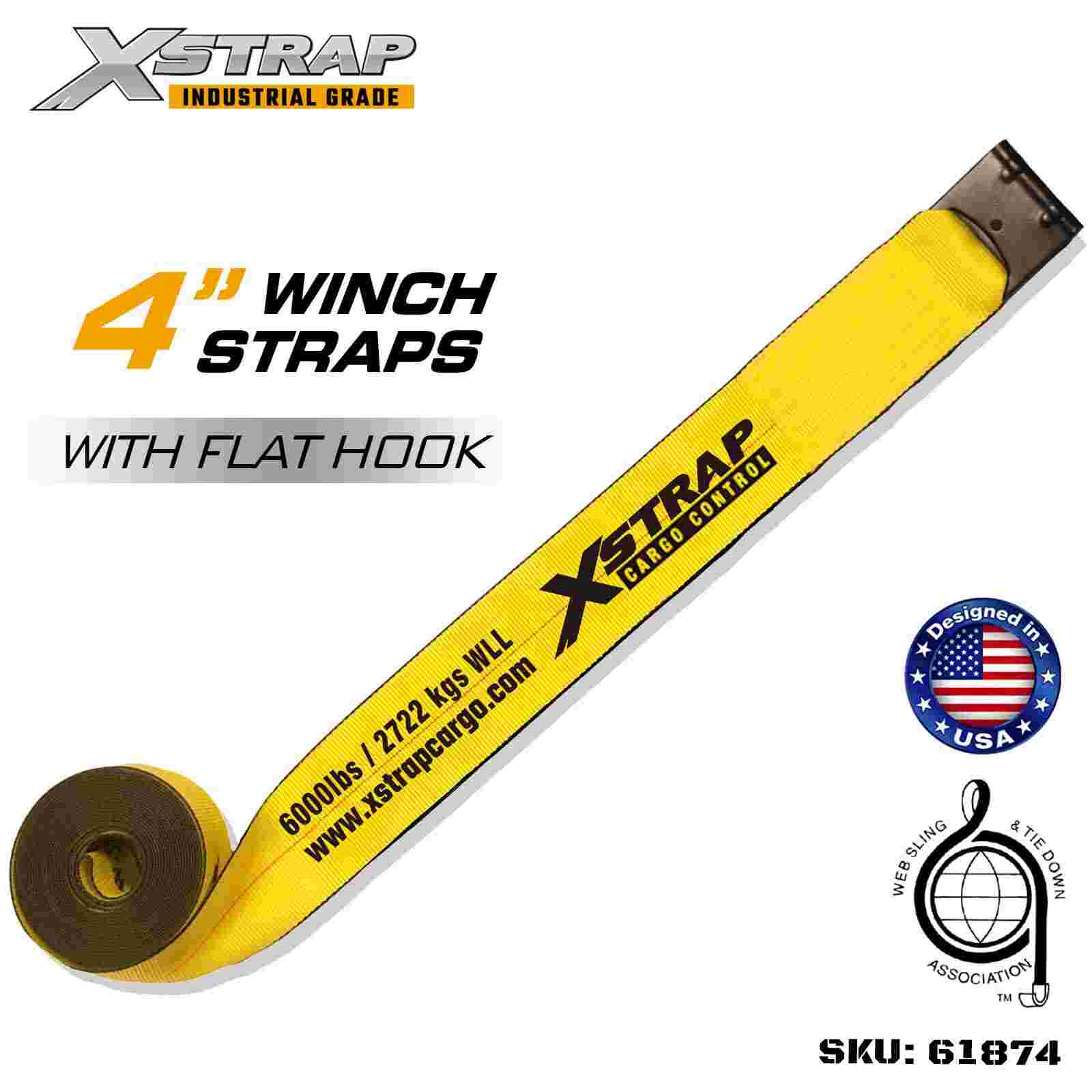
J-Hooks are the most common — fast to attach and widely compatible with standard tie-down rails and D-rings, making them the default choice for most ratchet straps for trucks. Flat Hooks are designed for E-track and A-track systems in enclosed trailers, sitting flush against the rail for reduced movement. Wire Hooks are lighter and better suited for motorcycles, ATVs, and narrow anchor points.
| Hook Type | Best For | Compatibility | Security Level |
|---|---|---|---|
| J-Hook | Flatbed / open trailer | D-rings, standard rails | Medium–High |
| Flat Hook | Enclosed trailer / moving truck | E-track, A-track | High |
| Wire Hook | Light cargo / recreational | Narrow anchor points | Medium |
Always check the ratchet strap hooks WLL independently — the weakest link sets the ceiling for the entire setup.
Ratchet Load Binder vs. Ratchet Strap
A ratchet strap uses polyester webbing for general cargo. A ratchet load binder is chain-based, used when webbing isn't strong enough — large steel coils, heavy construction equipment, oversized loads.
| Feature | Ratchet Strap | Ratchet Load Binder |
|---|---|---|
| Material | Polyester webbing | Steel chain |
| Typical WLL | 500 – 10,000 lbs | 5,400 – 22,600 lbs |
| Best for | General cargo, vehicles | Heavy machinery, steel, oversized loads |
| Weight | Light | Heavy |
| Storage | Compact, windable | Bulky |
Ratchet Load Binders: Chain Binders vs. Lever Binders
Ratchet load binders apply tension gradually — safer, more controlled, better for solo work. Lever binders apply tension in a single pull-down motion — faster but with a known snap-back risk.
| Feature | Ratchet Load Binder | Lever Binder |
|---|---|---|
| Tensioning method | Gradual ratchet | Single lever pull |
| Operator safety | Higher | Lower (snap-back risk) |
| Physical effort | Less | More |
| Preferred in | Professional / solo use | High-speed team loading |
Ratchet Strap Winder
A ratchet strap winder spools webbing into a tight, clean coil in seconds, preventing tangles, kinks, UV exposure, and abrasion. For anyone running ratchet straps for trucks daily, it's a time-saving tool that also extends webbing life.
How to Thread a Ratchet Tie Down — Step by Step
Step 1: Open the Ratchet Mechanism Fully
Pull the release tab and fold the ratchet handle all the way open — flat, so the handle and base form a straight line. This disengages the pawl and opens the mandrel slot. Trying to thread without fully opening is the most common beginner mistake with ratchet tie down straps.
Step 2: Feed the Webbing Through the Mandrel Slot
Push the loose webbing end through the mandrel slot from the bottom upward. Make sure the webbing isn't twisted, feed at least 6–8 inches of tail through, and straighten any frayed ends beforehand. This is the core of ratchet tie down how to thread — get the webbing seated cleanly and everything else follows.
Step 3: Pull the Slack Through
Pull the webbing hand-tight before ratcheting. The more slack left in the system, the more pumps required and the more webbing piles up inside the housing. Both hooks should already be attached to anchor points at this stage.
Step 4: Engage the Ratchet and Tighten
Close the handle halfway to re-engage the pawl, then pump in smooth, full strokes. Keep going until the strap is firm and the load doesn't move under pressure. Do not over-tighten — exceeding WLL stresses the webbing, damages cargo, and shortens strap life.
| Load Type | Recommended Tension Level |
|---|---|
| Soft goods / boxes | Snug — minimal deflection |
| Vehicles / motorcycles | Firm — suspension slightly compressed |
| Heavy equipment | Tight — no movement under hand pressure |
| Steel / lumber (flatbed) | Maximum working tension per WLL rating |
Step 5: Lock and Secure the Handle
Close the handle fully until it clicks. Fold any excess webbing tail back and secure with a strap keeper. Loose webbing at highway speed wears out fast and creates a hazard.
Common Threading Mistakes to Avoid
Threading from the top instead of the bottom causes bunching. Not opening the ratchet fully creates uneven tension. Leaving too much slack jams the mechanism. Twisting the webbing can reduce rated strength by 30–40%. Forgetting to lock the handle allows road vibration to slowly loosen the strap over time.
How to Use Ratchet Tie Down Straps Correctly
Choosing the Right Strap for Your Load
Break Strength is the lab failure point — never work near it. WLL is the operational ceiling, typically one-third of break strength. Combined WLL of all straps should equal at least half the cargo weight.
| Strap Width | Typical WLL | Common Application |
|---|---|---|
| 1 inch | 500 – 833 lbs | Motorcycles, small equipment |
| 1.5 inch | 1,000 – 1,500 lbs | ATVs, lawn equipment, light cargo |
| 2 inch | 1,333 – 3,300 lbs | Vehicles, furniture, general freight |
| 3 inch | 3,000 – 5,400 lbs | Heavy equipment, large machinery |
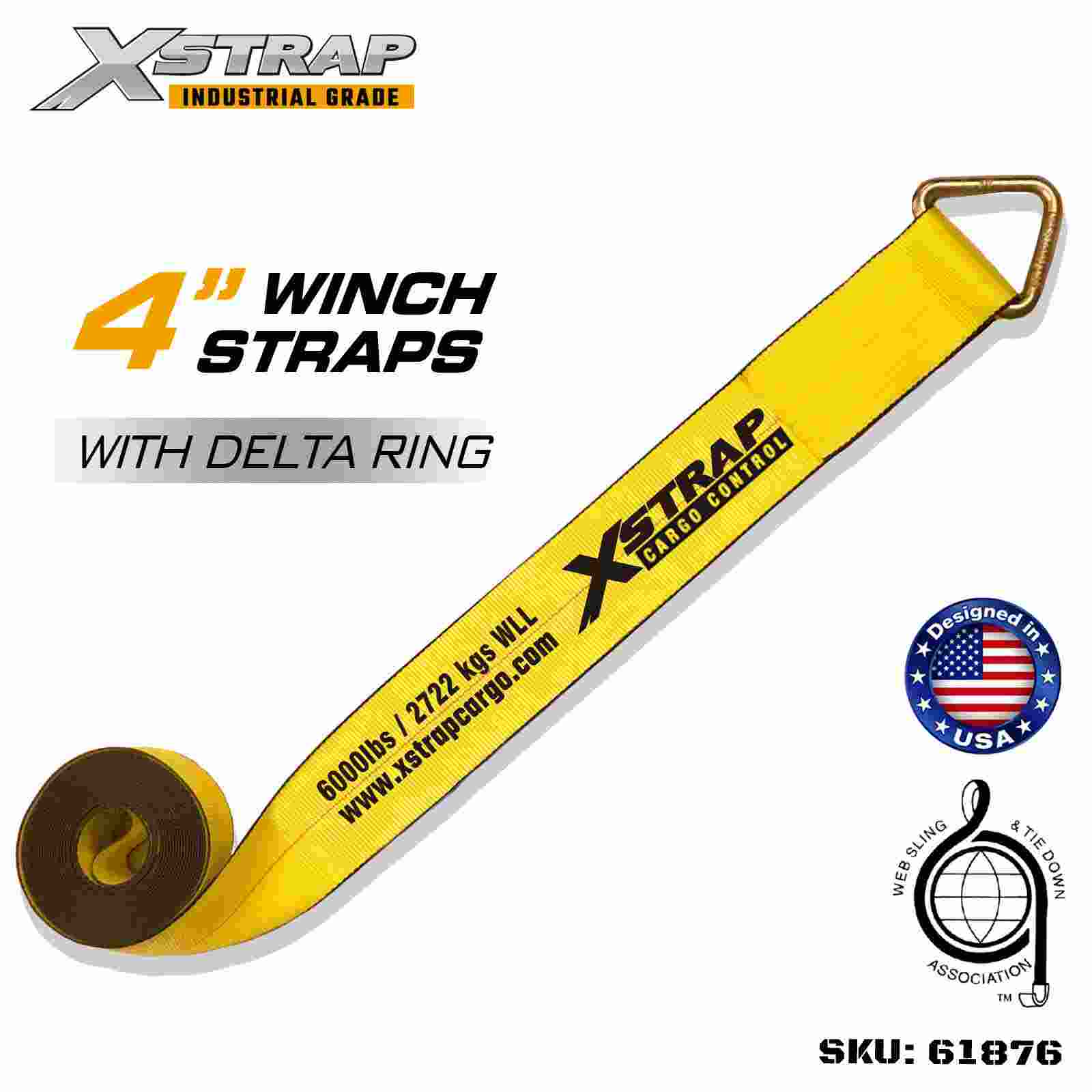
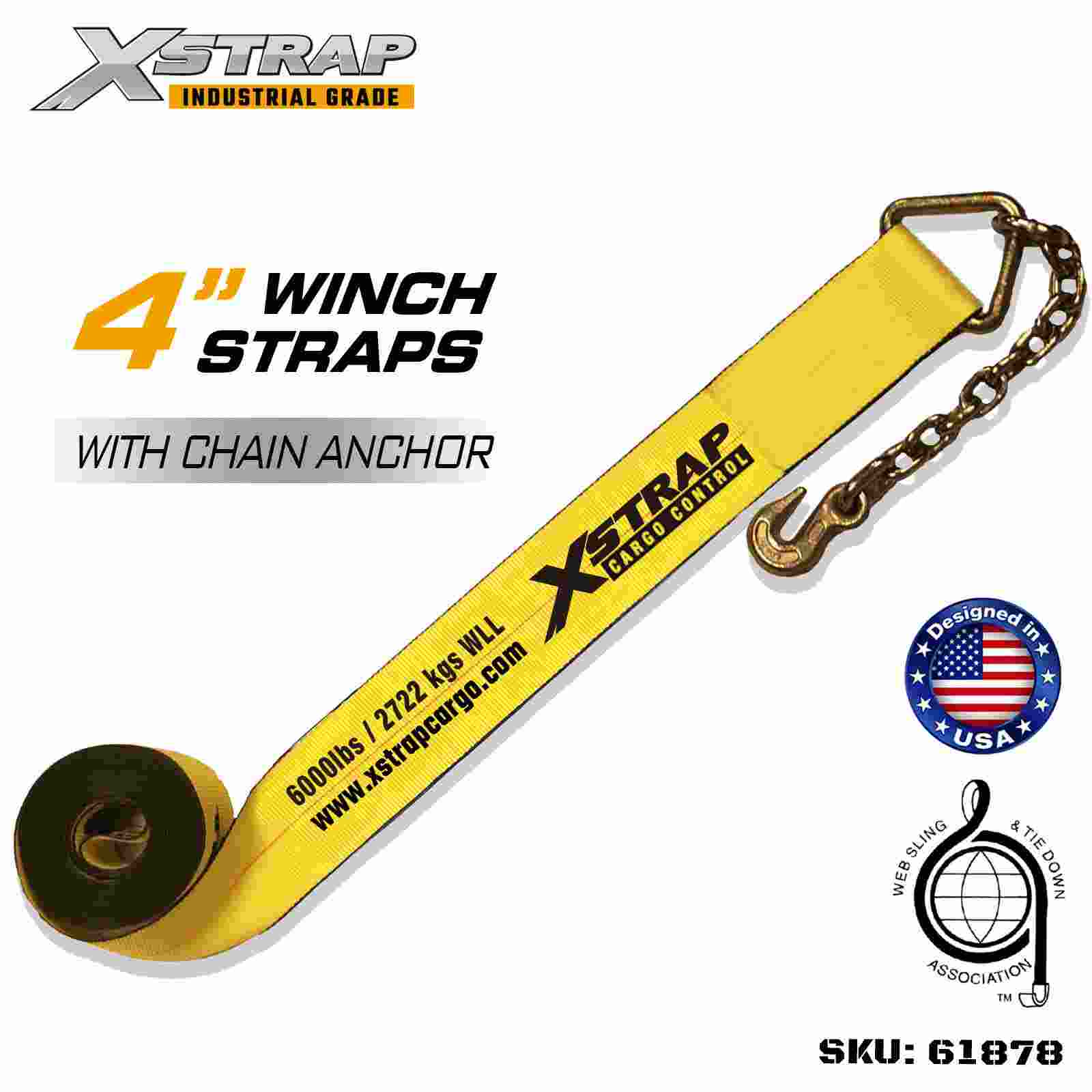
| 4 inch | 5,000 – 10,000 lbs | Industrial loads, flatbed heavy freight |
Proper Hook Placement and Anchor Point Selection
Hook to purpose-built D-rings and tie-down rails only. Never hook to suspension components, thin sheet metal, plastic trim, or wiring. The ideal ratchet tie down strap angle is 45 degrees — balanced horizontal and vertical force.
| Anchor Angle | Effect on Load |
|---|---|
| Too flat (under 20 degrees) | Mostly horizontal pull — poor vertical hold |
| 45 degrees | Balanced horizontal and vertical force — ideal |
| Too steep (over 70 degrees) | Mostly vertical — poor resistance to forward shift |
Ratchet Straps for Trucks and Flatbed Applications
Cargo must be secured against movement in all four directions. Minimum strap counts under DOT guidelines:
| Load Length | Minimum Straps Required |
|---|---|
| Under 5 feet | 1 strap |
| 5 – 10 feet | 2 straps |
| 10 – 15 feet | 3 straps |
| Each additional 10 feet | +1 strap |
Use edge protectors wherever ratchet tie down straps run over sharp corners.
Over-Tightening Risks
Excessive tension degrades webbing permanently, damages cargo, stresses anchor points, and can paradoxically loosen on compressible loads. Re-check tension after the first 50 miles on any long haul.
Packaging Straps vs. Ratchet Straps — Choosing the Right Solution
Packaging straps, packing strapping, and packing straps are built for static compression in controlled environments. Use them for bundling pallets, containing shelf goods, and light logistics. Package tape is for sealing only — no structural role.
Switch to ratchet tie down straps when the load is on a moving vehicle, weighs over 100 lbs, is irregular in shape, or requires DOT compliance. The key distinction: packaging straps hold things together. Ratchet tie down straps hold things in place.
| Factor | Packing Strapping | Ratchet Tie Down Straps |
|---|---|---|
| Upfront cost | Low | Medium–High |
| Reusability | Single use | Multi-use (years of service) |
| Dynamic load resistance | None | High |
| Cost per use (long term) | Higher than it appears | Lower than it appears |
Safety Standards, Care and Maintenance
Inspecting Before Each Use
Check webbing for cuts, fraying, discoloration, and mold. Check the ratchet for bent housing, worn teeth, and weak spring tension. Check ratchet strap hooks for deformation, cracks, and latch function. Any issue found — retire the strap immediately, no exceptions.
Cleaning and Drying
Hand wash in warm water with mild soap. Rinse thoroughly. Air dry away from direct heat — high temperatures weaken polyester fibers. Never store damp straps; moisture corrodes hardware and degrades webbing coating over time.
When to Retire
| Condition | Action |
|---|---|
| Cut or nick in webbing | Retire immediately |
| Edge fraying over 6mm | Retire immediately |
| Hook deformation | Retire immediately |
| Ratchet slippage | Retire immediately |
| WLL label worn off | Retire — don't guess |
| Heavy daily use over 2–3 years | Inspect closely, likely retire |
Cut through retired webbing before disposal to prevent anyone from putting it back into use.
DOT Regulations for Ratchet Straps for Trucks
Under 49 CFR Part 393, all tie-downs must be in good working condition. Aggregate WLL must meet or exceed 50% of cargo weight. Drivers must inspect securement within the first 50 miles and at every change of duty status. Violations carry fines and can result in vehicles being placed out of service.
FAQ
Q: What's the difference between a ratchet load binder and a ratchet strap?
A ratchet strap uses polyester webbing for loads up to around 10,000 lbs. A ratchet load binder works with steel chain for extreme heavy haul — excavators, steel coils, large industrial equipment. Different tools for fundamentally different weight classes.
Q: How tight should ratchet tie down straps be?
Tight enough that the load doesn't move under firm hand pressure — not so tight you're maxing out the mechanism. Press hard against the load from the side. If it shifts more than an inch, tighten up. Re-check after the first 50 miles.
Q: Can I use packaging straps instead of ratchet straps for truck loads?
No. Packaging straps and packing strapping have no resistance to the dynamic forces of road transport. On public roads, ratchet tie down straps are the legal and practical minimum for open vehicle cargo.
Q: How do I release a ratchet strap that's stuck?
Push the handle fully open while pulling the release tab simultaneously. If still stuck, reduce load pressure slightly — even small tension relief can free the mechanism. Never force the release lever with tools; that bends the housing and ruins the ratchet.
Q: What do WLL and break strength mean?
Break strength is the lab failure point — reference only. WLL is the safe operational maximum, typically one-third of break strength. Always base load decisions on WLL exclusively.
| Term | Definition | How to Use It |
|---|---|---|
| Break Strength | Lab failure point | Reference only |
| WLL | Safe operational maximum | Base all calculations on this |
| Safety Factor | Ratio of break to WLL | Typically 3:1 |
Q: How many ratchet straps for trucks do I need?
DOT minimums: one strap under five feet, two for five to ten feet, plus one per additional ten feet. In practice, add extra straps for heavy, irregular, or high-value loads. A standard vehicle on a car hauler uses four — one per wheel.
Q: Are ratchet strap hooks universal?
Hook profiles are somewhat standardized but WLL ratings are not. Always match hook and webbing to the same WLL range. A high-rated strap with an undersized hook creates a failure point before the strap reaches its limit.
Q: How do I store ratchet tie down straps to prevent tangling?
Use a ratchet strap winder for the fastest, cleanest result. If storing manually, fold the webbing in flat loops and wrap the last foot around the bundle. Never coil around your hand — this creates a spiral twist that weakens the strap at stress points over time.
Popular Products
Recent News
 How Do You Choose the Right Utility Tie Downs and Bungee Cords for Your Needs
Introduction
When it comes to securing your gear for transport, storage, or organization, Utility Tie Downs and Bungee Cords are essential tools. Whether you're hauling heavy loads...
 The Ultimate Guide to Ratchet Straps: Choosing, Using, and Maintaining Them
Introduction to Ratchet Straps
What Are Ratchet Straps?
Ratchet straps, also known as tie-down straps or cargo straps, are a type of load securement tool widely used in transportat...
 How Can Ratchet Tie Down Standard Duty Straps Ensure Safe and Reliable Cargo Securement
What Are Ratchet Tie Down Straps and Why Are They Important for Cargo Securement?
Introduction to Ratchet Tie Down Straps
Ratchet tie down straps are essential tools for anyone inv...
 What are Ratchet Straps and how do they help you transport your items safely
What Are Ratchet Straps?
Ratchet straps, also known as ratchet tie-downs or cargo straps, are heavy-duty fastening tools designed to secure items during transportation. They consis...
 How to Properly Use Light Duty Ratchet Tie Downs for Maximum Load Security
Understanding the Basics of Ratchet Tie Down Light Duty Straps
Ratchet tie-down straps are a critical tool in the transportation, storage, and securement of goods. They are used to...
-
 +86-18112697781qindan355@gmail.comNo. 21 Yuefeng Road, Yangshe Town, Zhangjiagang City, Suzhou City, Jiangsu Province
 -
Quick Links
Social Media
-
OEM Partner
-


Copyright © 2025 Zhangjiagang SMK MFG. Co., Ltd. All rights reserved.
 Wholesale Tension Strap Manufacturers
Wholesale Tension Strap Manufacturers