
 English
 Français
 Español

Home / News / Industry News / How to Choose and Maintain Ratchet Straps, Cargo Straps, and E Track Straps for Heavy Cargo
How to Choose and Maintain Ratchet Straps, Cargo Straps, and E Track Straps for Heavy Cargo
2026-05-22
High-Load Logistics Transport Safety Core: Selecting and Maintaining ratchet straps, cargo straps, and e track straps
In modern logistics and industrial transportation, ensuring cargo stability on heavy trucks, containers, or flatbed trailers is a critical link to reduce transit damage and guarantee road safety. Facing various specifications and materials of tie-down tools, procurement personnel and transport supervisors need to thoroughly understand the technical parameters and application scenarios of different freight securing straps. This article provides an in-depth professional analysis of highly frequently used ratchet straps, cargo straps, and e track straps designed specifically for enclosed trailers, helping make precise selection decisions in high-intensity operations.
Technical Characteristics and Application Scenarios of Core Securing Tools
In complex transport environments, different cargo shapes and transport vehicles determine that specific types of tie-down straps must be used. The following are the professional positions of the three core securing tools:
ratchet straps
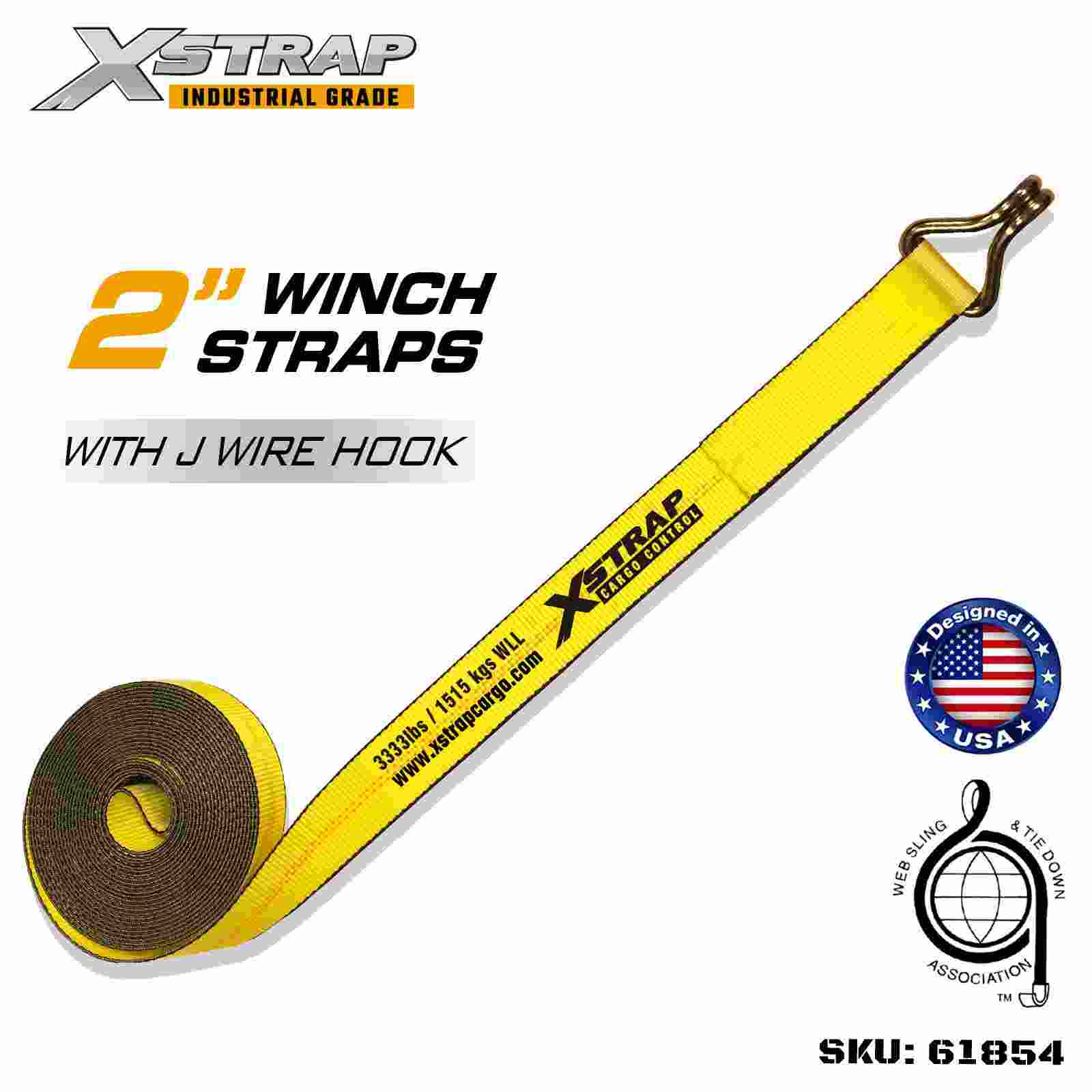
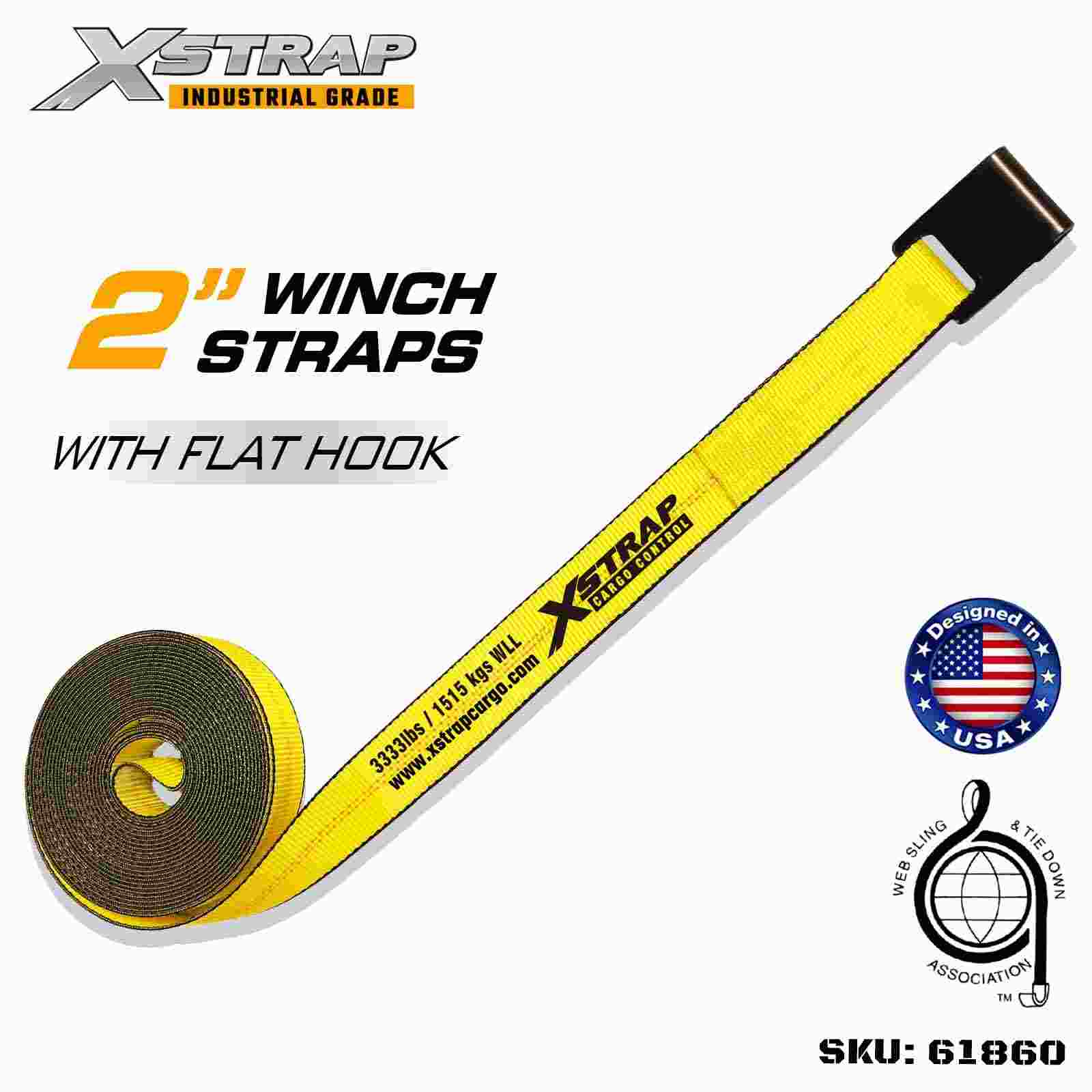
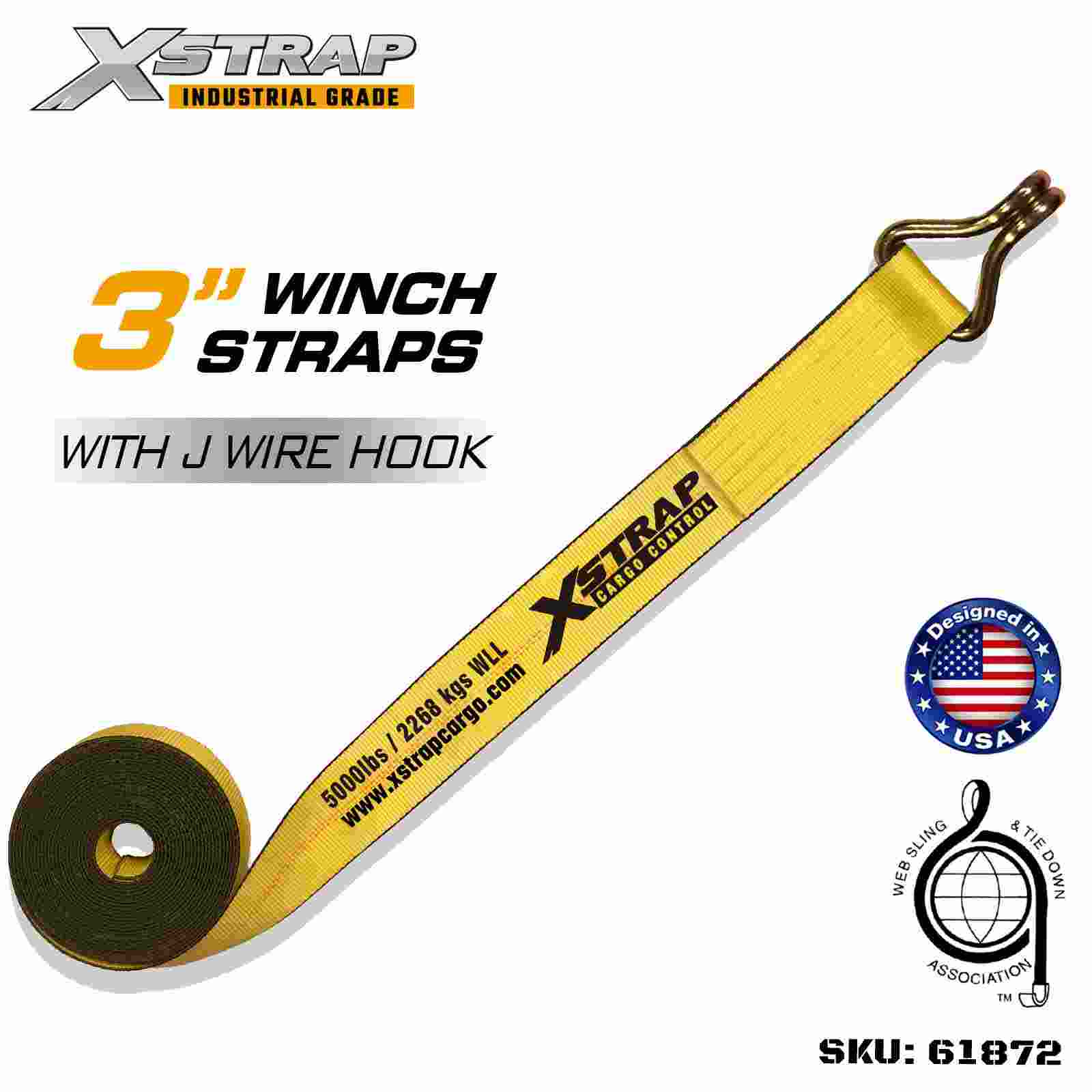
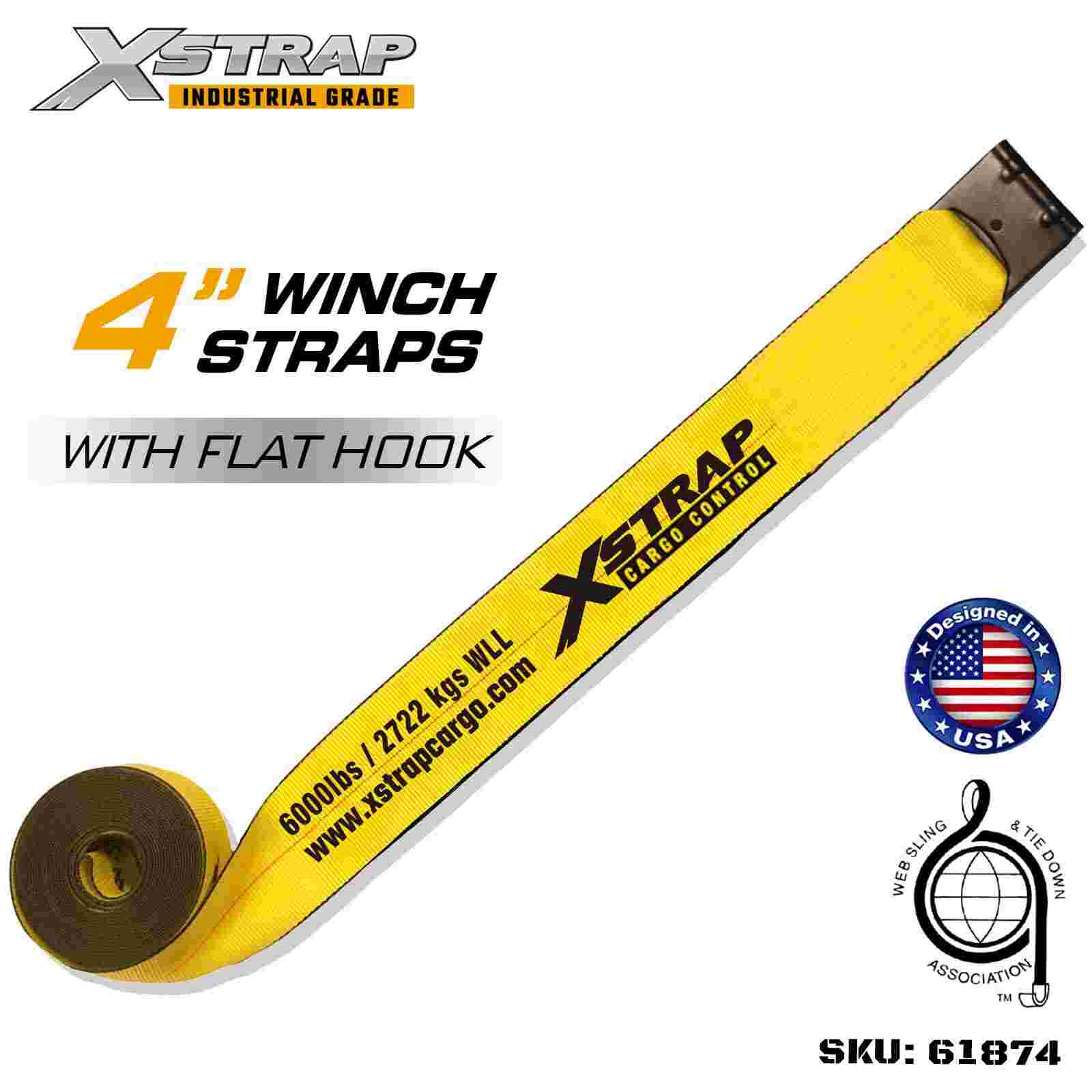
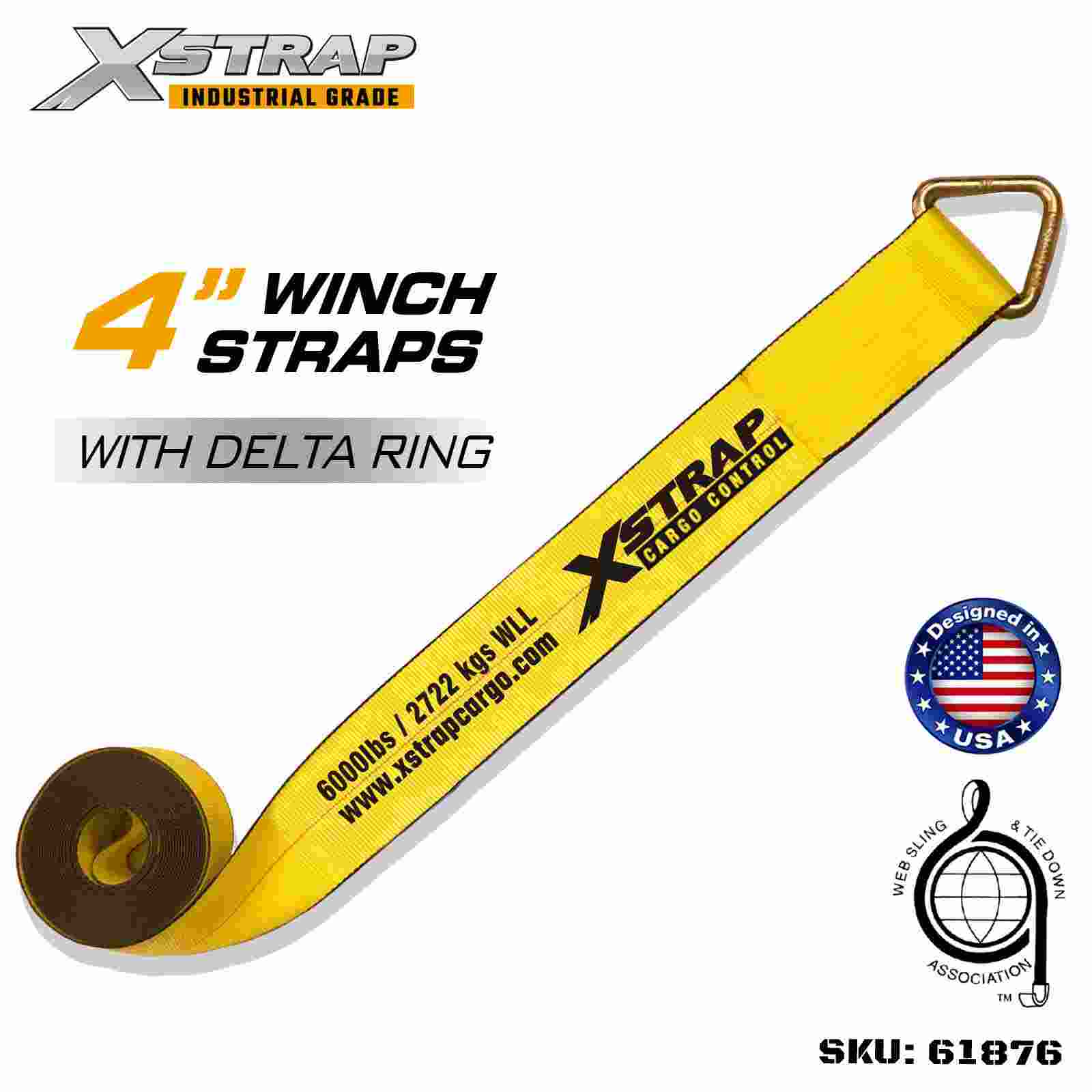
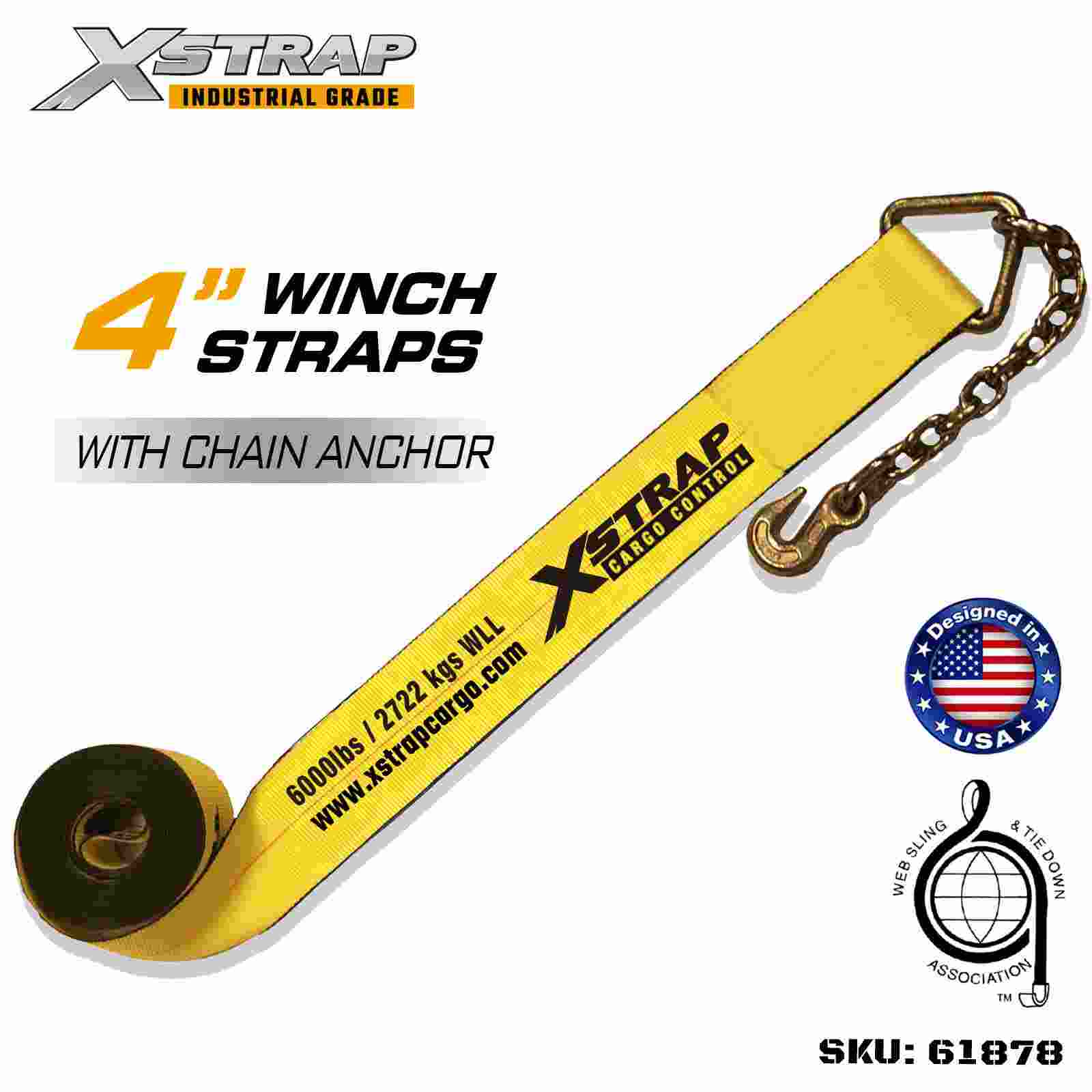
ratchet straps rely on a mechanical ratchet structure to provide powerful mechanical advantage, capable of applying extremely high pre-tensioning force. These securing straps usually utilize high-strength polyester webbing, featuring extremely low elongation and excellent UV resistance. When transporting large machinery, steel, or structural building components on open flatbed trailers, ratchet straps effectively prevent cargo from shifting due to vehicle bumps or sudden braking. Common end fittings include Double J Hooks and Flat Hooks to adapt to different vehicle anchor points.
cargo straps
cargo straps broadly encompass all tie-down straps used for securing cargo, but in practical industrial applications, the term more frequently refers to modular securing systems utilizing cam buckles or lightweight tensioning devices. Compared to the extremely strong tensioning force of a ratchet mechanism, some cam buckle cargo straps rely on manual pulling and spring clip locking, which effectively avoids crushing fragile cargo due to over-tensioning. This makes cargo straps highly suitable for securing palletized goods, carton packages, home appliances, or motorcycles where fine control over pressure is required.
e track straps
e track straps are cargo safety straps specifically designed to pair with standard E-Track systems. The end fittings of these securing straps are welded with specialized E-Track spring fittings, which can instantly click into the track slots on the interior walls of trucks, box vans, or ocean shipping containers. The greatest advantage of e track straps is turning discrete anchor points into lines and surfaces, greatly improving space utilization inside enclosed trailers, particularly suitable for multi-temperature cold chain logistics and high-density turnover box securing.
Core Securing Strap Parameters and Mechanical Performance Comparison
To provide a direct reference during technical selection, the key physical parameters and mechanical performance of different specifications of securing straps are listed below. In standard industrial manufacturing, the safety factor is typically set at 3:1.
| Evaluation Indicator | ratchet straps (Heavy Duty) | cargo straps (Standard Duty) | e track straps (Trailer Specific) |
| Standard Webbing Width | 2 inches / 3 inches / 4 inches | 1 inch / 1.5 inches / 2 inches | 2 inches |
| Working Load Limit (WLL) | 3,333 lbs - 5,400 lbs | 500 lbs - 1,466 lbs | 1,000 lbs - 1,500 lbs |
| Minimum Breaking Strength (MBS) | 10,000 lbs - 16,200 lbs | 1,500 lbs - 4,400 lbs | 3,000 lbs - 4,500 lbs |
| Main Material Elongation | Less than 7% (High-Tension Polyester) | Less than 10% (Polyester or Nylon) | Less than 7% (Low-Stretch Polyester) |
| End Fitting Types | Double J Hooks, Flat Hooks, Endless Loop | Cam Buckles, S-Hooks, Light J-Hooks | E-Track Spring Fittings |
| Optimal Application Environment | Outdoor Flatbeds, Heavy Industrial Goods | Box Trucks, Light Pallets, Small Cargo | Enclosed Trailers with E-Tracks Installed |
Wear Identification and Failure Prevention Technical Guide
High-frequency utilization and complex onsite environments inevitably cause fatigue to webbing and metal hardware. Accurately identifying safety hazards and executing standardized operational procedures directly prevents major property loss during transit.
Physical Damage Assessment on Webbing Surface
Polyester webbing can easily sustain cuts or severe abrasion when passing over cargo edges without corner protectors. According to international transport safety standards, if ratchet straps or cargo straps exhibit cuts, tears, or obvious acid-alkali chemical corrosion marks exceeding 10% of the total webbing width along the edges, they must be pulled from service and scrapped immediately. Fading accompanied by webbing stiffness due to long-term sun exposure usually signifies UV degradation of the fibers, which causes a substantial drop in impact tensile strength.
Inspection of Metal Tensioners and End Fittings
For e track straps, the core potential risk lies in the fatigue of the spring attachment pieces and the deformation of the E-Track rails themselves. During inspection, verify whether the spring clips possess sufficient rebound force and whether the hooks lock completely into the track slots. For the ratchet mechanisms of ratchet straps, check the gear wear status and the looseness of the handle pin shafts regularly; utilizing bent, cracked, or severely corroded metal components is strictly prohibited.
Correct Tensioning and Release Standards
When operating ratchet straps, the number of webbing layers wound into the central mandrel spool should be maintained between 2 to 4 turns. Too few turns cause insufficient friction, leading to slippage during bumpy transit, while too many turns create excessive webbing buildup at the spool core, jamming the ratchet mechanism. When unloading cargo or releasing the tensioned state of e track straps or various cargo straps, confirm that the cargo has no tendency to lean toward the tilting side to prevent cargo toppling or snapping outward upon the instantaneous release of pre-tensioning force.
Popular Products
Recent News
 How Do You Choose the Right Utility Tie Downs and Bungee Cords for Your Needs
Introduction
When it comes to securing your gear for transport, storage, or organization, Utility Tie Downs and Bungee Cords are essential tools. Whether you're hauling heavy loads...
 The Ultimate Guide to Ratchet Straps: Choosing, Using, and Maintaining Them
Introduction to Ratchet Straps
What Are Ratchet Straps?
Ratchet straps, also known as tie-down straps or cargo straps, are a type of load securement tool widely used in transportat...
 How Can Ratchet Tie Down Standard Duty Straps Ensure Safe and Reliable Cargo Securement
What Are Ratchet Tie Down Straps and Why Are They Important for Cargo Securement?
Introduction to Ratchet Tie Down Straps
Ratchet tie down straps are essential tools for anyone inv...
 What are Ratchet Straps and how do they help you transport your items safely
What Are Ratchet Straps?
Ratchet straps, also known as ratchet tie-downs or cargo straps, are heavy-duty fastening tools designed to secure items during transportation. They consis...
 How to Properly Use Light Duty Ratchet Tie Downs for Maximum Load Security
Understanding the Basics of Ratchet Tie Down Light Duty Straps
Ratchet tie-down straps are a critical tool in the transportation, storage, and securement of goods. They are used to...
-
 +86-18112697781qindan355@gmail.comNo. 21 Yuefeng Road, Yangshe Town, Zhangjiagang City, Suzhou City, Jiangsu Province
 -
Quick Links
Social Media
-
OEM Partner
-


Copyright © 2025 Zhangjiagang SMK MFG. Co., Ltd. All rights reserved.
 Wholesale Tension Strap Manufacturers
Wholesale Tension Strap Manufacturers