
 English
 Français
 Español

Home / News / Industry News / How Can You Ensure a Safe Transport? A Master Guide to Choosing and Using Auto Hauler Straps and Car Tie Down Straps
How Can You Ensure a Safe Transport? A Master Guide to Choosing and Using Auto Hauler Straps and Car Tie Down Straps
2026-01-23
Mechanics of Vehicle Securement and Core Logic
In the field of modern logistics and vehicle relocation, ensuring the absolute immobility of a vehicle on its transport platform is the cornerstone of operational safety. Auto Hauler Straps are not merely ropes; they are precision-engineered components designed to manage complex physical forces. To understand the importance of these tools, one must first explore the dynamic environment of transport and how Car Tie Down Straps utilize specific physical properties to counteract destructive forces.
Dynamic Challenges and Response: A Multidimensional Battle of Forces
When a vehicle is placed on an open or enclosed trailer, it transitions from a static object to a dynamic mass coupled with the transport unit.
Longitudinal Inertia: This is the most common source of stress. When a transport truck brakes suddenly or accelerates on a highway, the towed vehicle generates massive forward or backward displacement tendencies. Car Tie Down Straps must be able to withstand instantaneous impact forces several times the weight of the vehicle. If the strap's stretch rate is too high, the vehicle may collide with trailer bulkheads or other cargo.
Lateral Centrifugal Force: During cornering, lane changes, or exposure to strong crosswinds, vehicles with a high center of gravity tend to shift sideways. The cross-pattern or four-point securement of Auto Hauler Straps is designed to lock down this lateral sway, preventing the vehicle from veering off the deck.
Vertical Bounce and Suspension Compression: Impact loads from uneven road surfaces are a primary cause of securement failure. When a trailer hits a pothole, the towed vehicle's shock absorbers compress violently. If Car Tie Down Straps are attached directly to the frame, this compression causes the straps to go slack momentarily, followed by a secondary snap force that can easily break hooks or hardware.
The Material Science of Webbing: Why Polyester?
Professional-grade Auto Hauler Straps are manufactured almost exclusively from high-tenacity industrial polyester webbing.
Minimal Stretch: Compared to nylon, which can stretch over 10%, polyester maintains an elongation rate of less than 3% under full load. This ensures that once a vehicle is locked down with Car Tie Down Straps, its range of motion is virtually eliminated.
Weather Resistance: Transport equipment is constantly exposed to the elements. Polyester has a natural resistance to ultraviolet (UV) rays, meaning Auto Hauler Straps will not become brittle as quickly as other synthetic fibers. Furthermore, polyester does not absorb water, ensuring that Car Tie Down Straps maintain their strength in rain or snow.
Chemical Stability: Road oils, fuels, and de-icing salts are highly corrosive. The chemical stability of Auto Hauler Straps ensures long-term reliability in harsh industrial environments.
Key Parameter Comparison: WLL vs. Break Strength
Understanding the labels on your Auto Hauler Straps is a mandatory safety requirement for any transporter.
| Parameter | Definition and Significance |
| Break Strength | The maximum load at which the strap or hardware fails in a laboratory setting. |
| Working Load Limit (WLL) | The maximum recommended load for daily use, usually 1/3 of the break strength. |
| Safety Factor | The 3:1 ratio between break strength and WLL, designed to handle unexpected road shocks. |
Primary Types of Auto Hauler Straps and Specialized Applications
Depending on the vehicle type, trailer design, and required protection level, Car Tie Down Straps are categorized into several specialized systems.
Over-the-Tire Straps
This is widely considered the gold standard in the professional car hauling industry. By applying tension directly to the tires, Auto Hauler Straps allow the vehicle's suspension to move naturally, preventing unnecessary stress on the chassis or shock absorbers. These are ideal for multi-car carriers and aluminum deck trailers where tire-specific anchoring is preferred.
Lasso and Wheel Straps
The versatility of these Car Tie Down Straps makes them a favorite for tow truck operators. The webbing passes through the gaps in the wheel rim, forming a closed loop that connects to a ratchet. Auto Hauler Straps with a lasso design can adapt to almost any wheel shape, making them perfect for vehicles without standard tie-down points.
Side Mount Wheel Nets
These are highly protective Car Tie Down Straps that provide maximum containment. They cover the top and sides of the tire like a net. This design offers superior lateral stability, preventing the tire from shifting horizontally on the deck. For narrow trailers or exotic supercars, these Auto Hauler Straps provide a vital double-insurance layer.
Core Components of High-Quality Car Tie Down Straps
A top-tier securement system is comprised of several high-performance components working in unison.
Precision Ratchet Construction
The ratchet is the heart of the Auto Hauler Straps system. Wide handles provide better grip and allow for operation while wearing gloves. The longer handle design uses leverage to ensure the operator can apply maximum tension to the Car Tie Down Straps with minimal physical effort. Gears in premium Auto Hauler Straps are heat-treated for extreme hardness, preventing the slipping effect common in low-quality hardware.
Specialized End Fittings
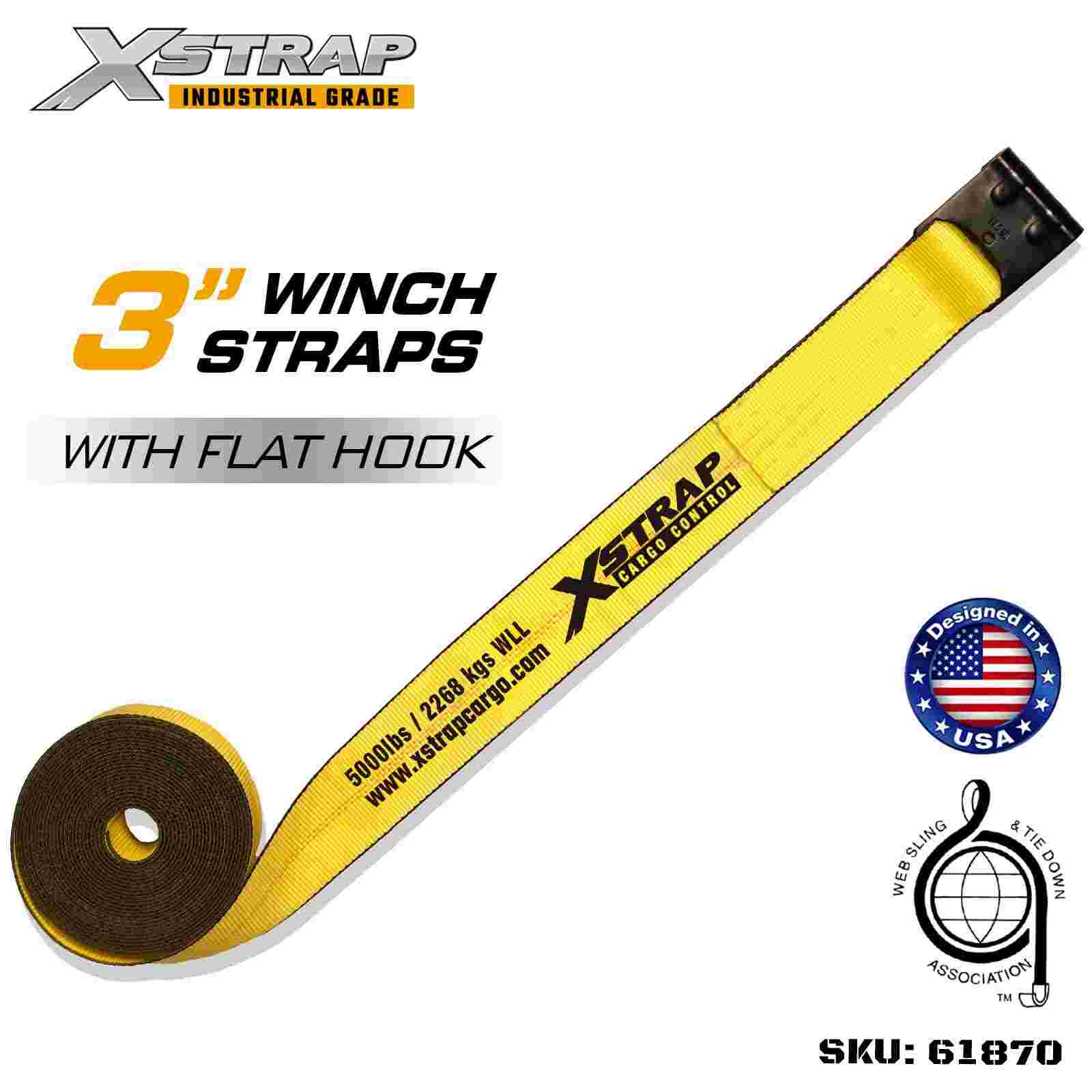
The hooks on your Car Tie Down Straps must be perfectly matched to the trailer anchor points. Swivel J-Hooks can rotate 360 degrees, preventing the webbing of the Auto Hauler Straps from twisting, which is critical for even load distribution. R-Hooks and T-Hooks are specifically designed for factory-drilled holes in a vehicle frame. Flat Hooks are best used for securing to side rails or flat bar anchor points on the trailer.
Professional Installation: How to Scientifically Apply Auto Hauler Straps
Installing Car Tie Down Straps is both a technical skill and a safety discipline.
Preparation Phase
Before loading, inspect the trailer deck for oil or debris. Stones can be pressed into the tire by the high pressure of Auto Hauler Straps, potentially causing tire damage or cutting the webbing. Ensure the vehicle is centered to maintain proper tongue weight balance.
The Four-Point Principle
Regardless of the vehicle type, you must use four independent Car Tie Down Straps. The ideal angle for Auto Hauler Straps is between 30 and 45 degrees. An angle that is too vertical fails to prevent sliding, while an angle that is too horizontal lacks sufficient downward pressure. Ensure the tension is balanced between the left and right Car Tie Down Straps to prevent the vehicle from walking toward the tighter side during transit.
Tensioning and Locking
When operating the ratchet, observe the webbing as it winds around the mandrel. It usually requires 2 to 3 full wraps to ensure the friction is sufficient to lock the Auto Hauler Straps. Once tightened, always secure the excess webbing to prevent it from flapping in the wind and damaging the vehicle paint.
Maintenance and Inspection: Life Cycle Management of Auto Hauler Straps
Neglecting the condition of your Car Tie Down Straps is a major safety risk.
Inspection Checklist (Every Trip)
Check if Auto Hauler Straps have come into contact with hot exhaust pipes, as heat can melt fibers instantly. Look for small nicks in the webbing. Under tension, a tiny cut can unzip the entire width of the Car Tie Down Straps. Inspect ratchet side plates for bending and hooks for any signs of opening or stretching.
Environmental Management
In cold climates, moisture can freeze inside the fibers of Auto Hauler Straps, making them stiff. Do not force them to bend; allow them to warm up. Periodically apply a dry lubricant to the moving parts of the ratchet to ensure the Car Tie Down Straps can lock and release accurately in sub-zero temperatures. After exposure to road salt, rinse the hardware of your Auto Hauler Straps with fresh water to prevent corrosion.
FAQ: Industry Insights on Car Tie Down Straps
Why cannot I use industrial lifting slings instead of Auto Hauler Straps?
This is a dangerous misconception. Lifting slings are designed with higher stretch for cushioning loads and lack the self-locking ratchet mechanisms found in Car Tie Down Straps, which are specifically built for the constant vibration of road transport.
How do I handle Car Tie Down Straps in an enclosed trailer?
Enclosed trailers often use E-Track or L-Track systems. In this case, your Auto Hauler Straps must be equipped with the corresponding track fittings. The focus here is preventing the vehicle from contacting the interior walls of the trailer during sudden maneuvers.
How do I secure a vehicle with very low ground clearance?
For low-clearance cars, avoid any Car Tie Down Straps that cross over the frame. Use an over-the-tire system with a low-profile ratchet or a long tail hook to move the anchor point further away, reducing the strap angle and preventing contact with the bumper.
Is the certification tag on my Auto Hauler Straps important?
Yes. During roadside inspections, officers look for the WLL tag. If the tag is missing or illegible, the Car Tie Down Straps may be deemed illegal, leading to fines or being placed out of service. Always ensure the tag is protected from abrasion.
What is the significance of 2-inch, 10,000 lbs break strength?
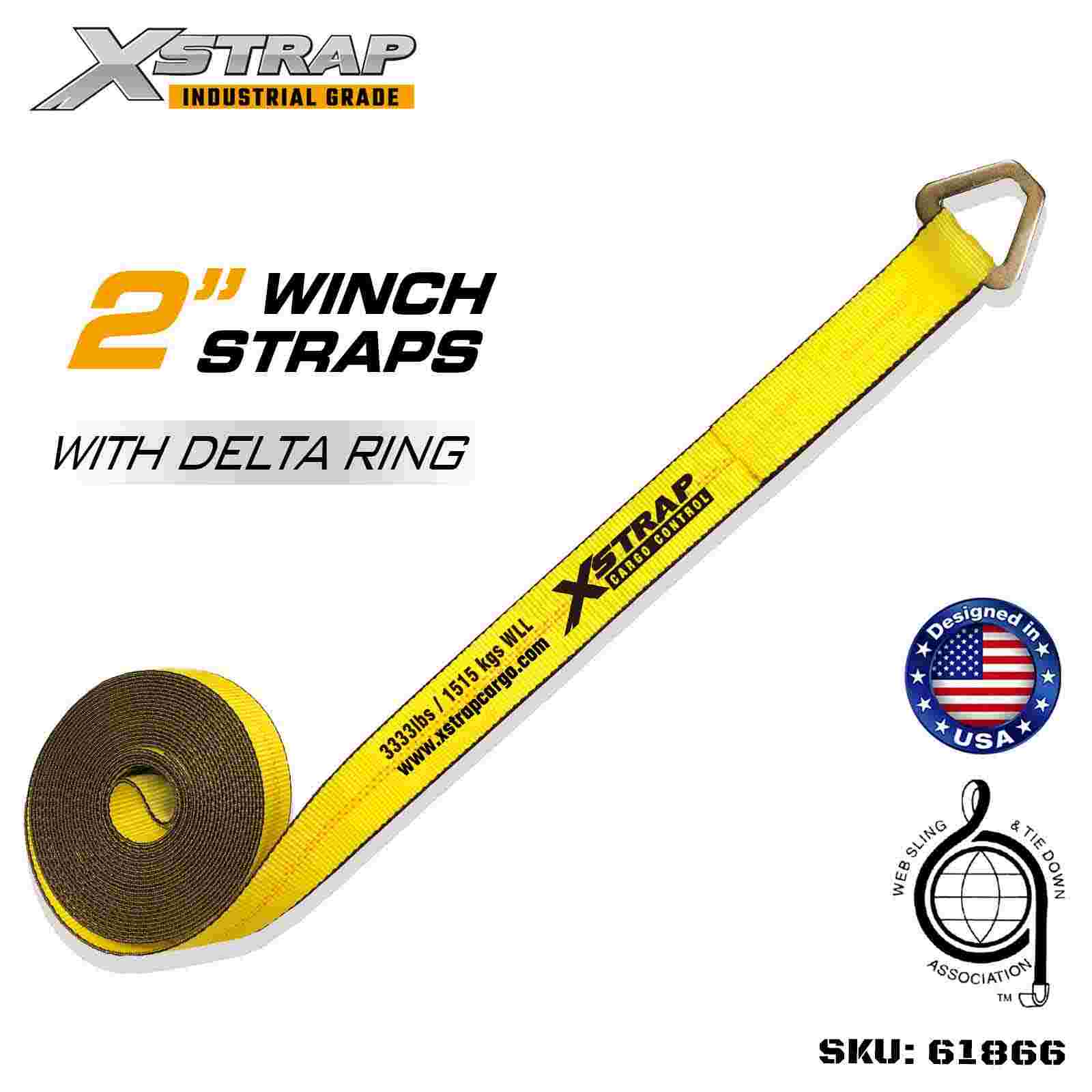
This indicates that the Auto Hauler Straps use heavy-duty webbing with a break strength of 5,000 lbs per inch. While the WLL is 3,333 lbs, this high break strength provides a massive safety margin against unexpected road shocks and heavy G-forces.
How does salt affect my Car Tie Down Straps?
Salt is highly destructive to the metal springs in the ratchet. If you notice the mechanism of your Auto Hauler Straps beginning to stick, it is a sign of internal corrosion and the unit should be cleaned or replaced immediately to avoid mechanical failure.
How tight should Auto Hauler Straps be?
They should be guitar-string tight. However, do not over-tighten to the point where you are distorting the tire or crushing the suspension, as this can lead to premature wear on the vehicle bearings or the Car Tie Down Straps themselves. Proper tension is about security, not excessive force.
Can I use Car Tie Down Straps for vehicle recovery?
No. Auto Hauler Straps are designed for static securement. Recovery requires kinetic energy absorption, which these straps are engineered to resist. Using Car Tie Down Straps for towing or recovery can lead to catastrophic webbing failure.
Popular Products
Recent News
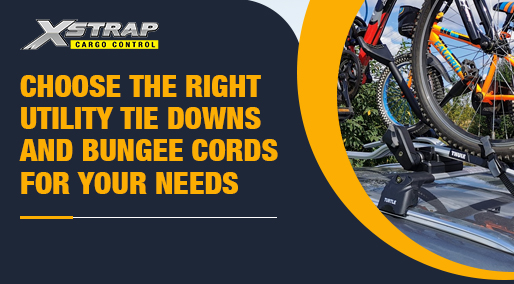 How Do You Choose the Right Utility Tie Downs and Bungee Cords for Your Needs
Introduction
When it comes to securing your gear for transport, storage, or organization, Utility Tie Downs and Bungee Cords are essential tools. Whether you're hauling heavy loads...
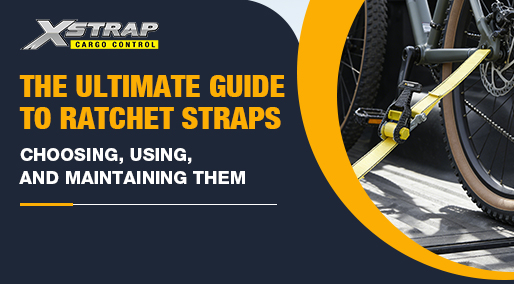 The Ultimate Guide to Ratchet Straps: Choosing, Using, and Maintaining Them
Introduction to Ratchet Straps
What Are Ratchet Straps?
Ratchet straps, also known as tie-down straps or cargo straps, are a type of load securement tool widely used in transportat...
 How Can Ratchet Tie Down Standard Duty Straps Ensure Safe and Reliable Cargo Securement
What Are Ratchet Tie Down Straps and Why Are They Important for Cargo Securement?
Introduction to Ratchet Tie Down Straps
Ratchet tie down straps are essential tools for anyone inv...
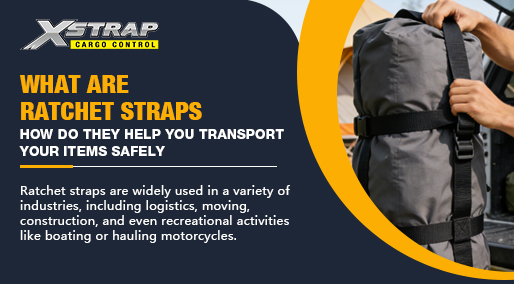 What are Ratchet Straps and how do they help you transport your items safely
What Are Ratchet Straps?
Ratchet straps, also known as ratchet tie-downs or cargo straps, are heavy-duty fastening tools designed to secure items during transportation. They consis...
 How to Properly Use Light Duty Ratchet Tie Downs for Maximum Load Security
Understanding the Basics of Ratchet Tie Down Light Duty Straps
Ratchet tie-down straps are a critical tool in the transportation, storage, and securement of goods. They are used to...
-
 +86-18112697781qindan355@gmail.comNo. 21 Yuefeng Road, Yangshe Town, Zhangjiagang City, Suzhou City, Jiangsu Province
 -
Quick Links
Social Media
-
OEM Partner
-


Copyright © 2025 Zhangjiagang SMK MFG. Co., Ltd. All rights reserved.
 Wholesale Tension Strap Manufacturers
Wholesale Tension Strap Manufacturers