
 English
 Français
 Español

Heavy-Duty Hauling Done Right: What Your Tie Downs Must Handle
2026-05-29
What Makes a Ratchet Tie Down Super Duty?
A ratchet tie down super duty model is not just a heavier version of a standard strap — it is an entirely different class of load-securing equipment. These straps are rated for working load limits (WLL) of 5,000 lbs or more, with break strengths typically reaching 15,000 lbs, compared to the 833–1,667 lbs WLL found on light-duty versions sold for everyday use. That gap matters enormously when you are hauling heavy machinery, commercial vehicles, or construction equipment on a flatbed or trailer.
The core components that separate a super duty unit from a standard one include a reinforced ratchet housing (usually forged or stamped steel rather than cast), a wider strap webbing (typically 2–4 inches versus 1–1.5 inches), and hardened J-hooks or flat hooks with higher load ratings. The ratchet mechanism itself uses wider, deeper teeth to prevent slipping under vibration — a critical factor on long highway hauls where cargo can shift over hundreds of miles.
If you are securing loads that approach or exceed 5,000 lbs, standard straps are not just inadequate — they are a safety hazard. The consequences of a failed strap on a public road can be catastrophic, and DOT regulations under 49 CFR Part 393 require that tie-down assemblies meet specific aggregate WLL thresholds based on cargo weight.
Load Ratings Explained: WLL, Break Strength, and the 3:1 Safety Ratio
Understanding load ratings is the single most important step before purchasing any ratchet tie down super duty system. Three numbers define every strap's capacity:
- Working Load Limit (WLL): The maximum load the strap is designed to handle during normal use.
- Break Strength: The force at which the strap actually fails — usually 3× the WLL under industry standards.
- Aggregate WLL: The total combined WLL of all straps used to secure a single load — this is what DOT inspectors measure.
Federal regulations require that the aggregate WLL of all tie-downs equals at least 50% of the total cargo weight. So for a 20,000 lb load, you need a combined strap WLL of at least 10,000 lbs — achievable with two super duty straps each rated at 5,333 lbs WLL. Never calculate based on break strength alone; that number exists as a safety margin, not a target.
| Strap Width | Typical WLL | Typical Break Strength | Best For |
|---|---|---|---|
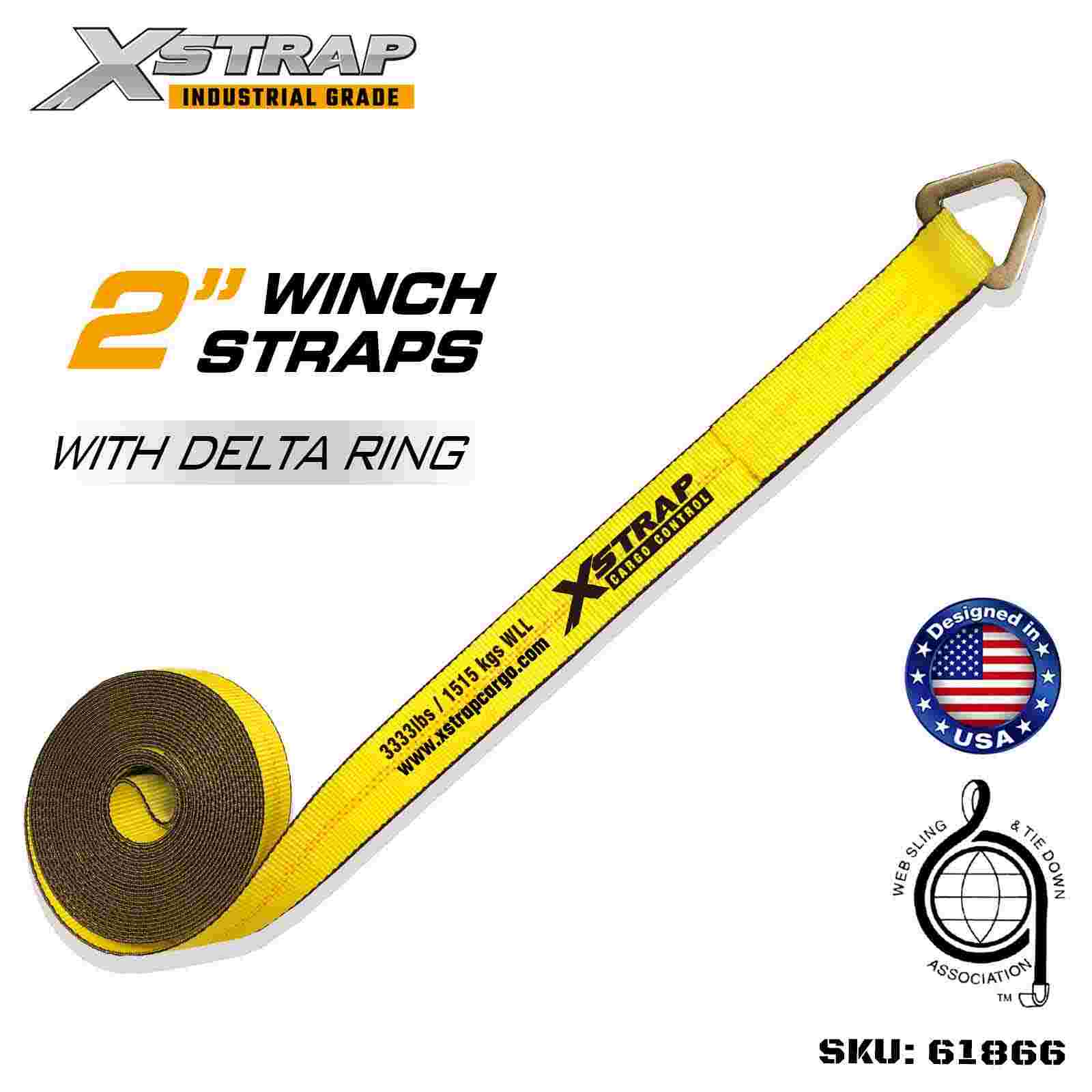
| 2 inch | 3,333 lbs | 10,000 lbs | ATVs, motorcycles, light equipment |
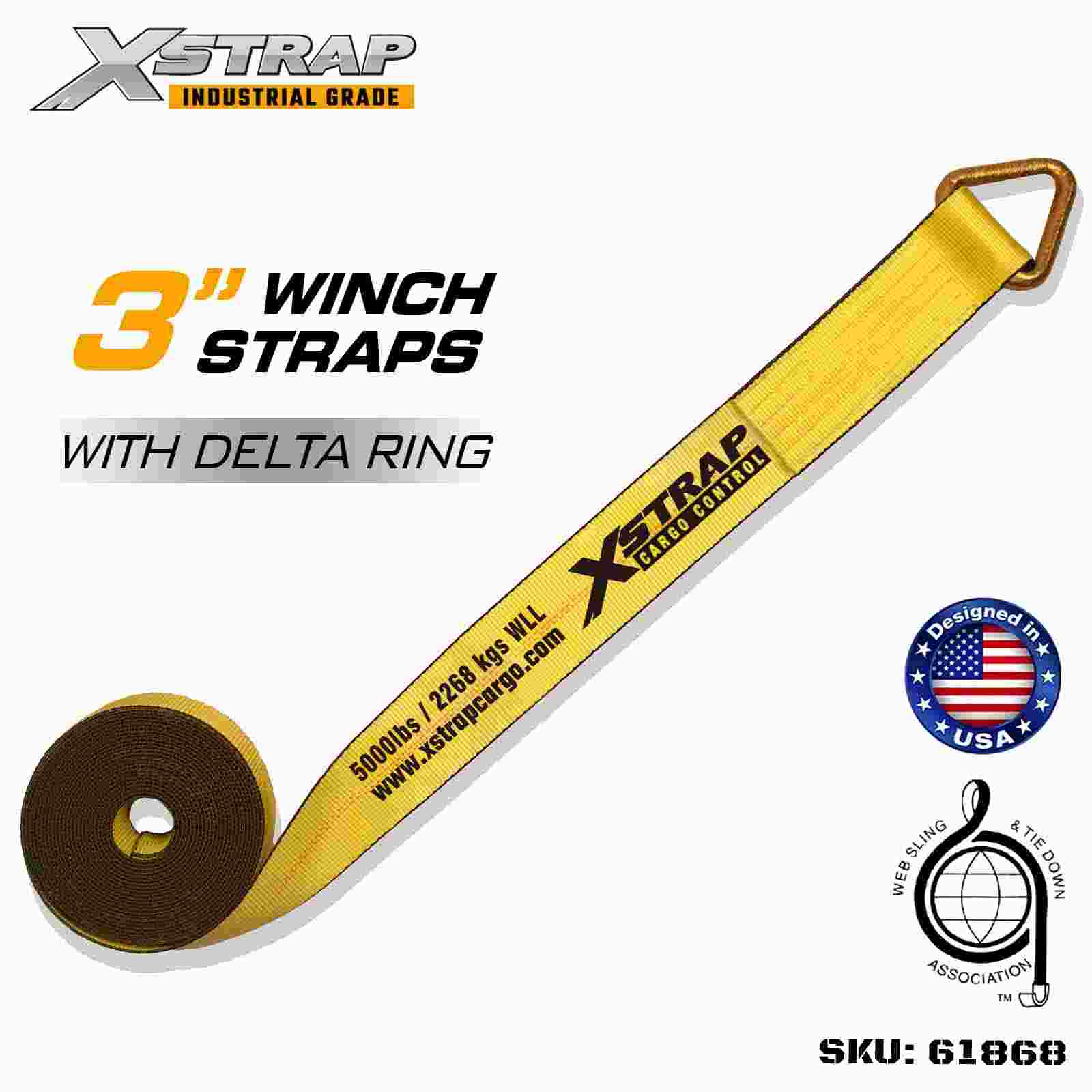
| 3 inch | 5,400 lbs | 16,200 lbs | Trucks, tractors, mid-size machinery |
| 4 inch | 5,333–6,667 lbs | 16,000–20,000 lbs | Heavy construction equipment, excavators |
Webbing Material: Polyester vs. Other Options
Polyester webbing is the correct choice for nearly all ratchet tie down super duty applications. It stretches less than 3% under load (compared to nylon's 6–8%), does not absorb water, and maintains its rated strength even when wet. For loads exposed to rain, river crossings, or marine environments, this stability is critical — a water-saturated nylon strap can lose up to 15% of its rated strength.
Nylon webbing does have one advantage: elasticity. In applications where vibration absorption matters more than precision tensioning — such as securing fragile cargo on rough unpaved roads — nylon's give can act as a buffer. However, for standard commercial and heavy transport, polyester's dimensional stability makes it the dominant choice for professionals.
Polypropylene straps exist at lower price points but should be avoided in super duty contexts. They degrade rapidly under UV exposure — some sources note a 30–40% strength reduction after prolonged sun exposure — and perform poorly at temperature extremes. For equipment sitting on an outdoor lot or hauled across desert terrain, this is an unacceptable risk.
Hook Types and Anchor Points: Getting the Connection Right
The hook is the single most common failure point in a ratchet tie down super duty assembly — not the webbing. Super duty systems use several distinct hook configurations, each suited to different anchor points:
J-Hooks
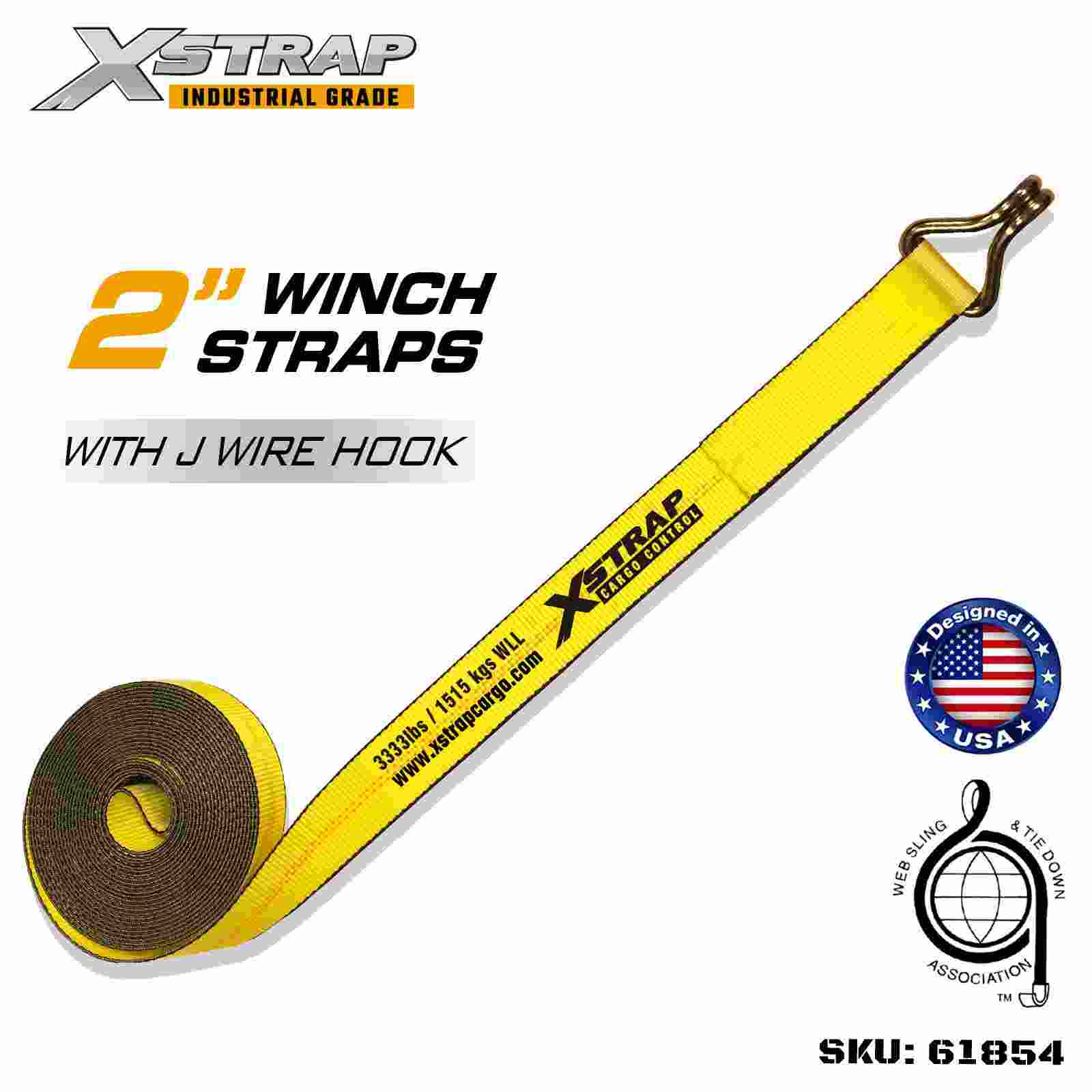
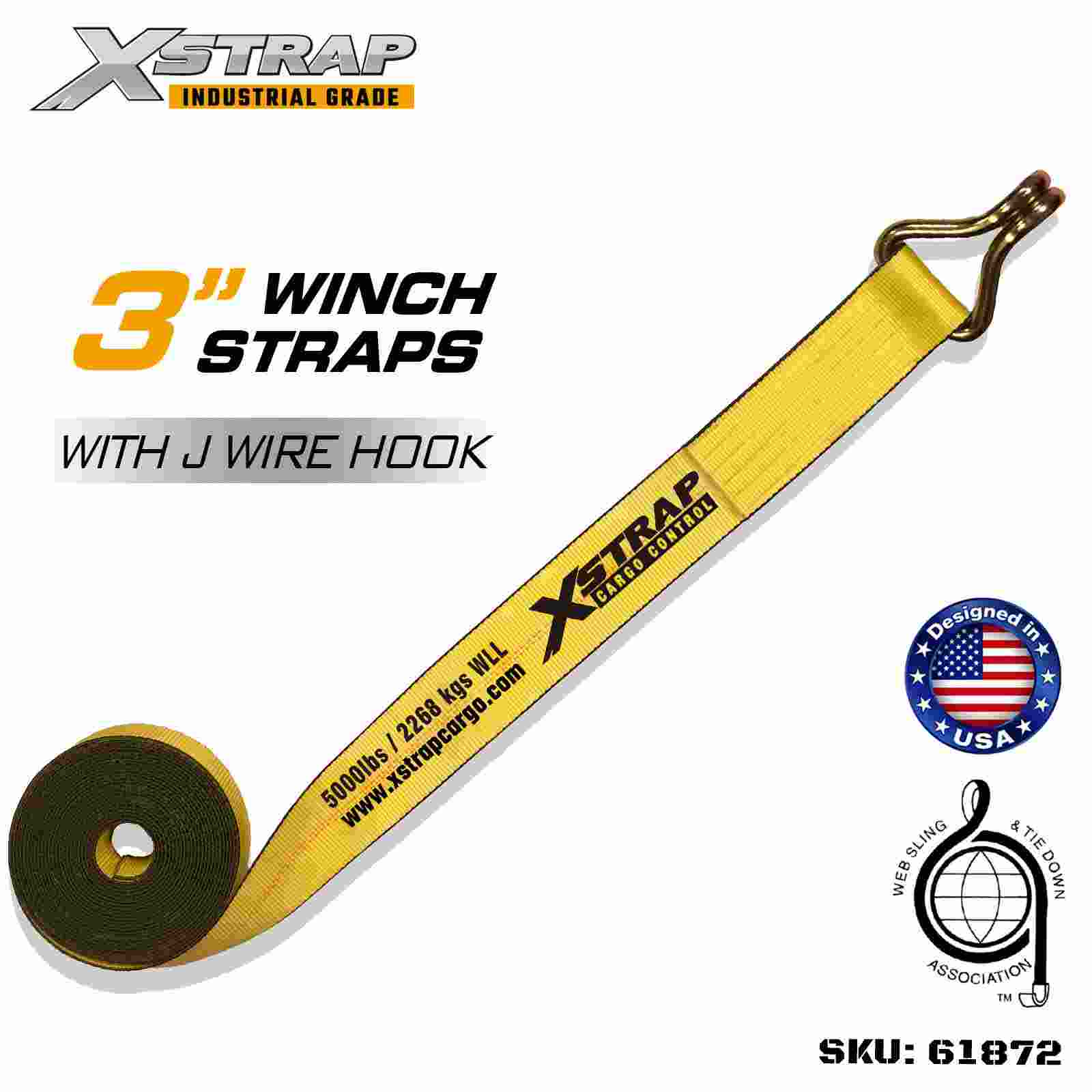
The most common configuration. J-hooks attach to standard D-ring tie-down anchors found on most flatbed trailers. Look for hooks with a safety latch — an open J-hook can disengage under oscillating loads. Forged steel J-hooks outperform stamped versions; the grain structure of forged steel distributes stress more evenly, reducing the risk of cracking under shock loads.
Flat Hooks
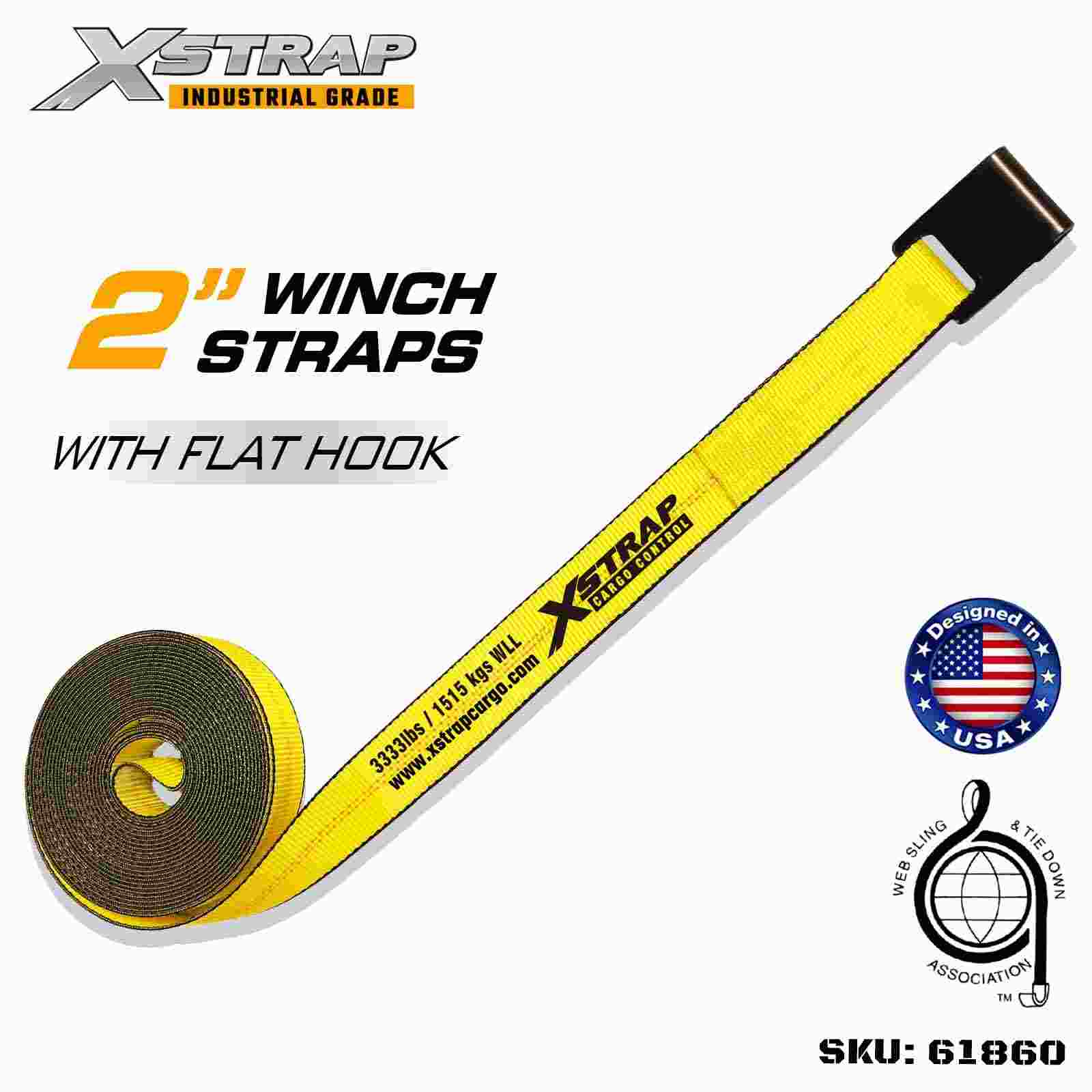
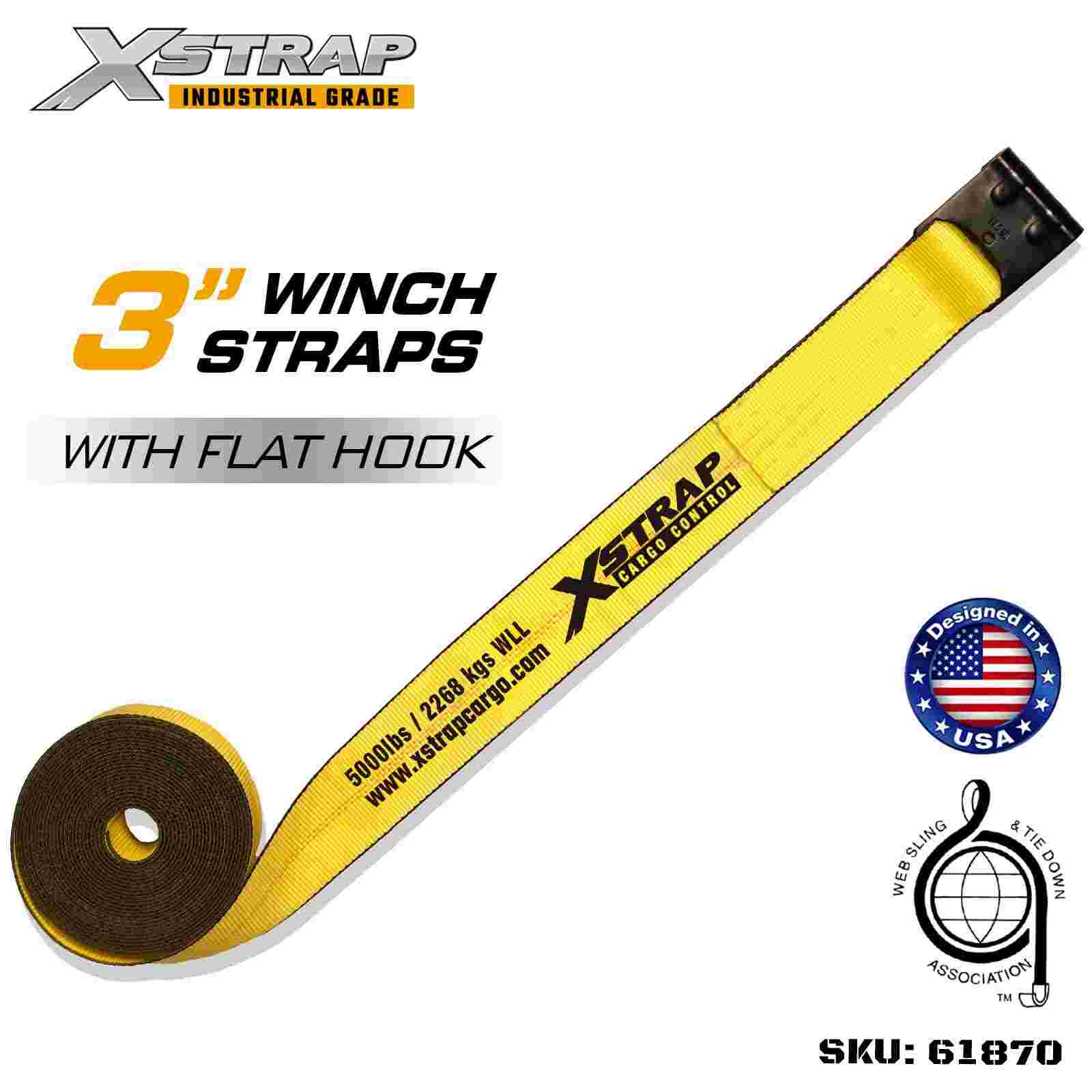
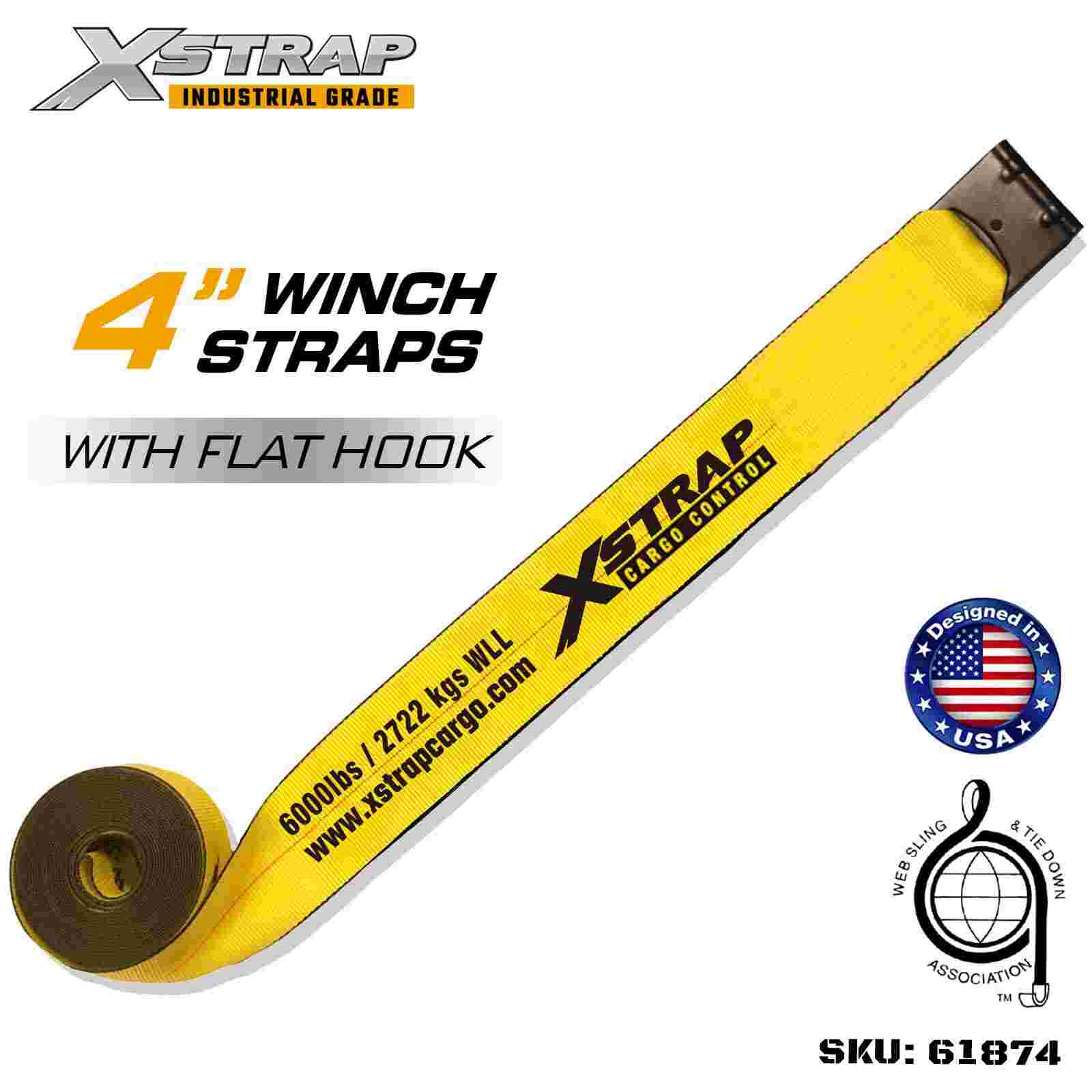
Flat hooks (also called E-track hooks or snap hooks) engage with E-track and A-track logistics rails commonly installed in enclosed trailers and specialized flatbeds. They slide into the rail and lock, providing a wide, low-profile connection that resists lateral movement better than J-hooks in some configurations.
Twisted J-Hooks (Chain Hooks)
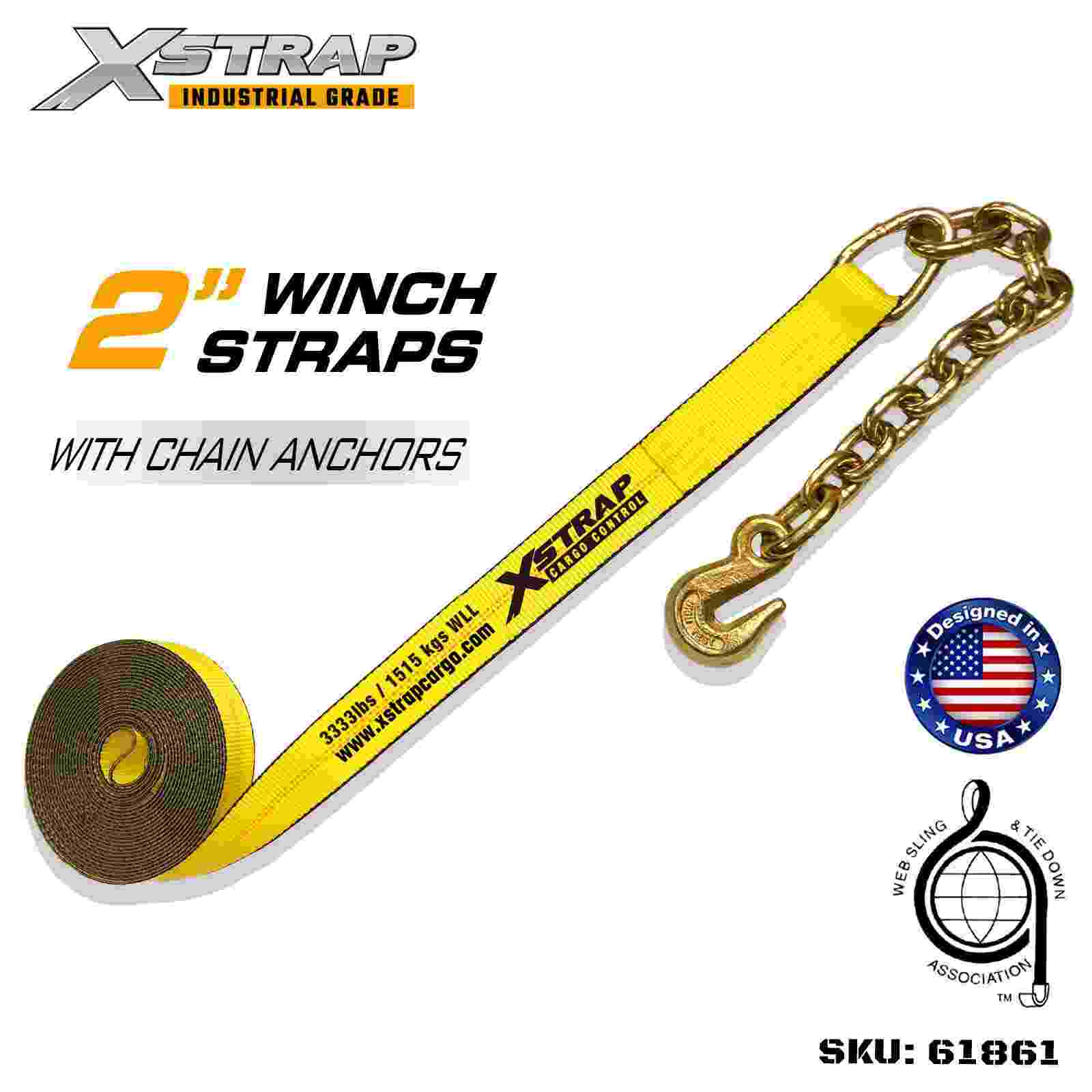
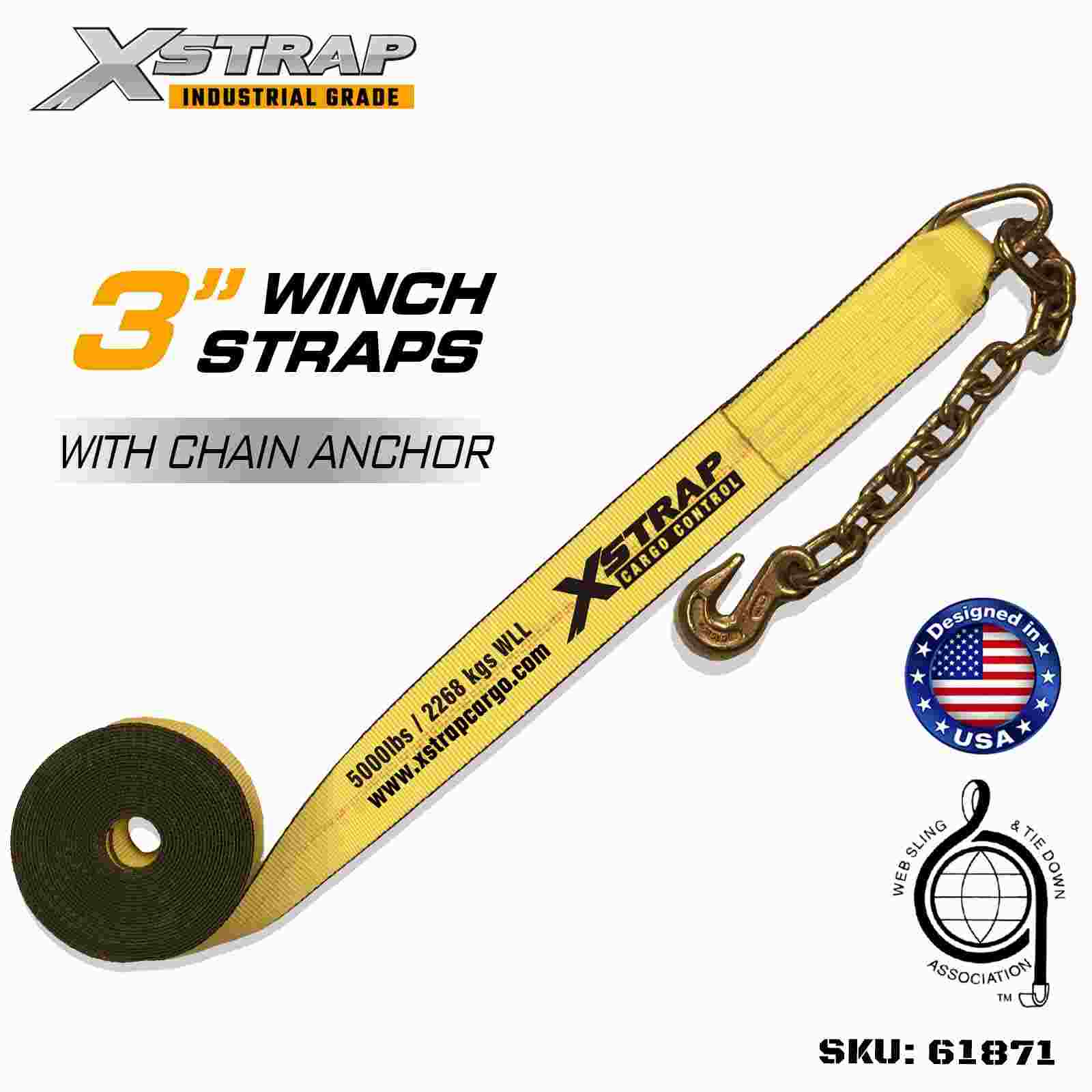
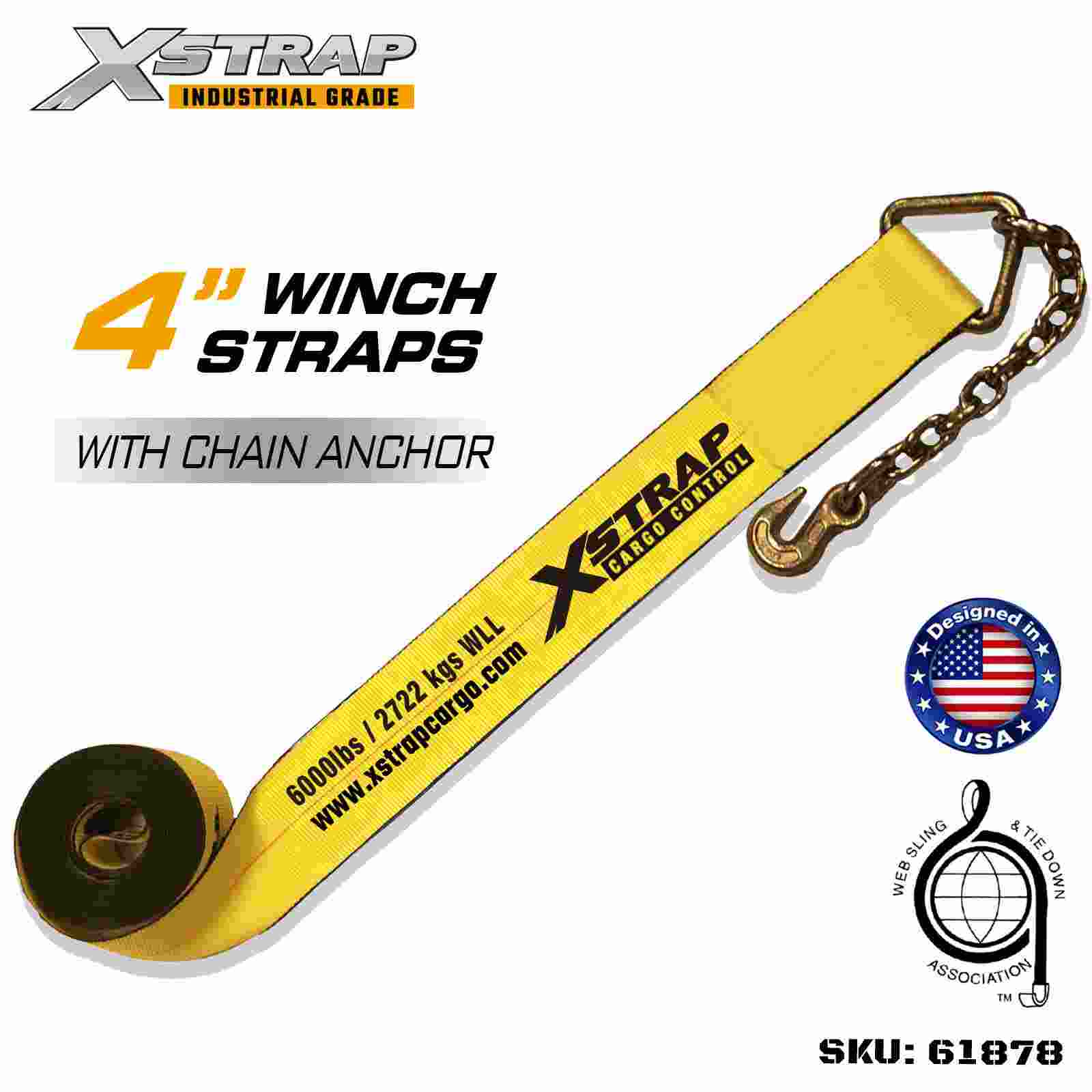
Used primarily for connecting to chain link or welded ring anchor systems. Less common on standard polyester strap assemblies but found on combination chain-and-strap setups for extremely heavy machinery.
Never attach a hook directly to a vehicle's axle, suspension component, or brake line. Anchor only to manufacturer-designated tie-down points — frame rails, integrated D-rings, or purpose-built tow hooks. Improper anchor selection is responsible for a large percentage of cargo shift incidents during transport.
Step-by-Step: How to Properly Use a Super Duty Ratchet Tie Down
Even a high-rated strap fails if installed incorrectly. Follow this sequence every time:
- Position the cargo and confirm it is centered on the trailer deck to avoid uneven load distribution.
- Identify all manufacturer-approved tie-down points on both the cargo and the trailer.
- Thread the strap through the ratchet spool with the handle in the open position. Pull through until there is at least 6 inches of strap tail beyond the spool.
- Attach both hooks — one to the cargo anchor, one to the trailer anchor — ensuring safety latches are fully engaged.
- Remove any twists from the webbing before tensioning. Twisted webbing can reduce effective strength by up to 20%.
- Ratchet the handle in a pumping motion until the strap is taut. Do not overtighten to the point where the cargo structure deforms — this is especially relevant for vehicles with fiberglass body panels or air-filled tires.
- Lock the ratchet in the closed position and tuck or secure the excess strap end to prevent it from whipping at highway speeds.
- Check tension after the first 50 miles of travel and re-tighten as needed. Straps can lose 10–15% of initial tension during the first phase of a trip due to cargo settling.
How Many Straps Do You Actually Need?
The answer depends on both cargo weight and cargo length. DOT regulations provide a clear framework under 49 CFR 393.102:
- For cargo under 5 feet long and under 1,100 lbs: a minimum of one tie-down.
- For cargo 5–10 feet long: a minimum of two tie-downs.
- For cargo exceeding 10 feet: one additional tie-down for every 10 feet of cargo length beyond the first 10 feet.
These are minimums — industry best practice calls for four-point tie-downs on any cargo over 10,000 lbs. A wheel excavator weighing 18,000 lbs, for example, should be secured with at minimum four 3-inch super duty straps (aggregate WLL: 21,600 lbs), exceeding the required 50% threshold of 9,000 lbs by a comfortable margin. Many professional haulers use six straps as standard practice on heavy iron to account for strap angle efficiency loss.
Strap angle matters more than most users realize. A strap tensioned at 60° from vertical loses approximately 13% of its effective vertical holding force. At 45°, the loss reaches 29%. Where possible, route straps as close to vertical as your anchor geometry allows.
Inspection and Replacement: When to Retire a Strap
A super duty ratchet tie down is not a lifetime tool. Regular inspection is mandatory, and straps must be retired when any of the following conditions are present:
- Cuts or abrasions that penetrate more than 10% of the webbing width.
- End fittings that are bent, cracked, or corroded — hooks showing even minor deformation under load should be replaced immediately.
- Webbing that is stiff, brittle, or discolored due to UV degradation or chemical exposure.
- A ratchet mechanism that slips, fails to lock, or shows worn teeth.
- Missing or illegible load rating labels — an unlabeled strap cannot be confirmed compliant during a DOT inspection and should be removed from service.
Store straps coiled and off the ground, away from fuel, solvents, and direct sunlight. Even high-quality polyester degrades when stored improperly — a strap exposed to petroleum products can lose structural integrity without any visible damage to the webbing surface. Dedicated strap bags or sealed storage bins dramatically extend service life.
There is no universal mileage or time-based replacement interval published for tie-down straps — replacement is condition-based, not calendar-based. However, professionals operating in high-frequency commercial transport environments typically evaluate their straps every 90 days and replace them on a 1–3 year cycle regardless of visible condition, simply due to cumulative fatigue from repeated tensioning cycles.
Super Duty vs. Standard: Side-by-Side Comparison
If you are still uncertain whether you need a ratchet tie down super duty setup, this comparison clarifies where the real differences lie:
| Feature | Standard | Super Duty |
|---|---|---|
| Typical WLL | 833–1,667 lbs | 3,333–6,667 lbs |
| Strap Width | 1–1.5 inch | 2–4 inch |
| Ratchet Housing | Cast/stamped steel | Forged or heavy-gauge stamped steel |
| Hook Rating | Matches lower WLL | Rated to 5,000+ lbs individually |
| DOT Compliance (heavy loads) | Not achievable with standard straps alone | Achievable with fewer straps |
| Typical Use Case | Furniture, lawn equipment, light cargo | Vehicles, machinery, commercial freight |
Practical Tips from Professional Haulers
Beyond the technical specs, experienced haulers have developed habits that prevent cargo incidents regardless of strap quality:
- Use edge protectors wherever a strap passes over a sharp corner. Steel edges can shear through even the heaviest polyester webbing under load — rubber or plastic edge guards cost under $10 and extend strap life significantly.
- Never use a strap to tow a vehicle. A ratchet tie down super duty strap is not rated for dynamic tow loads — the sudden jerk force when a tow line goes taut can exceed the strap's break strength in a fraction of a second.
- Keep a dedicated set of straps for specific cargo types. Straps used repeatedly for vehicle transport develop consistent stretch patterns and hook wear suited to that application — mixing them into other cargo types increases the risk of unexpected failure.
- In cold weather (below 20°F), allow straps to warm slightly before tensioning if they have been stored outdoors. Extremely cold polyester becomes briefly stiffer, and while strength is minimally affected, the webbing can develop micro-abrasions from handling in a brittle state.
- Photograph your load and strap configuration before every trip. This takes 30 seconds and provides crucial documentation in the event of a roadside inspection or insurance claim.
Popular Products
Recent News
 How Do You Choose the Right Utility Tie Downs and Bungee Cords for Your Needs
Introduction
When it comes to securing your gear for transport, storage, or organization, Utility Tie Downs and Bungee Cords are essential tools. Whether you're hauling heavy loads...
 The Ultimate Guide to Ratchet Straps: Choosing, Using, and Maintaining Them
Introduction to Ratchet Straps
What Are Ratchet Straps?
Ratchet straps, also known as tie-down straps or cargo straps, are a type of load securement tool widely used in transportat...
 How Can Ratchet Tie Down Standard Duty Straps Ensure Safe and Reliable Cargo Securement
What Are Ratchet Tie Down Straps and Why Are They Important for Cargo Securement?
Introduction to Ratchet Tie Down Straps
Ratchet tie down straps are essential tools for anyone inv...
 What are Ratchet Straps and how do they help you transport your items safely
What Are Ratchet Straps?
Ratchet straps, also known as ratchet tie-downs or cargo straps, are heavy-duty fastening tools designed to secure items during transportation. They consis...
 How to Properly Use Light Duty Ratchet Tie Downs for Maximum Load Security
Understanding the Basics of Ratchet Tie Down Light Duty Straps
Ratchet tie-down straps are a critical tool in the transportation, storage, and securement of goods. They are used to...
-
 +86-18112697781qindan355@gmail.comNo. 21 Yuefeng Road, Yangshe Town, Zhangjiagang City, Suzhou City, Jiangsu Province
 -
Quick Links
Social Media
-
OEM Partner
-


Copyright © 2025 Zhangjiagang SMK MFG. Co., Ltd. All rights reserved.
 Wholesale Tension Strap Manufacturers
Wholesale Tension Strap Manufacturers