
 English
 Français
 Español

Home / News / Industry News / Are Your Ratchet Tie Down Straps Actually Strong Enough to Secure Your Load
Are Your Ratchet Tie Down Straps Actually Strong Enough to Secure Your Load
2026-04-24
The Load That Almost Cost Everything
It was a Tuesday afternoon on I-95. A contractor had just finished a job site pickup — plywood sheets, two toolboxes, a compressor. He threw on a couple of bungee cords, figured the weight would hold things down, and merged onto the highway. Three miles later, a sheet of plywood was airborne.
Nobody died that day. But the lawsuit, the property damage, and the six-month insurance nightmare that followed changed how that contractor thought about cargo security forever. The bungee cords did not fail because they were cheap. They failed because they were the wrong tool entirely.
This story is not rare. It plays out on highways, job sites, and moving days more often than traffic reports ever mention. And almost every time, the root cause is the same: the person loading the cargo treated tie down straps as an afterthought rather than critical equipment.
There is a psychological pattern at work. When people are loading a truck or trailer, attention goes to the cargo first — the motorcycle, the furniture, the lumber. The straps come last, grabbed quickly from whatever is sitting in the truck bed. Nothing about a ratchet tie down visually signals load-bearing safety equipment, so people swap them out for bungee cords, reuse fraying old webbing, or skip checking weight ratings entirely.
What makes this worse is that most hauls go fine — not because the setup was safe, but because nothing unexpected happened. No hard braking. No sharp lane change. No crosswind on a bridge. People build false confidence from uneventful trips, and that confidence is exactly what sets up the one trip that does not go fine.
Ratchet straps became the professional standard for one reason: mechanics. A ratchet tie down feeds webbing through a mandrel and uses a pawl-and-gear system to lock tension incrementally. Every pull of the handle adds tension that the load cannot self-release. The only way to loosen it is to manually disengage the release tab — meaning the strap holds through vibration, road bumps, and load shift in a way no bungee cord or cam buckle can replicate. For anyone moving cargo regularly, that is not a feature. It is the baseline.
Not All Straps Are Created Equal — Understanding the Core Differences
Walk into any hardware store and the cargo aisle will throw four or five different securing options at you. Bungee cords, cam buckle straps, rope, ratchet straps, retractable straps — they all technically hold things down. The difference is what happens when something goes wrong.
Bungee cords stretch. That is their design. Under vibration and repeated stress, they lose tension progressively, which means a load that felt snug at the start of a drive can be sitting loose forty minutes later. Rope depends entirely on the knot — and most people tying cargo rope on a flatbed are not tying it the same way twice. Cam buckle straps are a legitimate step up, but they rely on hand tension alone. Whatever you can pull by hand is the maximum tension the load will ever see.
Ratchet tie down straps operate on a completely different principle. The mechanical advantage of the ratchet system lets a single person apply far more consistent tension than hand-tightening allows — and then locks it there.
Securing Method Comparison:
| Type | Tension Method | Holds Under Vibration | Adjustable | Reusable |
|---|---|---|---|---|
| Bungee cord | Elastic stretch | Poor | No | Limited |
| Rope | Manual knot | Moderate | Yes | Yes |
| Cam buckle strap | Hand pull | Moderate | Yes | Yes |
| Ratchet strap | Mechanical ratchet | Excellent | Yes | Yes |
| Retractable ratchet strap | Mechanical ratchet + auto-rewind | Excellent | Yes | Yes |
Retractable ratchet straps add one layer on top of standard ratchet straps — an auto-rewind spool that pulls excess webbing back into the housing rather than leaving it loose. For someone strapping and unstrapping loads once a week, that is a convenience. For someone doing it three times a day, it changes the entire workflow. No bunching webbing by hand. No loose ends catching wind or wrapping around axles.
The one number most buyers skip over entirely is Working Load Limit. Breaking strength is printed larger on packaging because it is a bigger number — but WLL is what actually governs safe use.
WLL by Strap Width:
| Strap Width | Typical WLL | Best For |
|---|---|---|
| 1 inch | 500 - 833 lbs | Motorcycles, light cargo |
| 1.5 inch | 1,000 - 1,500 lbs | ATVs, small equipment |
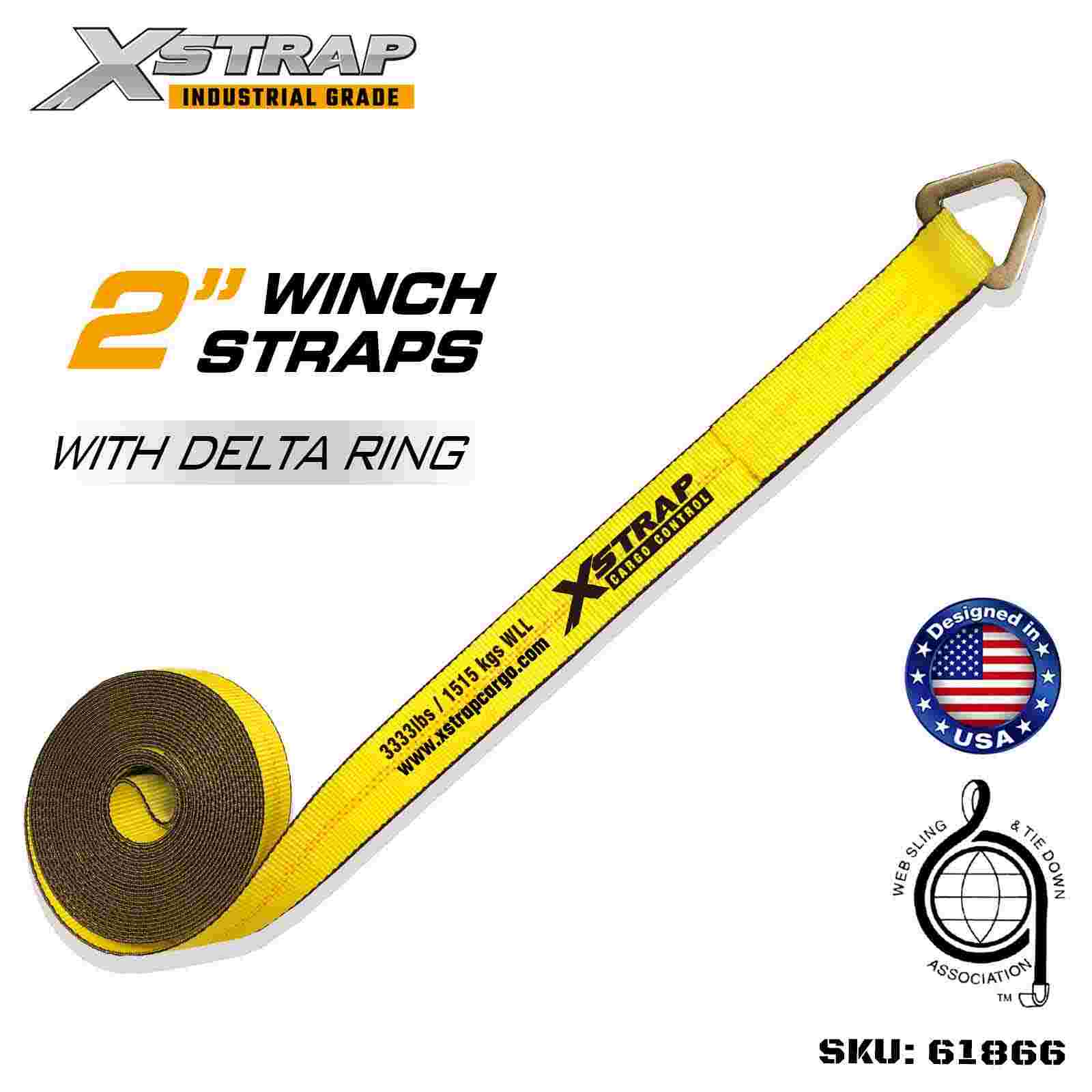
| 2 inch | 1,667 - 3,333 lbs | Vehicles, heavy loads |
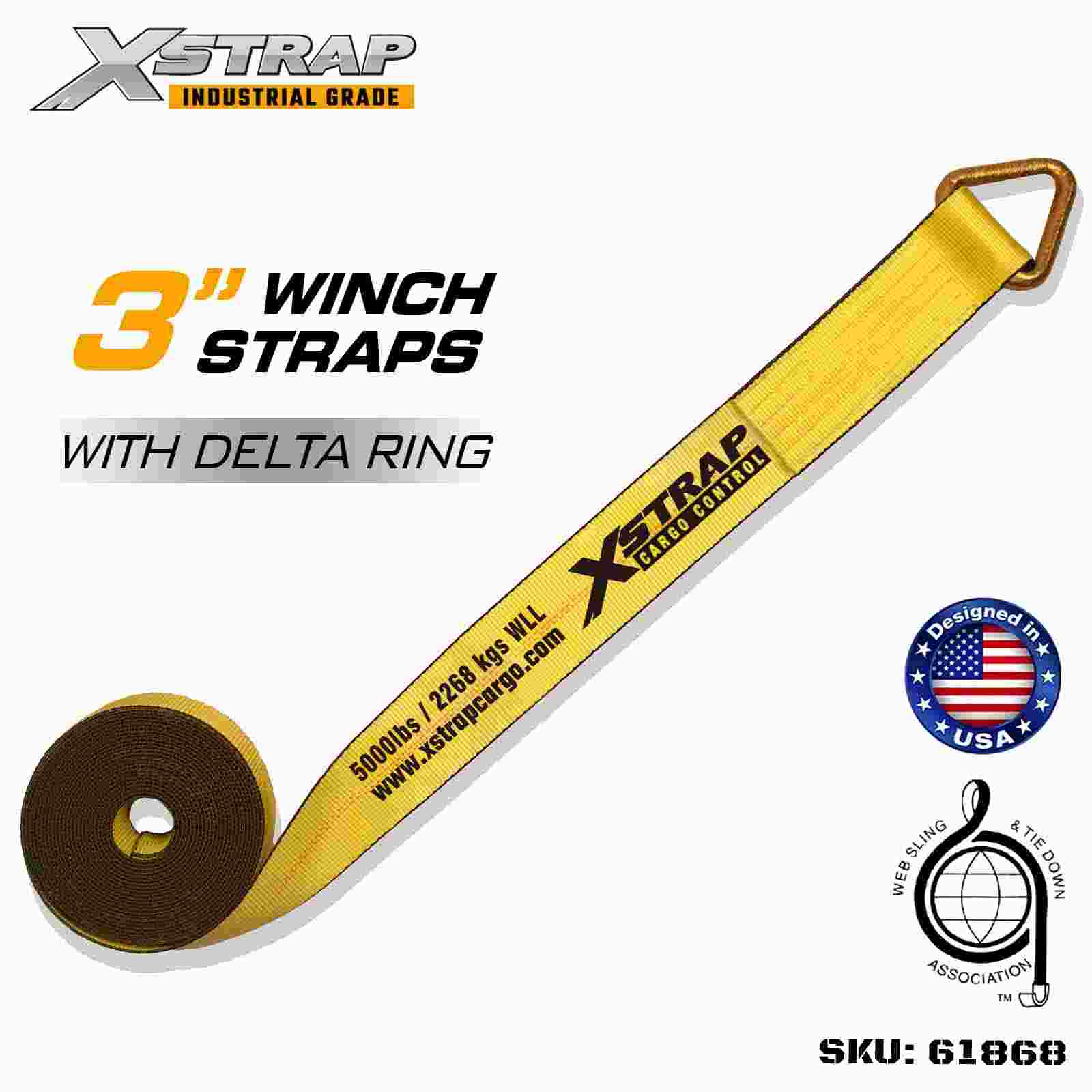
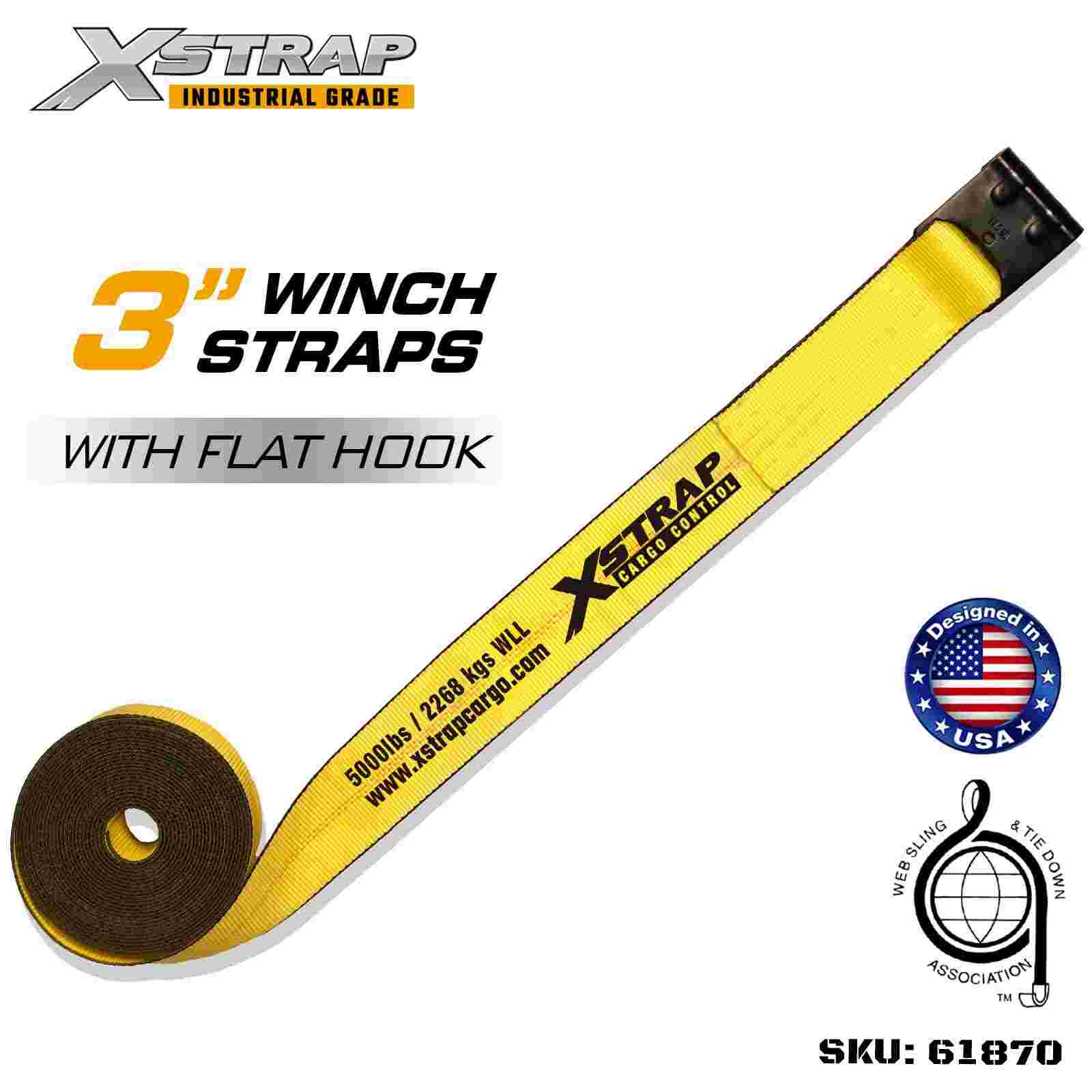
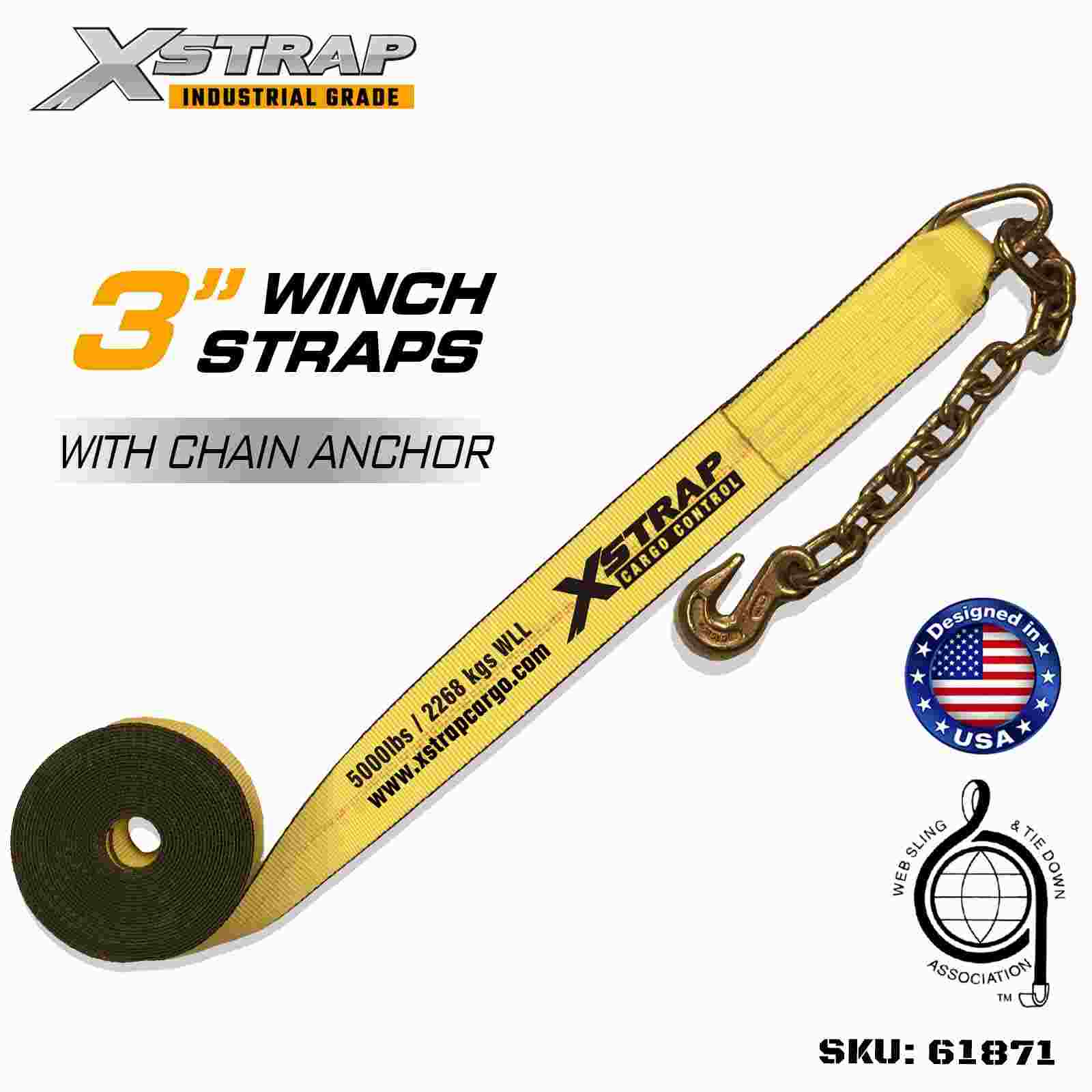
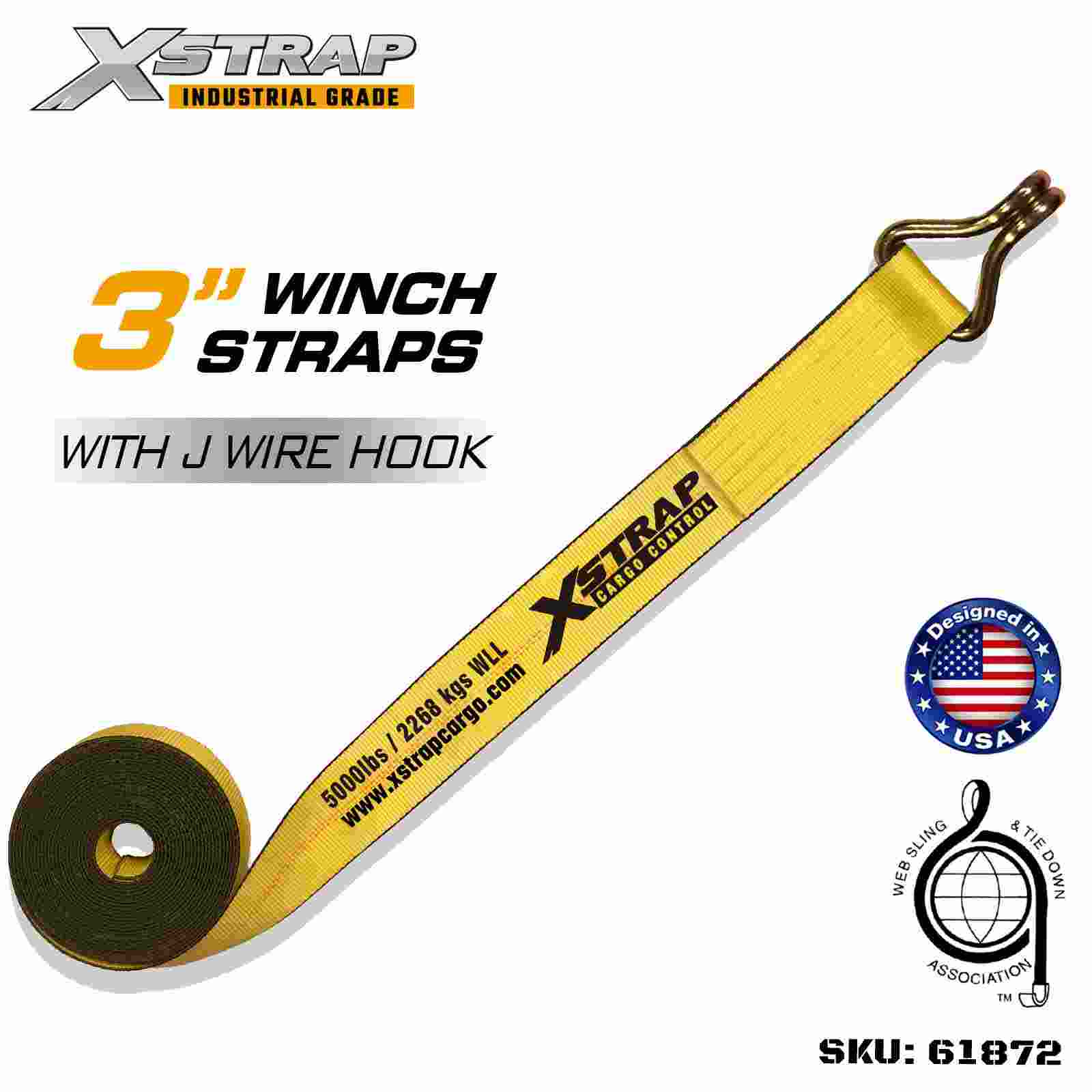
| 3 inch | 3,333 - 5,000 lbs | Flatbed, machinery |
If a strap does not have a visible WLL rating on the label or stamped into the hardware, it has no place on a loaded trailer. That is not being overly cautious — that is the minimum standard for any tie down straps used on public roads.
How a Ratchet Tie Down Actually Works (Most People Use It Wrong)
The ratchet mechanism looks simple enough that most people never bother reading instructions. Feed the strap, crank the handle, done. Except that is not quite how it works — and the gaps in technique are where cargo shifts and straps fail prematurely.
Thread the webbing through the mandrel slot from underneath, not over the top. Pull enough slack through so the first two or three ratchet clicks take up the loose webbing before any real tension builds. Then work the handle in full strokes — short half-pumps do not seat the pawl properly and leave the mechanism in a position where vibration can walk it backward over time.
The three mistakes that show up most often:
Over-tightening. A ratchet strap gives you mechanical advantage, which means it is entirely possible to apply more tension than the cargo — or the anchor point — can handle. Soft goods, hollow tubing, and lightweight equipment can deform under excessive strap tension. Tight enough to eliminate movement is the target. Crushing the load is not.
Wrong anchor points. The anchor point on a trailer or truck bed has its own weight rating. Running a 3,333 lb WLL ratchet strap through a 1,200 lb rated anchor ring does not give you 3,333 lbs of securing force — it gives you 1,200 lbs before the anchor fails. The weakest point in the system sets the ceiling for everything else.
Twisted webbing. A strap fed through the mandrel with even a half-twist concentrates stress along one edge of the webbing rather than distributing it evenly across the full width. Over time, that edge frays faster, and the effective strength of the strap drops well below its rated WLL.
Retractable ratchet straps introduce one additional variable — the rewind mechanism. The spring tension inside the housing keeps excess webbing coiled, but if the strap is stored fully extended or wound too tightly around the housing exterior, the spring fatigues. A retractable strap with a weak rewind is not broken, but it is telling you the internals are wearing out.
Common Usage Errors and Their Consequences:
| Mistake | What Actually Happens | Fix |
|---|---|---|
| Over-tightening | Cargo deformation, anchor failure | Stop at firm tension, not maximum |
| Wrong anchor rating | System fails at anchor, not strap | Match anchor WLL to strap WLL |
| Twisted webbing | Edge wear, reduced strength | Feed flat, inspect before each use |
| Short ratchet strokes | Pawl does not seat, slips back | Use full handle strokes only |
| Storing retractable straps extended | Spring fatigue, weak rewind | Always store with webbing retracted |
One habit that separates experienced haulers from everyone else: after the first ten minutes of driving, pull over and recheck tension. Webbing seats itself under load, anchor points settle, and cargo compresses slightly — all of which can drop tension more than expected in the first few miles. A quick recheck costs two minutes and catches problems before they become highway incidents.
Choosing the Right Ratchet Strap for Your Specific Load
There is no universal ratchet tie down that works well across every situation. The strap that is perfect for a motorcycle on a weekend trailer run is the wrong tool for a pallet of roofing materials on a flatbed. Getting this choice right comes down to three variables: load type, hook style, and environment.
By Load Type
Different cargo behaves differently under tension, and tie down straps need to account for that.
Motorcycles and ATVs are top-heavy and shift laterally, so four-point securing with 1-inch to 1.5-inch ratchet straps at the handlebars and frame is standard. Lumber and sheet goods are flat and heavy — they need wider 2-inch straps with higher WLL ratings and edge protectors where the webbing contacts sharp material corners. Furniture and soft goods require cam buckle straps or low-tension ratchet straps with protective sleeves, since standard ratchet tension can crush frames or tear upholstery. Heavy machinery sits differently — it needs 3-inch or 4-inch ratchet straps anchored to designated lift points, not random frame rails.
Retractable ratchet straps work best for mid-weight, regularly recurring loads — equipment that goes on and off the trailer daily. The time saved on webbing management adds up fast.
By Hook Type
| Hook Type | Best For | Avoid When |
|---|---|---|
| J-hook | Trailer side rails, D-rings | Open flatbeds with no rail |
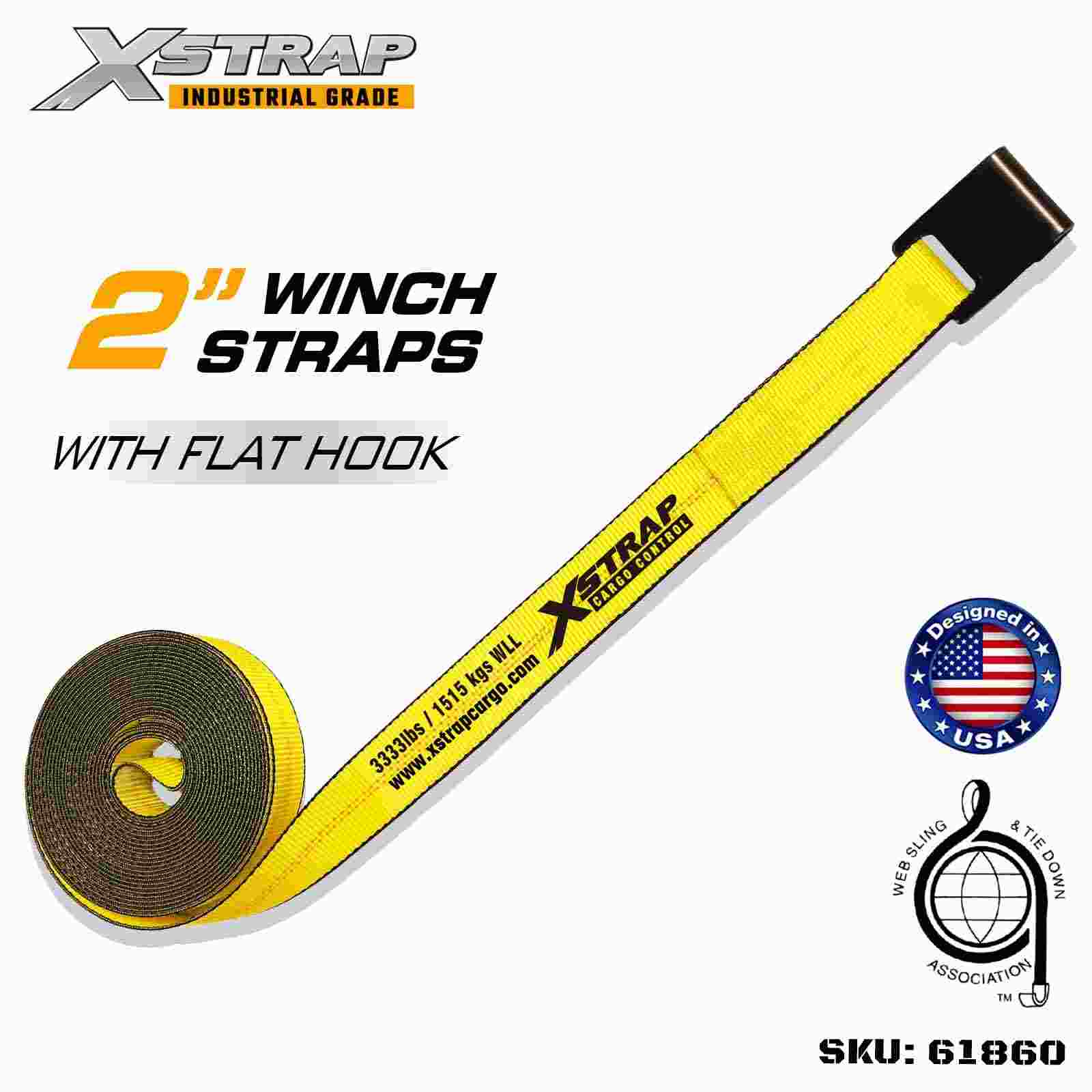
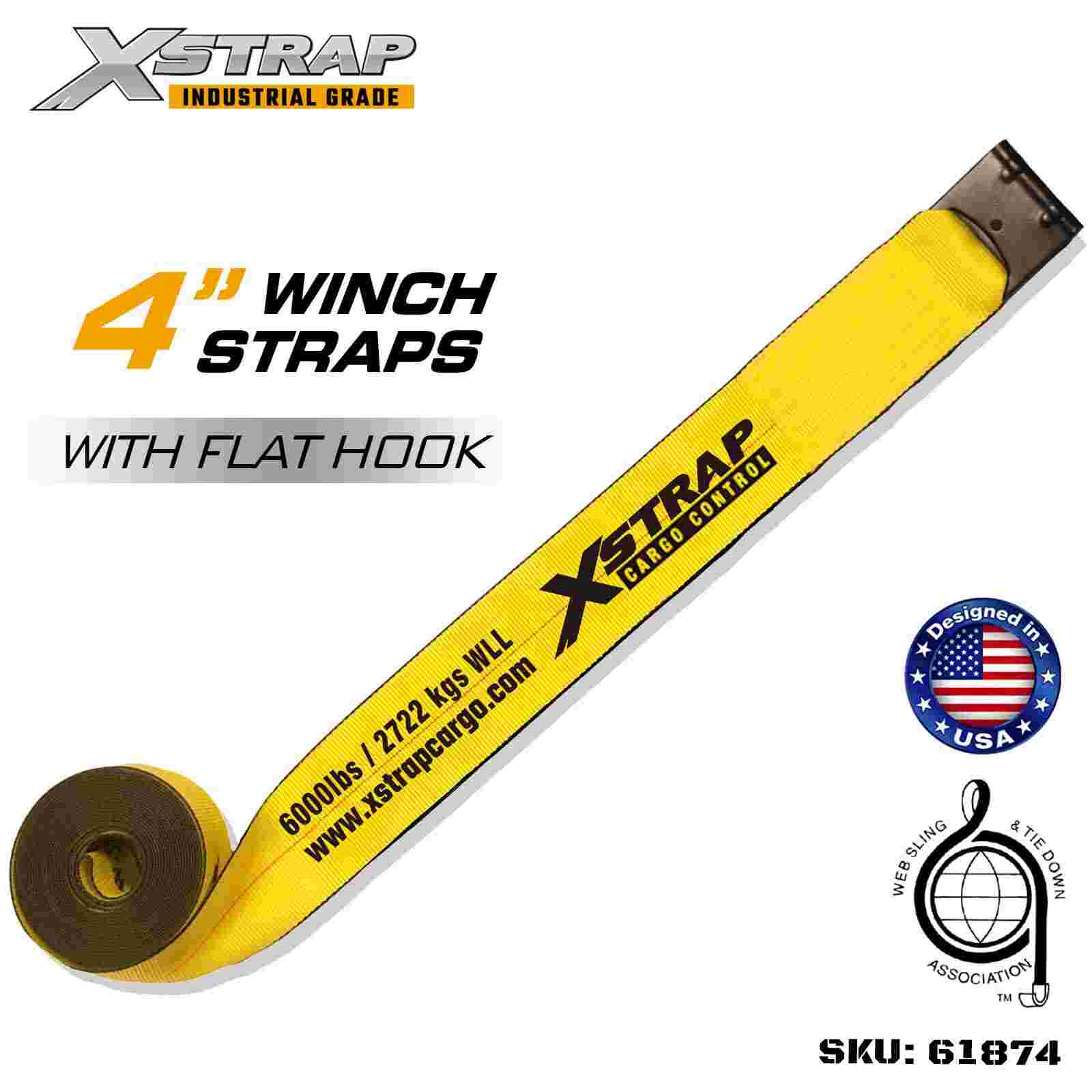
| Flat hook | Low-profile anchor points | Deep or narrow attachment points |
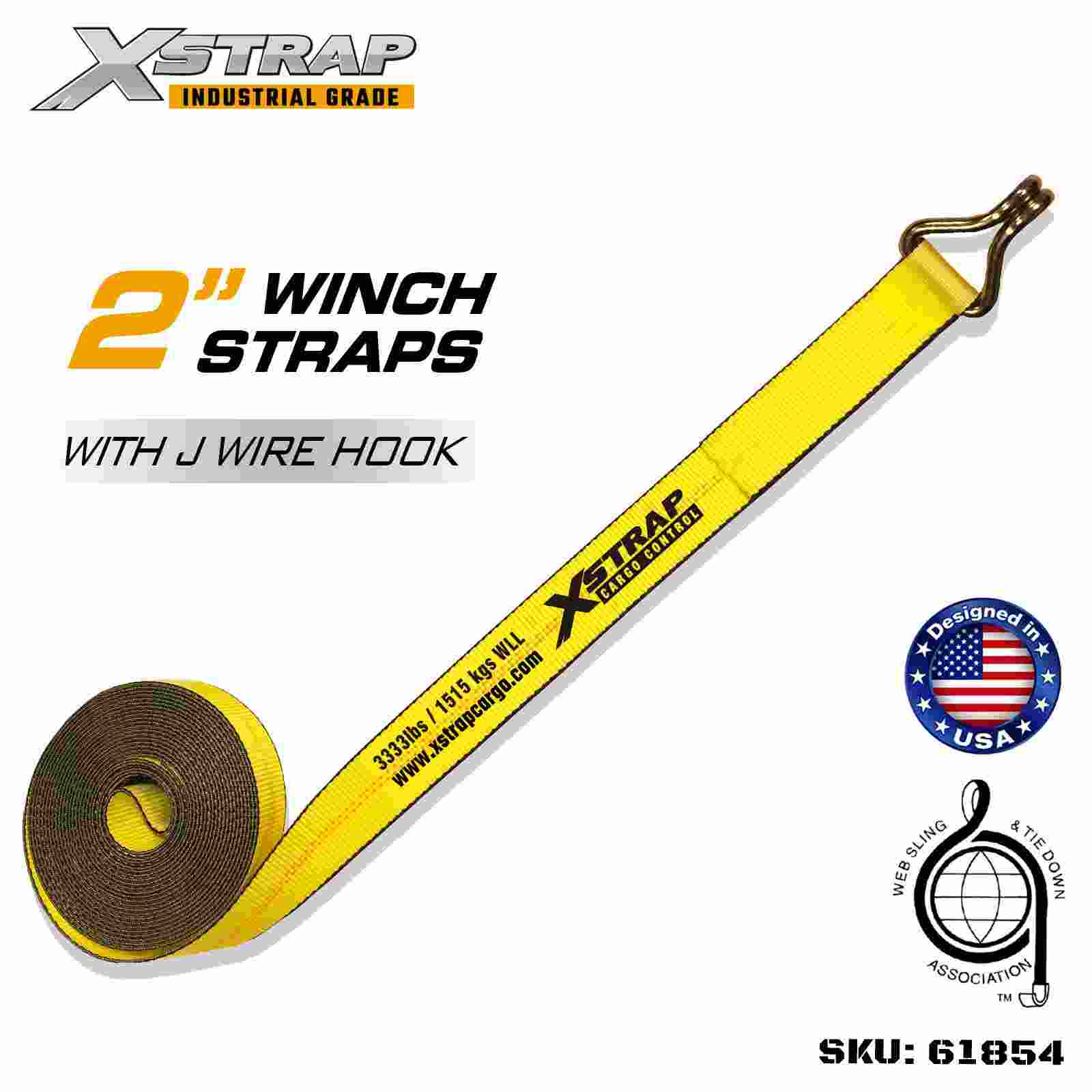
| Wire hook | E-track systems | Standard D-ring anchors |
| Snap hook | Quick-connect anchor points | High-vibration long hauls |
By Environment
This is the variable most people completely ignore until a strap fails in an inconvenient place.
UV exposure degrades polyester webbing gradually — a strap left on a trailer roof for a full summer season loses measurable tensile strength without showing obvious visual damage. Moisture accelerates corrosion on the ratchet mechanism and hooks, particularly on bare steel hardware in coastal or high-humidity regions. Road salt is worse — it works into the ratchet pawl and creates friction that makes the mechanism feel stiff, which people often interpret as tight when the strap is actually just corroded.
Webbing Material Comparison:
| Material | UV Resistance | Moisture Resistance | Stretch Under Load | Best Environment |
|---|---|---|---|---|
| Polyester | Good | Good | Minimal | General outdoor use |
| Nylon | Moderate | Poor | Higher | Dry, indoor storage |
| Polypropylene | Moderate | Excellent | Moderate | Wet or marine environments |
For retractable straps specifically, the housing adds a layer of protection to the coiled webbing — but the exposed section between the hook and housing still takes full environmental exposure. Inspecting that section regularly matters more than most people realize, because it is the part doing all the work while the rest sits protected inside the casing.
The right combination of width, hook type, and material will not always be obvious from a product listing. The better approach is to start with the load, work backward to the WLL requirement, then match hook style and material to where and how the straps will actually live between uses.
The Hidden Maintenance Habits That Double Your Strap's Lifespan
Most people treat ratchet tie down straps as disposable. They buy a set, use them until something looks obviously wrong, then replace them. That approach costs more money over time and — more importantly — means straps are often in use well past the point where they should have been retired.
The irony is that basic maintenance takes almost no time. What it requires is knowing what to look for.
Storage Is Where Most Damage Starts
The average set of ratchet straps lives in one of three places: loose in a truck bed, crammed into a toolbox, or hanging on a garage hook in a pile. All three expose the webbing to UV light, moisture, and abrasion from contact with metal edges and other equipment.
The correct approach is dry, dark, and flat — or coiled loosely without sharp bends at the ratchet end. For retractable ratchet straps, always store with the webbing fully retracted into the housing. Leaving the strap extended under no load fatigues the rewind spring faster than normal use does.
What a Real Inspection Looks Like
A visual check before each use takes under a minute and catches the problems that cause failures mid-haul.
Inspection Checklist:
| Component | What to Check | Replace If |
|---|---|---|
| Webbing | Cuts, fraying, discoloration, stiffness | Any cut deeper than surface level |
| Ratchet mechanism | Smooth pawl movement, no corrosion | Pawl sticks or skips under load |
| Hooks | Straightness, latch function, cracks | Hook is bent more than 10 degrees |
| Stitching (at loops) | Unraveling, separation, wear | Any thread separation visible |
| Retractable housing | Rewind tension, casing cracks | Weak rewind or cracked housing |
Cleaning Without Causing Damage
Dirt and road grime work into the ratchet mechanism and accelerate wear on the pawl and gear teeth. A periodic clean with warm water and mild soap — applied to the webbing by hand, not pressure washed — removes buildup without breaking down the polyester fibers. Rinse fully and let dry completely before storage. Moisture trapped inside a coiled retractable strap is a reliable way to rust the internal spring.
For the metal hardware, a light application of dry lubricant on the ratchet mechanism keeps the pawl moving cleanly without attracting dust the way oil-based lubricants do. Avoid WD-40 on webbing — it softens the fibers and reduces grip against the mandrel.
When to Retire a Strap — No Exceptions
This is the part most people negotiate with themselves on. A strap that looks mostly fine gets another trip, then another, until it is not fine at all.
Hard retirement triggers:
Any cut or abrasion that penetrates more than the surface of the webbing. A ratchet mechanism that does not hold under load or releases without manual disengagement. Hooks that have been straightened after bending — straightening restores shape, not structural integrity. Webbing that has been chemically exposed to fuel, solvents, or bleach. Any strap without a legible WLL label, regardless of apparent condition.
Tie down straps and retractable straps do not fail with warning signs that are obvious in the moment. They fail because something that looked acceptable for one more trip finally met the load condition it could not handle. The retirement list above is not cautious — it is the minimum standard for equipment that is keeping cargo on the road at highway speed.
Regulations, Ratings and Legal Responsibility You Cannot Ignore
Most people hauling cargo on public roads have never read a DOT regulation in their life. That is not a criticism — it is just the reality of how most people learn to secure loads. They watch someone else do it, copy the method, and assume that if it looks tight, it is legal. It usually is not.
What DOT Actually Requires
The Federal Motor Carrier Safety Administration (FMCSA) sets the cargo securement standards that apply to commercial vehicles, but many of those same standards are referenced in state traffic codes that apply to private vehicles as well. Ignorance of the regulation does not change liability when a load separates on a highway.
The core requirement is straightforward: the aggregate Working Load Limit of all tie down straps used must equal at least half the weight of the cargo being secured.
Minimum WLL Requirement by Cargo Weight:
| Cargo Weight | Minimum Aggregate WLL Required | Minimum Straps Needed (2 inch strap at 3,333 lb WLL) |
|---|---|---|
| 1,000 lbs | 500 lbs | 1 |
| 3,000 lbs | 1,500 lbs | 1 |
| 6,000 lbs | 3,000 lbs | 1 |
| 10,000 lbs | 5,000 lbs | 2 |
| 20,000 lbs | 10,000 lbs | 3 |
Beyond aggregate WLL, regulations also specify minimum strap counts based on cargo length — cargo over 10 feet long requires at least two tie down points regardless of weight. Ratchet straps, retractable ratchet straps, and standard tie down straps all count toward these requirements, provided they carry visible and legible WLL markings.
Reading the Label Correctly
Every legitimate ratchet tie down ships with a label that contains specific information. Knowing how to read it takes thirty seconds and removes all guesswork.
What Each Marking Means:
| Label Marking | What It Tells You |
|---|---|
| WLL | Maximum load this strap can secure |
| BS (Breaking Strength) | Force at which strap physically fails — not a usage number |
| Web Width | Strap width in inches |
| Length | Usable strap length before hook |
| Material | Webbing composition |
| Standard Reference | e.g., WSTDA-RS-1, indicates tested to industry standard |
If a set of retractable straps or ratchet straps arrives without these markings, return them. No legitimate load-rated product omits this information.
Where Legal Liability Actually Sits
This is the part of cargo securement nobody wants to think about until they need to. When a load separates on a public road, liability does not automatically fall on the driver — it falls on whoever was responsible for securing the cargo. That could be the driver, a loading crew, an employer, or some combination.
What determines liability in practice is whether the securing method met the applicable standard at the time of the incident. A driver who used correctly rated ratchet tie down straps, applied them to rated anchor points, and performed a mid-route tension check has a defensible position. A driver who used unmarked tie down straps on undersized anchors and never rechecked tension after loading does not — regardless of how many trips they completed without incident before that one.
It felt tight enough has never held up as a legal defense. The regulation exists precisely because human judgment about tension and load security is unreliable without mechanical standards behind it. Ratchet straps with visible WLL ratings, used within those ratings, are the paper trail that demonstrates due diligence when it matters most.
Where to Buy Smart — Without Getting Burned by Cheap Imitations
The market for ratchet straps and tie down straps is flooded with options at every price point. A set of four retractable ratchet straps can cost anywhere from $18 to $180, and the packaging on both ends of that range looks almost identical. That price gap is not arbitrary — it reflects real differences in materials, testing, and manufacturing tolerance that only show up when the strap is under load.
What the Price Gap Actually Reflects
Cheap ratchet tie down straps cut costs in three places: webbing quality, hardware grade, and quality control. Bargain webbing uses lower denier polyester that meets the printed WLL under ideal lab conditions but degrades faster under UV, abrasion, and repeated tension cycles. The ratchet mechanism on budget straps is typically stamped steel rather than forged — it functions the same way but develops play in the pawl earlier, which means the mechanism starts skipping before the webbing shows any visible wear.
The hook is where budget straps fail most visibly. A hook that bends under load does not just release the strap — it releases it suddenly, which is a different problem entirely.
Quality Tier Comparison:
| Feature | Entry-Level | Mid-Range | Professional Grade |
|---|---|---|---|
| Webbing denier | Low | Medium | High |
| Hardware construction | Stamped steel | Stamped/forged mix | Forged steel |
| WLL accuracy | Approximate | Tested | Certified tested |
| Industry standard marking | Often absent | Usually present | Always present |
| UV resistance | Low | Moderate | High |
| Expected lifespan (regular use) | 1 to 2 seasons | 2 to 4 seasons | 4+ seasons |
| Retractable mechanism durability | Weak spring | Moderate | Heavy-duty spring |
Certifications and Markings That Matter
A legitimate set of ratchet straps — retractable or fixed — will carry specific markings that indicate the product has been manufactured and tested to an industry standard. The most relevant for tie down straps sold in North America is the WSTDA-RS-1 standard, published by the Web Sling and Tie Down Association. This standard governs everything from webbing construction to hook geometry to label requirements.
What to Look for Before Buying:
| Marking | What It Confirms |
|---|---|
| WLL stamp on hardware | Load rating is physically marked, not just on packaging |
| WSTDA-RS-1 reference | Manufactured to recognized industry standard |
| Polyester webbing label | Material confirmed, not assumed |
| Country of manufacture | Traceability for quality control purposes |
| Lot or batch number | Product can be traced if a recall occurs |
If none of these appear on the strap itself — not the packaging, the strap — treat it as unrated regardless of what the listing claims.
Popular Products
Recent News
 How Do You Choose the Right Utility Tie Downs and Bungee Cords for Your Needs
Introduction
When it comes to securing your gear for transport, storage, or organization, Utility Tie Downs and Bungee Cords are essential tools. Whether you're hauling heavy loads...
 The Ultimate Guide to Ratchet Straps: Choosing, Using, and Maintaining Them
Introduction to Ratchet Straps
What Are Ratchet Straps?
Ratchet straps, also known as tie-down straps or cargo straps, are a type of load securement tool widely used in transportat...
 How Can Ratchet Tie Down Standard Duty Straps Ensure Safe and Reliable Cargo Securement
What Are Ratchet Tie Down Straps and Why Are They Important for Cargo Securement?
Introduction to Ratchet Tie Down Straps
Ratchet tie down straps are essential tools for anyone inv...
 What are Ratchet Straps and how do they help you transport your items safely
What Are Ratchet Straps?
Ratchet straps, also known as ratchet tie-downs or cargo straps, are heavy-duty fastening tools designed to secure items during transportation. They consis...
 How to Properly Use Light Duty Ratchet Tie Downs for Maximum Load Security
Understanding the Basics of Ratchet Tie Down Light Duty Straps
Ratchet tie-down straps are a critical tool in the transportation, storage, and securement of goods. They are used to...
-
 +86-18112697781qindan355@gmail.comNo. 21 Yuefeng Road, Yangshe Town, Zhangjiagang City, Suzhou City, Jiangsu Province
 -
Quick Links
Social Media
-
OEM Partner
-


Copyright © 2025 Zhangjiagang SMK MFG. Co., Ltd. All rights reserved.
 Wholesale Tension Strap Manufacturers
Wholesale Tension Strap Manufacturers