
 English
 Français
 Español

How Different Hook Styles Impact Cargo Securement on 2" Ratchet Straps
2026-02-03
Introduction
In flatbed and general cargo transportation, 2-inch ratchet straps are widely used to secure everyday freight. At Xstrap, we work with these straps every day and understand why they remain a practical choice—offering a reliable balance of strength, flexibility, and ease of handling across many hauling situations.
One part of the system that is often overlooked is the hook at the end of the strap. From our experience, hook selection has a direct impact on how the strap connects to the anchor point, how tension is applied, and how stable the load remains once the truck is on the road. Even with quality webbing and a dependable ratchet, the wrong hook can limit overall securement performance.
Below, we take a closer look at the most common hook styles used on 2" ratchet straps—Flat Hooks, Chain Anchors, and Double Wire Hooks—and explain where each one performs best and what limitations operators should consider.
1. Hook Styles Used on 2" Ratchet Straps
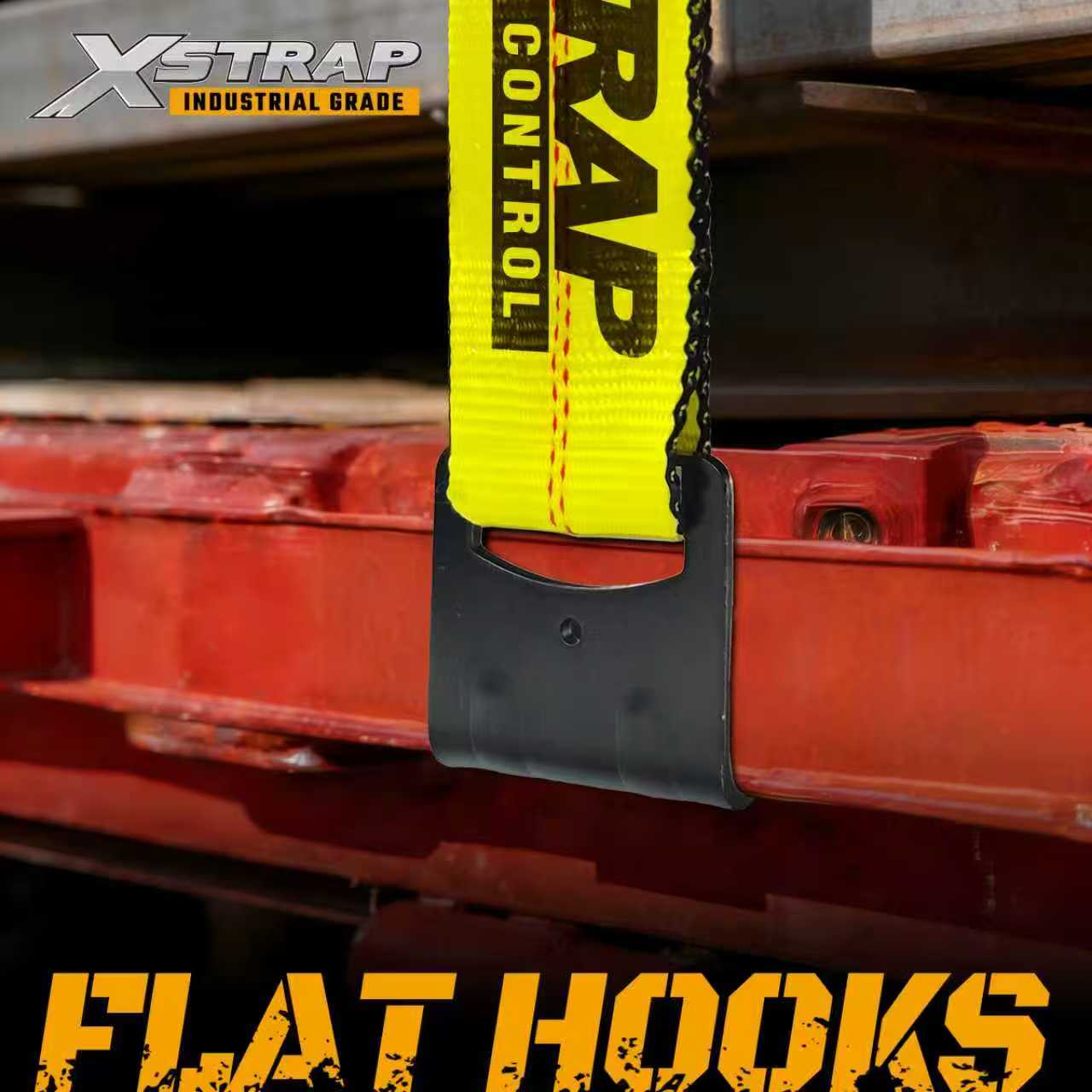
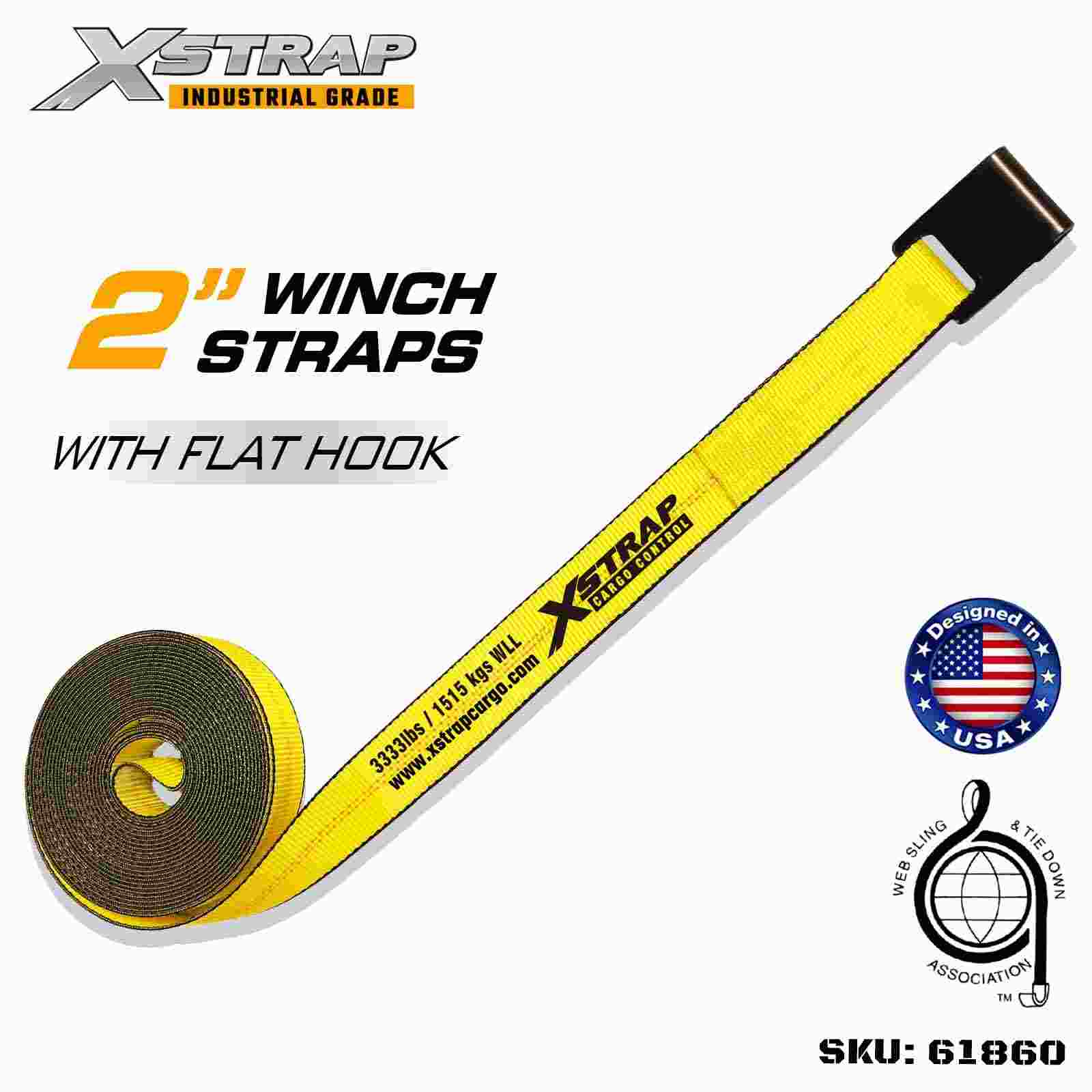
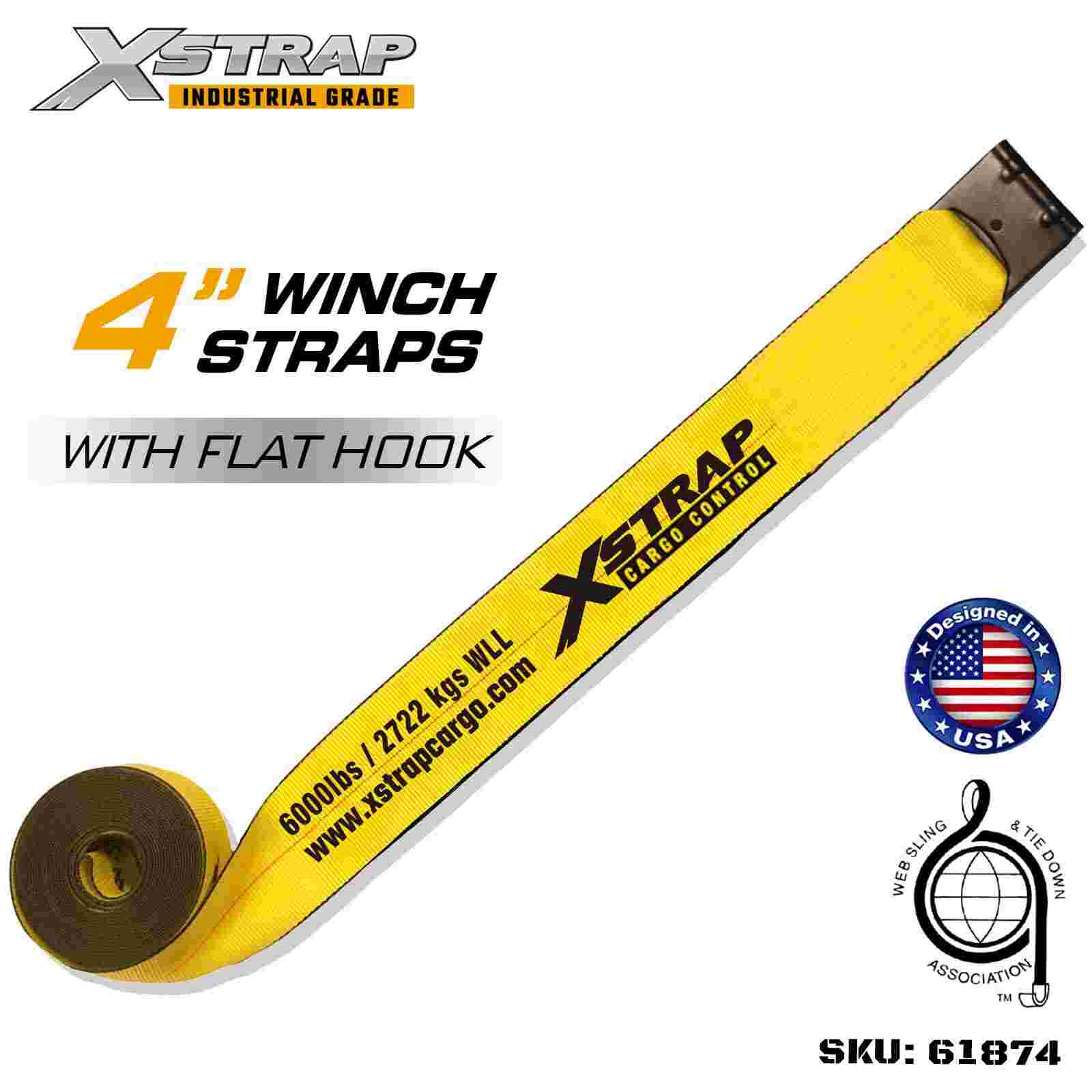
Flat Hooks
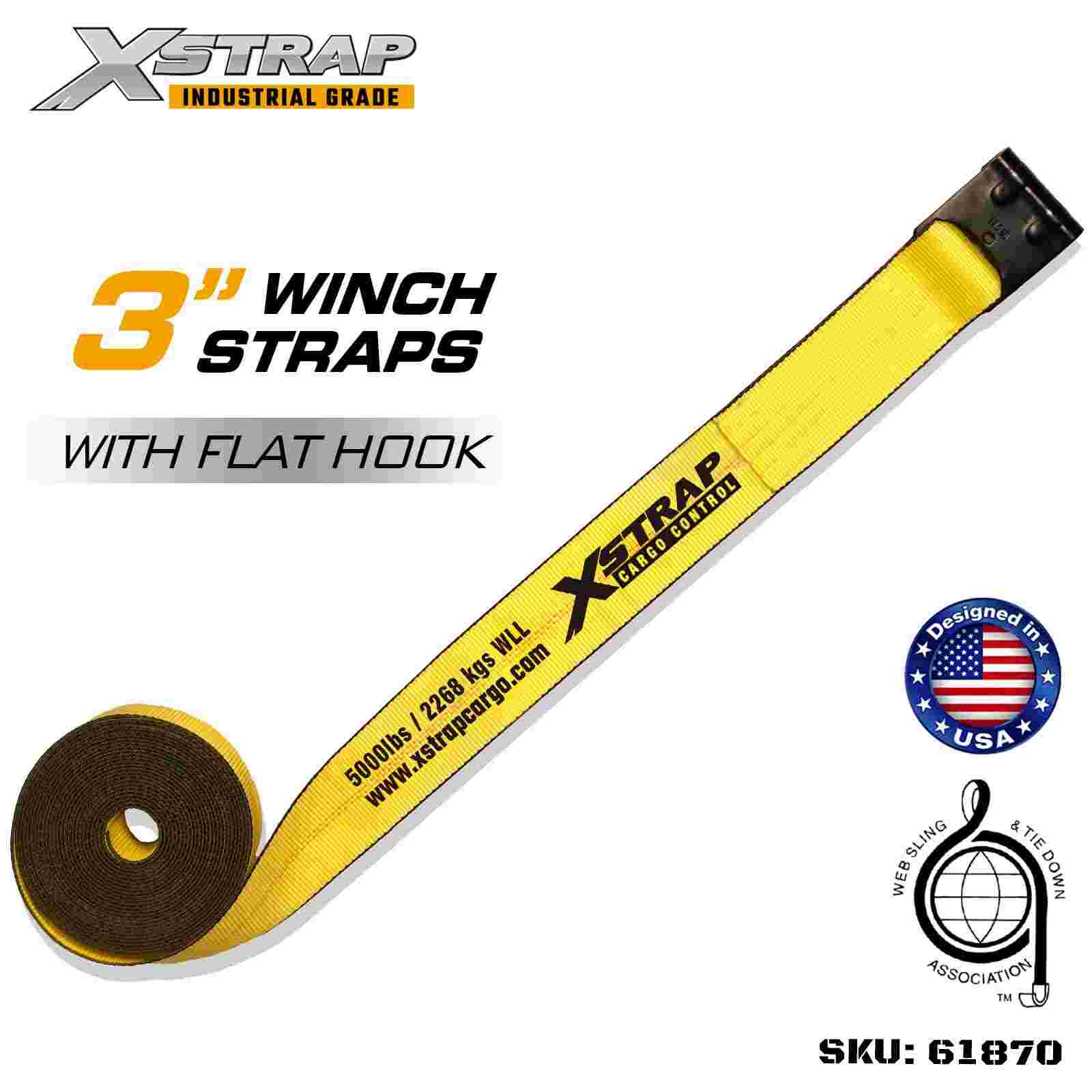
How They Work: Flat Hooks feature a wide, flat steel profile designed to slide securely onto rub rails, stake pockets, and other flat anchor points. The broad contact area distributes tension evenly, helping reduce webbing abrasion and improve overall stability.
Best Use Cases: Flat Hooks are ideal for medium to heavy-duty flatbed loads where rub rails or flat edges are available. They are widely used for lumber, steel, palletized freight, and general flatbed cargo.
Explore our 2-inch flat hook ratchet straps engineered for everyday flatbed hauling and DOT-compliant performance.https://www.xstrapcargo.com/product/2-inch-ratchet-straps/xstrap-61707-2-27ft-long-wide-handle-ratchet-buckle-straps.html
Advantages
- Wide contact surface spreads load forces evenly
- Reduces webbing wear at the anchor point
- Quick and easy to attach for efficient loading
- Excellent stability on flatbed rub rails
Limitations
- Requires a straight, flat edge for proper seating
- Not compatible with rings or recessed anchor points
- Less stable under extreme angled pulls
- Webbing wear can increase at the bend under long-term high tension
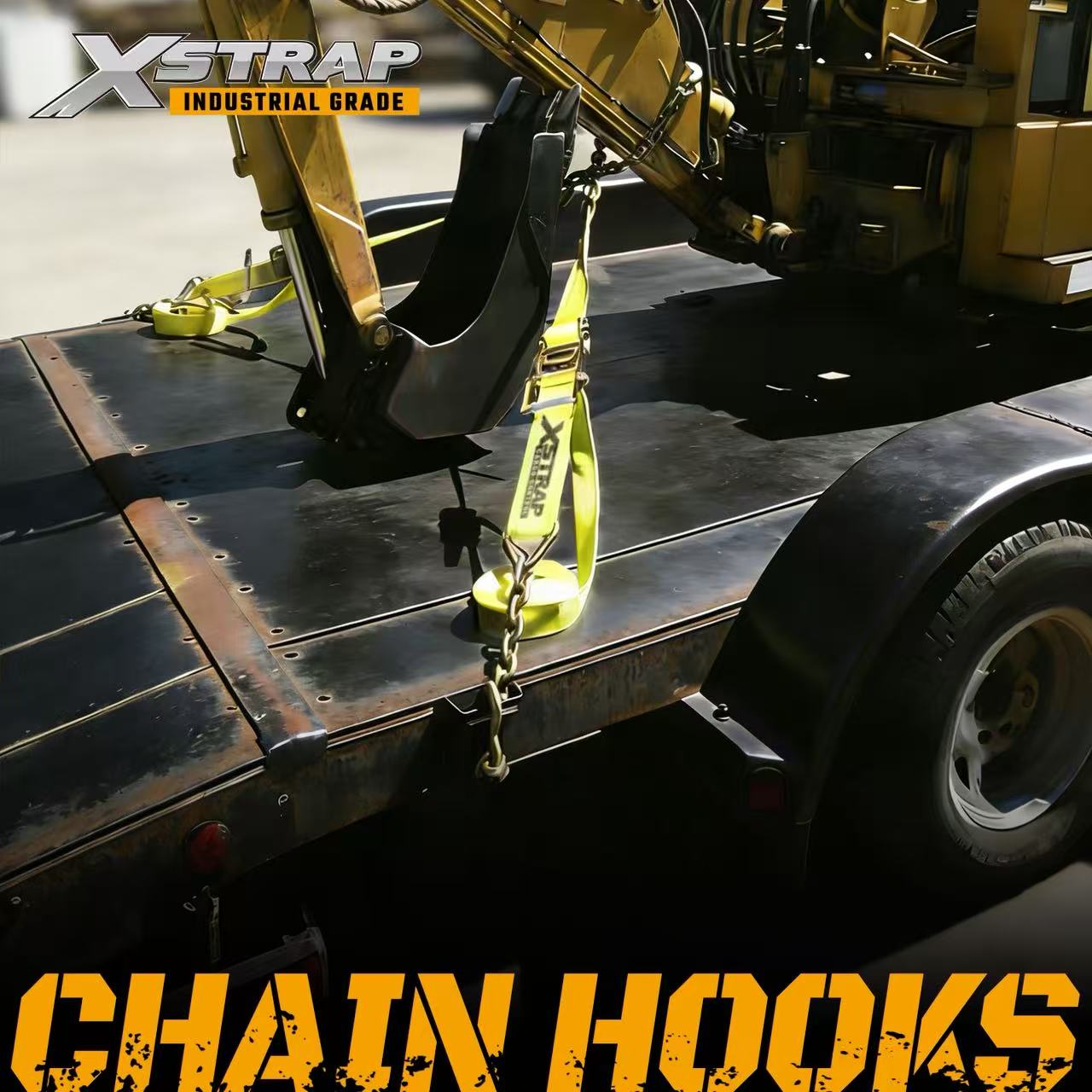
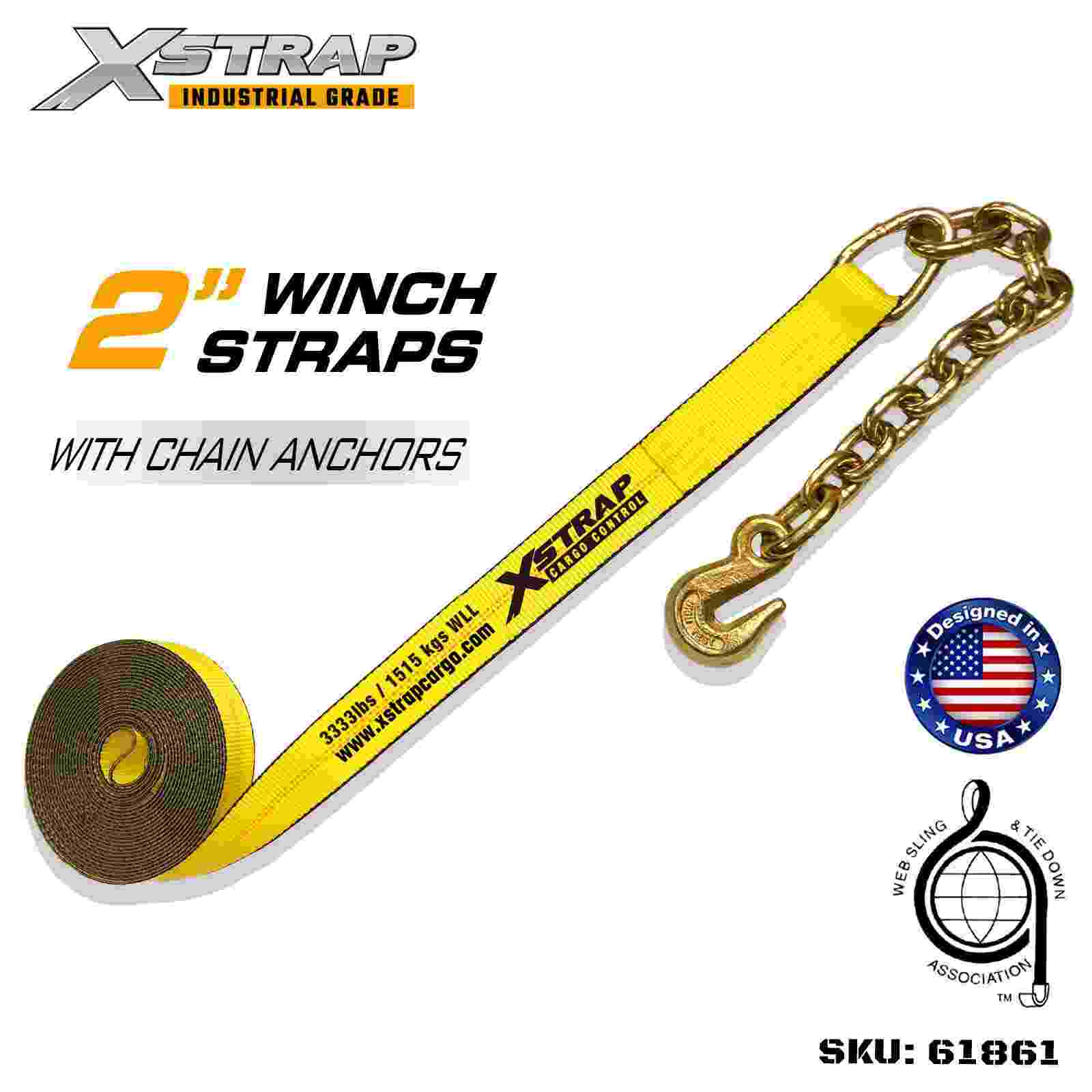
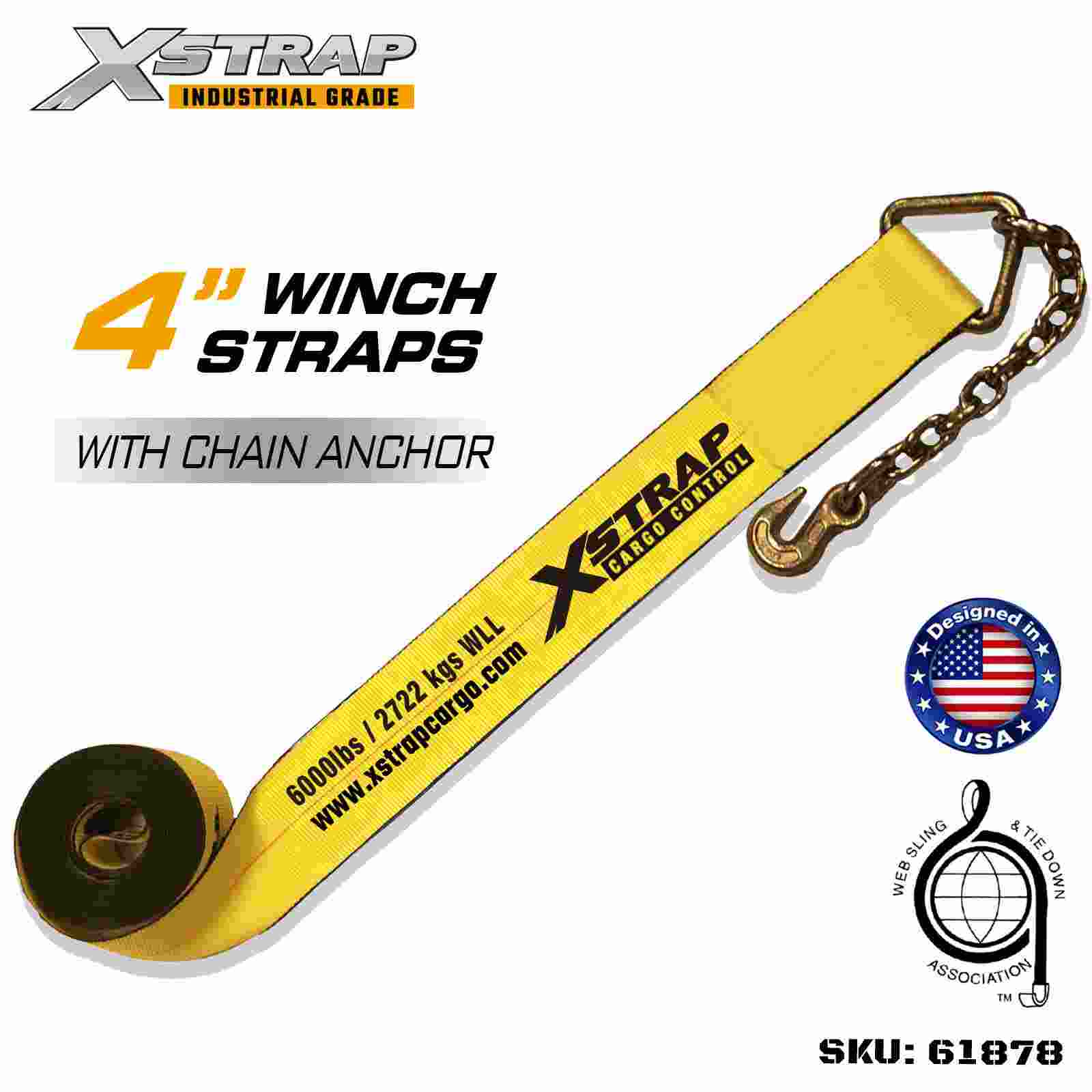
Chain Anchors
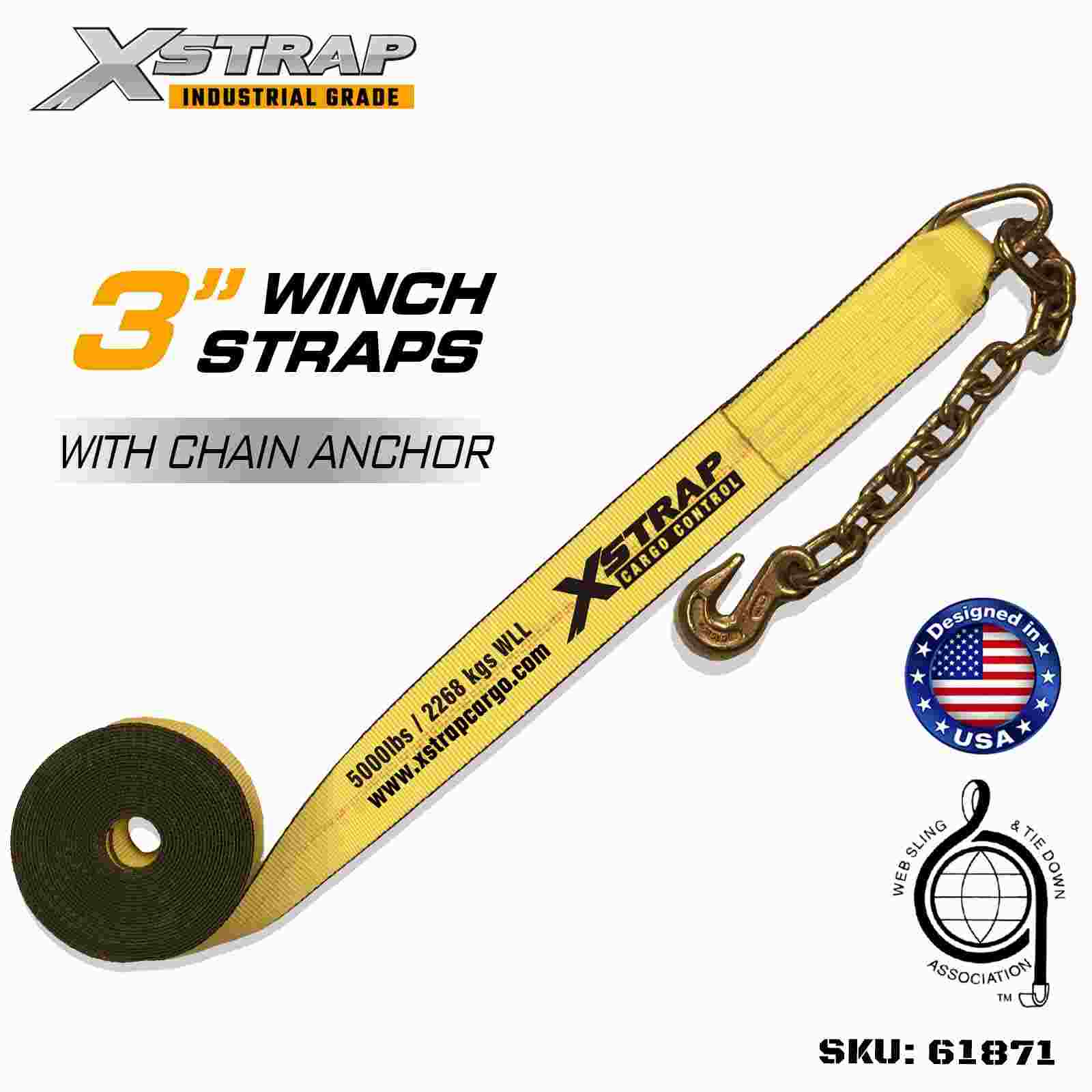
How They Work: Chain Anchors use a short section of steel chain permanently attached to the strap. The chain connects directly to chain-rated anchor points, creating a highly secure metal-to-metal connection that performs reliably under high-tension conditions.
Best Use Cases: Chain Anchors are ideal for heavy-duty cargo securement, including machinery, steel coils, construction materials, and industrial equipment where chain-rated anchor points are required.
See our 2-inch ratchet straps with chain anchors designed for heavy-duty flatbed and industrial applications.https://www.xstrapcargo.com/product/2-inch-ratchet-straps/xstrap-61709-2-27ft-long-wide-handle-ratchet-buckle-straps.html
Advantages
- Highest strength among common 2" strap hook options
- Excellent stability under heavy loads
- Performs reliably in rugged and harsh environments
- Ideal for chain-compatible securement systems
Limitations
- Only compatible with chain-style anchor points
- Heavier than standard hooks
- Slower to handle during frequent loading cycles
- Length adjustment limited by chain link spacing
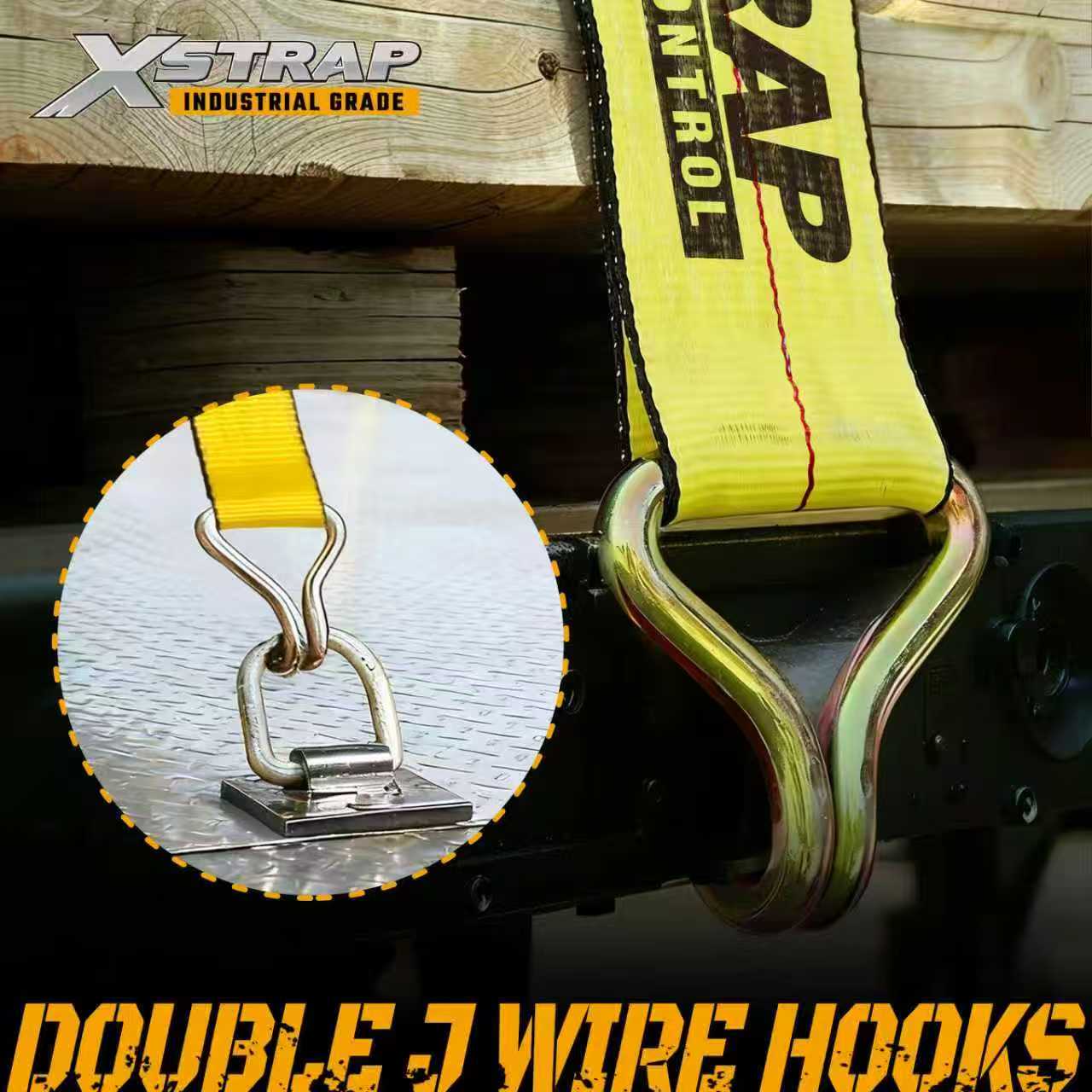
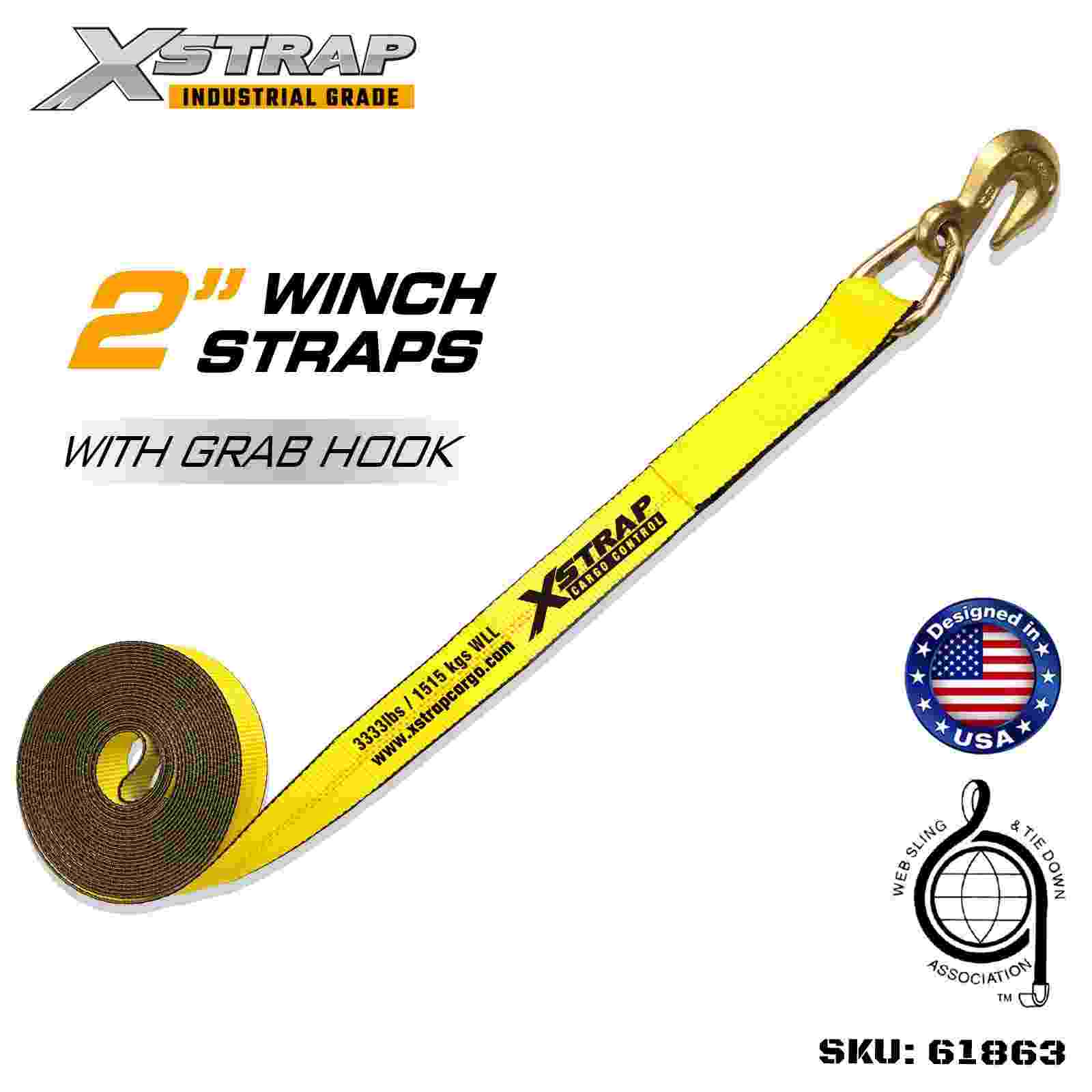
Double Wire Hooks
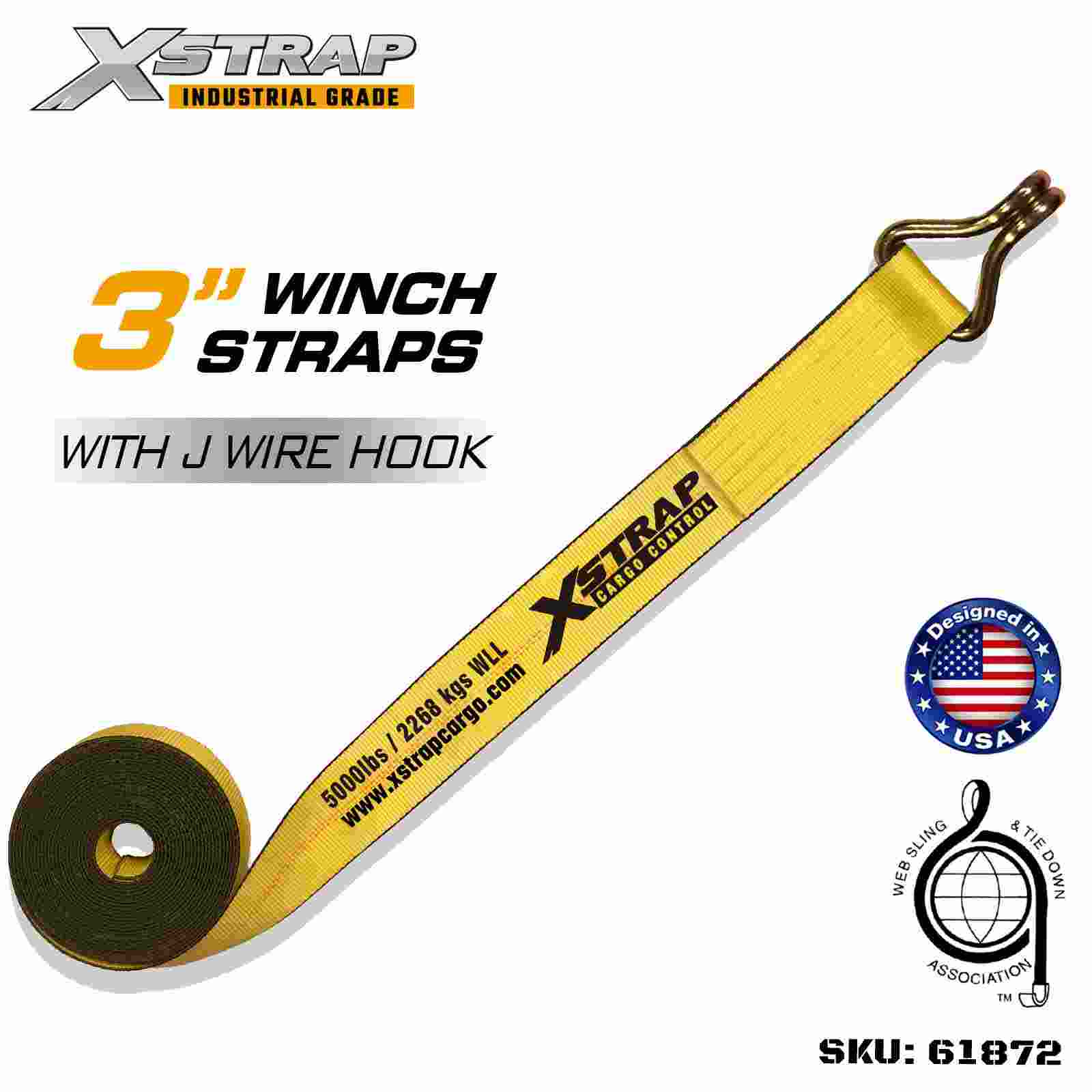
How They Work: Double Wire Hooks—also known as Double J Hooks—use a dual-rod, J-shaped steel design. Compared to single-wire hooks, the double-rod construction increases rigidity, reduces twisting, and improves overall durability. The narrower profile allows the hook to seat securely in ring-style anchor points.
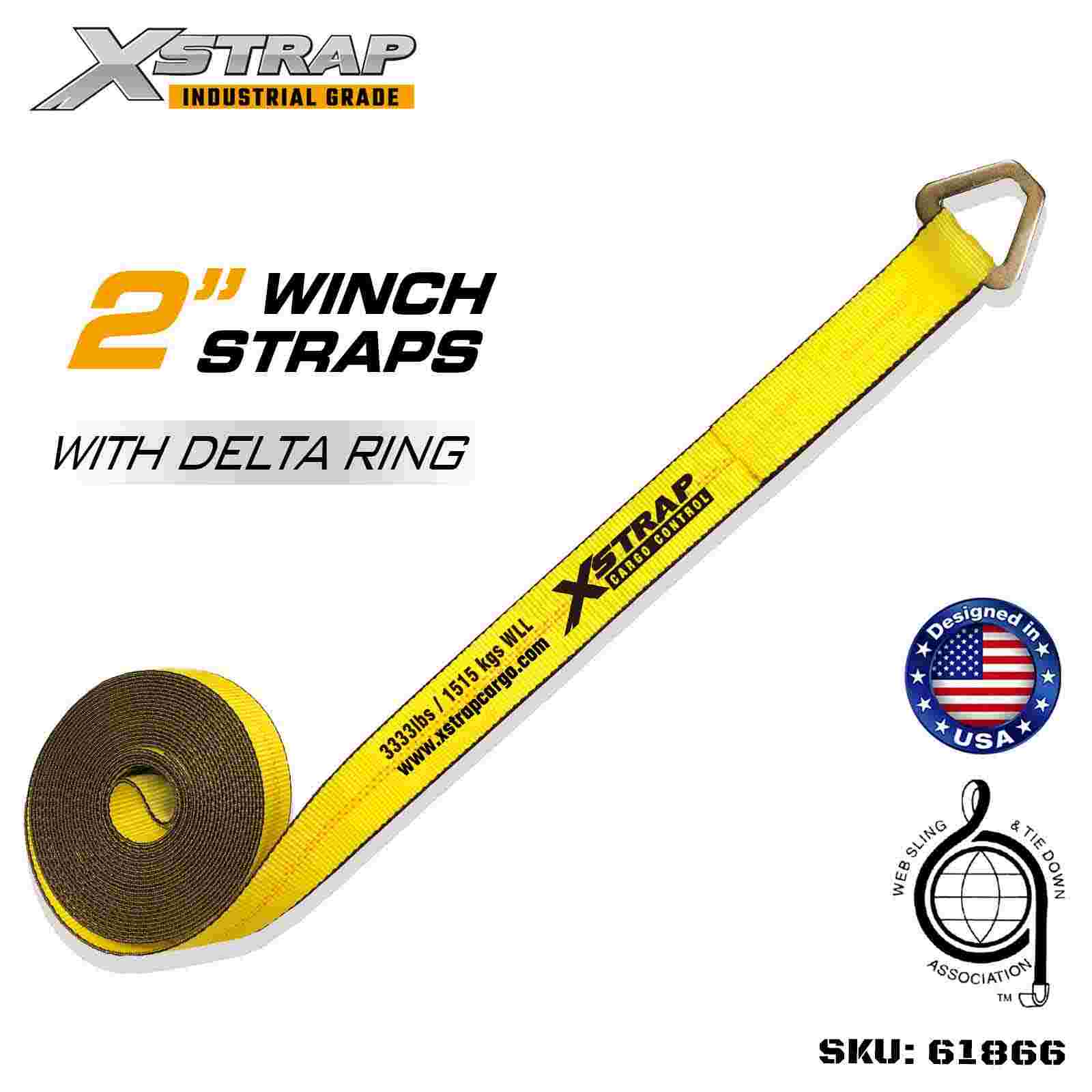
Best Use Cases: Double Wire Hooks are best suited for ring-style anchor points, including D-rings, O-rings, anchor plates, side rails, and utility trailer tie-down points. They are a versatile option for mixed cargo setups where anchor points vary.
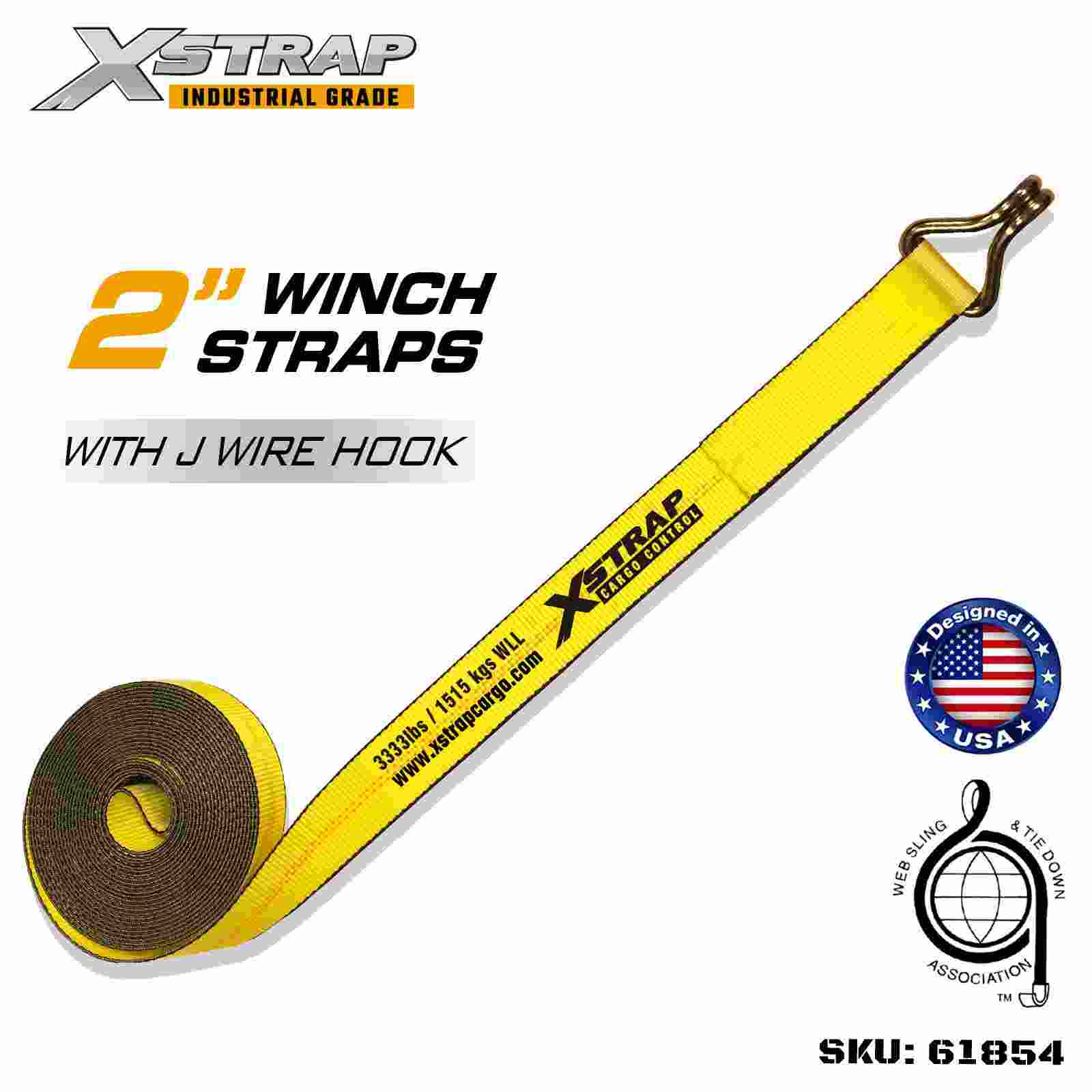
2-inch double wire hook ratchet straps https://www.xstrapcargo.com/product/2-inch-ratchet-straps/xstrap-61710-2-27ft-long-wide-handle-ratchet-buckle-straps.html)
Advantages
- More stable than single wire hooks
- Better compatibility with D-rings and O-rings
- Lightweight and easy to handle
- Faster loading and unloading
- Adaptable to changing anchor point geometries
Limitations
- Lower WLL compared to Flat Hooks and Chain Anchors
- Not designed for flat or wide anchor edges
- Can deform under extreme angled pulls
- Stress concentrates at the curved bend over long-term heavy use
2. WLL & Break Strength Comparison (2" Assemblies)
|
Hook Style |
Typical WLL |
Typical Break Strength |
Notes |
|
Chain Anchors |
4,700–6,600 lbs |
18,800–26,400 lbs |
Highest strength; ideal for heavy loads |
|
Flat Hooks |
3,333 lbs |
~10,000 lbs |
Strong and reliable for general freight |
|
Double Wire Hooks |
~3,300 lbs |
~9,900 lbs |
Most flexible but lowest WLL |
Note: WLL and break strength values may vary by manufacturer and configuration. Always refer to the rating stamped or labeled on the specific assembly.
3. Choosing the Right Hook for 2" Ratchet Straps
Based on Cargo Weight
- Light to Medium Cargo: Flat Hooks or Double Wire Hooks
- Heavy Cargo: Chain Anchors
Based on Anchor Point Type
- Rub Rails / Flat Edges: Flat Hooks
- Chain-Rated Anchor Points: Chain Anchors
- Ring-Style or Mixed Anchors: Double Wire Hooks
Based on Operating Conditions
- Frequent Adjustments: Flat Hooks, Double Wire Hooks
- Rugged or High-Tension Conditions: Chain Anchors
4. Practical Tips for Operators Using 2" Ratchet Straps
- Inspect hooks, chains, and webbing regularly for wear, deformation, or corrosion
- Match hook type to anchor point geometry and load direction
- Avoid extreme angled pulls whenever possible
- Always follow manufacturer guidelines and DOT/FMVSA cargo securement requirements
Conclusion
With 2" ratchet straps, the hook choice matters more than many people expect. Different hook styles suit different loads and anchor points, and understanding those differences makes everyday securement easier and more reliable. At Xstrap, our 2-inch ratchet straps reflect how they are used in real hauling conditions, with attention to the small details that affect securement.
FAQ
Q1: What hook types are commonly used on 2-inch ratchet straps?
A1: Flat Hooks, Chain Anchors, and Wire Hooks are the most commonly used options on 2-inch ratchet straps, each suited to different anchor points and load requirements.
Q2: Which hook is best for heavy-duty loads?
A2: Chain Anchors are typically preferred for heavier cargo, especially when chain-rated anchor points are available.
Q3: Can Flat Hooks be used on any anchor point?
A3: No. Flat Hooks require a straight, flat surface, such as a rub rail or stake pocket, to seat securely.
Q4: Why is the working load limit lower on Wire Hooks?
A4: Wire Hooks use a narrower steel profile, which improves fit in rings but limits the amount of tension they can safely handle.
Q5: How should I choose the right hook for a 2-inch ratchet strap?
A5: Start by considering cargo weight and anchor point type. These two factors usually determine which hook style offers the safest and most efficient securement.
Popular Products
Recent News
 How Do You Choose the Right Utility Tie Downs and Bungee Cords for Your Needs
Introduction
When it comes to securing your gear for transport, storage, or organization, Utility Tie Downs and Bungee Cords are essential tools. Whether you're hauling heavy loads...
 The Ultimate Guide to Ratchet Straps: Choosing, Using, and Maintaining Them
Introduction to Ratchet Straps
What Are Ratchet Straps?
Ratchet straps, also known as tie-down straps or cargo straps, are a type of load securement tool widely used in transportat...
 How Can Ratchet Tie Down Standard Duty Straps Ensure Safe and Reliable Cargo Securement
What Are Ratchet Tie Down Straps and Why Are They Important for Cargo Securement?
Introduction to Ratchet Tie Down Straps
Ratchet tie down straps are essential tools for anyone inv...
 What are Ratchet Straps and how do they help you transport your items safely
What Are Ratchet Straps?
Ratchet straps, also known as ratchet tie-downs or cargo straps, are heavy-duty fastening tools designed to secure items during transportation. They consis...
 How to Properly Use Light Duty Ratchet Tie Downs for Maximum Load Security
Understanding the Basics of Ratchet Tie Down Light Duty Straps
Ratchet tie-down straps are a critical tool in the transportation, storage, and securement of goods. They are used to...
-
 +86-18112697781qindan355@gmail.comNo. 21 Yuefeng Road, Yangshe Town, Zhangjiagang City, Suzhou City, Jiangsu Province
 -
Quick Links
Social Media
-
OEM Partner
-


Copyright © 2025 Zhangjiagang SMK MFG. Co., Ltd. All rights reserved.
 Wholesale Tension Strap Manufacturers
Wholesale Tension Strap Manufacturers