
 English
 Français
 Español

Home / News / Industry News / Which Ratchet Tie Down Should You Choose? The Ultimate Guide to Selecting the Right Duty Rating
Which Ratchet Tie Down Should You Choose? The Ultimate Guide to Selecting the Right Duty Rating
2026-01-09
In the world of logistics and transport, cargo securement is not just a matter of convenience; it is a critical safety requirement. A ratchet tie down is a high-strength tensioning device used to secure goods during transit. By utilizing a mechanical gear and pawl system, these tools allow users to apply a precise and significant amount of tension to a load, far exceeding what can be achieved with traditional ropes or bungee cords.
The primary goal of using these devices is to prevent shifting, sliding, or the total loss of cargo, which can lead to catastrophic accidents on the road. However, the effectiveness of a securement system depends entirely on choosing the correct duty rating. Whether you are moving a 50lb bicycle or a 50,000lb industrial generator, understanding the spectrum from Ratchet Tie Down Light Duty to Industrial Tie Down is the first step toward professional-grade safety.
Understanding Ratchet Tie Down Components
A ratchet tie down is an assembly of three distinct engineered components, each playing a vital role in the system's integrity.
The Ratchet Mechanism: The heart of the system is the steel ratchet. It consists of a rotating mandrel and a handle that locks into position. Standard finishes feature zinc plating or powder coating to resist rust, while Industrial Tie Down applications may use stainless steel to withstand chemical exposure or salt spray.
Webbing Material: While various materials exist, Polyester Webbing is the global standard for all duty ratings. It offers low stretch (usually less than 3%), ensuring the load stays tight even over long distances. It also provides excellent UV resistance and does not absorb water, preventing rot and mildew.
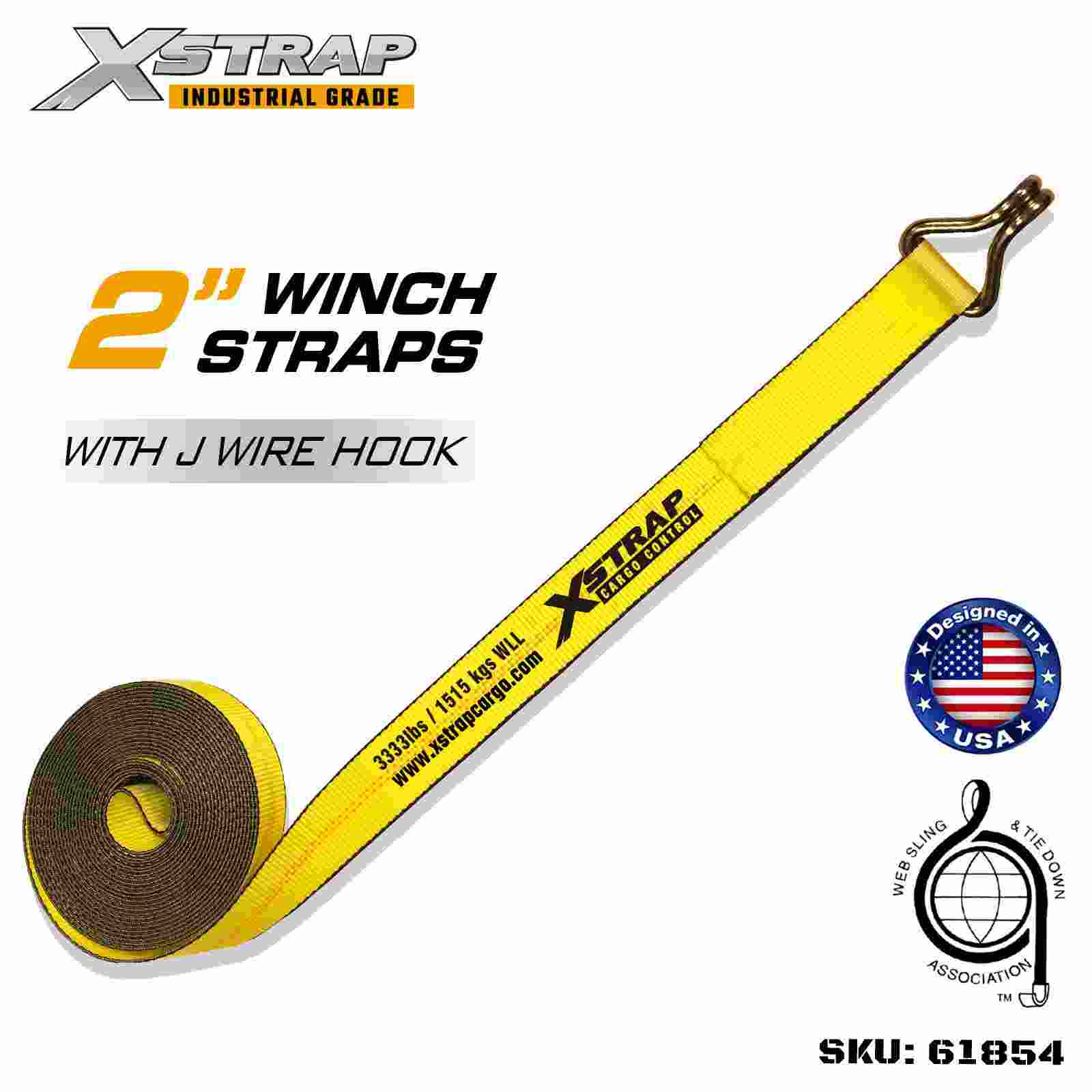
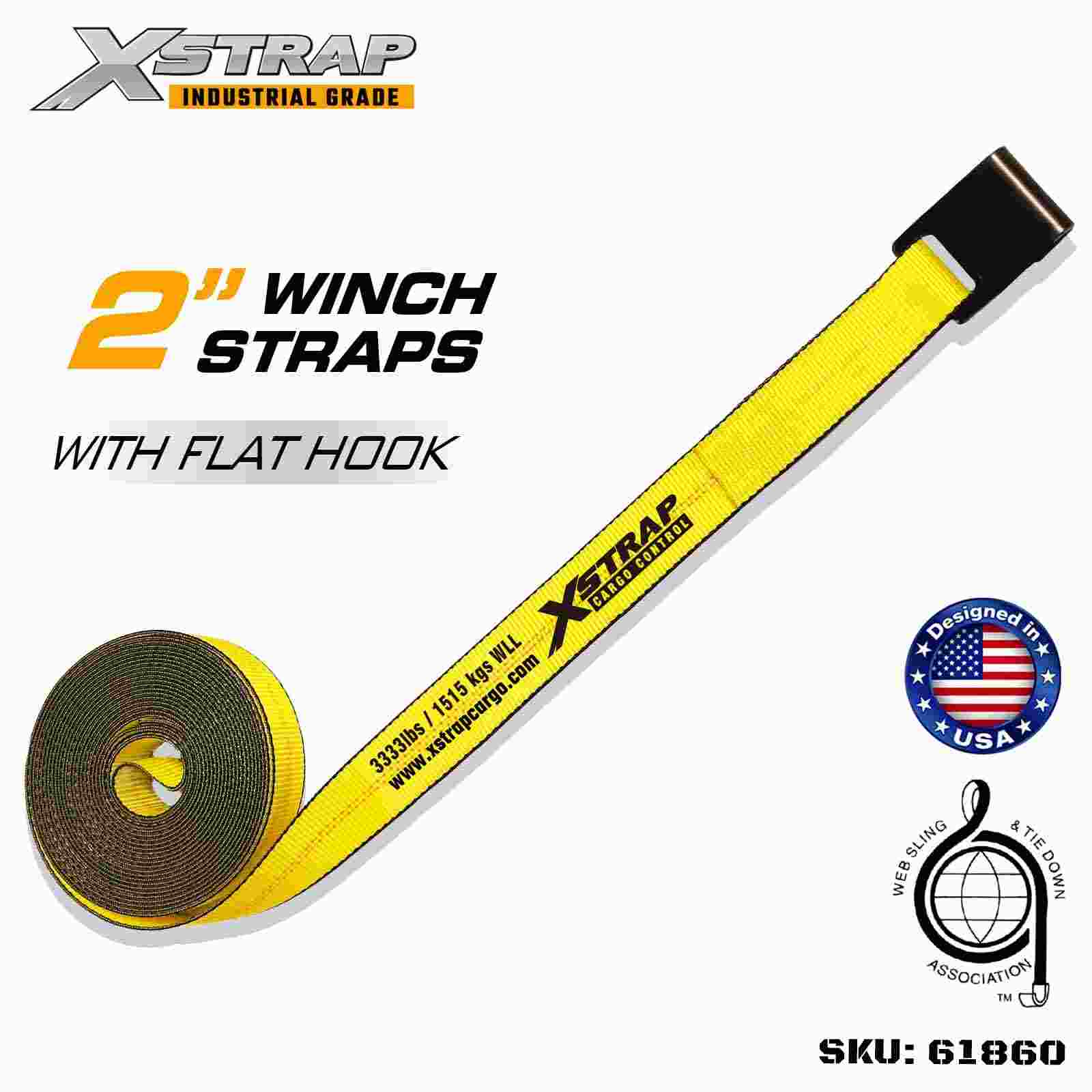
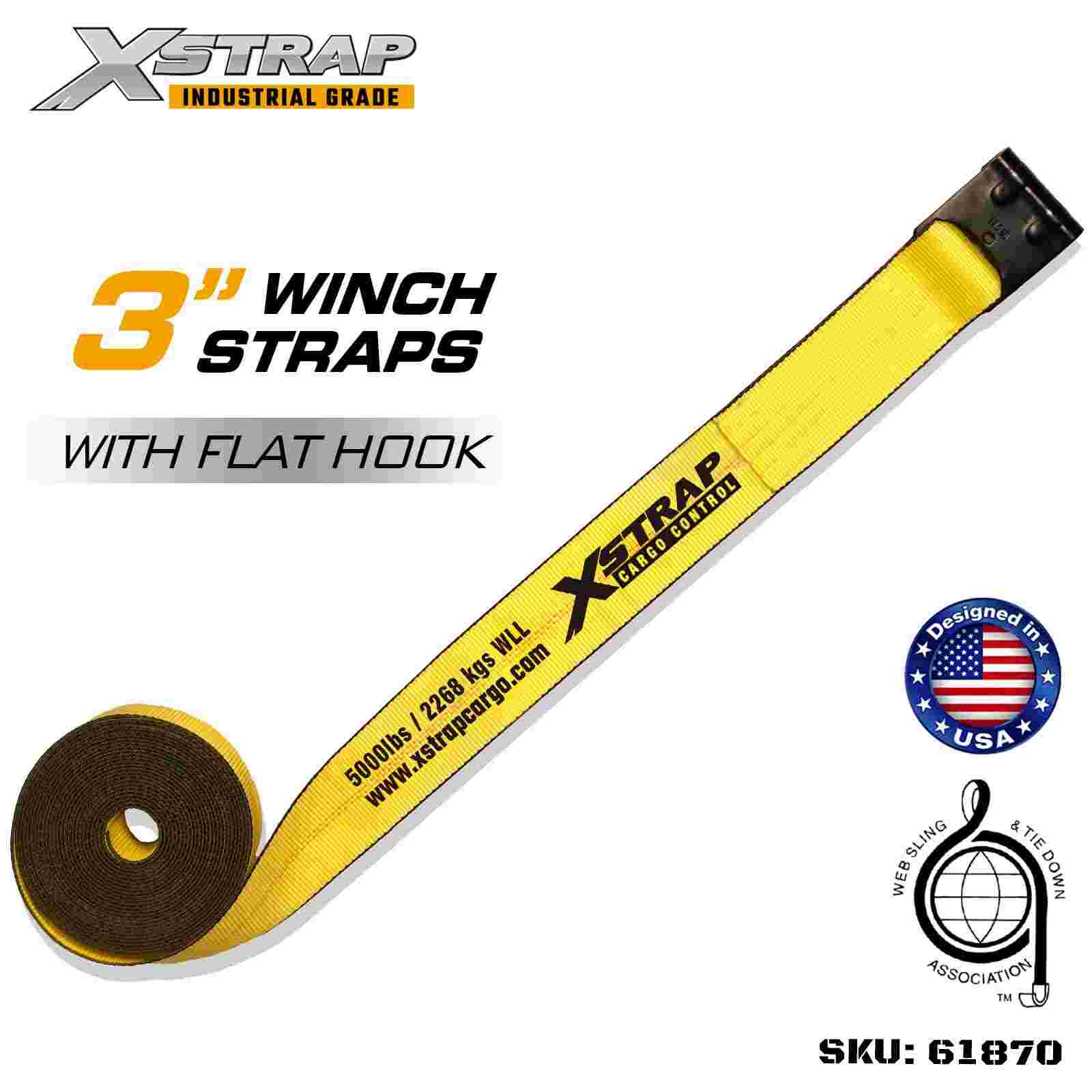
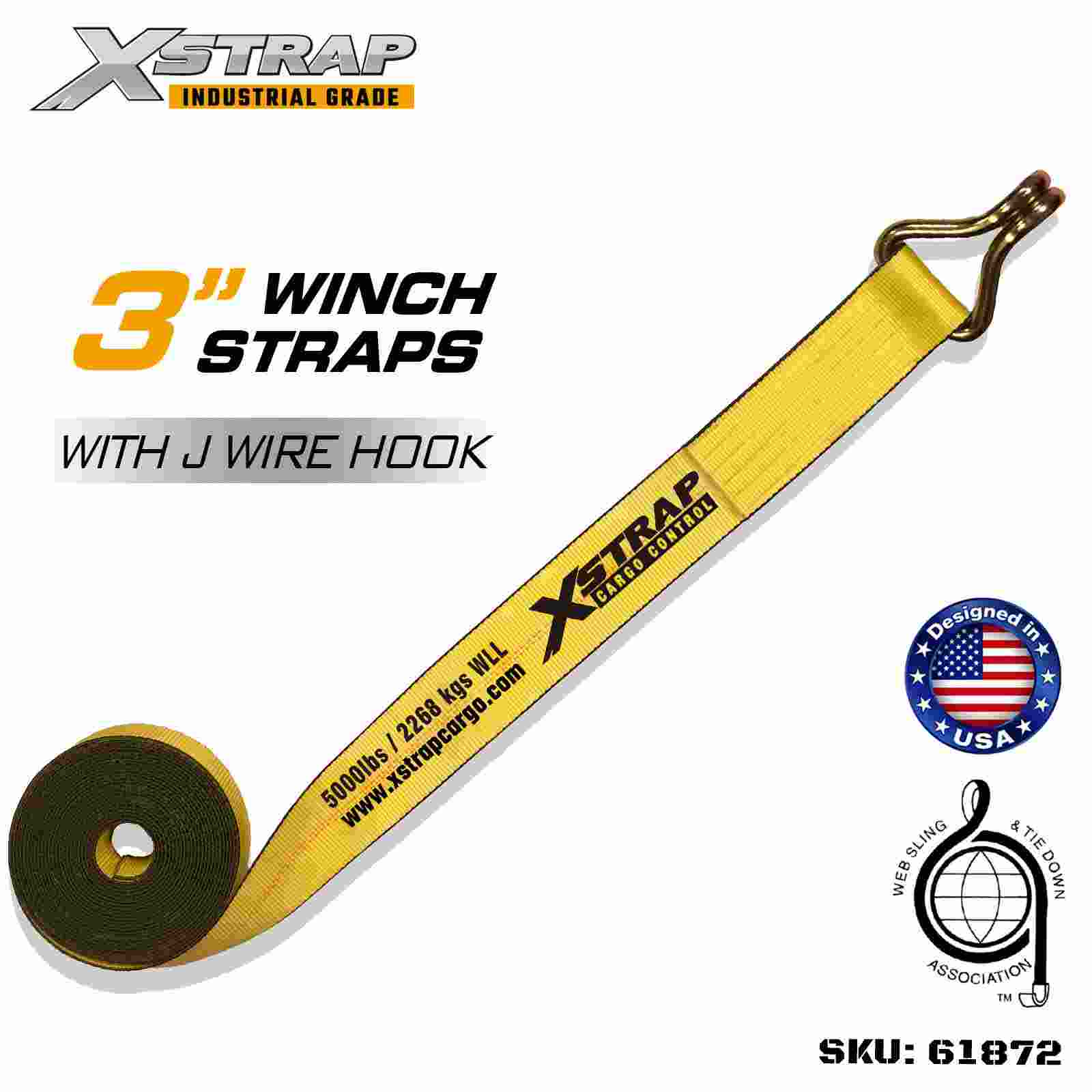
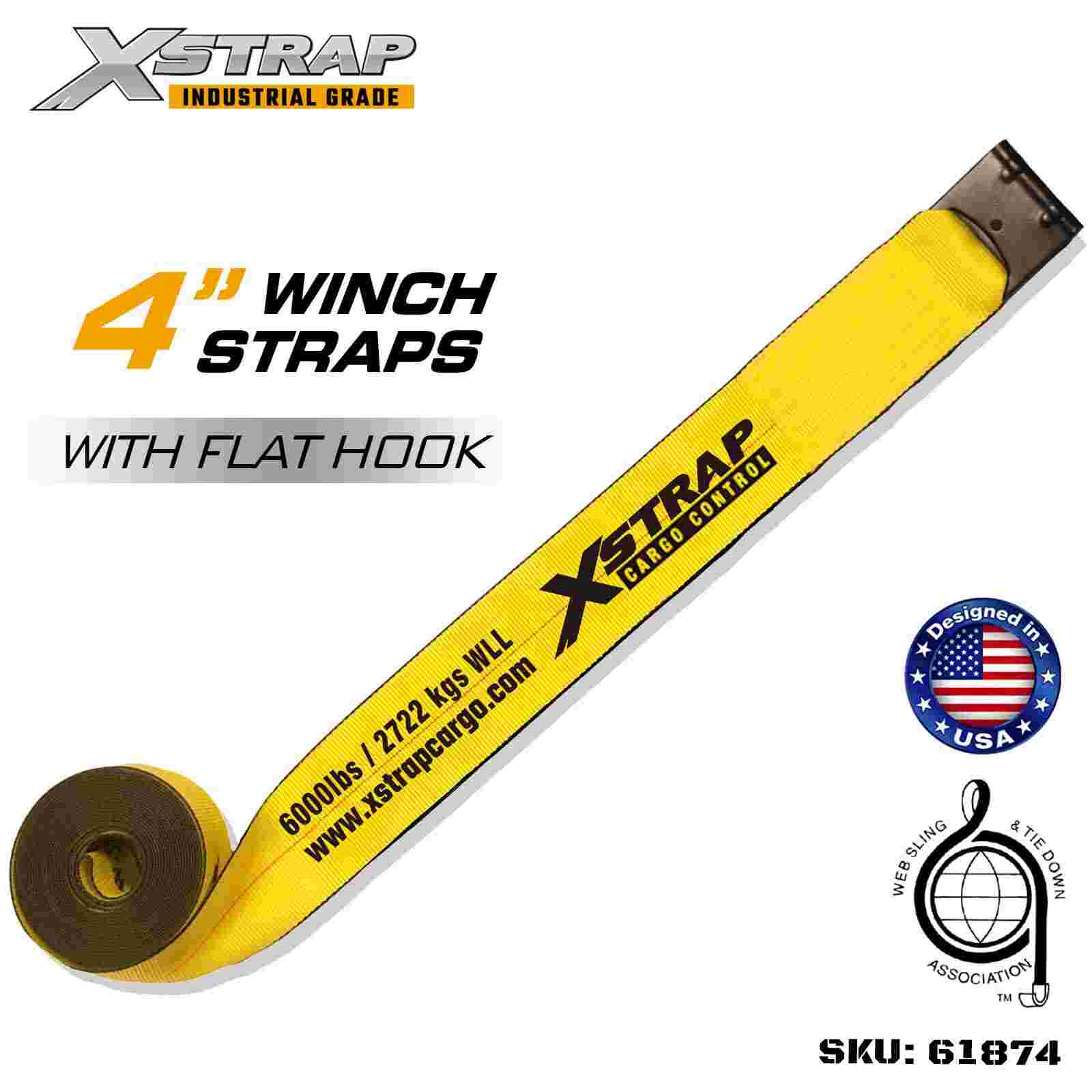
End Fittings: The hardware at the end of the strap determines how it connects to your anchor points. Common types include S-hooks (often vinyl-coated for light duty), J-hooks (stronger and more compact), and Flat Hooks (designed for flatbed trailer side rails).
Duty Rating Comparison Table
| Category | Webbing Width | Working Load Limit (WLL) | Break Strength (BS) | Typical Application |
| Light Duty | 1 inch | 200 - 500 lbs | 600 - 1,500 lbs | Luggage, Kayaks |
| Standard Duty | 1 - 1.5 inches | 500 - 1,500 lbs | 1,500 - 4,500 lbs | ATVs, Motorcycles |
| Heavy Duty | 2 - 3 inches | 3,333 - 5,000 lbs | 10,000 - 15,000 lbs | Construction Equipment |
| Super Duty | 4 inches | 5,400 - 6,600 lbs | 16,200 - 20,000 lbs | Heavy Machinery |
| Industrial | Variable | Custom High Grade | 30,000+ lbs | Manufacturing, Ports |
Ratchet Tie Down Light Duty
The Ratchet Tie Down Light Duty is the go-to solution for residential and recreational use. These straps are designed for portability and ease of use.
Technical Specifications: Usually features 1-inch webbing with a Working Load Limit (WLL) up to 500 lbs. The break strength typically hovers around 1,500 lbs.
Ideal Applications: Securing camping gear, kayaks, bicycles, and lightweight home furniture in pickup trucks or small trailers. They are perfect for "weekend warrior" tasks where the cargo is relatively light and has no internal suspension.
Advantages: They are lightweight, budget-friendly, and usually feature rubber-coated handles and hooks to prevent damage to delicate surfaces like vehicle paint or plastic kayak hulls.
Disadvantages: They should never be used to secure motorized vehicles like motorcycles or heavy lawnmowers, as the dynamic forces of a bouncing vehicle can easily exceed the 500 lb limit.
Ratchet Tie Down Standard Duty
For many DIYers and outdoor enthusiasts, the Ratchet Tie Down Standard Duty represents the perfect balance of strength and manageability.
Technical Specifications: Webbing width ranges from 1 inch to 1.5 inches, with a WLL between 500 and 1,500 lbs.
Ideal Applications: These are the industry standard for transporting motorcycles, ATVs, UTVs, and heavy household appliances like refrigerators or washing machines.
Advantages: Standard duty straps often feature thicker webbing and larger ratchet handles for better leverage. Many versions include "Soft Loop" extensions, which allow the user to wrap around a motorcycle handlebar without metal-to-metal contact.
Disadvantages: While strong, they may not be sufficient for oversized commercial loads or heavy construction materials that require a wider footprint to stay stable.
Ratchet Tie Down Heavy Duty
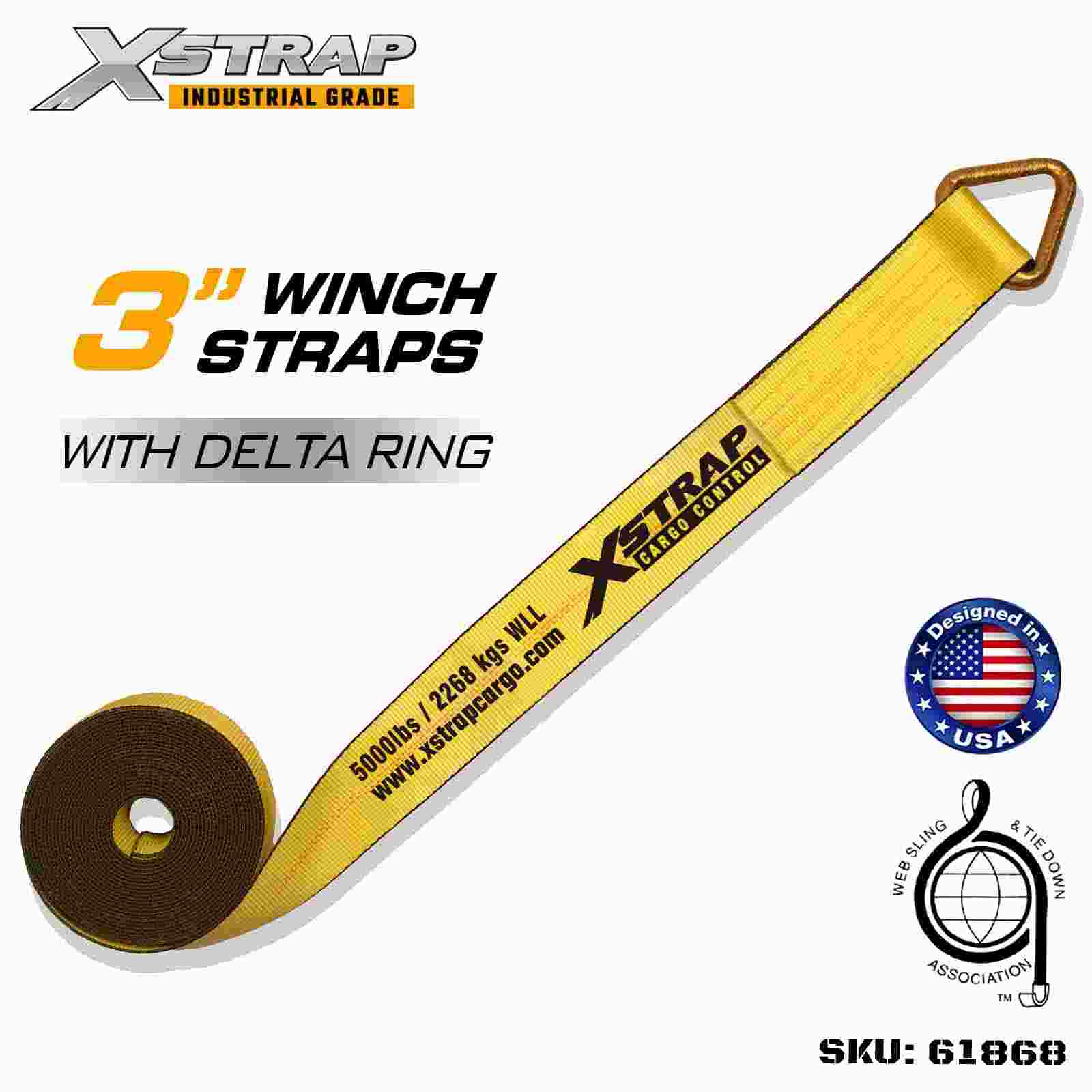
When the load enters the territory of commercial freight or construction, the Ratchet Tie Down Heavy Duty becomes the essential tool. These are built to meet strict transportation department regulations.
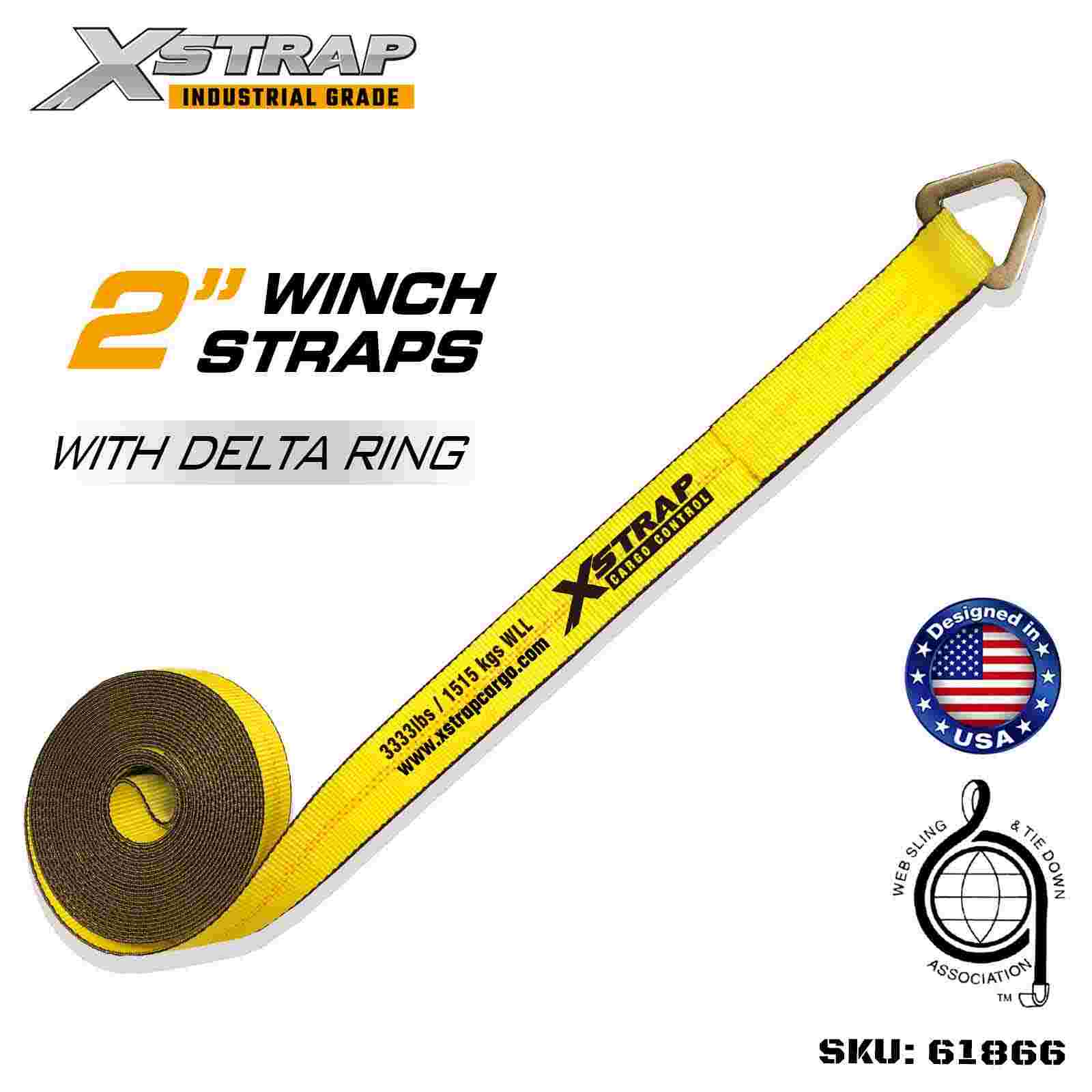
Technical Specifications: Primarily 2-inch to 3-inch webbing. The 2-inch strap is the most common, featuring a WLL of 3,333 lbs and a break strength of 10,000 lbs.
Ideal Applications: Securing palletized goods, construction materials (lumber, steel pipes), and smaller pieces of earth-moving equipment on flatbed trailers.
Advantages: The hardware is noticeably more robust, featuring long-handle ratchets that allow for extreme tensioning. The webbing is often treated with an abrasion-resistant coating to handle rough cargo edges.
Disadvantages: Due to the heavy steel components, these are significantly heavier and require more physical effort to operate and store than lighter duty options.
Ratchet Tie Down Super Duty
For the most demanding transport tasks on the planet, the Ratchet Tie Down Super Duty provides maximum security for massive weights.
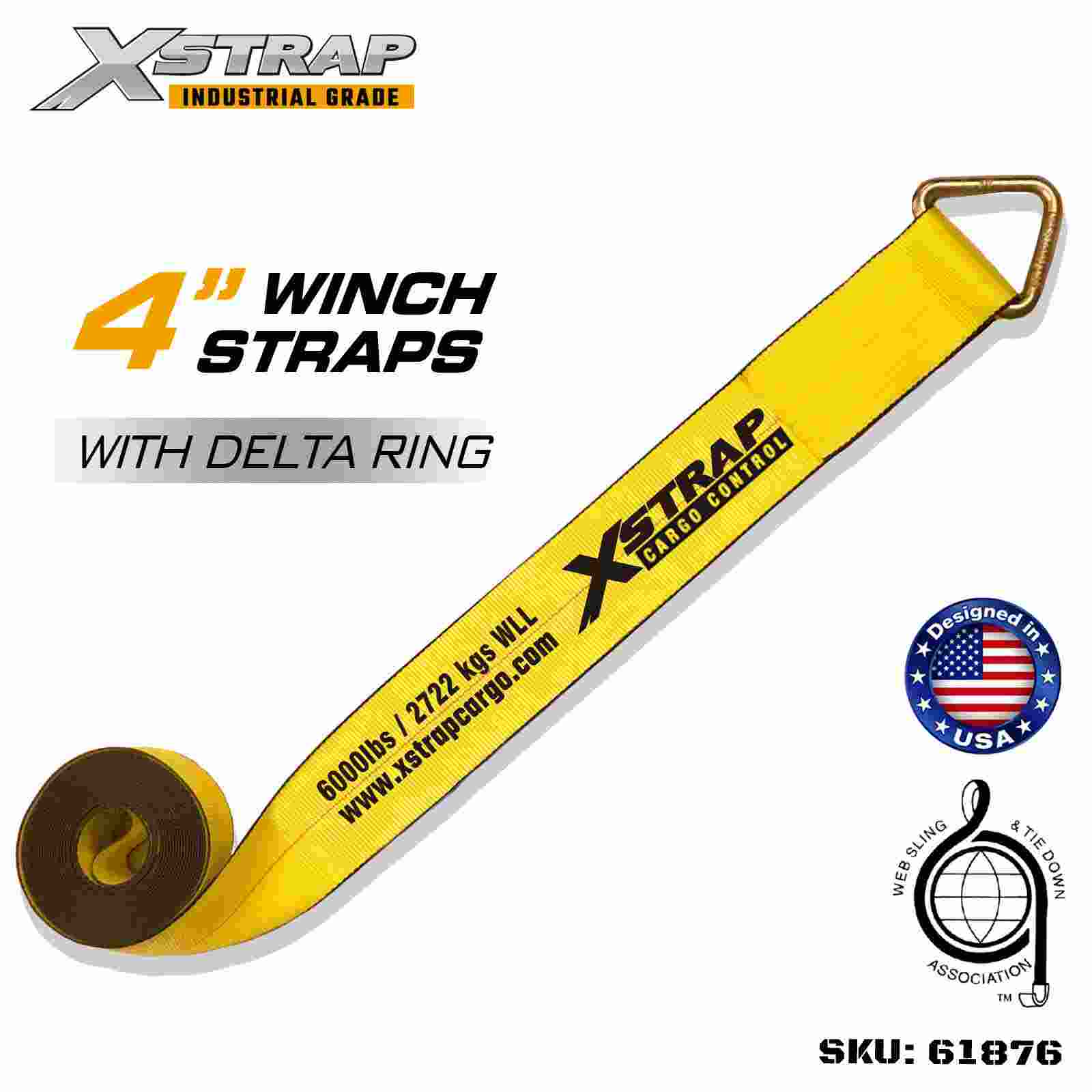
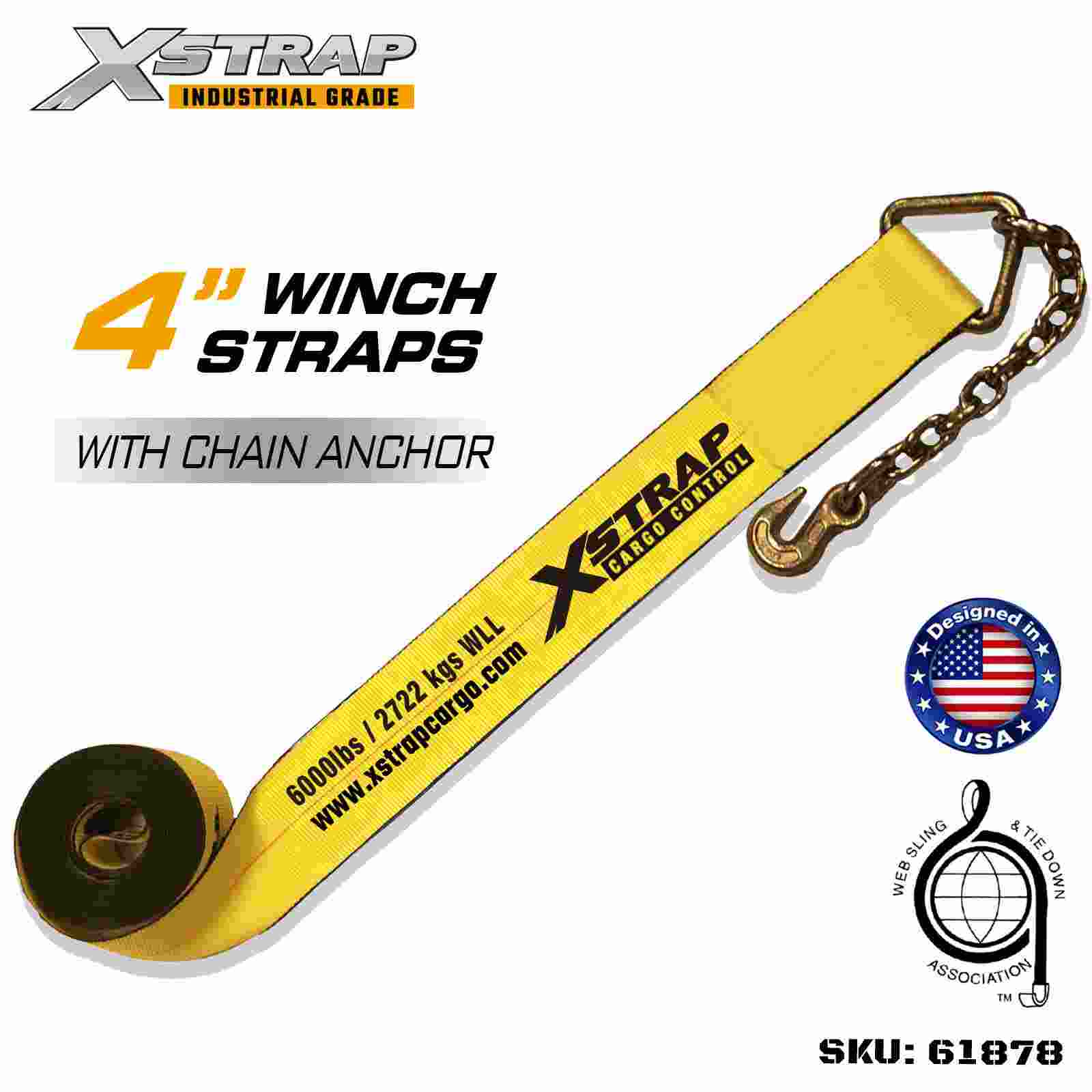
Technical Specifications: These utilize massive 4-inch wide webbing. A single strap can have a WLL of over 6,000 lbs and a break strength exceeding 20,000 lbs.
Ideal Applications: Securing heavy machinery such as excavators and tractors, large steel coils, and oversized industrial containers on flatbed trucks.
Advantages: Maximum strength and reliability. These straps are designed to endure extreme G-forces during sudden braking or sharp turns, ensuring that even a 20-ton load remains stationary.
Disadvantages: These are the most expensive and heaviest options. They often require specialized equipment, such as winch bars, for proper tightening and are generally too bulky for non-commercial vehicles.
Industrial Tie Down
The Industrial Tie Down category focuses on durability and repetition in manufacturing and industrial settings rather than just maximum weight capacity.
Technical Specifications: These are often customized to specific factory needs, with WLLs that vary based on the industrial application. They often feature specialized end fittings like snap hooks or D-rings for permanent anchor points.
Ideal Applications: Securing equipment on assembly lines, internal factory transport, long-term storage of heavy components, and maritime shipping where salt air resistance is required.
Advantages: Engineered for 24/7 use, the ratchet gears are precision-machined for thousands of cycles without stripping. They may also feature chemical-resistant webbing for use in oil and gas environments.
Disadvantages: The high level of specialization makes them overkill for general consumer use, and they are typically sold through industrial supply chains rather than general retail stores.
How to Choose the Right Ratchet Tie Down
Choosing the right tool involves more than just picking the strongest strap. Consider the following factors to ensure safety and efficiency:
Weight and Size of the Load: Always know the weight of your cargo. According to safety rules, the total WLL of all your straps combined must equal at least 50 percent of the weight of the cargo. However, using enough straps to cover 100 percent of the weight is a common best practice for professionals.
Appropriate End Fittings: Ensure your hooks match your anchor points. An S-hook might slip off a thick trailer frame, whereas a Flat Hook is designed to grab that specific edge securely.
Working Load Limit (WLL) vs. Break Strength: Never shop based on Break Strength alone. Always look at the WLL, as this is the only rating that accounts for the stresses of real-world travel, such as wind resistance and road bumps.
Proper Usage and Safety Tips
Distribute the Load Evenly: Use at least two tie downs for any load, even if one strap is technically strong enough. For vehicles, a 4-point tie-down method (one strap at each corner) is the industry standard for stability.
Protect the Webbing: Sharp edges are the primary enemy of polyester webbing. Use corner protectors or pieces of old carpet between the strap and any sharp metal edges to prevent cutting or fraying during the trip.
Avoid Overloading: If a strap is rated for 500 lbs, do not attempt to secure 600 lbs by "tightening it extra hard." This actually increases the chance of a snap failure.
Inspect Before Every Use: Look for the "Red Thread" warning. Many professional straps have internal red threads that become visible only when the strap is worn down. If you see red, it is time to replace the strap immediately.
Frequently Asked Questions
Q: Can I use a Light Duty strap if I use four of them for a heavy load?
A: While the math might seem to work, it is not recommended. Light duty hardware is not designed to handle the high-tension snap-back of a heavy load shifting. Always use a strap rated for the specific weight class.
Q: Why does my strap make a loud whistling noise while driving?
A: This is caused by wind vibration. To stop it, put a simple half-twist in the strap before you tighten it. This changes the aerodynamics and eliminates the noise.
Q: How do I clean my ratchet straps?
A: Use warm water and a mild detergent. Avoid harsh chemicals or bleach, as these can break down the polyester fibers and reduce the strength of the webbing.
Q: How many wraps of webbing should be on the ratchet?
A: You should have at least 2 to 3 full rotations of webbing around the center mandrel to ensure the strap does not slip under tension. However, do not overfill the spool, as this can jam the ratchet.
Popular Products
Recent News
 How Do You Choose the Right Utility Tie Downs and Bungee Cords for Your Needs
Introduction
When it comes to securing your gear for transport, storage, or organization, Utility Tie Downs and Bungee Cords are essential tools. Whether you're hauling heavy loads...
 The Ultimate Guide to Ratchet Straps: Choosing, Using, and Maintaining Them
Introduction to Ratchet Straps
What Are Ratchet Straps?
Ratchet straps, also known as tie-down straps or cargo straps, are a type of load securement tool widely used in transportat...
 How Can Ratchet Tie Down Standard Duty Straps Ensure Safe and Reliable Cargo Securement
What Are Ratchet Tie Down Straps and Why Are They Important for Cargo Securement?
Introduction to Ratchet Tie Down Straps
Ratchet tie down straps are essential tools for anyone inv...
 What are Ratchet Straps and how do they help you transport your items safely
What Are Ratchet Straps?
Ratchet straps, also known as ratchet tie-downs or cargo straps, are heavy-duty fastening tools designed to secure items during transportation. They consis...
 How to Properly Use Light Duty Ratchet Tie Downs for Maximum Load Security
Understanding the Basics of Ratchet Tie Down Light Duty Straps
Ratchet tie-down straps are a critical tool in the transportation, storage, and securement of goods. They are used to...
-
 +86-18112697781qindan355@gmail.comNo. 21 Yuefeng Road, Yangshe Town, Zhangjiagang City, Suzhou City, Jiangsu Province
 -
Quick Links
Social Media
-
OEM Partner
-


Copyright © 2025 Zhangjiagang SMK MFG. Co., Ltd. All rights reserved.
 Wholesale Tension Strap Manufacturers
Wholesale Tension Strap Manufacturers