
 English
 Français
 Español
Home / News / Industry News / What Makes a Stainless Steel Tie Down the Best Choice for Heavy-Duty Securing
What Makes a Stainless Steel Tie Down the Best Choice for Heavy-Duty Securing
2026-03-06
What Is a Stainless Steel Tie Down and Why It Matters
A stainless steel tie down is a securing device designed to fasten, restrain, or anchor cargo, equipment, or loads during transport or storage. Unlike standard tie downs made from carbon steel or zinc-coated hardware, a stainless steel tie down is built with corrosion-resistant alloy, making it capable of performing reliably in wet, salty, or chemically exposed environments where ordinary hardware would quickly degrade.
At its core, a stainless steel tie down works by applying controlled tension between an anchor point and the load, preventing shifting, tipping, or sliding during movement. The system typically consists of a metal hardware component — such as a hook, ring, or ratchet mechanism — paired with a strap, chain, or cable rated for a specific load capacity.
Where Stainless Steel Tie Downs Are Used
The demand for stainless steel tie downs spans multiple industries:
- Marine & Boating — Securing equipment on decks, docks, and trailers constantly exposed to saltwater spray
- Trucking & Freight — Anchoring heavy cargo on flatbed trailers for long-haul transport
- Off-Road & Overlanding — Mounting recovery gear, fuel cans, and equipment on vehicle exteriors
- Construction — Fastening scaffolding components, machinery, and material loads on-site
- Food & Pharmaceutical — Stainless hardware meets hygiene standards in processing environments
Types of Stainless Steel Tie Downs
Not all stainless steel tie downs are built the same way. Different applications demand different mechanisms, load ratings, and mounting styles. Understanding the main types helps you select the right stainless steel tie down for your specific use case — whether you are securing a boat on a trailer, fastening cargo on a flatbed, or mounting gear on a roof rack.
1. Ratchet Stainless Steel Tie Down
The ratchet stainless steel tie down is the most widely used type for heavy cargo transport. It uses a mechanical ratcheting mechanism to progressively tighten the strap, allowing the user to achieve precise, high tension without over-stressing the load.
Best for: Flatbed trucking, trailer cargo, heavy equipment transport
| Parameter | Detail |
|---|---|
| Working Load Limit (WLL) | 500 lbs – 5,000 lbs depending on model |
| Break Strength | Typically 3× the WLL |
| Strap Width | 1 inch / 2 inch / 4 inch |
| Hardware Material | 304 or 316 stainless steel |
| End Fittings | J-hook, flat hook, wire hook |
| Key Advantage | High tension control, secure lock |
2. Cam Buckle Stainless Steel Tie Down
A cam buckle stainless steel tie down uses a spring-loaded cam mechanism to grip and hold the strap without a ratchet. It is faster to operate and ideal for lighter, more delicate loads where over-tensioning could cause damage.
Best for: Motorcycles, ATVs, kayaks, soft goods, lightweight equipment
| Parameter | Detail |
|---|---|
| Working Load Limit (WLL) | 100 lbs – 1,000 lbs |
| Break Strength | Typically 3× the WLL |
| Strap Width | 1 inch / 1.5 inch |
| Hardware Material | 304 stainless steel |
| End Fittings | Loop end, flat hook, snap hook |
| Key Advantage | Quick release, gentle on cargo |
3. Eye Bolt & Ring Stainless Steel Tie Down Anchor
This type of stainless steel tie down refers to fixed anchor hardware — eye bolts, D-rings, and pad eyes — that are permanently or semi-permanently mounted to a surface such as a truck bed, boat deck, or trailer floor. They serve as the anchor point to which straps or chains are attached.
Best for: Marine deck anchoring, truck bed tie down points, trailer floors
| Parameter | Detail |
|---|---|
| Common Grades | 316 stainless steel (marine preferred) |
| Load Capacity | 500 lbs – 8,000 lbs (varies by size) |
| Mounting Type | Bolt-through, weld-on, surface screw |
| Ring/Eye Diameter | 6mm – 20mm |
| Finish | Polished or brushed |
| Key Advantage | Permanent, flush, corrosion-proof anchor point |
4. D-Ring & E-Track Stainless Steel Tie Down System
The E-track stainless steel tie down system consists of a slotted rail mounted to a cargo floor or wall, into which D-ring or anchor fittings can slide and lock at any position. This gives maximum flexibility in positioning tie down points without drilling multiple fixed holes.
Best for: Enclosed trailers, cargo vans, horse trailers, mobile workshops
| Parameter | Detail |
|---|---|
| Track Material | 304 stainless steel |
| Track Length | 2 ft / 4 ft / 8 ft sections |
| Fitting Type | Single-slot, double-slot, O-ring, strap end |
| Working Load Limit | Up to 3,300 lbs per anchor point |
| Mounting | Floor, wall, or ceiling installation |
| Key Advantage | Adjustable positioning along full track length |
5. Chain-Style Stainless Steel Tie Down
For extreme-duty applications, a chain-style stainless steel tie down replaces webbing straps with stainless steel chain, offering superior abrasion resistance and higher load ratings. These are commonly used in industrial, marine, and heavy construction environments.
Best for: Heavy machinery, industrial loads, marine mooring, rugged outdoor use
| Parameter | Detail |
|---|---|
| Chain Grade | Grade 30 / Grade 43 / Grade 70 |
| Material | 316 stainless steel |
| Working Load Limit | 1,900 lbs – 7,100 lbs (by chain size) |
| Chain Diameter | 1/4 inch – 1/2 inch |
| End Fittings | Grab hook, clevis hook, shackle |
| Key Advantage | Abrasion-proof, no strap wear or fraying |
Quick Comparison: Which Stainless Steel Tie Down Type Is Right for You?
| Type | Best Load Range | Ease of Use | Best Environment | Adjustability |
|---|---|---|---|---|
| Ratchet | Heavy (500–5,000 lbs) | Moderate | Trucking, transport | Medium |
| Cam Buckle | Light (100–1,000 lbs) | Very Easy | Recreational, soft cargo | High |
| Eye Bolt / Ring Anchor | Varies by size | Fixed install | Marine, truck bed | Low (fixed point) |
| E-Track System | Medium-Heavy | Easy | Enclosed trailers, vans | Very High |
| Chain-Style | Very Heavy (1,900–7,100 lbs) | Moderate | Industrial, marine | Low-Medium |
Choosing the right type of stainless steel tie down comes down to three core factors: the weight of your load, the environment you operate in, and how frequently you need to reposition your anchor points.
Key Features to Look for in a Stainless Steel Tie Down
Selecting the right stainless steel tie down goes beyond simply picking the correct type. The specific features and material specifications of a stainless steel tie down directly determine how long it will last, how much load it can safely handle, and whether it will perform reliably in your environment.
1. Stainless Steel Grade: 304 vs 316
| Feature | 304 Stainless Steel | 316 Stainless Steel |
|---|---|---|
| Chromium Content | 18% | 16% |
| Nickel Content | 8% | 10% |
| Molybdenum | None | 2–3% |
| Corrosion Resistance | Good — suits general outdoor use | Superior — resists saltwater & chlorine |
| Tensile Strength | 515 MPa | 485 MPa |
| Best Environment | Inland, dry, moderate humidity | Marine, coastal, chemical exposure |
| Relative Cost | Lower | Higher |
| Typical Application | Trucking, construction, overlanding | Boating, docks, food processing |
Key takeaway: If your stainless steel tie down will be used anywhere near saltwater, a swimming pool, or a chemically active environment, always choose 316 grade. For general land-based use, 304 grade offers excellent value without compromise.
2. Working Load Limit (WLL) and Break Strength
| Load Category | Recommended WLL | Typical Use Case |
|---|---|---|
| Light Duty | Up to 500 lbs | Kayaks, bikes, small equipment |
| Medium Duty | 500 lbs – 2,000 lbs | Motorcycles, ATVs, small machinery |
| Heavy Duty | 2,000 lbs – 5,000 lbs | Vehicles, large cargo, flatbed loads |
| Industrial/Extreme | 5,000 lbs and above | Heavy machinery, marine, construction |
Never select a stainless steel tie down based solely on break strength. Always size your tie down so the actual load sits comfortably within the WLL. A common safety rule is to use tie downs with a combined WLL of at least 50% of the total cargo weight across all anchor points.
3. Hardware Finish and Build Quality
| Finish Type | Description | Best For |
|---|---|---|
| Mirror Polished | Smooth, reflective surface — minimal surface area for corrosion to grip | Marine, food-grade, aesthetic applications |
| Brushed / Satin | Matte finish with fine grain lines — hides scratches well | General outdoor, trucking, construction |
| Passivated | Chemical treatment that strengthens the oxide layer | High-corrosion environments |
4. Strap Material Compatibility
| Strap Material | Stretch | Abrasion Resistance | UV Resistance | Best Pairing |
|---|---|---|---|---|
| Polyester Webbing | Very Low | High | Excellent | Heavy cargo, long-term outdoor use |
| Nylon Webbing | Moderate | Moderate | Good | Shock-absorbing loads, general use |
| Polypropylene | Low | Low | Poor | Light duty, short-term, dry conditions |
| Stainless Steel Chain | None | Excellent | N/A | Industrial, extreme-duty, marine |
5. End Fitting Design
| Fitting Type | Description | Best Use |
|---|---|---|
| J-Hook | Standard curved hook — fits most standard anchor rails | Flatbed trucking, trailers |
| Flat Hook | Wide, low-profile hook — reduces snag risk | Enclosed trailers, smooth floors |
| Wire Hook | Thin gauge hook — fits tight or narrow anchor slots | E-track systems, precision anchoring |
| Snap Hook | Spring-loaded closure — fast attach and release | Recreational, marine, light duty |
| Shackle / D-Shackle | Bolt-closed loop — highest security connection | Marine, industrial, overhead anchoring |
6. Certification and Compliance Standards
| Standard | Region | What It Covers |
|---|---|---|
| DOT (Department of Transportation) | USA | Cargo securement for road transport |
| EN 12195-2 | Europe | Lashing strap load ratings and testing |
| AS/NZS 4380 | Australia/NZ | Cargo restraint systems |
| ISO 9001 | International | Manufacturing quality management |
How to Use a Stainless Steel Tie Down Correctly
Owning a high-quality stainless steel tie down is only half the equation. Incorrect usage — even with premium hardware — can result in load shifts, cargo damage, or serious safety hazards on the road or worksite.
Step-by-Step Guide to Securing Cargo with a Stainless Steel Tie Down
Step 1: Inspect the Stainless Steel Tie Down Before Use
- Check the strap for cuts, fraying, or discoloration
- Inspect all metal hardware for cracks, deformation, or corrosion
- Verify the ratchet or cam buckle mechanism moves freely and locks correctly
- Confirm the WLL marked on the strap matches or exceeds your load requirement
Step 2: Identify and Evaluate Your Anchor Points
| Anchor Point Type | Typical WLL | Notes |
|---|---|---|
| Welded D-Ring (truck bed) | 1,000 – 3,500 lbs | Verify weld integrity regularly |
| E-Track Slot Fitting | Up to 3,300 lbs | Confirm fitting is fully seated in track |
| Eye Bolt (bolt-through) | 500 – 8,000 lbs | Check bolt torque and backing plate |
| Stake Pocket Hook | 1,000 – 2,500 lbs | Ensure pocket walls are not deformed |
Step 3: Position Your Stainless Steel Tie Down Correctly
| Strap Angle from Horizontal | Effective Downward Force | Recommendation |
|---|---|---|
| 90° (perfectly vertical) | 100% | Ideal but rarely achievable |
| 60° | 87% | Excellent — aim for this range |
| 45° | 71% | Acceptable for most cargo |
| 30° | 50% | Marginal — add extra tie downs |
| Below 30° | Less than 50% | Avoid — insufficient restraint |
Step 4: Attach End Fittings Securely
- Always seat hooks fully — a partially engaged J-hook or snap hook can slip free under load vibration
- For shackle-type fittings, thread the bolt fully and mouse-wire or safety-pin the shackle pin to prevent it from backing out
- Never force a hook onto an anchor point that is too large or awkwardly shaped
Step 5: Apply Tension Correctly
For a ratchet stainless steel tie down:
- Feed the strap through the mandrel of the ratchet mechanism
- Pull the loose end until the strap is hand-tight with no slack
- Operate the ratchet handle with full strokes until the strap is firm
- Lock the ratchet in the closed position
- Secure any excess strap tail with a keeper strap or rubber band to prevent road flutter
For a cam buckle stainless steel tie down:
- Thread the strap through the cam slot
- Pull the free end firmly until the strap is snug
- Press the cam to lock — ensure the teeth grip the strap fully
- Test by pulling the strap — it should not slip back through the buckle
Step 6: Apply the Correct Number of Tie Downs
| Cargo Weight | Minimum Number of Stainless Steel Tie Downs |
|---|---|
| Up to 500 lbs | 2 tie downs |
| 500 lbs – 1,000 lbs | 2 – 3 tie downs |
| 1,000 lbs – 2,500 lbs | 3 – 4 tie downs |
| 2,500 lbs – 5,000 lbs | 4 – 6 tie downs |
| Over 5,000 lbs | Calculate by WLL — total WLL must exceed 50% of cargo weight |
Common Mistakes to Avoid
| Mistake | Why It Is Dangerous | Correct Practice |
|---|---|---|
| Over-tensioning the strap | Can crush fragile cargo or exceed WLL | Tension until firm, not maximum force |
| Using a damaged tie down | Reduced real-world load capacity | Inspect before every use, replace if worn |
| Crossing straps at sharp angles | Reduces effective force, causes strap wear | Aim for straight, steep strap runs |
| Hooking to non-rated points | Anchor failure under load | Only use certified, rated anchor hardware |
| Ignoring strap flutter | Vibration accelerates strap wear and fatigue | Always secure loose strap tails |
| Using one tie down for heavy loads | Single point failure risk | Always use multiple tie downs |
Re-Check During Long Hauls
For any transport exceeding one hour or after the first 50 miles, stop and re-inspect your stainless steel tie down setup:
- Re-tension ratchet straps if vibration has caused any slack
- Verify all hooks remain fully seated
- Check for any strap abrasion caused by contact with cargo edges
Placing a rubber-edged strap protector between your stainless steel tie down strap and any sharp cargo corner will significantly extend strap life and maintain rated strength throughout the journey.
FAQ
Q1: What grade stainless steel tie down is best for marine use?
For any marine or saltwater application, 316 grade stainless steel tie down hardware is the correct choice without exception. The key difference between 304 and 316 stainless steel is the addition of 2–3% molybdenum in 316 grade, which dramatically improves resistance to chloride-induced corrosion.
| Grade | Molybdenum Content | Saltwater Resistance | Recommended For |
|---|---|---|---|
| 304 Stainless | None | Moderate — will eventually pit in prolonged saltwater exposure | Inland, general outdoor use |
| 316 Stainless | 2–3% | Excellent — resists chloride corrosion effectively | Marine, coastal, dockside, boat deck |
Q2: Can a stainless steel tie down be used for overhead lifting?
No — a stainless steel tie down should never be used for overhead lifting. Tie downs are designed exclusively for horizontal cargo restraint, not vertical suspension.
| Application | Correct Equipment | Stainless Steel Tie Down Suitable? |
|---|---|---|
| Cargo restraint on trailer | Ratchet or cam buckle tie down | Yes |
| Anchoring equipment to deck | Eye bolt / D-ring tie down system | Yes |
| Overhead crane lifting | Rated lifting sling or chain hoist | No |
| Vertical load suspension | Certified lifting shackle + rigging | No |
| Winching / vehicle recovery | Rated recovery strap or snatch block | No |
Q3: How do I know when to replace my stainless steel tie down?
Replace your stainless steel tie down immediately if any of the following conditions are present:
| Condition | Component Affected | Action |
|---|---|---|
| Visible cuts, tears, or punctures in strap | Webbing | Replace immediately |
| Fraying along strap edges | Webbing | Replace immediately |
| Knots tied anywhere in the strap | Webbing | Replace immediately — knots reduce strength by up to 50% |
| Strap is stiff, brittle, or discolored | Webbing | Replace — UV or chemical degradation present |
| Cracks or deformation in hooks or buckle | Hardware | Replace immediately |
| Hook throat bent or stretched open | Hardware | Replace immediately |
| Deep pitting on metal surface | Hardware | Replace immediately |
| Ratchet teeth worn smooth or pawl skips | Ratchet mechanism | Replace ratchet assembly |
| WLL label missing or unreadable | Full assembly | Replace — load rating cannot be verified |
| Tie down has been shock-loaded | Full assembly | Replace — internal damage may not be visible |
Q4: Are stainless steel tie downs stronger than regular steel tie downs?
| Property | Stainless Steel Tie Down | Carbon Steel Tie Down | Galvanized Steel Tie Down |
|---|---|---|---|
| Initial Tensile Strength | High (485–515 MPa) | Very High (up to 700+ MPa) | High |
| Corrosion Resistance | Excellent | Poor — rusts rapidly | Moderate — coating degrades |
| Strength Retention Over Time | Excellent — minimal degradation | Poor in wet/outdoor conditions | Moderate |
| Surface Integrity After 5 Years Outdoor | Like new with basic care | Significant rust and pitting | Coating worn, rust beginning |
| Long-Term Reliable Load Capacity | High | Significantly reduced by corrosion | Moderate reduction |
| Overall Service Value | Highest | Low in outdoor use | Medium |
Q5: How many stainless steel tie downs do I need for my load?
| Total Cargo Weight | Minimum Combined WLL Required | Typical Number of Tie Downs Needed |
|---|---|---|
| Up to 1,000 lbs | 500 lbs combined WLL | 2 tie downs |
| 1,000 – 2,500 lbs | 1,250 lbs combined WLL | 2 – 4 tie downs |
| 2,500 – 5,000 lbs | 2,500 lbs combined WLL | 4 – 6 tie downs |
| Over 5,000 lbs | 50% of cargo weight in combined WLL | Calculate per load |
Q6: Can I use a stainless steel tie down outdoors in extreme cold or heat?
The stainless steel hardware components of a stainless steel tie down are highly resistant to both extreme cold and high heat. The strap material, however, has more specific limitations:
| Temperature Condition | Stainless Hardware | Polyester Strap | Nylon Strap |
|---|---|---|---|
| Extreme Cold (below -20°C / -4°F) | No effect | Slight stiffness — inspect before tensioning | Becomes brittle — use with caution |
| Standard Operating Range | Full rated performance | Full rated performance | Full rated performance |
| High Heat (above 80°C / 176°F) | No effect | Softening begins — avoid direct contact with hot surfaces | Softening begins earlier than polyester |
| Direct flame exposure | Discolors but retains strength | Melts and fails | Melts and fails |
For extreme temperature environments, a chain-style stainless steel tie down eliminates strap vulnerability entirely, as the all-metal construction is unaffected by temperature extremes in any direction.
Popular Products
Recent News
 How Do You Choose the Right Utility Tie Downs and Bungee Cords for Your Needs
Introduction
When it comes to securing your gear for transport, storage, or organization, Utility Tie Downs and Bungee Cords are essential tools. Whether you're hauling heavy loads...
 The Ultimate Guide to Ratchet Straps: Choosing, Using, and Maintaining Them
Introduction to Ratchet Straps
What Are Ratchet Straps?
Ratchet straps, also known as tie-down straps or cargo straps, are a type of load securement tool widely used in transportat...
 How Can Ratchet Tie Down Standard Duty Straps Ensure Safe and Reliable Cargo Securement
What Are Ratchet Tie Down Straps and Why Are They Important for Cargo Securement?
Introduction to Ratchet Tie Down Straps
Ratchet tie down straps are essential tools for anyone inv...
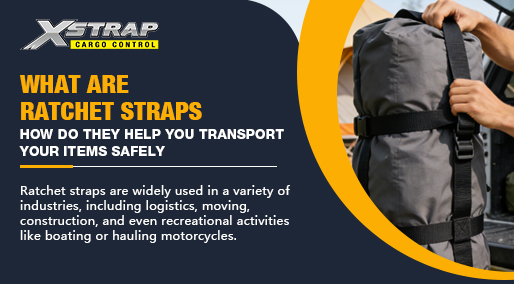 What are Ratchet Straps and how do they help you transport your items safely
What Are Ratchet Straps?
Ratchet straps, also known as ratchet tie-downs or cargo straps, are heavy-duty fastening tools designed to secure items during transportation. They consis...
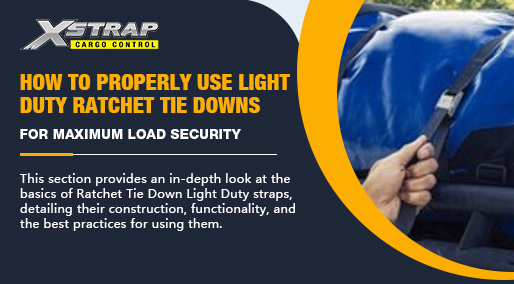 How to Properly Use Light Duty Ratchet Tie Downs for Maximum Load Security
Understanding the Basics of Ratchet Tie Down Light Duty Straps
Ratchet tie-down straps are a critical tool in the transportation, storage, and securement of goods. They are used to...
-
 +86-18112697781qindan355@gmail.comNo. 21 Yuefeng Road, Yangshe Town, Zhangjiagang City, Suzhou City, Jiangsu Province
 -
Quick Links
Social Media
-
OEM Partner
-


Copyright © 2025 Zhangjiagang SMK MFG. Co., Ltd. All rights reserved.
 Wholesale Tension Strap Manufacturers
Wholesale Tension Strap Manufacturers