
 English
 Français
 Español

Home / News / Industry News / How to securely fasten auto hauler straps to the tire contact area of a car.
How to securely fasten auto hauler straps to the tire contact area of a car.
2025-11-10
In the auto transport industry, using Auto Hauler Straps to securely fasten vehicles is a critical factor in ensuring that the vehicle remains stable and safe during transit. The method of securing the straps to the vehicle's tire contact points plays a significant role in preventing the vehicle from shifting, being damaged, or causing safety issues during transportation. This article will explain in detail how to properly secure the straps to the tires, ensuring the safest and most efficient way to transport vehicles.
1. Contact Points of Straps with Tires
When designing Auto Hauler Straps, particular attention is given to how the straps make contact with the vehicle’s tires. To ensure a secure hold, the straps should be positioned around the outer edge of the tire. This area of the tire is the most robust and can handle significant pulling forces without exerting excess pressure on the vehicle’s body or other components.
Typically, the straps use strong hooks, loops, or ring connectors to attach to the tire. These contact points ensure that the straps hold the vehicle firmly in place during transit, preventing the vehicle from shifting, sliding, or sustaining damage due to vibration or movement at high speeds.
2. Tire Strapping Design
Most Auto Hauler Straps are designed with a full-wrap style, where the strap loops through the tire from one side and securely fastens on the opposite side. This method evenly distributes the weight and secures the tire in place from both directions. This type of design helps ensure that the tire is stabilized in place and won’t be affected by lateral forces during transit.
By fastening the straps in this manner, both the front and rear tires, as well as the left and right tires, receive balanced support and tension, minimizing the risk of damage or instability caused by excessive movement while the vehicle is on the hauler.
3. Tension Control and Adjustment
When securing Auto Hauler Straps to the tires, controlling the tension is crucial for effective and safe transport. The straps should be tightened sufficiently to hold the vehicle in place but not overly tight, as this can damage the tires or the vehicle’s suspension system. Loose straps will fail to provide adequate support, leading to the vehicle shifting during transport; however, excessively tight straps may put unnecessary stress on the tires, causing wear or even deformation.
To achieve the optimal tension, it’s recommended to use straps with a ratcheting or locking mechanism. These devices allow precise adjustment of the tension, ensuring that the straps are securely tightened without causing damage to the tires or the vehicle.
4. Material and Tire Protection
The material used in Auto Hauler Straps plays a critical role in ensuring tire safety. High-quality straps are typically made from durable materials like nylon, polyester, or other synthetic fibers that offer both strength and elasticity. These materials can withstand high tension and friction without failing during transit.
In addition to the material, many high-quality straps feature padding or protective layers where the straps make contact with the tire. These protective pads help reduce the friction between the straps and the tire, minimizing the risk of scuffing, scratching, or other surface damage. This is especially important during long-distance transport or when traveling over rough or uneven roads, as the straps may rub against the tires for extended periods.
5. Use of Specialized Tire Strapping Equipment
In addition to traditional tie-down methods, there are now specialized tire strapping systems available on the market. These dedicated tire straps are designed to provide an even more secure and stable hold during transit. These systems typically feature a design that fully integrates with the tire, distributing the load evenly and reducing the chances of the straps slipping or loosening.
Manufacturers of these specialized tire straps often test their products rigorously, ensuring that they meet or exceed safety standards for vehicle transport. By using these purpose-built systems, transporters can achieve a more secure hold and reduce the likelihood of damage during transit.
6. Safety Considerations and Common Issues
When using Auto Hauler Straps to secure tires, transport personnel need to pay attention to several important safety aspects:
-
Check Strap Integrity: Straps that are used frequently should be checked regularly for signs of wear, fraying, or damage. Straps that are weakened or damaged may not provide adequate security.
-
Proper Strap Positioning: Ensure that the straps are positioned correctly and don’t come into contact with the vehicle’s body or suspension system. This will prevent unnecessary strain on other components and ensure a secure hold.
-
Avoid Strap Twisting or Crossing: Straps should never be twisted or crossed, as this can cause uneven distribution of tension and may lead to slipping or damage to the vehicle.
Popular Products

Recent News
 How Do You Choose the Right Utility Tie Downs and Bungee Cords for Your Needs
Introduction
When it comes to securing your gear for transport, storage, or organization, Utility Tie Downs and Bungee Cords are essential tools. Whether you're hauling heavy loads...
 The Ultimate Guide to Ratchet Straps: Choosing, Using, and Maintaining Them
Introduction to Ratchet Straps
What Are Ratchet Straps?
Ratchet straps, also known as tie-down straps or cargo straps, are a type of load securement tool widely used in transportat...
 How Can Ratchet Tie Down Standard Duty Straps Ensure Safe and Reliable Cargo Securement
What Are Ratchet Tie Down Straps and Why Are They Important for Cargo Securement?
Introduction to Ratchet Tie Down Straps
Ratchet tie down straps are essential tools for anyone inv...
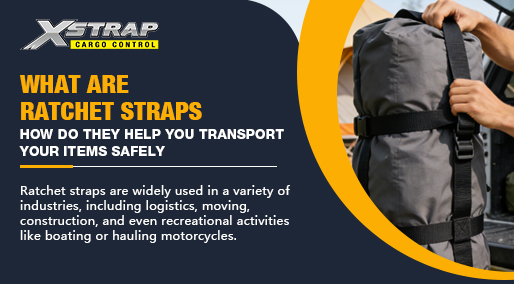 What are Ratchet Straps and how do they help you transport your items safely
What Are Ratchet Straps?
Ratchet straps, also known as ratchet tie-downs or cargo straps, are heavy-duty fastening tools designed to secure items during transportation. They consis...
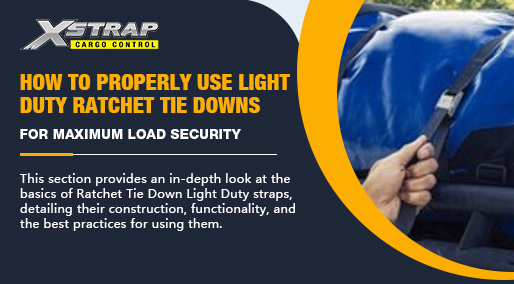 How to Properly Use Light Duty Ratchet Tie Downs for Maximum Load Security
Understanding the Basics of Ratchet Tie Down Light Duty Straps
Ratchet tie-down straps are a critical tool in the transportation, storage, and securement of goods. They are used to...
-
 +86-18112697781qindan355@gmail.comNo. 21 Yuefeng Road, Yangshe Town, Zhangjiagang City, Suzhou City, Jiangsu Province
 -
Quick Links
Social Media
-
OEM Partner
-


Copyright © 2025 Zhangjiagang SMK MFG. Co., Ltd. All rights reserved.
 Wholesale Tension Strap Manufacturers
Wholesale Tension Strap Manufacturers