
 English
 Français
 Español
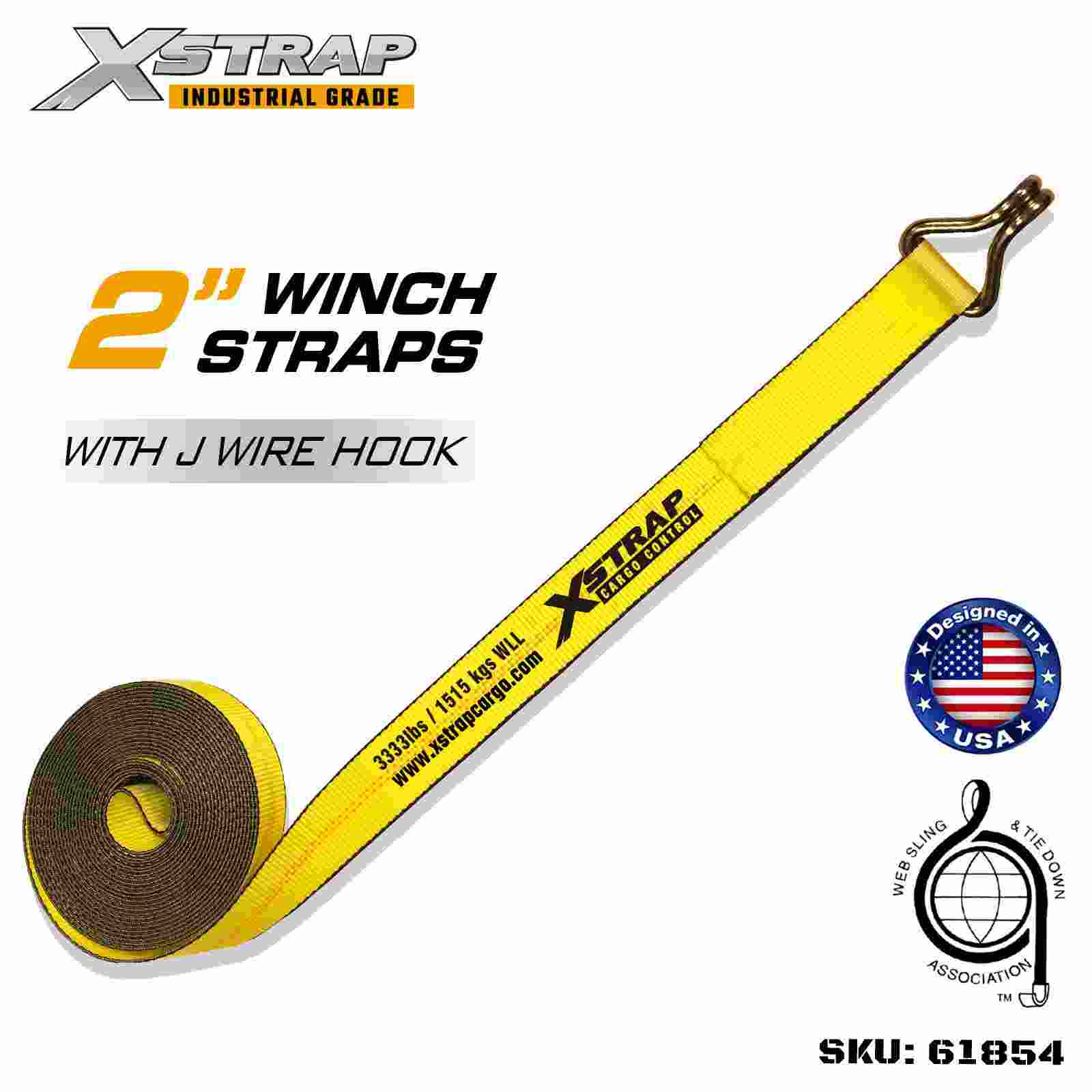
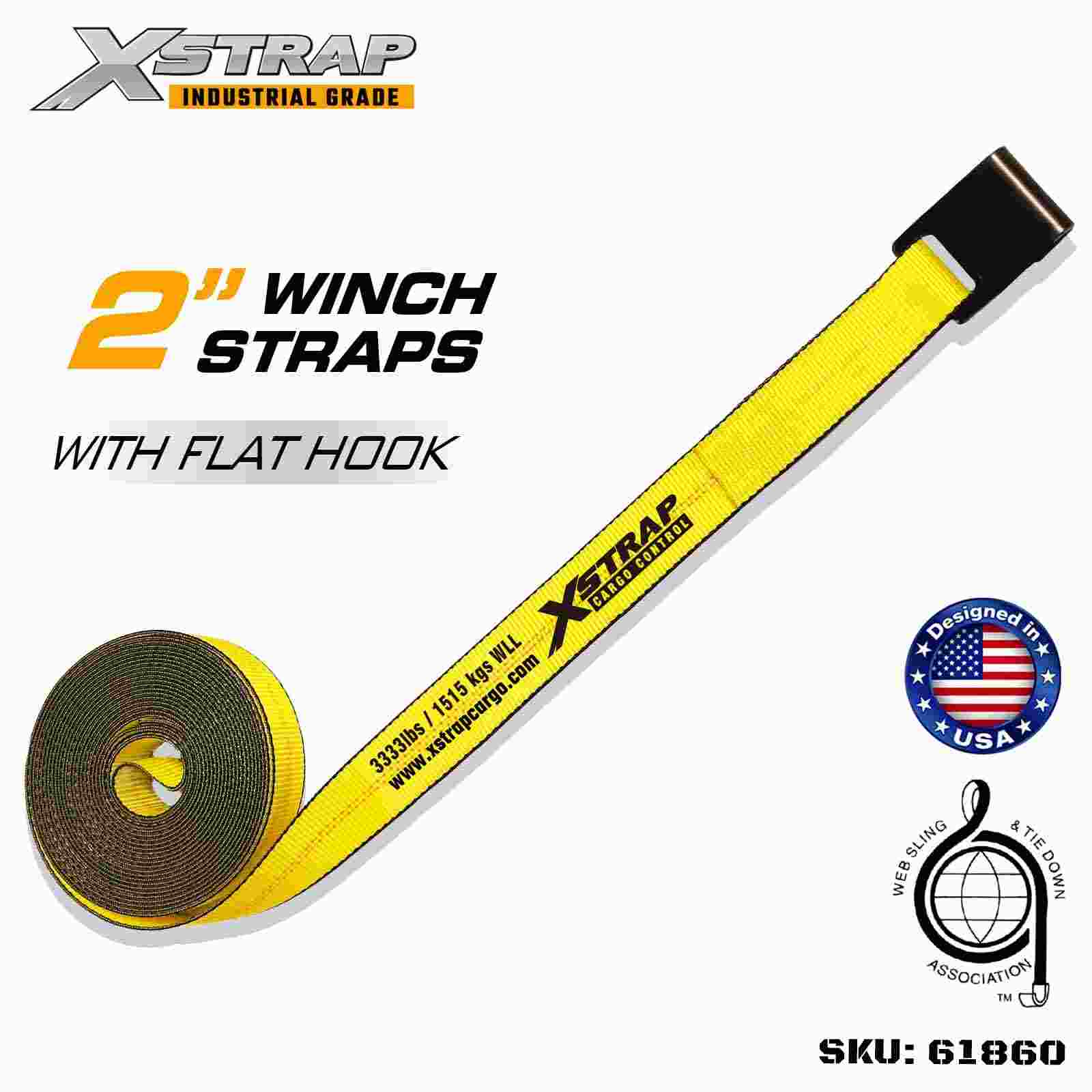
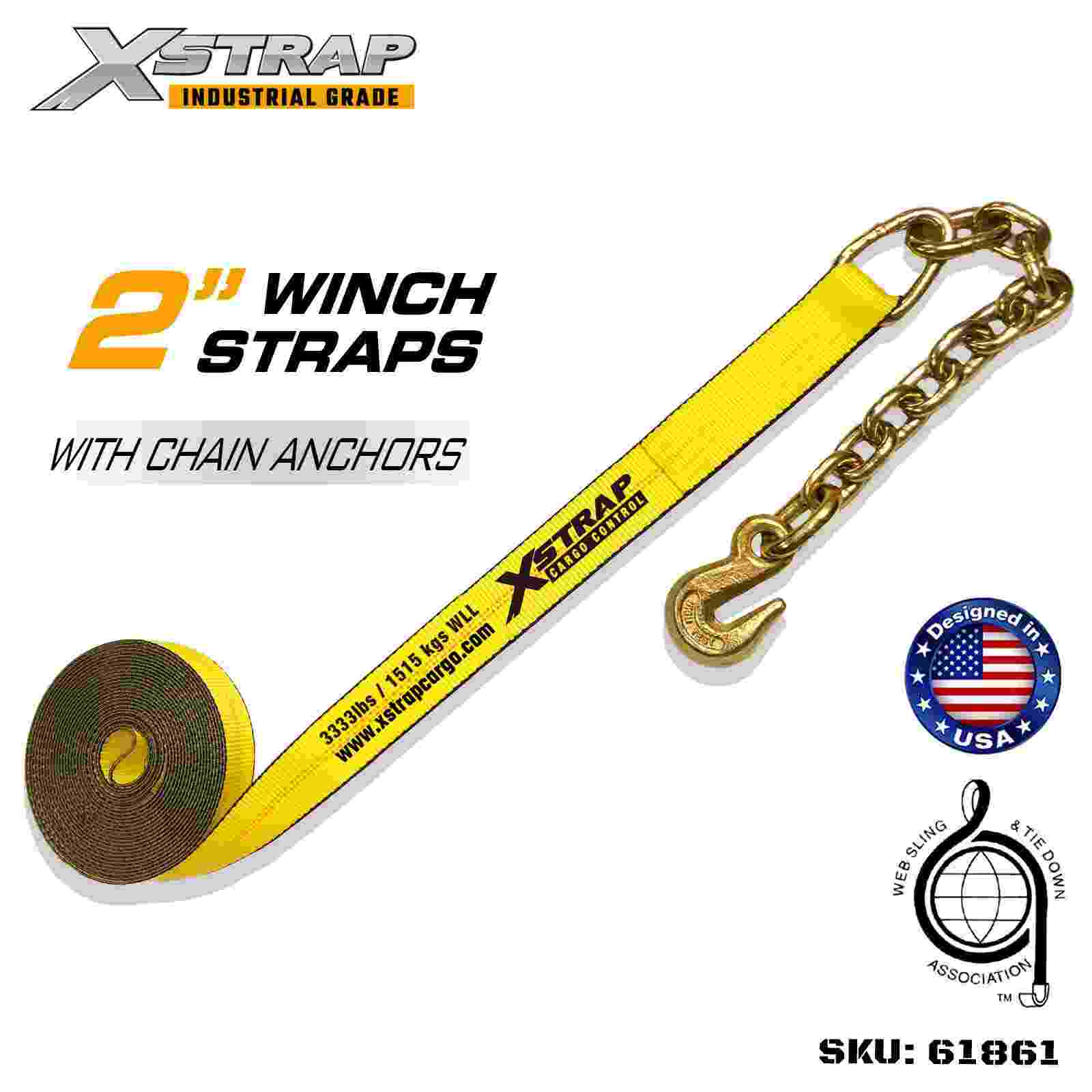
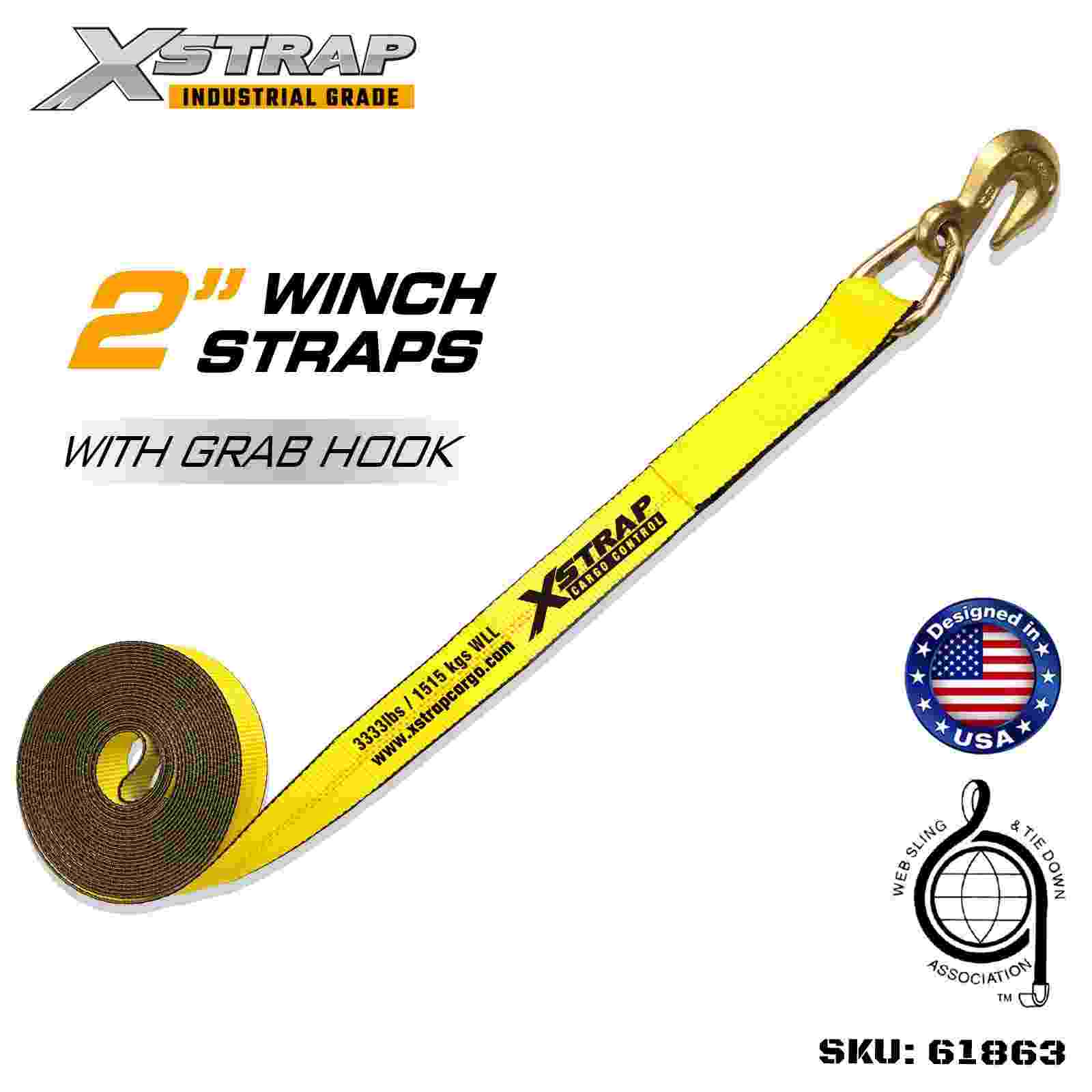
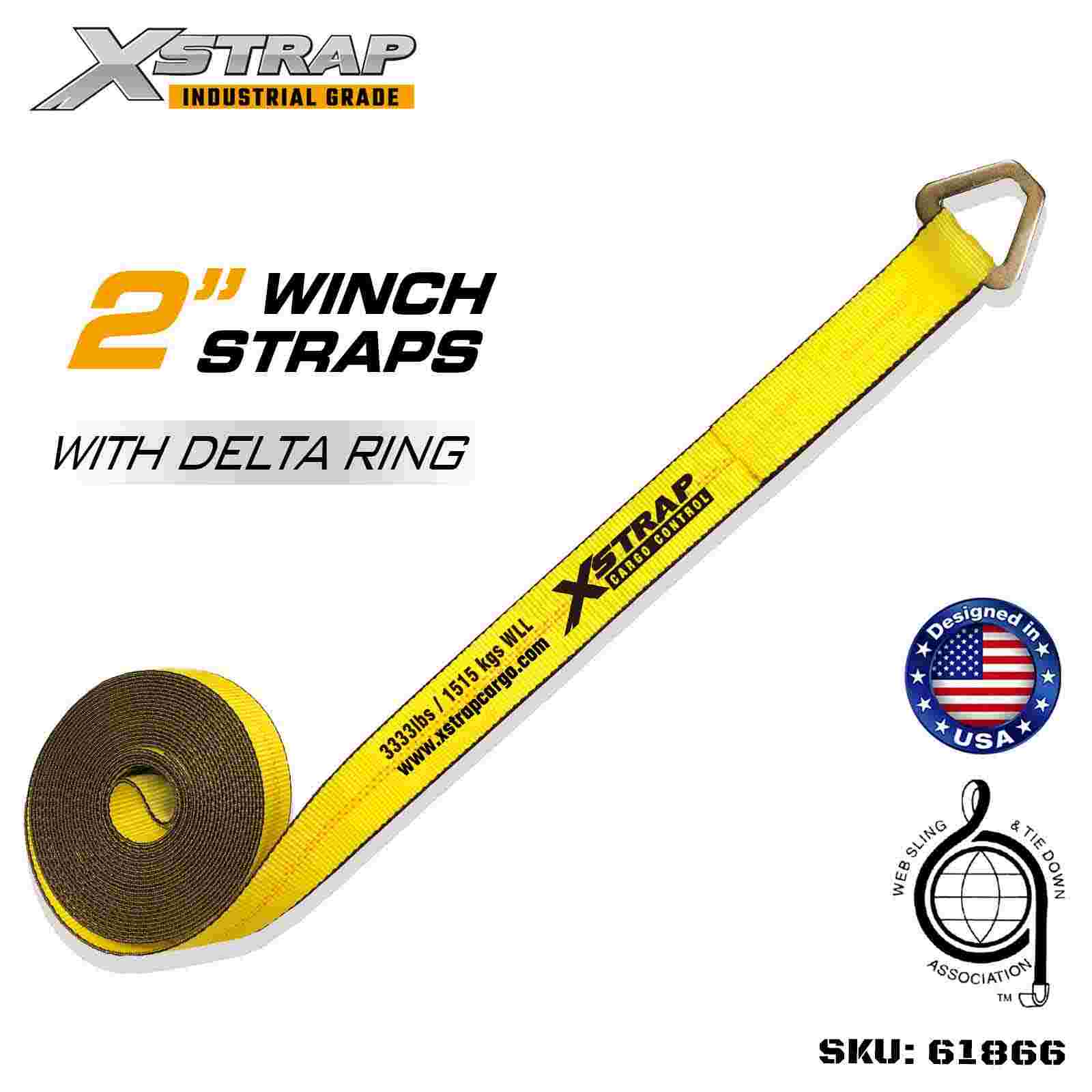
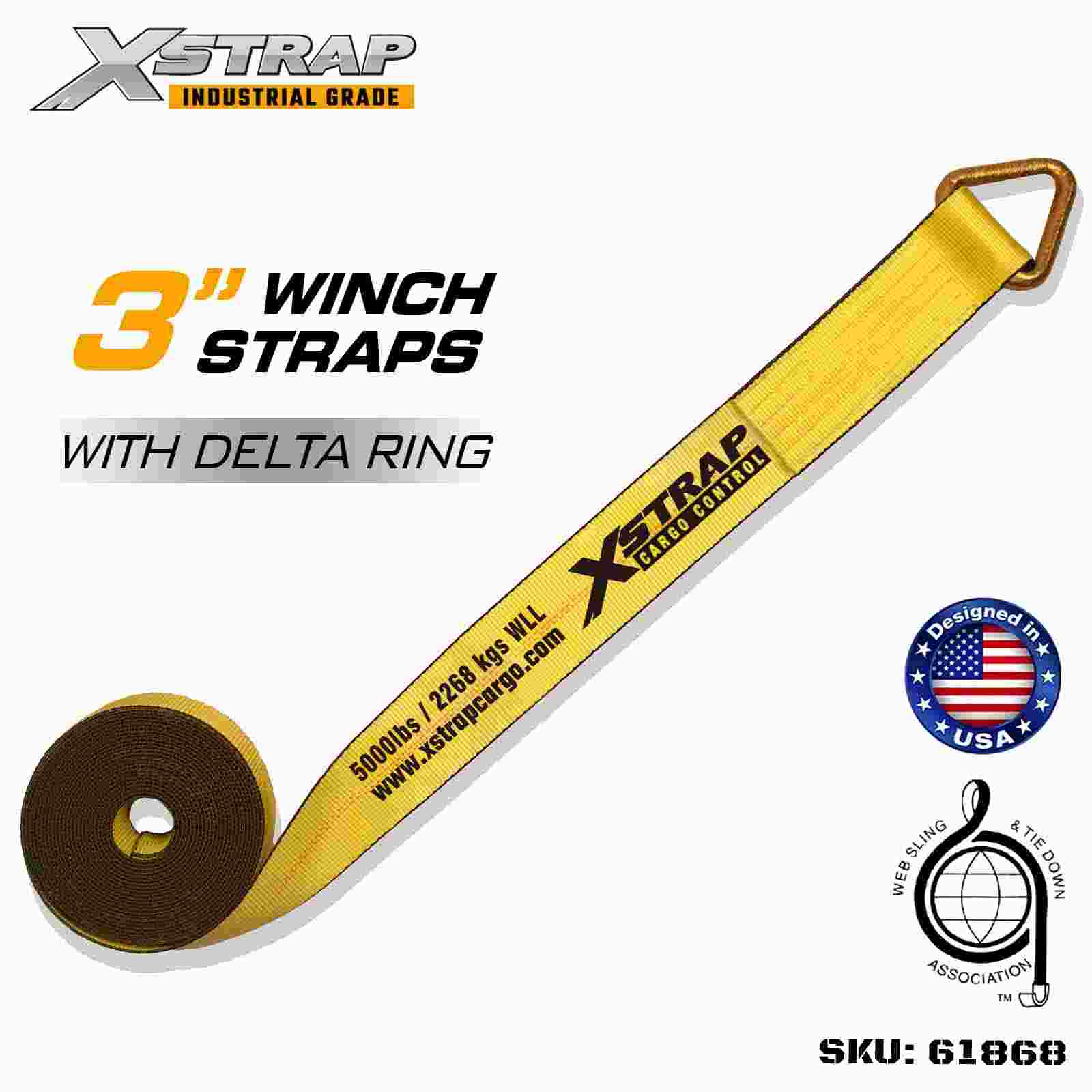
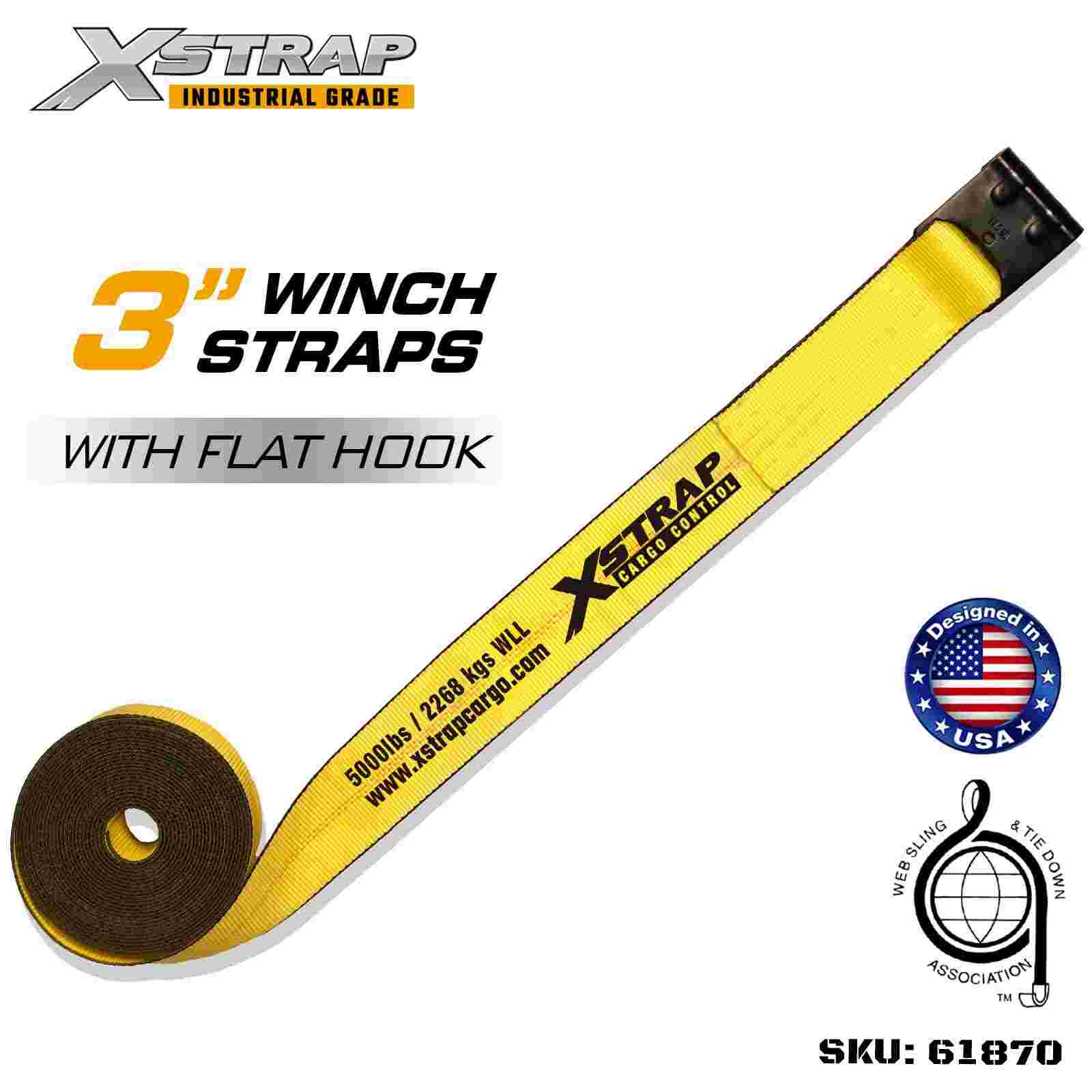
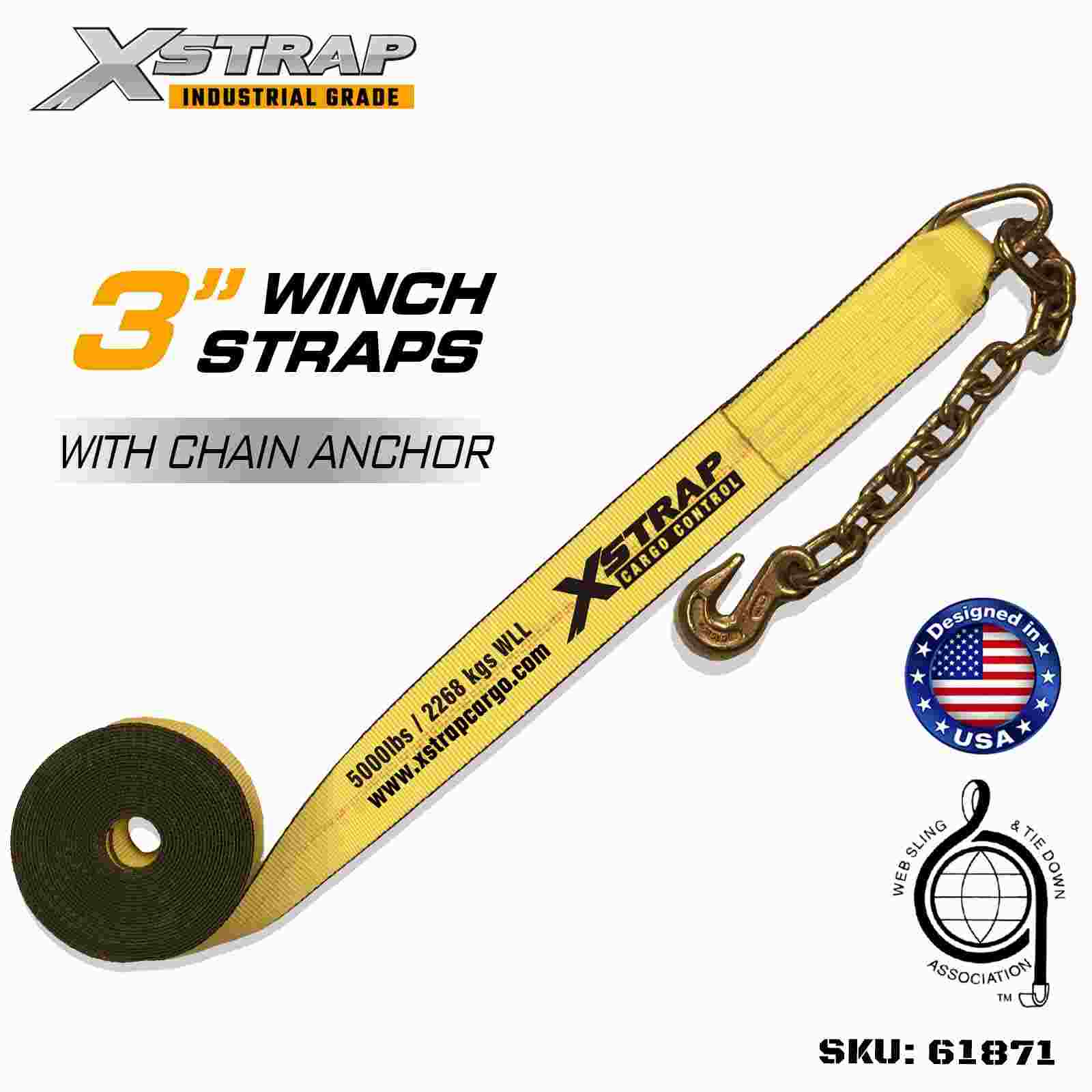
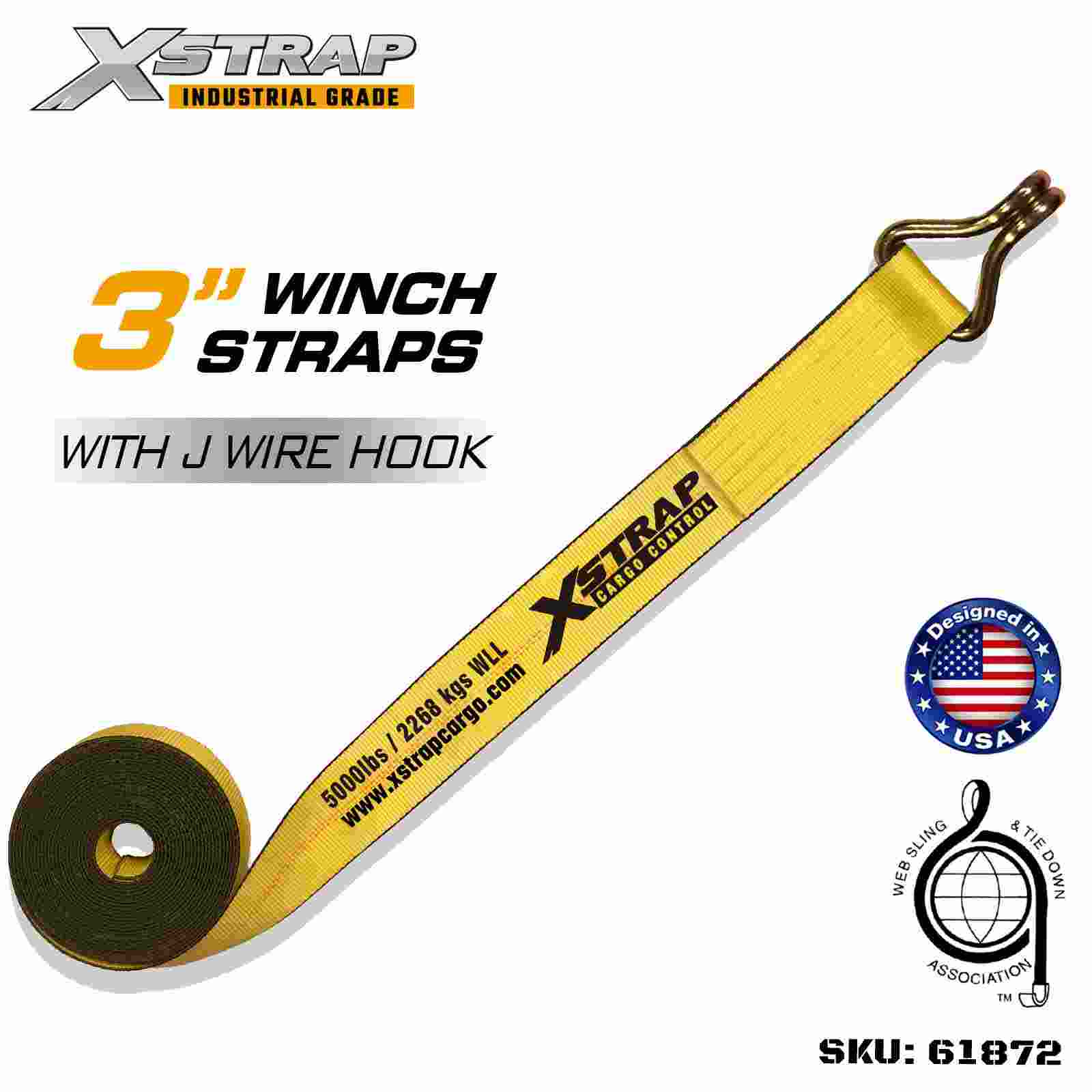
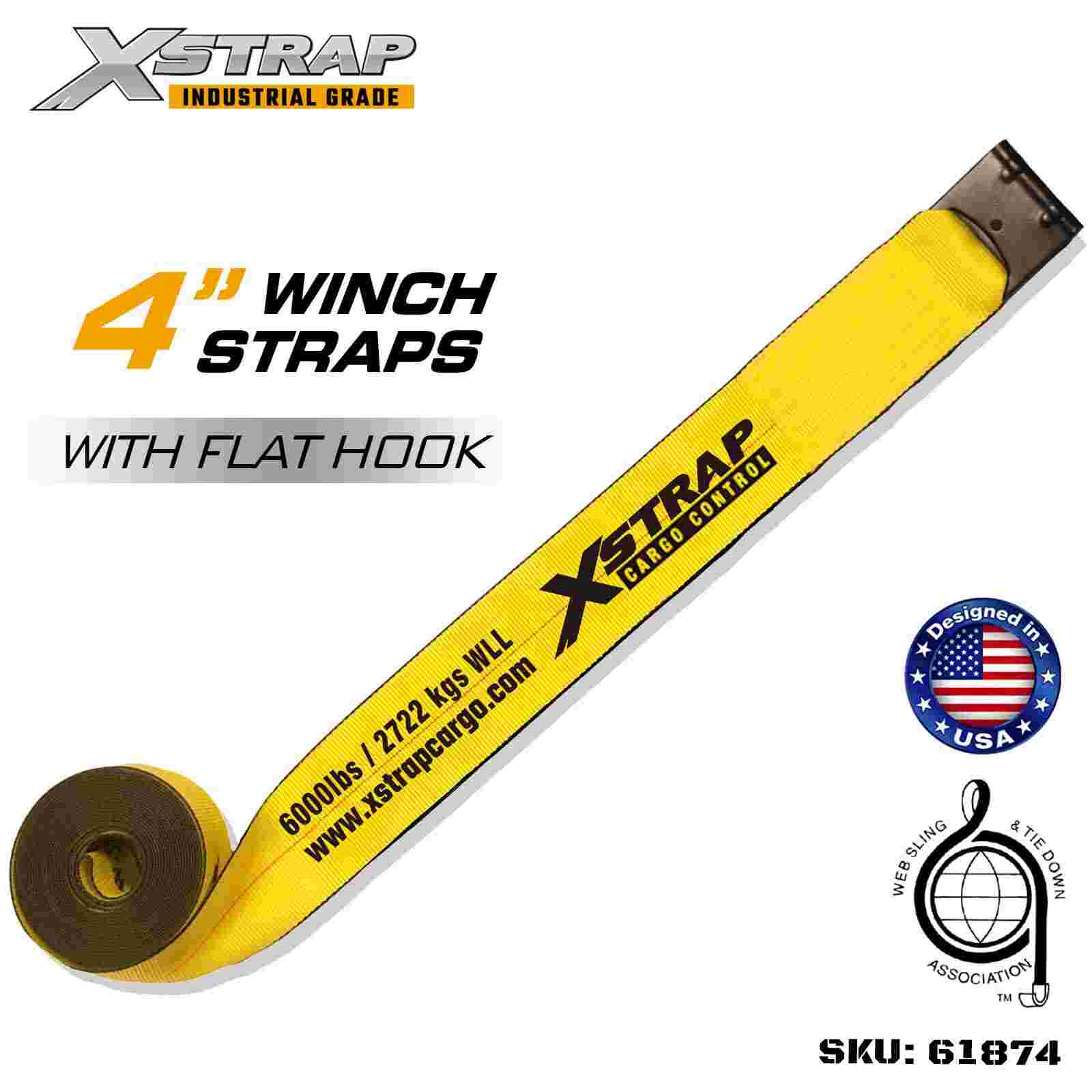
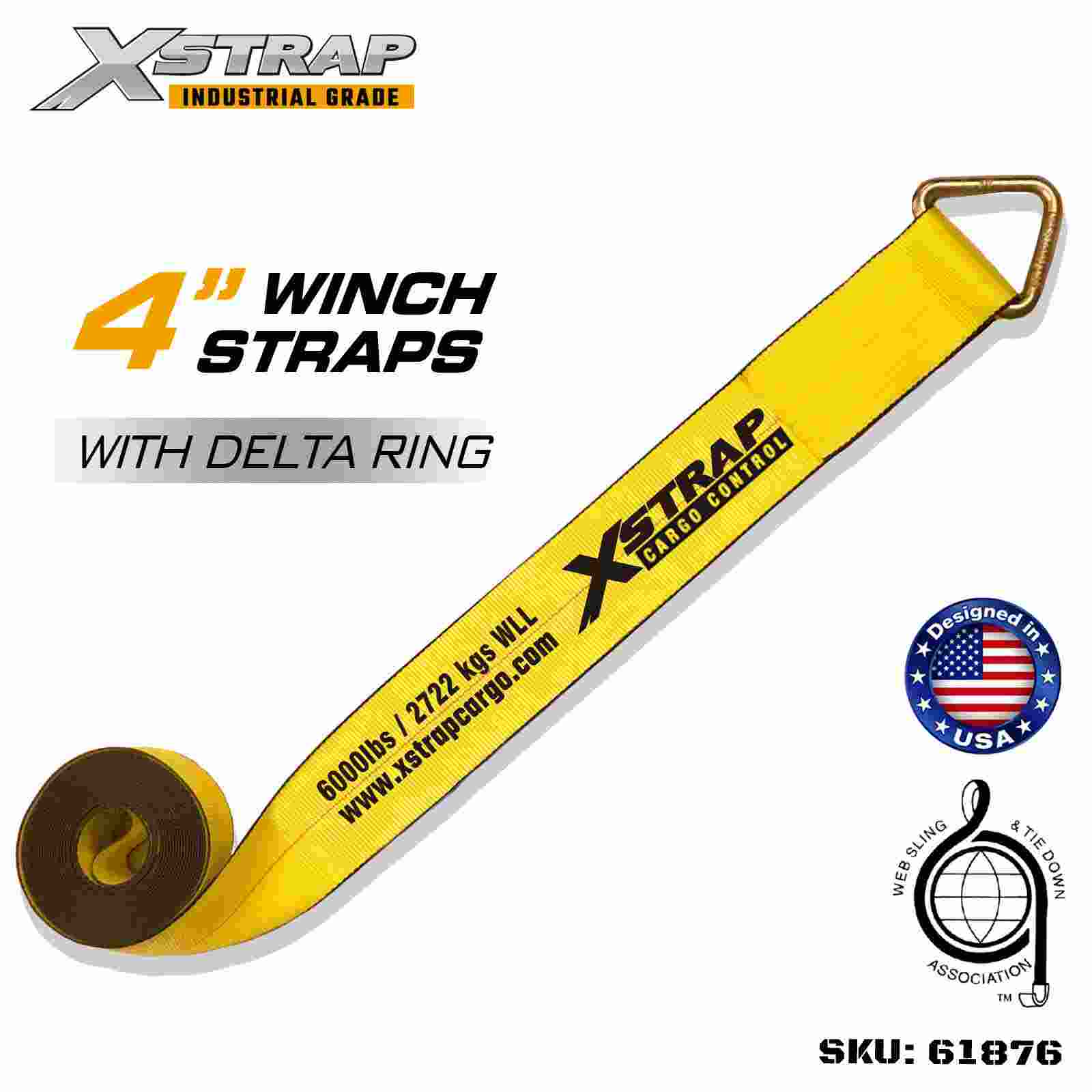
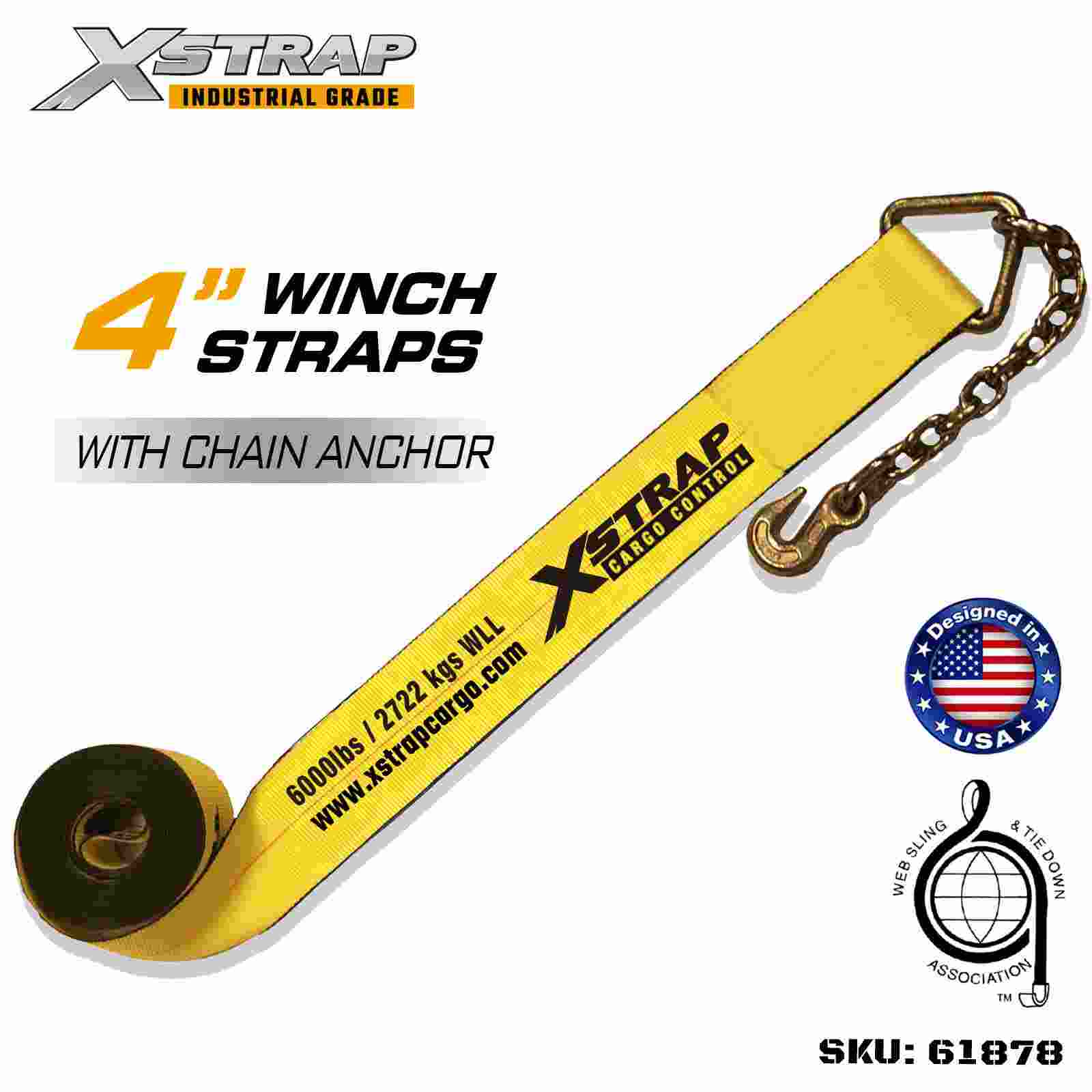
Since its establishment in 2002,
Zhangjiagang SMK MFG. Co., Ltd.
has specialized in cargo securing and control products, with over 20 years of experience in R&D and global export. The company is China Winch Straps and Container Strap Manufacturers and OEM Winch Straps Factory, and operates three factories and a large-scale warehouse center, forming an efficient international supply network.
SMK's product range includes tie-down straps, bungee cords, tow straps, lifting slings, hoists, and 4x4 accessories, widely used in transportation, logistics, outdoor, and industrial sectors. Its in-house brand XSTRAP enjoys strong recognition in global markets, alongside flexible OEM/ODM services for customized needs.
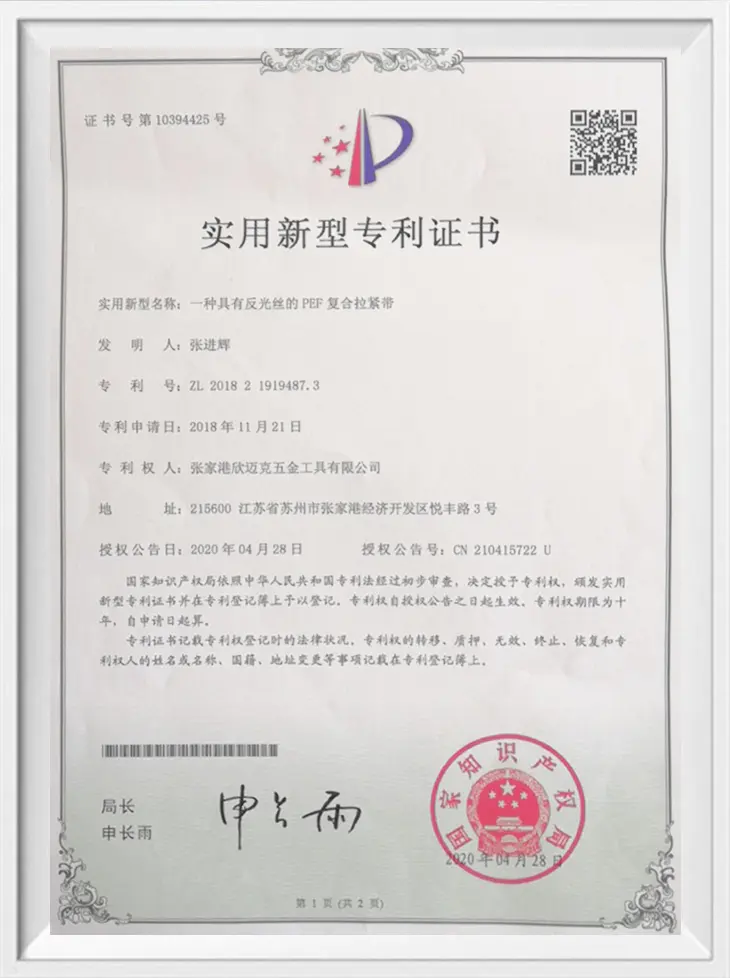
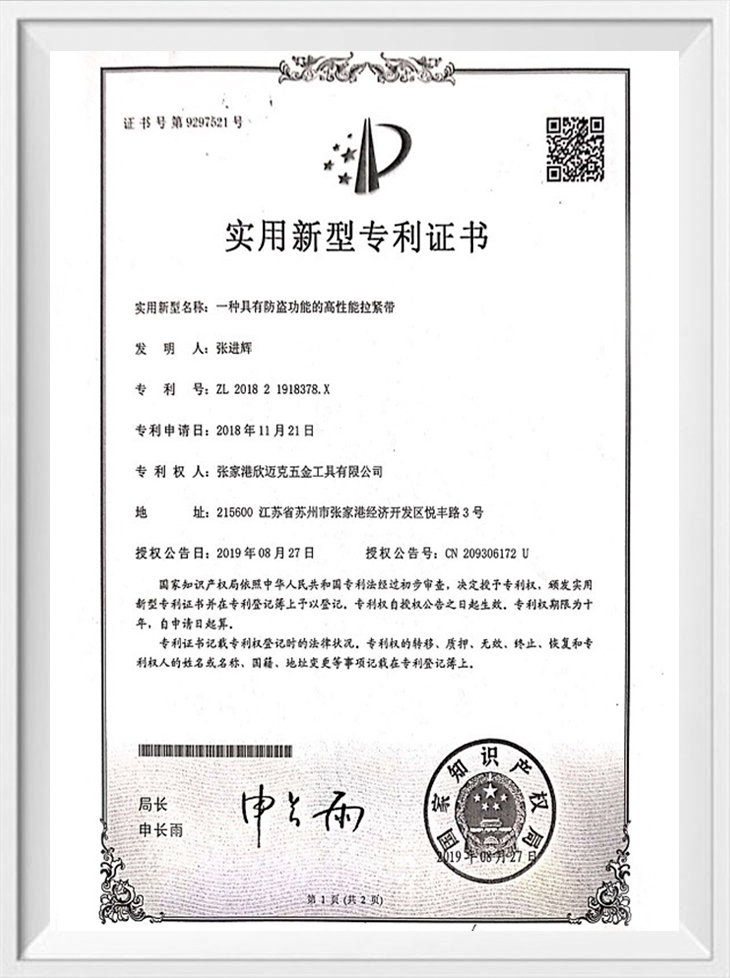
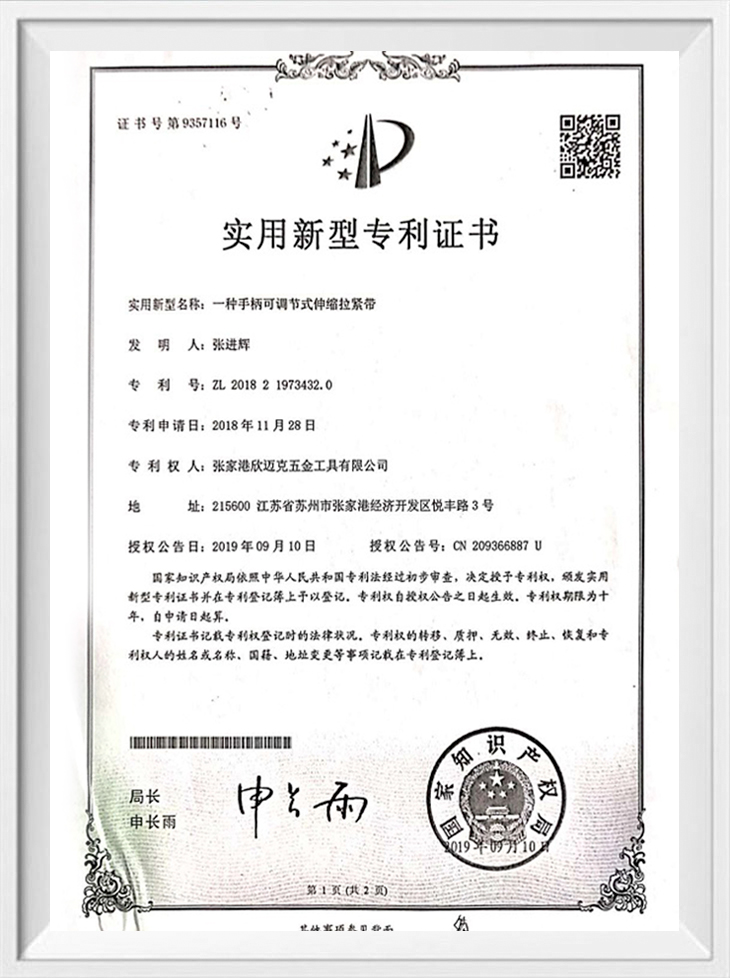
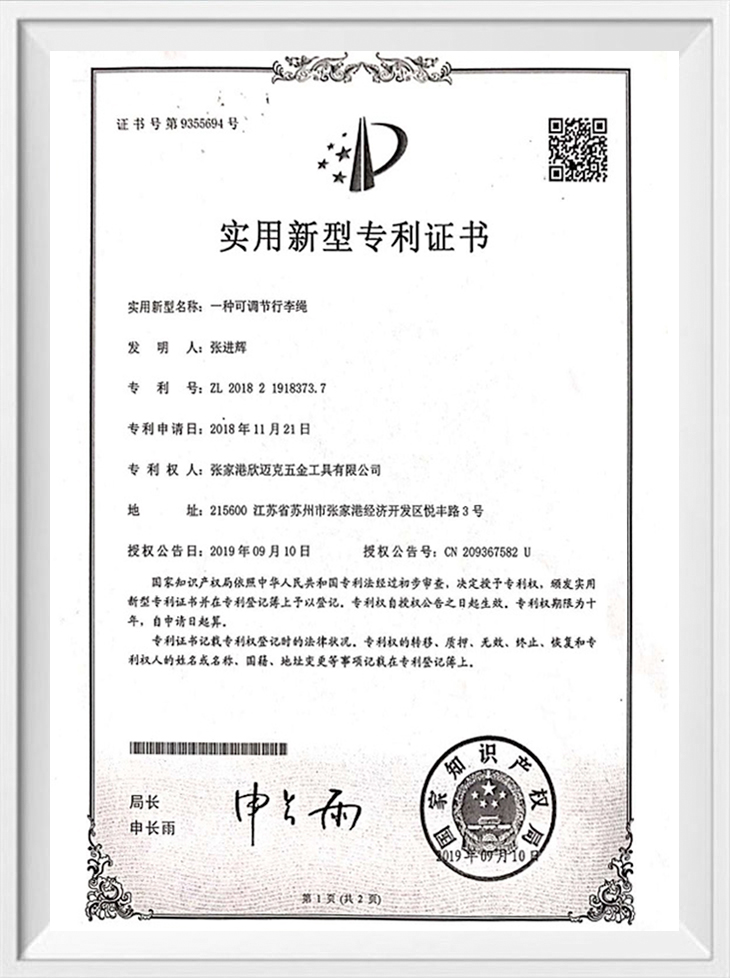
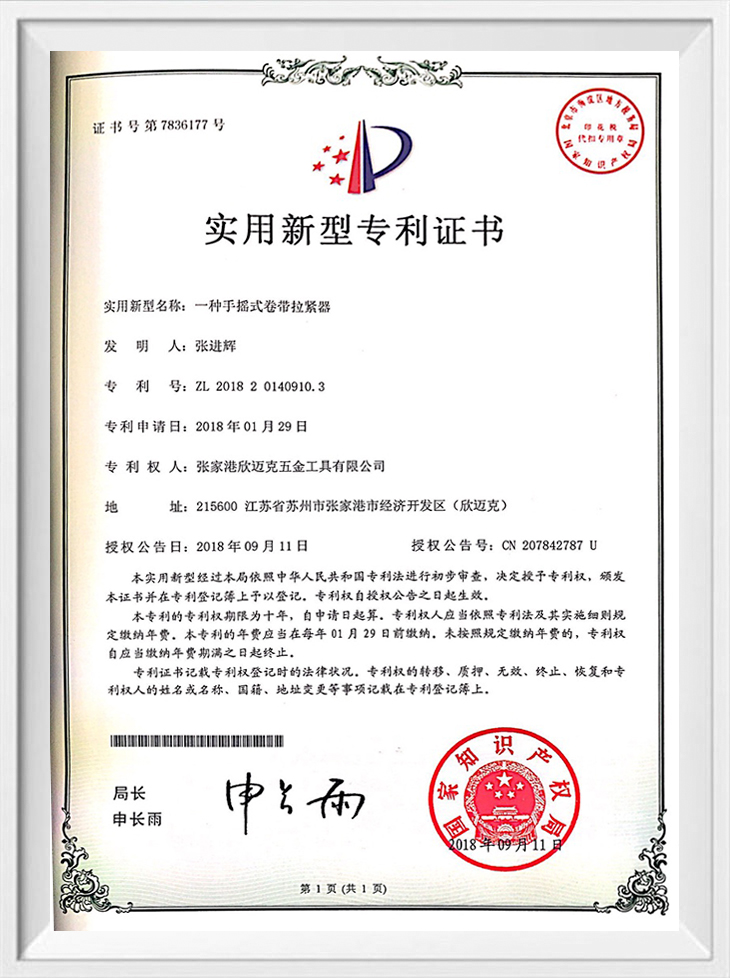
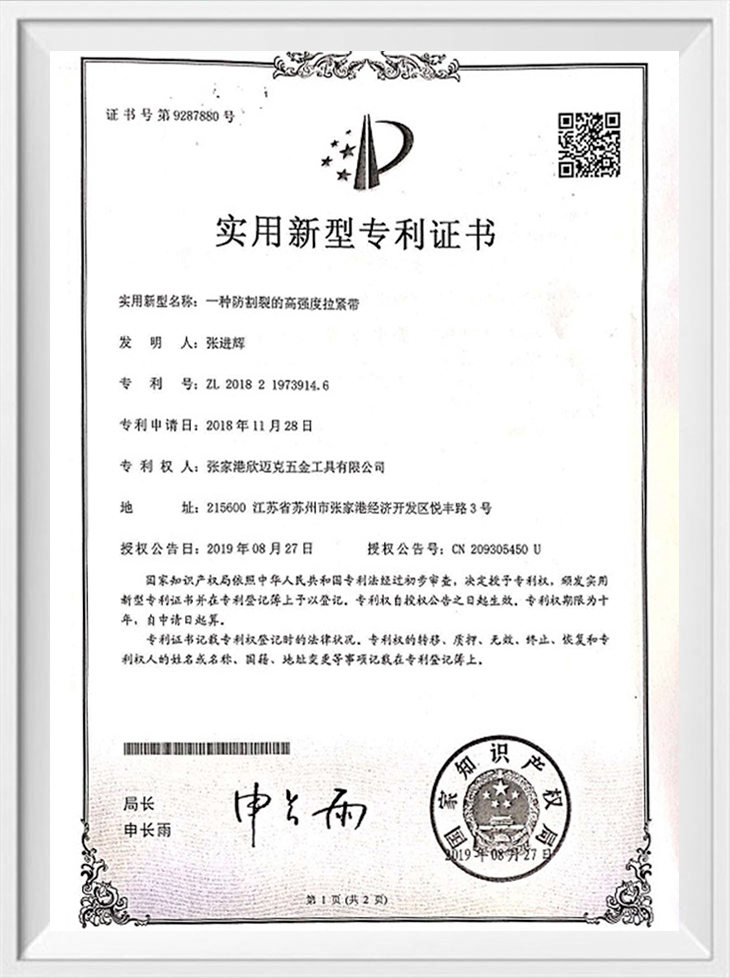
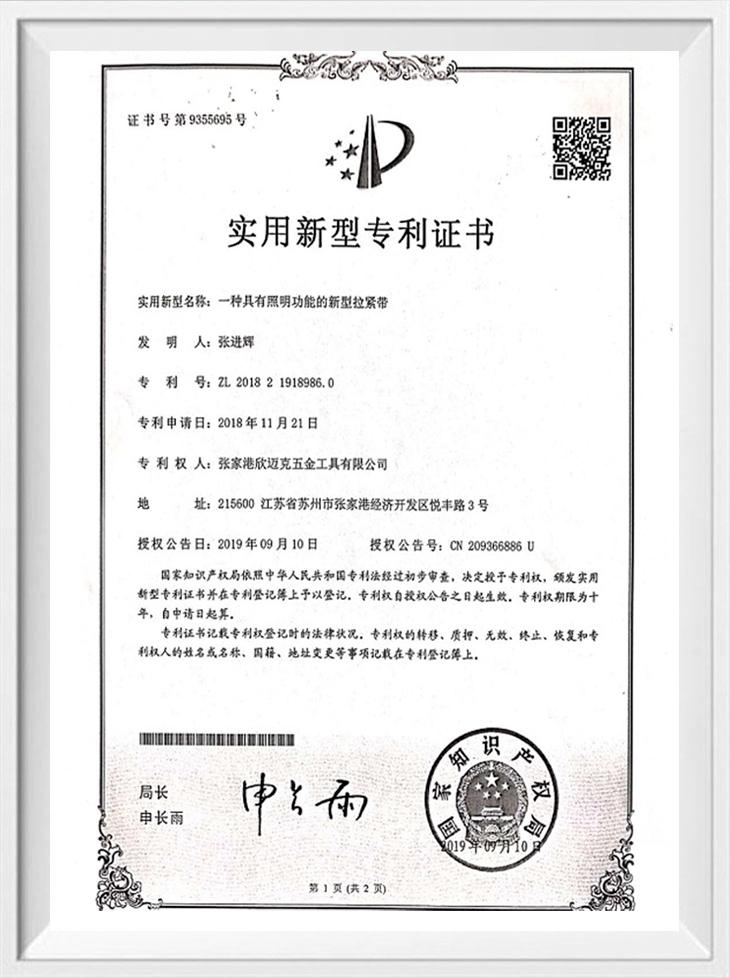
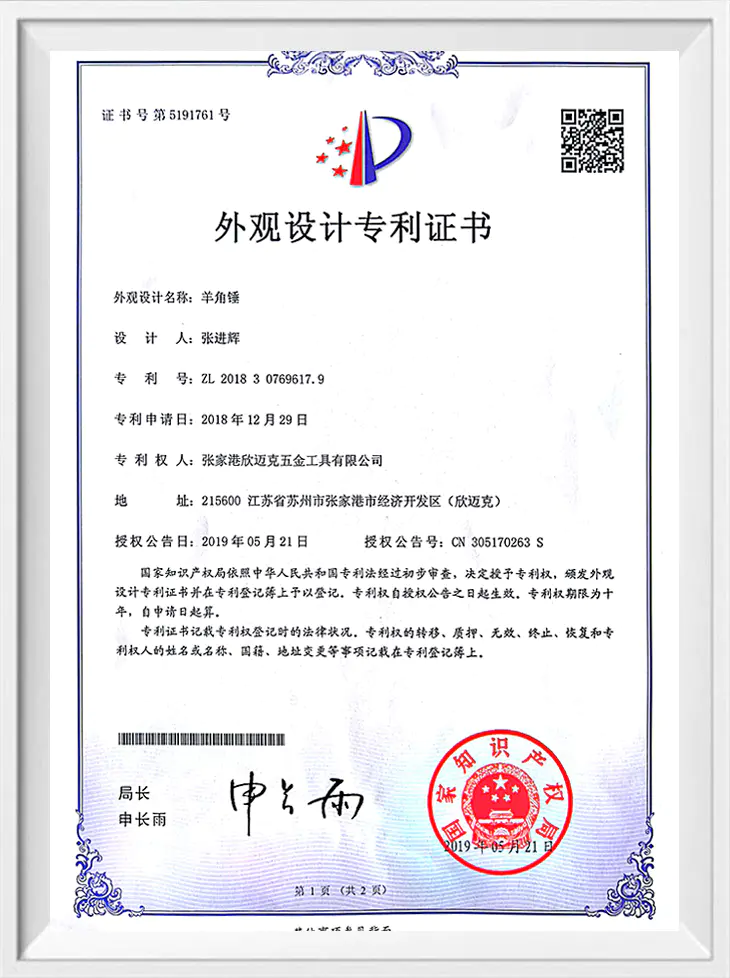
With over 8,000 sqm of production space, SMK is equipped with advanced automated lines and in-house testing labs, ensuring full-process quality control from raw material to finished goods. The company is ISO 9001 certified, SMETA audited, and has passed C-TPAT anti-terrorism inspections and multiple GS and patent certifications.
Looking ahead, SMK will continue to upgrade its cargo control systems, stay close to customer needs, and provide high-quality, efficient products and services worldwide.
Product
-
New Products
- Flatbed Solutions
- Interior Van Solutions
- Utility Tie down and Bungee Cord
- Auto Transport and Towing Solutions
- Lifting Solutions
- Tie Down Hardware
-
TUV&GS Certificated Tie Down and Bungee Cord
-
Towing & Rigging
-
4×4 Off-Road & Trailers
contact
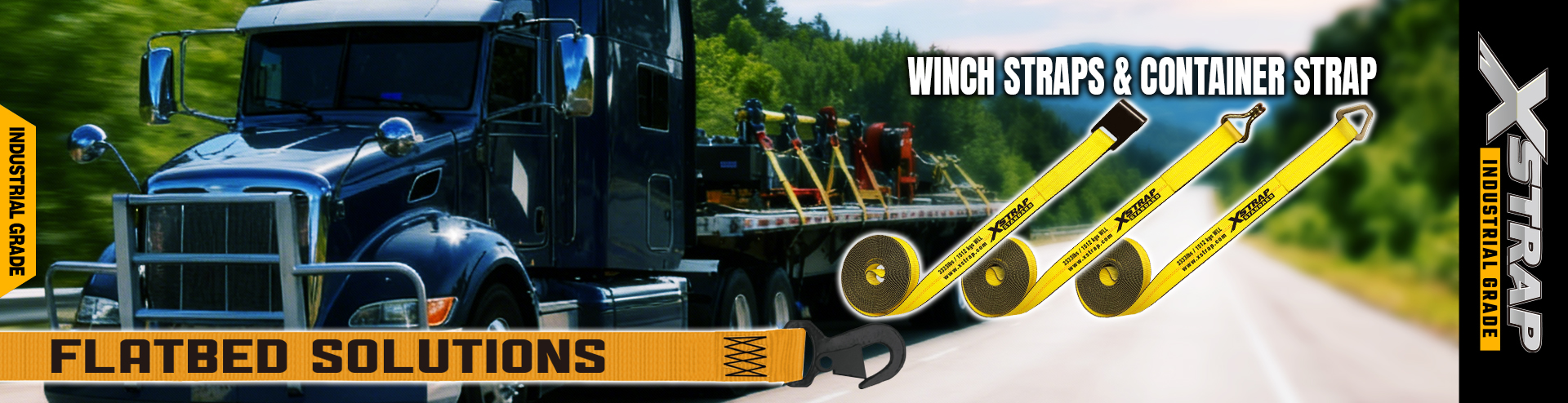
Wholesale and manufactures of winch straps and container straps industrial grade
Company Profile
Zhangjiagang SMK MFG. Co., Ltd.
News
-
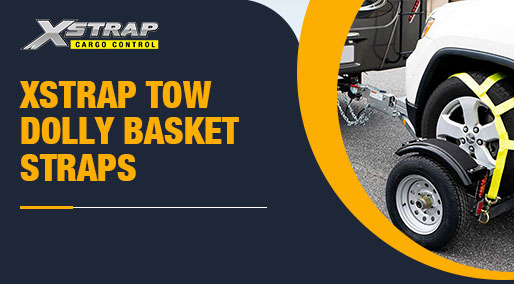
Understanding the Role of Tow Dolly Basket Straps in Vehicle Transport In the field of vehicle transport, Tow Dolly Basket Straps are recognized as one of the safest and most stable securing tools ava...
READ MORE -
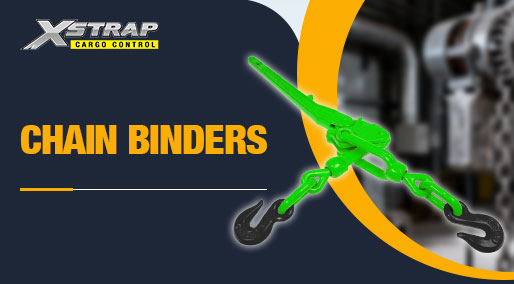
1. Understanding the Role of Chain Binders in Load Securement In the world of heavy transportation, Chain Binders are essential tools for ensuring cargo stability. They utilize either a lever principl...
READ MORE -
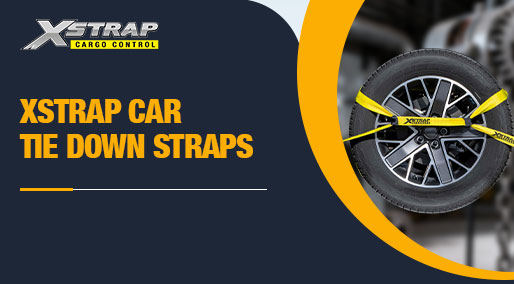
Understanding the Role of Car Tie Down Straps in Vehicle Transport Safety is the primary consideration when transporting a vehicle. Although standard cargo straps may look similar to Car Tie Down Stra...
READ MORE -
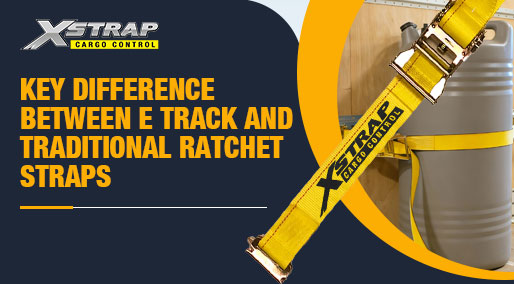
In the field of cargo transportation, securing loads is crucial to ensure the safety of both the cargo and the vehicle. Over the years, ratchet straps have been widely used to secure loads. However, w...
READ MORE
Certificate Of Honor
Winch Straps and Container Strap Industry knowledge
The Primary Differences Between Winch Straps and Ratchet Straps
The Foundation of Freight Safety: Key Differences and Professional Selection between Winch Straps and Ratchet Straps
As a specialized global manufacturer in cargo control and lashing products, Zhangjiagang SMK MFG. Co., Ltd., with over two decades of R&D and export expertise, understands the distinct value of every securing solution. Within our core product line, Winch Straps and Container Straps represent the two most fundamental types of cargo securing tools.
While both are designed to ensure transport safety, they differ significantly in design, operating mechanism, application scenarios, and load capacity. Understanding these critical distinctions is essential for B2B buyers making safe, efficient, and compliant procurement choices.
I. Fundamental Distinction in Core Operating Mechanism and Tensioning Principle
The most essential difference between winch straps and ratchet straps lies in their tensioning system.
- Winch Straps: High-Speed Power for Heavy-Duty Platforms
Winch Straps are specifically engineered for use with a Winch mounted on Flatbed Trailers.
- Mechanism Characteristics: A winch strap typically has an end fitting (like a flat hook, wire hook, or chain extension) at one end, while the other is a clean, heat-cut tail. This tail is threaded through the winch drum fixed to the trailer's side rail or stake pocket.
- Tensioning Method: The operator uses a Winch Bar inserted into the winch to rapidly and powerfully wind the webbing onto the drum via a leverage and gear mechanism, achieving extremely high tension on the cargo.
- SMK Product Advantage Highlight: Utilizing our extensive production space and advanced automated webbing lines, Zhangjiagang SMK MFG. Co., Ltd. manufactures winch straps (commonly 3-inch and 4-inch widths) using high-tenacity polyester webbing. A special latex treatment is applied to ensure the straps withstand immense tension and exhibit superior resistance to abrasion and UV degradation in severe transport conditions.
- Ratchet Straps: Versatile Manual Precision Control
A Ratchet Strap is an "all-in-one" system that completes the tensioning process independently without external devices.
- Mechanism Characteristics: The ratchet strap system consists of two parts: a short end attached to the ratchet handle and an anchor point, and a long end threaded through the ratchet spool. Both ends typically have end fittings.
- Tensioning Method: Tension is gradually and controllably applied by manually cranking the ratchet handle, utilizing the combined ratchet and gear mechanism to pull the webbing tight.
- Application Characteristics: Ratchet straps offer high versatility, suitable for various trucks, pickups, logistics vehicles, and outdoor/domestic moving scenarios. Their manual control is ideal for loads requiring precise tension levels or for avoiding excessive pressure.
II. Comparison of Width, Load Capacity, and Target Application
| Feature | Winch Straps | Ratchet Straps | SMK Manufacturing Advantage |
|---|---|---|---|
| Common Widths | 3 inches (75mm), 4 inches (100mm) | 2 inches (50mm), 1 inch, 3 inches, 4 inches | XSTRAP brand offers full-size coverage and supports OEM/ODM customization. |
| Primary Application | Flatbed Trailers, heavy machinery transport, large heavy loads like steel and timber. | General Trucks, Vans, light/medium equipment transport, motorcycles, palletized goods, logistics warehousing. | Holds multiple GS Certifications, ensuring high product reliability for the global logistics supply chain. |
| Load Class | High (WLL typically 4,000 lbs - 5,500 lbs or higher) | Medium to High (WLL varies from a few hundred lbs up to 5,000 lbs) | Production adheres to ISO 9001 standards and features an in-house testing lab to guarantee WLL compliance. |
| Tensioning Speed | Extremely fast, achieved rapidly with high torque via the winch bar. | Slower, requires multiple manual pulls of the handle to tighten. | Our high-quality webbing and hardware ensure efficient tension retention for both types. |
How Common Winch Strap Materials Affect Performance
I. Polyester: The Gold Standard for Heavy-Duty Transport
In the manufacturing of winch straps, Polyester is the universally accepted standard due to its excellent overall performance, perfectly matching the needs of heavy-duty securement.
- Key Performance: Low Elongation and High Load Capacity
- Low Stretch/Elongation: Polyester webbing exhibits very low stretch (typically under 3%). This is crucial as it allows the strap to maintain the initial high tension for longer and more reliably after the winch is applied, preventing cargo shifting due to 'elastic relaxation'.
- High Strength and WLL: Polyester fibers provide superior tensile strength, which is the basis for achieving a high WLL (Working Load Limit). In Zhangjiagang SMK MFG. Co., Ltd.'s modern production facilities, we utilize advanced automated webbing lines and our in-house testing labs to rigorously control fiber density, weave structure, and strength.
- Environmental Resistance: UV Protection and Hydrolysis Resistance
- UV Resistance: High-quality polyester inherently resists UV degradation better than standard fibers. To further enhance this feature, SMK's webbing is treated with special stabilizers during production.
- Hydrolysis Resistance: Polyester is also known for better resistance to hydrolysis (strength loss in wet environments) than Nylon, which is vital for sea freight or operations in humid climates.
II. Webbing "Post-Treatment" Processes: SMK's Quality Shield
Superior raw material is only the first step. The post-treatment process is what ultimately determines the real-world lifespan and safety of a winch strap.
- Specialized Coating Treatment (Latex/Resin Coating)
Zhangjiagang SMK MFG. Co., Ltd. applies professional latex or resin coatings after weaving. This coating enhances the strap's surface smoothness and toughness, acting as a shield for abrasion and chemical resistance. It helps the strap resist wear from rough cargo edges or road debris. Leveraging our strong OEM/ODM service capabilities, we can customize the coating color and formulation.
- Edge Reinforcement Technology
The edges are one of the most vulnerable parts of a heavy-duty strap. SMK employs specialized edge reinforcement weaving techniques that significantly boost the webbing's resistance to cutting and tearing, crucial when securing loads that may shift against the strap edges.
III. SMK's Quality System: Safety Assurance from Source to Global Export
Consistent material performance relies on a robust quality control system. Zhangjiagang SMK MFG. Co., Ltd. is an internationally certified supplier, holding ISO 9001 certification and having passed the stringent C-TPAT anti-terrorism inspection and numerous GS certifications. Our commitment to full-process quality control across our three factories, supported by our in-house testing labs, ensures every batch of webbing precisely meets its stated WLL.
When and How to Safely Re-Inspect Winch Straps and Container Straps During Transit
I. Re-Inspection of Winch Straps: A Critical Step in Flatbed Transport
Winch straps secure heavy, large loads on flatbeds. Re-inspection is vital due to the inherent "settling" phenomenon that occurs with heavy machinery or timber during transit.
- The "When" of Inspection: Critical Timelines
- Initial Inspection Timing: This is the most crucial checkpoint. After the load is secured and initially tensioned, the vehicle must stop in a safe area for inspection within approximately 50 miles (80 kilometers) or within 3 hours of starting the trip. Load settling and tension loss are highest during this period.
- Periodic/Continuous Inspection Timing:
- Whenever there is a change of driver.
- At every rest stop or brake, especially when the vehicle leaves the main highway.
- Anytime there is a significant change to the load (e.g., partial unloading).
- During long hauls, perform a visual or manual check every 3–5 driving hours or 150–250 miles.
- Extreme Weather Check: Additional checks are necessary after severe temperature drops or spikes.
- The "How" of Inspection and Re-tensioning: Safe Operating Procedures
- Visual Inspection: Check all XSTRAP straps for cuts, abrasions, chemical contamination, or any visible damage. Inspect hardware (hooks, winches) for deformation or disengagement.
- Manual Check: Strike or push the webbing to feel for any tension loss. If found, use a winch bar to re-tension.
- Safe Re-tensioning: Use the correct winch bar and apply tension gradually and symmetrically across all straps to ensure even pressure. Note: Operation must only occur when the vehicle is safely stopped and braked.
- SMK Advantage: Our winch straps' low elongation properties ensure excellent tension retention, minimizing the need for frequent re-tensioning and improving driver efficiency.
II. Re-Inspection of Container Straps: Compliance for International and Intermodal Shipping
Container straps secure cargo inside shipping containers, requiring checks that comply with CTU Code (Cargo Transport Unit Packing Code) regulations.
- The "When" of Inspection: Key Handover Points
- Upon Completion of Stuffing: Before the container doors are closed, verify that all straps (including our XSTRAP container straps) are correctly anchored and tensioned according to the pre-approved Lashing Plan.
- Pre-Departure Handover: A final visual check before the container is transferred to the ocean or rail carrier.
- Intermodal Transfer Points: A quick visual check at transfer points is recommended to confirm no gaps have formed due to different vibration forces.
- The "How" of Inspection and Adjustment: Focus on Gaps and Detail
- Visual and Gap Check: Inspect for new gaps between cargo and container walls. Straps may loosen if cargo shifts or dunnage bags slightly deflate.
- Tension Adjustment: Use the correct tensioning tool (manual or pneumatic tensioner) for minor adjustments. Ensure all slack is eliminated.
- SMK Advantage: Zhangjiagang SMK MFG. Co., Ltd.'s quality system ensures our lashing systems (webbing and buckles) offer high tension retention. Our OEM/ODM services can provide clients with customized training materials to optimize their complete securing strategy.
Common Damage Types for Winch Straps and Container Straps
I. Abrasion: The Most Common "Friction" Damage
- Damage Description and Consequence: Occurs when webbing repeatedly rubs against rough cargo, trailer rails, or road debris. This frays the fibers, thins the cross-section, and severely reduces the strap's tensile strength.
- SMK Quality Advantage: To combat abrasion, our polyester webbing is treated with a specialized latex or resin coating. This treatment creates a hardened surface, acting as a "protective shield" that significantly extends the strap's working life.
II. Cuts and Tears: Catastrophic Instantaneous Damage
- Damage Description and Consequence: Caused by sharp edges on cargo (steel, machinery corners). Even minor cuts can instantly and drastically reduce the strap's Breaking Strength and WLL, leading to potential failure under transport load.
- Out-of-Service Criteria and Recommendation: A strap must be immediately retired if a cut or tear penetrates more than 10% of the webbing thickness or width. We strongly recommend using Corner Protectors when securing any cargo with sharp edges.
III. Chemical and Environmental Degradation
- Damage Description and Consequence: Exposure to acids, alkalis, strong solvents, or prolonged, intense UV light breaks down the synthetic fibers, causing strength loss that may not be obvious visually.
- SMK's Weather Resistance Solution: Our webbing materials are engineered with professional UV stabilizers for superior weather resistance. For special chemical transport, our OEM/ODM services can provide customized straps with enhanced chemical resistance ratings.
IV. Heat Damage: Structural Destruction from High Temperatures
- Damage Description and Consequence: Indicated by melted, hardened, discolored, or brittle fibers. This can result from contact with hot engine parts, or excessive friction during use.
- Identification and Risk: Heat damage permanently alters the polymer structure, making the strap unreliable. Any strap showing evidence of melting or hardening must be immediately removed from service.
V. Hardware Damage: Fatigue of Winches and Buckles
- Damage Description and Consequence: End fittings, such as Flat Hooks, J Hooks, ratchet mechanisms, or container buckles, can be damaged by over-tensioning, impact, or metal fatigue. Common damage includes: deformation, twisting, or cracking of hooks; and wear or failure of the locking mechanism.
- SMK's Advantage: Full-Process Quality Control
Zhangjiagang SMK MFG. Co., Ltd. enforces the highest standards for hardware manufacturing. Our fittings are tested in the internal laboratories to ensure their fatigue strength exceeds industry standards and their WLL is precisely matched to the webbing, eliminating the weakest link in the securing system.
-
 +86-18112697781qindan355@gmail.comNo. 21 Yuefeng Road, Yangshe Town, Zhangjiagang City, Suzhou City, Jiangsu Province
 -
Quick Links
Social Media
-
OEM Partner
-


Copyright © 2025 Zhangjiagang SMK MFG. Co., Ltd. All rights reserved.
 OEM Winch Straps Manufacturers
OEM Winch Straps Manufacturers