
 English
 Français
 Español
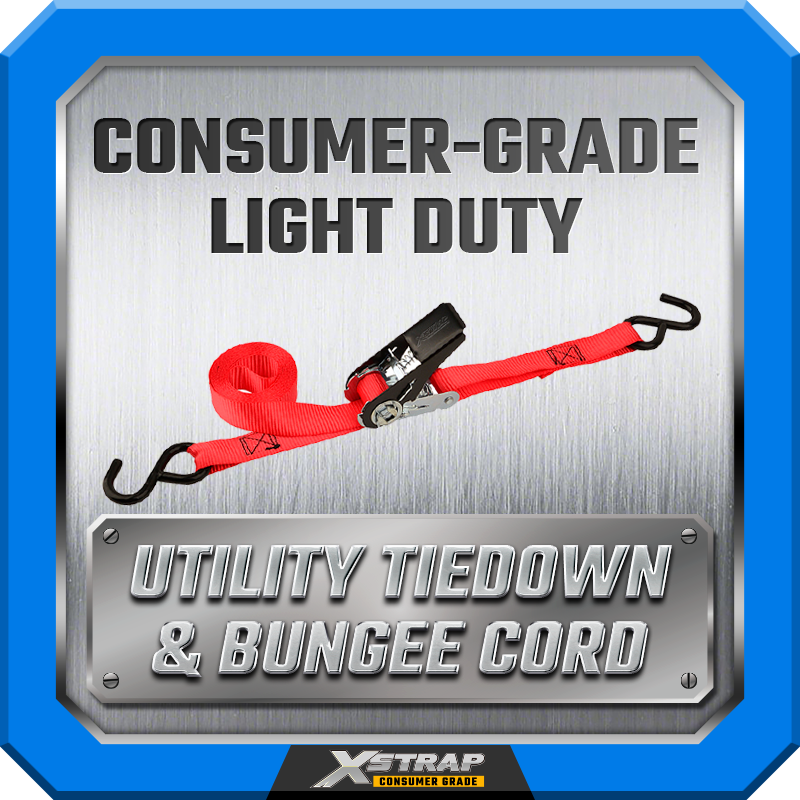
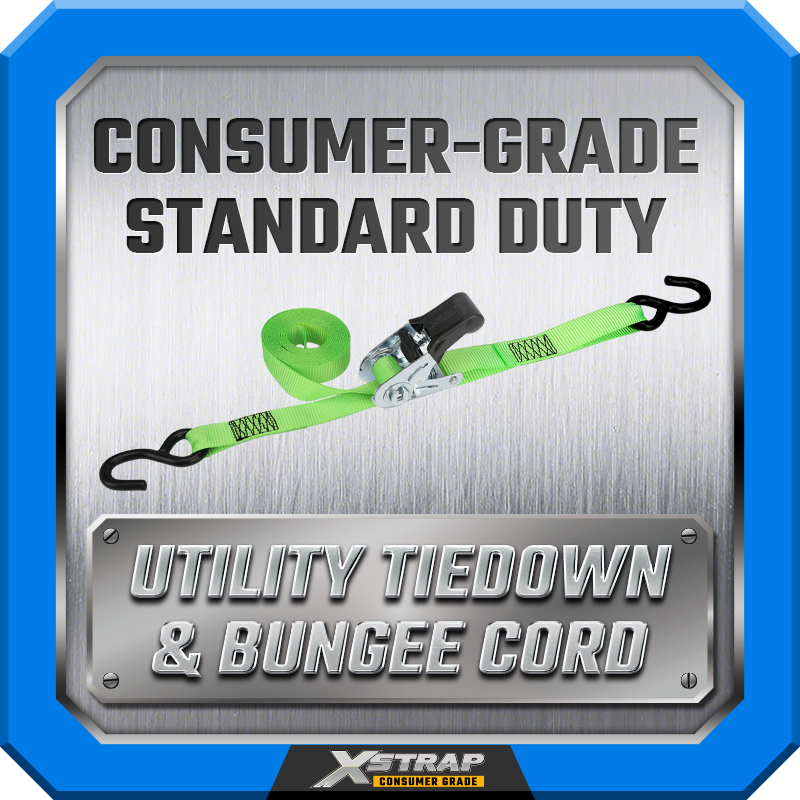
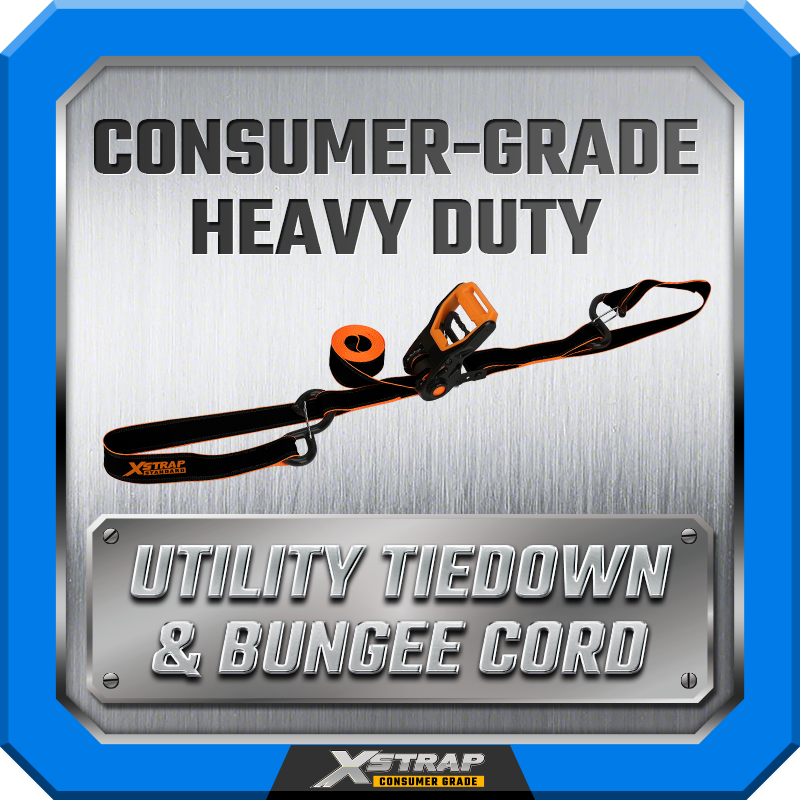
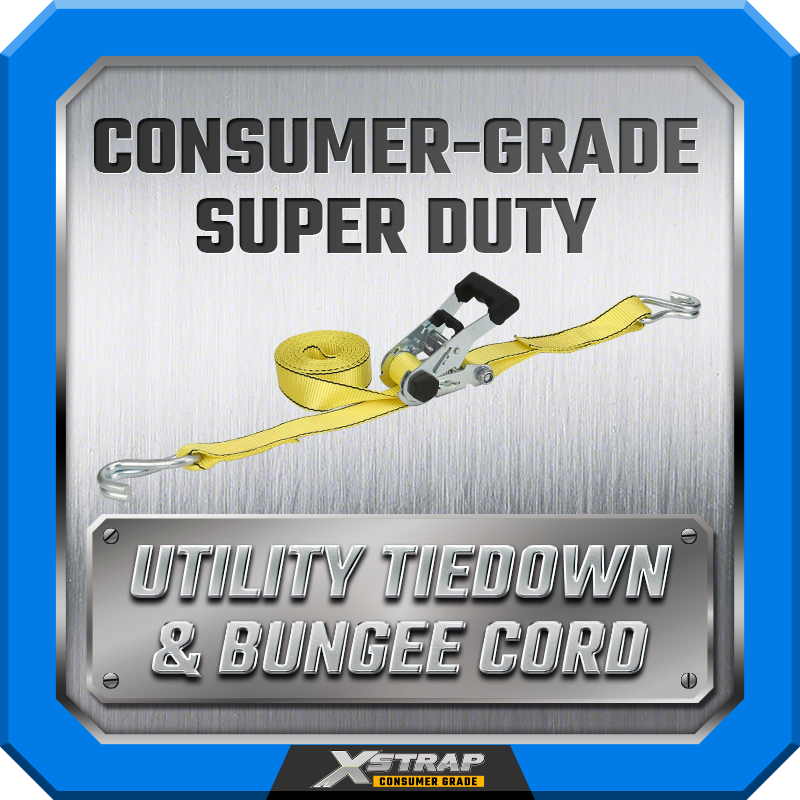
Since its establishment in 2002,
Zhangjiagang SMK MFG. Co., Ltd. has specialized in cargo securing and control products, with over 20 years of experience in R&D and global export. The company is China Motorcycle Tie Down Manufacturers and Wholesale Ratchet Tie Down Strap Factory, and operates three factories and a large-scale warehouse center, forming an efficient international supply network.
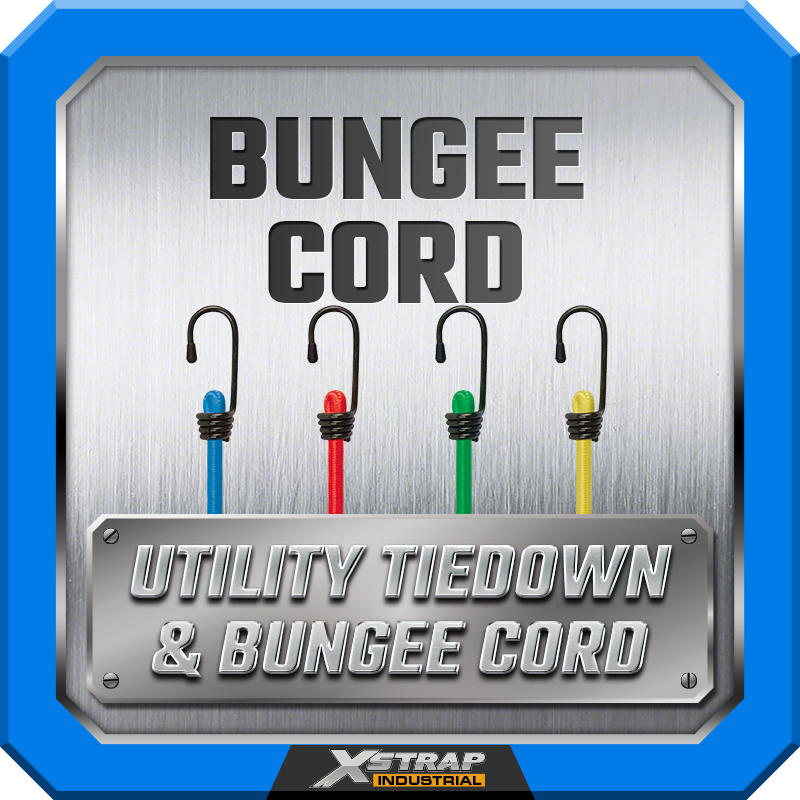
SMK's product range includes tie-down straps, bungee cords, tow straps, lifting slings, hoists, and 4x4 accessories, widely used in transportation, logistics, outdoor, and industrial sectors. Its in-house brand XSTRAP enjoys strong recognition in global markets, alongside flexible OEM/ODM services for customized needs.
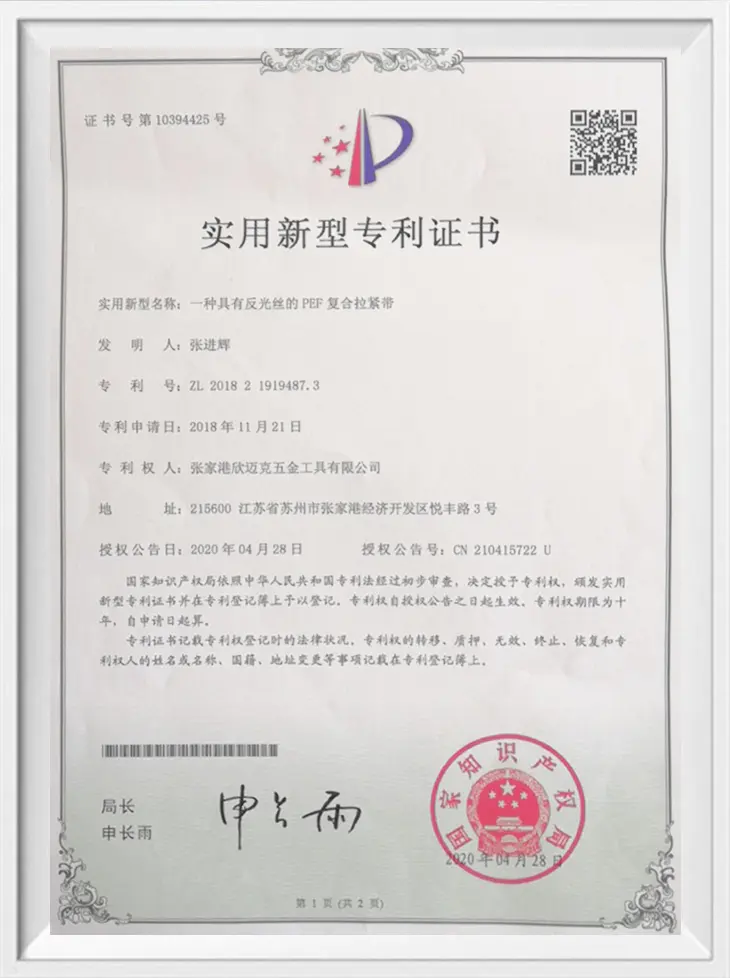
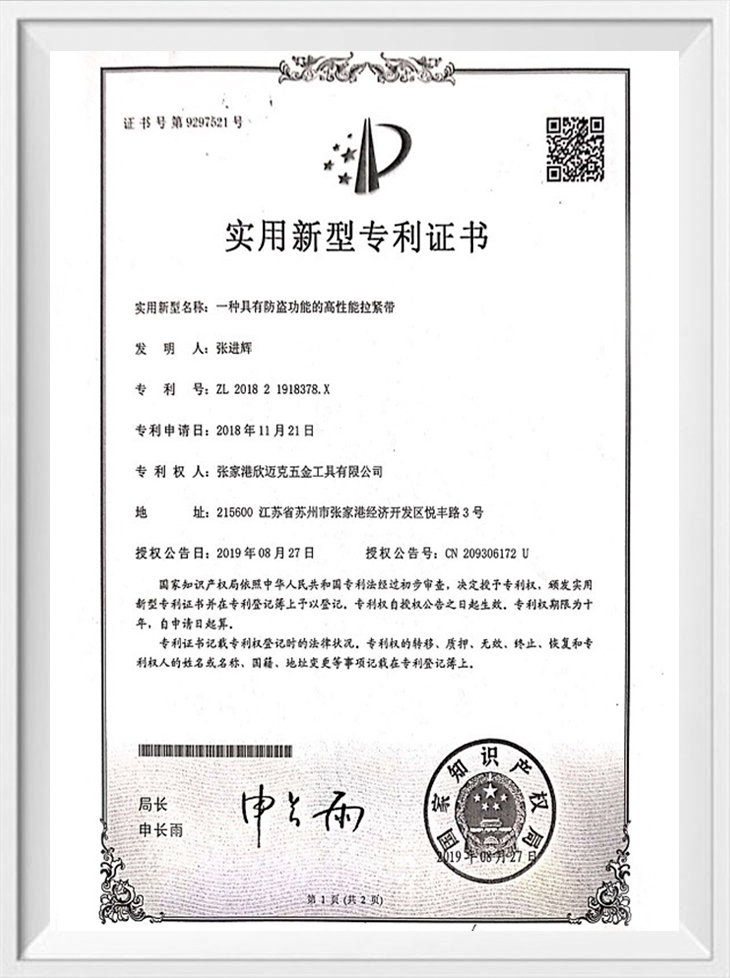
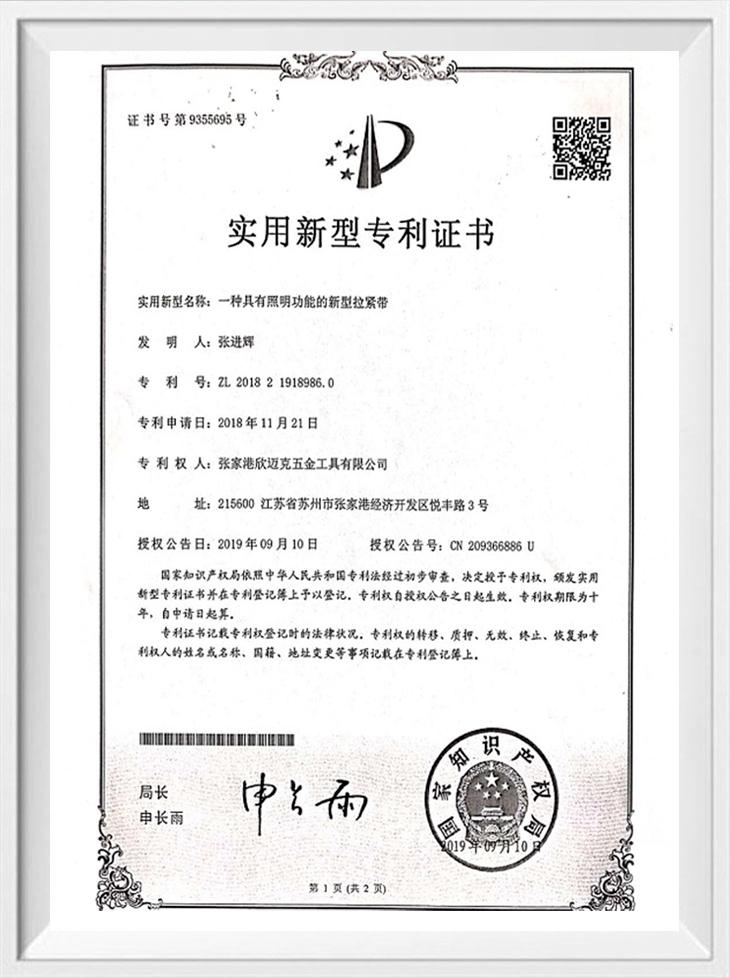
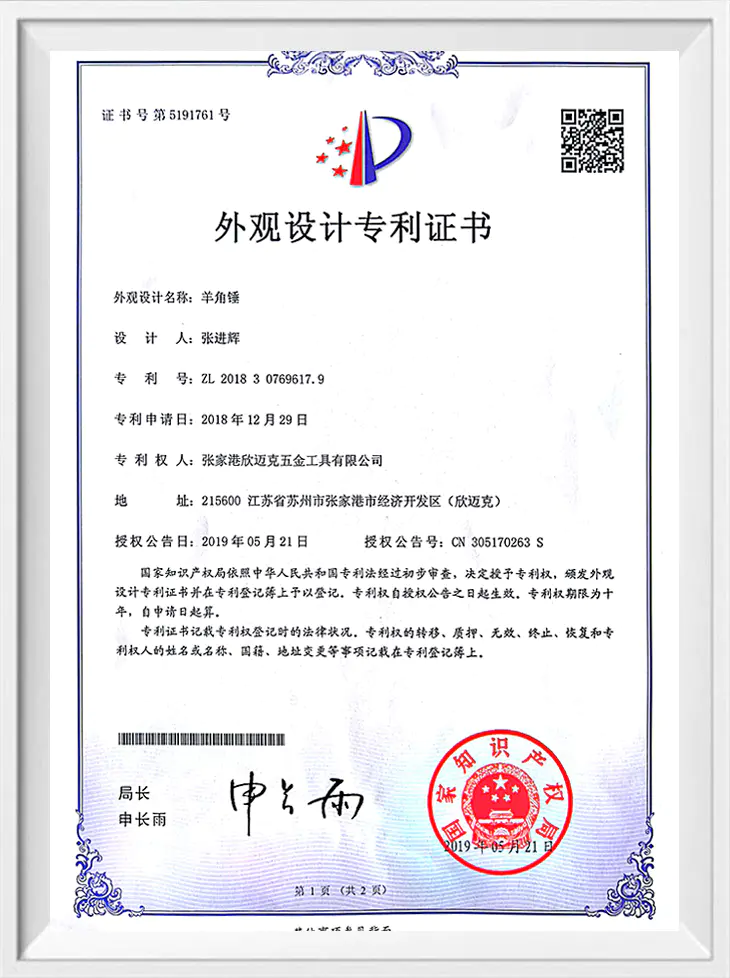
With over 8,000 sqm of production space, SMK is equipped with advanced automated lines and in-house testing labs, ensuring full-process quality control from raw material to finished goods. The company is ISO 9001 certified, SMETA audited, and has passed C-TPAT anti-terrorism inspections and multiple GS and patent certifications.
Looking ahead, SMK will continue to upgrade its cargo control systems, stay close to customer needs, and provide high-quality, efficient products and services worldwide.
Products
-
New Products
- Flatbed Solutions
- Interior Van Solutions
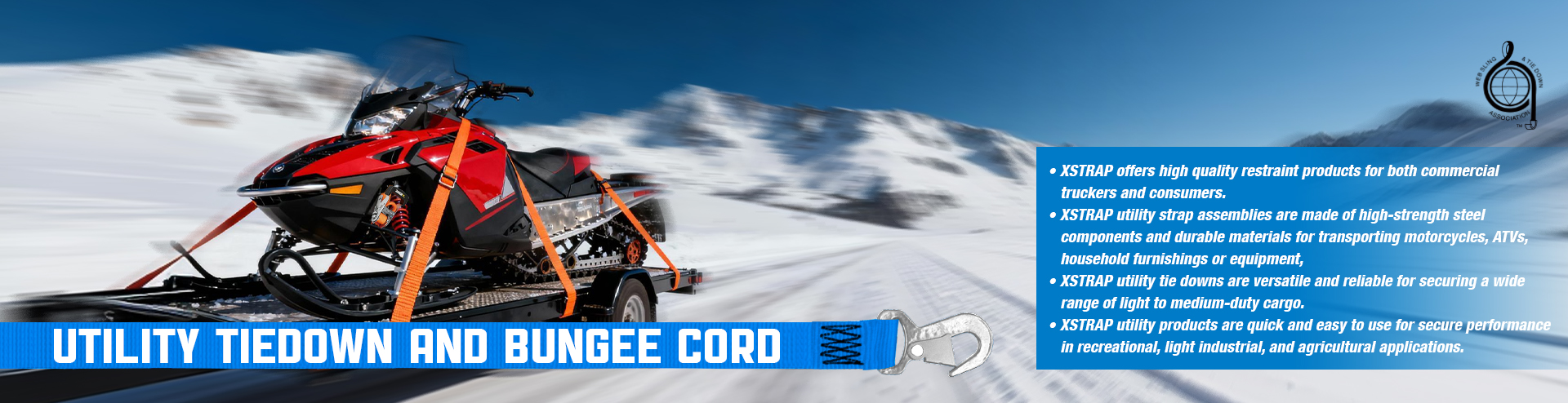
- Utility Tie down and Bungee Cord
- Auto Transport and Towing Solutions
- Lifting Solutions
- Tie Down Hardware
-
TUV&GS Certificated Tie Down and Bungee Cord
-
Towing & Rigging
-
4×4 Off-Road & Trailers
contact
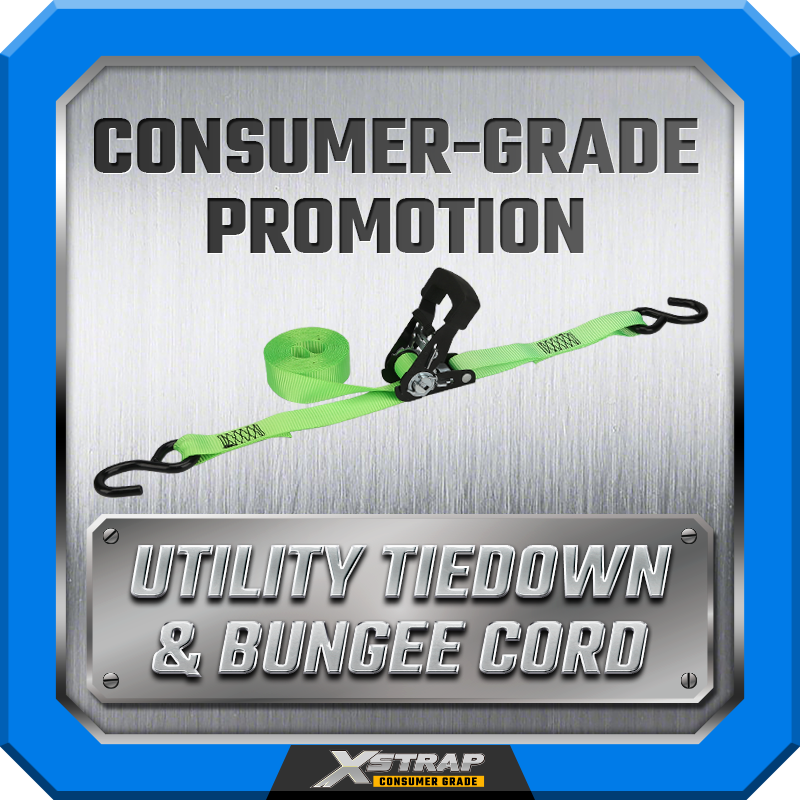
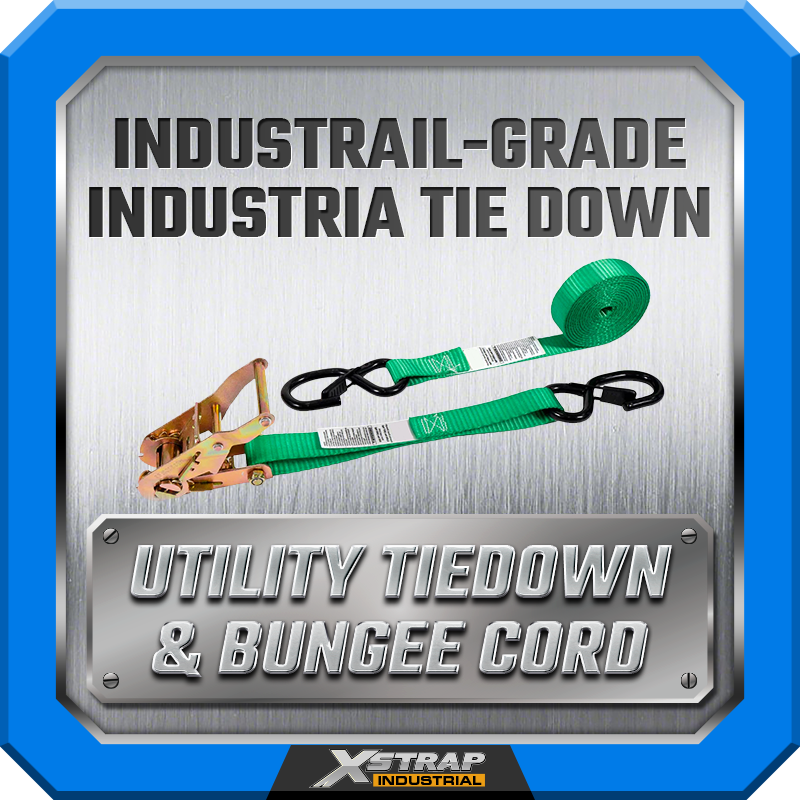
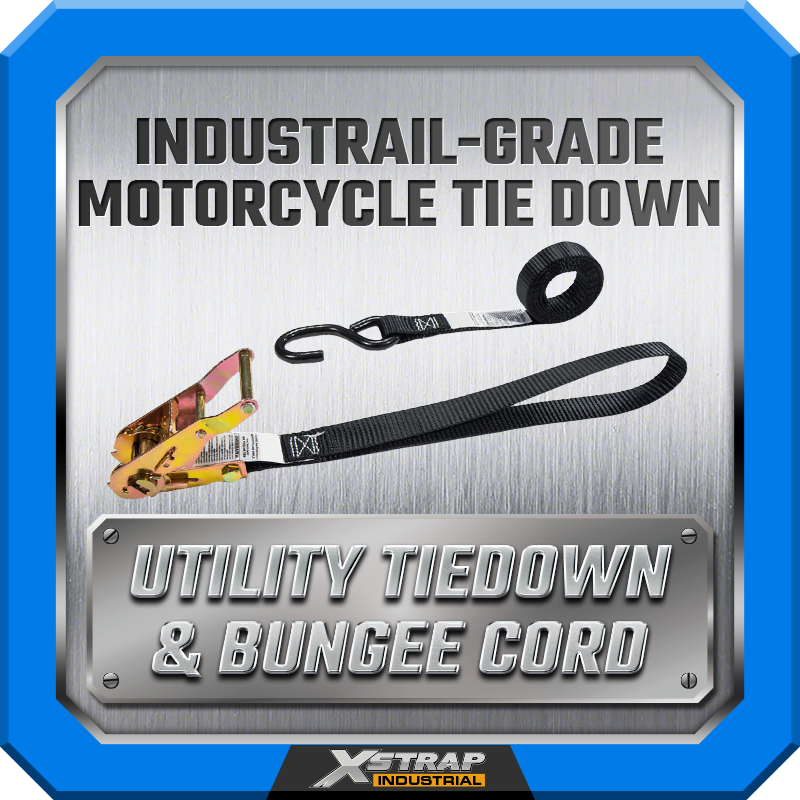
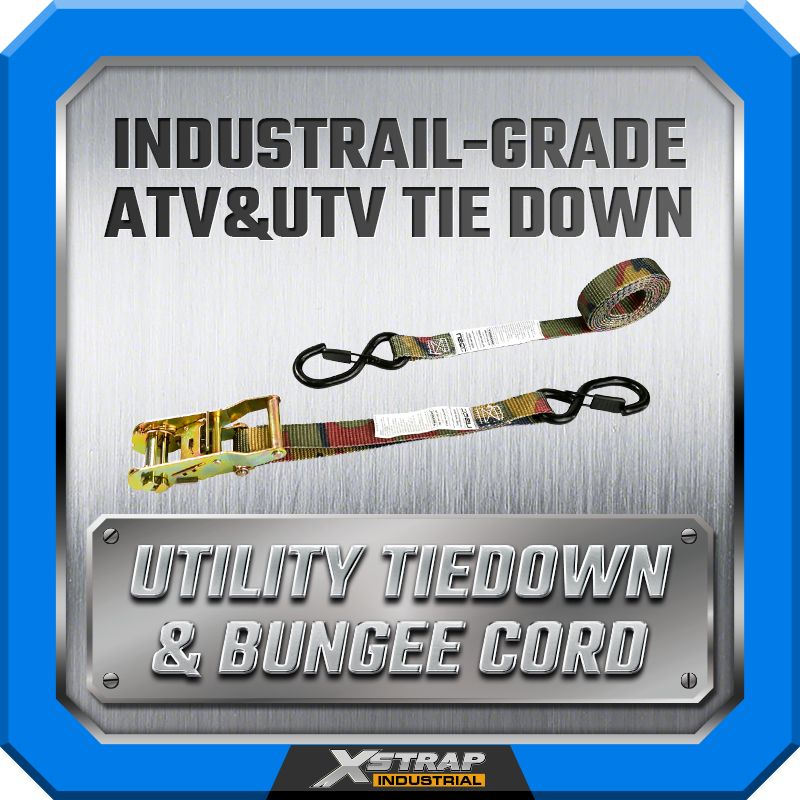
Wholesale and manufactures of utility tie down and bungee cord
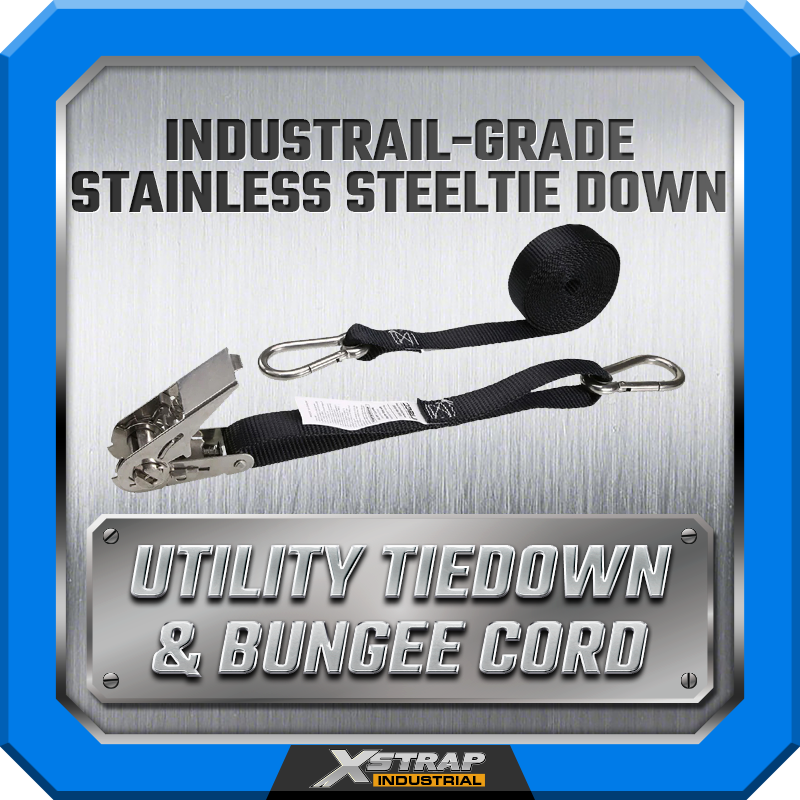
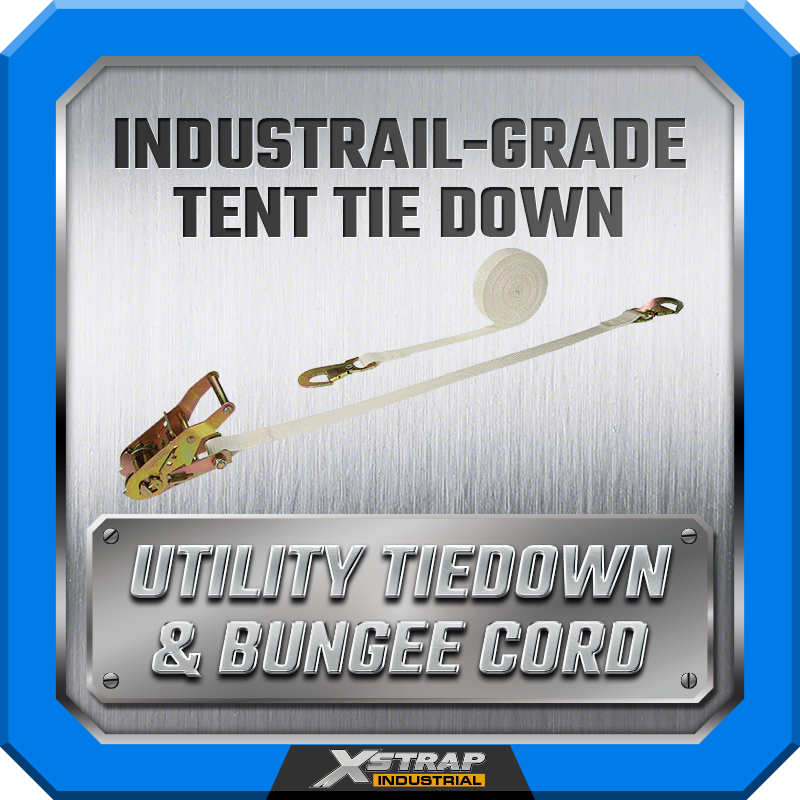
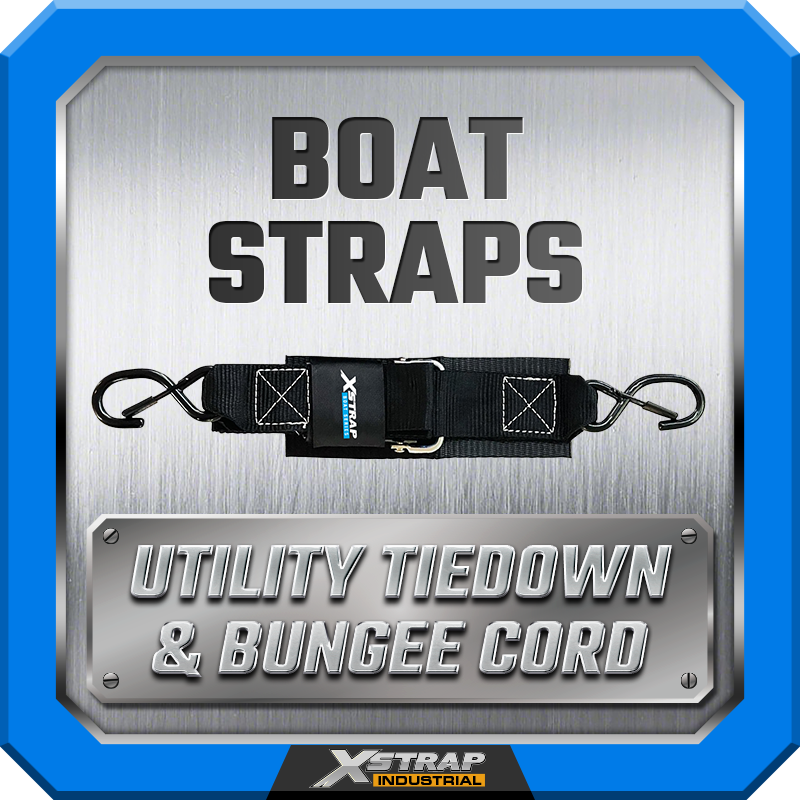
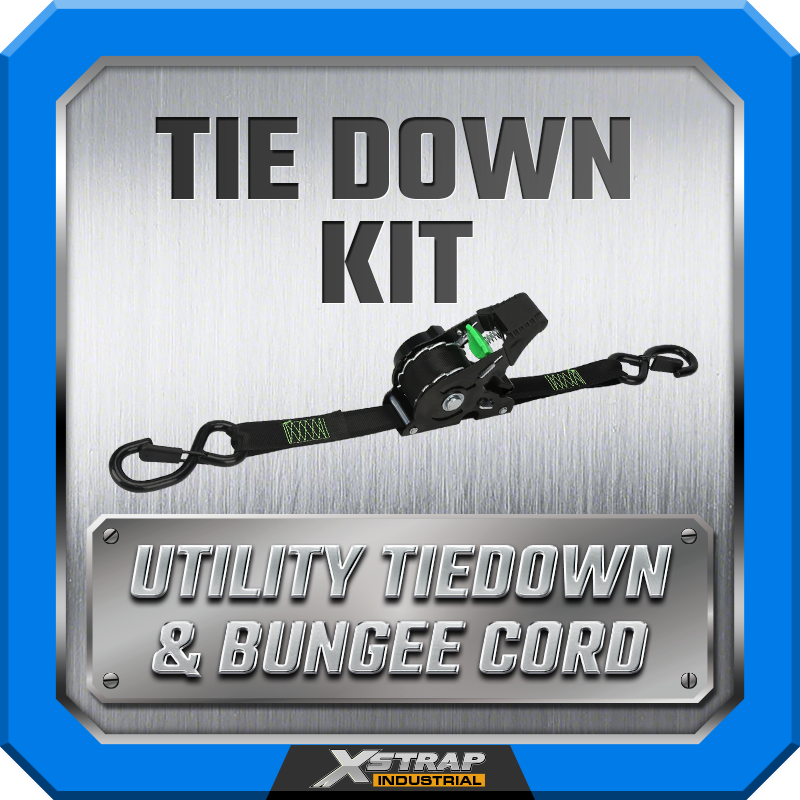
Utility tie down straps and bungee cords are the “invisible safety guard” in family, small business, sporting, travelling camping and usual scenes. They are easy to operate and have various load capacity meeting different requirements. They can solve various temporary secure needs. Such as moving and transportation, roof luggage secure, emergency towing for cars, home storage organization, outdoor camping equipment.
Company profile
Zhangjiagang SMK MFG. Co., Ltd.
News
-
Understanding the Role of Tow Dolly Basket Straps in Vehicle Transport In the field of vehicle transport, Tow Dolly Basket Straps are recognized as one of the safest and ...
LEARN MORE -
1. Understanding the Role of Chain Binders in Load Securement In the world of heavy transportation, Chain Binders are essential tools for ensuring cargo stability. They u...
LEARN MORE -
Understanding the Role of Car Tie Down Straps in Vehicle Transport Safety is the primary consideration when transporting a vehicle. Although standard cargo straps may loo...
LEARN MORE -
In the field of cargo transportation, securing loads is crucial to ensure the safety of both the cargo and the vehicle. Over the years, ratchet straps have been widely us...
LEARN MORE -
Mechanics of Vehicle Securement and Core Logic In the field of modern logistics and vehicle relocation, ensuring the absolute immobility of a vehicle on its transport pla...
LEARN MORE -
Understanding the Essentials of Industrial Lifting In modern industrial production, construction engineering, and logistics, lifting equipment serves as a core tool for i...
LEARN MORE -
In the world of logistics and transport, cargo securement is not just a matter of convenience; it is a critical safety requirement. A ratchet tie down is a high-strength ...
LEARN MORE -
Zhangjiagang SMK MFG. Co., Ltd. is a company with over 20 years of experience in tie down straps. We specialize in producing cargo securing products including Ratchet Str...
LEARN MORE
Certificate Of Honor
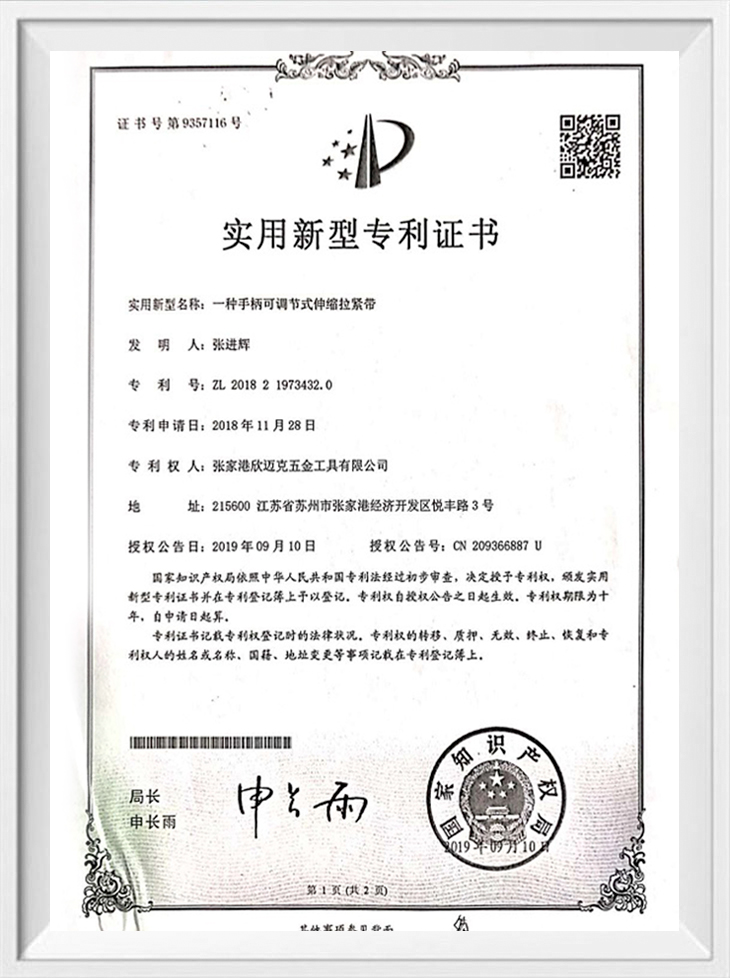
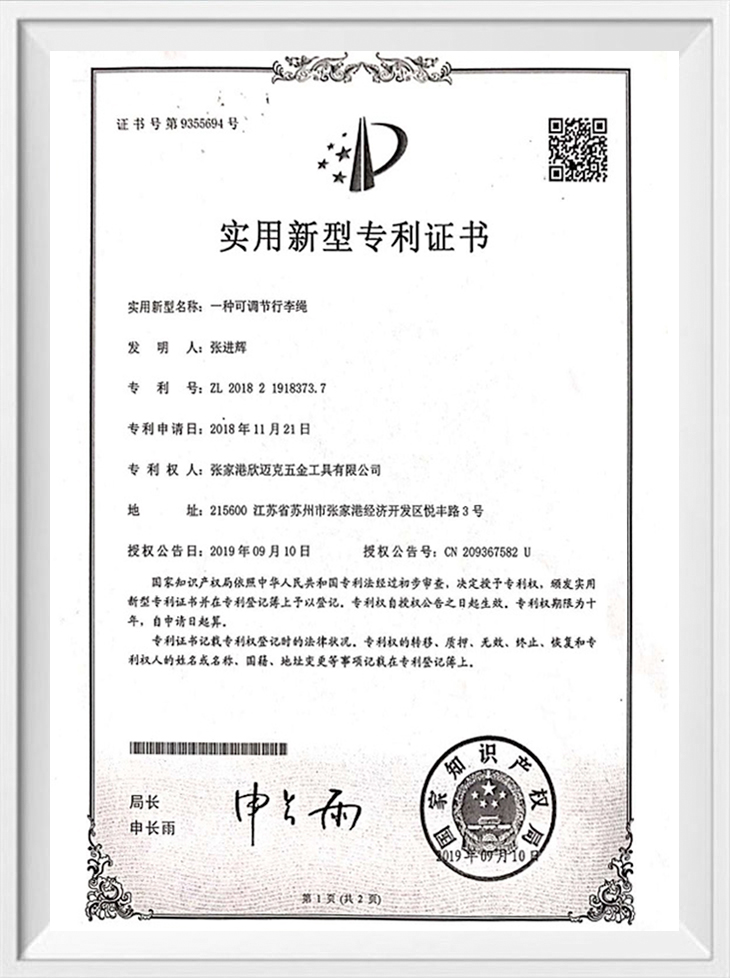
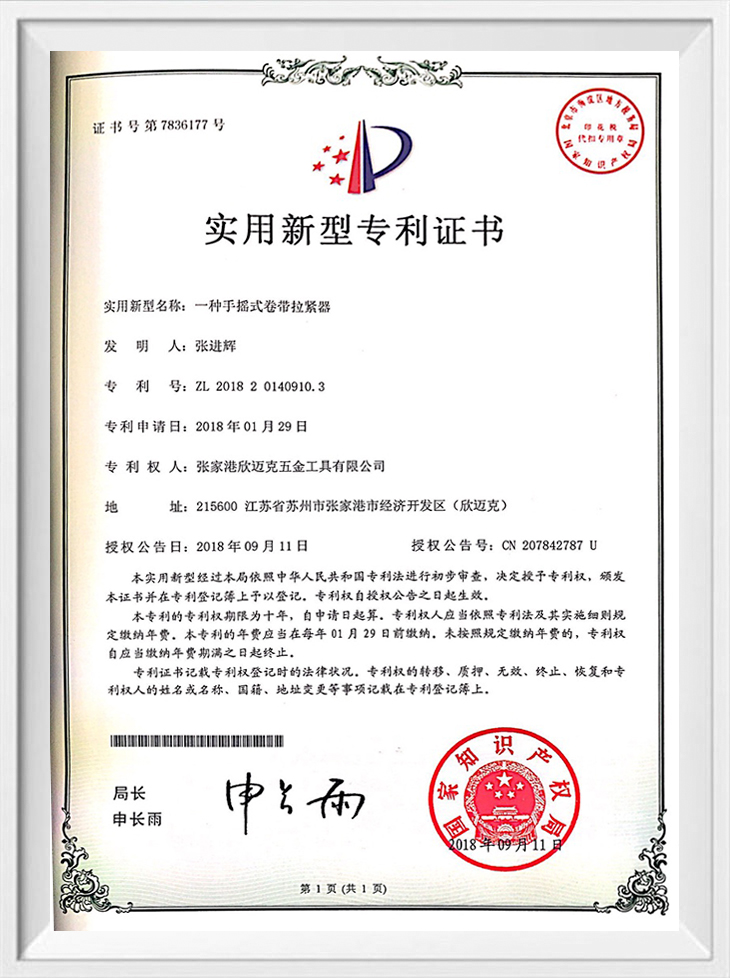
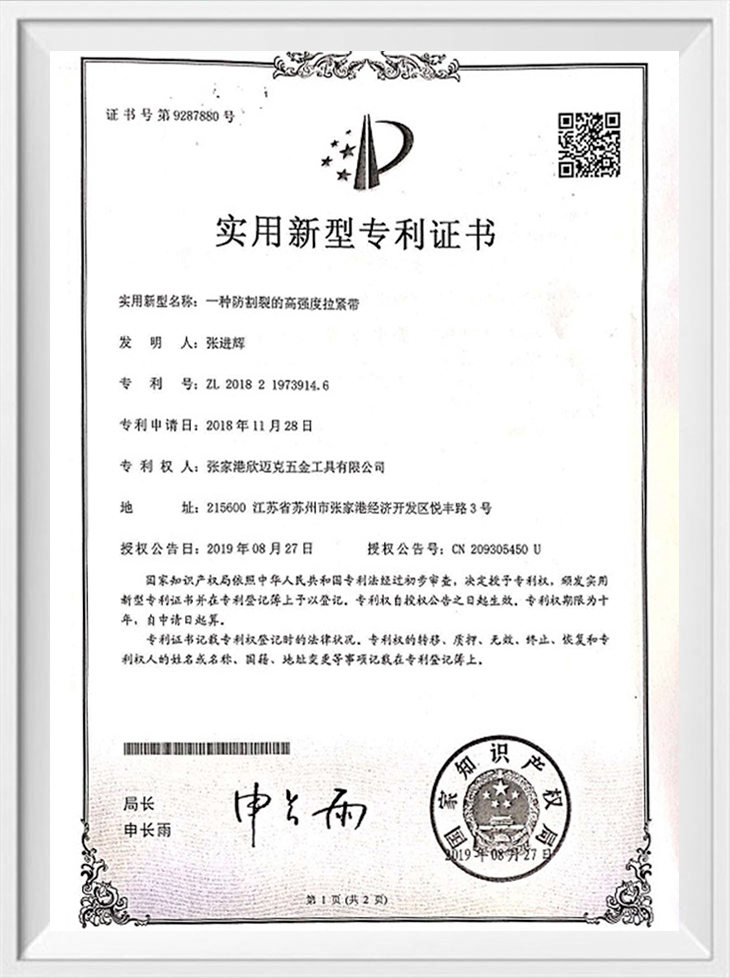
Utility Tie down and Bungee Cord Industry knowledge
Common Webbing Materials for Ratchet Tie Down Straps
Since its establishment in 2002, Zhangjiagang SMK MFG. Co., Ltd. has specialized in cargo securing and control products, leveraging over 20 years of professional experience and a global export network. It has become a trusted solution provider in transportation, logistics, outdoor, and industrial sectors. Among various cargo securing products, Ratchet Tie Down Straps are essential safety tools, and their core component—the webbing material—directly affects load capacity, durability, and safety performance.
Polyester (PET) Webbing
Polyester webbing is one of the most commonly used materials for Ratchet Tie Down Straps.
- High Strength and Low Stretch: Polyester fibers maintain stability under heavy loads, minimizing cargo movement and ensuring safe transport.
- Excellent Weather Resistance: Polyester has outstanding UV and moisture resistance, preventing aging from prolonged sun exposure or humid conditions.
- Chemical Resistance: Polyester webbing effectively resists oils, solvents, and other chemicals, extending service life.
In SMK's production system, polyester webbing undergoes rigorous tensile and abrasion testing, ensuring that each roll meets the Working Load Limit (WLL) standards and guarantees safe usage under various transportation conditions worldwide.
Nylon (Polyamide) Webbing
Nylon webbing, although with higher stretch, is favored for its excellent toughness and impact resistance in specific applications.
- Outstanding Shock Absorption: Nylon webbing can buffer short-term impact loads during cargo transport, reducing cargo damage.
- Strong Abrasion Resistance: Nylon fibers are durable, suitable for frequent friction or repeated tension scenarios.
- Versatility: Nylon webbing is used in industrial lifting, outdoor gear securing, and other environments, though moisture absorption can affect its load capacity.
In SMK's product line, nylon webbing is mainly used for applications requiring high shock absorption, such as off-road 4x4 equipment and industrial lifting slings. The company conducts humidity cycling and fatigue tests in its laboratories to ensure consistent performance under harsh conditions.
High-Strength Polypropylene (PP) Webbing
High-strength polypropylene webbing offers cost-effectiveness and lightweight advantages:
- Lightweight and Easy to Handle: PP webbing has low density, making manual handling and fast cargo securing easier.
- Chemical Resistance: Suitable for exposure to acids, alkalis, or marine environments.
- Ideal for Short-Term or Low-Load Transport: Although slightly lower in strength than polyester, it is widely used in light cargo securing and warehouse applications.
SMK optimizes PP webbing thickness and material selection to ensure reliable performance in light-duty cargo securing, providing diversified solutions for customers.
Webbing Processing and Surface Treatment
Besides material selection, processing and surface treatment of webbing are equally critical. SMK introduces advanced heat treatment and edge abrasion protection technologies in its production lines to prevent webbing edge wear and improve ratchet operation smoothness. Additionally, surface treatments such as anti-slip, waterproof, or reflective coatings can be applied based on customer requirements to expand application scenarios.
Advantages
Through careful material and processing selection, Zhangjiagang SMK MFG. Co., Ltd. Ratchet Tie Down Straps provide notable advantages:
- High strength and stability to ensure cargo safety during transport;
- Weather, chemical, and abrasion resistance for extreme conditions;
- Multiple materials and specifications to meet diverse applications, including logistics, industrial lifting, outdoor equipment, and 4x4 accessories;
- Strict full-process quality control, compliant with ISO 9001 and multiple international certifications, ensuring global customers’ peace of mind.
With over 8,000 sqm of production space, advanced automated production lines, and in-house testing labs, SMK guarantees optimal performance of every Ratchet Tie Down Strap in transportation, logistics, and industrial applications.
How to Properly Operate the Ratchet to Ensure Safety
Since its establishment in 2002, Zhangjiagang SMK MFG. Co., Ltd. has specialized in cargo securing and control products. With over 20 years of professional experience and a global export network, SMK has become a trusted supplier in transportation, logistics, industrial, and outdoor sectors. For Ratchet Tie Down Straps, safety relies not only on material and structure but also on proper operation.
Select the Appropriate Ratchet Tie Down Strap
Before use, select a strap suitable for the cargo type and transportation environment. SMK offers multiple load ratings and webbing widths, covering light-duty to heavy industrial applications. Users should refer to the strap’s Working Load Limit (WLL) and Breaking Strength (BS) to ensure it can handle the maximum load during transport.
All SMK products are ISO 9001 certified and rigorously tested in-house for tensile strength, abrasion, and environmental resistance to maintain consistent performance.
Inspect the Strap
Before use, inspect the strap for wear, damage, or aging:
- Webbing Inspection: Check for frays, cuts, abrasion, or chemical damage;
- Ratchet Inspection: Ensure the ratchet mechanism operates smoothly without rust or jamming;
- Hooks and Fittings: Verify that hooks are not deformed or damaged.
SMK designs ratchet mechanisms using corrosion-resistant steel and coatings and ensures compliance with multiple international standards for reliable operation in industrial and outdoor environments.
Correct Threading and Securing
Proper ratchet operation is key to cargo stability:
- Threading: Insert the webbing end into the ratchet slot, keeping it flat and untwisted;
- Hook Attachment: Secure both hooks to solid anchor points, ensuring the load direction aligns with the hook orientation;
- Tighten the Strap: Pull the webbing manually to remove slack and ensure contact with the cargo surface;
- Operate the Ratchet: Use the handle to tighten the strap to the required tension. SMK ratchets feature ergonomic handles for smooth operation, reducing fatigue while maintaining even tension.
Tension Control and Safety Check
While tightening, control tension to avoid overloading:
- Proper Tension: Webbing should be tight against the cargo without exceeding the WLL;
- Even Load Distribution: For long or multi-point secured cargo, use multiple straps to distribute force evenly;
- Recheck: Shake cargo gently to ensure stability and adjust tension if necessary.
SMK emphasizes ratchet load performance and anti-slip webbing design, ensuring cargo remains secure even during long-distance or rough transport conditions.
Proper Ratchet Release
After use, safely release the ratchet:
- Unlock the Ratchet: Flip the handle to the full release position;
- Slowly Rewind: Control webbing retraction to prevent snap-back or damage;
- Organize for Storage: Roll webbing flat to prevent tangles and damage, extending service life.
SMK ratchets include a quick-release feature, allowing efficient and safe operation in both industrial and outdoor environments.
Advantages
Through careful material selection, precise ratchet design, and ergonomic operation, Zhangjiagang SMK MFG. Co., Ltd. Ratchet Tie Down Straps offer:
- High Safety: Full-process quality control ensures consistent load performance;
- Ease of Use: Ergonomic handle design for smooth tensioning with reduced fatigue;
- Durability: High-quality polyester or nylon webbing with rust-resistant ratchets suitable for various environments;
- Multi-Scenario Use: Reliable for logistics, industrial lifting, outdoor activities, and off-road 4x4 applications.
With over 8,000 sqm of production space, automated production lines, and in-house testing labs, SMK ensures every strap performs optimally in diverse transport and industrial applications.
Common Misuse of Ratchet Tie Down Straps Leading to Safety Hazards
Zhangjiagang SMK MFG. Co., Ltd. has specialized in cargo securing and control products. With over 20 years of experience and a global export network, SMK has become a trusted supplier for transportation, logistics, industrial, and outdoor sectors. Ratchet Tie Down Straps are recognized worldwide for their strength, durability, and reliability. However, improper use can create safety hazards. Understanding common misuse and proper practices can significantly reduce transportation risks.
Overloading
Using a strap below its Working Load Limit (WLL) or Breaking Strength (BS) is a common mistake.
- Risk: Overloading can cause webbing breakage or ratchet failure, potentially leading to cargo tipping or transport accidents.
- Protection: SMK Ratchet Tie Down Straps are rigorously tested and clearly marked with WLL and BS, allowing users to select the appropriate strap for the cargo.
Improper Ratchet Operation
Correct ratchet operation is essential. Common mistakes include:
- Not fully locking the ratchet: Leads to slack webbing and cargo movement;
- Over-tightening or rapid ratcheting: Can damage webbing fibers or ratchet components;
- Poor handle usage: Ignoring ergonomic operation, causing fatigue or accidental slippage.
SMK ratchets are designed with ergonomic handles and smooth mechanisms to reduce errors and ensure even tension.
-
 +86-18112697781qindan355@gmail.comNo. 21 Yuefeng Road, Yangshe Town, Zhangjiagang City, Suzhou City, Jiangsu Province
 -
Quick Links
Social Media
-
OEM Partner
-


Copyright © 2025 Zhangjiagang SMK MFG. Co., Ltd. All rights reserved.
 Wholesale Ratchet Tie Down Strap Manufacturers
Wholesale Ratchet Tie Down Strap Manufacturers