
 English
 Français
 Español
Since its establishment in 2002,
Zhangjiagang SMK MFG. Co., Ltd. has specialized in cargo securing and control products, with over 20 years of experience in R&D and global export. The company is China Rigging Slings Manufacturers and Wholesale Lifting Slings Factory, and operates three factories and a large-scale warehouse center, forming an efficient international supply network.
SMK's product range includes tie-down straps, bungee cords, tow straps, lifting slings, hoists, and 4x4 accessories, widely used in transportation, logistics, outdoor, and industrial sectors. Its in-house brand XSTRAP enjoys strong recognition in global markets, alongside flexible OEM/ODM services for customized needs.
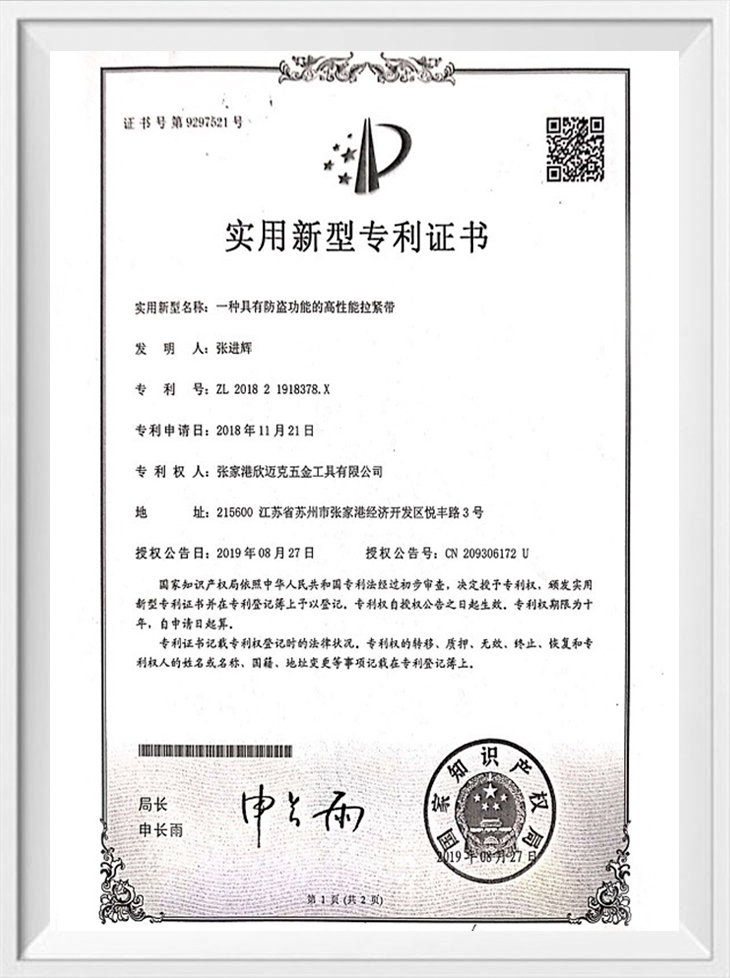
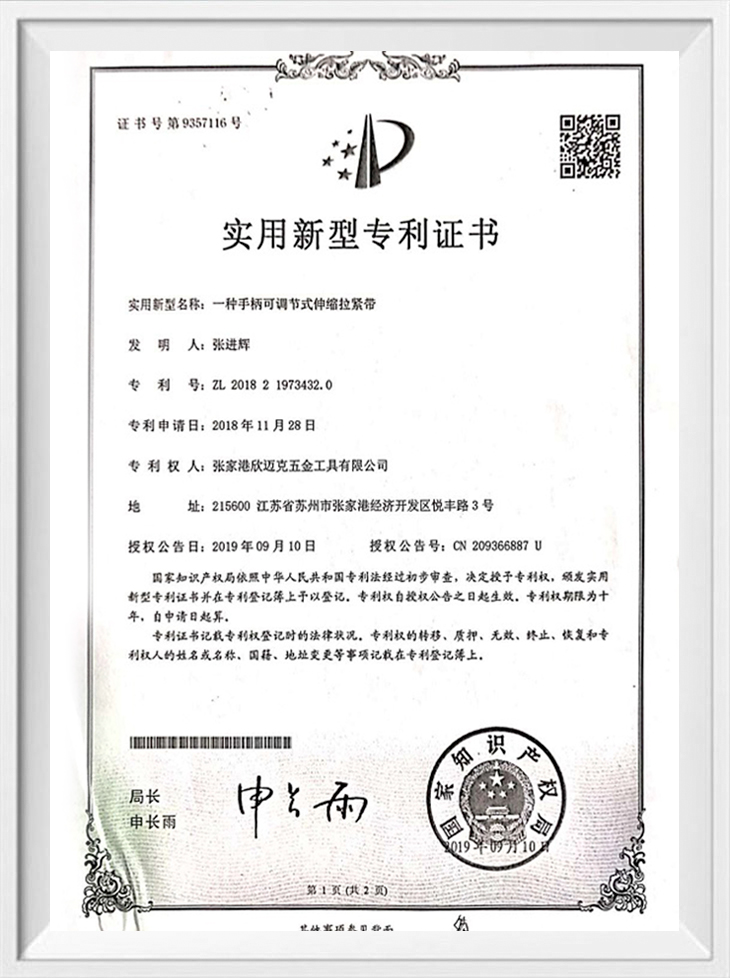
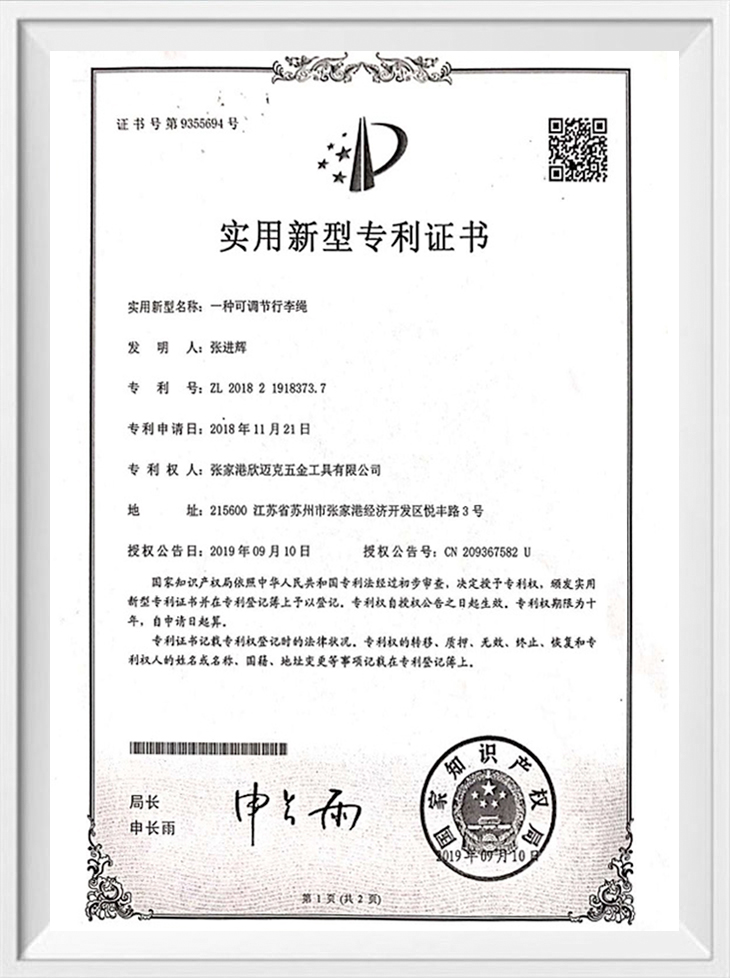
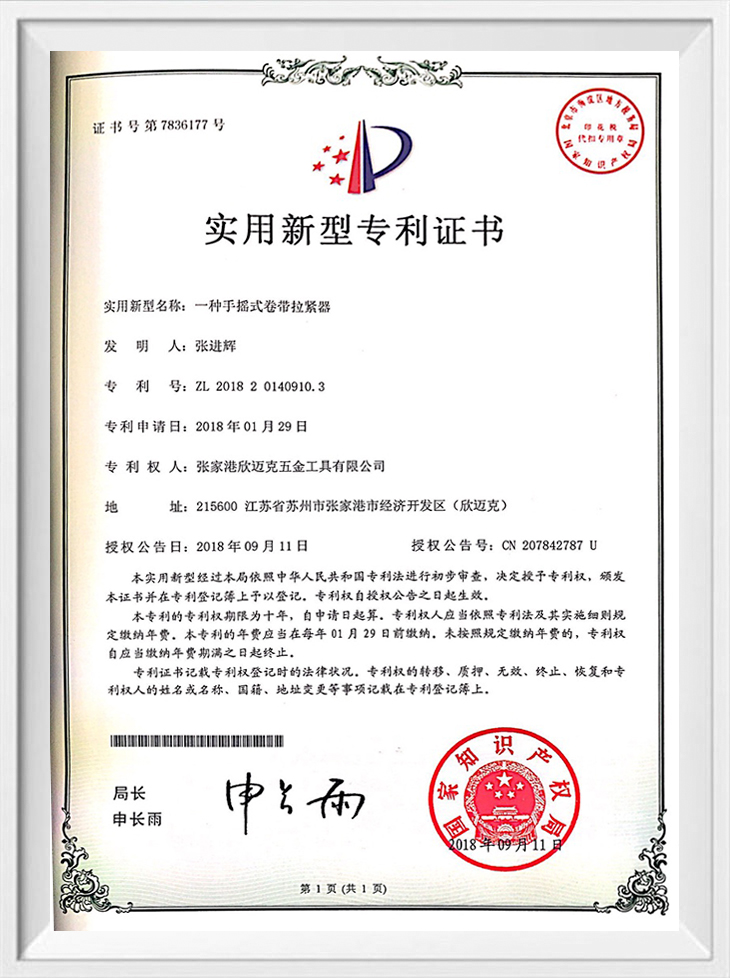
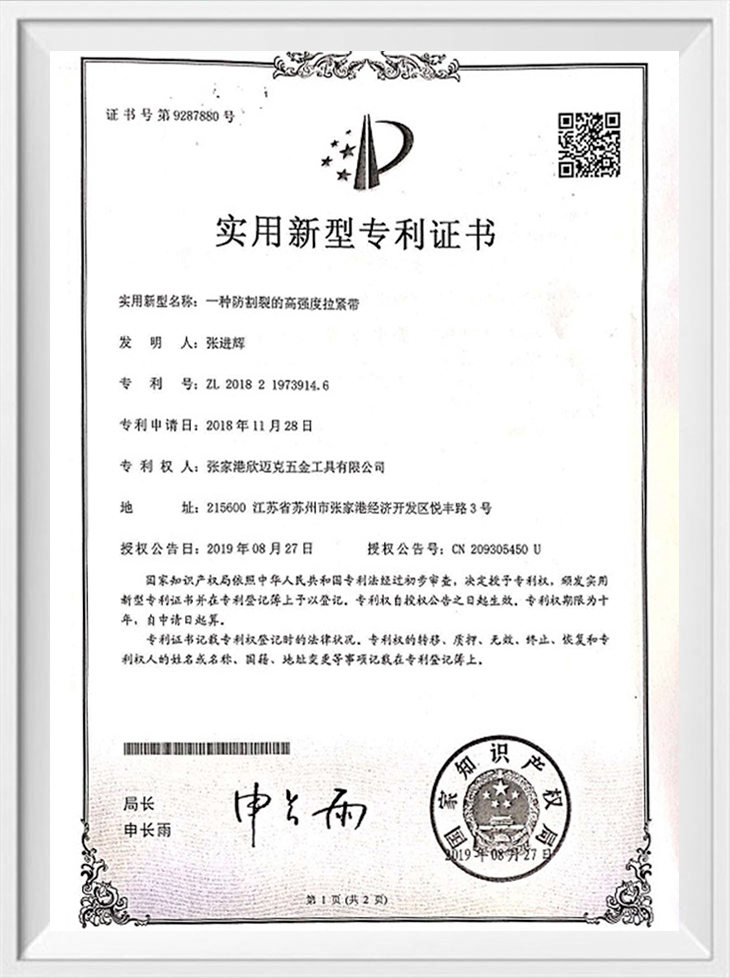
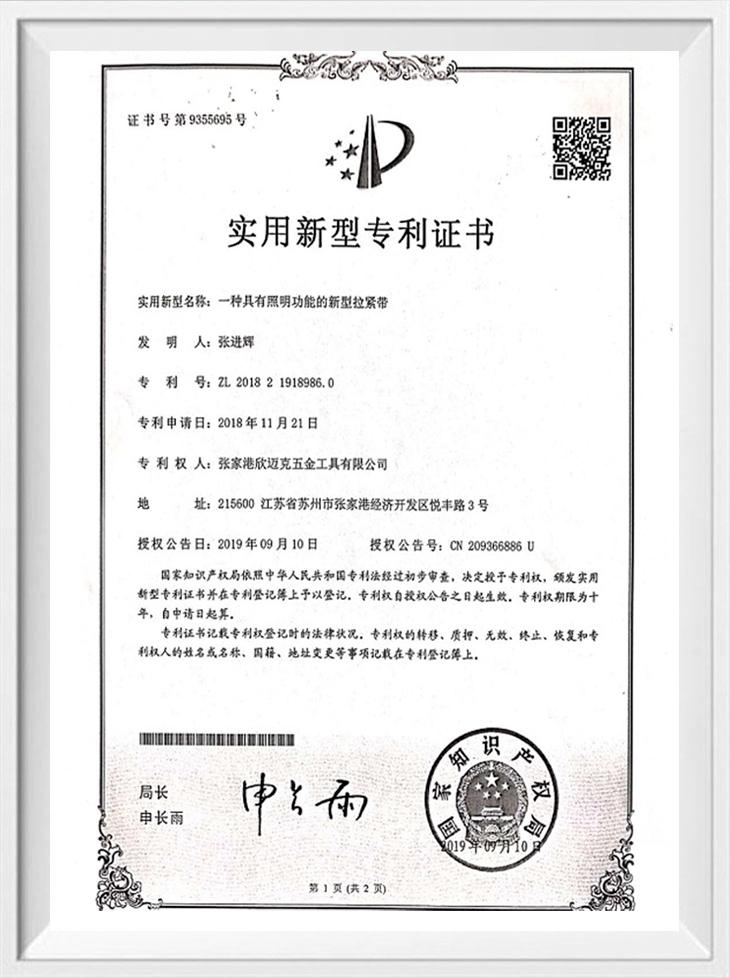
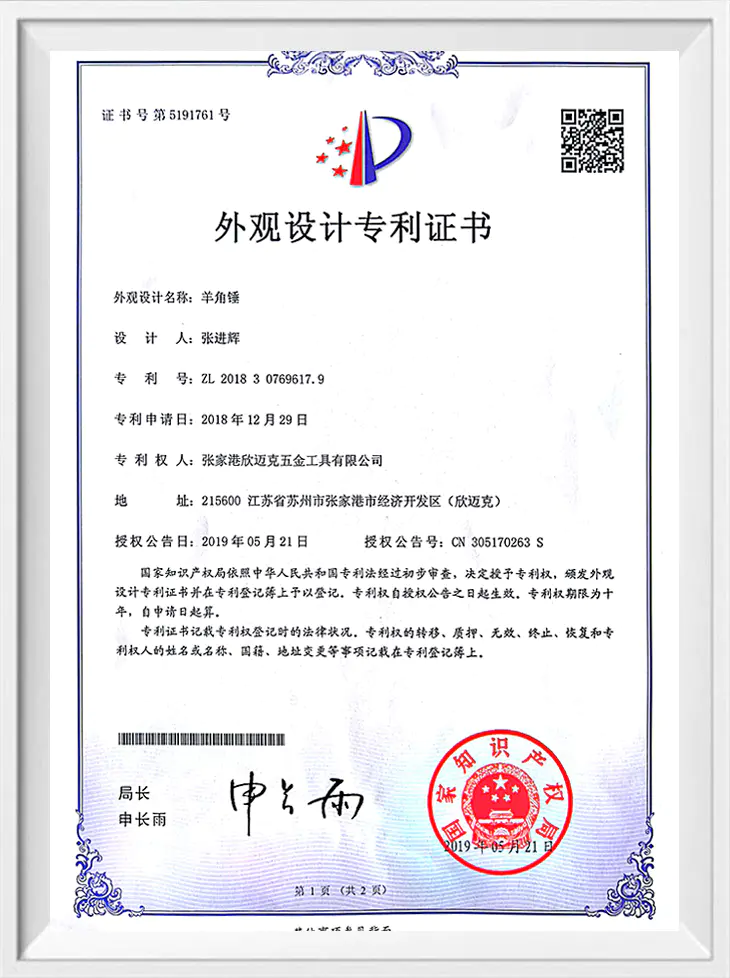
With over 8,000 sqm of production space, SMK is equipped with advanced automated lines and in-house testing labs, ensuring full-process quality control from raw material to finished goods. The company is ISO 9001 certified, SMETA audited, and has passed C-TPAT anti-terrorism inspections and multiple GS and patent certifications.
Looking ahead, SMK will continue to upgrade its cargo control systems, stay close to customer needs, and provide high-quality, efficient products and services worldwide.
Products
-
New Products
- Flatbed Solutions
- Interior Van Solutions
- Utility Tie down and Bungee Cord
- Auto Transport and Towing Solutions
- Lifting Solutions
- Tie Down Hardware
-
TUV&GS Certificated Tie Down and Bungee Cord
-
Towing & Rigging
-
4×4 Off-Road & Trailers
contact
Wholesale and manufacture of lifting slings, chains, cables
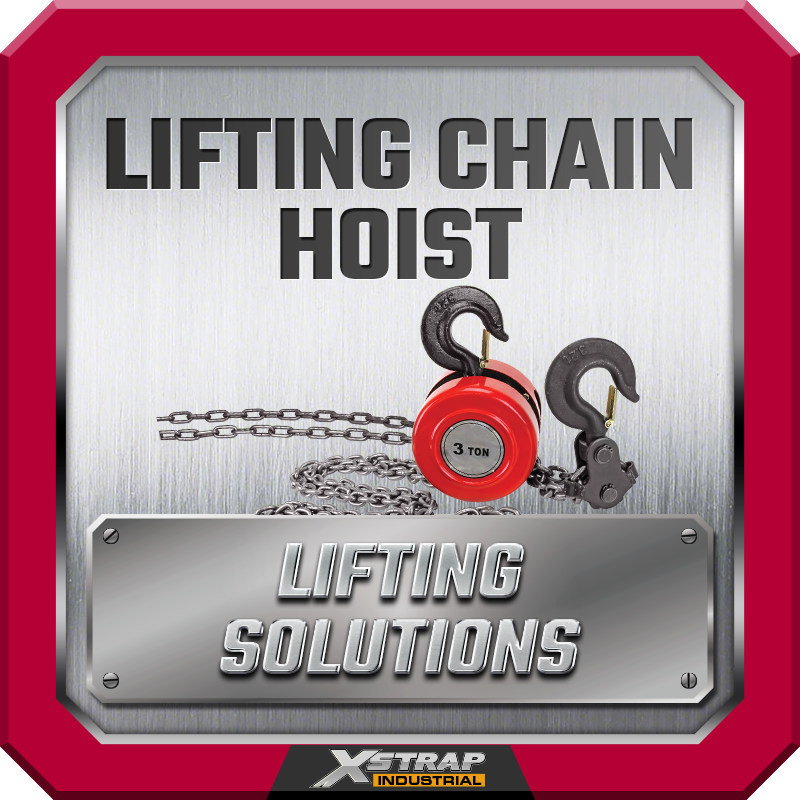
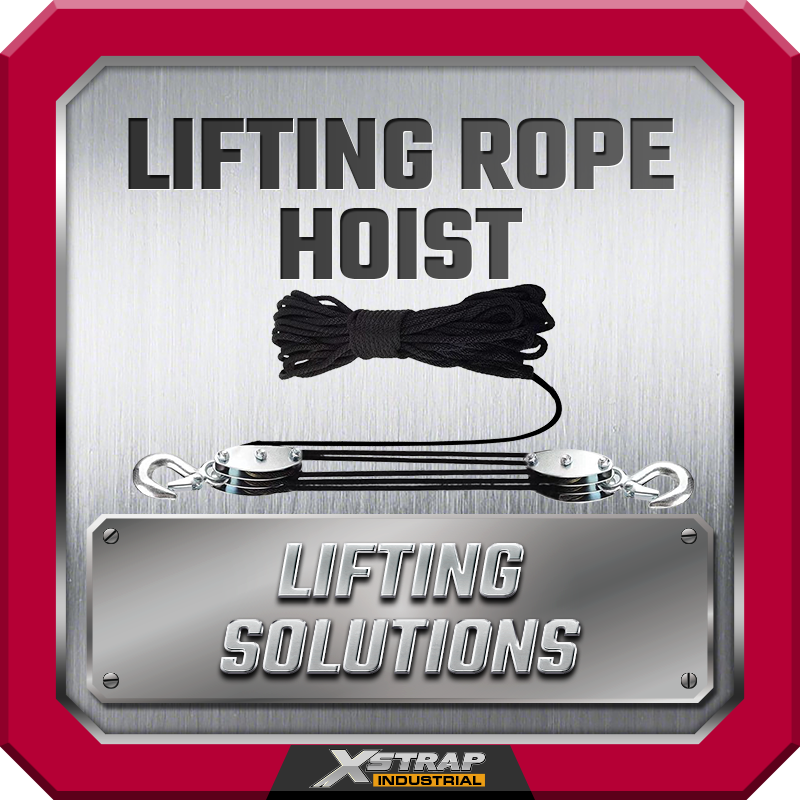
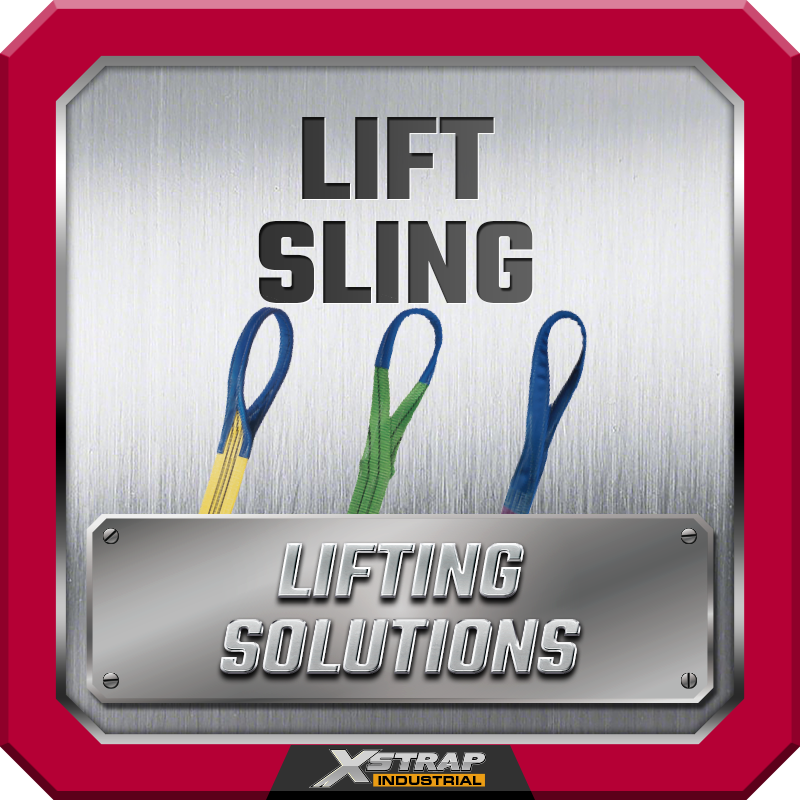
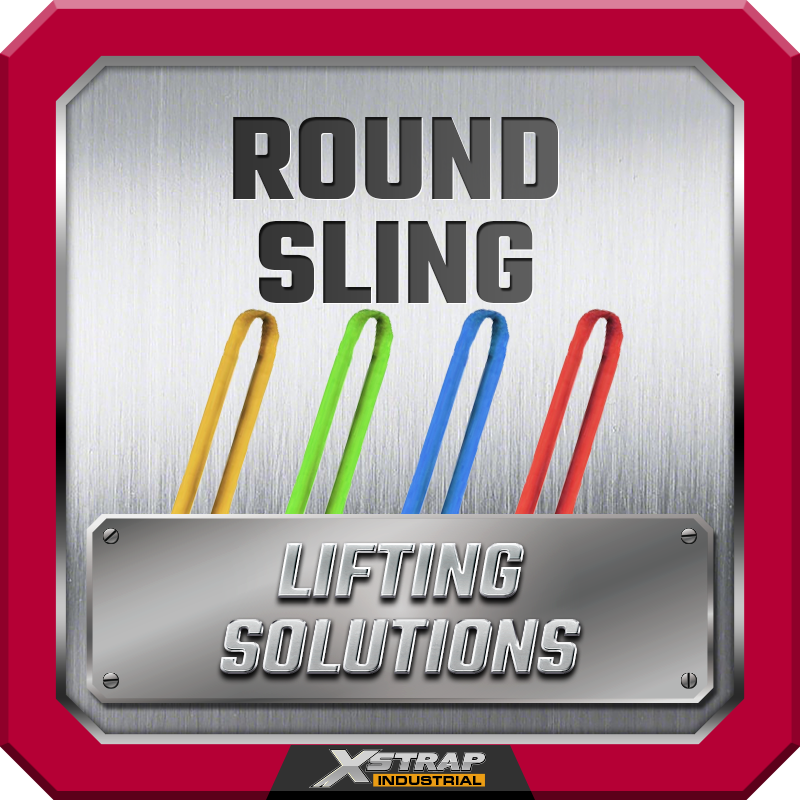
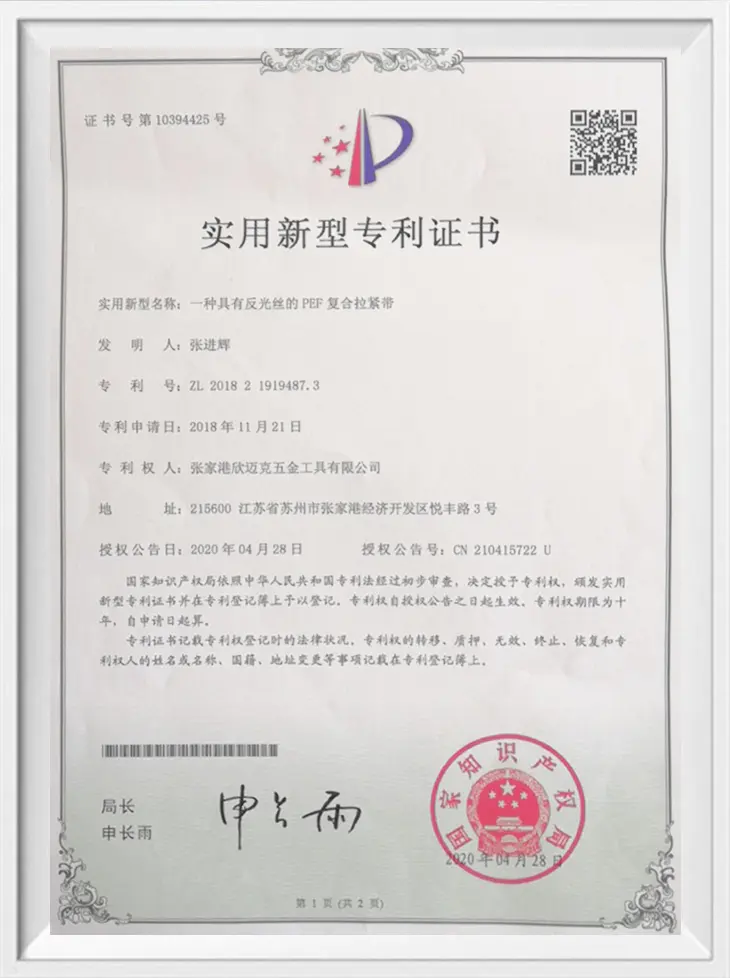
Lifting slings are important tools for lifting operations, enabling safe hoisting, moving, and positioning of heavy loads when used with cranes, hoists, or forklifts. They are mainly used in warehouse, workshop, dock, worksite and so on.
Company profile
Zhangjiagang SMK MFG. Co., Ltd.
News
-
Understanding the Role of Tow Dolly Basket Straps in Vehicle Transport In the field of vehicle transport, Tow Dolly Basket Straps are recognized as one of the safest and ...
LEARN MORE -
1. Understanding the Role of Chain Binders in Load Securement In the world of heavy transportation, Chain Binders are essential tools for ensuring cargo stability. They u...
LEARN MORE -
Understanding the Role of Car Tie Down Straps in Vehicle Transport Safety is the primary consideration when transporting a vehicle. Although standard cargo straps may loo...
LEARN MORE -
In the field of cargo transportation, securing loads is crucial to ensure the safety of both the cargo and the vehicle. Over the years, ratchet straps have been widely us...
LEARN MORE -
Mechanics of Vehicle Securement and Core Logic In the field of modern logistics and vehicle relocation, ensuring the absolute immobility of a vehicle on its transport pla...
LEARN MORE -
Understanding the Essentials of Industrial Lifting In modern industrial production, construction engineering, and logistics, lifting equipment serves as a core tool for i...
LEARN MORE -
In the world of logistics and transport, cargo securement is not just a matter of convenience; it is a critical safety requirement. A ratchet tie down is a high-strength ...
LEARN MORE -
Zhangjiagang SMK MFG. Co., Ltd. is a company with over 20 years of experience in tie down straps. We specialize in producing cargo securing products including Ratchet Str...
LEARN MORE
Certificate Of Honor
Lifting Solutions Industry knowledge
Performance Differences of Lifting Slings with Different Materials
In modern industrial, logistics, and transportation sectors, lifting slings are essential tools to ensure safe and efficient lifting operations. With technological advancements, slings are now available in various materials, including polyester, nylon, and wire rope. Each material exhibits different strength, flexibility, wear resistance, and suitability for specific applications. Zhangjiagang SMK MFG. Co., Ltd., a manufacturer with over 20 years of experience in cargo securing and lifting solutions, provides high-quality slings and offers tailored OEM/ODM services to meet diverse global requirements.
Polyester Slings
Polyester slings are widely used due to their high strength and abrasion resistance. They feature low elongation and excellent resistance to UV and chemical exposure, making them suitable for prolonged outdoor or warehouse applications. Polyester slings maintain stability under frequent lifting operations, ensuring smooth and secure handling. Unlike nylon, polyester absorbs minimal water, reducing the risk of load variation caused by fiber expansion. Slings produced by SMK undergo comprehensive quality control under ISO 9001 standards, guaranteeing compliance with international safety regulations.
Nylon Slings
Nylon slings are renowned for their elasticity and cushioning performance. They can absorb shock loads during lifting, minimizing impact on both equipment and cargo, making them ideal for irregular or fragile loads. With higher elongation, nylon slings offer a buffer when slightly overloaded, enhancing operational safety. However, nylon absorbs water more readily, which may slightly reduce strength in humid conditions. SMK’s nylon slings use premium fibers and precise stitching to maximize tensile strength and service life, serving industrial, logistics, and outdoor heavy-duty applications.
Wire Rope Slings
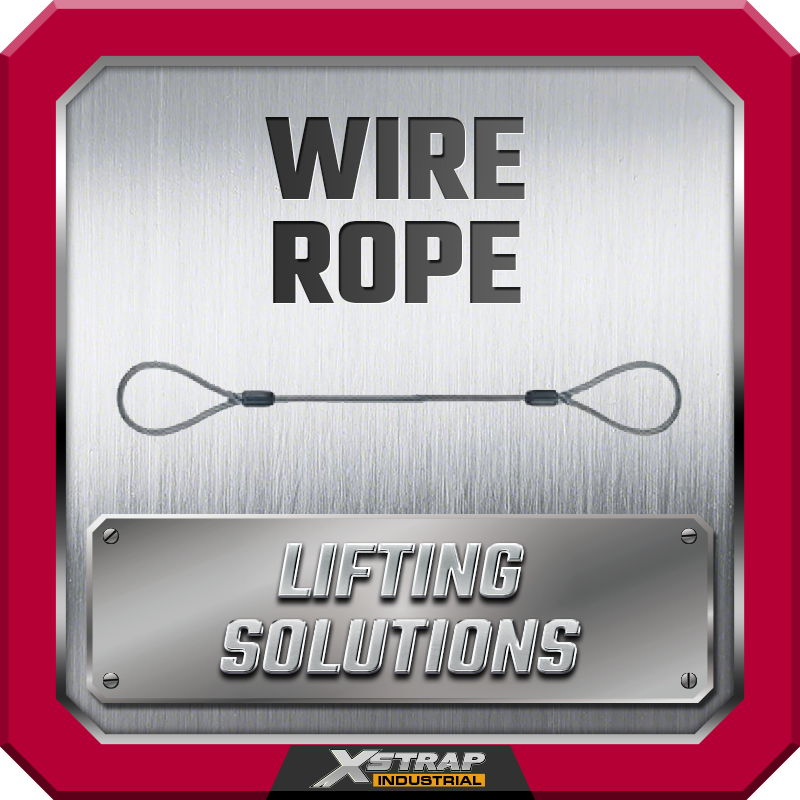
Wire rope slings are highly durable and capable of handling extremely heavy loads. Unlike fiber slings, wire ropes do not stretch and can withstand sharp edges or high-temperature conditions, making them preferred for construction, ports, and heavy machinery lifts. SMK manufactures wire rope slings using advanced automated lines and conducts in-house load testing to ensure every sling meets or exceeds industry standards.
Application Comparison by Material
- Polyester: Suitable for wear-resistant and chemically stable lifting in warehouses and container handling.
- Nylon: Ideal for lifts with high impact or fragile cargo in industrial and outdoor environments.
- Wire Rope: Best for ultra-heavy loads and harsh environmental lifting conditions.
By understanding material-specific performance, companies can select the most suitable sling to improve safety and efficiency. SMK’s production facilities, with over 8,000 sqm of automated lines and testing labs, ensure that every sling performs reliably in its intended environment.
Environmental and Temperature Limitations of Lifting Slings
Lifting slings’ safety and lifespan are heavily influenced by working temperature, humidity, and chemical exposure. Each material responds differently under high or low temperatures, moisture, or corrosive conditions. Selecting the correct sling material and applying proper precautions are critical for safe operations. SMK leverages over 20 years of R&D and quality management to provide slings engineered to perform reliably in varied environments.
Impact of Temperature
High Temperature:
Nylon slings begin to soften above 70°C, while polyester may degrade above 90°C, potentially reducing fiber strength and leading to failure. Wire rope slings withstand heat better, though extreme temperatures may still affect metal integrity. SMK conducts high- and low-temperature testing to ensure slings maintain their rated working load (WLL).
Low Temperature:
Cold environments can reduce fiber toughness, increasing brittleness, especially below -40°C. Nylon becomes rigid and prone to breakage, polyester performs more stably, and wire ropes remain reliable, though metal brittleness may increase. SMK offers low-temperature-specific slings to ensure safety in cold-weather operations.
Humidity and Water Exposure
Fiber slings absorb moisture, adding weight and reducing tensile performance. Nylon is particularly sensitive, potentially affecting load stability, while polyester remains mostly unaffected. Wire rope may corrode in marine or humid environments, requiring rust protection or stainless steel options. SMK applies corrosion-resistant treatments and water-resistance testing for reliable use in ports, shipping, and outdoor lifting.
Chemical and Special Environmental Considerations
Exposure to acids, alkalis, oils, or other chemicals can degrade sling materials. Nylon is alkali-resistant but vulnerable to strong acids, polyester is moderately chemical-resistant, and wire ropes withstand most chemical exposure but may need protection in highly corrosive environments. SMK designs slings with environmental adaptability, ensuring safe performance in challenging conditions.
Practical Recommendations
- Always use slings within their rated WLL.
- Select materials based on temperature: heat-resistant fibers or wire ropes for high temperatures, low-temperature fibers for cold conditions.
- For wet or humid environments, choose polyester or anti-corrosion wire ropes and inspect regularly.
- For chemical exposure, select resistant materials or protective treatments and replace slings as needed.
SMK’s production space, automated lines, and testing laboratories ensure full-process quality control, providing reliable lifting solutions across industrial, logistics, and outdoor heavy-duty operations.
Common Causes of Sling Failure and Prevention Methods
Lifting slings are critical for safety, and even high-quality slings may fail if misused or poorly maintained. Understanding common causes and prevention strategies is essential. SMK, with over two decades in sling manufacturing, provides high-quality products and guidance for proper use.
Common Causes of Sling Failure
- Overloading: Exceeding the rated WLL can cause fiber breakage or wire deformation.
- Abrasion or Cutting: Contact with sharp edges or rough surfaces can damage fibers or wire strands.
- Chemical Exposure: Acids, alkalis, oils, and other chemicals can degrade fibers or wires.
- Temperature and Environmental Effects: High temperatures soften fibers, low temperatures reduce toughness, moisture increases weight and accelerates deterioration.
- Improper Storage or Handling: Sunlight, humidity, folding, or entanglement can cause wear or aging.
- Manufacturing Defects: Poor-quality or defective slings may have weak points or broken wires.
Prevention Methods
- Use Within Rated WLL: Calculate loads, angles, and lifting points carefully.
- Regular Inspection and Maintenance: Check for wear, corrosion, or damage and perform load tests.
- Use Protective Gear: Apply padding or sheaths when lifting over sharp edges.
- Choose Material According to Environment: High/low temperature or chemical exposure requires suitable material.
- Proper Storage and Handling: Keep slings in a cool, dry environment and avoid sharp contact or compression.
- Operator Training: Ensure knowledge of proper lifting techniques, angle control, and inspection.
SMK’s 8,000+ sqm production facility, automated lines, and testing labs guarantee consistent quality across polyester, nylon, and wire rope slings, complemented by OEM/ODM customization for specialized needs.
Storage and Transportation Considerations for Lifting Slings
The safety and performance of lifting slings are also highly dependent on proper storage and transportation. Improper handling can cause wear, aging, or corrosion. SMK provides guidance to maximize sling durability and ensure safe handling across logistics and industrial operations.
Storage Considerations
- Dry and Ventilated Environment: Fiber slings should avoid moisture, wire ropes should avoid rust.
- Avoid Sunlight and High Heat: Prevent UV degradation and heat-induced deformation.
- Neat Stacking and Avoid Pressure: Hang or roll slings, avoid stacking or sharp contact.
- Avoid Chemical Exposure: Keep away from acids, alkalis, solvents, and oils.
- Regular Inspection and Labeling: Ensure clear identification and condition monitoring.
Transportation Considerations
- Secure and Prevent Slippage: Use packaging, pallets, or brackets to stabilize slings.
- Protect from Sharp Contact: Apply sheaths or padding over rough edges.
- Environmental Protection: Avoid prolonged exposure to rain, seawater, or high humidity; apply waterproof packaging or rust protection if necessary.
- Proper Stacking and Weight Distribution: Prevent excessive stacking or concentrated pressure.
- Inspection Before Transit: Ensure no visible wear, broken strands, or deformation.
SMK’s full-process quality control and protective packaging solutions help maintain sling integrity, ensuring safe, reliable lifting during storage and transportation. These practices, combined with high-quality SMK slings, extend service life, reduce risk, and improve operational safety across industrial and logistics applications.
-
 +86-18112697781qindan355@gmail.comNo. 21 Yuefeng Road, Yangshe Town, Zhangjiagang City, Suzhou City, Jiangsu Province
 -
Quick Links
Social Media
-
OEM Partner
-


Copyright © 2025 Zhangjiagang SMK MFG. Co., Ltd. All rights reserved.
 Wholesale Lifting Slings Manufacturers
Wholesale Lifting Slings Manufacturers