
 English
 Français
 Español



Since its establishment in 2002,
Zhangjiagang SMK MFG. Co., Ltd. has specialized in cargo securing and control products, with over 20 years of experience in R&D and global export. The company is China Interior Van Straps Manufacturers and Wholesale Interior Van Straps Factory, and operates three factories and a large-scale warehouse center, forming an efficient international supply network.
SMK's product range includes tie-down straps, bungee cords, tow straps, lifting slings, hoists, and 4x4 accessories, widely used in transportation, logistics, outdoor, and industrial sectors. Its in-house brand XSTRAP enjoys strong recognition in global markets, alongside flexible OEM/ODM services for customized needs.
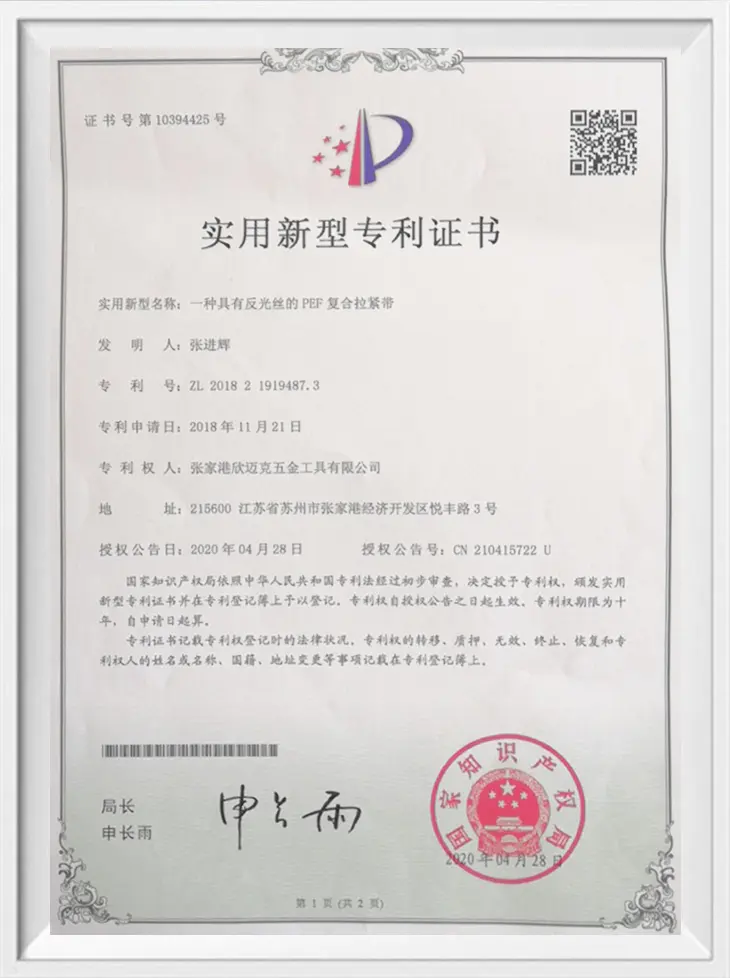
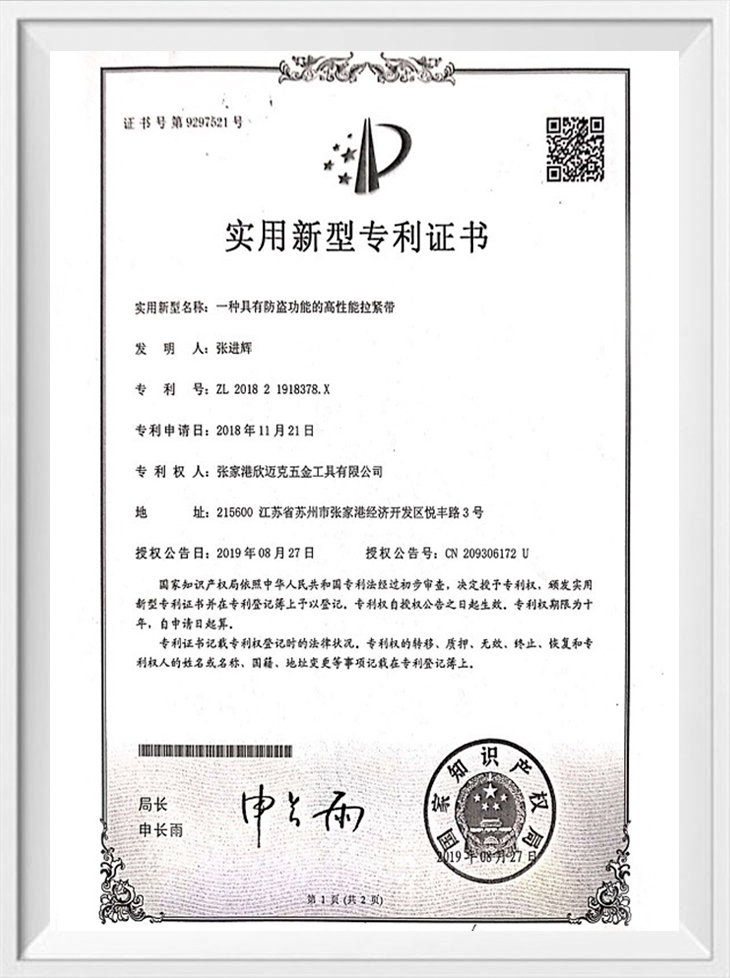
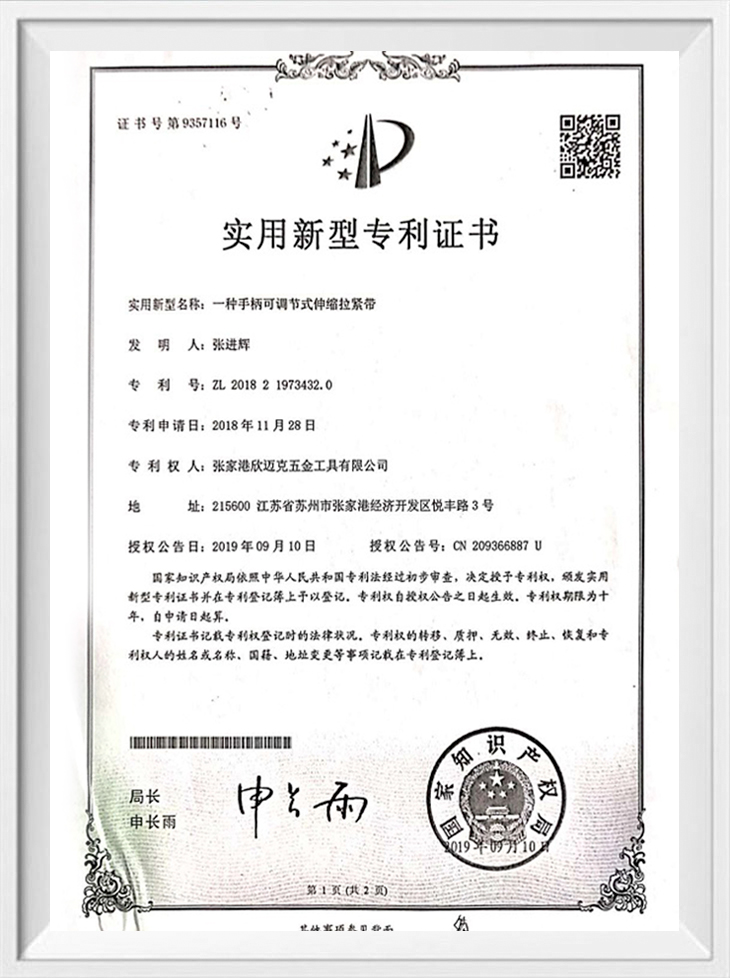
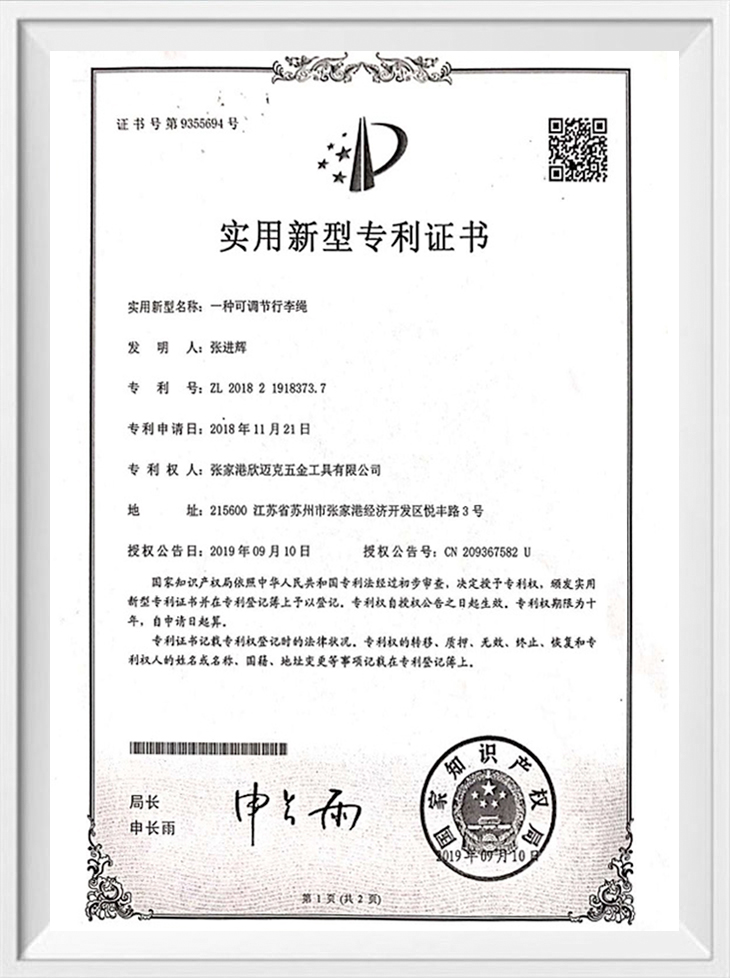
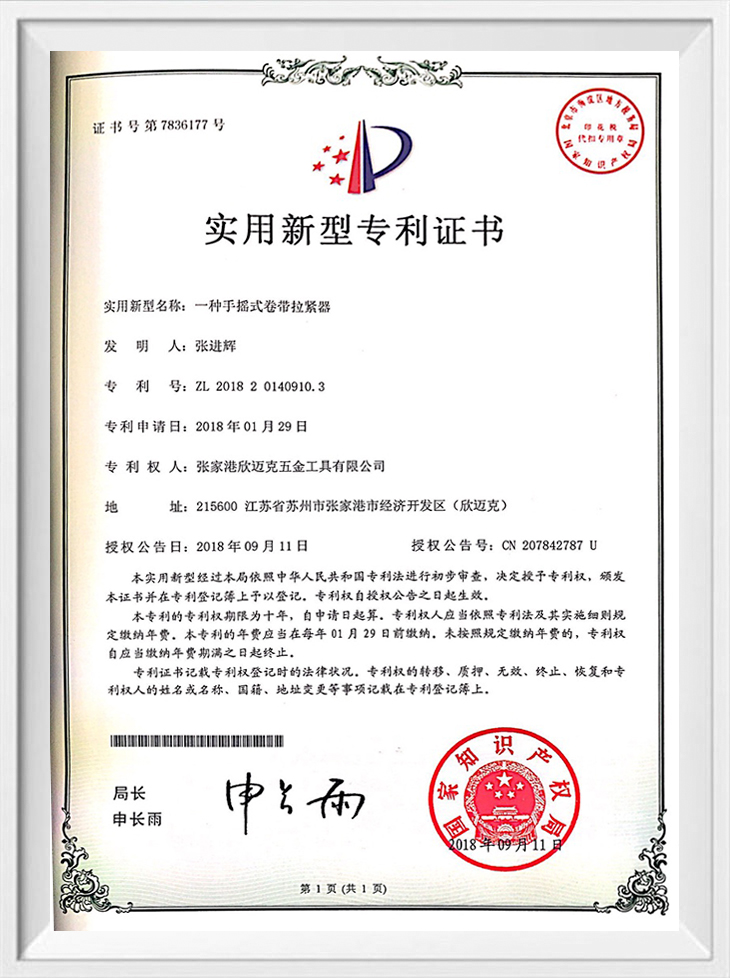
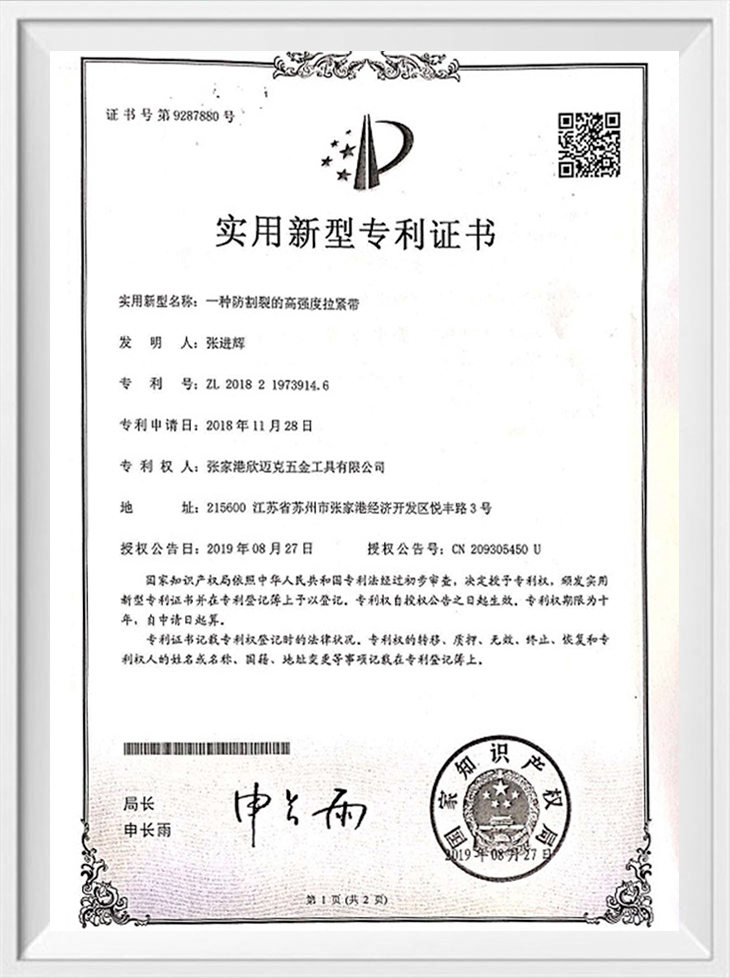
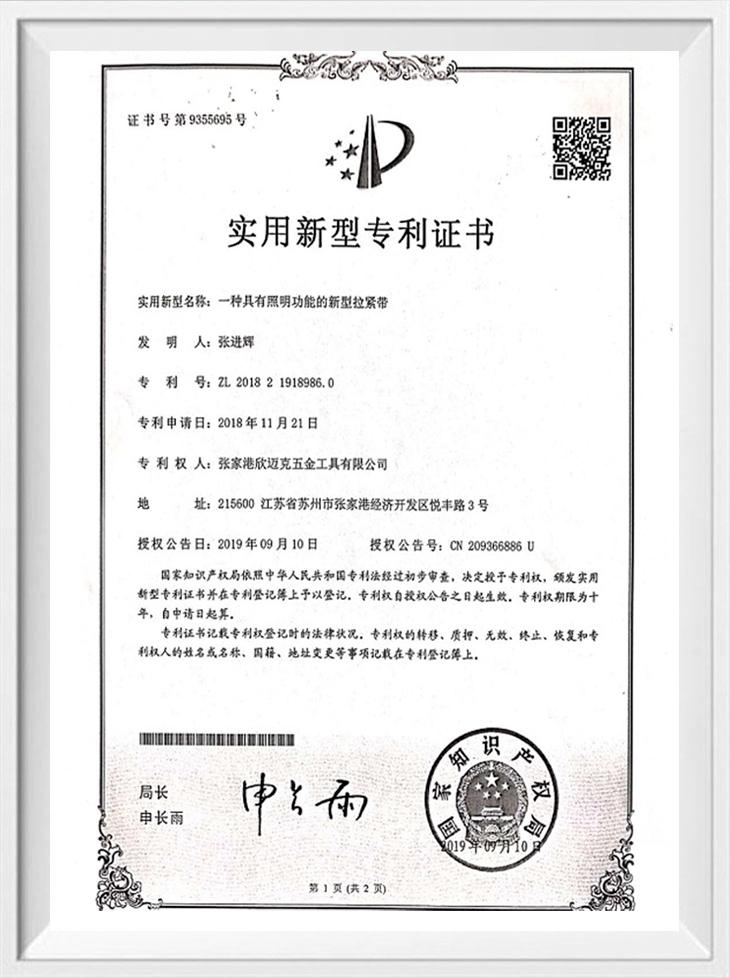
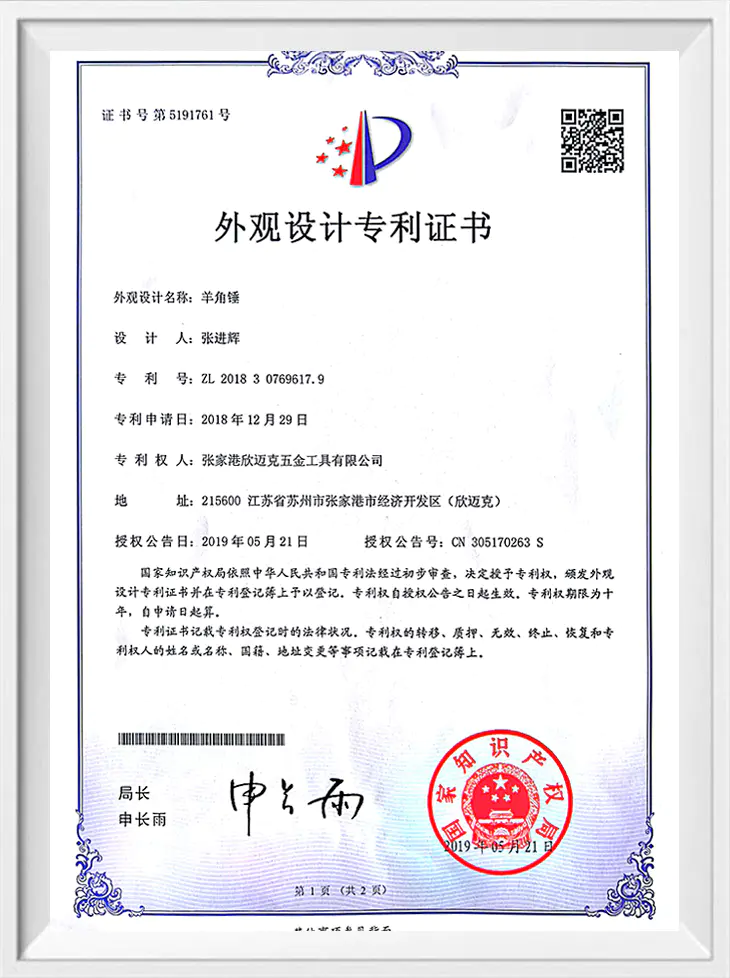
With over 8,000 sqm of production space, SMK is equipped with advanced automated lines and in-house testing labs, ensuring full-process quality control from raw material to finished goods. The company is ISO 9001 certified, SMETA audited, and has passed C-TPAT anti-terrorism inspections and multiple GS and patent certifications.
Looking ahead, SMK will continue to upgrade its cargo control systems, stay close to customer needs, and provide high-quality, efficient products and services worldwide.
Products
-
New Products
- Flatbed Solutions
- Interior Van Solutions
- Utility Tie down and Bungee Cord
- Auto Transport and Towing Solutions
- Lifting Solutions
- Tie Down Hardware
-
TUV&GS Certificated Tie Down and Bungee Cord
-
Towing & Rigging
-
4×4 Off-Road & Trailers
contact
Wholesale and manufactures of tie down straps for interior van
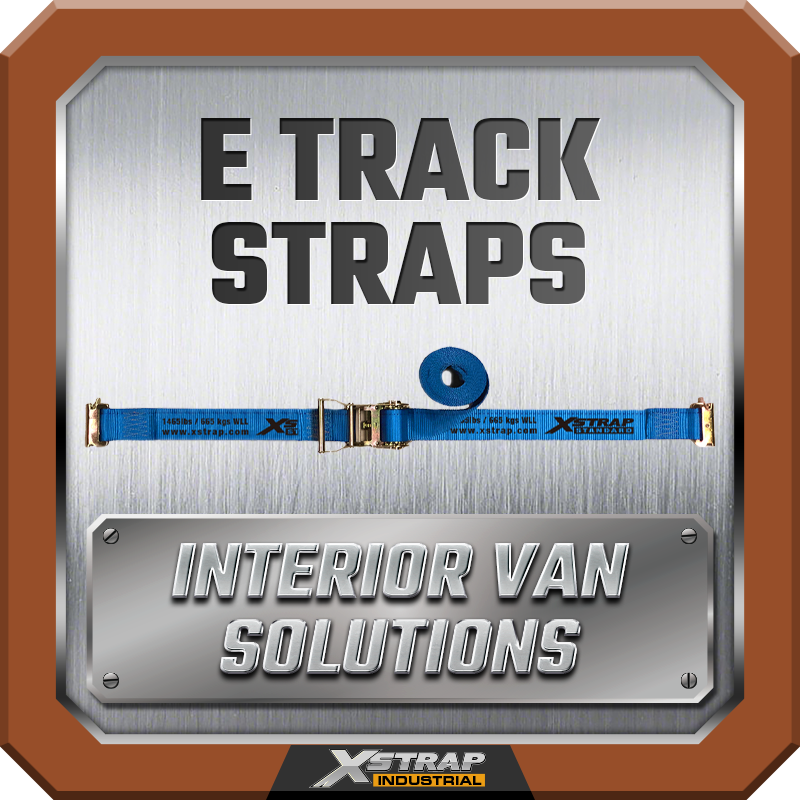
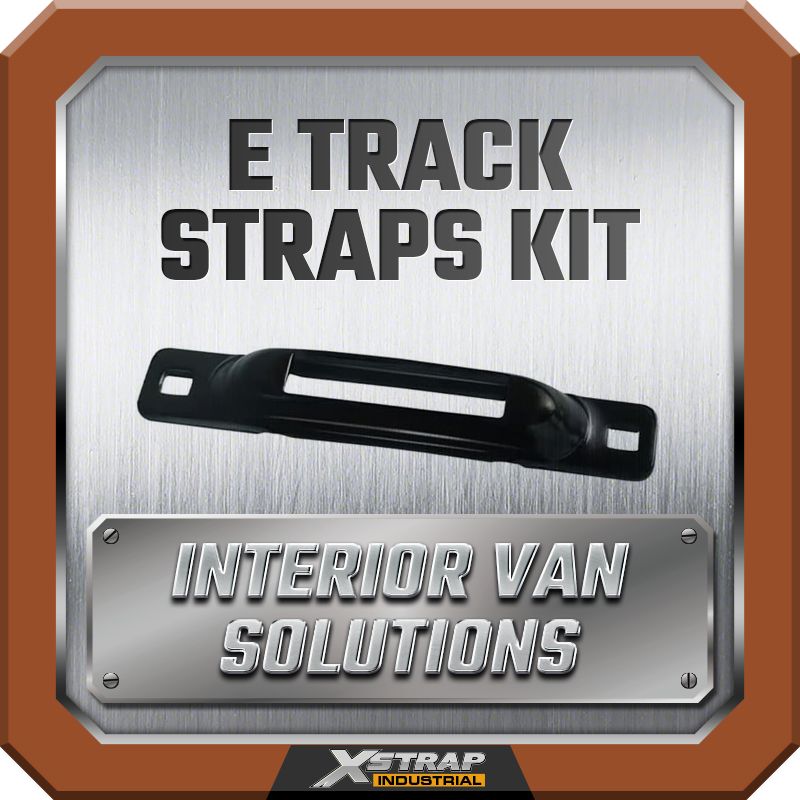
E track ratchet straps are the core system for fast fixing the items in interior Van. By installing standardized tracks on the inner walls or floors of the carriage and using E-buckled ratchet straps, the household appliances, building materials and other equipment can be fixed tightly in interior van.
Company profile
Zhangjiagang SMK MFG. Co., Ltd.
News
-
Understanding the Role of Tow Dolly Basket Straps in Vehicle Transport In the field of vehicle transport, Tow Dolly Basket Straps are recognized as one of the safest and ...
LEARN MORE -
1. Understanding the Role of Chain Binders in Load Securement In the world of heavy transportation, Chain Binders are essential tools for ensuring cargo stability. They u...
LEARN MORE -
Understanding the Role of Car Tie Down Straps in Vehicle Transport Safety is the primary consideration when transporting a vehicle. Although standard cargo straps may loo...
LEARN MORE -
In the field of cargo transportation, securing loads is crucial to ensure the safety of both the cargo and the vehicle. Over the years, ratchet straps have been widely us...
LEARN MORE -
Mechanics of Vehicle Securement and Core Logic In the field of modern logistics and vehicle relocation, ensuring the absolute immobility of a vehicle on its transport pla...
LEARN MORE -
Understanding the Essentials of Industrial Lifting In modern industrial production, construction engineering, and logistics, lifting equipment serves as a core tool for i...
LEARN MORE -
In the world of logistics and transport, cargo securement is not just a matter of convenience; it is a critical safety requirement. A ratchet tie down is a high-strength ...
LEARN MORE -
Zhangjiagang SMK MFG. Co., Ltd. is a company with over 20 years of experience in tie down straps. We specialize in producing cargo securing products including Ratchet Str...
LEARN MORE
Certificate Of Honor
Interior Van Solutions Industry knowledge
Choosing Load Capacity of Interior Van Straps for Different Types of Cargo
In modern logistics and transportation, securing cargo is crucial for successful delivery. Interior van straps serve as essential tools for cargo binding and control, and selecting the right load capacity directly affects safety and efficiency. Since its establishment in 2002, Zhangjiagang SMK MFG. Co., Ltd. has specialized in cargo securing and control products, leveraging over 20 years of experience to provide high-performance tie-down straps, bungee cords, tow straps, lifting slings, hoists, and 4x4 accessories worldwide. This article explores professional considerations for selecting appropriate load capacities of interior van straps for different cargo types.
1. Cargo Type and Weight Characteristics
The primary factor in selecting interior van straps is cargo type and weight. For light cargo such as electronics, small appliances, or household items, medium to low-rated straps are sufficient, generally within 200–500 kg of rated tension. For medium-weight cargo like furniture, metal parts, or packaged goods, 500–1000 kg-rated straps are recommended to maintain stability even during sudden braking or turning. Heavy cargo, including industrial equipment, engine parts, or construction materials, requires high-rated straps exceeding 1000 kg, often combined with multi-point securing systems to ensure full stability during transit.
SMK’s XSTRAP series covers the full range of light to heavy-duty straps, manufactured to ISO 9001 standards, with each strap undergoing tension and abrasion tests to ensure reliable performance in diverse transport scenarios.
2. Cargo Shape and Securing Method
Cargo shape is another critical factor when selecting strap load capacity. Regular rectangular or square items can be stabilized using evenly tensioned single or multiple straps. Irregular, rolling, or fragile cargo requires high-strength, adjustable-length straps combined with anti-slip pads or edge protection. This approach distributes stress and reduces surface wear and deformation. SMK’s automated production lines can customize strap lengths, widths, and hardware types to meet the securing needs of all cargo shapes.
3. Transport Environment and Dynamic Loads
The transport environment affects strap load requirements. Long-distance routes, bumpy roads, or frequent stops create dynamic forces higher than the static cargo weight. It is recommended to add a 25–50% safety factor on top of static load to accommodate additional forces. SMK’s products are designed to withstand dynamic loads, featuring high-strength fibers and durable hardware to maintain excellent performance under real-world transport conditions.
4. Multi-Strap Use and Load Distribution
For oversized or heavy cargo, a single strap may not provide adequate stability. Multi-strap securing distributes weight across several straps, reducing the risk of local overload. SMK’s industrial-grade interior van straps feature quick-adjust buckles and hooks for multiple-strap configurations, allowing flexible adjustment of tension and angle to keep cargo secure throughout transit.
How to Regularly Inspect Interior Van Straps to Ensure Transport Safety
Interior van straps are critical for ensuring cargo reaches its destination safely. Vibrations, sudden braking, and impacts can cause wear or damage, increasing transport risk. Regular inspection is essential. Zhangjiagang SMK MFG. Co., Ltd., established in 2002, specializes in cargo securing and control products and provides high-performance tie-down straps, bungee cords, tow straps, lifting slings, hoists, and 4x4 accessories. This section explains professional inspection methods for maintaining safe and reliable straps during transit.
1. Inspection Frequency and Plan
Strap inspection should follow a systematic plan. It is recommended to inspect before and after every use and during routine maintenance. Frequency depends on transport intensity and cargo type:
- High-frequency use or long-distance transport: Complete inspection before and after each trip.
- Medium- or low-frequency use: Conduct a full inspection monthly.
SMK recommends creating internal checklists and recording inspections to ensure every strap is in optimal condition before use, extending strap service life and ensuring cargo safety.
2. Inspect Appearance and Material Integrity
Check strap appearance and material integrity:
- Webbing wear and tear: Look for fraying, cuts, or broken fibers.
- Discoloration and aging: UV exposure, high temperature, or chemicals can cause fading, hardening, or brittleness. SMK’s XSTRAP straps use high-durability polyester but still require regular inspection.
- Stains and debris: Oil, dirt, or chemicals can reduce friction and strength and should be cleaned promptly.
3. Inspect Hardware and Connections
Hardware like hooks, buckles, and adjusters are crucial to strap safety. Inspection points include:
- Deformation or cracks: Metal parts should remain flat and intact.
- Movement: Buckles should open and close smoothly; adjusters should not jam.
- Stitching and attachment points: The connection between strap and hardware must be secure.
SMK’s XSTRAP hardware is made of high-strength steel with anti-corrosion coating for durability. Users should ensure buckles function properly and are securely locked.
4. Tension Testing and Functional Checks
Regular tension testing ensures straps can bear rated loads. Apply moderate force or simulate transport loads to check for overstretching, slack, or slipping. SMK’s in-house labs perform rigorous tension and durability testing on each strap before shipment.
Common Safety Hazards When Using Interior Van Straps
Interior van straps are crucial for stabilizing cargo, but improper use or neglect can create hazards. Zhangjiagang SMK MFG. Co., Ltd., established in 2002, offers high-performance tie-down straps, bungee cords, tow straps, lifting slings, hoists, and 4x4 accessories worldwide. This section outlines common safety hazards and preventive measures.
1. Overloading
Exceeding the strap’s rated load can lead to slack, slipping, or breakage, causing cargo to tip or collide. SMK’s XSTRAP straps are rigorously tested to ensure stability under rated loads.
2. Webbing Wear and Aging
Long-term use may cause wear, fiber breakage, or brittleness from friction, UV, or chemicals. SMK’s XSTRAP polyester webbing is abrasion and UV-resistant but requires regular inspection and replacement if damaged.
3. Hardware Failure
Buckles may deform, welds can break, adjusters may jam, or hardware may loosen, leading to accidental release. SMK’s XSTRAP hardware is high-strength steel with anti-corrosion treatment to maintain performance.
4. Improper Securing
Incorrect strap placement, such as single-point securing of large or irregular cargo, can cause shifting. SMK recommends considering cargo shape and center of gravity, using multi-point or cross-secured methods with anti-slip pads.
5. Environmental Factors
High or low temperatures, chemicals, or moisture can soften, brittle, or corrode straps and hardware. SMK designs XSTRAP straps and hardware for temperature and humidity resistance.
6. Lack of Regular Inspection
Straps may develop minor wear or looseness after repeated use. SMK recommends systematic inspections before and after use, including webbing, hardware, tension tests, and record-keeping.
How to Clean and Maintain Interior Van Straps to Extend Lifespan
Interior van straps play a vital role in logistics and transportation safety. Proper cleaning and maintenance extend their lifespan and preserve performance. Zhangjiagang SMK MFG. Co., Ltd., established in 2002, provides high-performance tie-down straps, bungee cords, tow straps, lifting slings, hoists, and 4x4 accessories. This section details professional cleaning and maintenance practices.
1. Cleaning Principles
Straps often accumulate dirt, mud, oil, salt, and chemicals during transport. Regular cleaning maintains friction and strength. Principles include:
- Avoid strong acids or bases: These can damage polyester or polypropylene fibers.
- Use mild detergent: Neutral soap or specialty strap cleaners remove dirt without damaging fibers.
- Soak in warm water: Gently brush surface dirt; avoid excessive friction that wears fibers.
SMK’s XSTRAP polyester straps are water and corrosion-resistant, able to endure cleaning without performance loss.
2. Cleaning Hardware
Hardware such as hooks, buckles, and adjusters require attention:
- Remove dirt and oil: Use a damp cloth or soft brush.
- Prevent corrosion: Dry thoroughly and apply light anti-rust oil.
- Inspect welds and bolts: Check for looseness or cracks during cleaning.
SMK’s XSTRAP hardware undergoes corrosion-resistant treatment and durability testing, but cleaning remains essential.
3. Drying and Storage
Straps must be completely dry to prevent mold or fiber degradation. Air-dry in a ventilated, shaded area; avoid sunlight. Storage tips:
- Avoid pressure or crushing: Keep folded or stacked loosely.
- Away from heat, chemicals, and fire: Prevent accelerated aging.
- Organize by type: Different sizes and purposes should be stored separately.
SMK’s 8,000 sqm warehouse ensures proper packaging and classification so XSTRAP straps reach customers in optimal condition.
4. Regular Maintenance
Cleaning alone is not enough. Inspect straps regularly:
- Webbing: Check for wear, broken fibers, or creases.
- Hardware: Ensure smooth operation and no jamming.
- Tension: Simulate transport loads to verify rated capacity.
SMK designs XSTRAP straps for easy inspection and maintenance, adhering to ISO 9001 quality standards.
-
 +86-18112697781qindan355@gmail.comNo. 21 Yuefeng Road, Yangshe Town, Zhangjiagang City, Suzhou City, Jiangsu Province
 -
Quick Links
Social Media
-
OEM Partner
-


Copyright © 2025 Zhangjiagang SMK MFG. Co., Ltd. All rights reserved.
 Wholesale Interior Van Straps Manufacturers
Wholesale Interior Van Straps Manufacturers