
 English
 Français
 Español
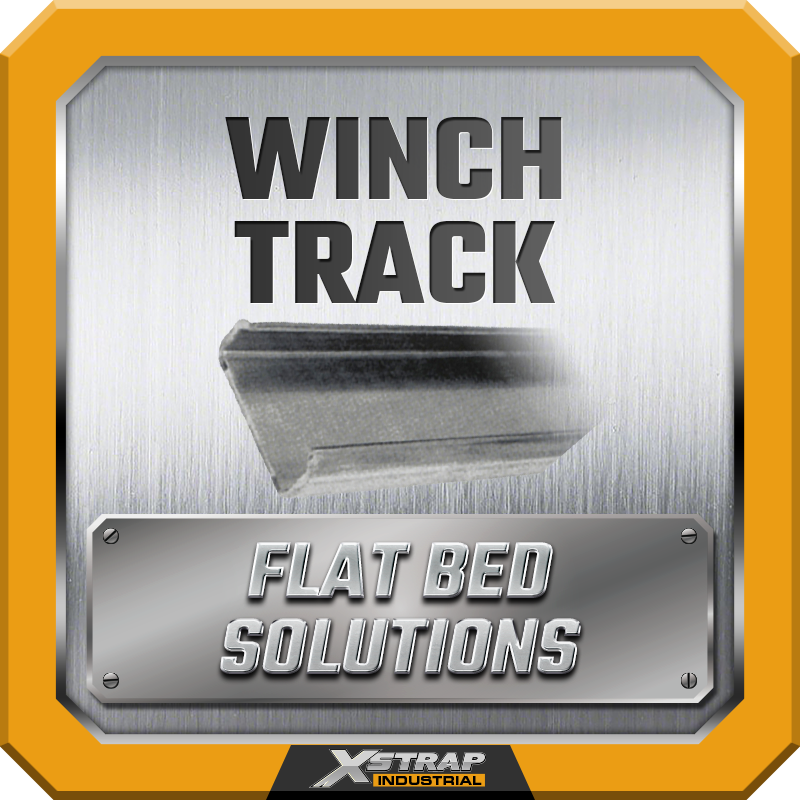
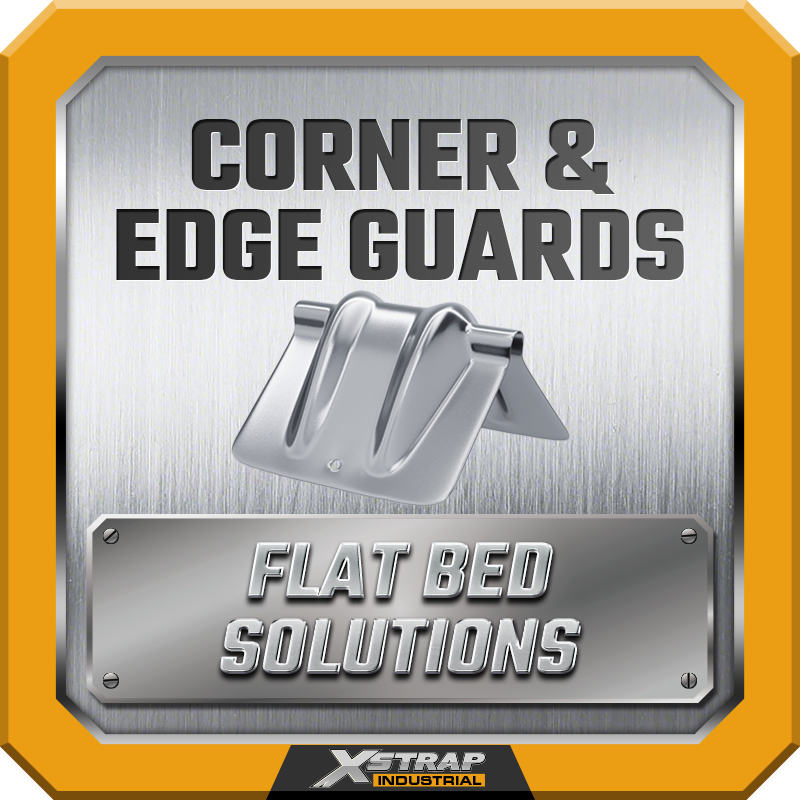
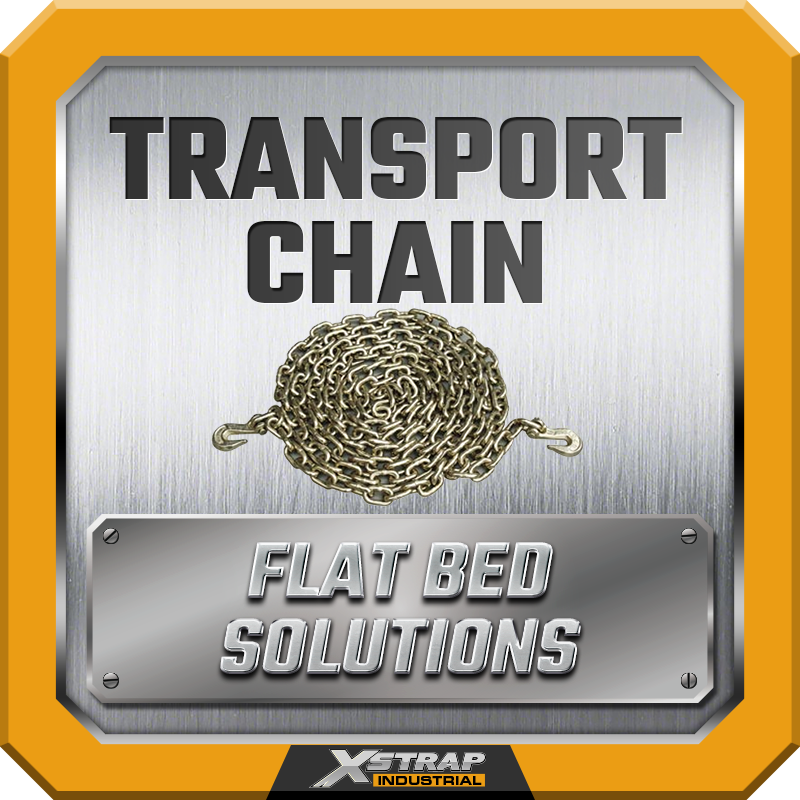
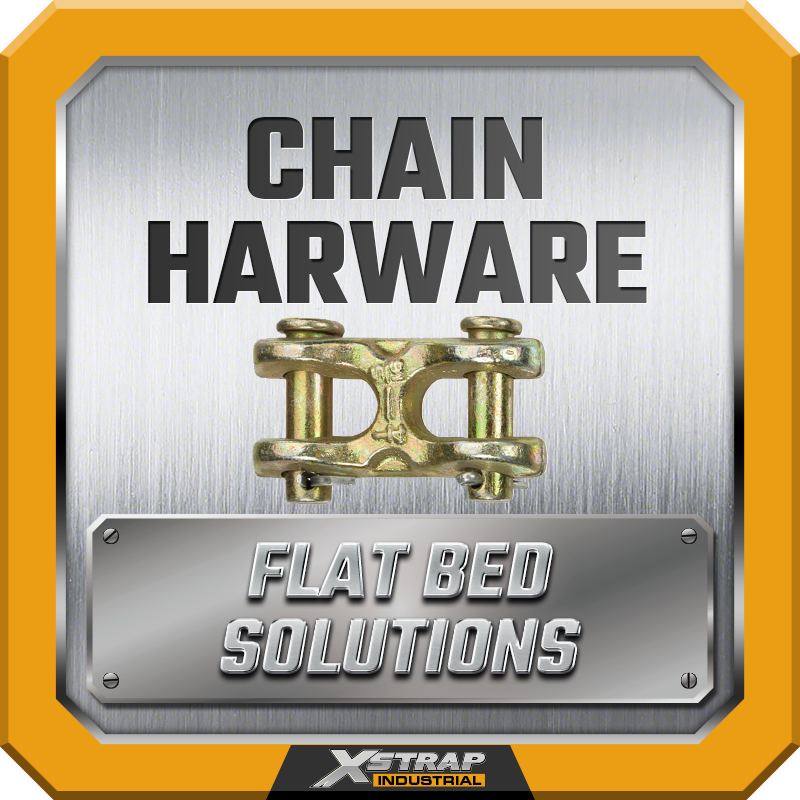
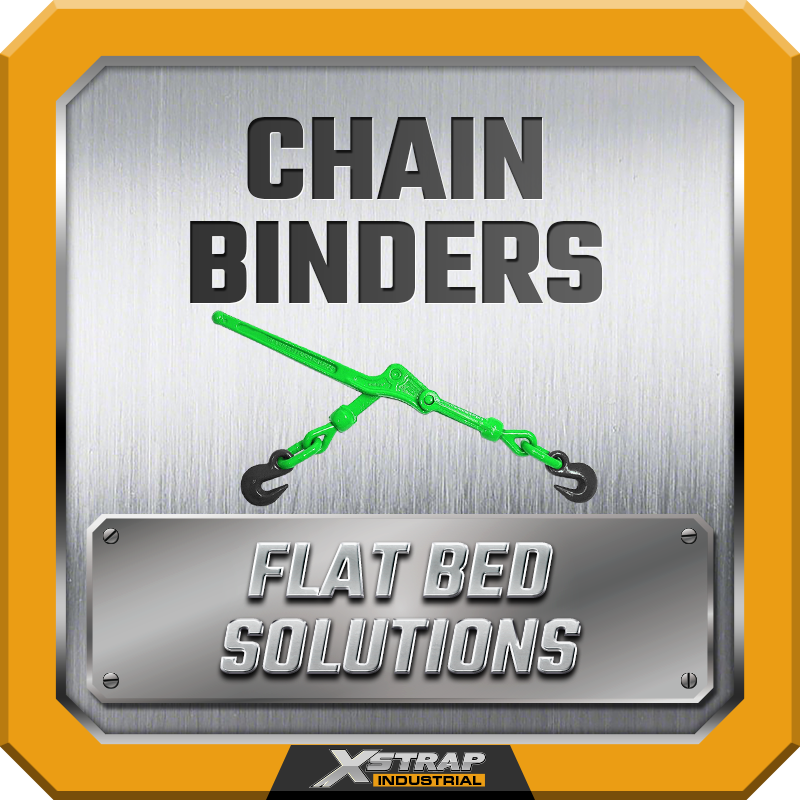
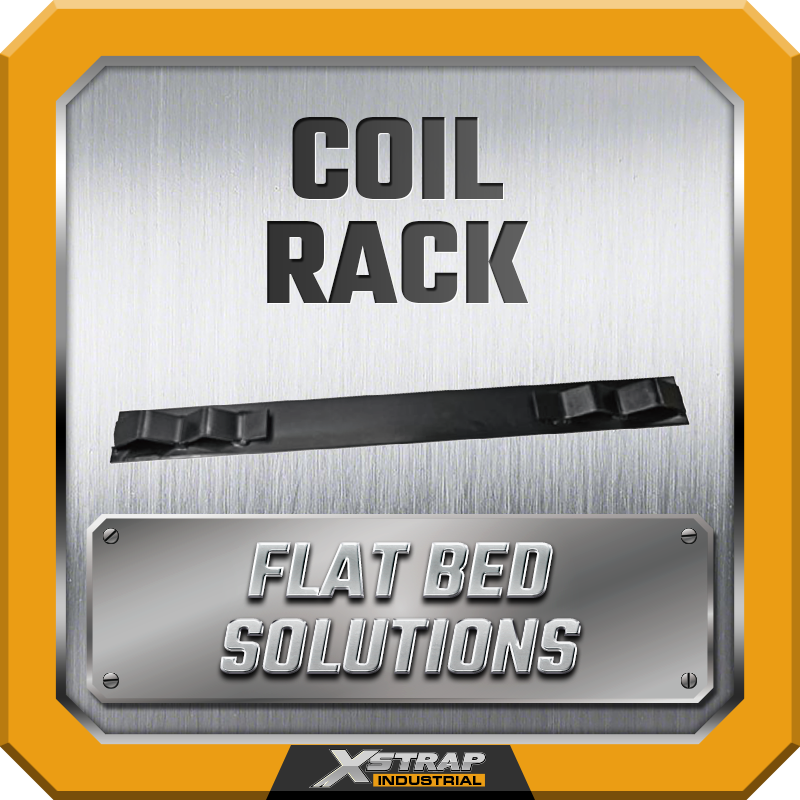
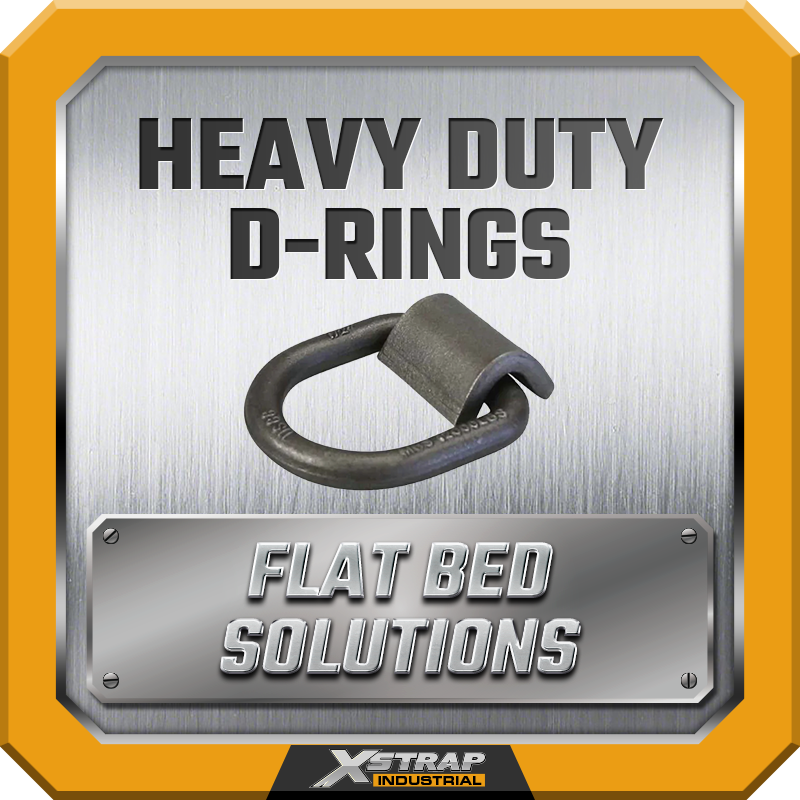
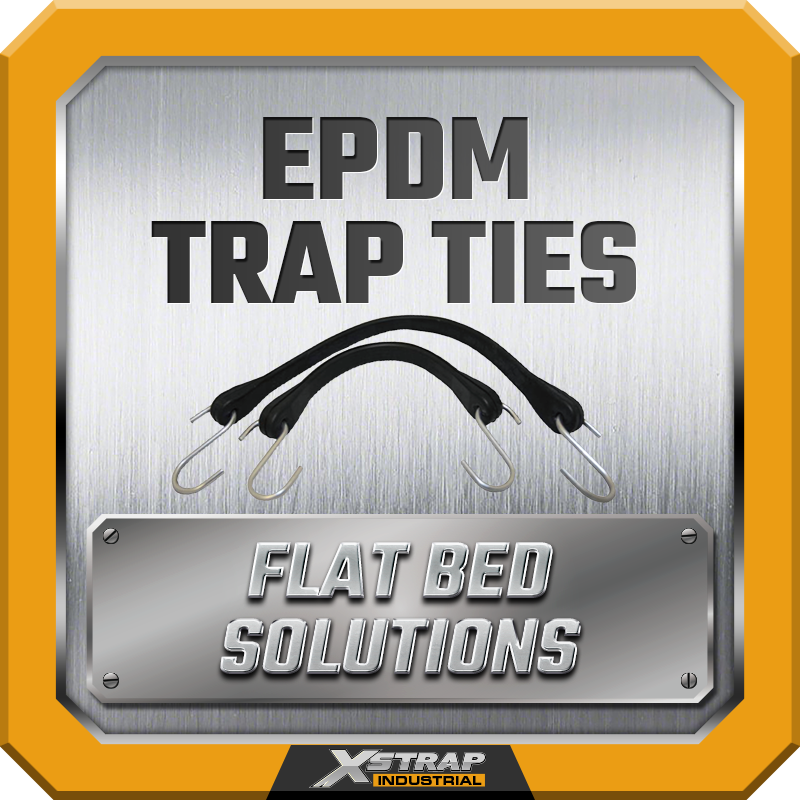
Since its establishment in 2002,
Zhangjiagang SMK MFG. Co., Ltd. has specialized in cargo securing and control products, with over 20 years of experience in R&D and global export. The company is China Flatbed Trailer Straps Manufacturers and Wholesale Flatbed Truck Straps Factory, and operates three factories and a large-scale warehouse center, forming an efficient international supply network.
SMK's product range includes tie-down straps, bungee cords, tow straps, lifting slings, hoists, and 4x4 accessories, widely used in transportation, logistics, outdoor, and industrial sectors. Its in-house brand XSTRAP enjoys strong recognition in global markets, alongside flexible OEM/ODM services for customized needs.
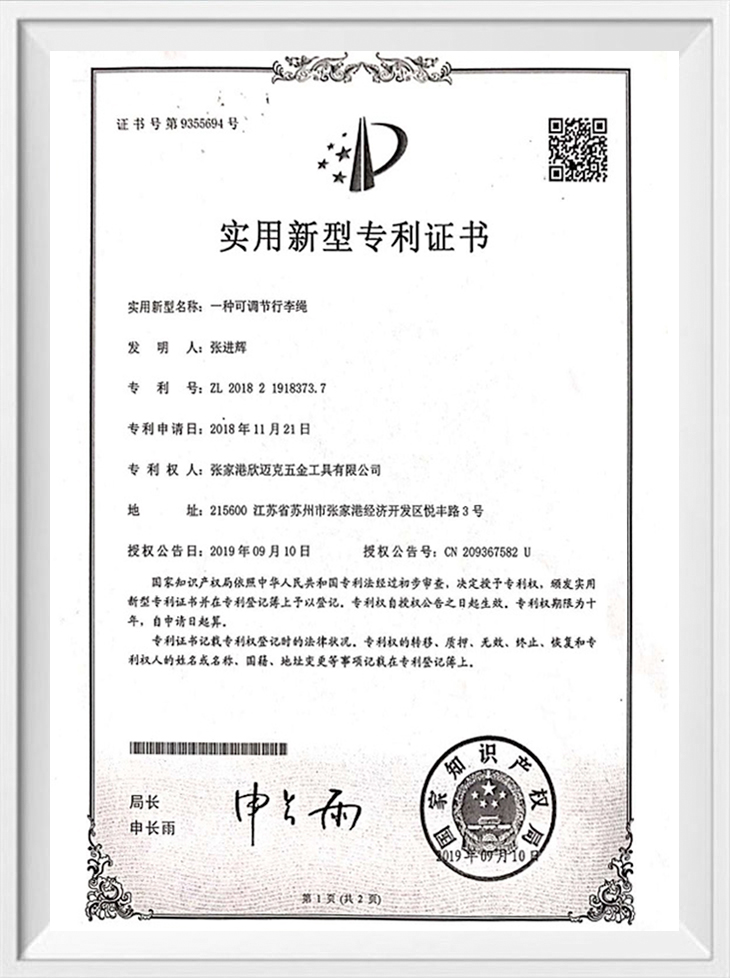
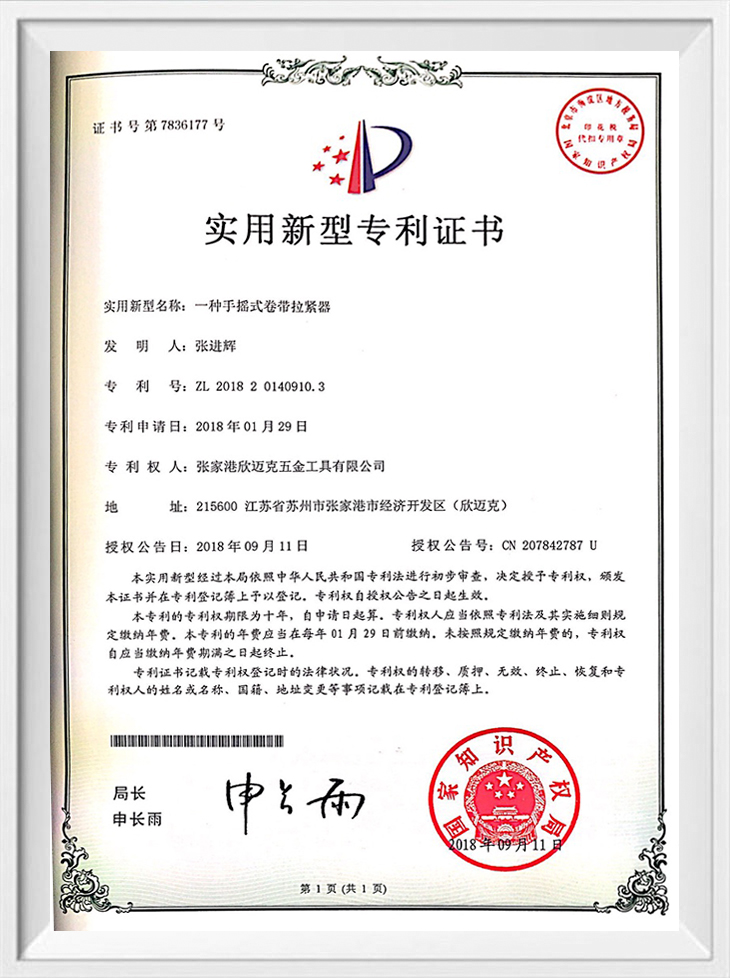
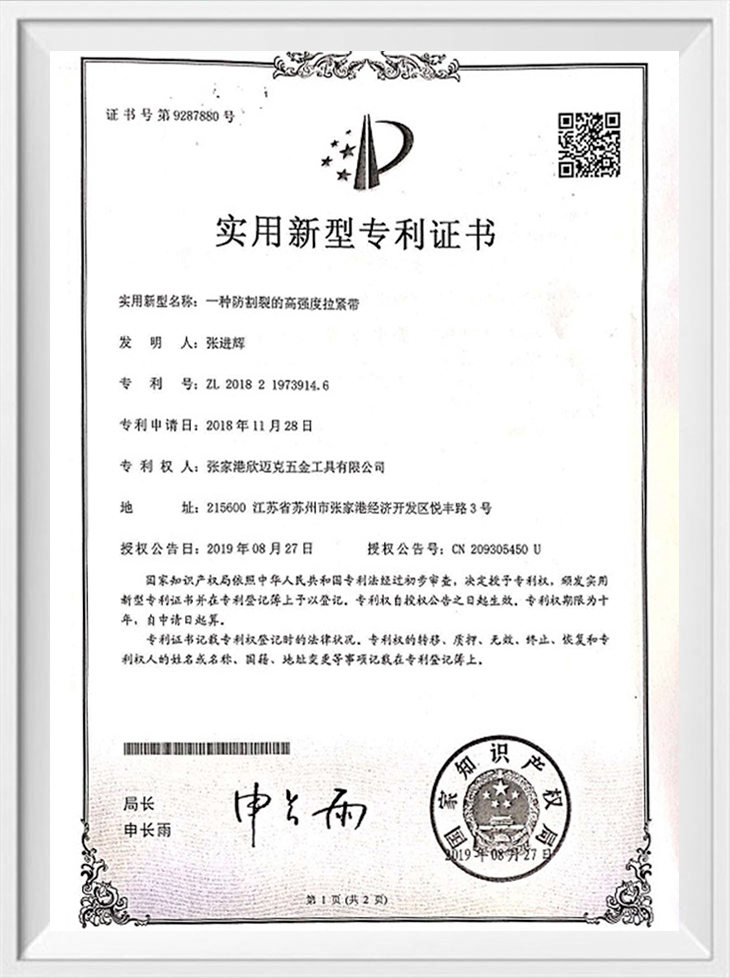
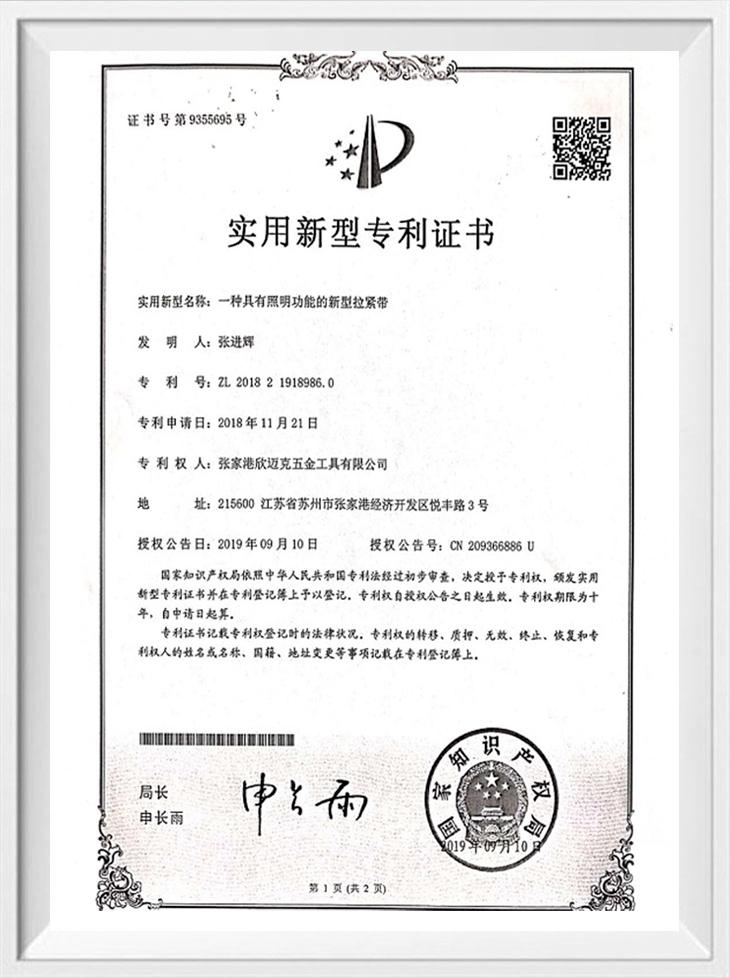
With over 8,000 sqm of production space, SMK is equipped with advanced automated lines and in-house testing labs, ensuring full-process quality control from raw material to finished goods. The company is ISO 9001 certified, SMETA audited, and has passed C-TPAT anti-terrorism inspections and multiple GS and patent certifications.
Looking ahead, SMK will continue to upgrade its cargo control systems, stay close to customer needs, and provide high-quality, efficient products and services worldwide.

Products
-
New Products
- Flatbed Solutions
- Interior Van Solutions
- Utility Tie down and Bungee Cord
- Auto Transport and Towing Solutions
- Lifting Solutions
- Tie Down Hardware
-
TUV&GS Certificated Tie Down and Bungee Cord
-
Towing & Rigging
-
4×4 Off-Road & Trailers
contact
Wholesale and manufactures of flatbed truck ratchet tie down straps, winch straps and accessories
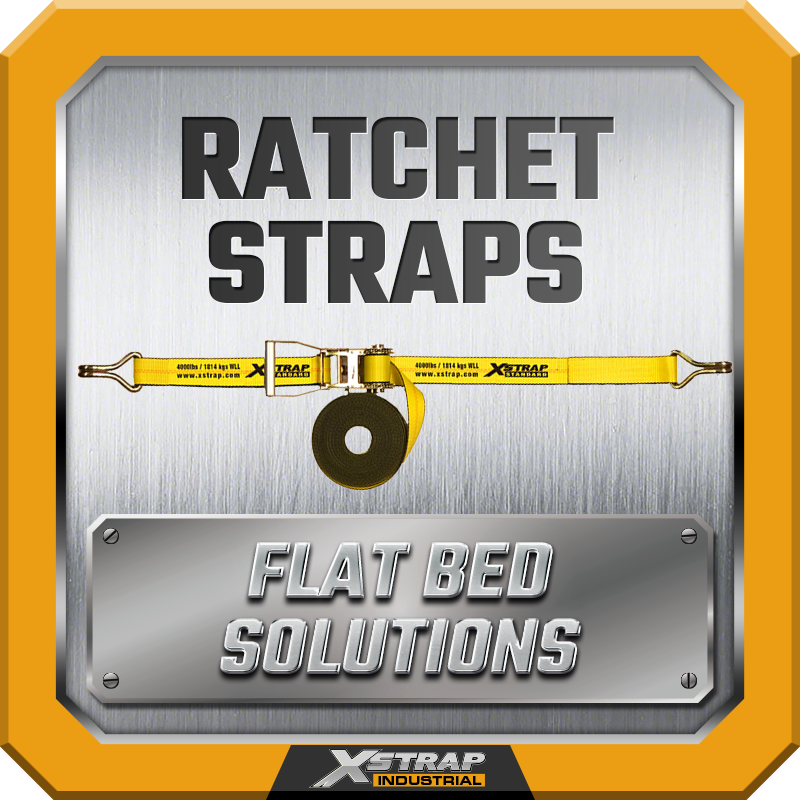
Xstrap provides heavy duty industrial ratchet straps and winch straps for flatbed trucks. The industrial ratchet tie down straps and winch straps are the core tool for fixing cargo during flatbed transportation. It achieves rapid tightening and locking through a mechanical ratchet structure, greatly improving operational efficiency and safety. From design to production, Xstrap team strictly controlled the quality and standards of the products according to WSTDA standard and regulation.
Company profile
Zhangjiagang SMK MFG. Co., Ltd.
News
-
Understanding the Role of Tow Dolly Basket Straps in Vehicle Transport In the field of vehicle transport, Tow Dolly Basket Straps are recognized as one of the safest and ...
LEARN MORE -
1. Understanding the Role of Chain Binders in Load Securement In the world of heavy transportation, Chain Binders are essential tools for ensuring cargo stability. They u...
LEARN MORE -
Understanding the Role of Car Tie Down Straps in Vehicle Transport Safety is the primary consideration when transporting a vehicle. Although standard cargo straps may loo...
LEARN MORE -
In the field of cargo transportation, securing loads is crucial to ensure the safety of both the cargo and the vehicle. Over the years, ratchet straps have been widely us...
LEARN MORE -
Mechanics of Vehicle Securement and Core Logic In the field of modern logistics and vehicle relocation, ensuring the absolute immobility of a vehicle on its transport pla...
LEARN MORE -
Understanding the Essentials of Industrial Lifting In modern industrial production, construction engineering, and logistics, lifting equipment serves as a core tool for i...
LEARN MORE -
In the world of logistics and transport, cargo securement is not just a matter of convenience; it is a critical safety requirement. A ratchet tie down is a high-strength ...
LEARN MORE -
Zhangjiagang SMK MFG. Co., Ltd. is a company with over 20 years of experience in tie down straps. We specialize in producing cargo securing products including Ratchet Str...
LEARN MORE
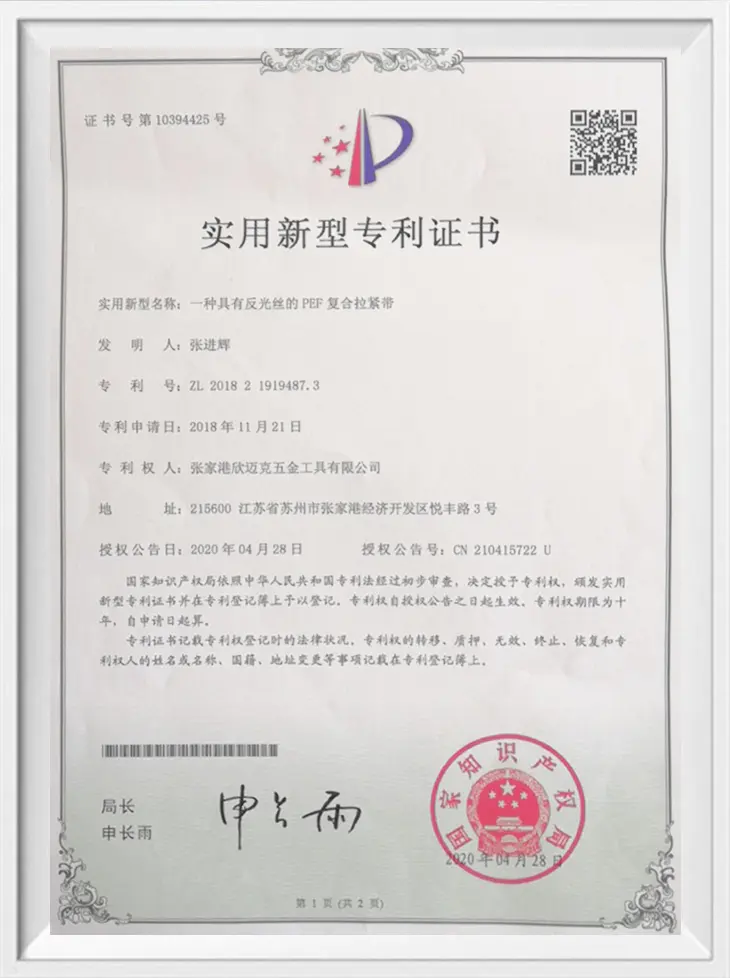
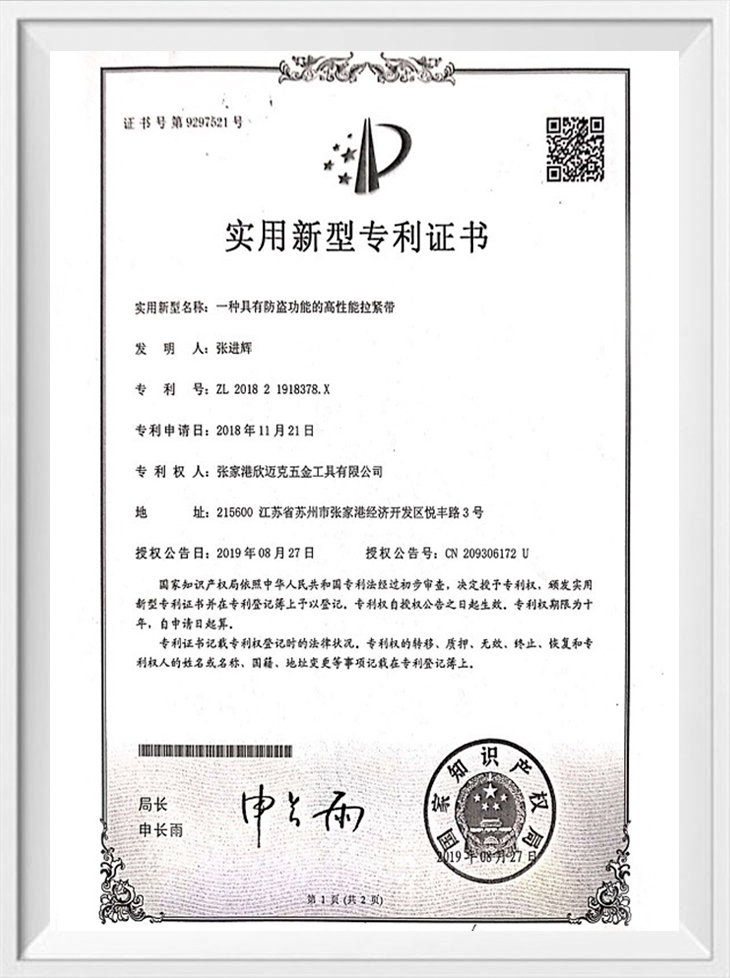
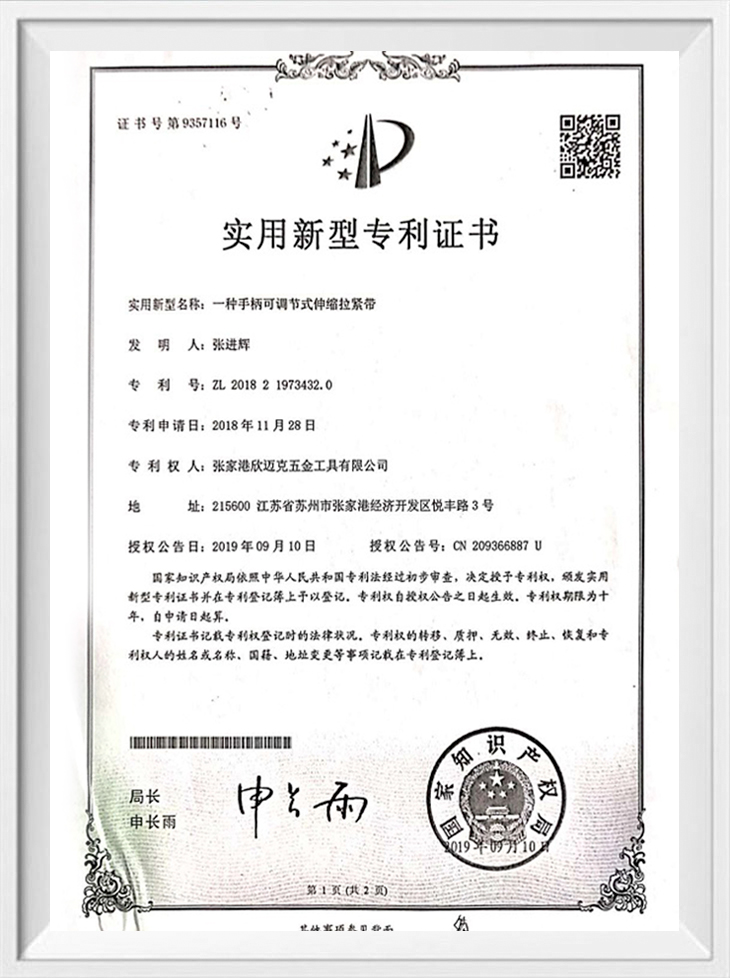
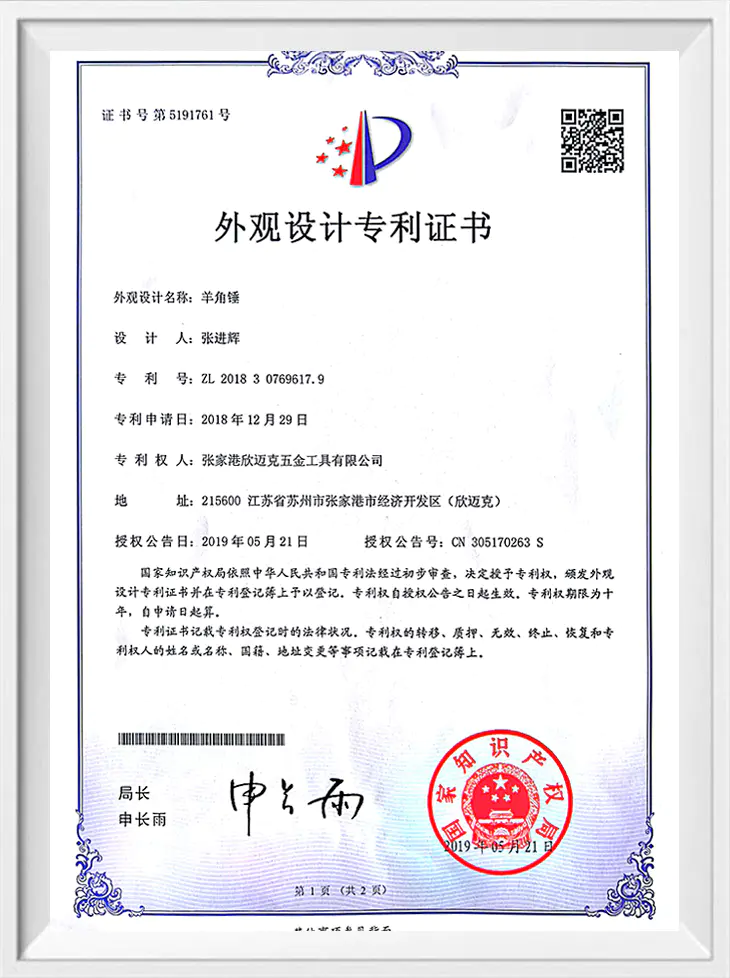
Certificate Of Honor
Flatbed Solutions Industry knowledge
Introduction
Flatbed trucking plays a critical role in the global transportation and logistics industry, moving everything from heavy machinery and building materials to oversized loads. Unlike enclosed trailers, flatbeds expose cargo to open-air conditions, making proper cargo securement essential for safety, efficiency, and regulatory compliance. One of the most important tools in this process is the flatbed truck strap — a reliable, durable, and easy-to-use solution for keeping loads stable during transit.
Choosing the right flatbed truck straps not only ensures your cargo arrives safely but also protects drivers, vehicles, and other road users. The right combination of ratchet straps, winch straps, and tie-down straps can make the difference between a smooth haul and a costly accident. Understanding the materials, load ratings, and appropriate securing techniques is key to achieving both safety and compliance with DOT cargo securement standards.
For over two decades, Zhangjiagang SMK MFG. Co., Ltd. has been a trusted name in the cargo control industry, providing high-quality cargo straps, tie-down systems, and load securement products for transportation, logistics, and industrial applications. With its in-house brand XSTRAP and flexible OEM/ODM capabilities, SMK combines innovation, strict quality control, and global supply expertise to help businesses secure their loads with confidence.
Types of Flatbed Truck Straps
1. Tie-Down Straps (Ratchet Straps & Cam Buckle Straps)
How They Work
Tie-down straps are designed to tightly secure cargo by tensioning a webbed strap around the load.
- Ratchet straps use a ratcheting mechanism to create high tension for heavy-duty loads.
- Cam buckle straps rely on a spring-loaded cam buckle to hold the webbing in place — ideal for lighter, more delicate items.
Typical Uses
- Ratchet straps: Machinery, lumber, steel pipes, pallets, and industrial goods.
- Cam buckle straps: Boxes, small appliances, or general freight where over-tightening could cause damage.
Parameter Comparison
| Feature | Ratchet Straps | Cam Buckle Straps |
|---|---|---|
| Tension Capacity | Up to 5,000–15,000 lbs | Typically up to 1,500 lbs |
| Control | High tension via ratchet gear | manual pull, lower tension |
| Best For | Heavy-duty loads | Light to medium loads |
| Adjustment Speed | Slower (precise tension) | Faster (quick release) |
| Risk of Over-tightening | Moderate | Low |
Pros and Cons
- Ratchet Straps
Pros: Extremely strong; precise tension control; secure locking mechanism.
Cons: Slightly slower to release; may damage fragile cargo if overtightened. - Cam Buckle Straps
Pros: Quick to adjust; gentler on lighter loads.
Cons: Limited strength for large or heavy freight.
SMK Expertise Insight
With over 20 years of experience in cargo securement and control, Zhangjiagang SMK MFG. Co., Ltd. manufactures a wide range of tie-down straps under its XSTRAP brand, featuring both ratchet and cam buckle systems. Using high-tensile polyester webbing, reinforced stitching, and anti-corrosion hardware, SMK ensures every strap meets international safety standards and delivers long-term performance in demanding transport environments.
2. Winch Straps
How They Work
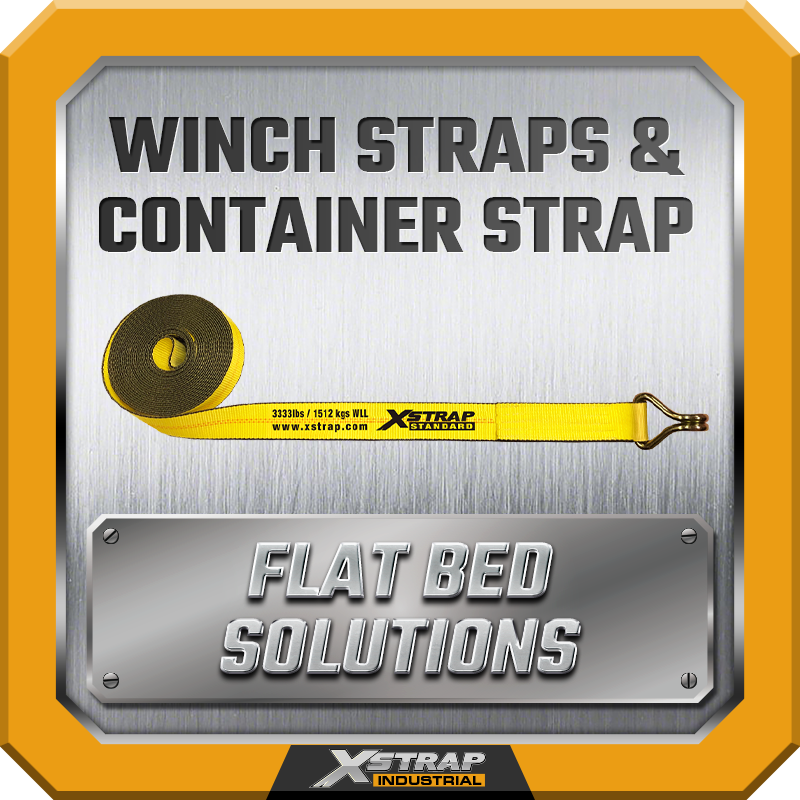
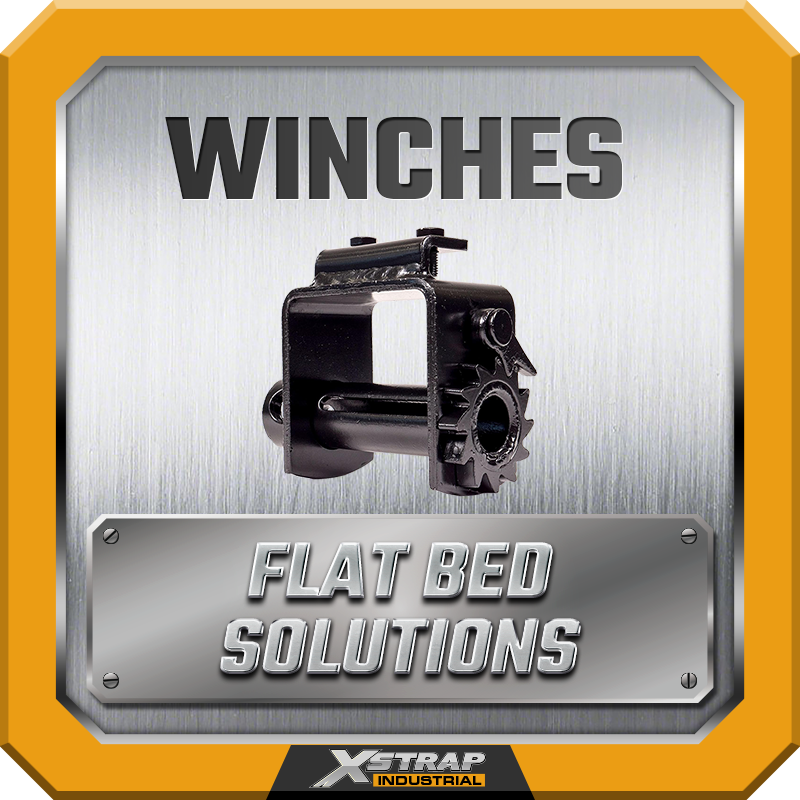
Winch straps are long, heavy-duty straps used in conjunction with a flatbed winch system mounted along the trailer’s side rail. The winch tightens and locks the strap, holding the cargo firmly in place.
Benefits
- Designed for extremely heavy or oversized loads.
- Compatible with rub rails and stake pockets for flexible anchor points.
- Simple, mechanical tightening that ensures consistent tension.
- Ideal for long-haul transport where load stability is critical.
Parameter Overview
| Feature | Typical Range / Description |
|---|---|
| Width | 2–4 inches |
| Working Load Limit (WLL) | 3,335 – 5,400 lbs |
| Break Strength | 10,000 – 16,200 lbs |
| Material | High-strength polyester webbing |
| Common End Fittings | Flat hooks, wire hooks, D-rings |
SMK Manufacturing Advantage
As a leading cargo control product manufacturer, Zhangjiagang SMK MFG. Co., Ltd. integrates automated weaving, coating, and testing processes to ensure every winch strap meets or exceeds DOT and international load securement standards. SMK’s custom OEM/ODM services allow customers to specify width, color coding, logo printing, and end fitting type — ideal for professional fleets and logistics operators seeking tailored solutions.
3. E-Track Straps
Explanation
E-Track straps are specifically designed to work with E-Track systems, which are rail-based anchor systems installed inside enclosed trailers, vans, or box trucks. The straps have specialized E-Track fittings that lock directly into the track slots.
Advantages
- Organized cargo arrangement within enclosed transport vehicles.
- Easy to adjust, release, and reposition.
- Prevents load shifting during acceleration or braking.
- Reduces setup time and simplifies cargo management.
Parameter Overview
| Feature | Description |
|---|---|
| Working Load Limit (WLL) | 1,000 – 3,000 lbs |
| Strap Width | 2 inches (standard) |
| Material | Polyester webbing (low stretch, high UV resistance) |
| End Fittings | E-Track fitting, D-ring, or hook |
SMK Product Insight
Leveraging 8,000+ sqm of production space and advanced automated lines, SMK MFG. Co., Ltd. produces E-Track straps that ensure consistent strength and reliability for interior load securement. Their in-house testing laboratories verify every strap’s WLL, break strength, and hardware performance, guaranteeing compliance and long-term durability.
Key Features to Consider When Choosing Straps
1. Material: Polyester vs. Nylon
The strap’s material determines its performance, stretch capacity, and resistance to environmental factors. The two most common materials used in cargo securement are polyester and nylon — each with distinct properties.
Material Comparison
| Property | Polyester Straps | Nylon Straps |
|---|---|---|
| Stretch | Low stretch (3–5%) – maintains tight hold during transit | High stretch (10–15%) – absorbs shock but may loosen under tension |
| Water Absorption | Minimal; retains strength even when wet | Absorbs water; strength can decrease when saturated |
| UV Resistance | Excellent – resists sunlight degradation | Moderate – requires more UV protection for long-term outdoor use |
| Abrasion Resistance | Very high – resists fraying and wear from edges | Good, but less durable under continuous friction |
| Temperature Resistance | Stable in hot and cold conditions | Slightly less stable in extreme heat |
| Best Use | Flatbed transport, heavy-duty securement, long hauls | Dynamic loads, short transport, or indoor use |
SMK Manufacturing Insight
At Zhangjiagang SMK MFG. Co., Ltd., both polyester and nylon straps are produced using automated weaving systems and precision coating technology to maximize strength, UV resistance, and longevity. SMK’s in-house testing laboratories evaluate every batch for tensile strength, elongation ratio, and environmental performance, ensuring reliable cargo securement for global logistics and transportation. For most flatbed applications, SMK recommends high-tenacity polyester straps due to their low stretch and excellent weather performance, critical for outdoor hauling.
2. Width and Length
The width and length of a strap directly affect its Working Load Limit (WLL) and application range. Choosing the right dimensions ensures both safety and compliance with DOT cargo securement requirements.
Standard Widths and Their Load Capabilities
| Strap Width | Typical Working Load Limit (WLL) | Common Applications |
|---|---|---|
| 1 inch | 500 – 1,500 lbs | Light-duty, small items, boxes |
| 2 inches | 1,500 – 3,335 lbs | Medium loads, pallets, crates |
| 3 inches | 3,000 – 5,000 lbs | Industrial materials, construction goods |
| 4 inches | 5,000 – 5,400+ lbs | Heavy machinery, steel coils, lumber |
Length Options
Flatbed straps are typically available in 27 ft, 30 ft, 40 ft, or custom lengths, depending on cargo size and trailer dimensions.
SMK Expertise Integration
Through 20+ years of R&D and production, Zhangjiagang SMK MFG. Co., Ltd. offers standard and customized strap dimensions to fit different transport needs. With advanced automated looms and in-house length calibration systems, SMK ensures consistent webbing width and cutting precision — critical for maintaining accurate WLL performance and uniform load tension across multiple straps.
3. Working Load Limit (WLL) and Break Strength
Understanding the Parameters
- Working Load Limit (WLL): The maximum load that a strap can safely hold during transport. Always calculate WLL based on cargo weight, number of straps, and safety factor.
- Break Strength: The force at which the strap will fail. This should exceed the cargo weight by a significant margin for safety.
Parameter Table
| Strap Width | Average WLL | Average Break Strength |
|---|---|---|
| 1 inch | 1,000 lbs | 3,000 lbs |
| 2 inches | 3,335 lbs | 10,000 lbs |
| 3 inches | 5,000 lbs | 15,000 lbs |
| 4 inches | 5,400 lbs | 16,200 lbs |
SMK Quality Assurance
Zhangjiagang SMK MFG. Co., Ltd. conducts tensile and break testing on all straps in ISO 9001-certified labs, ensuring that the WLL and break strength meet or exceed international standards. This guarantees that operators can safely transport both light and heavy loads.
4. End Fittings (Hooks, D-Rings, and Others)
The choice of end fittings determines how effectively the strap can anchor to the trailer or cargo.
| Fitting Type | Description | Best Use Case |
|---|---|---|
| Flat Hook | Wide hook that fits over rub rails | Flatbed trailers, general cargo |
| Wire Hook | Narrow, double-J design | Machinery, pallets, small equipment |
| D-Ring | Circular steel ring for use with chains | Heavy cargo, dynamic loads |
| Snap Hook / S-Hook | Quick-connect with spring gate | Light-duty, interior cargo, E-track systems |
| Chain Anchor | Chain link connector for extreme loads | Industrial and construction transport |
SMK Design Advantage
Zhangjiagang SMK MFG. Co., Ltd. produces all end fittings using forged and heat-treated steel, tested for tensile strength and corrosion resistance. The company integrates hardware production with webbing to ensure secure, slip-free connections, improving safety during transport.
Proper Securing Techniques
1. Load Distribution
Proper load distribution ensures that weight is evenly spread across the trailer, reducing stress on axles and minimizing the risk of cargo shifting.
| Load Type | Recommended Distribution Pattern | Notes |
|---|---|---|
| Uniform Load | Evenly across trailer length | Keep the center of gravity low for stability |
| Heavy Equipment | Heaviest section near center | Prevent rear/front-heavy conditions |
| Mixed Cargo | Heaviest at bottom, lighter on top | Prevents toppling and maintains balance |
SMK Expertise Integration
Zhangjiagang SMK MFG. Co., Ltd. tests all straps under real-world load scenarios to ensure consistent tensile performance, helping operators maintain proper load distribution even with heavy or irregularly shaped cargo.
2. Creating Securement Points
Effective securement requires using the correct anchor points to attach straps. Common options include rub rails, stake pockets, D-rings, and winch tracks.
| Anchor Type | Recommended Strap Type | Ideal Application |
|---|---|---|
| Rub Rail | Flat hook straps | General cargo, flatbed trailers |
| Stake Pocket | Wire hook / chain anchor | Heavy or irregular loads |
| D-Ring | D-ring / snap hook | Machinery or tall loads |
| Winch Track | Winch straps | Long or uniform cargo |
SMK Manufacturing Insight
SMK produces precision-engineered end fittings integrated with webbing to reduce slippage and wear under high tension, ensuring reliable cargo securement for various types of trailers and loads.
3. Strap Placement and Angle
Correct strap placement and angle are critical for maintaining maximum holding power while minimizing strap damage.
| Strap Angle to Deck | Effectiveness | Description |
|---|---|---|
| 90° | High downward force | Prevents vertical lift and stabilizes cargo |
| 45° | Balanced tension | Ideal for general cargo securement |
| 30° or less | Reduced effectiveness | May allow lateral movement and shifting |
SMK Product Engineering
Zhangjiagang SMK MFG. Co., Ltd. designs high-density polyester webbing that maintains consistent tension across different angles. Straps are tested for friction and abrasion to ensure long-term durability even under repeated use.
4. Tightening Techniques
Proper tightening ensures cargo is secure without damaging straps or cargo.
| Mechanism | Operation | Ideal Use | Advantages |
|---|---|---|---|
| Ratchet | Gear-and-lever system | Heavy-duty cargo | Precise control and secure locking mechanism |
| Winch | Mechanical crank | Long or uniform loads | Consistent tension along strap length |
| Cam Buckle | Manual pull | Light or fragile loads | Quick release with low risk of over-tensioning |
SMK Quality Control Advantage
SMK uses calibrated tension-testing equipment to standardize torque for ratchet and winch straps. This ensures safe tensioning, consistent performance, and long-term reliability.
Safety Tips and Best Practices
1. Regular Inspection of Straps
Regular inspection is vital because straps endure friction, UV exposure, moisture, and heavy loads. Even high-quality straps can lose strength if damaged.
| Inspection Category | What to Check | Acceptable Condition | Replace If… |
|---|---|---|---|
| Webbing | Cuts, frays, abrasions | Smooth surface, intact fibers | Visible cuts, tears, or excessive fraying |
| Stitching | Loose, broken, or uneven threads | Tight and uniform | Frayed, missing, or uneven stitches |
| Hardware | Hooks, D-rings, ratchets for rust or deformation | Clean, corrosion-free metal | Bent, cracked, rusted, or warped hardware |
| Label/Tag | WLL, break strength, certification marks | Legible and intact | Torn, faded, or missing label |
SMK Quality Control Insight
Zhangjiagang SMK MFG. Co., Ltd. conducts multi-point inspections in ISO-certified labs, simulating field conditions to ensure webbing integrity, stitching strength, and hardware reliability. This guarantees that each strap is ready for safe use in transportation.
2. Following Regulations and Standards
Compliance with cargo securement regulations prevents accidents and legal penalties. It includes adhering to DOT, FMCSA, and international standards for WLL, strap placement, and securing methods.
| Standard / Regulation | Description | Application |
|---|---|---|
| FMCSA 393.100–393.136 | DOT cargo securement requirements | U.S. flatbed trucks |
| EN 12195-2 | European standard for web lashings | EU transport |
| WSTDA-T-1 | Web Sling & Tie Down Association guidelines | International shipping |
SMK Compliance Commitment
All SMK products, including XSTRAP ratchet, cam buckle, winch, and E-Track straps, are designed and tested to meet or exceed FMCSA, EN, and WSTDA standards. SMK’s C-TPAT inspections and SMETA audits ensure compliance and reliability for global transport applications.
3. Protecting Straps from Damage
Straps can degrade due to abrasion, sharp edges, and UV exposure. Protection methods help maintain WLL and longevity.
| Protection Method | Function | Example Use |
|---|---|---|
| Edge Protectors / Corner Guards | Distribute pressure, prevent fraying | Sharp edges, metal beams, crates |
| Wear Sleeves | Provide secondary abrasion resistance | Repeated tie-down points |
| Rubber Pads | Cushion delicate cargo | Fragile goods |
| Storage Bags / Reels | Protect from UV, dust, and moisture | Straps not in use |
SMK Production Integration
SMK manufactures straps with reinforced edge weaving, coated fibers, and double-edge lock stitching, improving abrasion resistance by 30%. Controlled warehouse storage ensures UV resistance and prevents premature degradation.
4. Proper Storage and Handling
| Condition | Optimal Range / Method | Avoid |
|---|---|---|
| Temperature | 5–35°C (41–95°F) | Extreme heat or freezing |
| Moisture | Dry, low-humidity | Damp or wet storage |
| Light Exposure | Low UV exposure, shaded | Direct sunlight |
| Handling | Roll or coil loosely | Sharp folding, heavy stacking |
SMK Expertise
Zhangjiagang SMK MFG. Co., Ltd. provides storage guidelines with every product shipment. Detailed instructions include maintenance schedules, recommended replacement intervals, and proper warehouse handling practices to preserve strap quality.
-
 +86-18112697781qindan355@gmail.comNo. 21 Yuefeng Road, Yangshe Town, Zhangjiagang City, Suzhou City, Jiangsu Province
 -
Quick Links
Social Media
-
OEM Partner
-


Copyright © 2025 Zhangjiagang SMK MFG. Co., Ltd. All rights reserved.
 Wholesale Flatbed Truck Straps Manufacturers
Wholesale Flatbed Truck Straps Manufacturers