
 English
 Français
 Español
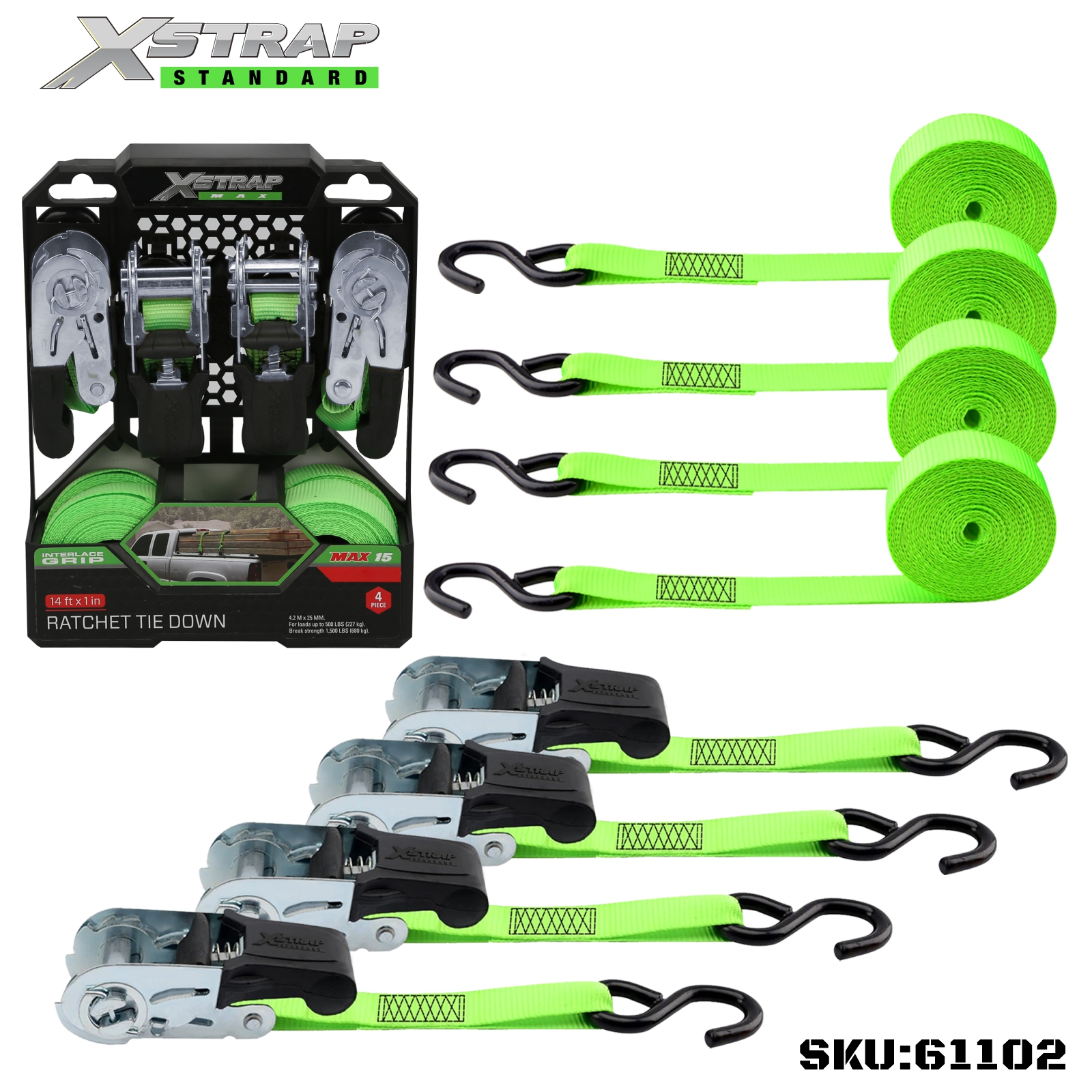
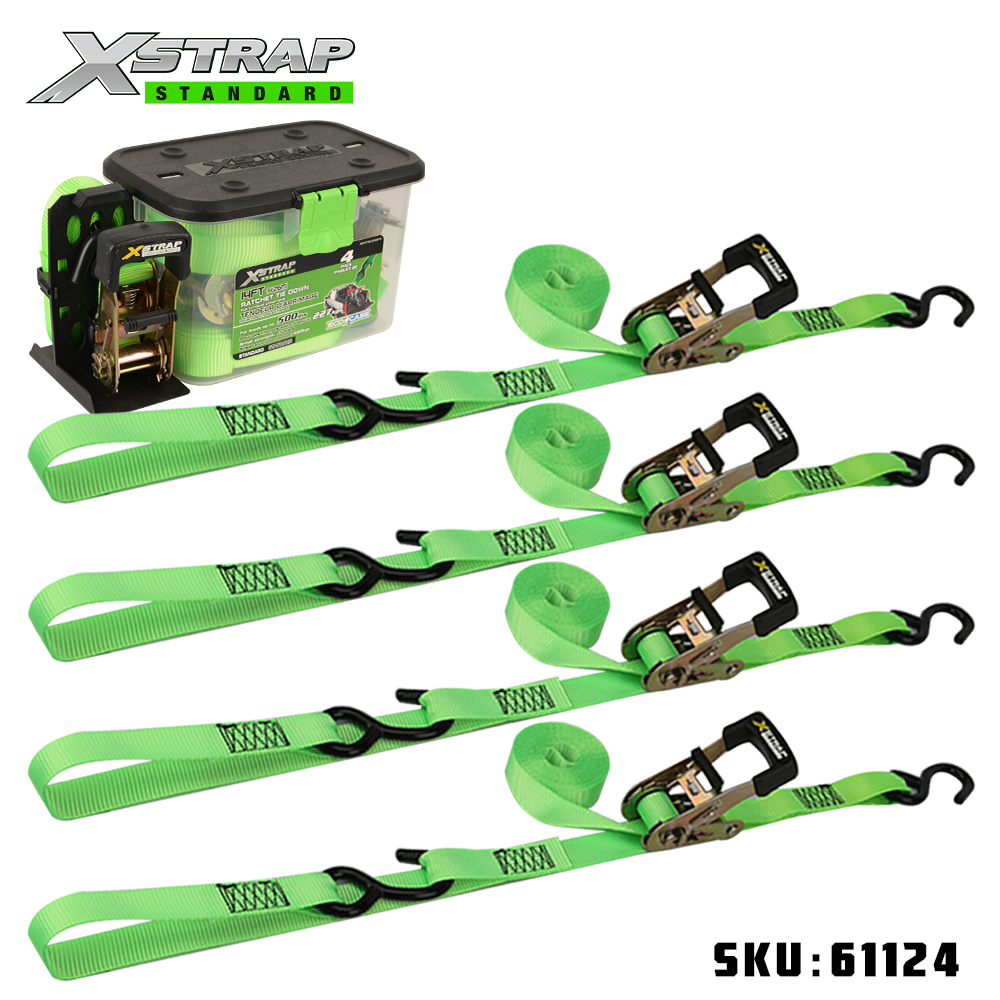
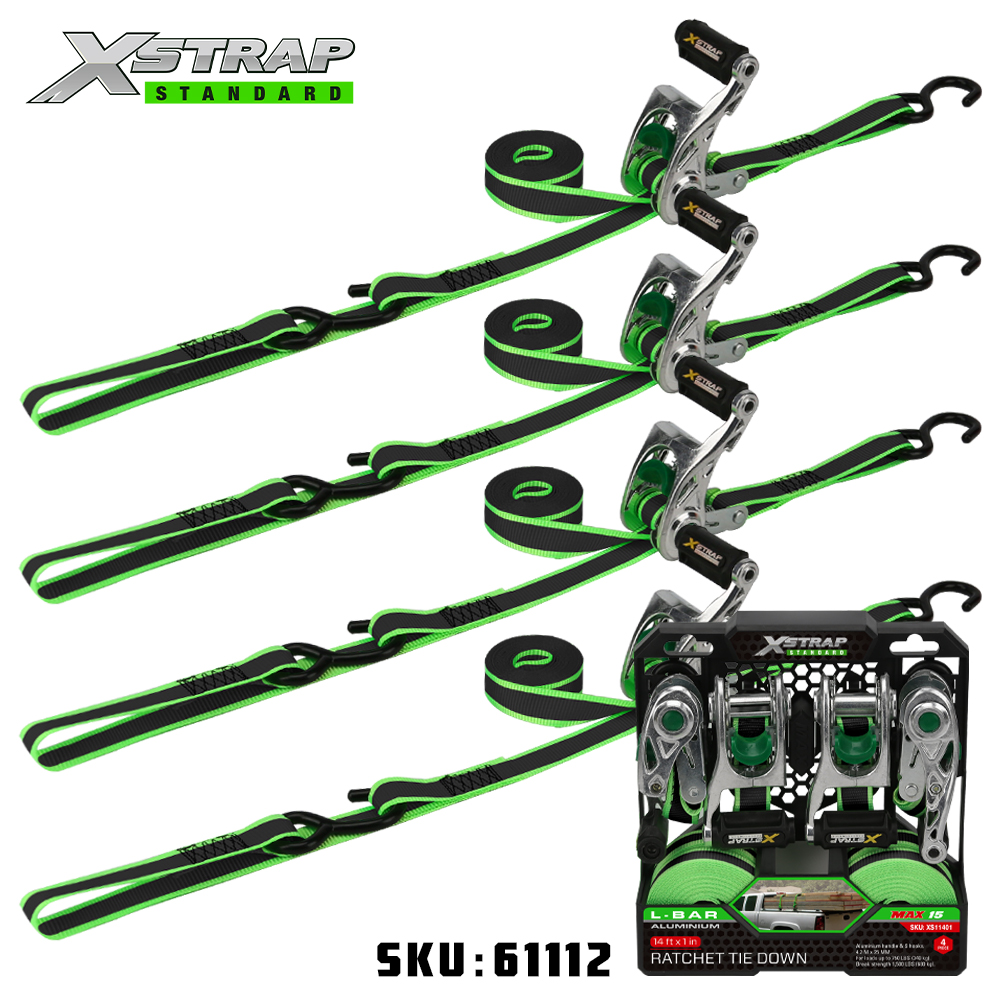
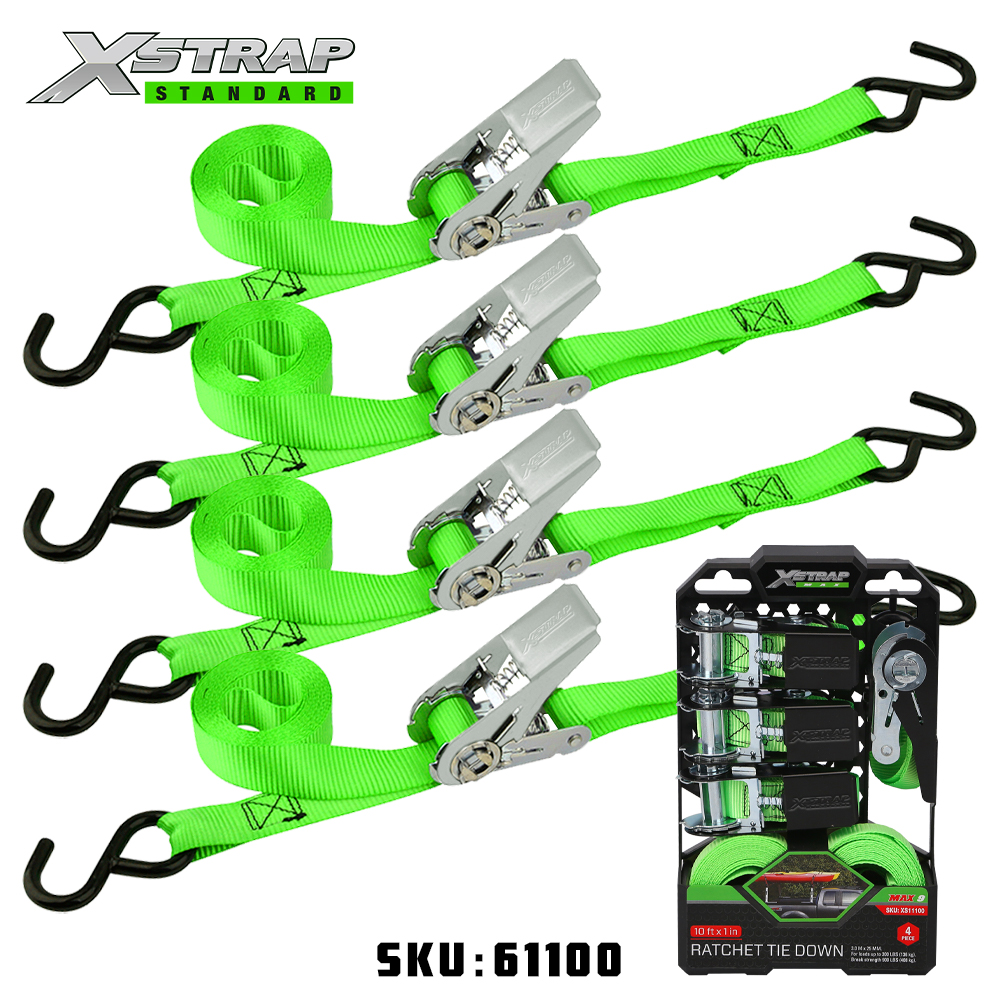
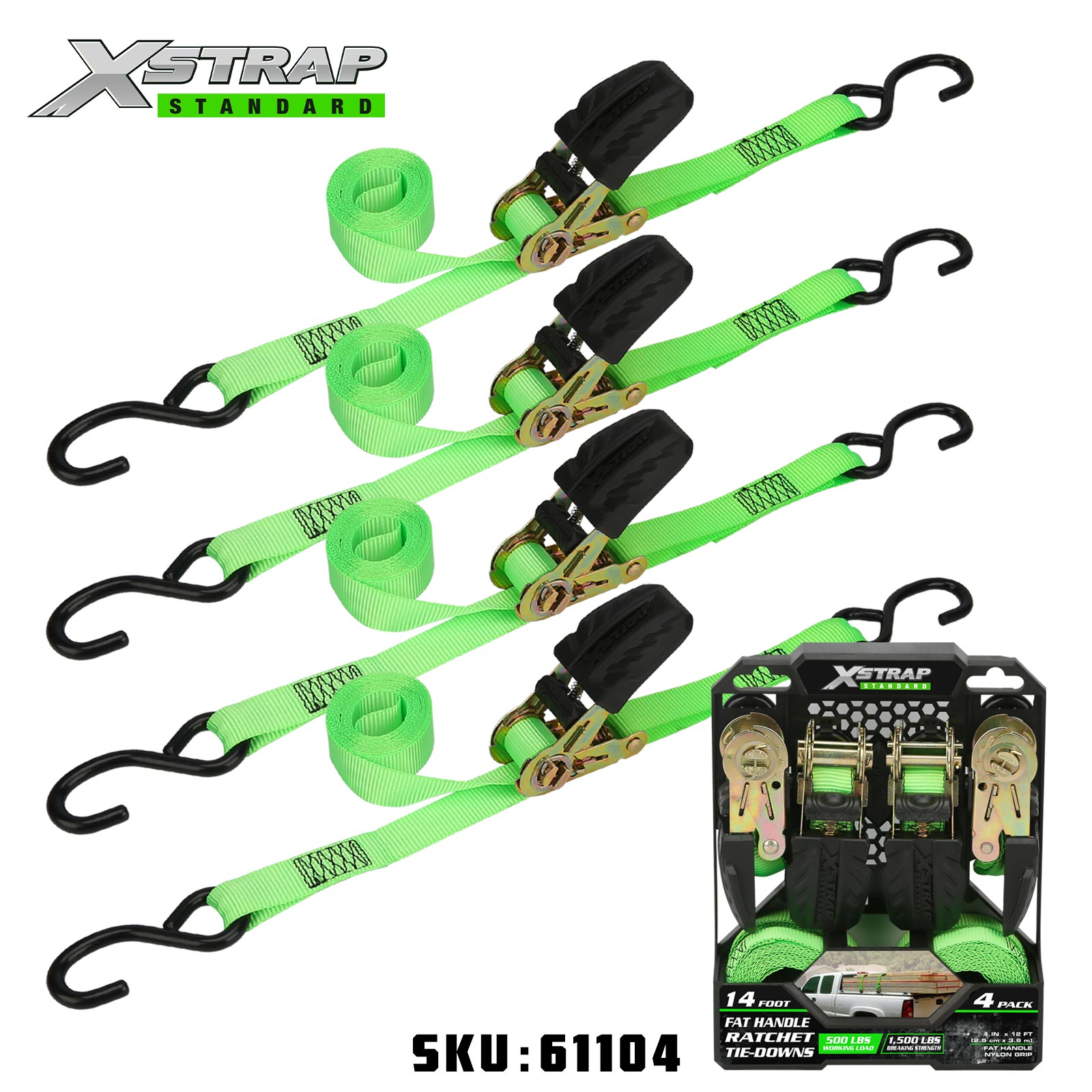
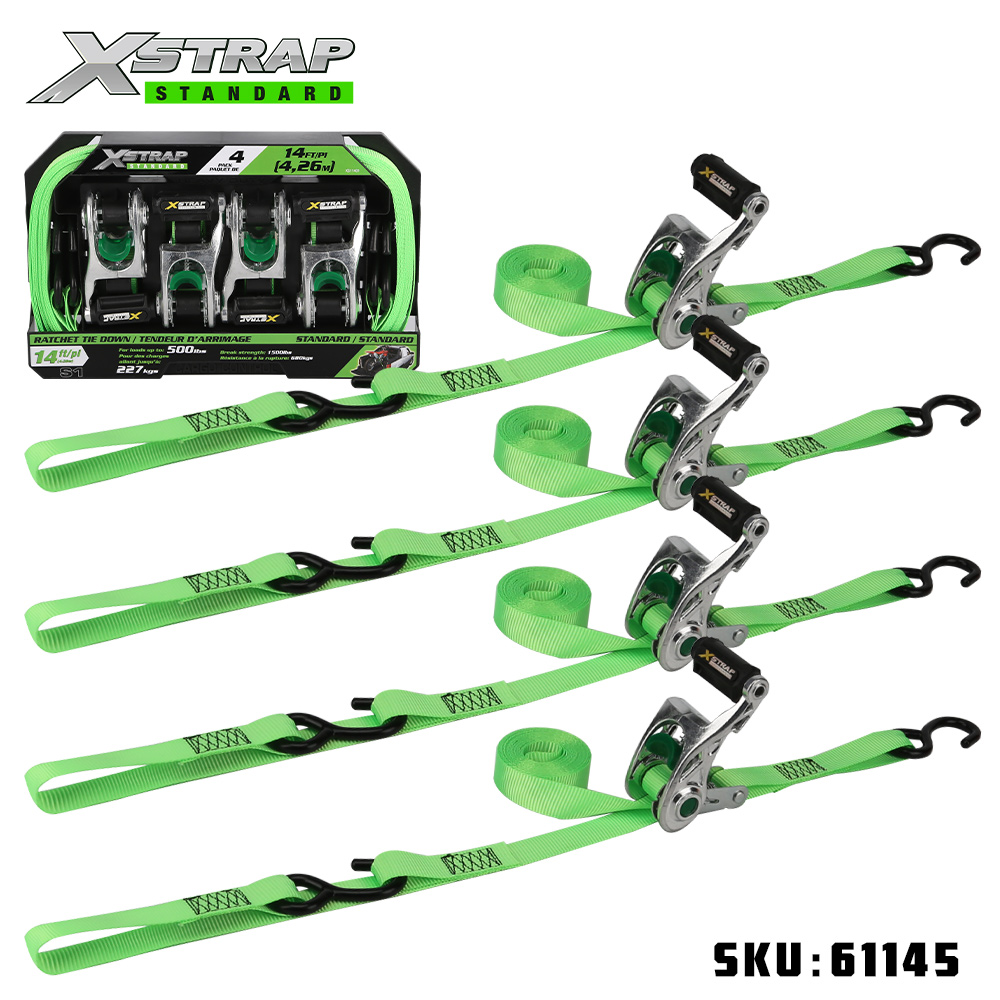
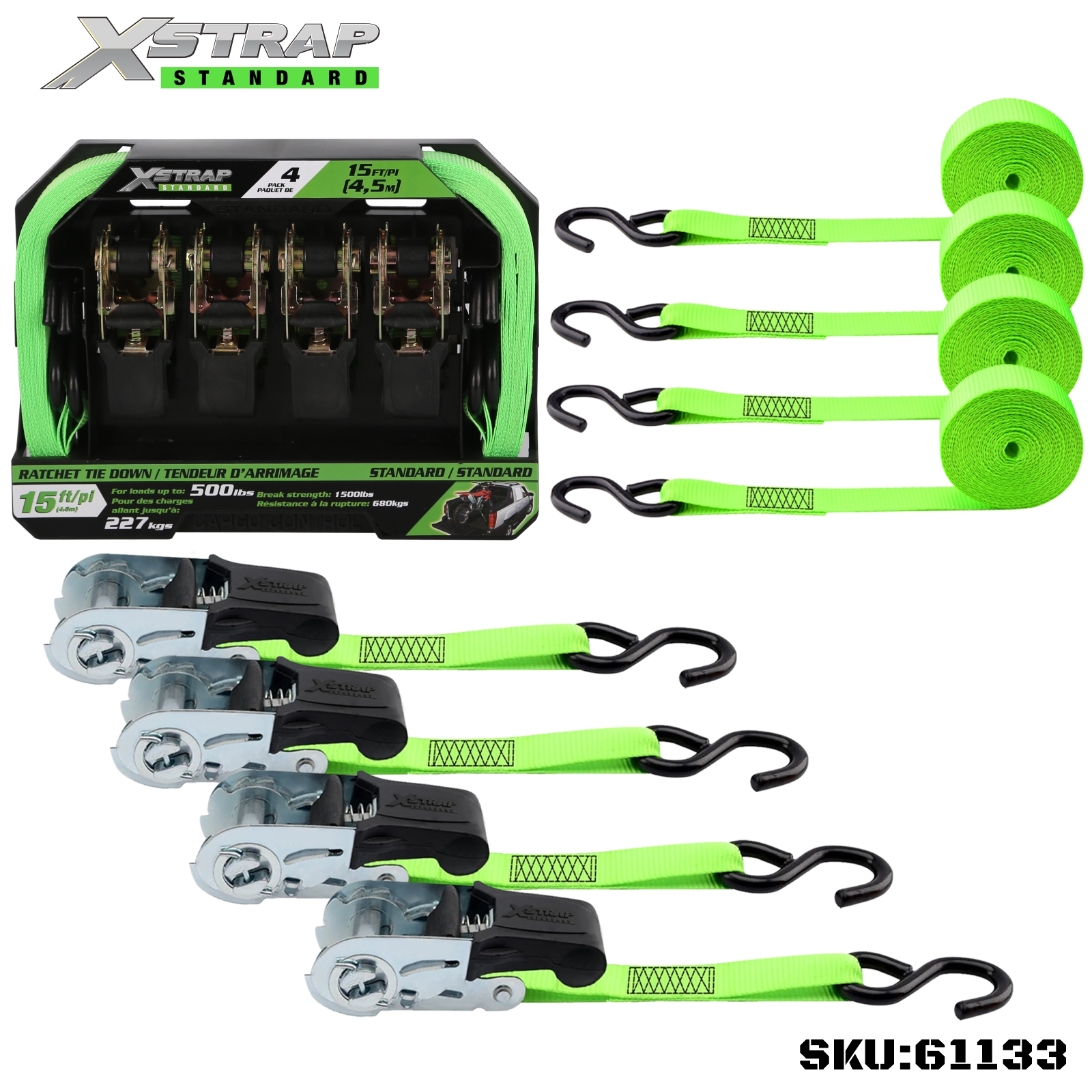
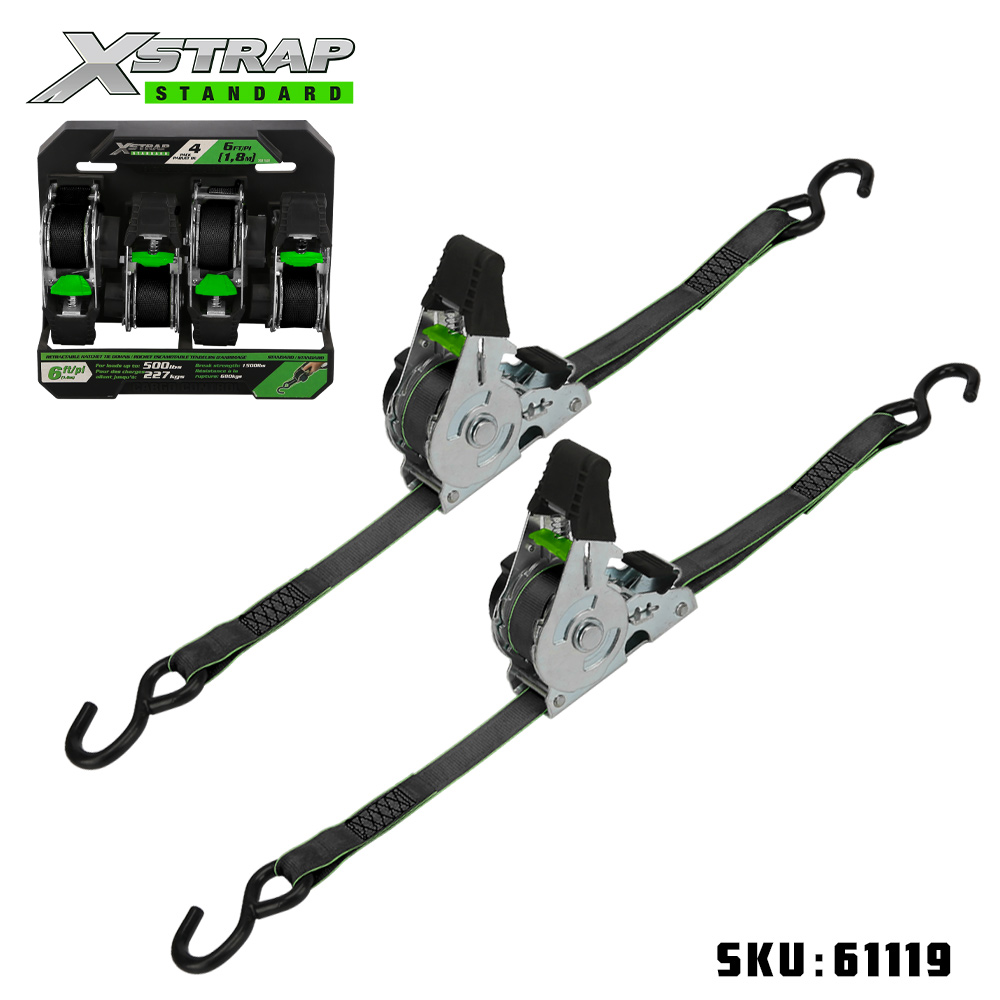
Since its establishment in 2002,
Zhangjiagang SMK MFG. Co., Ltd.
has specialized in cargo securing and control products, with over 20 years of experience in R&D and global export. The company is China Ratchet Tie Down Standard Duty Manufacturers and Custom Ratchet Tie Down Standard Duty Suppliers, and operates three factories and a large-scale warehouse center, forming an efficient international supply network.
SMK's product range includes tie-down straps, bungee cords, tow straps, lifting slings, hoists, and 4x4 accessories, widely used in transportation, logistics, outdoor, and industrial sectors. Its in-house brand XSTRAP enjoys strong recognition in global markets, alongside flexible OEM/ODM services for customized needs.
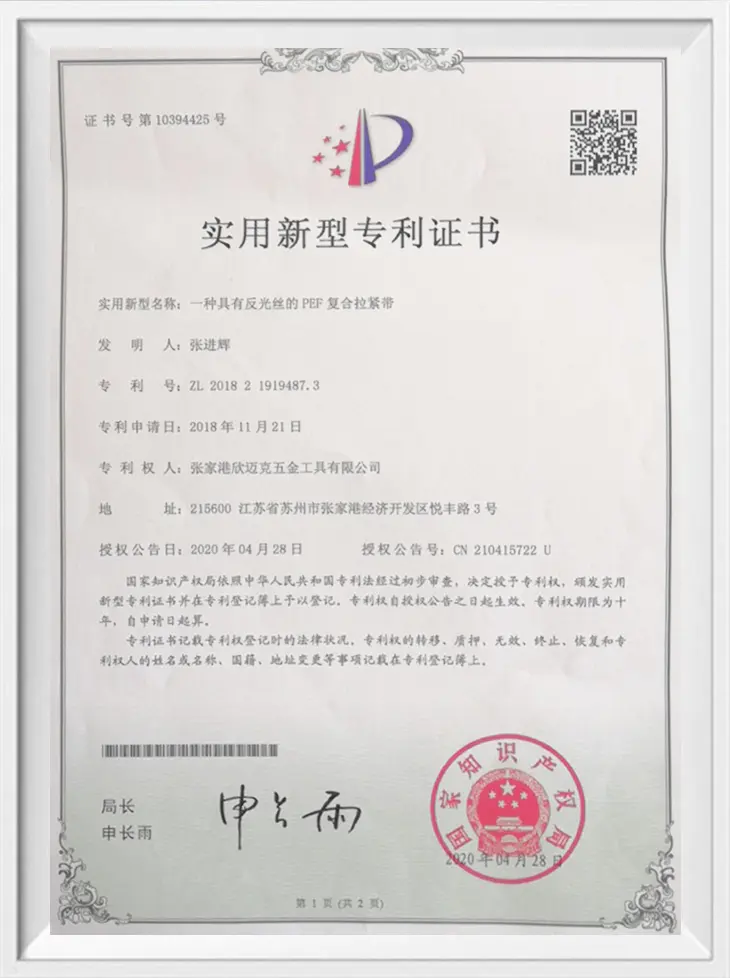
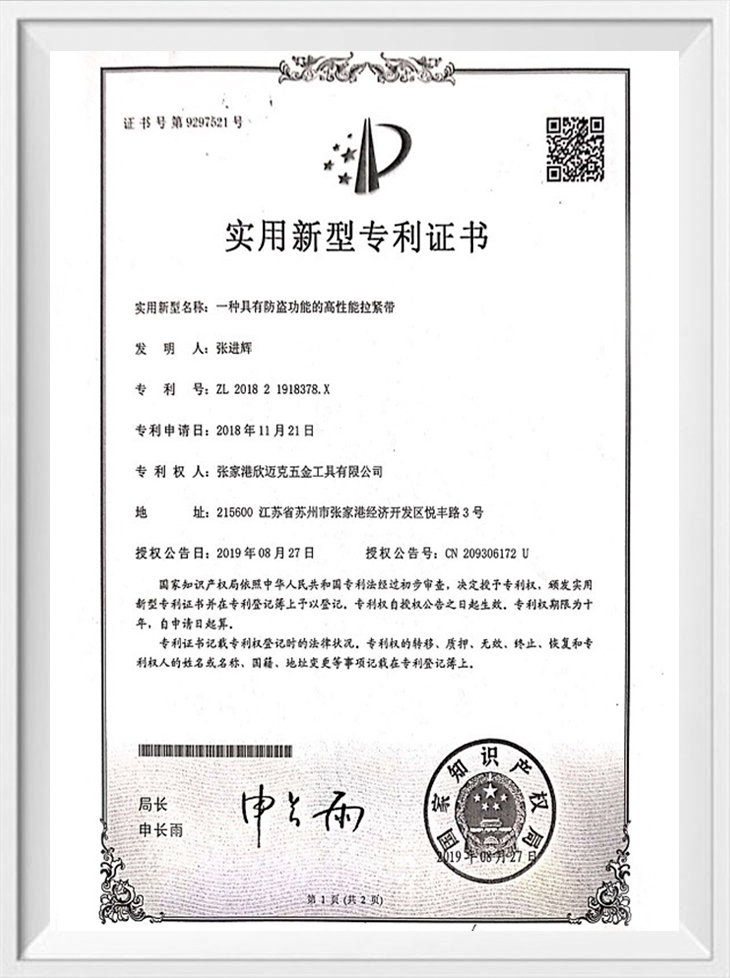
With over 8,000 sqm of production space, SMK is equipped with advanced automated lines and in-house testing labs, ensuring full-process quality control from raw material to finished goods. The company is ISO 9001 certified, SMETA audited, and has passed C-TPAT anti-terrorism inspections and multiple GS and patent certifications.
Looking ahead, SMK will continue to upgrade its cargo control systems, stay close to customer needs, and provide high-quality, efficient products and services worldwide.
Product
-
New Products
- Flatbed Solutions
- Interior Van Solutions
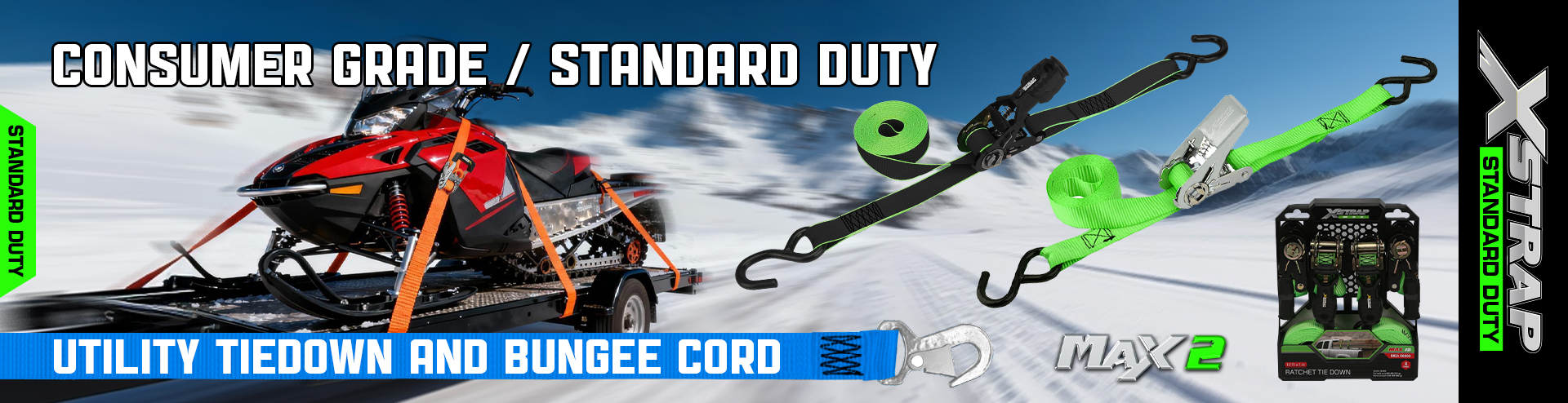
- Utility Tie down and Bungee Cord
- Auto Transport and Towing Solutions
- Lifting Solutions
- Tie Down Hardware
-
TUV&GS Certificated Tie Down and Bungee Cord
-
Towing & Rigging
-
4×4 Off-Road & Trailers
contact
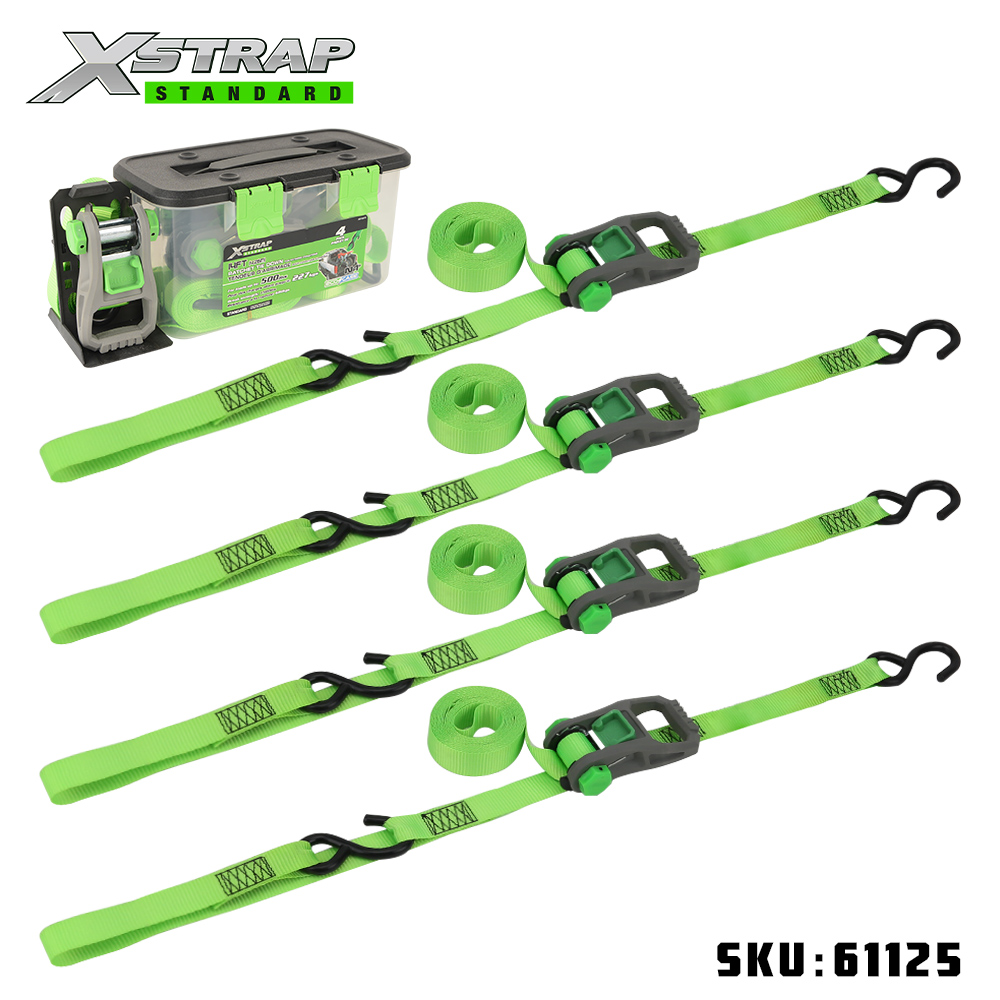
Wholesale and manufactures of Ratchet Tie Down Standard Duty consumer grade
Company Profile
Zhangjiagang SMK MFG. Co., Ltd.
News
-
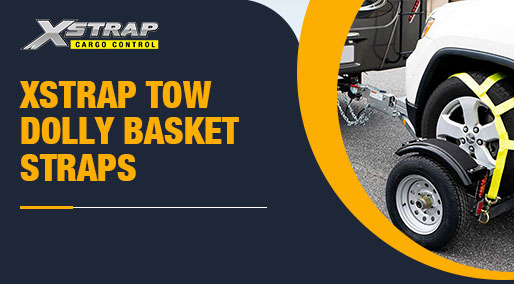
Understanding the Role of Tow Dolly Basket Straps in Vehicle Transport In the field of vehicle transport, Tow Dolly Basket Straps are recognized as one of the safest and most stable securing tools ava...
READ MORE -
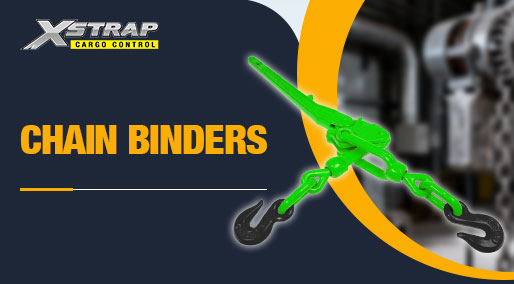
1. Understanding the Role of Chain Binders in Load Securement In the world of heavy transportation, Chain Binders are essential tools for ensuring cargo stability. They utilize either a lever principl...
READ MORE -
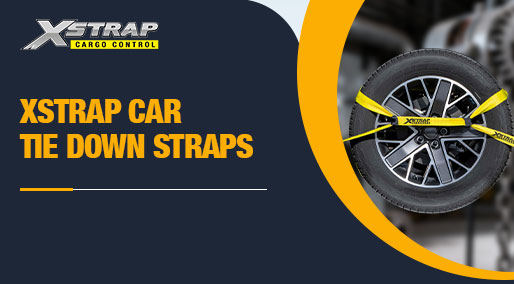
Understanding the Role of Car Tie Down Straps in Vehicle Transport Safety is the primary consideration when transporting a vehicle. Although standard cargo straps may look similar to Car Tie Down Stra...
READ MORE -
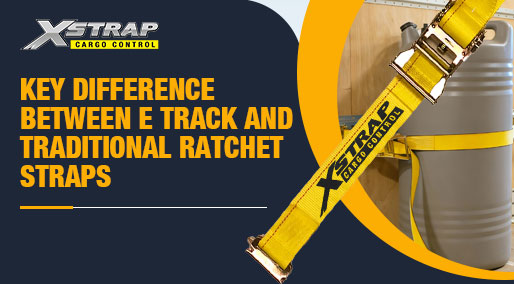
In the field of cargo transportation, securing loads is crucial to ensure the safety of both the cargo and the vehicle. Over the years, ratchet straps have been widely used to secure loads. However, w...
READ MORE
Certificate Of Honor
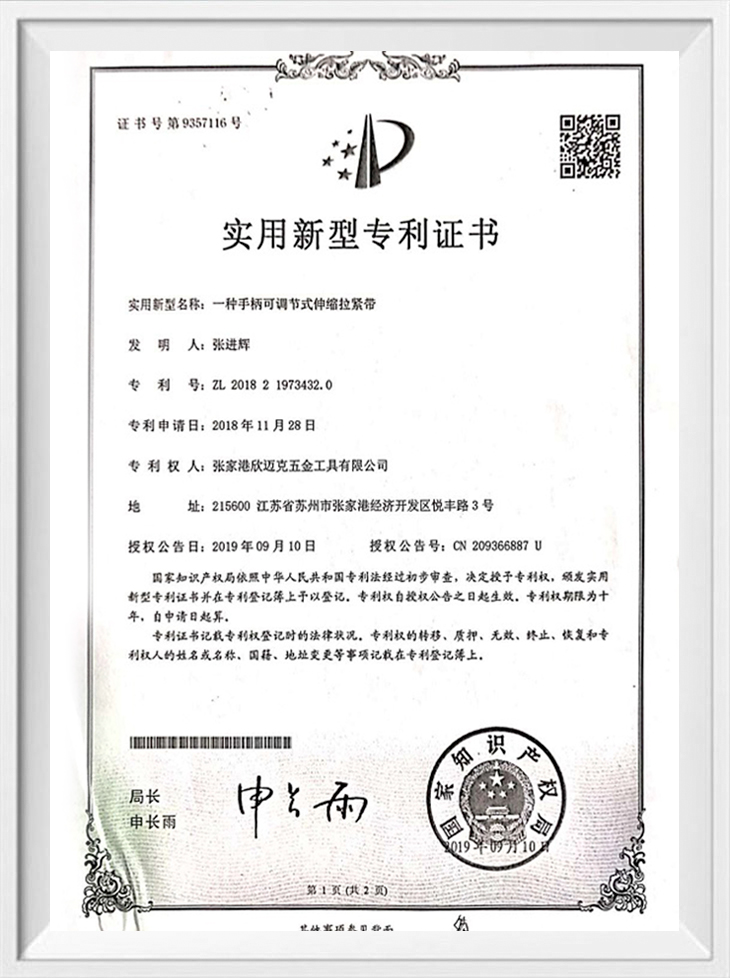
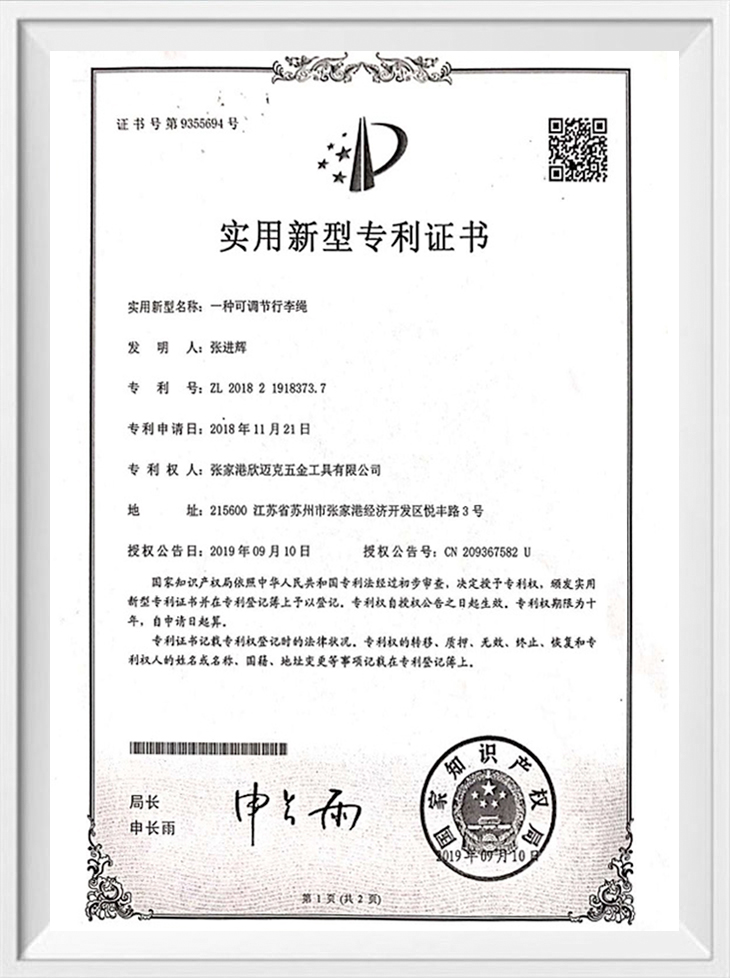
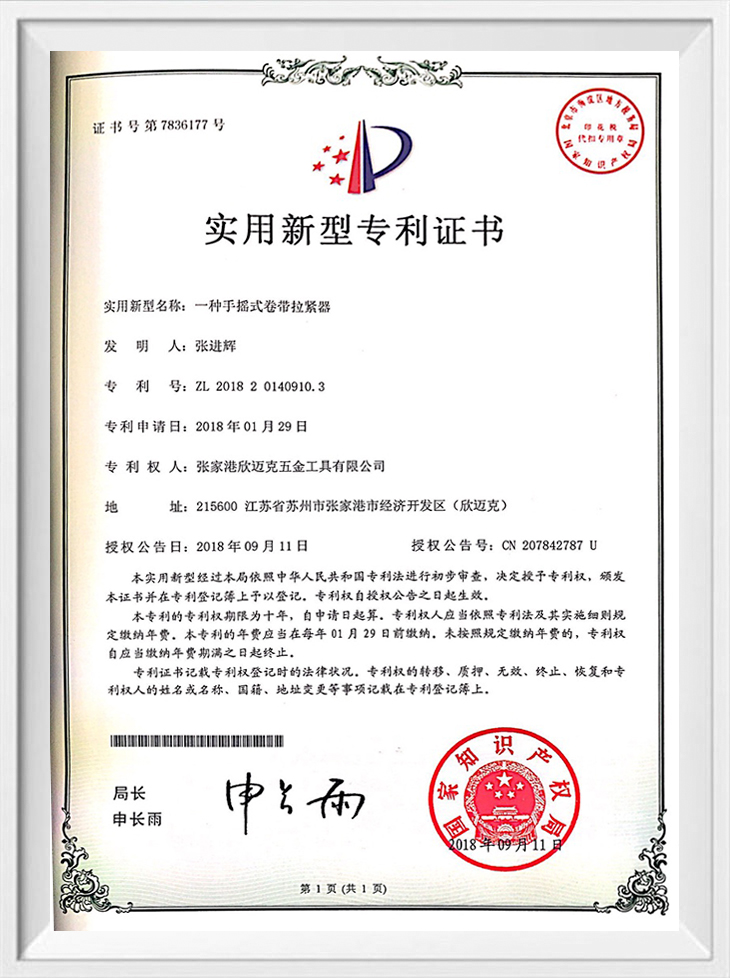
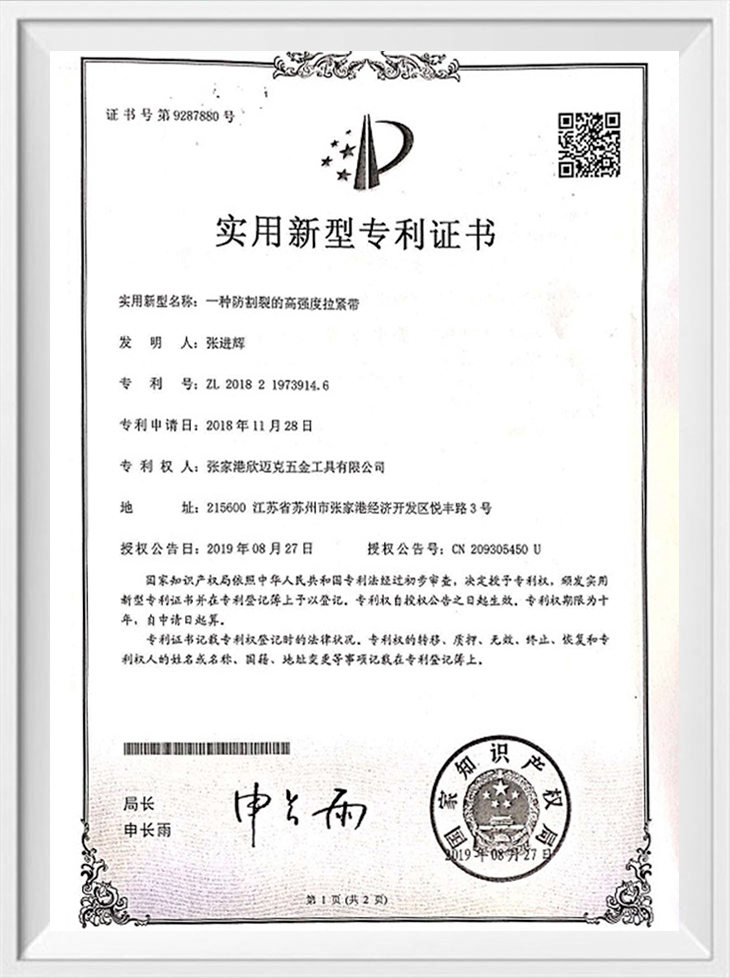
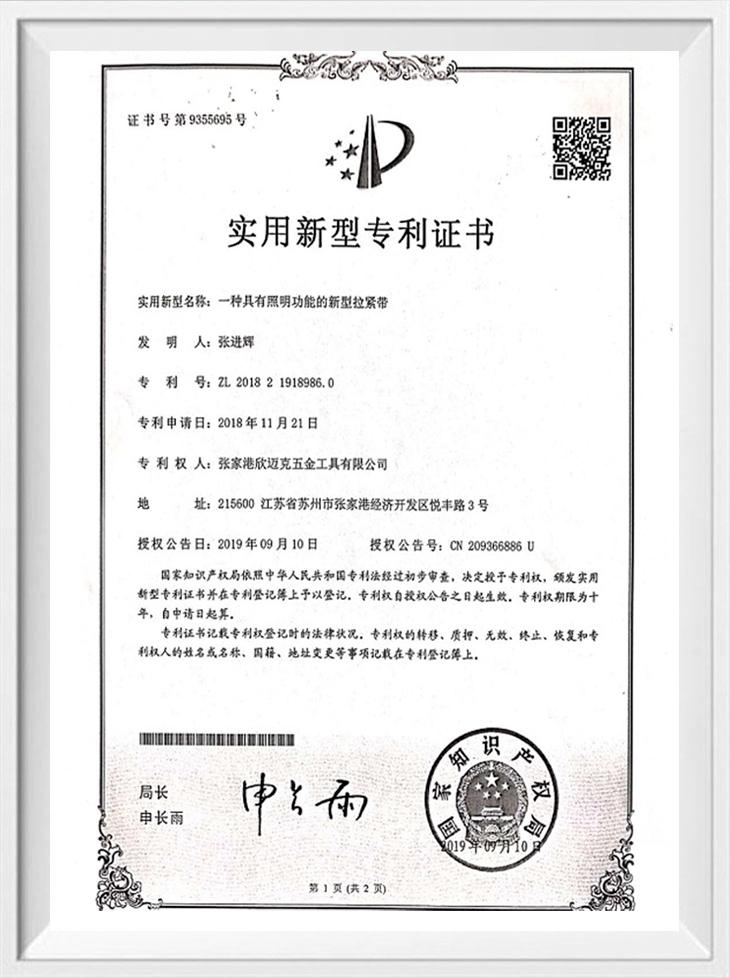
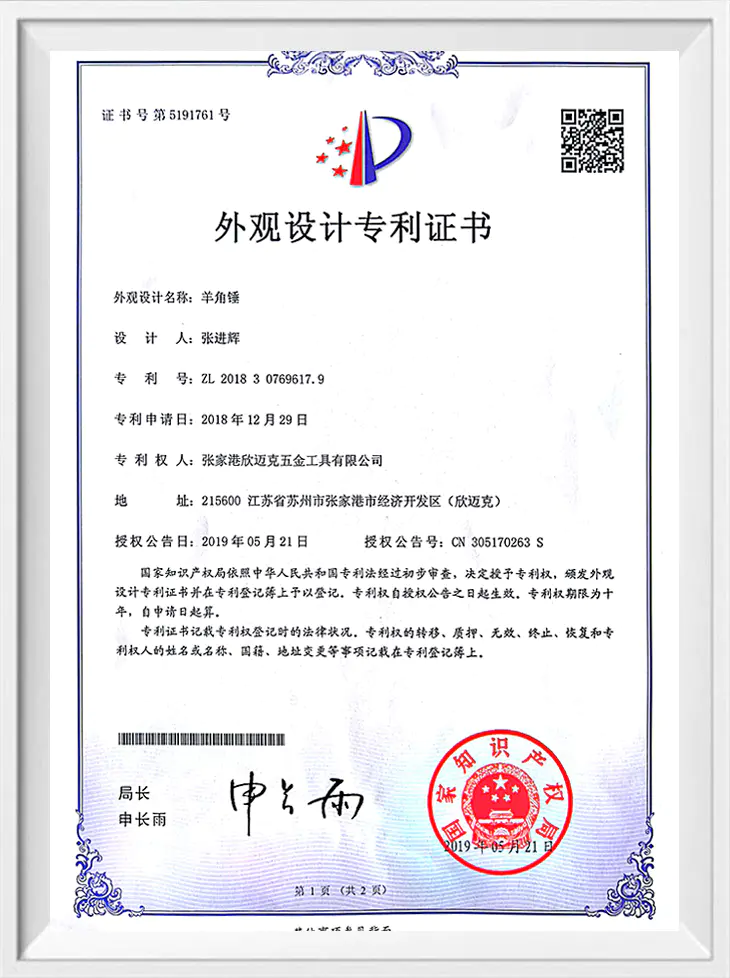
Ratchet Tie Down Standard Duty Industry knowledge
What is the maximum tension and load capacity of a ratchet tie down standard duty?
Overview of Ratchet Tie Down Standard Duty
Ratchet tie down standard duty straps are essential cargo securing tools widely used in transportation, logistics, and various industrial applications. Designed to secure loads on trucks, trailers, or flatbeds, these ratchet straps combine a strong webbing strap with a ratcheting mechanism to provide tension and prevent load movement. Zhangjiagang SMK MFG. Co., Ltd., with over 20 years of experience in cargo securing products, offers high-quality ratchet tie down straps under its in-house brand XSTRAP as well as OEM/ODM solutions. The company’s extensive experience and rigorous quality control processes ensure that these straps meet global safety standards and provide reliable performance under demanding conditions.
Material and Construction
The maximum tension and load capacity of a standard duty ratchet tie down are closely related to the materials and construction of the strap. Typically, these straps are made from high-strength polyester webbing, which provides resistance to abrasion, UV exposure, and stretching. The ratchet mechanism is commonly made of zinc-plated or powder-coated steel to ensure durability and corrosion resistance. SMK’s production facilities, equipped with automated lines and in-house testing labs, ensure that each strap and ratchet assembly undergoes full-process quality control, from raw material inspection to final product testing. This meticulous process guarantees that the straps can handle their rated capacities without failure.
Rated Load Capacity
Standard duty ratchet tie down straps generally have a working load limit (WLL) ranging from 500 to 1,000 kilograms, depending on the specific model and strap width. The WLL represents the maximum load that the strap can safely secure under normal usage conditions. SMK’s ratchet tie down products are designed to provide consistent and reliable tension within this range, offering customers a balance between strength, ease of use, and cost-efficiency. The company conducts comprehensive testing in its in-house labs to ensure that each strap consistently meets or exceeds its rated load capacity.
Break Strength and Safety Factors
The break strength of a standard duty ratchet tie down is the maximum force the strap can endure before failure. For standard duty straps, the break strength typically ranges from 1,500 to 3,000 kilograms. This value is generally three times the working load limit, providing a safety factor that accounts for dynamic forces, vibrations, and occasional overloading during transport. SMK’s straps undergo rigorous tensile testing to verify break strength, ensuring that the products are capable of maintaining cargo security under practical load conditions. The company’s ISO 9001 certification and SMETA audit processes ensure that testing procedures are standardized and reliable.
Ratchet Mechanism Functionality
The ratchet mechanism is a critical component that enables controlled tensioning of the strap. Standard duty ratchets are designed to allow the user to tighten the strap incrementally, applying sufficient tension to secure the load without damaging the cargo or strap material. SMK’s ratchet assemblies are engineered for smooth operation and resistance to slippage, with durable pawls and gears that maintain tension under load. The ratchet handles are ergonomically designed for comfortable operation, even during repeated use, and the metal components are treated to resist corrosion and mechanical wear over time.
Impact of Strap Width on Load Capacity
Strap width is directly correlated with the maximum tension and load capacity of a ratchet tie down. Standard duty straps commonly range from 25 mm (1 inch) to 50 mm (2 inches) in width. Wider straps distribute load forces over a larger surface area, reducing stress on both the strap and the cargo. SMK manufactures straps in various widths to meet different load requirements, allowing customers to select the appropriate strap based on the weight and type of cargo. Wider straps generally provide higher working load limits and break strengths, making them suitable for heavier or irregularly shaped loads.
Hook and End Fitting Considerations
The hooks or end fittings attached to the ratchet tie down also influence load capacity. Common fittings include S-hooks, J-hooks, and flat hooks, made from high-tensile steel to match the strap’s rated capacity. Properly designed fittings prevent accidental detachment under tension and contribute to the overall security of the cargo. SMK’s quality control ensures that all end fittings are tested alongside the straps to maintain consistent performance and reliability. The combination of strong webbing, durable ratchet mechanisms, and secure fittings ensures that the entire tie down system can safely handle its specified load.
Compliance with International Standards
SMK’s ratchet tie down straps comply with global safety standards, including GS, ISO 9001, and C-TPAT inspections. Compliance with these standards guarantees that the straps meet minimum strength requirements, corrosion resistance, and functional performance under defined conditions. Standard duty straps must maintain their rated working load without significant elongation or failure, and SMK’s in-house testing laboratories conduct repeated load cycles and tension tests to verify compliance. These measures provide customers with confidence in the reliability and safety of the product during real-world use.
Testing Procedures for Maximum Tension
The maximum tension that a standard duty ratchet tie down can handle is determined through precise laboratory testing. Tensile tests are conducted using calibrated machines that measure the force required to stretch or break the strap. Additional testing may include cyclic loading, environmental exposure, and ratchet operation under full load to simulate real-world conditions. SMK’s facilities, covering over 8,000 square meters, include automated testing lines and controlled environments to ensure accurate and repeatable results. This rigorous testing confirms that straps achieve their specified working load limits and break strengths reliably.
Dynamic vs. Static Loads
It is important to distinguish between static and dynamic loads when evaluating maximum tension. Static load refers to a constant weight applied without movement, while dynamic load includes forces generated during motion, such as sudden stops or vibrations during transport. Standard duty ratchet tie down straps are rated based on static loads but are designed with safety factors to account for dynamic forces. SMK’s tie down products are tested under both conditions to ensure that tension is maintained and cargo remains secure during real-world transportation scenarios.
Environmental and Usage Considerations
Environmental factors such as moisture, temperature fluctuations, and UV exposure can affect the performance of ratchet tie down straps. Polyester webbing provides resistance to stretching and UV degradation, while metal components are treated for corrosion resistance. SMK’s ratchet tie downs are suitable for outdoor use and various industrial environments, ensuring that maximum tension and load capacity are not compromised by environmental conditions. Proper usage, including avoiding sharp edges and correct ratchet operation, further ensures that the straps perform at their rated capacities.
Maintenance and Inspection
To maintain the maximum tension and load capacity of ratchet tie down straps, regular inspection and maintenance are necessary. Users should check webbing for fraying, cuts, or abrasion, inspect ratchet mechanisms for smooth operation, and examine hooks for deformation or corrosion. SMK recommends periodic replacement of worn components to prevent accidental failure. Proper storage, avoiding prolonged exposure to sunlight or moisture, helps preserve the structural integrity and load-bearing capacity of the straps. Routine maintenance ensures that straps continue to perform at their intended working load limit.
Comparison of Standard Duty and Heavy Duty Straps
The following table illustrates the differences between standard duty and heavy duty ratchet tie down straps, highlighting their maximum tension and load capacities:
| Feature | Standard Duty Strap | Heavy Duty Strap |
|---|---|---|
| Working Load Limit (WLL) | 500–1,000 kg | 1,500–3,500 kg |
| Break Strength | 1,500–3,000 kg | 4,500–10,500 kg |
| Strap Width | 25–50 mm | 50–75 mm |
| Typical Applications | Light to medium cargo, small trucks, general transportation | Heavy machinery, large vehicles, industrial and commercial logistics |
| Ratchet Material | Zinc-plated or powder-coated steel | High-tensile alloy steel |
Customization and OEM/ODM Services
SMK offers flexible OEM and ODM services for ratchet tie down straps, allowing customers to specify dimensions, strap widths, ratchet types, and end fittings according to their load requirements. Customized products undergo the same stringent testing and quality control processes as standard products, ensuring that maximum tension and load capacity are maintained. This capability allows clients in transportation, logistics, and industrial sectors to obtain tie down solutions tailored to their specific operational needs, while leveraging SMK’s global supply network for efficient delivery.
Global Recognition and Market Reach
SMK’s XSTRAP brand enjoys recognition in international markets due to consistent product quality, reliable performance, and adherence to safety standards. With three factories and a large-scale warehouse center, the company provides timely delivery and responsive service. Customers can rely on SMK’s ratchet tie down straps to achieve the rated maximum tension and load capacity, whether for local or export applications. The company’s experience with international certifications and audits ensures that products meet regulatory requirements across different regions.
Conclusion on Maximum Tension and Load Capacity
Standard duty ratchet tie down straps from Zhangjiagang SMK MFG. Co., Ltd. are engineered to provide working load limits typically ranging from 500 to 1,000 kilograms, with break strengths between 1,500 and 3,000 kilograms. The maximum tension that can be safely applied is determined by the quality of the polyester webbing, the durability of the ratchet mechanism, the integrity of end fittings, and adherence to safety standards. With comprehensive quality control, rigorous testing, and over 20 years of experience, SMK ensures that each strap delivers consistent and reliable performance for securing cargo in transportation, logistics, and industrial applications worldwide.
Is the ratchet tie down standard duty prone to wear or breakage after long-term use?
General Characteristics of Ratchet Tie Down Standard Duty
Ratchet tie down standard duty straps are designed to secure loads by combining polyester webbing with a ratchet mechanism, making them widely used in transportation, logistics, and industrial applications. These straps are intended to provide controlled tension, ensuring that cargo remains stable during movement. Zhangjiagang SMK MFG. Co., Ltd., established in 2002, has specialized in cargo securing products for over two decades. With its in-house brand XSTRAP and extensive OEM/ODM services, the company provides ratchet tie down products that meet global standards while addressing customer-specific needs. Understanding whether these straps are prone to wear or breakage after long-term use requires an evaluation of their material properties, construction, usage conditions, and maintenance practices.
Material Durability
The primary webbing of ratchet tie down standard duty straps is typically made from high-strength polyester. Polyester offers resistance to stretching, abrasion, and UV exposure, making it a suitable material for long-term outdoor and industrial use. However, like all textiles, it is not immune to degradation. Over time, exposure to direct sunlight, heavy loads, or sharp edges can gradually weaken the fibers. Zhangjiagang SMK MFG. Co., Ltd. mitigates this issue by employing strict raw material inspections and advanced weaving techniques in its production facilities, which cover more than 8,000 sqm. The result is a product that maintains its structural integrity longer than unregulated alternatives.
Ratchet Mechanism Wear
The ratchet mechanism is made of steel components that undergo repeated movement during tensioning and release. Standard duty mechanisms are often zinc-plated or powder-coated for corrosion resistance. However, over time, mechanical wear can affect the pawls and gears inside the ratchet, particularly if the mechanism is not lubricated or is exposed to dirt and moisture. SMK addresses this concern by using durable steel alloys and corrosion-resistant finishes, tested under various environmental conditions in its in-house laboratories. Even with such enhancements, prolonged heavy use can eventually introduce wear, which emphasizes the importance of routine inspections and maintenance.
Load Repetition and Fatigue
When ratchet tie downs are repeatedly used to secure loads, the straps undergo cycles of tension and release. This process can lead to material fatigue, particularly in standard duty models intended for lighter loads. The working load limit (WLL) is designed with a safety factor that allows for dynamic forces, but repeated use at or near the maximum capacity may reduce lifespan. Zhangjiagang SMK MFG. Co., Ltd. ensures its straps are tested under cyclic loading conditions to simulate real-world scenarios, allowing them to identify potential wear patterns and improve product designs to withstand long-term use.
Environmental Exposure
Environmental factors such as UV light, rain, humidity, and temperature fluctuations significantly influence the longevity of standard duty ratchet tie downs. Polyester resists water absorption, which prevents stretching and weakening, but long-term exposure to intense sunlight can cause fiber breakdown. Metal ratchet components may also corrode if coatings are damaged. SMK combats these risks by applying high-quality protective coatings and using polyester materials that meet international standards for UV resistance. Despite these measures, prolonged exposure without proper care can lead to wear and eventual breakage.
Common Signs of Wear and Degradation
Over time, standard duty ratchet tie downs exhibit visible signs of wear that users should monitor. These include fraying along the edges of the strap, discoloration due to UV exposure, or difficulty operating the ratchet mechanism due to dirt accumulation or corrosion. Hooks and fittings may also show deformation or rust. Regular inspections help users identify such signs early. SMK provides guidance on inspection and replacement schedules to ensure users can maintain safe operations.
Maintenance Practices
Routine maintenance is a key factor in preventing premature wear or breakage. Keeping the ratchet mechanism clean, lubricated, and free from dirt allows smoother operation and prolongs the life of the steel components. Storing straps in a dry, shaded location prevents exposure-related degradation of both webbing and hardware. SMK recommends that users avoid dragging straps on rough surfaces, prevent overloading, and replace damaged or excessively worn components immediately. With proper care, standard duty straps can provide long service life even in demanding environments.
Testing Standards and Quality Control
To minimize the risk of wear and breakage, SMK employs strict quality control processes certified under ISO 9001 and audited by SMETA. Each strap undergoes tensile testing to confirm working load limits and break strengths. Additional testing includes exposure to UV, moisture, and cyclic loading to simulate long-term use. These comprehensive testing procedures ensure that products consistently perform to their rated capacity and that wear occurs predictably rather than prematurely. This approach allows SMK to provide reliable cargo securing solutions while maintaining compliance with global certifications such as GS and C-TPAT.
Comparison of Standard Duty vs. Heavy Duty Straps
The tendency of a ratchet tie down to wear or break under long-term use depends partly on whether it is standard duty or heavy duty. The following table illustrates the differences:
| Feature | Standard Duty | Heavy Duty |
|---|---|---|
| Typical Working Load Limit (WLL) | 500–1,000 kg | 1,500–3,500 kg |
| Break Strength | 1,500–3,000 kg | 4,500–10,500 kg |
| Strap Width | 25–50 mm | 50–75 mm |
| Durability in Long-Term Use | More prone to wear with repeated heavy loading | Better suited for repeated use under high stress |
| Maintenance Requirement | Frequent inspections needed | Regular inspections but longer intervals |
Impact of Improper Usage
Improper use is one of the main causes of premature wear and breakage in standard duty straps. Using straps on loads beyond their rated working load limit or placing them over sharp edges without protection accelerates fiber damage. Incorrect ratchet operation, such as over-tightening, may strain both the webbing and mechanism. SMK provides product instructions and usage guidelines to help users avoid these common mistakes. Proper training and adherence to guidelines can significantly extend the life of the straps.
Role of End Fittings
The hooks and end fittings used in ratchet tie downs are also prone to wear if exposed to continuous stress or corrosion. While they are made from high-tensile steel, improper storage or exposure to corrosive environments can compromise their integrity. SMK ensures that fittings are tested alongside straps to guarantee consistent performance. Matching the correct hook type to the load and securing point reduces wear and minimizes the risk of failure during extended use.
Case Studies from Transportation and Logistics
In real-world applications, standard duty ratchet tie downs are commonly used for securing light to medium cargo on trucks and trailers. Field studies show that straps used daily for high-frequency operations tend to show signs of wear more quickly compared to those used occasionally. For example, straps in logistics hubs that operate in outdoor environments degrade faster due to sun and weather exposure. SMK collects feedback from global customers to refine designs and improve resistance to long-term stress factors.
Inspection and Replacement Intervals
To prevent unexpected failures, SMK recommends regular inspection and timely replacement of ratchet tie downs. Inspection intervals depend on frequency and conditions of use. For heavy daily use in challenging environments, weekly inspections may be necessary, while for occasional use, monthly checks may suffice. Replacement is advised once straps show clear signs of fraying, deformation, or rust, even if they have not reached their rated load limits. By following structured inspection schedules, users can reduce the risk of cargo accidents caused by strap breakage.
OEM/ODM Customization and Longevity
SMK offers OEM and ODM customization services, enabling clients to specify strap widths, webbing materials, coatings, and fittings that better withstand long-term usage. Customers in industrial and logistics sectors can request additional UV-resistant coatings, reinforced stitching, or specialized hooks for specific applications. Such customization extends the lifespan of standard duty straps, ensuring that products are not only tailored to operational needs but also more resistant to wear and breakage over time.
Market Reliability and Certifications
With over 20 years of R&D and export experience, SMK has built a reputation in global markets for dependable cargo securing products. The company’s ISO certification, SMETA audit compliance, and GS and patent certifications reflect its commitment to producing straps that withstand long-term use. The international recognition of SMK’s XSTRAP brand demonstrates customer trust in the durability of its ratchet tie downs, even when used over extended periods.
Conclusion on Long-Term Wear and Breakage
Ratchet tie down standard duty straps are not immune to wear or breakage after long-term use, but their durability depends on material quality, usage conditions, environmental exposure, and maintenance practices. With polyester webbing, corrosion-resistant ratchet mechanisms, and strong end fittings, Zhangjiagang SMK MFG. Co., Ltd. produces straps capable of withstanding repeated use. By following proper usage guidelines, conducting regular inspections, and replacing worn components, users can significantly extend the service life of standard duty ratchet tie downs and reduce the likelihood of unexpected failures during cargo securing operations.
-
 +86-18112697781qindan355@gmail.comNo. 21 Yuefeng Road, Yangshe Town, Zhangjiagang City, Suzhou City, Jiangsu Province
 -
Quick Links
Social Media
-
OEM Partner
-


Copyright © 2025 Zhangjiagang SMK MFG. Co., Ltd. All rights reserved.
 Custom Ratchet Tie Down Standard Duty Manufacturers
Custom Ratchet Tie Down Standard Duty Manufacturers