
 English
 Français
 Español
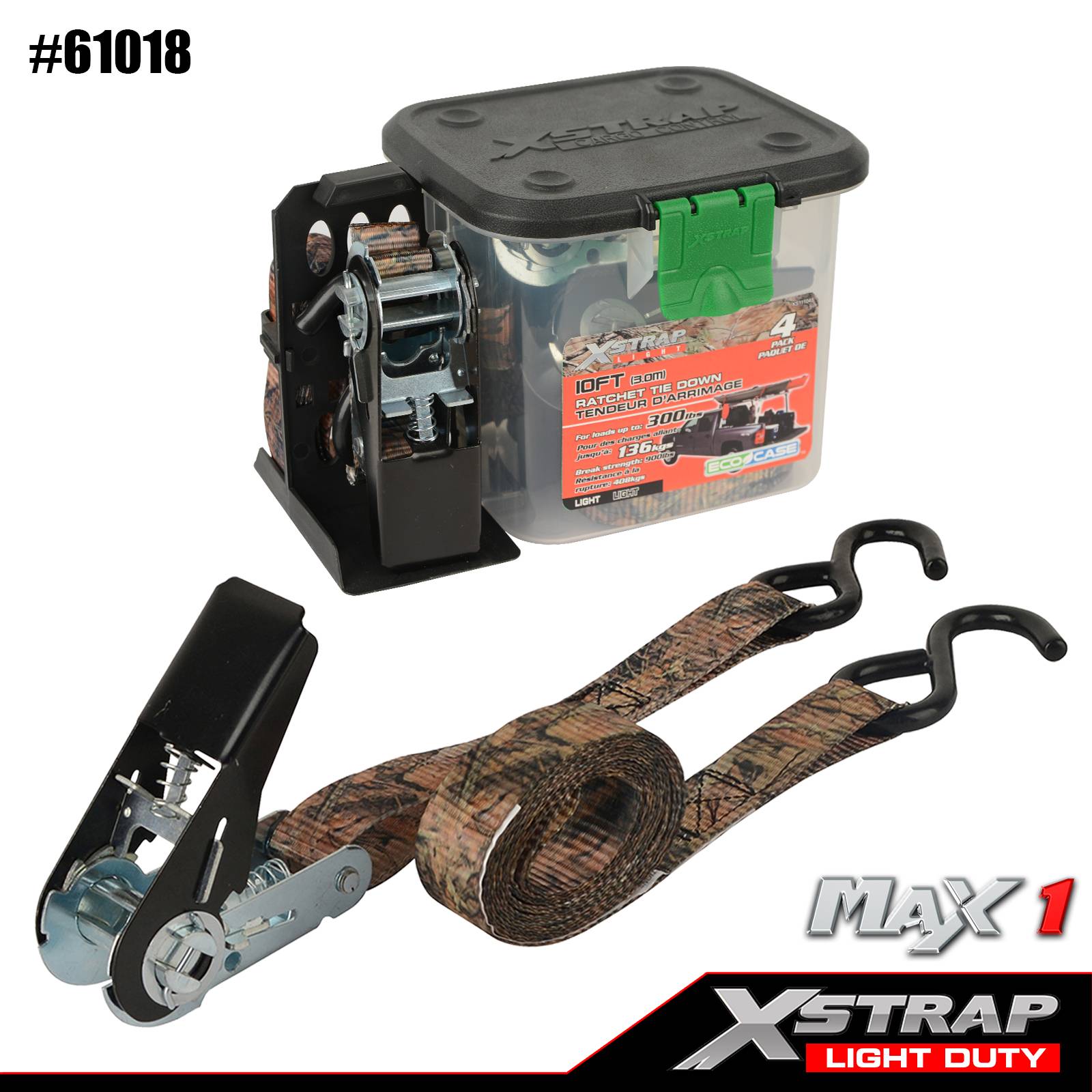
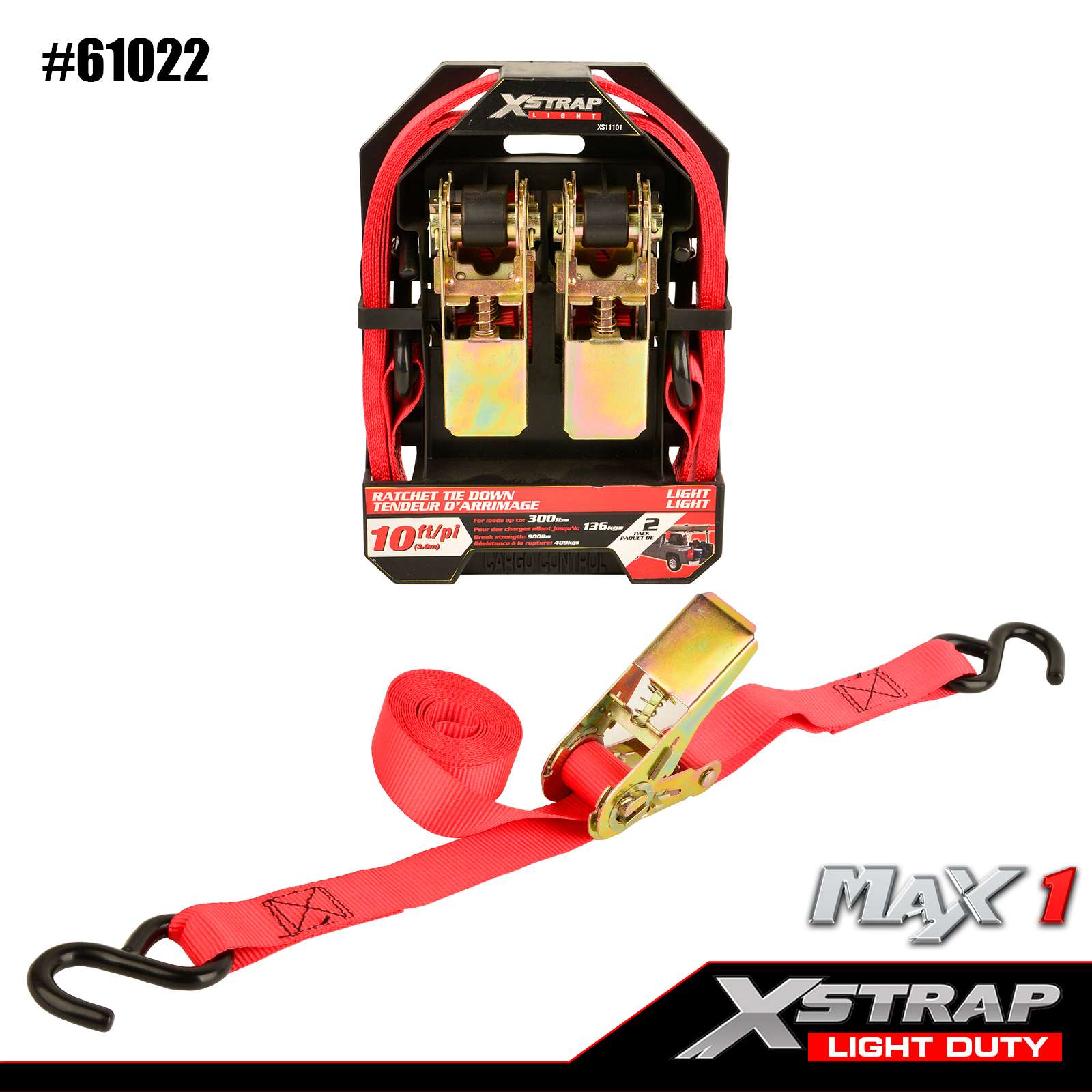
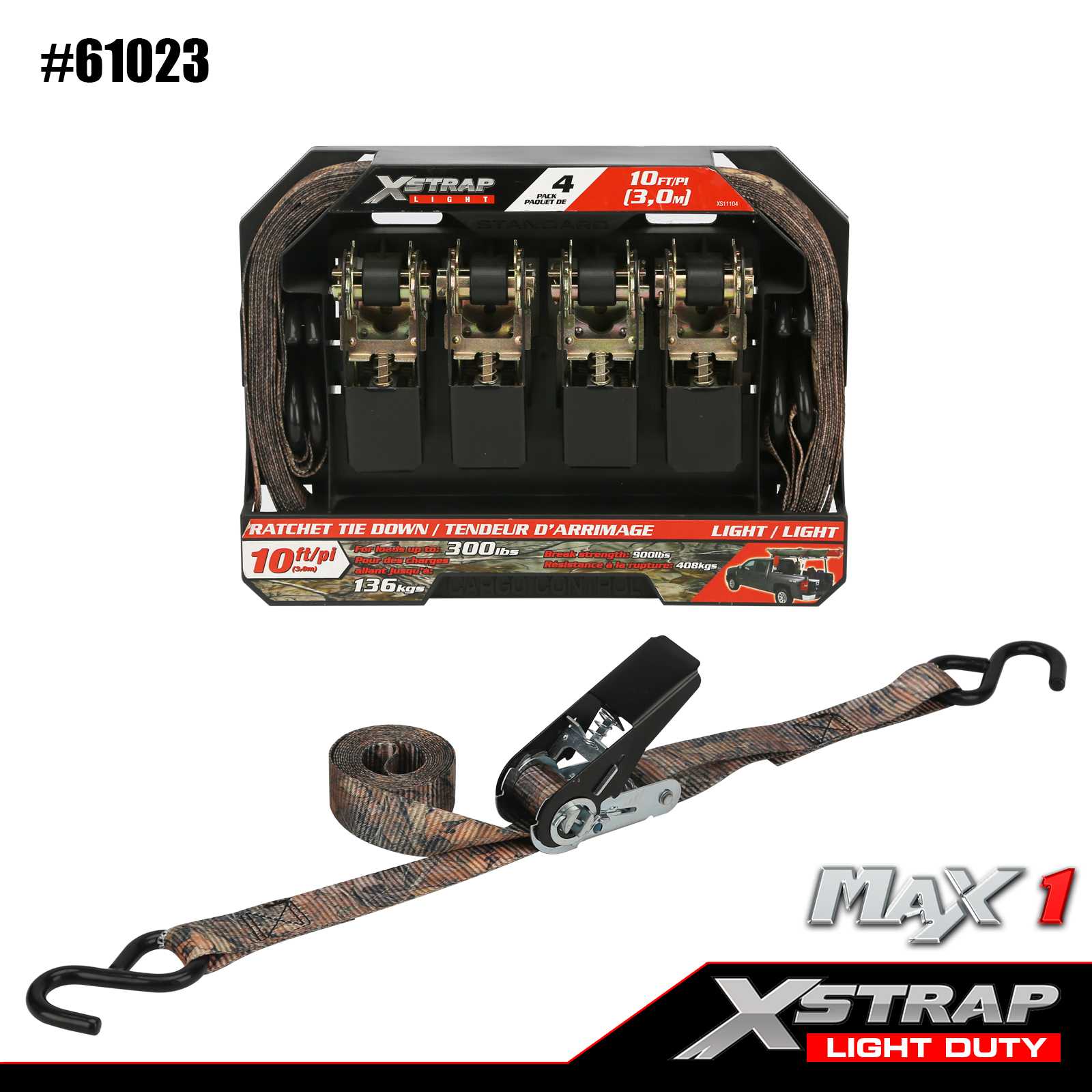
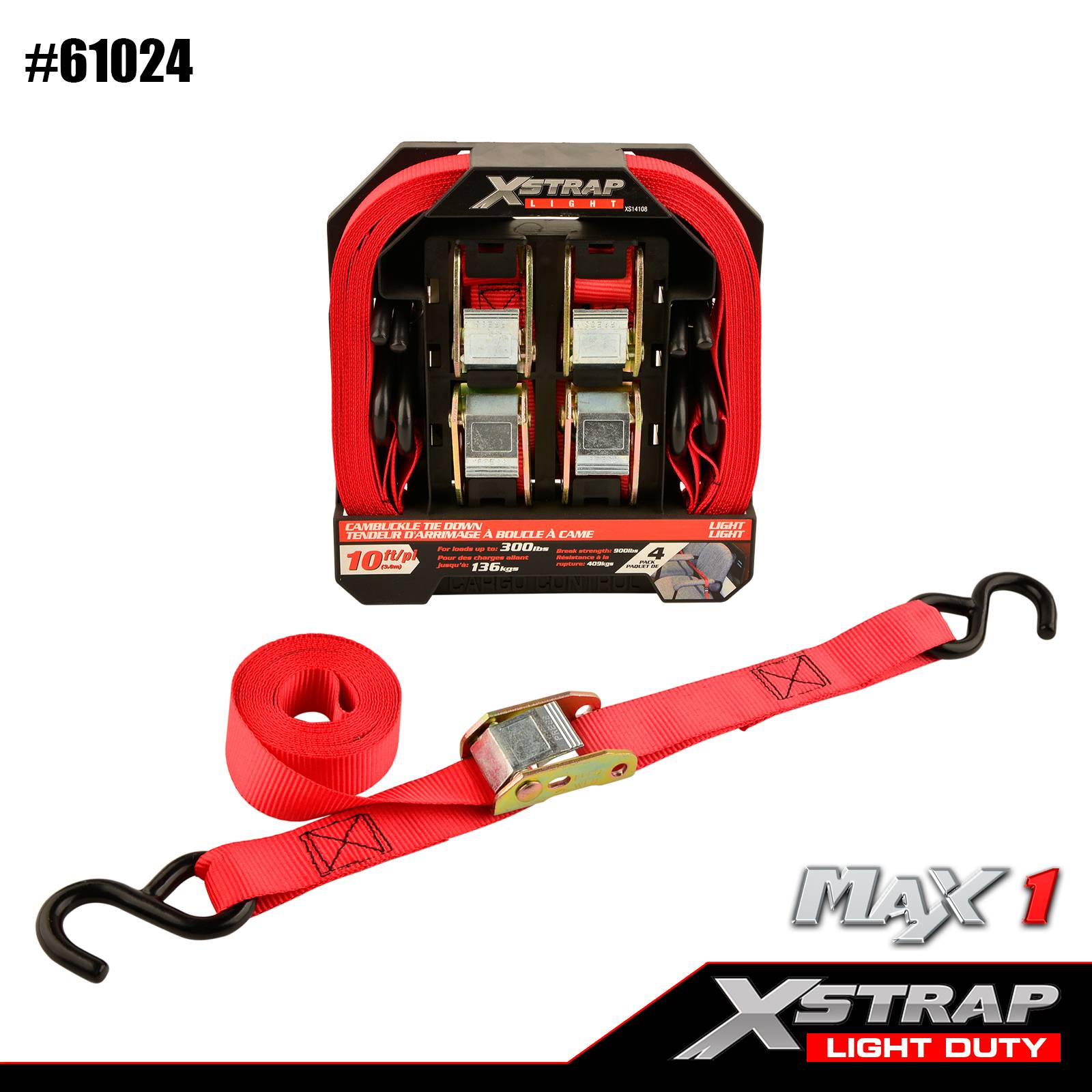
Since its establishment in 2002,
Zhangjiagang SMK MFG. Co., Ltd.
has specialized in cargo securing and control products, with over 20 years of experience in R&D and global export. The company is China Ratchet Tie Down Light Duty Manufacturers and Custom Ratchet Tie Down Light Duty Suppliers, and operates three factories and a large-scale warehouse center, forming an efficient international supply network.
SMK's product range includes tie-down straps, bungee cords, tow straps, lifting slings, hoists, and 4x4 accessories, widely used in transportation, logistics, outdoor, and industrial sectors. Its in-house brand XSTRAP enjoys strong recognition in global markets, alongside flexible OEM/ODM services for customized needs.
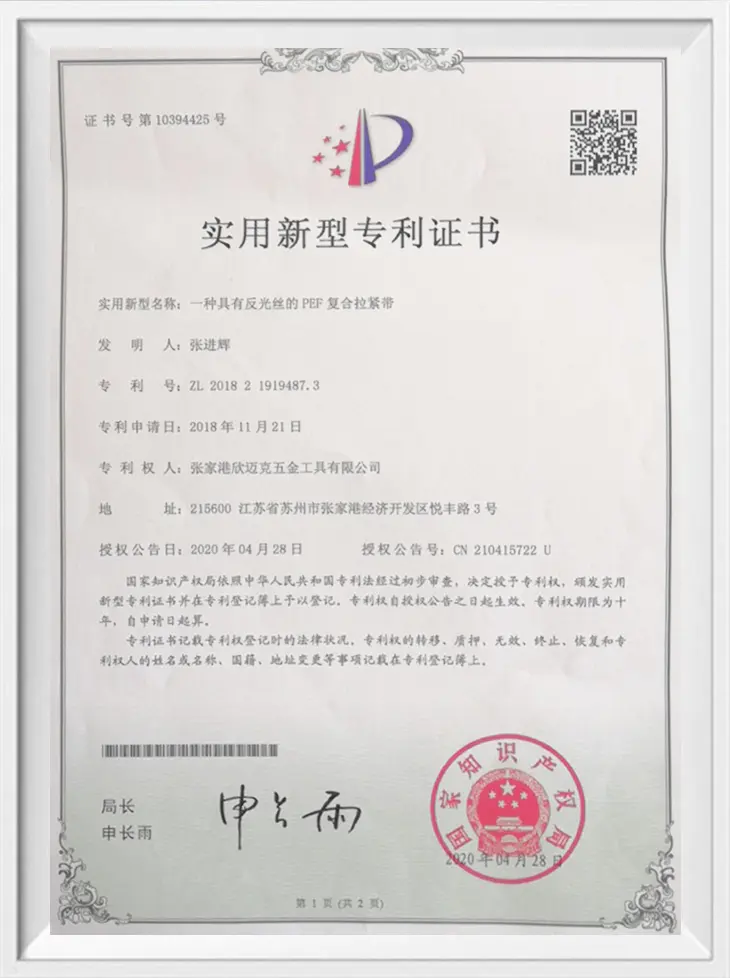
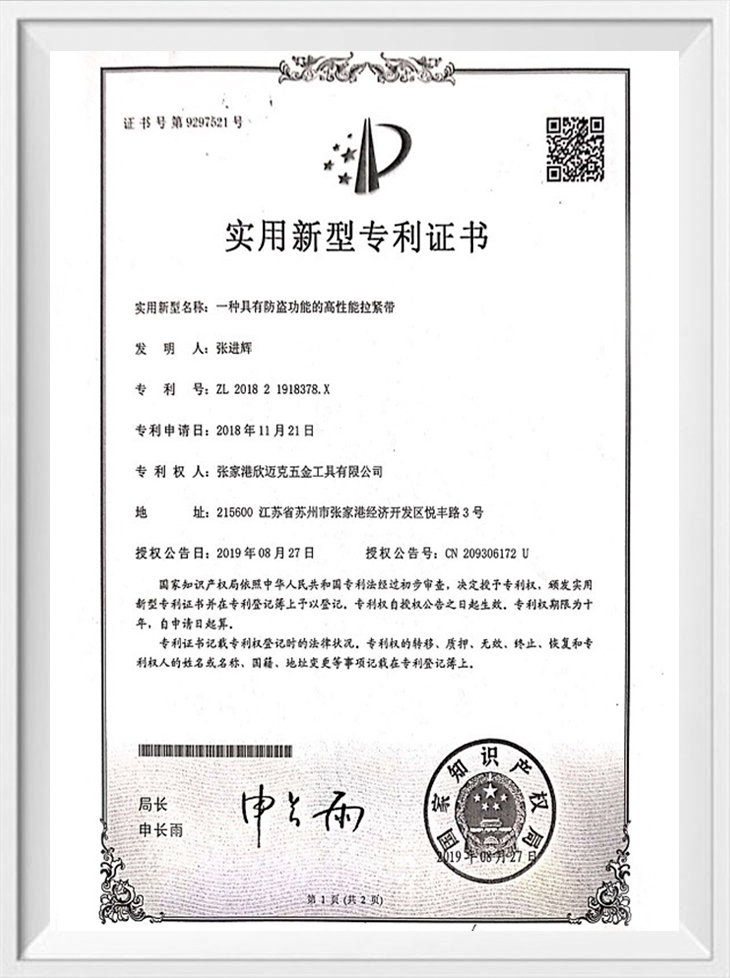
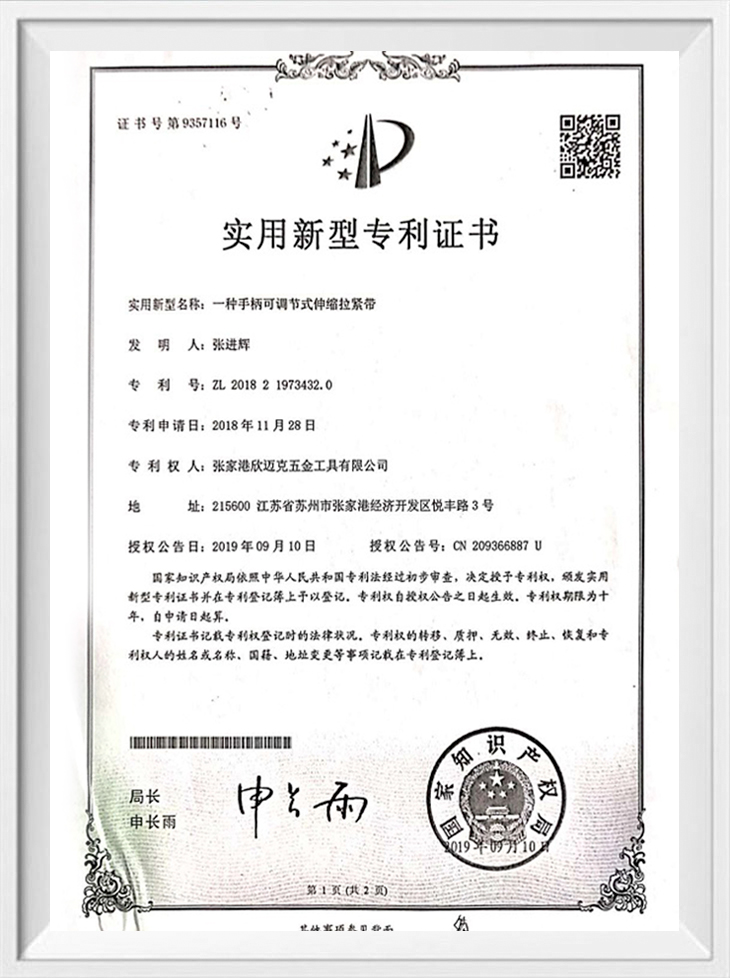
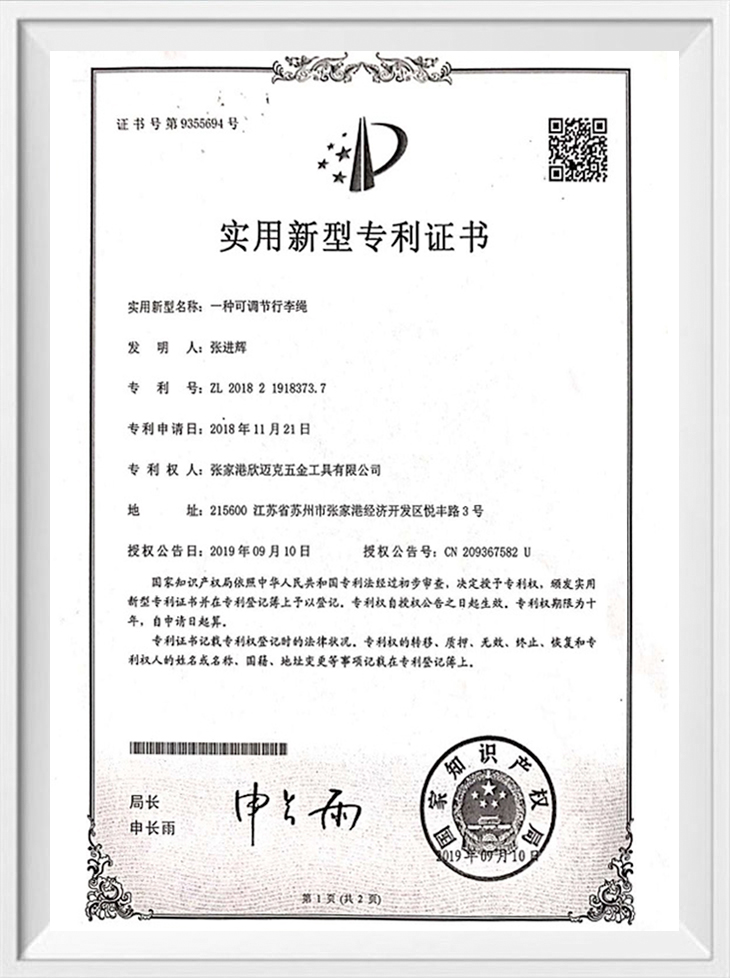
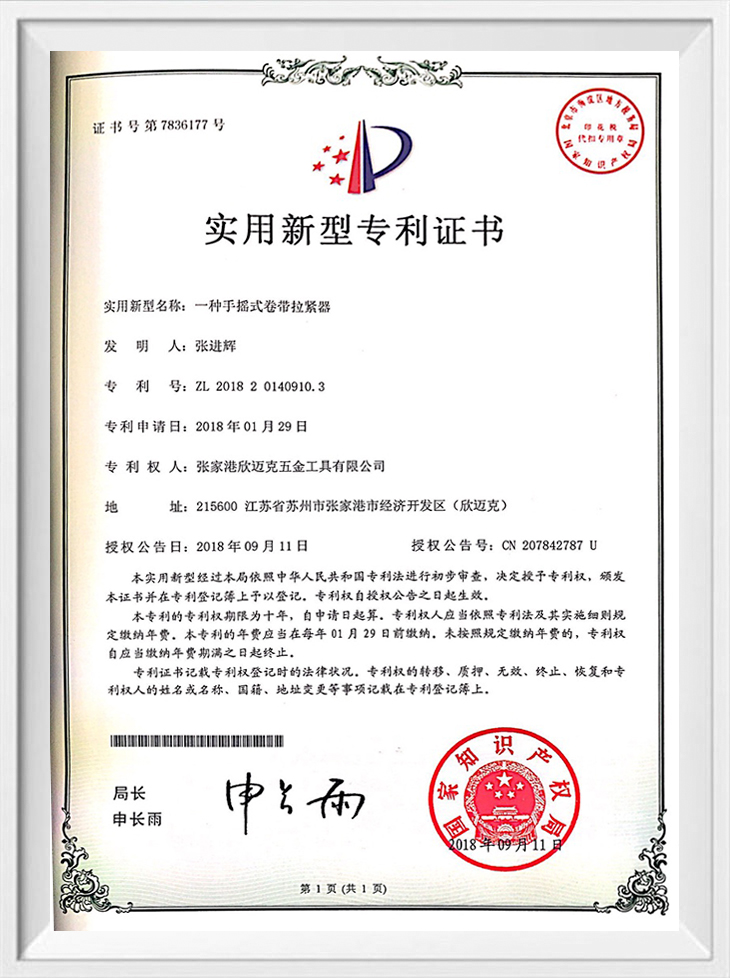
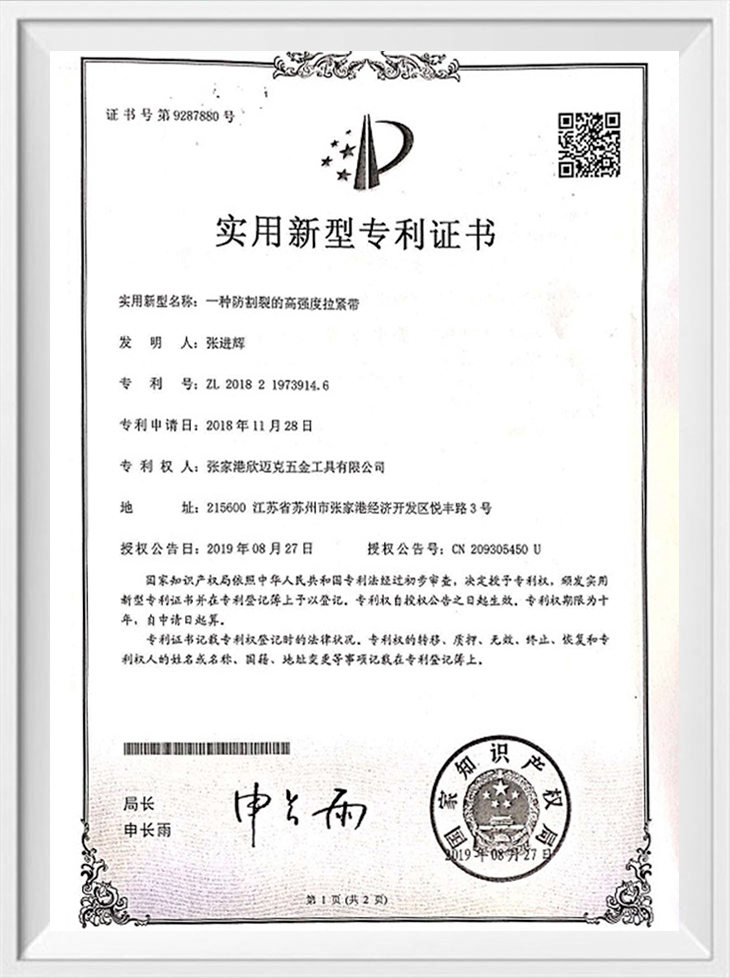
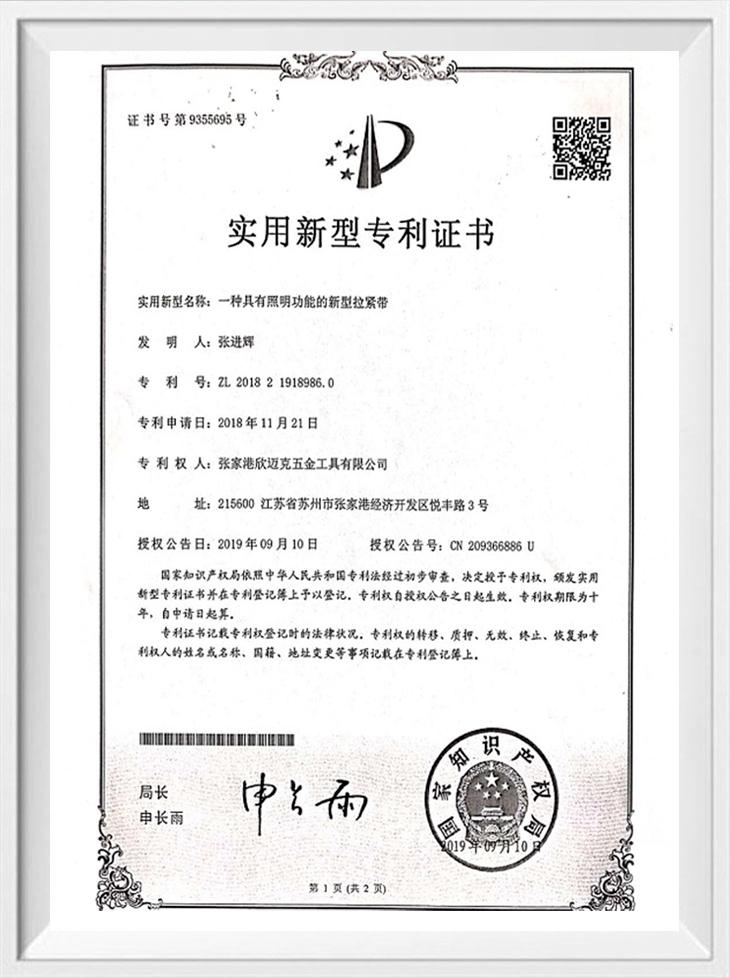
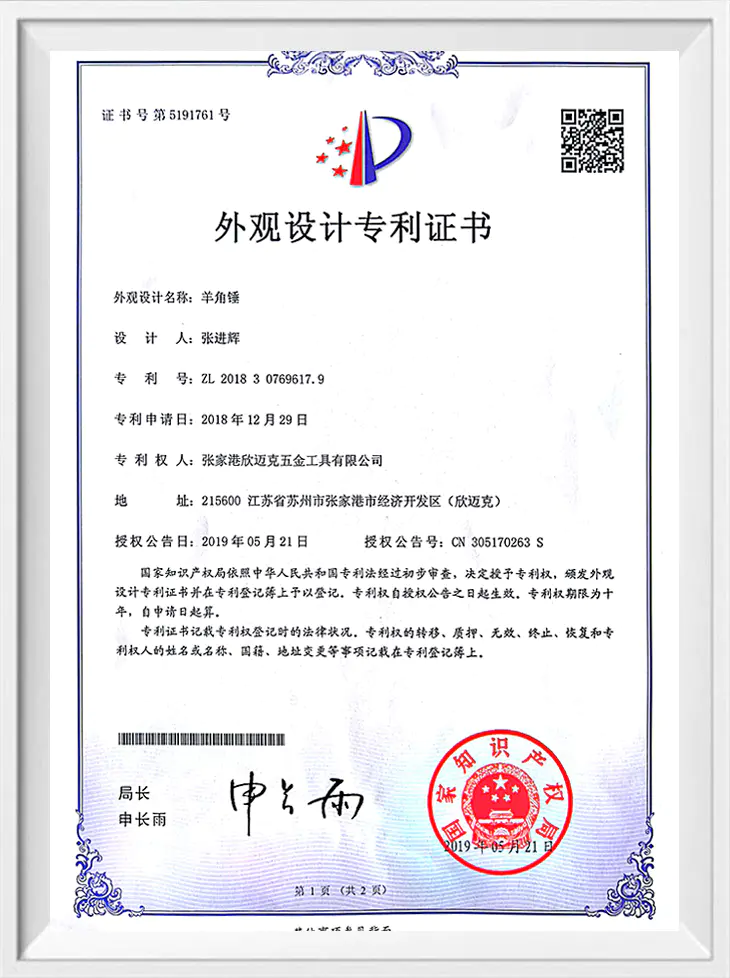
With over 8,000 sqm of production space, SMK is equipped with advanced automated lines and in-house testing labs, ensuring full-process quality control from raw material to finished goods. The company is ISO 9001 certified, SMETA audited, and has passed C-TPAT anti-terrorism inspections and multiple GS and patent certifications.
Looking ahead, SMK will continue to upgrade its cargo control systems, stay close to customer needs, and provide high-quality, efficient products and services worldwide.
Product
-
New Products
- Flatbed Solutions
- Interior Van Solutions
- Utility Tie down and Bungee Cord
- Auto Transport and Towing Solutions
- Lifting Solutions
- Tie Down Hardware
-
TUV&GS Certificated Tie Down and Bungee Cord
-
Towing & Rigging
-
4×4 Off-Road & Trailers
contact
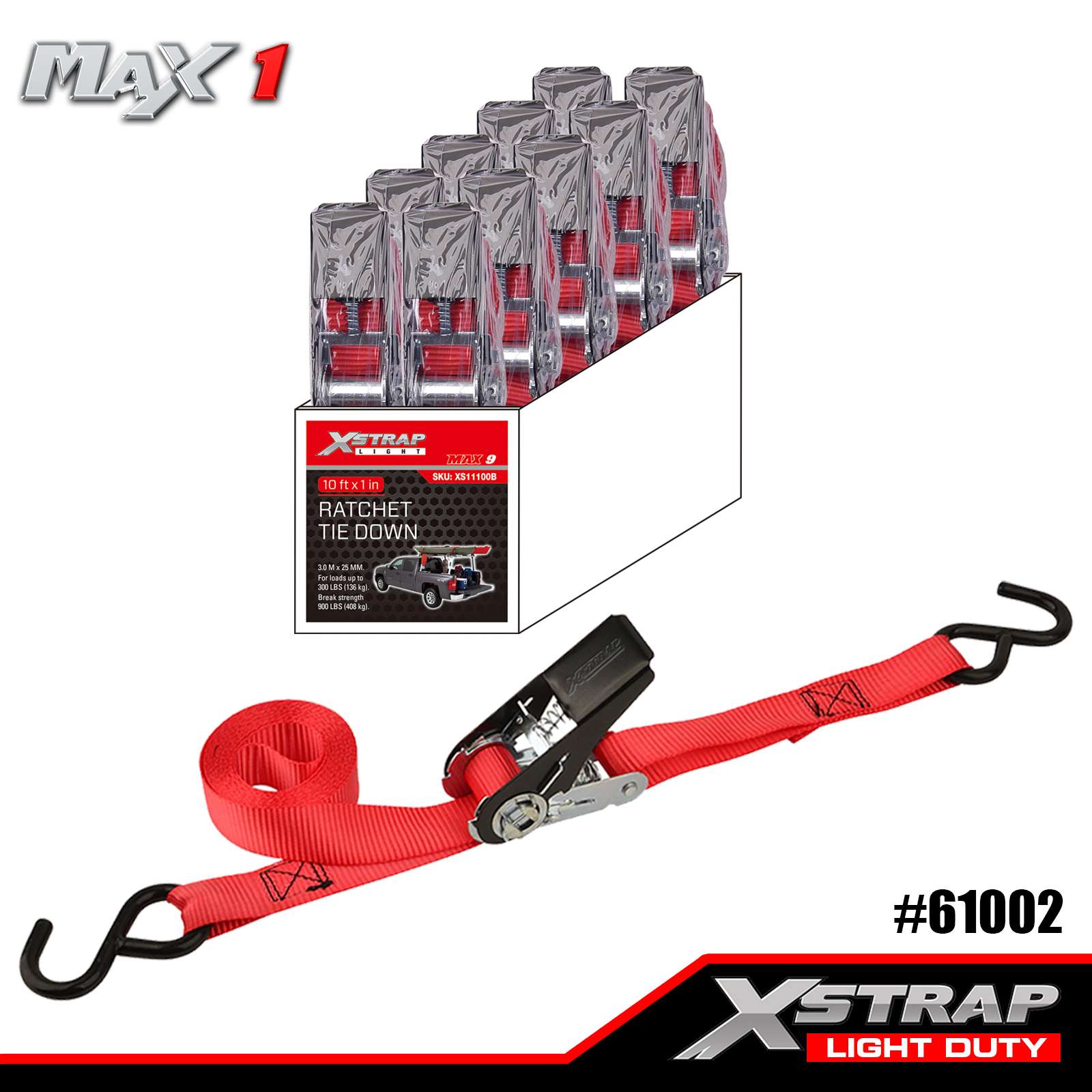
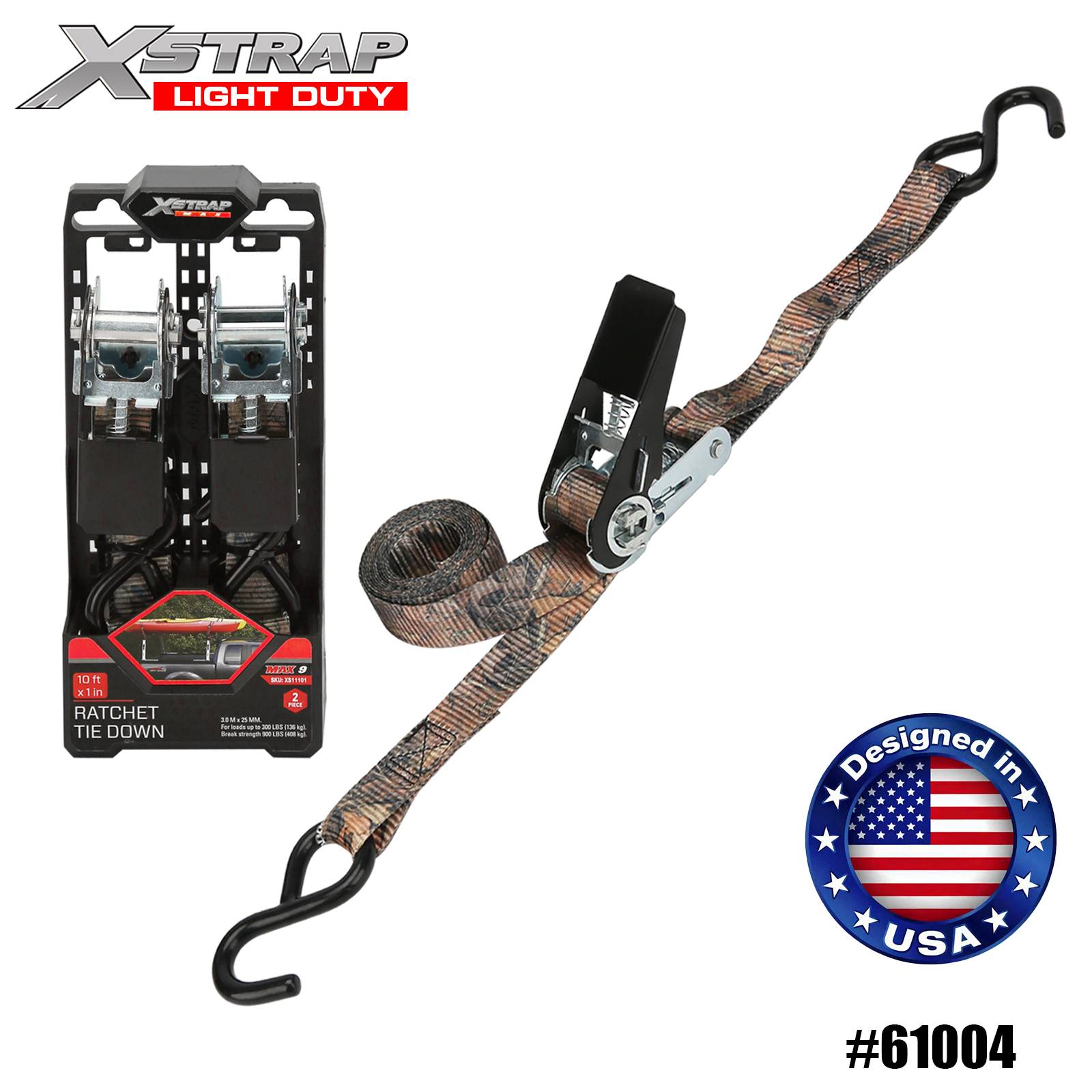
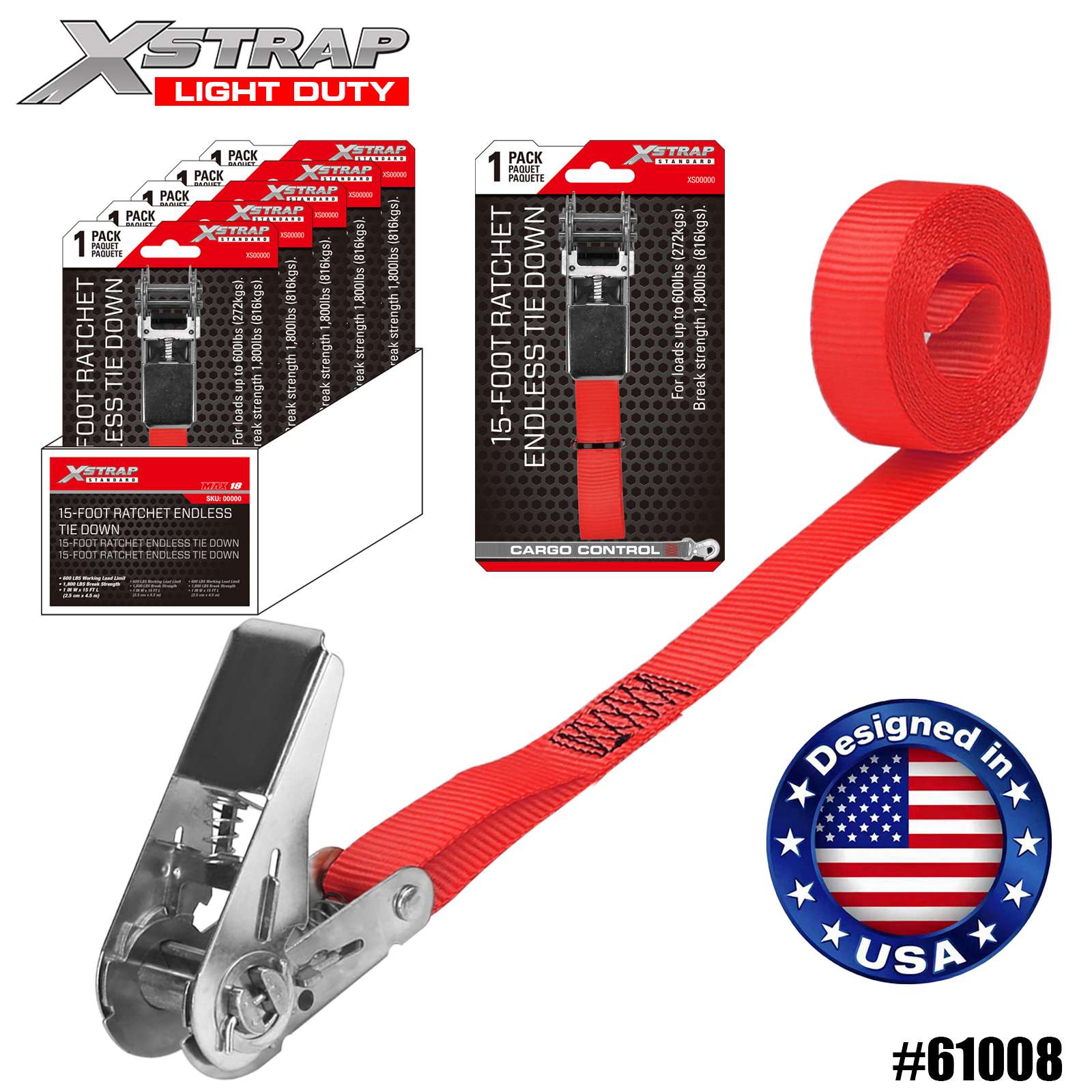
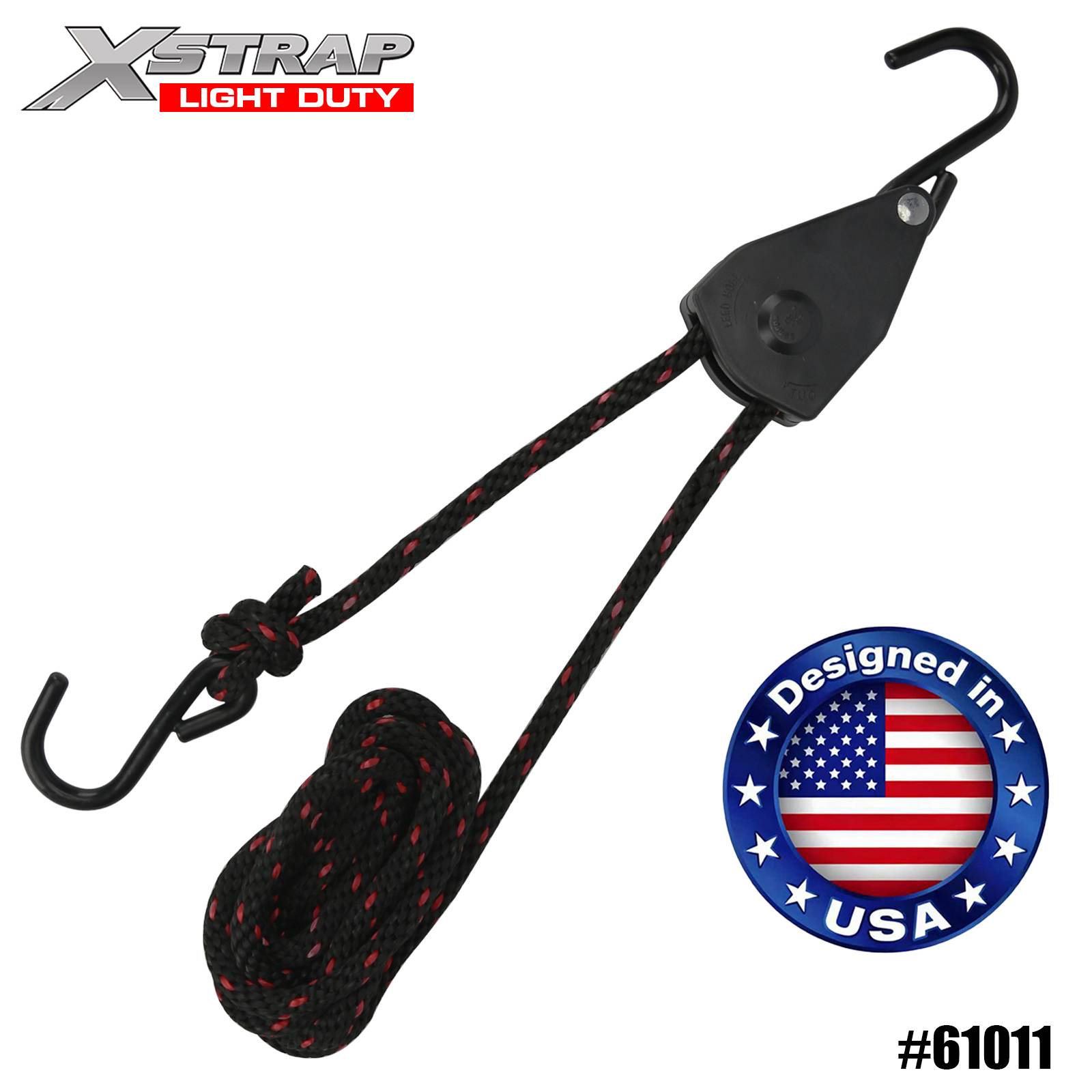
Wholesale and manufactures of Ratchet Tie Down Light Duty consumer grade
Company Profile
Zhangjiagang SMK MFG. Co., Ltd.
News
-
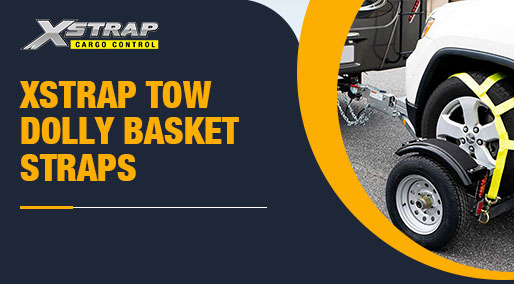
Understanding the Role of Tow Dolly Basket Straps in Vehicle Transport In the field of vehicle transport, Tow Dolly Basket Straps are recognized as one of the safest and most stable securing tools ava...
READ MORE -
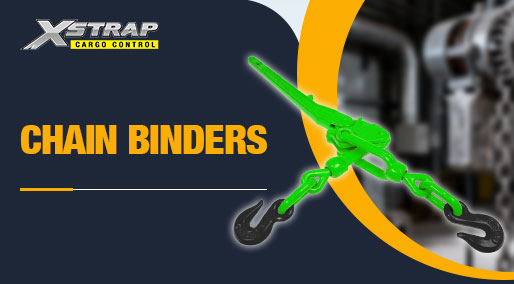
1. Understanding the Role of Chain Binders in Load Securement In the world of heavy transportation, Chain Binders are essential tools for ensuring cargo stability. They utilize either a lever principl...
READ MORE -
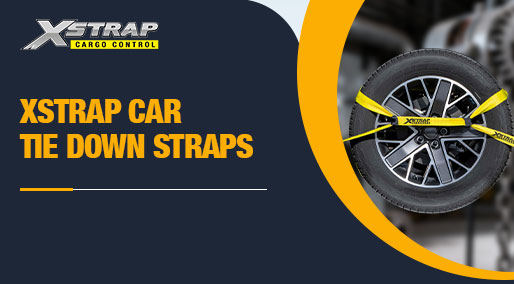
Understanding the Role of Car Tie Down Straps in Vehicle Transport Safety is the primary consideration when transporting a vehicle. Although standard cargo straps may look similar to Car Tie Down Stra...
READ MORE -
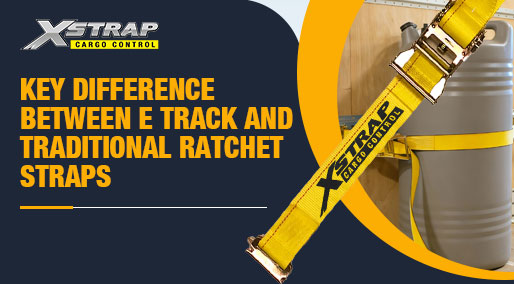
In the field of cargo transportation, securing loads is crucial to ensure the safety of both the cargo and the vehicle. Over the years, ratchet straps have been widely used to secure loads. However, w...
READ MORE
Certificate Of Honor
Ratchet Tie Down Light Duty Industry knowledge
What are the Common Materials and Surface Treatments for Ratchet Tie Down Light Duty Mechanisms?
The performance, safety, and durability of the core component—the Ratchet Mechanism—directly determine the service life and securing effectiveness of Ratchet Tie Down Light Duty. As a cargo control expert with over 20 years of experience, SMK deeply understands the importance of this mechanism.
I. Common Materials and Performance Considerations for Light Duty Ratchet Mechanisms
Light duty mechanisms are primarily used in applications with relatively low Working Load Limit (WLL). Material selection balances strength, corrosion resistance, and cost-effectiveness.
1. Zinc Alloy
- Characteristics and Application: Zinc alloy is one of the most common materials, offering excellent casting performance suitable for high-volume automated production and helping to reduce overall product weight.
- SMK Advantage: Leveraging our over 8,000 sqm production space and advanced automated lines, SMK maximizes the efficiency and precision of zinc alloy casting. This ensures smooth gear engagement and comfortable handle operation, while effectively controlling production costs to offer competitive prices globally.
2. Steel (Carbon Steel/Alloy Steel)
- Characteristics and Application: Carbon or alloy steel is chosen for light duty applications requiring higher strength or Break Strength (B.S.). Steel provides superior mechanical strength and resistance to deformation.
- Quality Control: SMK's internal testing labs conduct rigorous analysis on all raw materials, ensuring the steel meets international standards like European EN 12195-2 for strength and durability. This commitment is the foundation of our ISO 9001 and multiple GS certifications.
II. Crucial Surface Treatments for Ratchet Mechanisms
While material provides base strength, Surface Treatment is key to the mechanism's corrosion resistance and longevity, especially in outdoor or humid environments.
1. Zinc Plating (Galvanization)
- Principle and Advantages: The most common method, forming a zinc layer electrochemically. Zinc acts as a sacrificial anode, corroding preferentially to protect the underlying steel and effectively preventing rust.
- Types and Selection: Zinc plating can be Blue-White Zinc or Colorful (Yellow) Zinc; the latter typically offers stronger salt spray resistance.
- SMK Quality Assurance: SMK strictly controls the uniformity of the zinc layer thickness. This rigorous quality control system helps us pass the SMETA audit and C-TPAT anti-terrorism inspection, supporting our efficient international supply network.
2. Chrome Plating
- Characteristics and Limitations: Provides a high-gloss finish and good wear resistance, but is less common for light duty straps due to cost, primarily used for highly aesthetic custom products.
3. Powder Coating
- Principle and Customization: Forms a polymer layer, offering excellent corrosion resistance and impact protection, while allowing for easy custom color matching.
- XSTRAP Brand Implementation: SMK utilizes powder coating for flexible OEM/ODM services or to customize unique colors for our XSTRAP brand series, aiding market differentiation.
III. How SMK Ensures the Long-term Reliability of Light Duty Ratchet Mechanisms
Our expertise extends to the pursuit of full-process quality control:
- Dynamic Testing and Wear Assessment: SMK's in-house labs perform cyclic durability tests to simulate repeated use, assessing wear and ensuring the ratchet's Release Mechanism remains safe and reliable throughout its life cycle.
- Supply Chain Management: Our efficient international supply network—supported by three factories and a large warehouse—secures high-quality raw materials, preventing failures and enabling full-process quality control from raw material to finished product.
- Compliance and Safety: All ratchet designs adhere to strict ergonomic and safety standards, ensuring ease of use and automatic locking when fully tensioned to prevent accidental release, fulfilling SMK's mission to "upgrade cargo control systems."
What are the Special Operational Tips and Protective Measures When Securing Fragile or Delicate Cargo with Ratchet Tie Down Light Duty?
When handling fragile or delicate cargo (e.g., electronics, fine furniture), standard tie-down methods can cause damage through over-tensioning or webbing friction. SMK understands that safe securing is about precise control. We provide professional advice to ensure cargo is transported safely and without damage.
I. Pre-Tensioning Preparation: Precise Assessment and Selection
1. Scientific Selection of WLL and B.S. (Working Load Limit and Break Strength)
- SMK Professional Advice: Choose a light duty strap with an appropriate WLL—just enough to secure the load without easily applying excessive tension. SMK's automated production lines and internal testing labs ensure high-precision tensioning control, providing a reliable safety foundation.
2. Webbing Material and Width Optimization
- Material Flexibility: Polyester is ideal, offering strength with low stretch and flexibility for uniform pressure distribution.
- Width Selection: Where WLL permits, choosing a wider webbing (e.g., 1.5 inches over 1 inch) helps distribute contact pressure, minimizing localized stress on the cargo. SMK offers flexible OEM/ODM services to meet custom width and strength requirements.
II. Key Operational Skills During Tensioning
Securing delicate goods relies on controlling tension force and protecting contact points.
1. Utilizing Sleeves & Corner Protectors
- Function: The Corner Protector is crucial, as it uniformly disperses the strap's pressure over a larger surface area, preventing damage to edges. Sleeves isolate the webbing from surface friction.
- SMK System Advantage: As a professional manufacturer, SMK provides a full range of cargo control accessories. We strongly recommend pairing light duty straps with our quality plastic or rubber corner protectors to form a complete cargo control system, reflecting our commitment to "upgrading cargo control systems."
2. Mastering the "Inch-by-Inch" Tensioning Principle
- Operational Tip: Use the ratchet mechanism with a series of short, small-amplitude pulls (inching), rather than one forceful pull. After each small pull, check the cargo status to ensure the strap only eliminates slack and achieves a snug hold, not over-compression.
- SMK Ratchet Advantage: SMK's ratchet designs emphasize precision and reliability. Strict control over gear mesh precision allows customers to achieve fine, controllable tensioning, preventing "accidental over-tensioning" and protecting delicate goods.
3. Avoiding Twisting at Contact Points
- Risk: A twisted or folded strap concentrates pressure, risking damage.
- Inspection: Ensure the entire length of the webbing is flat and fully spread out from anchor point to anchor point before and during tensioning, maximizing pressure distribution.
III. SMK's Full-Process Quality Assurance
SMK is committed to safety, adhering to the highest standards as an ISO 9001 and GS certified company. Our efficient international supply network and rigorous C-TPAT anti-terrorism inspection standards ensure you receive high-quality, reliable products globally.
When Should Ratchet Tie Down Light Duty Be Retired? What are the Obvious Signs of Wear or Damage That Mandate Replacement?
Any cargo control product has a finite lifespan. A failed tie-down can lead to severe accidents. SMK prioritizes safety. This guide details the mandatory retirement signals for Light Duty Ratchet Tie Downs, aligning with international standards (e.g., EN 12195-2), and highlighting how SMK ensures long-term reliability.
I. Webbing Retirement Signs: Warnings of Compromised Load Capacity
1. Fiber Cuts and Tears
- Signs: Visible transversal or longitudinal cuts, or fibers severed by sharp objects.
- Retirement Standard: Any visible cut, even minor, must result in immediate retirement.
- SMK Quality Assurance: We recommend using SMK's Corner Protectors to shield the webbing from sharp edges, the most effective preventative measure.
2. Chemical Corrosion and Heat Damage
- Signs: Webbing appears hardened, discolored, locally brittle, or shows signs of melting from contact with heat sources or corrosive substances.
- Retirement Standard: Chemicals can corrode the internal structure of the fibers, causing irreversible strength loss.
- SMK Professional Advice: If the webbing has been exposed to chemicals or extreme heat, it should be retired immediately to maintain the safety performance promised by the XSTRAP series.
3. Excessive Abrasion and Fraying
- Signs: Excessive pilling, fraying, or exposure of inner core fibers, especially in areas frequently contacting anchor points or cargo surfaces.
- Retirement Standard: When abrasion exceeds 10% of the webbing's thickness, or results in visibly thinned fibers, the strap must be retired.
II. Metal Component Retirement Signs: Risk of Functional Failure
1. Deformation or Functional Impairment of the Ratchet Mechanism
- Signs: The ratchet handle or body shows bending, cracking, or significant corrosion. The gear mechanism fails to lock or release smoothly.
- Retirement Standard: Retirement is mandatory if the ratchet's locking function is unreliable (cannot maintain tension) or if any metal part shows cracks.
- SMK Advantage: SMK's mechanisms undergo strict cyclic durability testing. As an ISO 9001 and GS certified company, we ensure the precision of critical components to maintain reliable operation throughout the service life.
2. Deformation and Excessive Wear of Hooks
- Signs: The hook opening is stretched, the tip is severely worn, or the hook shows twisting or cracks.
- Retirement Standard: If the hook's twist or opening exceeds 5% of the original design, or if any visible crack appears, it must be retired immediately.
III. Label and Marking Retirement Signs: Regulatory Compliance Assurance
Label Damage: Missing Information is Risk
- Signs: The label is illegible, faded, or missing. Critical information such as Working Load Limit (WLL) cannot be identified.
- Retirement Standard: The label is the only legal basis for safety specifications. If the WLL information is unreadable, the tie-down is non-compliant for commercial transport and must be retired.
Which Loading Environments or Vehicle Types are Suitable for Different Hook Types of Ratchet Tie Down Light Duty?
The effectiveness of Light Duty Ratchet Tie Downs crucially depends on the suitability of the end fitting—the Hook—to the loading environment. SMK, with over 20 years of global expertise, is committed to providing the "just-right" solution. This guide details the common hook types and their best applications.
I. The Most Versatile Choice: S-Hook
- Structural Features: Typically made from bent wire or stamped flat steel, with an open throat. Often features a Vinyl Coating for added safety.
- Suitable Environment/Vehicles: Ideal for general, recreational, and small commercial hauling, such as small pickup trucks, cargo trailers, ATV/UTV transport, or home trailers.
- Anchor Point Types: Best for attaching to round bars, railings, chains, or ring anchors.
- SMK Advantage: SMK ensures the coating thickness and adhesion of S-Hooks, especially in our XSTRAP brand series, not only protects against scratching but also offers superior weather resistance vital for light duty outdoor use.
II. The Stability Enforcer: Double J-Hook
- Structural Features: The dual parallel J-shape provides double support points, making the hook far less likely to disengage under tension.
- Suitable Environment/Vehicles: Used for light duty cargo requiring higher stability, such as furniture or sports gear. Suitable for closed vans, small box trucks, and utility trailers.
- Anchor Point Types: Best for vehicle floor slots, side wall tie-down track openings (E-Track/L-Track), or structured rectangular anchor points.
- Professional Advice: SMK ensures the stitching and metal-to-webbing connections for Double J-Hooks meet or exceed the hook's Break Strength (B.S.), showcasing our high-standard manufacturing capabilities under the ISO 9001 system.
III. The Specialist for Deck Systems: Flat Hook
- Structural Features: Features a wide, flat contact surface, often angled, designed specifically to grip fixed side rails or edges.
- Suitable Environment/Vehicles: Primarily for Flatbed Trailers side rails, large trucks side tracks, or the bottom beams of box trucks.
- Anchor Point Types: Best for securing to flat edges, rub rails, or pockets.
- Advantage: Flat Hooks disperse pressure more evenly due to the large contact area. SMK's 8,000 sqm production space and advanced stamping ensure the geometric precision and edge smoothness of the hook for a perfect, secure fit under tension.
IV. Special Connections and Customization Services
- Snap Hooks: Features a safety clasp to prevent accidental release in high-vibration environments.
- Wire Loop: Used for special anchor points where standard hooks cannot be utilized, connecting via the strap's looped end.
As a provider of flexible OEM/ODM services, SMK ensures our light duty ratchet tie downs are a reliable component of our customers' cargo control systems, delivered with high quality and efficiency through our established international supply network.
-
 +86-18112697781qindan355@gmail.comNo. 21 Yuefeng Road, Yangshe Town, Zhangjiagang City, Suzhou City, Jiangsu Province
 -
Quick Links
Social Media
-
OEM Partner
-


Copyright © 2025 Zhangjiagang SMK MFG. Co., Ltd. All rights reserved.
 Custom Ratchet Tie Down Light Duty Manufacturers
Custom Ratchet Tie Down Light Duty Manufacturers