
 English
 Français
 Español


Since its establishment in 2002,
Zhangjiagang SMK MFG. Co., Ltd.
has specialized in cargo securing and control products, with over 20 years of experience in R&D and global export. The company is China Adjustable Bungee Cords Manufacturers and Custom Adjustable Bungee Cords Suppliers, and operates three factories and a large-scale warehouse center, forming an efficient international supply network.
SMK's product range includes tie-down straps, bungee cords, tow straps, lifting slings, hoists, and 4x4 accessories, widely used in transportation, logistics, outdoor, and industrial sectors. Its in-house brand XSTRAP enjoys strong recognition in global markets, alongside flexible OEM/ODM services for customized needs.
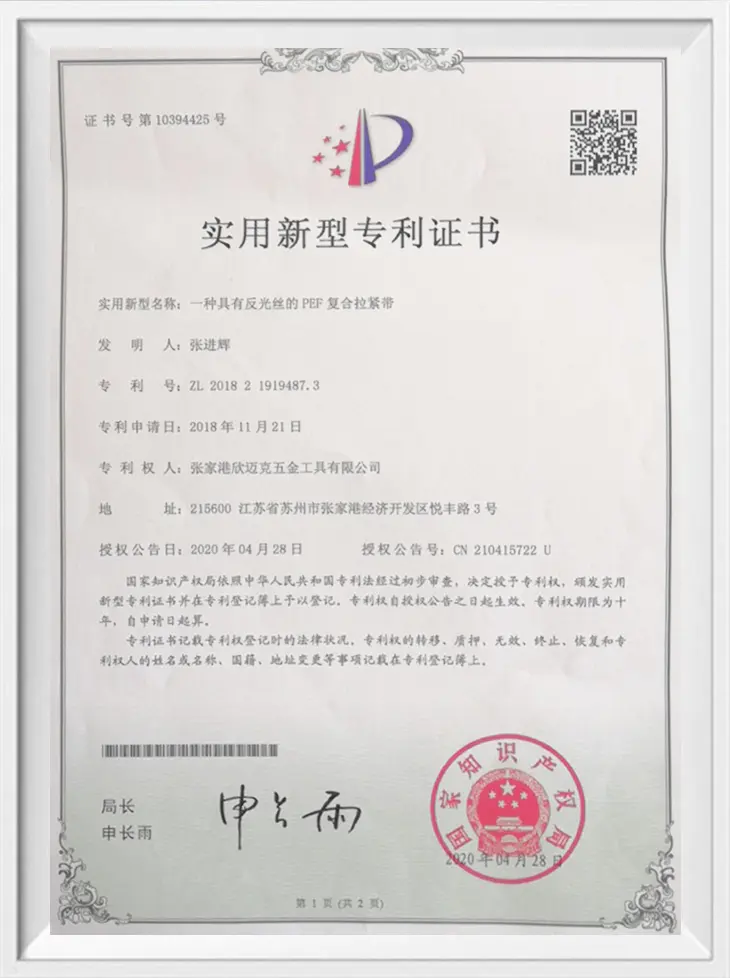
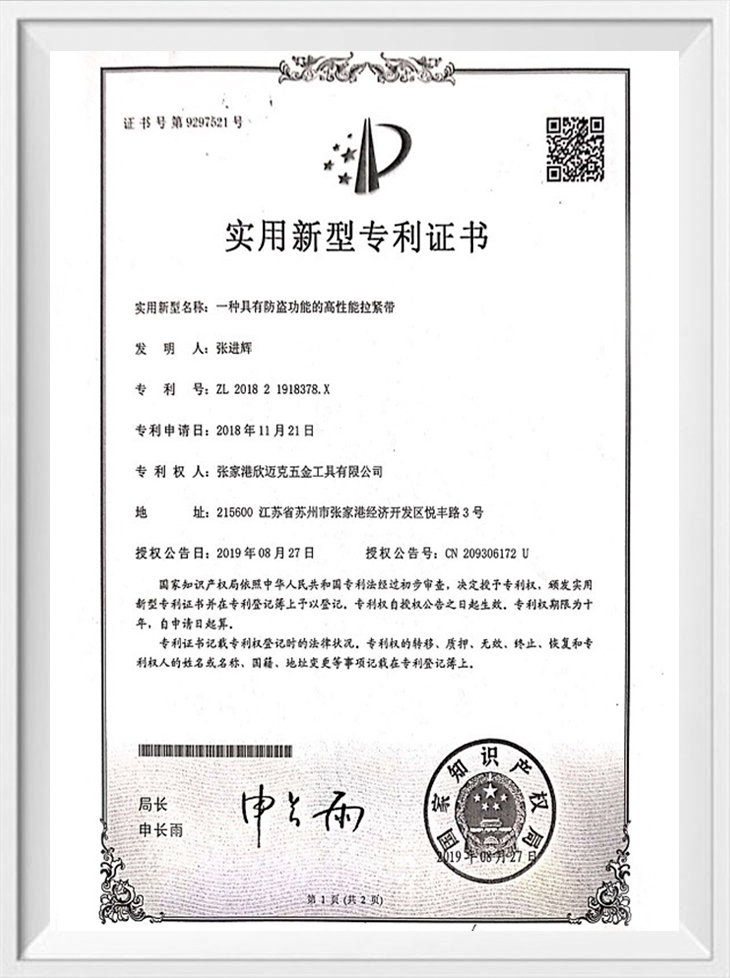
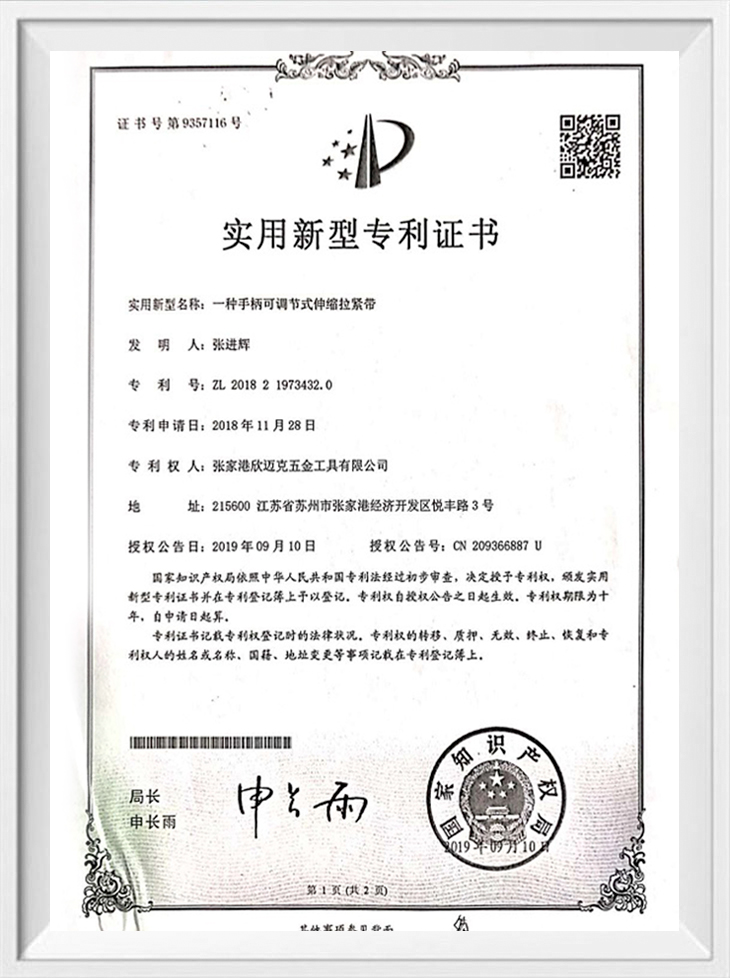
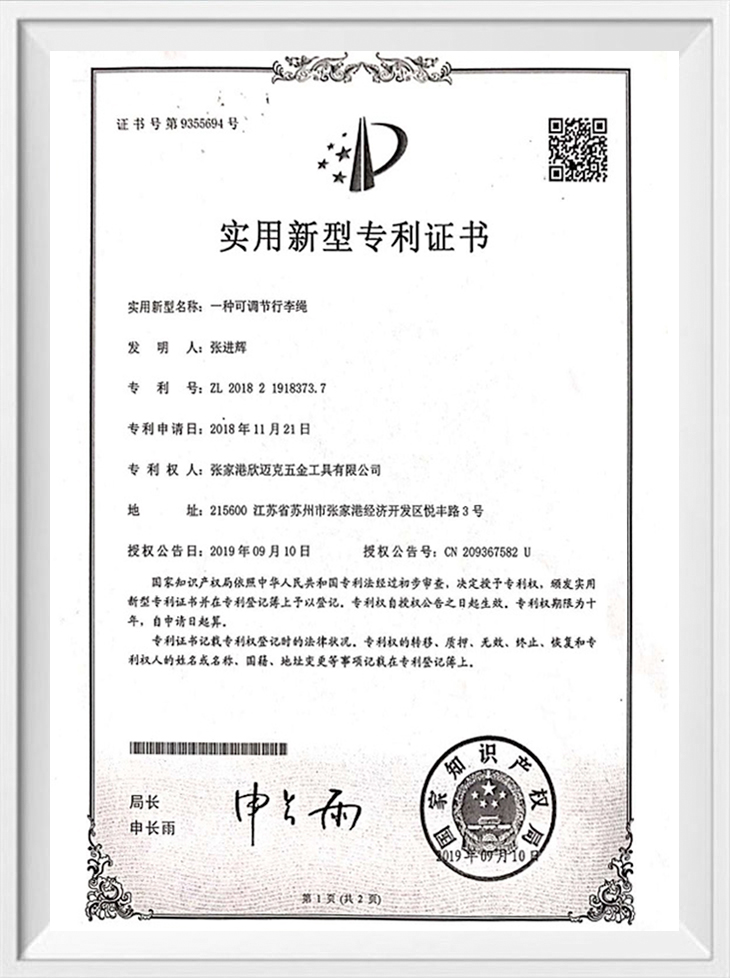
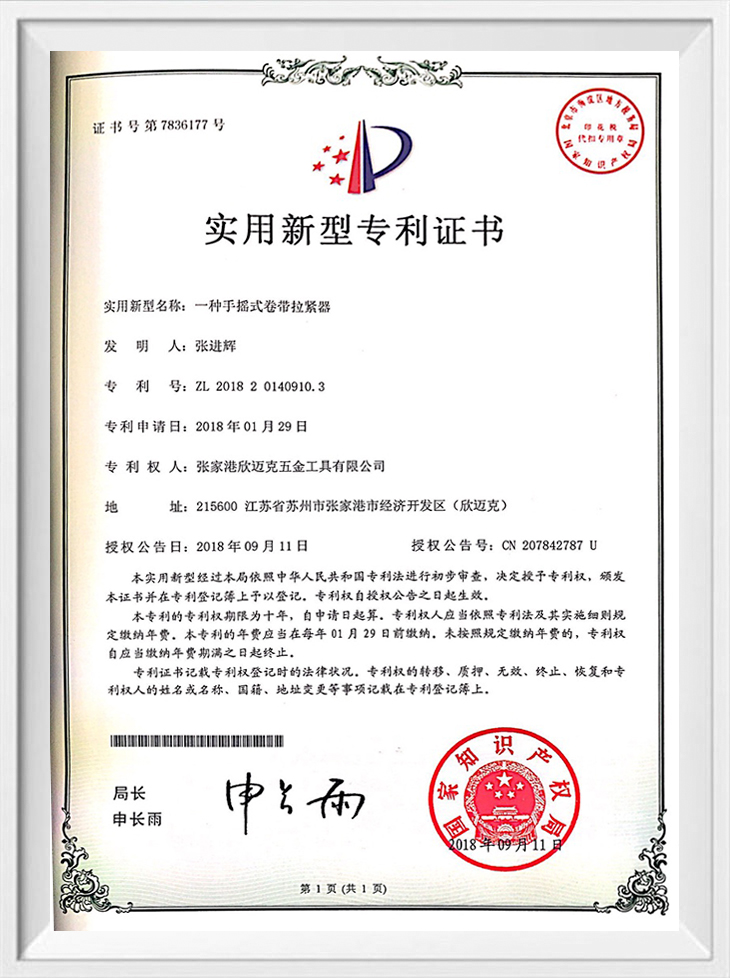
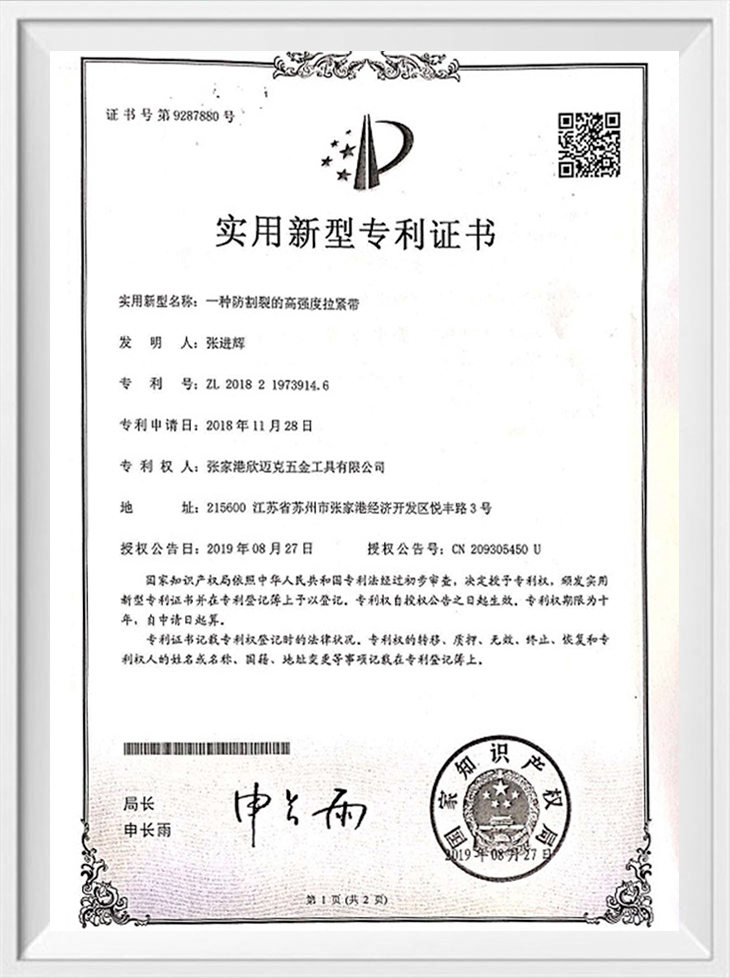
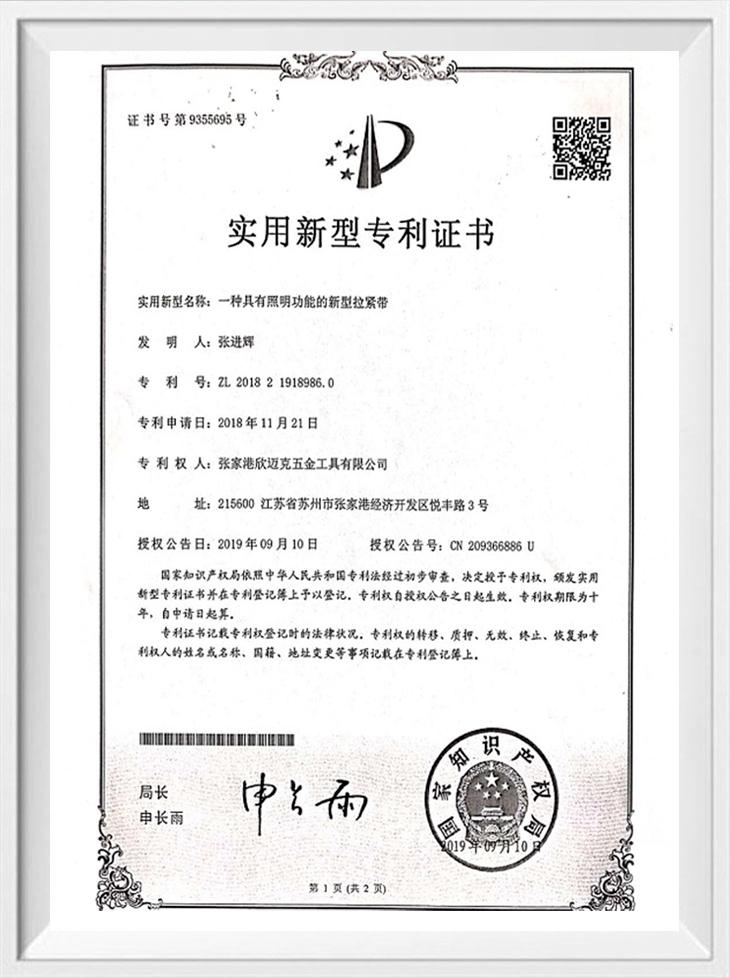
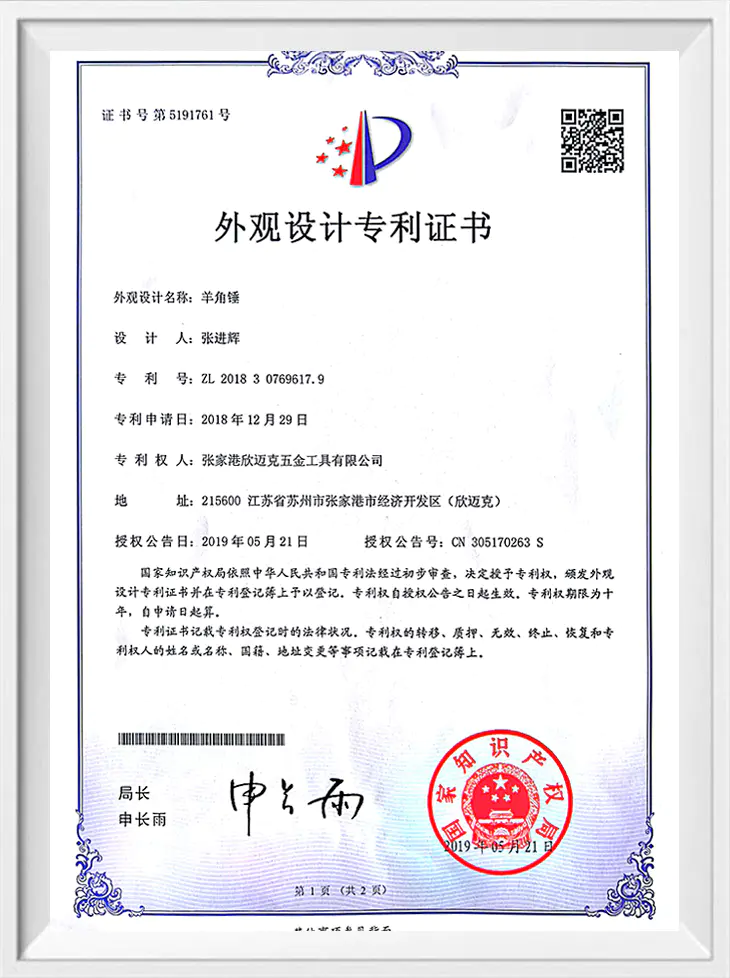
With over 8,000 sqm of production space, SMK is equipped with advanced automated lines and in-house testing labs, ensuring full-process quality control from raw material to finished goods. The company is ISO 9001 certified, SMETA audited, and has passed C-TPAT anti-terrorism inspections and multiple GS and patent certifications.
Looking ahead, SMK will continue to upgrade its cargo control systems, stay close to customer needs, and provide high-quality, efficient products and services worldwide.
Product
-
New Products
- Flatbed Solutions
- Interior Van Solutions
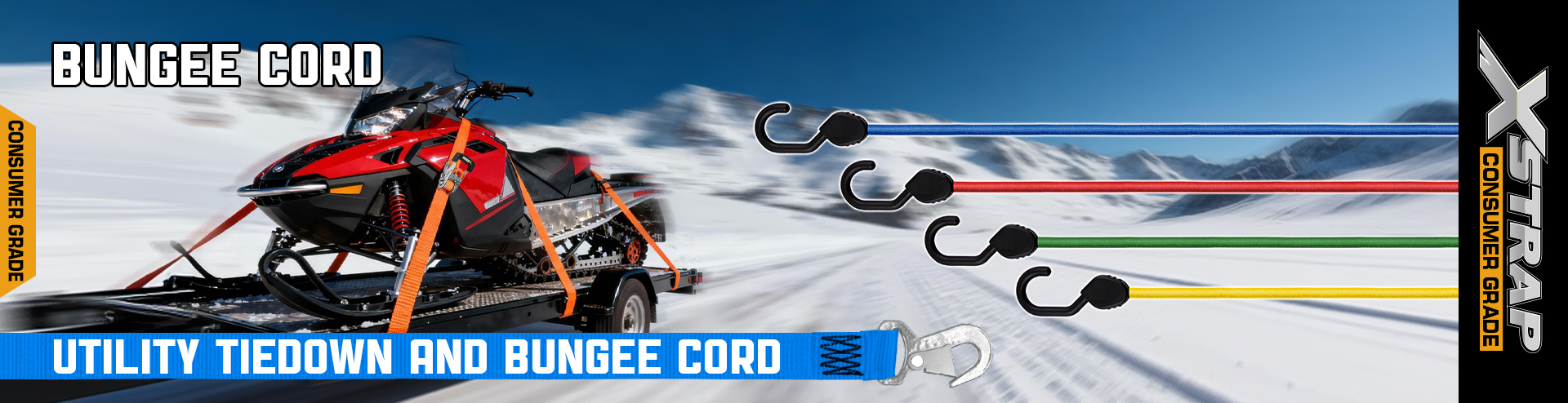
- Utility Tie down and Bungee Cord
- Auto Transport and Towing Solutions
- Lifting Solutions
- Tie Down Hardware
-
TUV&GS Certificated Tie Down and Bungee Cord
-
Towing & Rigging
-
4×4 Off-Road & Trailers
contact
Wholesale and manufactures of adjustable bungee cords consumer grade
Company Profile
Zhangjiagang SMK MFG. Co., Ltd.
News
-

Understanding the Role of Tow Dolly Basket Straps in Vehicle Transport In the field of vehicle transport, Tow Dolly Basket Straps are recognized as one of the safest and most stable securing tools ava...
READ MORE -

1. Understanding the Role of Chain Binders in Load Securement In the world of heavy transportation, Chain Binders are essential tools for ensuring cargo stability. They utilize either a lever principl...
READ MORE -

Understanding the Role of Car Tie Down Straps in Vehicle Transport Safety is the primary consideration when transporting a vehicle. Although standard cargo straps may look similar to Car Tie Down Stra...
READ MORE -
In the field of cargo transportation, securing loads is crucial to ensure the safety of both the cargo and the vehicle. Over the years, ratchet straps have been widely used to secure loads. However, w...
READ MORE
Certificate Of Honor
Bungee Cord Industry knowledge
What materials are bungee cords generally made of and what are their main uses?
Common Materials Used in Bungee Cords
Bungee cords are primarily made from elastic materials that allow them to stretch and return to their original shape. The core of most bungee cords consists of natural rubber or synthetic rubber strands, which provide the fundamental elasticity. Natural rubber is known for its flexibility and resilience, while synthetic rubber such as latex blends can enhance durability and resistance to environmental influences. Surrounding this elastic core, manufacturers often use a woven outer sheath made of polyester, polypropylene, or nylon. This sheath protects the rubber strands from abrasion, ultraviolet radiation, and moisture, thereby extending the lifespan of the cord. Polyester is valued for its strength and low stretch, polypropylene is lightweight and resistant to mildew, and nylon offers toughness with some flexibility. By combining these materials, bungee cords achieve a balance of elasticity, durability, and protection that suits different usage scenarios.
Role of the Elastic Core in Bungee Cords
The elastic core is the most critical component of a bungee cord. It is responsible for the stretch and rebound properties that make the product functional. When tension is applied, the rubber strands extend and then contract once the load is released. This ability to absorb shock and adapt to varying levels of force makes bungee cords versatile in cargo securing and other applications. Natural rubber cores tend to offer high elasticity, whereas synthetic cores can be tailored to provide specific levels of tension or enhanced environmental resistance. In practical terms, the core determines how much weight the cord can handle and how effectively it can hold items in place without permanent deformation.
Protective Outer Sheath Characteristics
The woven outer sheath is designed to protect the rubber core from external wear and tear. Its construction often includes tightly braided fibers, ensuring that the elastic strands are shielded from mechanical damage and sunlight. Polyester sheaths are commonly used in transportation and logistics because they resist stretching and provide consistent support. Nylon sheaths can handle abrasion and friction, making them suitable for repeated use. Polypropylene is lighter and resistant to water, often found in cords used in outdoor and marine environments. The sheath not only adds durability but also influences how the cord handles during use, including grip, flexibility, and ease of fastening.
Main Uses of Bungee Cords in Transportation
Bungee cords play a significant role in the transportation sector, particularly in securing loads during travel. Truck drivers, delivery services, and logistics companies rely on them to hold down tarps, fasten cargo, or stabilize equipment. Their ability to stretch and adapt to different load sizes makes them a convenient tool compared with rigid fasteners. For lighter cargo, they provide a quick and reliable method of securing goods without requiring specialized equipment. This application is particularly valuable for companies like Zhangjiagang SMK MFG. Co., Ltd., which specializes in cargo securing and control products for international markets, ensuring that shipments remain stable and intact during transit.
Application in Outdoor and Recreational Activities
Outdoor enthusiasts frequently use bungee cords due to their practicality in securing camping equipment, tents, backpacks, and other gear. Cyclists and motorcyclists use them to fasten luggage or helmets, while campers rely on them to assemble shelters or bundle supplies. The elasticity allows for quick adjustments when securing items of irregular shape, which is often the case in outdoor scenarios. Additionally, their lightweight nature makes them easy to carry, and their resistance to weather conditions ensures consistent performance during extended outdoor exposure. These qualities make them an essential item for recreational activities where flexibility and adaptability are needed.
Industrial and Commercial Usage
In industrial and commercial settings, bungee cords are applied to secure tools, stabilize items in warehouses, or support temporary structures. They are often used in assembly lines to hold components or provide adjustable fastening solutions. Retail environments also utilize them for display arrangements or bundling goods. Since Zhangjiagang SMK MFG. Co., Ltd. operates multiple factories and a warehouse center, its ability to produce cords with customized specifications ensures that industrial users can obtain products tailored for their operations. Whether it is a heavy-duty cord with reinforced sheathing or a lightweight version for temporary fastening, the applications within industrial spaces are diverse.
Household and Daily Life Applications
Beyond transportation and industrial use, bungee cords are commonly found in household environments. They are used to secure items in garages, organize garden tools, fasten covers over outdoor furniture, or bundle objects for storage. Their adaptability makes them a practical solution for quick household tasks, where traditional ropes or straps may be less efficient. The accessibility and affordability of bungee cords further contribute to their widespread presence in daily life. With their protective sheaths and elastic cores, they can endure repeated use, making them suitable for both occasional and frequent household applications.
Comparison of Material Properties
Different materials used in the construction of bungee cords provide varying performance characteristics. A comparative overview is useful to understand their strengths and limitations.
| Material | Main Properties | Typical Application |
|---|---|---|
| Natural Rubber | High elasticity, good rebound | General cargo securing, outdoor use |
| Synthetic Rubber (Latex blends) | Durability, tailored tension levels | Industrial, long-term applications |
| Polyester Sheath | Strong, low stretch, UV resistant | Transportation, logistics |
| Polypropylene Sheath | Lightweight, water resistant | Outdoor, marine environments |
| Nylon Sheath | Abrasion resistant, flexible | Repeated use, heavy-duty tasks |
Durability and Maintenance Considerations
While bungee cords are designed for durability, their lifespan is influenced by the materials used and the conditions of application. Exposure to prolonged sunlight can degrade rubber cores, while frequent stretching beyond recommended limits can reduce elasticity. Polyester and nylon sheaths mitigate some of these risks by protecting the core, but regular inspection is advisable for cords used in safety-critical tasks. Manufacturers such as Zhangjiagang SMK MFG. Co., Ltd. implement in-house testing to ensure cords meet specific quality standards before distribution. Users are encouraged to replace cords that show signs of fraying, reduced elasticity, or sheath damage to maintain reliability in use.
Integration with Cargo Securing Systems
Bungee cords often form part of larger cargo securing systems, working alongside tie-down straps, lifting slings, and tow straps. Their role is usually to provide supplemental holding power or to secure lighter items that do not require heavy-duty restraints. Within such systems, cords are valued for their speed of application and adaptability to irregular shapes. Zhangjiagang SMK MFG. Co., Ltd., with its XSTRAP brand and flexible OEM/ODM services, integrates bungee cords into a wider product portfolio, offering customers the ability to select cords that complement their overall cargo control strategies.
Customization and Market Availability
The global demand for bungee cords has led to a wide range of customization options. Companies can request specific cord lengths, diameters, hook designs, or color patterns to suit branding and functional needs. Customization extends to material selection as well, allowing users to prioritize elasticity, durability, or environmental resistance depending on their intended use. The production facilities of Zhangjiagang SMK MFG. Co., Ltd., covering over 8,000 square meters with automated lines and testing labs, are equipped to deliver both standardized products under the XSTRAP brand and tailored solutions for OEM/ODM customers worldwide. This ensures that bungee cords are available to meet diverse requirements across transportation, industrial, recreational, and household markets.
Safety and Compliance Standards
Safety is a central concern when manufacturing and using bungee cords, especially in applications involving load securing. Reputable manufacturers conduct testing to verify tensile strength, stretch capacity, and resistance to wear. Compliance with ISO standards and other international certifications ensures that cords meet recognized benchmarks for quality and safety. Zhangjiagang SMK MFG. Co., Ltd. has obtained ISO 9001 certification, passed SMETA audits, and successfully completed C-TPAT anti-terrorism inspections, reflecting its commitment to producing reliable cargo control products. Such certifications provide assurance to customers that the bungee cords and related products they purchase are manufactured under strict quality control systems.
Future Developments in Bungee Cord Materials
As material science advances, manufacturers continue to explore new fibers and elastomers to enhance the performance of bungee cords. Innovations may include sheaths with improved resistance to ultraviolet radiation, biodegradable materials for environmentally conscious users, or hybrid cores that combine the strengths of natural and synthetic rubber. With its focus on research and development, Zhangjiagang SMK MFG. Co., Ltd. is positioned to adapt to these changes, ensuring that its product range remains relevant to evolving customer needs. These advancements will contribute to safer, more durable, and more adaptable bungee cords across a wide spectrum of applications.
What is the maximum safe tension in a bungee cord and is it likely to break if overstretched?
Definition of Maximum Safe Tension in Bungee Cords
The maximum safe tension in a bungee cord refers to the highest level of force that can be applied while maintaining its structural integrity and elasticity without permanent damage or failure. This limit is determined by the materials used in its construction, including the elastic core and protective sheath, as well as the quality standards followed during manufacturing. Rubber strands inside the core provide elasticity, but they have a natural threshold beyond which they begin to weaken. Manufacturers such as Zhangjiagang SMK MFG. Co., Ltd. conduct in-house tests to identify these safe operating ranges, ensuring that each product is suitable for cargo securing and other applications without compromising user safety.
Factors Affecting the Safe Tension Capacity
Several factors contribute to the determination of a bungee cord’s safe tension capacity. The thickness of the cord plays a direct role, as larger diameters typically support higher loads. The type of rubber or synthetic elastomer used in the core influences stretch properties and resistance to fatigue. The woven sheath material also contributes to safety, as polyester or nylon sheaths add strength and reduce wear. Environmental factors such as temperature, humidity, and ultraviolet exposure can further affect the safe tension limit by gradually degrading the materials. Manufacturing precision and quality control measures, such as those practiced by Zhangjiagang SMK MFG. Co., Ltd., ensure that these variables are managed to provide consistent performance across production batches.
Risks of Overstretching Bungee Cords
When a bungee cord is stretched beyond its safe tension capacity, the material begins to suffer structural fatigue. Overstretching causes the rubber core to lose its elastic properties, leading to reduced rebound ability and eventual failure. If the tension exceeds the breaking point, the cord may snap, potentially causing injury or damage to surrounding objects. Even before breaking, overstretched cords can lose their reliability, slipping from hooks or releasing loads unexpectedly. For this reason, manufacturers recommend using cords within specified load limits and replacing them when signs of wear or elongation appear.
Testing and Quality Control in Manufacturing
To ensure accurate determination of safe tension limits, manufacturers employ standardized testing methods. Tensile strength tests measure the maximum force a cord can withstand before failure, while elongation tests evaluate its stretch capacity under controlled conditions. At Zhangjiagang SMK MFG. Co., Ltd., in-house testing laboratories allow for full-process quality control, from raw material inspection to final product verification. This ensures that each cord is tested for consistency, reliability, and compliance with international standards such as ISO 9001 and GS certifications. Such testing reduces the likelihood of unexpected failure during practical use.
Typical Safe Tension Ranges
Bungee cords are produced in various sizes and strengths, which directly affect their safe tension ranges. Smaller cords intended for light household use may only support a few kilograms of force, while heavy-duty versions designed for cargo securing can withstand significantly higher loads. The table below illustrates approximate safe tension ranges based on common cord diameters, though actual values vary by manufacturer and material quality.
| Cord Diameter | Approximate Safe Tension | Common Applications |
|---|---|---|
| 4 mm – 6 mm | 10 – 20 kg | Household tasks, light gear securing |
| 8 mm – 10 mm | 25 – 50 kg | Bicycles, camping equipment, luggage fastening |
| 12 mm – 16 mm | 60 – 120 kg | Transportation, logistics, industrial support |
| 20 mm and above | 150 kg or more | Heavy cargo, marine and industrial applications |
Importance of Material Selection
The selection of core and sheath materials greatly influences the safe tension of bungee cords. Natural rubber provides elasticity but can be vulnerable to environmental degradation, while synthetic rubber blends enhance durability. Polyester sheaths are frequently chosen for transportation uses because they resist ultraviolet radiation and maintain consistent strength. Nylon sheaths offer abrasion resistance for repeated applications, and polypropylene sheaths provide water resistance for marine environments. By carefully combining these materials, manufacturers such as Zhangjiagang SMK MFG. Co., Ltd. ensure that their products can achieve a safe balance of strength and flexibility.
Effects of Environmental Conditions on Safe Tension
Bungee cords are often exposed to outdoor conditions, and these environments can impact their safe tension limits. Prolonged exposure to sunlight can degrade the rubber core, reducing elasticity over time. Moisture and extreme temperature variations also contribute to material fatigue. While protective sheaths help slow this process, users should be aware that safe tension ratings assume normal conditions and may decline if cords are consistently subjected to harsh weather. This consideration is especially important in transportation and outdoor applications where cords may be exposed for long durations.
Preventing Breakage Through Proper Use
To prevent overstretching and breakage, users should follow recommended guidelines for safe operation. Cords should not be stretched beyond one and a half to two times their resting length, depending on the manufacturer’s specifications. They should also be attached using secure hooks or fastening points to prevent slippage. Regular inspections for fraying, sheath damage, or reduced elasticity are necessary, particularly when cords are used in demanding applications. Replacing worn cords helps maintain safety and avoids unexpected failures that can occur when overstretched cords are relied upon for critical tasks.
Role of Certification and Compliance
International certifications provide assurance that bungee cords meet established safety and quality standards. ISO certification, GS testing, and other compliance measures indicate that products have been evaluated under controlled conditions. Zhangjiagang SMK MFG. Co., Ltd. has passed multiple certifications, including ISO 9001 and C-TPAT inspections, reflecting its commitment to safe and reliable products. Customers benefit from this compliance because they can trust that safe tension ratings are backed by systematic testing and auditing processes, minimizing the risks associated with overstretching and failure.
Integration with Cargo Securing Systems
Bungee cords are frequently used alongside other cargo securing products such as tie-down straps, lifting slings, and hoists. Within such systems, their role is usually to provide flexible support for lighter loads, while straps and slings handle heavier forces. Understanding the maximum safe tension of each component is essential to creating a reliable securing system. Companies like Zhangjiagang SMK MFG. Co., Ltd. design product ranges that complement one another, ensuring that bungee cords are used where they are most effective without exceeding their intended capacity.
Market Demand for Safe and Reliable Bungee Cords
As global trade and logistics expand, the demand for safe, reliable bungee cords continues to grow. Customers increasingly seek cords that balance elasticity with predictable safe tension ratings. In response, manufacturers focus on research and development to improve material formulations, testing accuracy, and production methods. With its three factories and advanced automated lines, Zhangjiagang SMK MFG. Co., Ltd. can deliver consistent quality while meeting international market needs. This commitment to precision helps ensure that users can rely on their products under a variety of conditions without fear of premature failure.
Future Improvements in Tension Safety
Advancements in material science and testing technology are expected to enhance the safe tension characteristics of bungee cords in the future. Potential developments include new synthetic elastomers with greater resistance to fatigue, sheaths with improved protection against ultraviolet radiation, and smart testing methods that more accurately simulate real-world conditions. Zhangjiagang SMK MFG. Co., Ltd. continues to invest in research to stay aligned with these innovations, ensuring that its products remain reliable for transportation, outdoor, and industrial use. As these improvements are implemented, customers can expect safer and more predictable performance in their bungee cords, reducing risks associated with overstretching and breakage.
-
 +86-18112697781qindan355@gmail.comNo. 21 Yuefeng Road, Yangshe Town, Zhangjiagang City, Suzhou City, Jiangsu Province
 -
Quick Links
Social Media
-
OEM Partner
-


Copyright © 2025 Zhangjiagang SMK MFG. Co., Ltd. All rights reserved.
 Custom Adjustable Bungee Cords Manufacturers
Custom Adjustable Bungee Cords Manufacturers