
 English
 Français
 Español
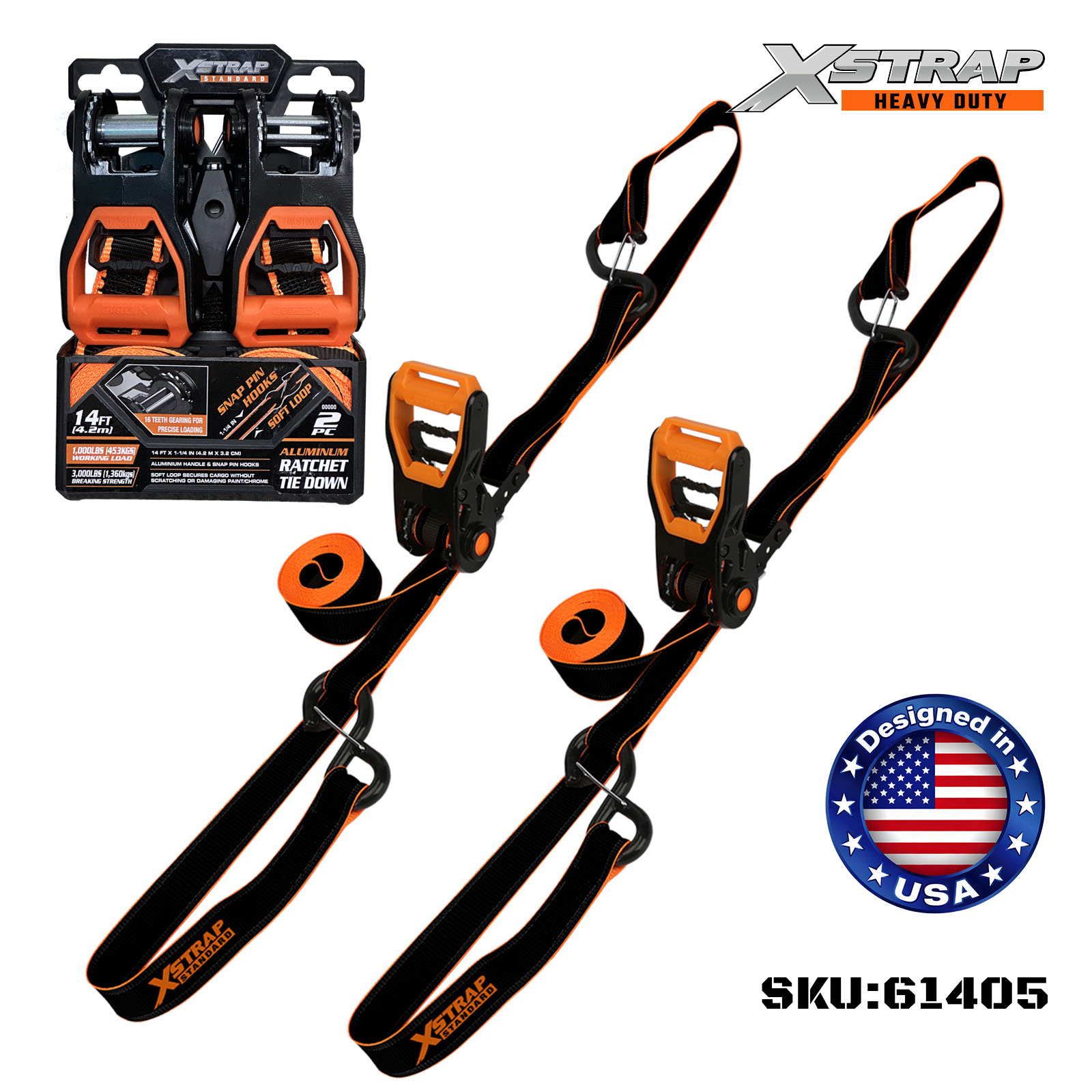
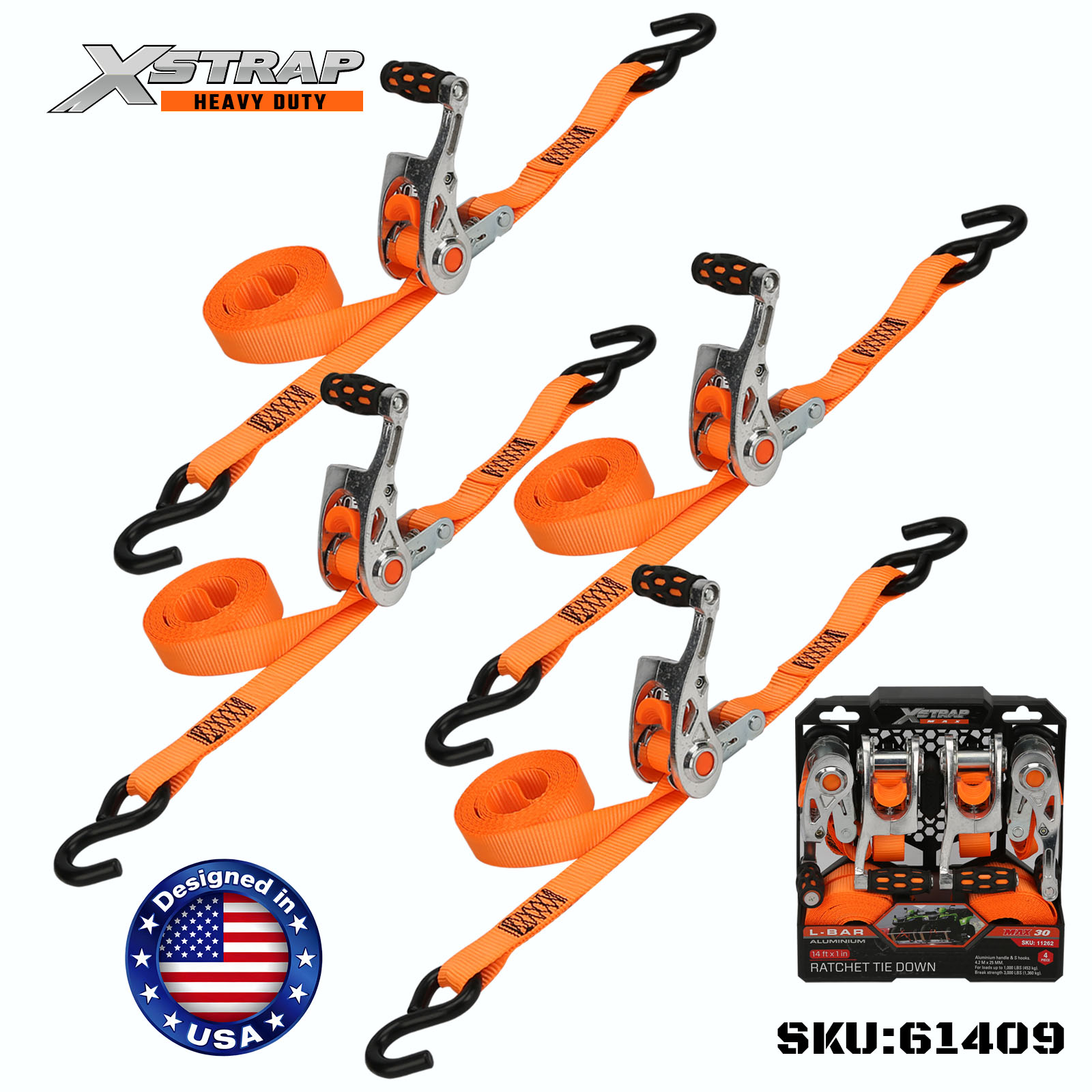
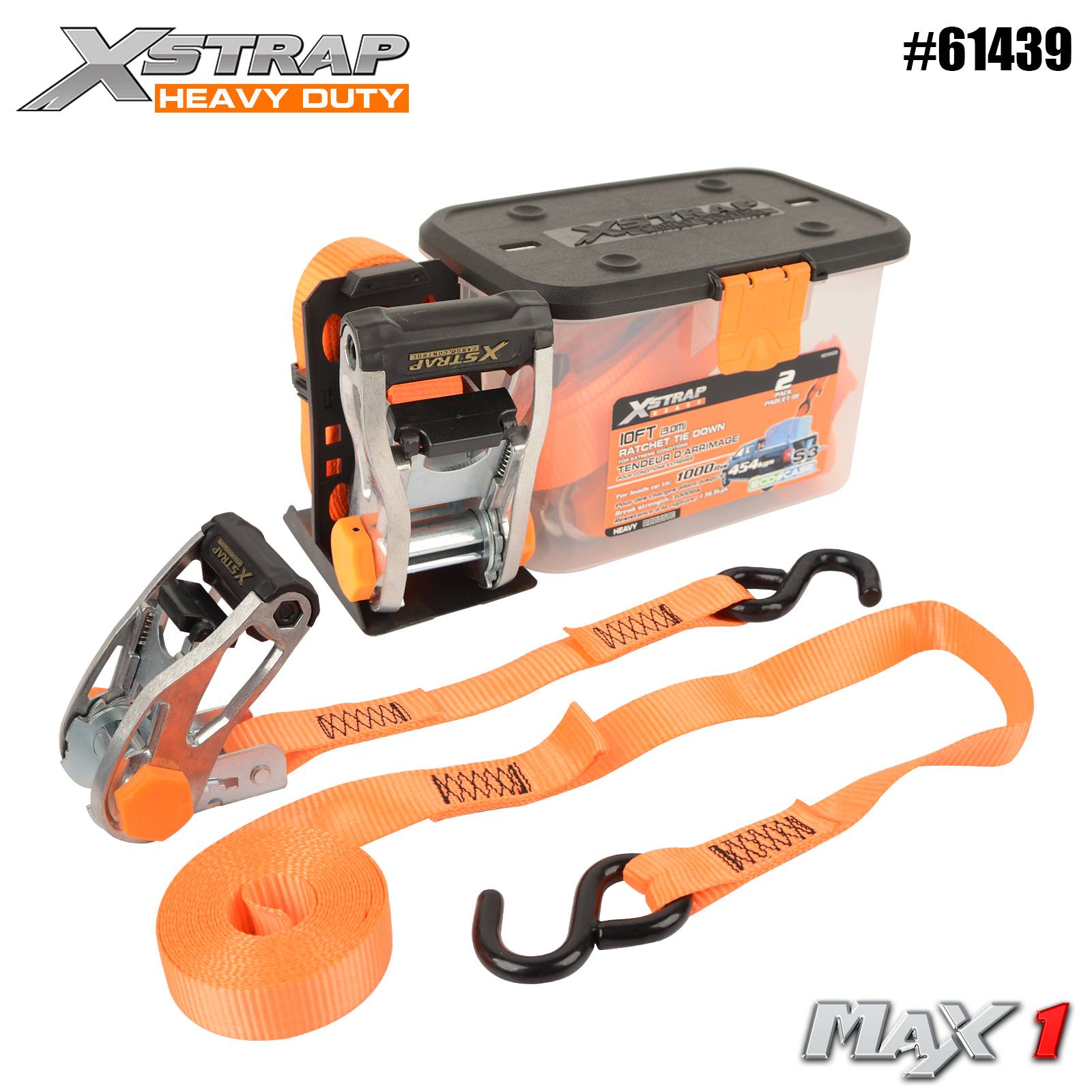
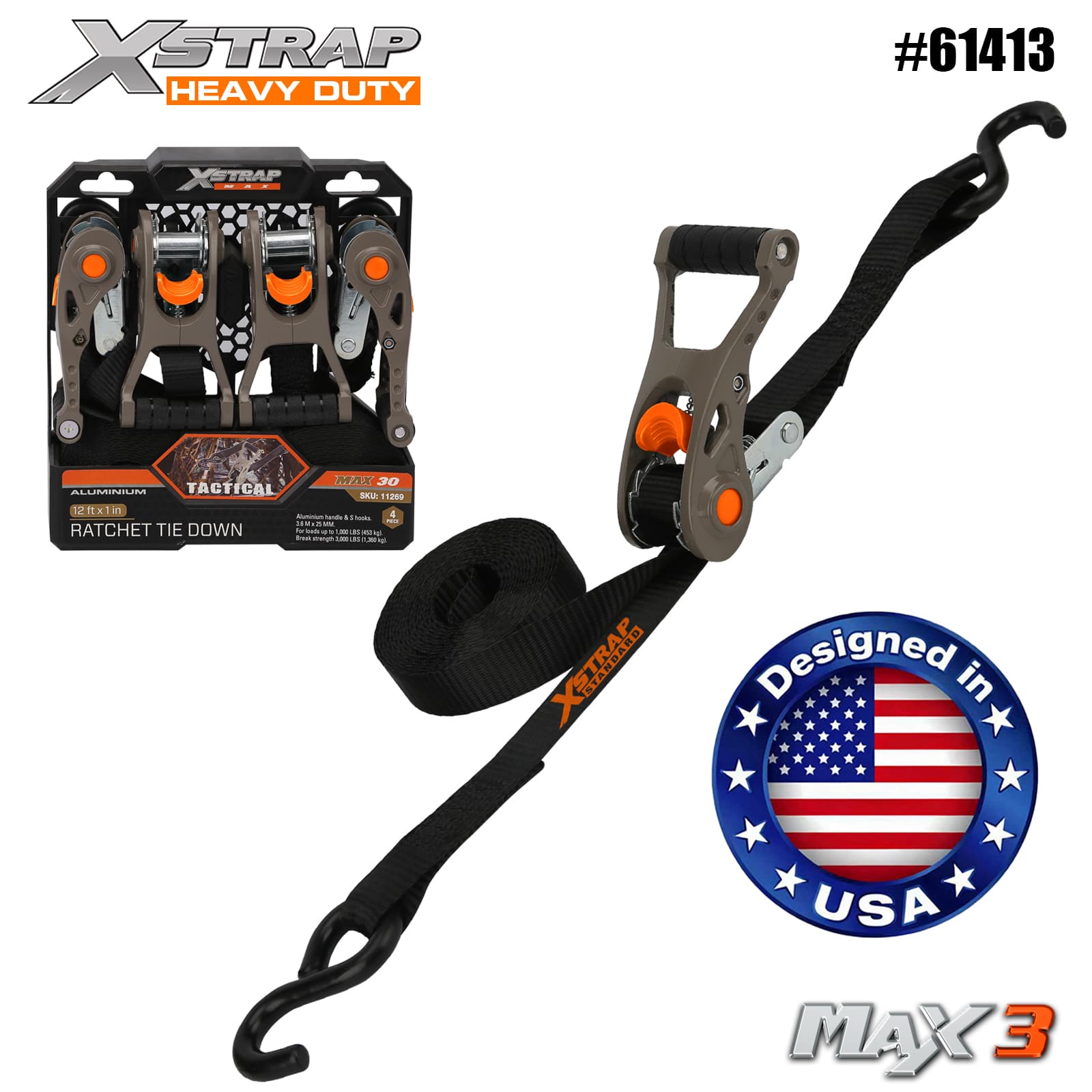
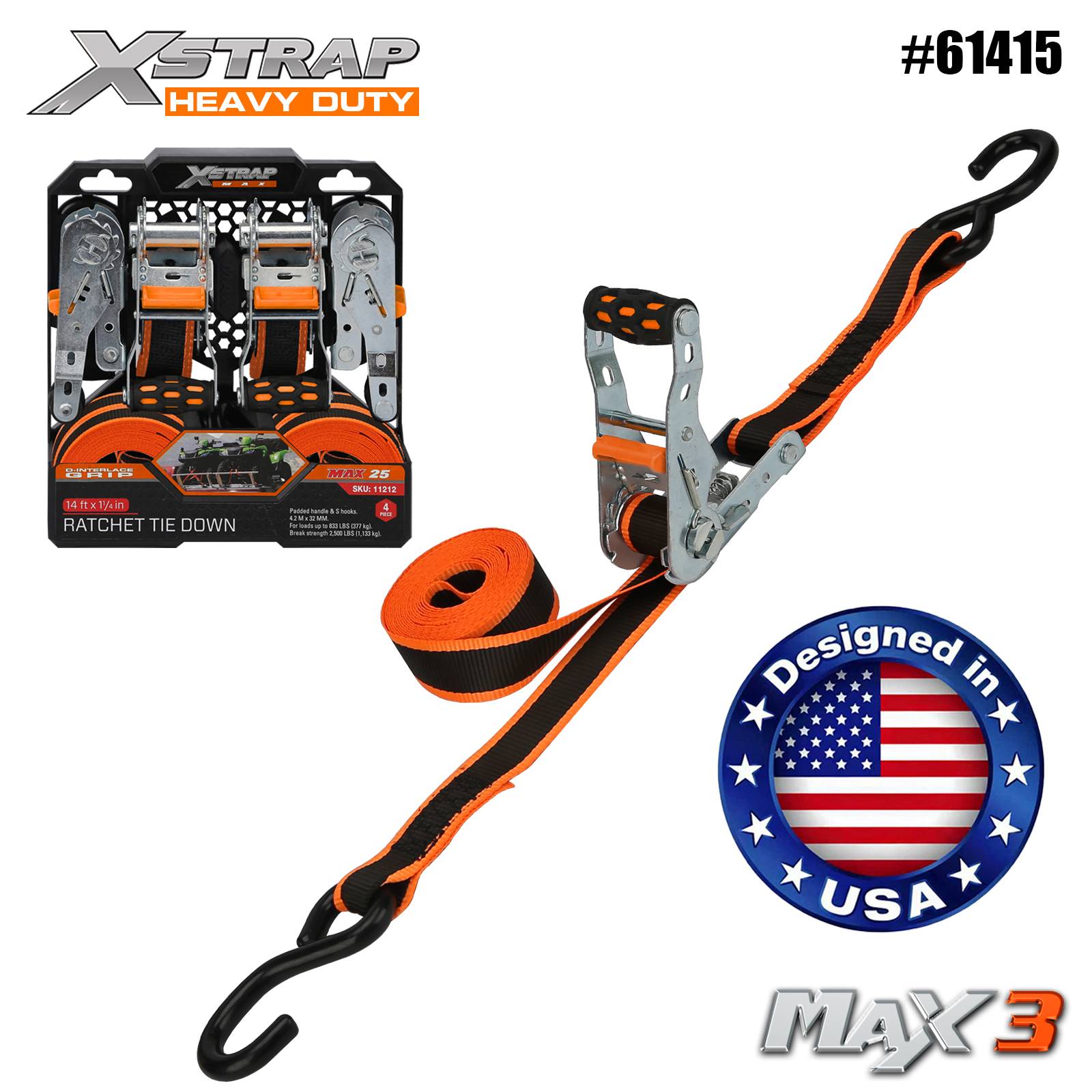
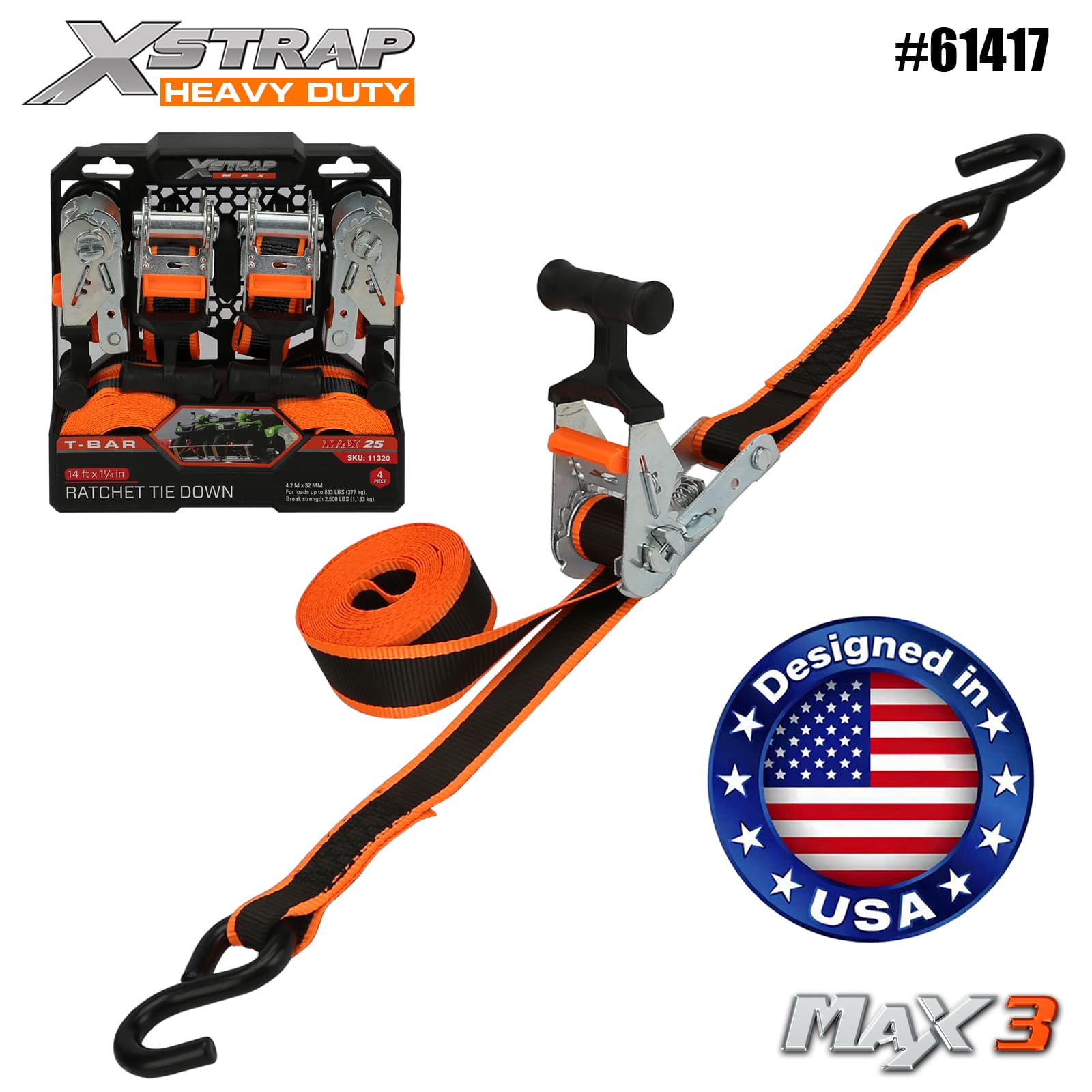
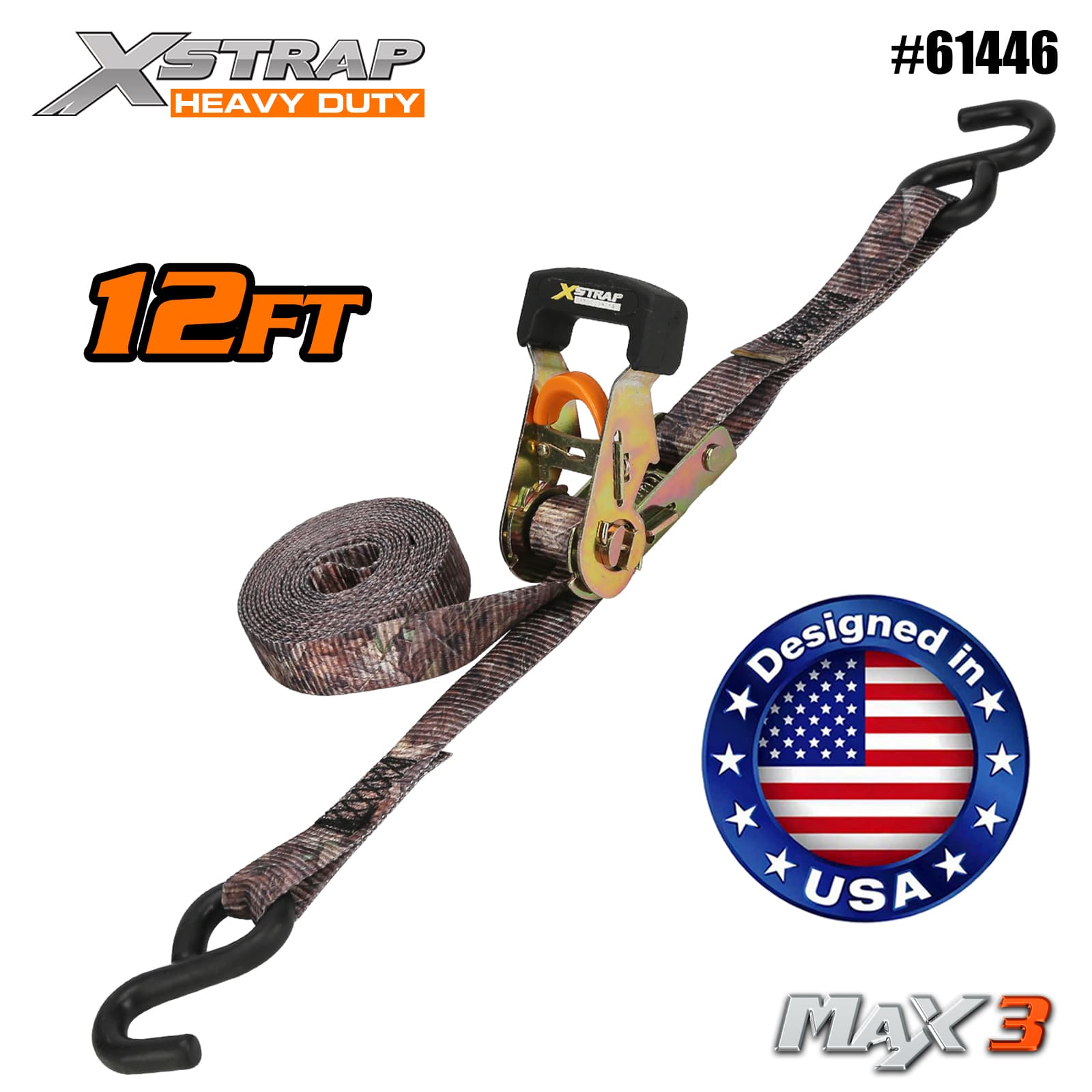
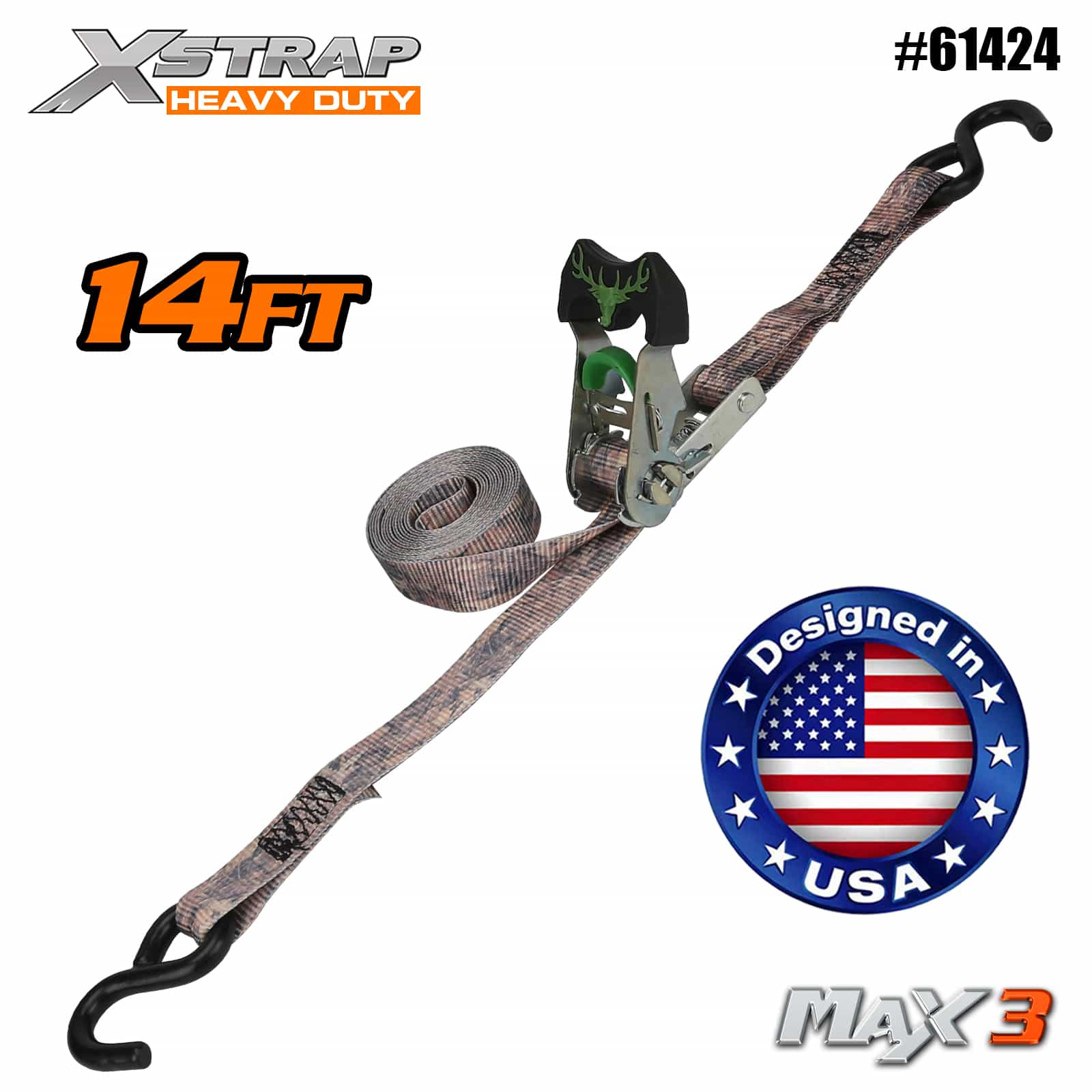
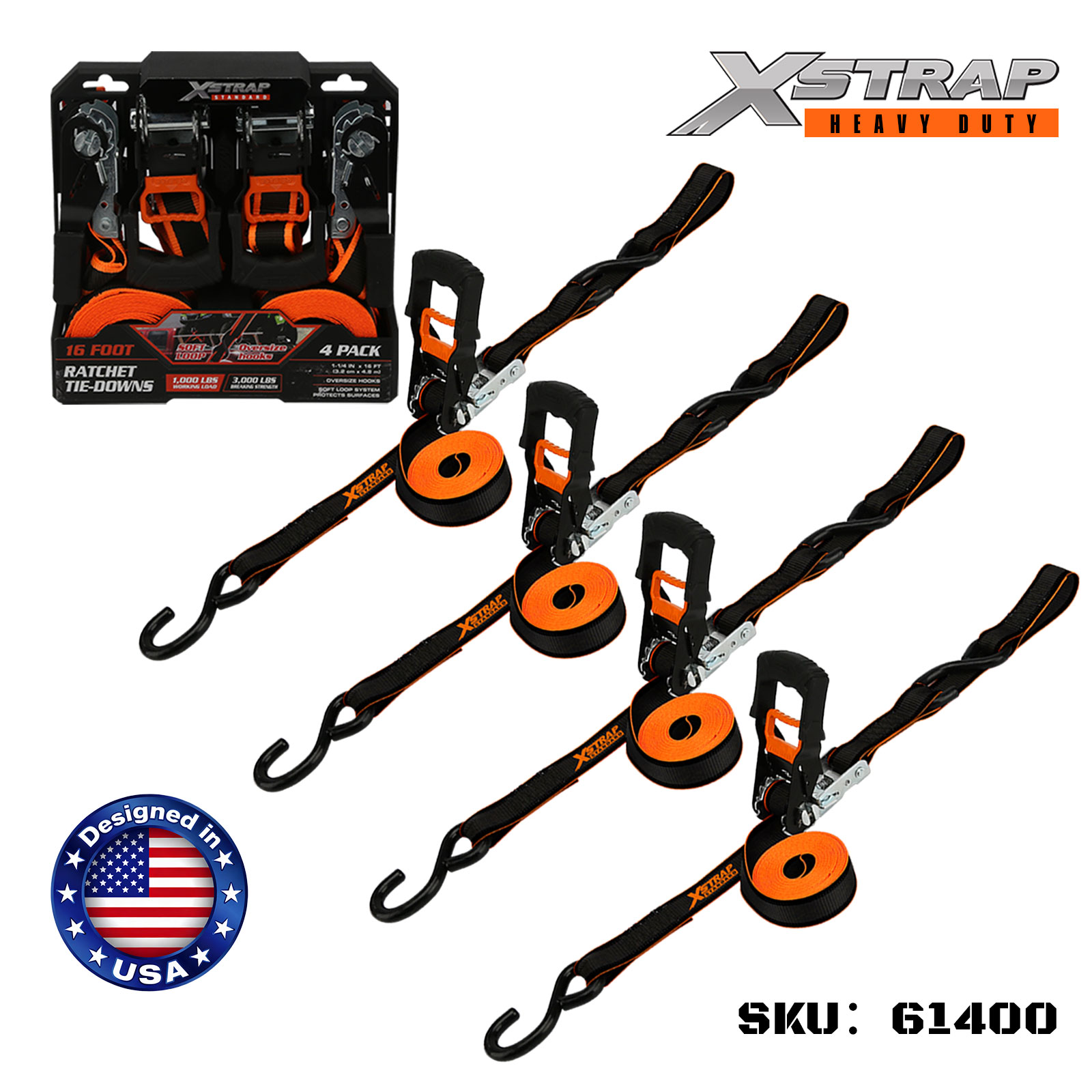
Since its establishment in 2002,
Zhangjiagang SMK MFG. Co., Ltd.
has specialized in cargo securing and control products, with over 20 years of experience in R&D and global export. The company is China Ratchet Tie Down Heavy Duty Manufacturers and Custom Ratchet Tie Down Heavy Duty Suppliers, and operates three factories and a large-scale warehouse center, forming an efficient international supply network.
SMK's product range includes tie-down straps, bungee cords, tow straps, lifting slings, hoists, and 4x4 accessories, widely used in transportation, logistics, outdoor, and industrial sectors. Its in-house brand XSTRAP enjoys strong recognition in global markets, alongside flexible OEM/ODM services for customized needs.
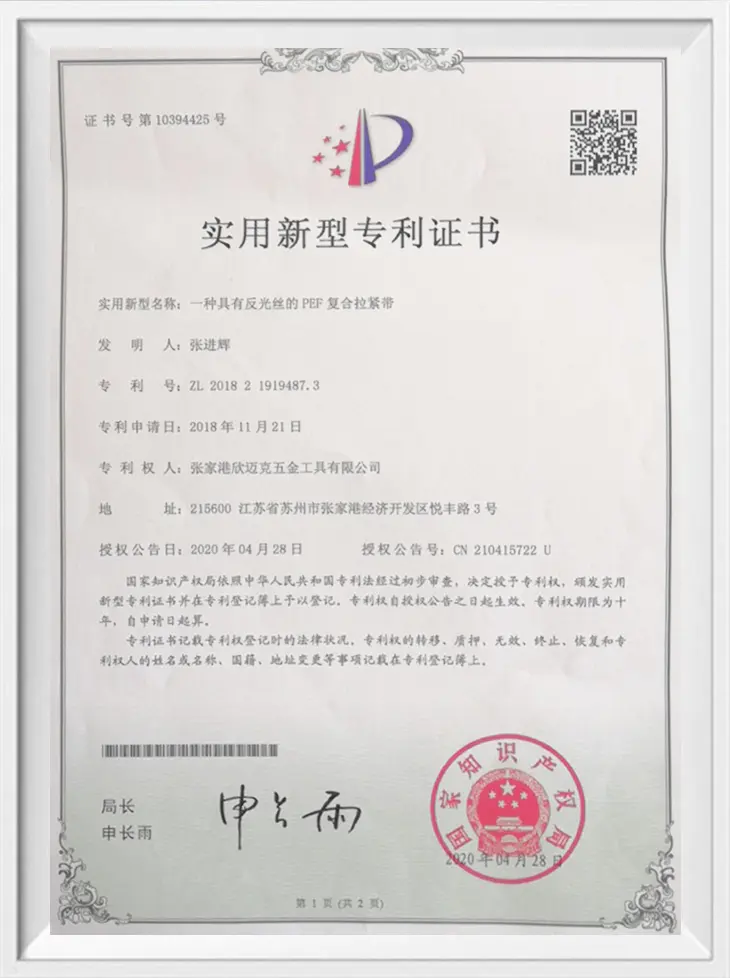
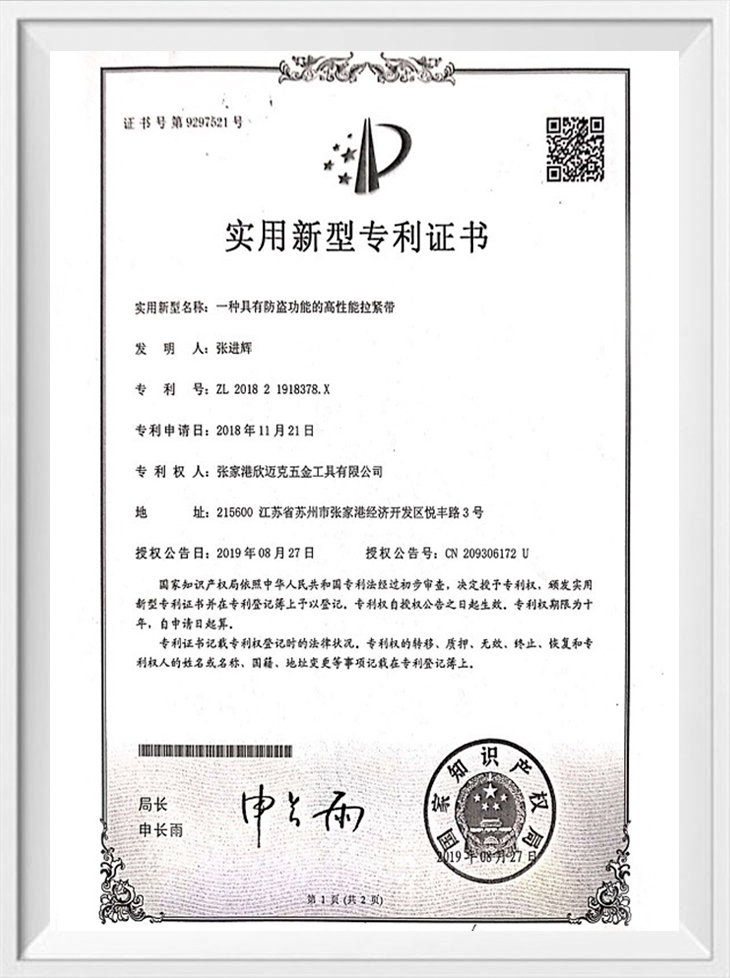
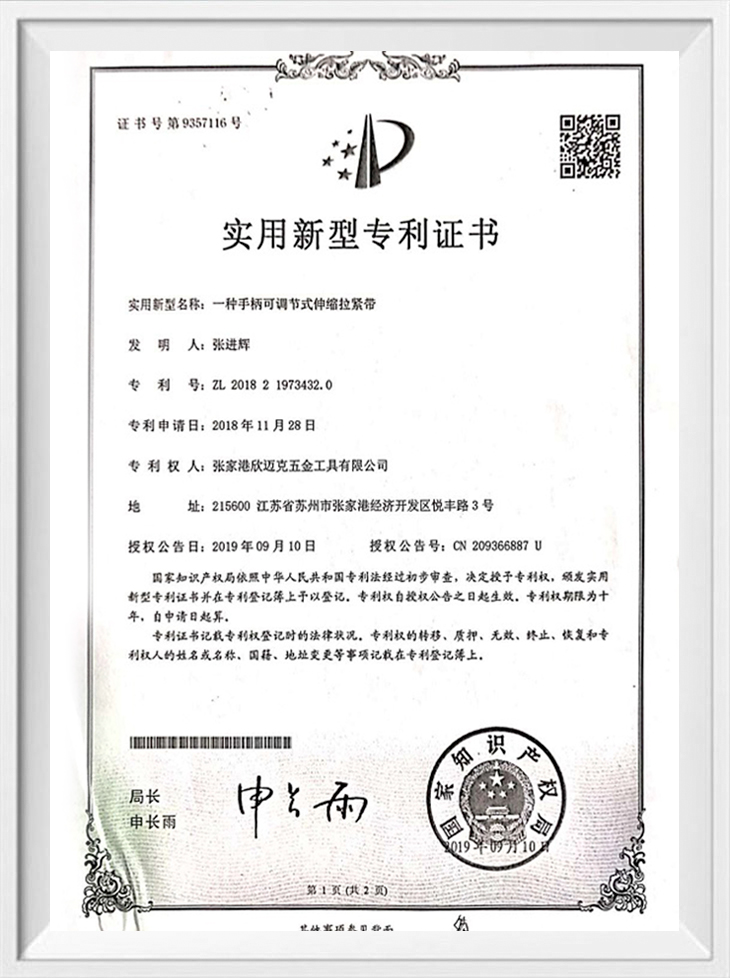
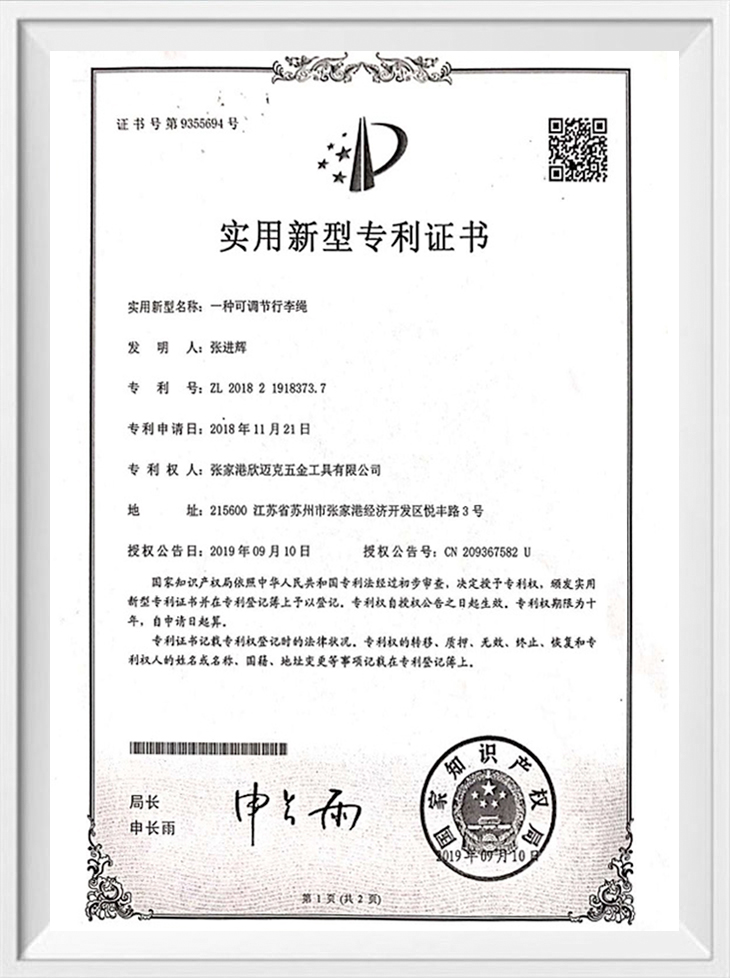
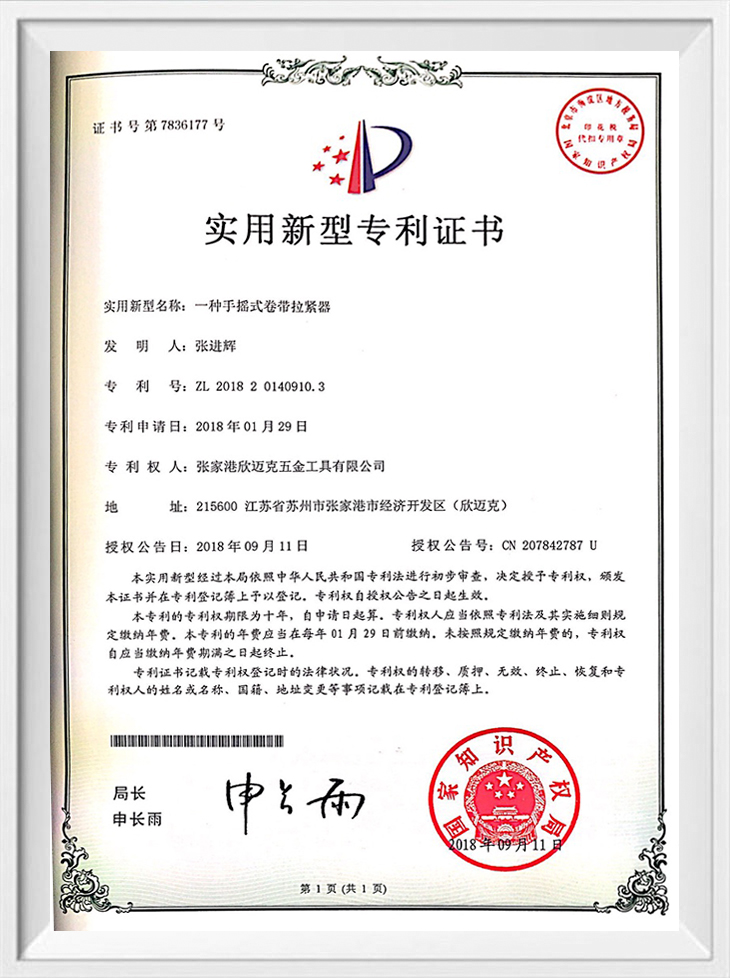
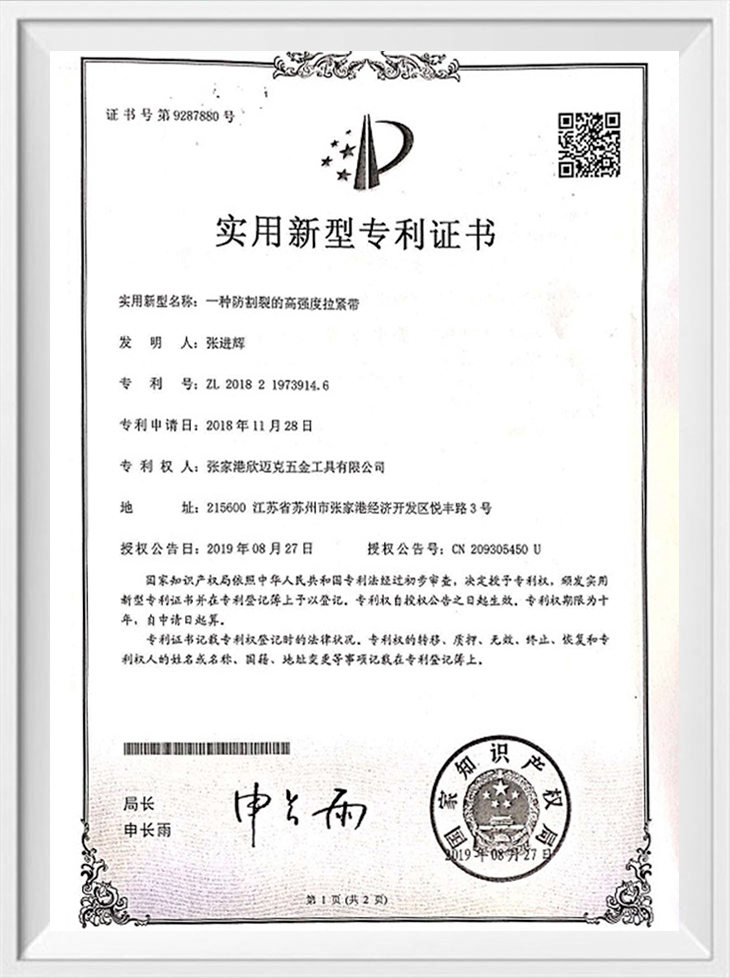
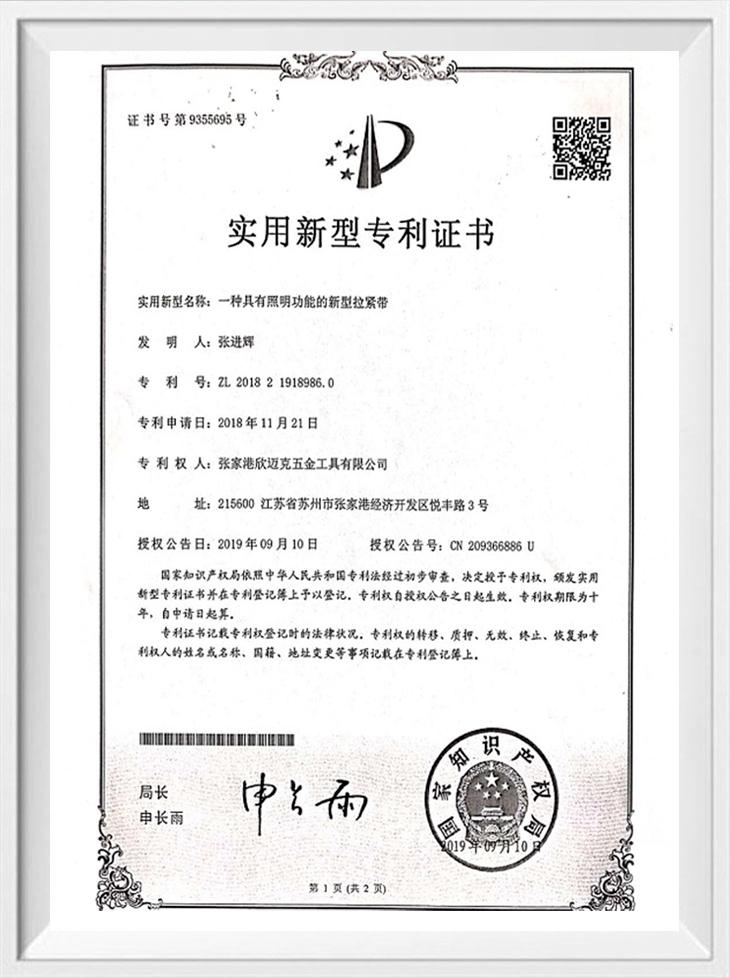
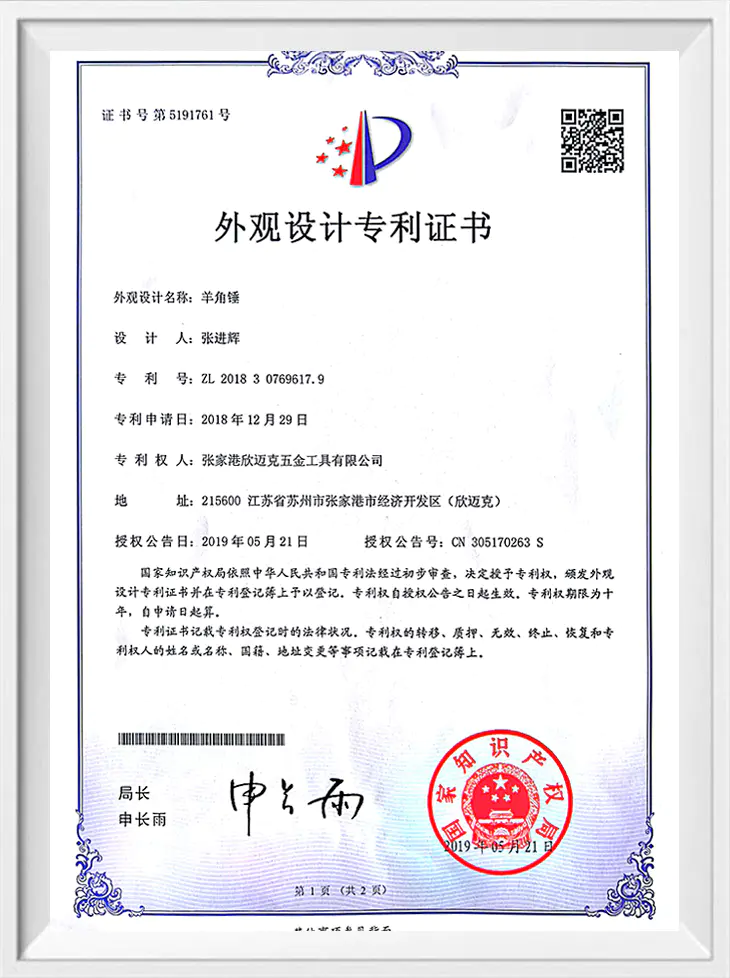
With over 8,000 sqm of production space, SMK is equipped with advanced automated lines and in-house testing labs, ensuring full-process quality control from raw material to finished goods. The company is ISO 9001 certified, SMETA audited, and has passed C-TPAT anti-terrorism inspections and multiple GS and patent certifications.
Looking ahead, SMK will continue to upgrade its cargo control systems, stay close to customer needs, and provide high-quality, efficient products and services worldwide.
Product
-
New Products
- Flatbed Solutions
- Interior Van Solutions
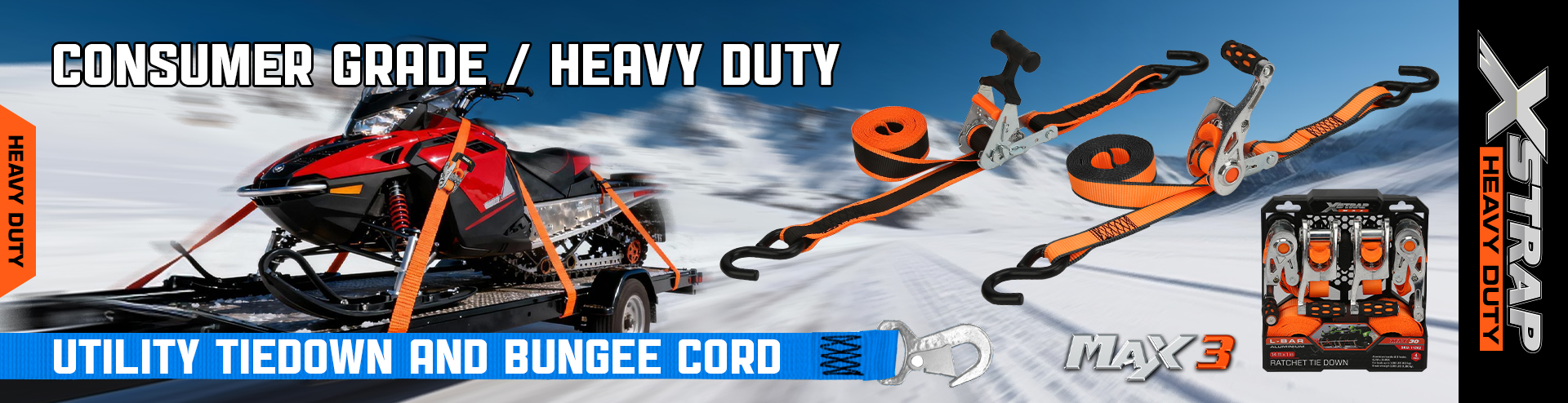
- Utility Tie down and Bungee Cord
- Auto Transport and Towing Solutions
- Lifting Solutions
- Tie Down Hardware
-
TUV&GS Certificated Tie Down and Bungee Cord
-
Towing & Rigging
-
4×4 Off-Road & Trailers
contact
Wholesale and manufactures of Ratchet Tie Down Heavy Duty consumer grade
Company Profile
Zhangjiagang SMK MFG. Co., Ltd.
News
-
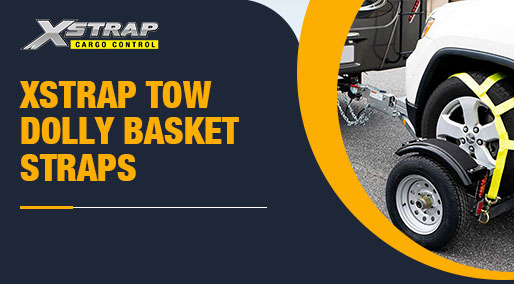
Understanding the Role of Tow Dolly Basket Straps in Vehicle Transport In the field of vehicle transport, Tow Dolly Basket Straps are recognized as one of the safest and most stable securing tools ava...
READ MORE -
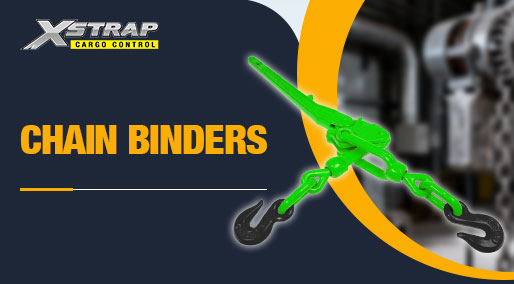
1. Understanding the Role of Chain Binders in Load Securement In the world of heavy transportation, Chain Binders are essential tools for ensuring cargo stability. They utilize either a lever principl...
READ MORE -
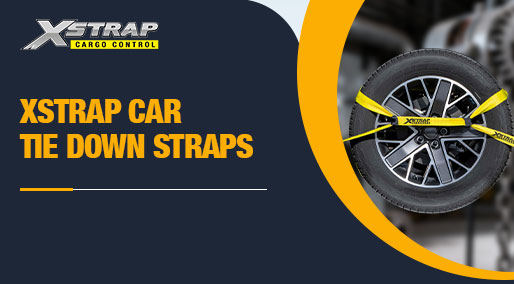
Understanding the Role of Car Tie Down Straps in Vehicle Transport Safety is the primary consideration when transporting a vehicle. Although standard cargo straps may look similar to Car Tie Down Stra...
READ MORE -
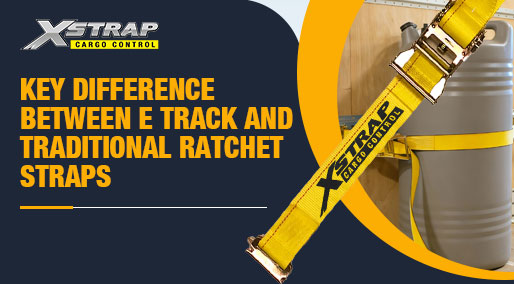
In the field of cargo transportation, securing loads is crucial to ensure the safety of both the cargo and the vehicle. Over the years, ratchet straps have been widely used to secure loads. However, w...
READ MORE
Certificate Of Honor
Ratchet Tie Down Heavy Duty Industry knowledge
Is the ratchet tie down heavy duty easy to operate and does it take little effort to tighten and release?
General Features of Heavy Duty Ratchet Tie Downs
Ratchet tie down heavy duty are specifically designed to handle larger loads with increased working load limits compared to standard duty straps. They combine wide polyester webbing with reinforced stitching and robust ratchet mechanisms. Zhangjiagang SMK MFG. Co., Ltd., a company with over 20 years of expertise in cargo securing products, produces heavy duty tie downs under its in-house brand XSTRAP, as well as through customized OEM/ODM solutions. These straps are widely applied in transportation, industrial logistics, and off-road vehicle load securing. Understanding their ease of use and the effort required to tighten and release them is critical for both safety and operational efficiency.
Material and Webbing Design
The webbing of ratchet tie down heavy duty is usually made from high-strength polyester fibers, chosen for their resistance to elongation, abrasion, and environmental factors such as UV rays and moisture. The broader width of the straps, often ranging from 50 mm to 75 mm, distributes tension more evenly, which not only secures heavier cargo but also contributes to easier handling during tightening. Zhangjiagang SMK MFG. Co., Ltd. integrates advanced weaving processes in its production lines, ensuring consistent strength and smooth surface finish that reduces friction when threading through the ratchet, thereby simplifying operation.
Ratchet Mechanism Functionality
The ratchet mechanism is central to the ease of operation. Heavy duty models feature larger levers that increase mechanical advantage, meaning less physical force is required to apply significant tension. The gears and pawls inside the ratchet are precision-engineered to lock securely without requiring excessive effort. SMK manufactures these components with durable steel alloys and applies anti-corrosion treatments, tested in-house under different conditions. This ensures the mechanism continues to function smoothly over time, reducing the likelihood of difficulty in tightening or releasing.
Effort Required in Tightening
When using ratchet tie down heavy duty, tightening the strap involves feeding the webbing into the ratchet slot and pumping the lever. The design of the lever provides leverage, reducing the force required by the operator. For example, a strap with a working load limit of 2,000 kg may only require moderate manual effort due to the mechanical advantage built into the ratchet. SMK’s product design emphasizes ergonomic handles and smooth ratcheting motion, enabling operators to secure heavy cargo with minimal strain, even when repeated adjustments are necessary.
Ease of Releasing
Releasing a ratchet tie down heavy duty should also be straightforward. Modern designs incorporate quick-release mechanisms that disengage the pawl from the gear, allowing the webbing to be pulled free. SMK designs its ratchet systems with safety in mind, ensuring the release mechanism functions reliably without requiring excessive force. This is particularly important when straps have been under high tension, as poor release mechanisms can jam or require forceful handling. A well-maintained SMK ratchet tie down heavy duty enables quick unloading of cargo without delays.
Comparison with Standard Duty Ratchets
Ratchet tie down heavy duty are often easier to operate than lighter models when handling large loads, due to their superior leverage and ergonomic design. Standard duty ratchets may feel smoother with light loads but can require more effort when pushed to their capacity. The following table highlights the operational differences between standard duty and ratchet tie down heavy duty:
| Feature | Standard Duty | Heavy Duty |
|---|---|---|
| Typical Strap Width | 25–50 mm | 50–75 mm |
| Working Load Limit (WLL) | 500–1,000 kg | 1,500–3,500 kg |
| Force Required for Tightening | Moderate to high at full load | Reduced due to longer lever and gearing |
| Release Mechanism | Simpler but sometimes stiff under heavy load | Quick release with reinforced safety design |
Role of Ergonomics
Ergonomic design plays a major role in making ratchet tie down heavy duty easier to use. Longer handles provide mechanical leverage, while contoured grips reduce hand fatigue. Zhangjiagang SMK MFG. Co., Ltd. incorporates ergonomic features into its ratchet handles, making them suitable for long-term industrial use. These considerations ensure operators can secure and release cargo efficiently, even under demanding conditions, while minimizing strain or risk of injury.
Durability and Smooth Operation
Ease of use is closely linked to long-term durability. A ratchet that corrodes or jams will require more effort to operate. SMK’s in-house testing laboratories conduct corrosion resistance, fatigue testing, and operational cycle tests to ensure that the mechanisms continue to function smoothly throughout their service life. This quality control approach, supported by ISO 9001 certification and SMETA audits, provides assurance that the product will remain easy to operate even after repeated use.
Maintenance and Operator Effort
Although ratchet tie down heavy duty are designed to minimize effort, maintenance practices play a significant role. Cleaning the ratchet mechanism, lubricating moving parts, and storing straps in dry conditions help prevent stiffness and jamming. Operators who maintain straps properly experience less effort during tightening and releasing compared to neglected equipment. SMK provides product guidelines that highlight such practices, ensuring users can maximize operational efficiency and reduce unnecessary strain.
Practical Use Cases
Ratchet tie down heavy duty are often employed in securing industrial equipment, heavy machinery, or vehicles for transport. In such scenarios, ease of tightening and releasing becomes critical, as delays or excessive effort can slow down operations. Feedback from logistics operators shows that heavy duty ratchets with longer handles and quick-release mechanisms significantly reduce time spent on cargo securing tasks. SMK gathers customer insights globally to refine its product designs and ensure they remain user-friendly across diverse industries.
OEM/ODM Customization for User Convenience
Through OEM and ODM services, SMK offers customization options that directly impact ease of use. Customers can request longer handles, reinforced grips, or specialized quick-release systems for specific applications. These modifications reduce effort and enhance operational efficiency, particularly in industries where ratchet tie downs are used daily. Such flexibility demonstrates SMK’s ability to align product functionality with customer requirements, ensuring ease of operation in both standard and customized versions.
Inspection and Operator Safety
Ease of use is also linked to safety. Ratchets that are stiff or difficult to release can cause sudden jerks or accidents. Regular inspection ensures mechanisms remain smooth and predictable. SMK emphasizes safety in its product testing and provides guidance to customers on how to maintain optimal functionality. A ratchet that operates smoothly not only reduces physical effort but also minimizes the risk of accidents during cargo securing and release operations.
Global Recognition of User-Focused Design
SMK’s in-house brand XSTRAP has gained recognition in international markets due to its focus on user-friendly cargo securing solutions. The company’s three factories and large-scale warehouse center support a consistent global supply, ensuring customers across logistics, outdoor, and industrial sectors receive products that are both strong and easy to operate. With GS certifications and multiple patents, SMK continues to refine its ratchet tie down heavy duty, integrating user feedback into design improvements that enhance ease of tightening and releasing.
Influence of Advanced Manufacturing
Advanced automated production lines at SMK ensure consistent quality in each ratchet component, from the webbing to the metal mechanisms. Precision manufacturing reduces defects that could make operation difficult, while in-house testing verifies that each product performs reliably under load. This advanced manufacturing capability ensures that ratchet tie down heavy duty produced by SMK maintain smooth operation with minimal effort required by the user.
Comparison of Effort Across Applications
The effort required to operate a ratchet tie down heavy duty varies depending on the application. Securing light cargo with a heavy duty strap may require only minimal force, while maximum-rated loads still remain manageable due to mechanical leverage. The table below provides a comparison of effort across applications:
| Application | Effort in Tightening | Ease of Release |
|---|---|---|
| Light cargo transport | Very low effort due to leverage | Quick and smooth |
| Medium cargo (1,000–2,000 kg) | Moderate effort but manageable | Consistent release |
| Heavy machinery transport | Noticeable effort but reduced by ratchet design | Quick release essential for efficiency |
Conclusion on Ease of Operation
Ratchet tie down heavy duty, when manufactured with quality materials and precision engineering, are designed to be easy to operate with minimal effort for tightening and releasing. Zhangjiagang SMK MFG. Co., Ltd. ensures this by combining ergonomic design, mechanical leverage, and rigorous testing in its production process. Proper maintenance and adherence to usage guidelines further enhance smooth operation. As a result, ratchet tie down heavy duty from SMK provide both reliable cargo security and user-friendly operation, supporting efficient performance in transportation, logistics, and industrial applications worldwide.
Will the ratchet tie down heavy duty become loose or slip after long-term use?
Material Strength and Long-Term Stability
Ratchet tie down heavy duty are manufactured with polyester webbing and alloy steel ratchet mechanisms that are designed for durability. Polyester fibers are chosen because they resist stretching, moisture, and UV exposure. Over long-term use, the material retains much of its original tension capacity if maintained properly. Zhangjiagang SMK MFG. Co., Ltd. implements advanced weaving technologies in its production process, ensuring uniform fiber strength that minimizes the risk of the strap becoming loose due to gradual elongation. The use of corrosion-resistant metals in the ratchet mechanism further supports consistent performance across extended service life.
Causes of Loosening in Long-Term Use
Even though ratchet tie down heavy duty are engineered to stay secure, certain conditions may contribute to loosening over time. Continuous vibration during transportation can cause micro-movements in the ratchet mechanism if it is not properly engaged. Environmental exposure such as repeated wetting and drying cycles may also reduce the elasticity of fibers, slightly affecting grip strength. Improper threading of the strap through the ratchet can further lead to slippage. Zhangjiagang SMK MFG. Co., Ltd. addresses these concerns through careful design, ensuring that the ratchet pawl and gears lock firmly and maintain engagement despite vibration or repeated stress.
Ratchet Mechanism Reliability
The ratchet component is critical in preventing slippage. SMK produces heavy duty ratchets with precision-toothed gears and locking pawls, ensuring that once tension is applied, the strap remains secure until intentionally released. The company’s in-house testing laboratories perform cycle tests to simulate extended use, verifying that the locking system maintains its hold even after thousands of applications. This consistent engagement reduces the risk of the strap slipping or loosening during transportation of heavy cargo.
Influence of Webbing Wear
Long-term use exposes the strap webbing to abrasion, UV rays, and contact with sharp edges of cargo. Such wear can gradually reduce the strap’s ability to hold tension. However, heavy duty tie downs are designed with thicker webbing and reinforced stitching, giving them an advantage in retaining strength. SMK integrates protective weaving patterns and edge reinforcements into its straps, extending their resistance to wear and helping them maintain tension for longer periods compared to standard duty models.
Role of Environmental Factors
Environmental conditions can affect whether a ratchet tie down becomes loose after long-term use. Continuous exposure to rain, extreme sunlight, or chemicals can degrade materials. Polyester webbing is more resistant to such effects compared to nylon, which is why it is preferred in heavy duty designs. SMK subjects its products to environmental simulations, ensuring they maintain grip under challenging conditions. Nevertheless, users are encouraged to store straps in dry, shaded areas when not in use to minimize long-term loosening risks caused by environmental exposure.
Inspection and Maintenance Practices
Regular inspection is essential to ensure ratchet tie down heavy duty do not become loose after prolonged use. Users should check for signs of fraying, cuts, or weakening fibers. The ratchet mechanism should also be examined for rust or buildup that may hinder proper locking. SMK provides guidelines for cleaning and lubrication, as smooth-moving components reduce the risk of incomplete engagement. By maintaining straps according to these recommendations, users can extend their operational reliability and reduce loosening incidents.
Comparison Between Standard Duty and Heavy Duty
Ratchet tie down heavy duty are less prone to becoming loose compared to standard duty models because of their reinforced design and higher load rating. Standard duty straps may show more signs of slippage under high stress because their narrower webbing and lighter ratchet mechanisms are not optimized for prolonged heavy loads. The following table highlights the differences in long-term stability:
| Feature | Standard Duty | Heavy Duty |
|---|---|---|
| Webbing Width | 25–50 mm | 50–75 mm |
| Working Load Limit | 500–1,000 kg | 1,500–3,500 kg |
| Long-Term Loosening Risk | Higher under vibration and stress | Lower due to reinforced components |
| Durability of Ratchet | Moderate | Enhanced with anti-corrosion steel |
Customer Usage Feedback
Feedback from users across transportation and logistics industries shows that properly used ratchet tie down heavy duty maintain tension effectively over long durations. Operators report that slippage is rare when straps are correctly threaded and adequately tightened. SMK collects global customer input to improve its ratchet systems, ensuring they continue to provide secure fastening even in demanding industrial and outdoor conditions. This customer-driven improvement cycle strengthens the reliability of the product over extended use.
OEM/ODM Design Customization
SMK offers OEM and ODM customization, allowing customers to request additional features that reduce the risk of loosening. Options such as wider webbing, specialized coatings, or customized ratchet mechanisms help address unique cargo securing needs. By tailoring products to customer requirements, SMK ensures that straps remain secure and stable even under unusual or long-term operating environments. These customization options provide additional safeguards against slippage.
Testing and Certification for Long-Term Performance
SMK’s ratchet tie down heavy duty undergo extensive in-house testing, including load capacity verification, vibration testing, and fatigue testing. Certification such as ISO 9001, GS, and patent approvals support the company’s claims of long-term reliability. Additionally, SMK has passed SMETA audits and C-TPAT inspections, confirming its focus on compliance and quality control. These certifications ensure that heavy duty straps meet consistent standards of durability and resistance to loosening.
Operational Conditions and Cargo Type
The type of cargo and operational environment also influence whether straps become loose over time. For instance, securing machinery with sharp edges may cause faster webbing wear, while transporting vehicles on rough terrain may subject straps to more vibration. Heavy duty ratchets from SMK are designed with versatility to handle these scenarios, but users must match the strap rating with the cargo type to minimize risks of loosening. Selecting the correct working load limit is a preventive measure against slippage.
Maintenance and Storage Recommendations
Proper storage plays a significant role in preventing loosening issues. Straps left exposed to rain or chemicals can deteriorate, weakening their grip. SMK recommends rolling and storing tie downs in dry conditions, avoiding contact with oils or sharp objects. Routine lubrication of ratchet gears is also beneficial for maintaining reliable engagement. Following these guidelines helps extend the operational stability of heavy duty straps, making them less prone to loosening.
Influence of Advanced Manufacturing
The advanced automated production facilities of SMK ensure that each ratchet tie down is manufactured with precision. Consistency in production reduces variations that could lead to performance issues. The company’s in-house testing labs verify every batch, providing assurance that straps retain their performance characteristics even after extended use. This manufacturing approach directly reduces the likelihood of loosening by maintaining strict quality standards across all products.
Comparison of Long-Term Stability Across Applications
The risk of loosening varies depending on the application of the ratchet tie down. In light-duty transport, the likelihood is minimal due to relatively lower forces applied. In industrial and heavy machinery applications, the ratchet’s design features and proper usage practices become critical to ensuring stability. The following table illustrates how application context influences loosening risks:
| Application | Risk of Loosening | Key Preventive Measures |
|---|---|---|
| Light cargo transport | Very low | Proper threading and moderate tension |
| Medium cargo transport | Low | Routine inspection and vibration checks |
| Heavy machinery transport | Moderate if straps are not properly matched | Use heavy duty straps with reinforced ratchets |
| Outdoor off-road applications | Moderate due to vibration | Frequent re-checking of tension |
Conclusion on Long-Term Loosening
Ratchet tie down heavy duty are engineered to resist loosening or slipping after long-term use, provided they are maintained correctly and matched with appropriate cargo types. Zhangjiagang SMK MFG. Co., Ltd. ensures this reliability by combining high-quality materials, precision manufacturing, and rigorous testing. While environmental conditions and improper usage may introduce risks, proper inspection, maintenance, and adherence to recommended practices significantly reduce the chance of slippage. In industrial, logistics, and outdoor applications, SMK ratchet tie down heavy duty provide secure fastening and long-term stability, supporting efficient and safe cargo operations worldwide.
-
 +86-18112697781qindan355@gmail.comNo. 21 Yuefeng Road, Yangshe Town, Zhangjiagang City, Suzhou City, Jiangsu Province
 -
Quick Links
Social Media
-
OEM Partner
-


Copyright © 2025 Zhangjiagang SMK MFG. Co., Ltd. All rights reserved.
 Custom Ratchet Tie Down Heavy Duty Manufacturers
Custom Ratchet Tie Down Heavy Duty Manufacturers