
 English
 Français
 Español
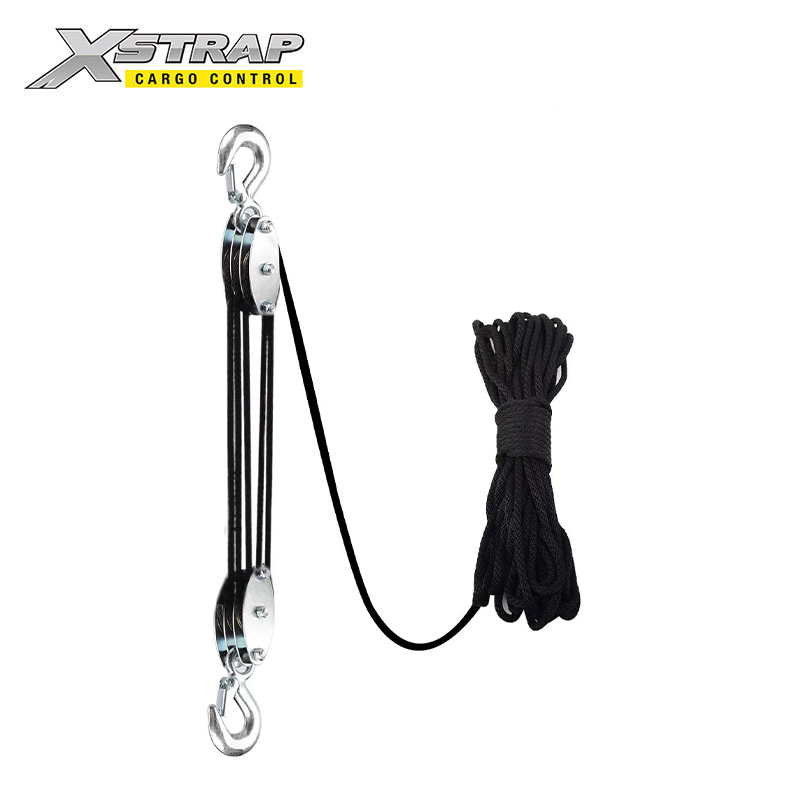
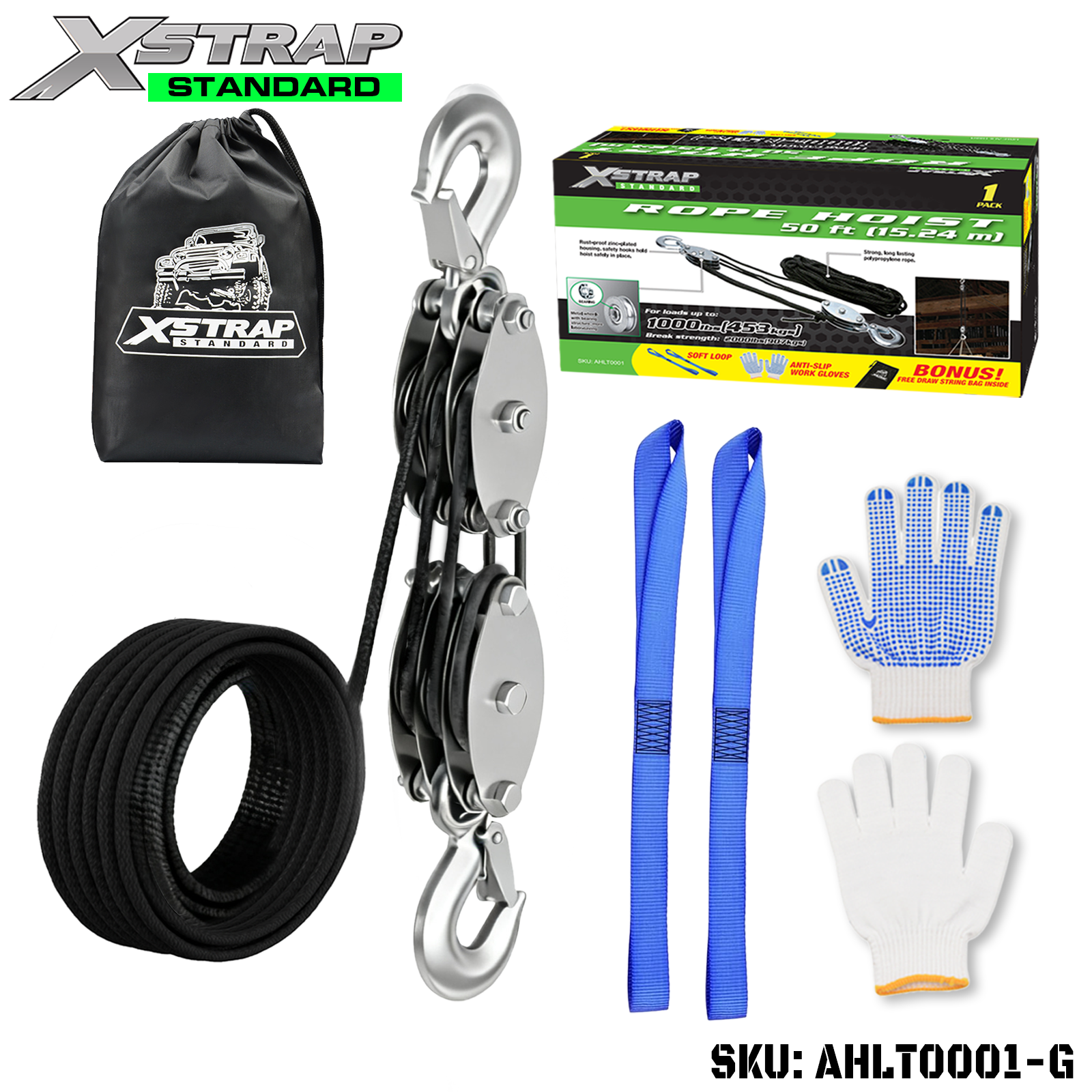
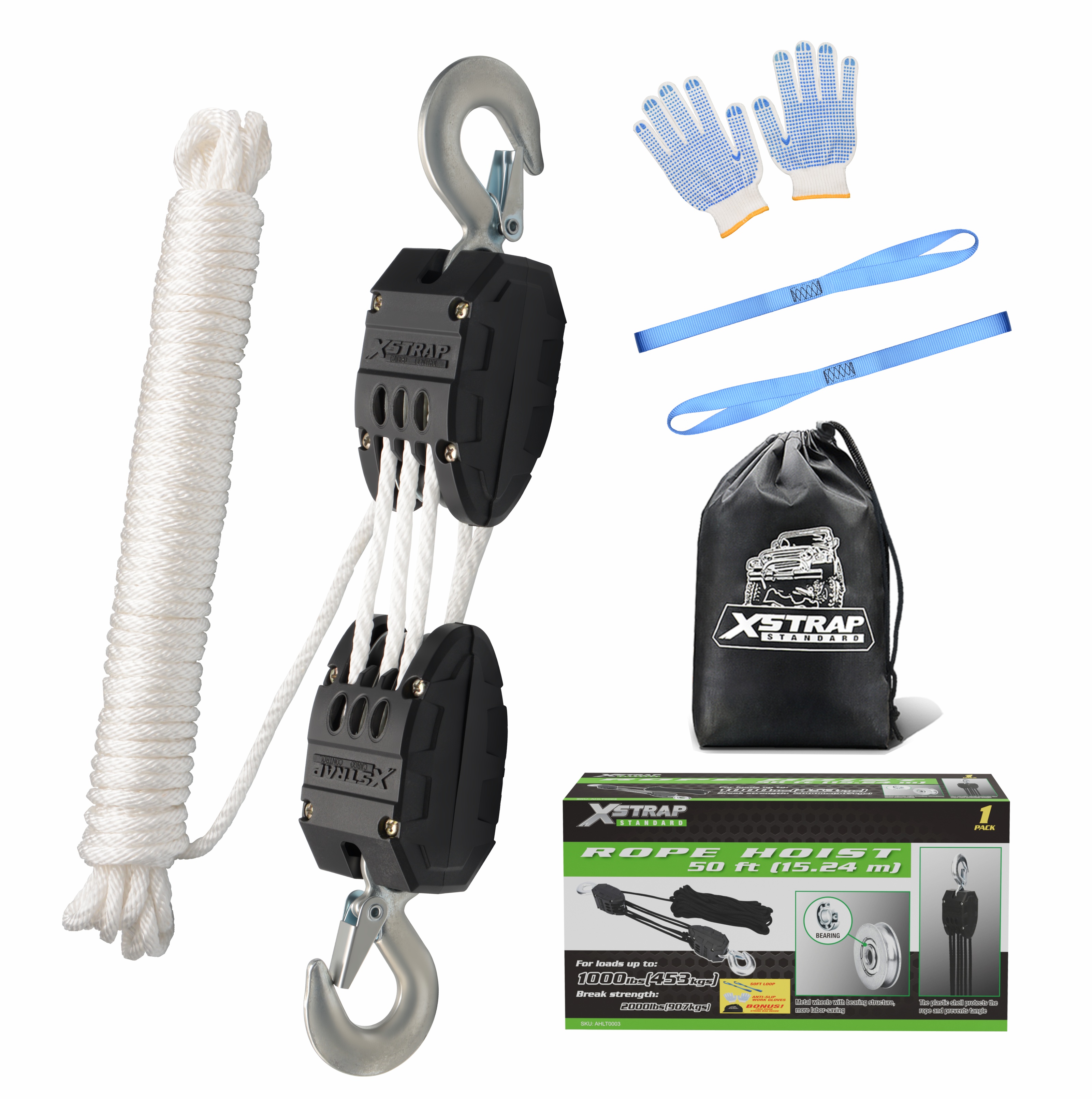
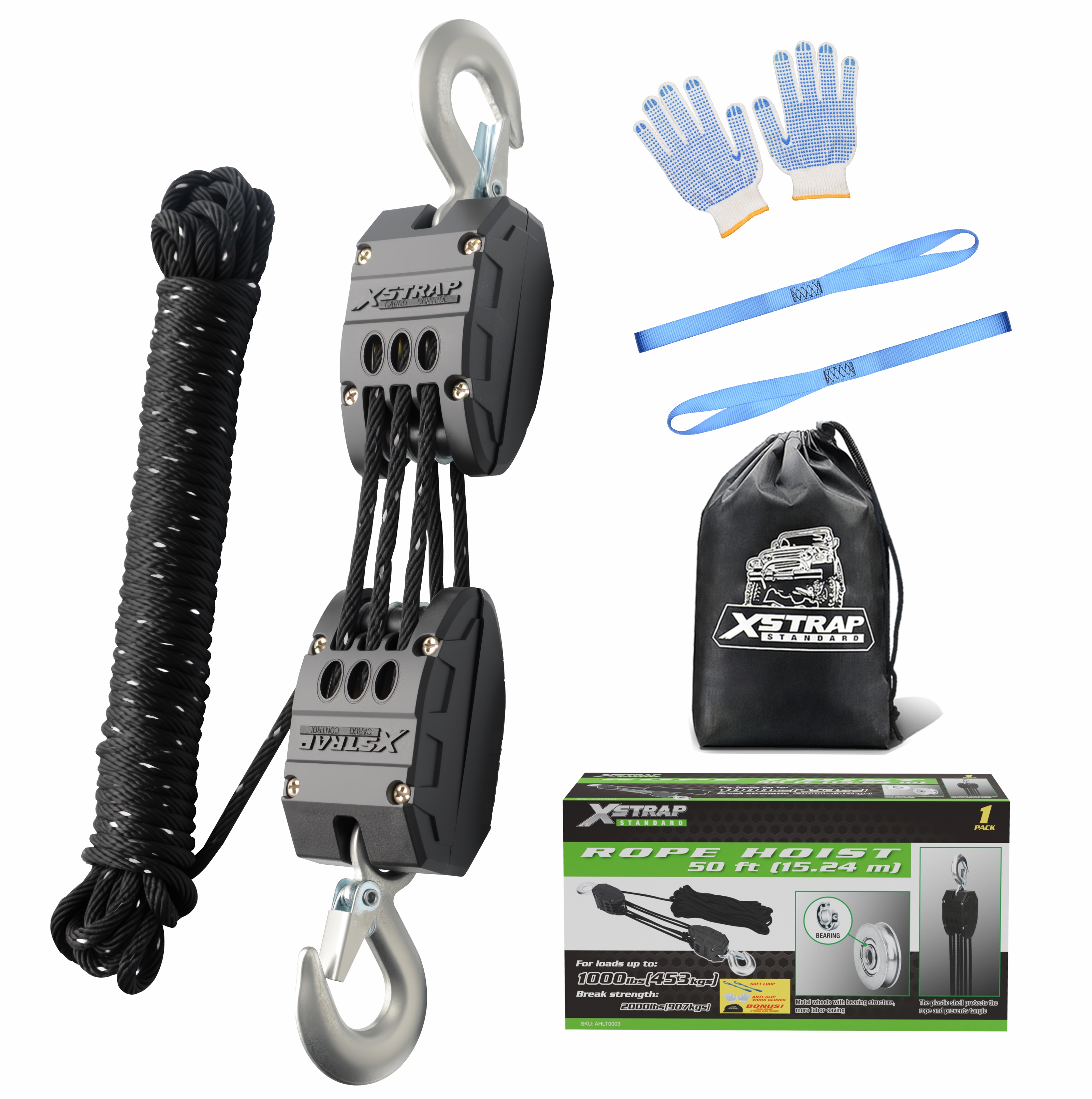
Since its establishment in 2002,
Zhangjiagang SMK MFG. Co., Ltd.
has specialized in cargo securing and control products, with over 20 years of experience in R&D and global export. The company is China Lifting Rope Hoist Manufacturers and Custom Lifting Rope Hoist Suppliers, and operates three factories and a large-scale warehouse center, forming an efficient international supply network.
SMK's product range includes tie-down straps, bungee cords, tow straps, lifting slings, hoists, and 4x4 accessories, widely used in transportation, logistics, outdoor, and industrial sectors. Its in-house brand XSTRAP enjoys strong recognition in global markets, alongside flexible OEM/ODM services for customized needs.
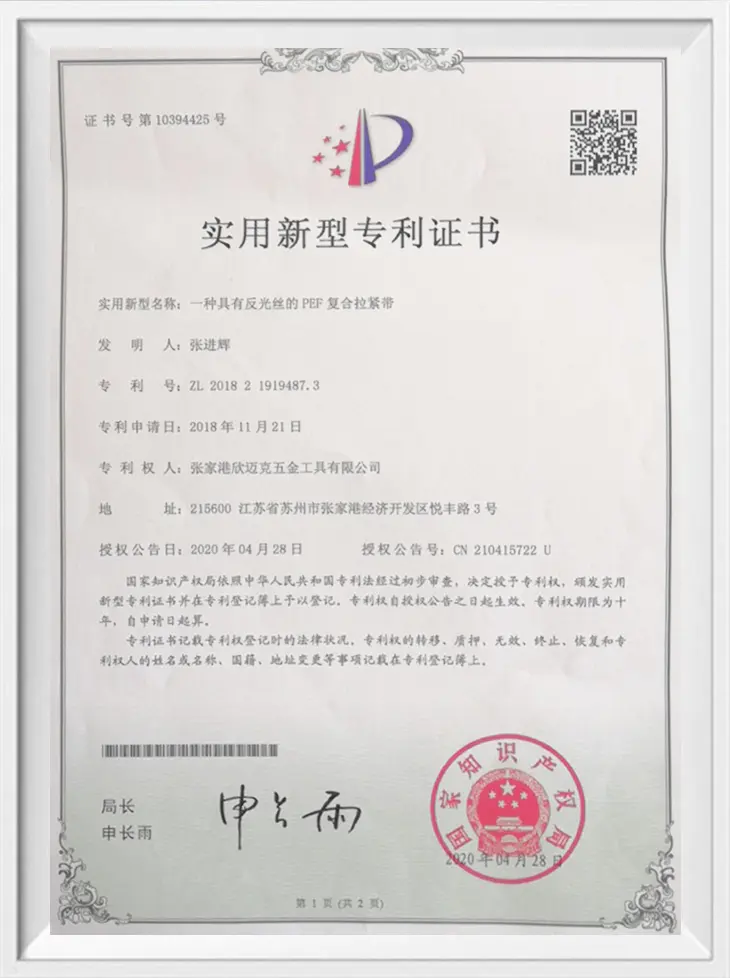
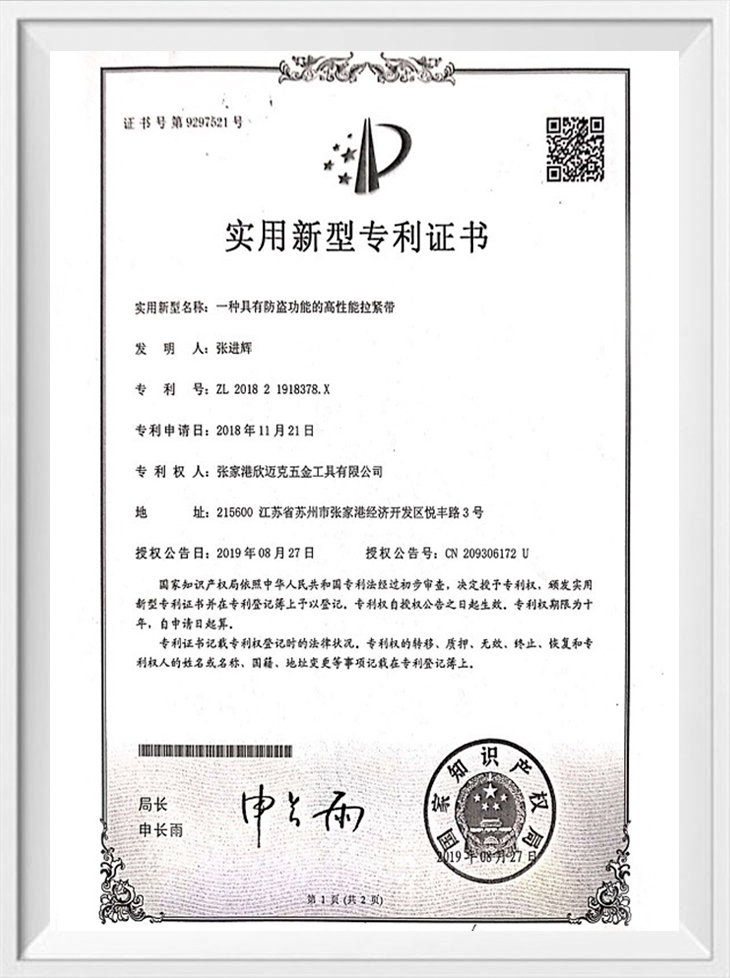
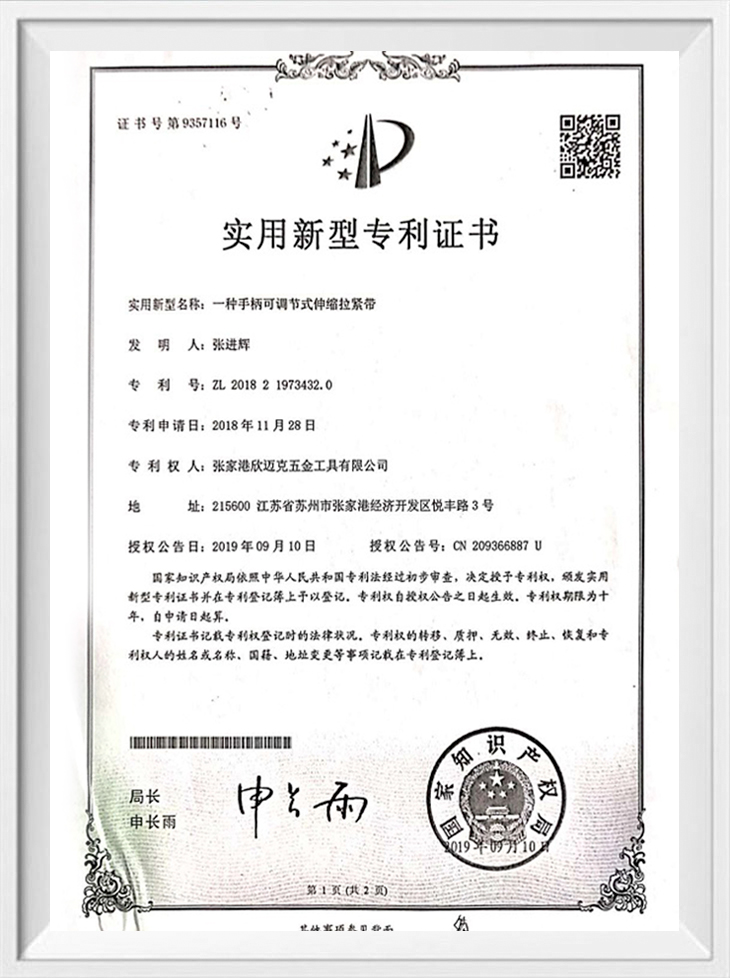
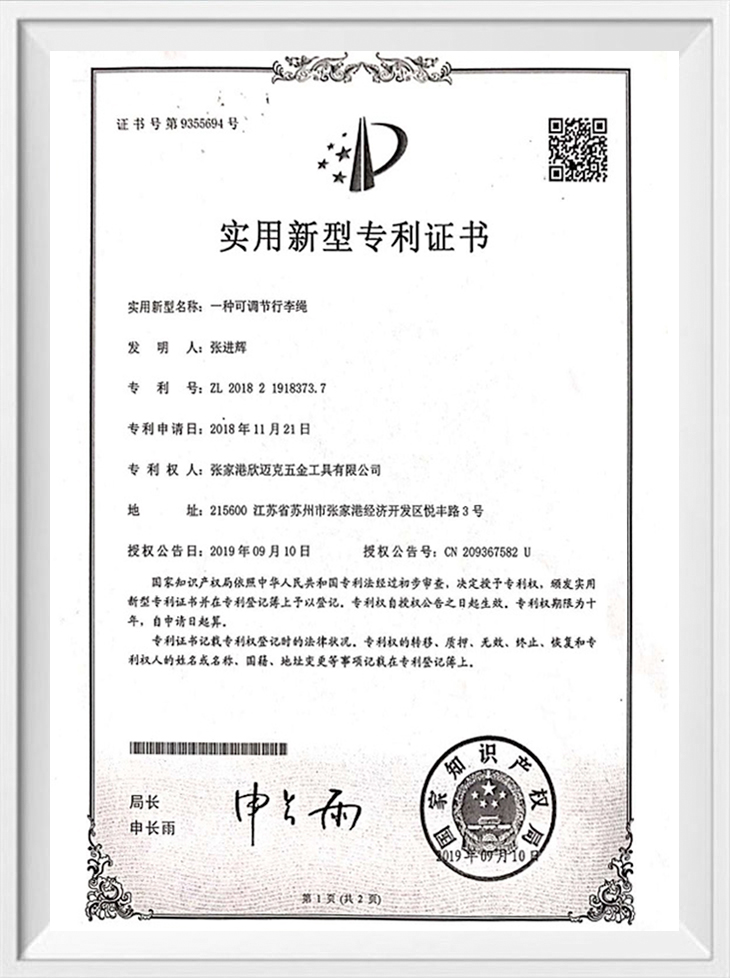
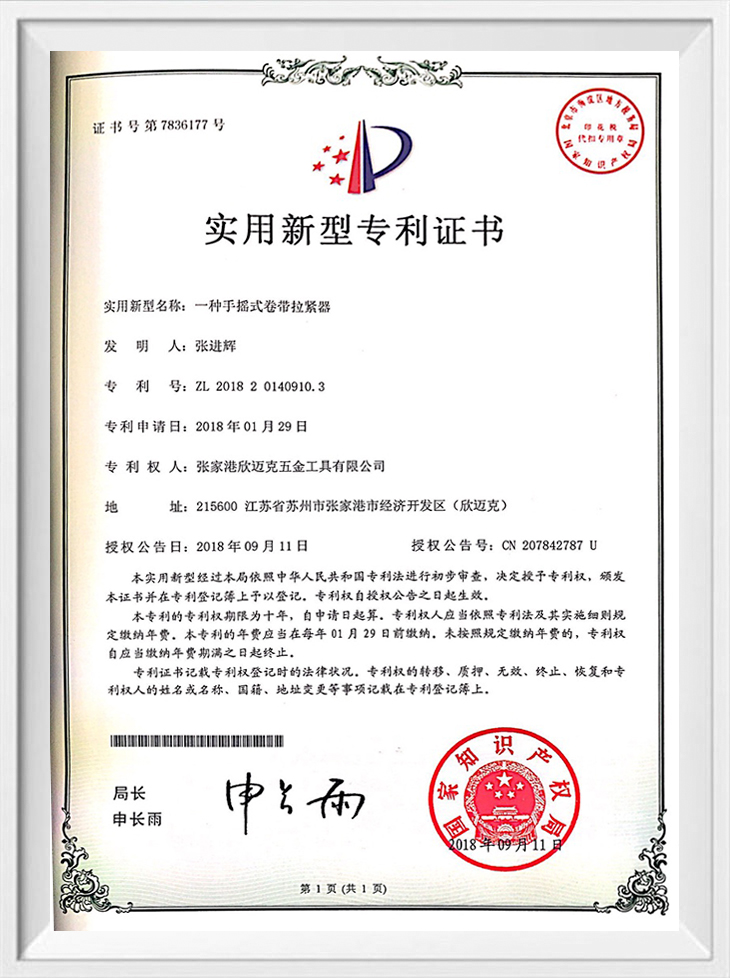
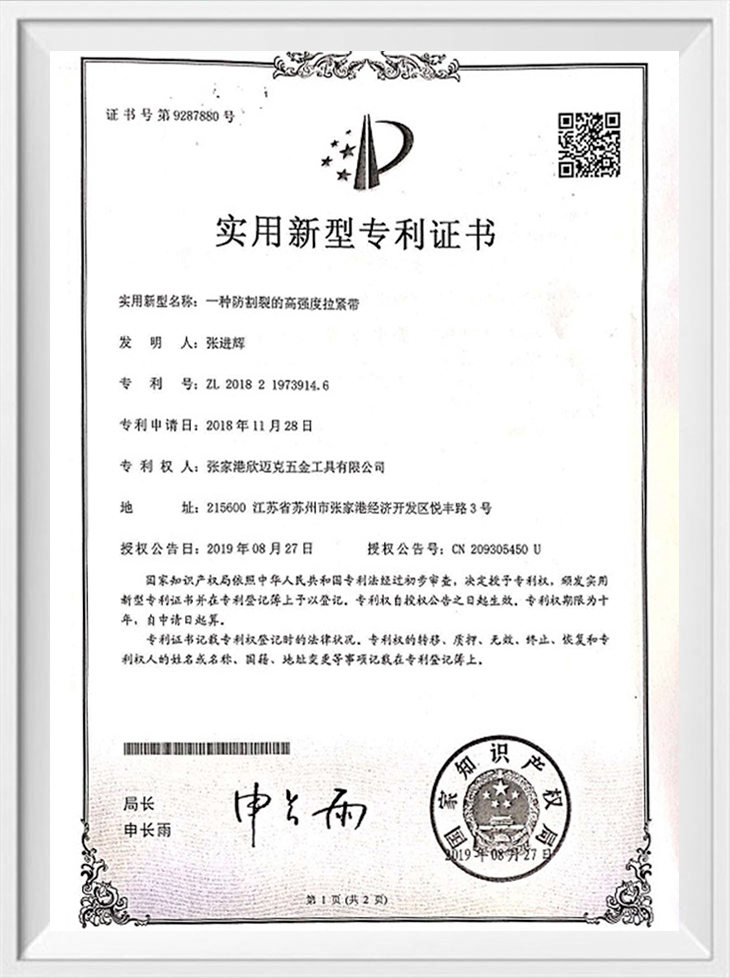
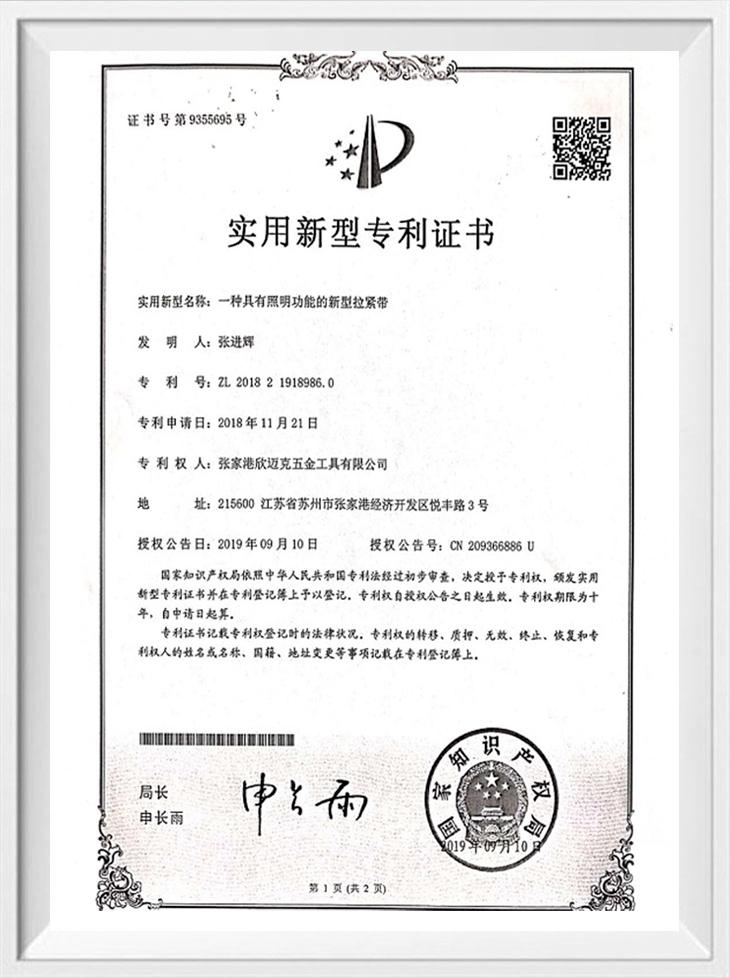
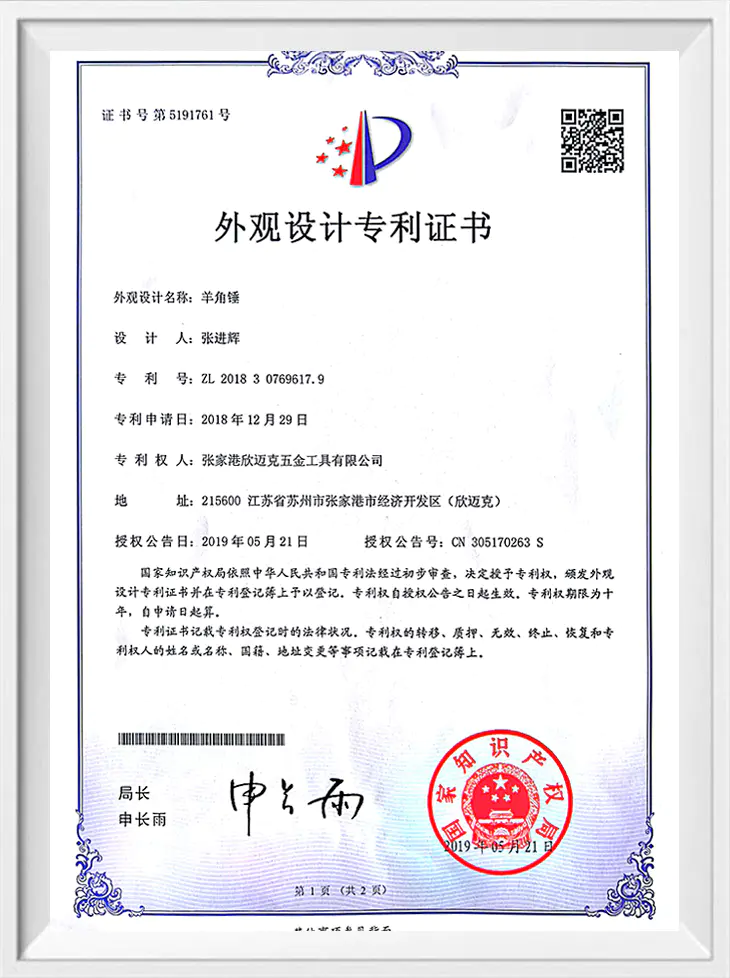
With over 8,000 sqm of production space, SMK is equipped with advanced automated lines and in-house testing labs, ensuring full-process quality control from raw material to finished goods. The company is ISO 9001 certified, SMETA audited, and has passed C-TPAT anti-terrorism inspections and multiple GS and patent certifications.
Looking ahead, SMK will continue to upgrade its cargo control systems, stay close to customer needs, and provide high-quality, efficient products and services worldwide.
Product
-
New Products
- Flatbed Solutions
- Interior Van Solutions
- Utility Tie down and Bungee Cord
- Auto Transport and Towing Solutions
- Lifting Solutions
- Tie Down Hardware
-
TUV&GS Certificated Tie Down and Bungee Cord
-
Towing & Rigging
-
4×4 Off-Road & Trailers
contact
Wholesale and manufactures of Lifting Rope Hoist
Company Profile
Zhangjiagang SMK MFG. Co., Ltd.
News
-
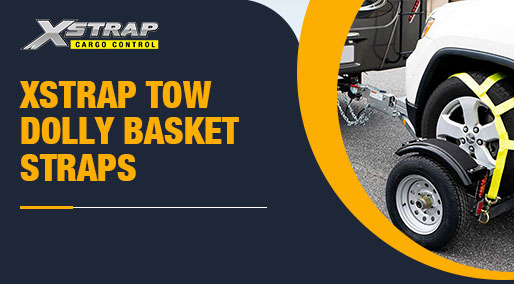
Understanding the Role of Tow Dolly Basket Straps in Vehicle Transport In the field of vehicle transport, Tow Dolly Basket Straps are recognized as one of the safest and most stable securing tools ava...
READ MORE -
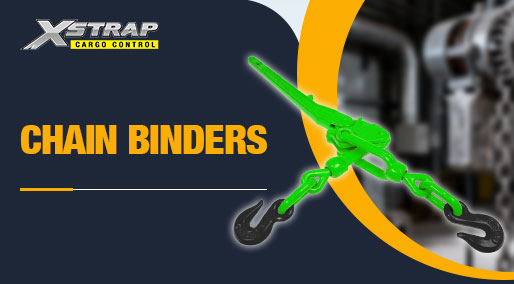
1. Understanding the Role of Chain Binders in Load Securement In the world of heavy transportation, Chain Binders are essential tools for ensuring cargo stability. They utilize either a lever principl...
READ MORE -
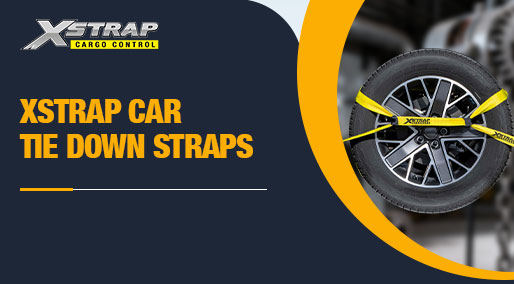
Understanding the Role of Car Tie Down Straps in Vehicle Transport Safety is the primary consideration when transporting a vehicle. Although standard cargo straps may look similar to Car Tie Down Stra...
READ MORE -
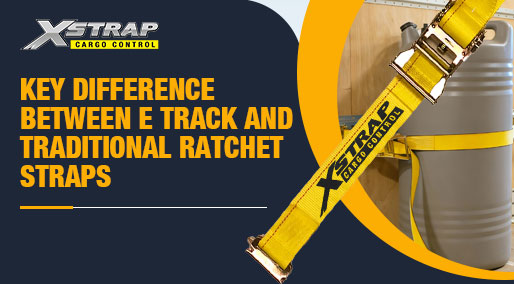
In the field of cargo transportation, securing loads is crucial to ensure the safety of both the cargo and the vehicle. Over the years, ratchet straps have been widely used to secure loads. However, w...
READ MORE
Certificate Of Honor
Lifting Rope Hoist Industry knowledge
Is the lifting rope hoist equipped with a safety hook, anti-slip device or locking mechanism?
Overview of Safety Features in Lifting Rope Hoists
Lifting rope hoists are essential tools for handling heavy loads in various industries, including construction, logistics, manufacturing, and warehousing. Their design must not only provide efficient lifting capacity but also integrate multiple safety mechanisms to reduce risks during operation. Features such as safety hooks, anti-slip devices, and locking mechanisms play a crucial role in preventing accidents and ensuring controlled performance. Companies like Zhangjiagang SMK MFG. Co., Ltd., with its extensive production capacity and in-house testing facilities, emphasize these safety elements in the design and production of hoists to align with international standards.
Safety Hook and Its Importance
The safety hook is one of the fundamental protective components in a lifting rope hoist. It is typically designed with a latch or spring-loaded mechanism that prevents the load from unintentionally detaching during lifting or lowering. Safety hooks come in different sizes and shapes, depending on the type of load and working environment. In practical applications, these hooks provide users with additional assurance that the load remains securely attached, even in cases of sudden shifts or unexpected vibrations. At SMK, the implementation of safety hooks is part of the quality process that ensures products meet international inspection standards such as GS certification and ISO 9001 guidelines.
Anti-Slip Device for Enhanced Stability
An anti-slip device in a rope hoist helps maintain the rope’s position under load, preventing slippage that could otherwise compromise stability. This feature often involves specially designed grooves in the hoist drum or friction-based systems that grip the rope securely. By reducing the likelihood of uncontrolled descent, anti-slip devices enhance both user safety and equipment reliability. Such mechanisms are particularly useful in environments where loads must be held at specific heights for assembly, positioning, or transport. With SMK’s advanced automated lines, the integration of anti-slip features is carefully tested to ensure consistent performance in industrial settings.
Locking Mechanism for Load Control
The locking mechanism is another critical safety component found in lifting rope hoists. It prevents the load from moving unintentionally once it has been lifted to the desired position. These mechanisms may take the form of automatic brakes or manual locks, depending on the hoist design. The primary function is to hold the load securely in place, eliminating the risk of sudden drops. Industries where precision and safety are essential, such as automotive assembly or heavy machinery installation, benefit significantly from hoists equipped with reliable locking mechanisms. SMK MFG. Co., Ltd. incorporates rigorous testing protocols to ensure that locking systems operate correctly under varied load conditions.
Comparison of Safety Features in Rope Hoists
The following table summarizes the main safety features of lifting rope hoists and their functions in everyday use:
| Safety Feature | Function | Benefit |
|---|---|---|
| Safety Hook | Prevents load detachment | Ensures secure connection during lifting |
| Anti-Slip Device | Keeps rope in position | Prevents slippage and uncontrolled descent |
| Locking Mechanism | Holds load at set height | Provides stability and control for operators |
Industrial Applications of Safety Features
The integration of safety features in rope hoists supports a broad range of industrial applications. In construction, safety hooks ensure that heavy building materials remain securely attached during vertical transport. In logistics, anti-slip devices prevent accidents during fast-paced warehouse operations. In manufacturing, locking mechanisms allow precise positioning of components during assembly. By incorporating these features, SMK products are suitable for global markets where compliance with safety regulations is essential, further supported by audits such as SMETA and inspections like C-TPAT.
Engineering and Material Considerations
The effectiveness of safety features in a rope hoist depends not only on design but also on the materials used. For example, safety hooks are manufactured from forged or heat-treated steel to ensure high resistance to bending or breaking. Anti-slip devices rely on durable grooves or friction pads capable of withstanding repeated stress. Locking mechanisms incorporate brake pads and gears engineered to hold loads consistently over long periods. With its advanced production lines covering over 8,000 sqm, SMK integrates these engineering practices to produce reliable equipment for professional use.
Testing and Certification of Safety Mechanisms
To guarantee safe operation, lifting rope hoists undergo rigorous testing in controlled environments. Load tests, endurance tests, and safety simulations confirm that safety hooks, anti-slip devices, and locking mechanisms perform as expected under maximum rated loads. SMK MFG. Co., Ltd. applies in-house testing protocols, supported by certifications such as GS, to validate that safety mechanisms meet international requirements. This process provides end users with assurance that hoists are not only efficient but also consistently safe across various applications.
Maintenance and Inspection of Safety Components
Although rope hoists are designed with integrated safety features, regular inspection and maintenance are essential to ensure ongoing reliability. Safety hooks should be checked for deformation or latch failure. Anti-slip devices must be cleaned and inspected to confirm that grooves or friction systems remain effective. Locking mechanisms require monitoring of brake pads or gear systems to avoid unexpected failure. SMK emphasizes full-process quality control and provides customers with guidelines for routine maintenance, ensuring that products retain their safety performance throughout their lifecycle.
Advantages of Integrated Safety Systems
The presence of multiple safety mechanisms in rope hoists creates a layered protection system. While the safety hook ensures initial attachment security, the anti-slip device provides stability during lifting, and the locking mechanism secures the load at its final position. This combination minimizes operational risks by addressing different stages of the lifting process. Customers choosing SMK hoists benefit from equipment designed to integrate all three features, ensuring adaptability in industries where safety cannot be compromised.
Customization Options for Safety Features
Different industries may require modifications to standard safety features. For example, larger safety hooks may be necessary for oversized load points, or advanced locking mechanisms might be preferred for industries requiring prolonged load suspension. With its flexible OEM and ODM services, SMK MFG. Co., Ltd. provides customization to meet specific client requirements. This ensures that the safety systems in rope hoists are aligned with operational needs, further enhancing usability and reliability in global markets.
Table of Industry-Specific Requirements
The following table highlights how safety features in rope hoists align with specific industry requirements:
| Industry | Key Safety Feature | Reason for Requirement |
|---|---|---|
| Construction | Safety Hook | Secure handling of heavy building materials |
| Logistics | Anti-Slip Device | Maintains stability during fast-paced operations |
| Manufacturing | Locking Mechanism | Allows precise positioning of machinery parts |
| Shipbuilding | All three combined | Handles oversized and heavy-duty components safely |
Integration of Safety with Global Supply Capabilities
As a company operating three factories and a large-scale warehouse center, SMK integrates safety-focused products into an efficient international supply chain. The presence of safety hooks, anti-slip devices, and locking mechanisms in rope hoists demonstrates the company’s commitment to user protection. These features are not only a technical requirement but also a strategic advantage in meeting the expectations of customers across different regions. By aligning with international standards, SMK strengthens its position as a reliable supplier of lifting and cargo control systems worldwide.
Future Developments in Safety Design
Advances in material science and mechanical engineering are driving continuous improvements in hoist safety features. New alloys, enhanced locking systems, and digitally monitored anti-slip devices represent potential innovations. Zhangjiagang SMK MFG. Co., Ltd. remains committed to research and development in this field, leveraging its 20 years of expertise to refine hoist safety systems. Future designs may include automated inspection sensors or smart safety locks that enhance both functionality and ease of use.
What are the differences in performance between a lifting rope hoist and a chain hoist?
Introduction to Hoisting Equipment
Lifting equipment is essential across multiple industries, particularly where heavy materials or machinery need to be handled with precision and safety. Among the most common tools are rope hoists and chain hoists, each offering distinct performance characteristics. The differences in their design and operation affect not only how they perform but also the industries and environments in which they are most suitable. As a company with strong expertise in the field, Zhangjiagang SMK MFG. Co., Ltd. provides solutions that include lifting slings, hoists, and other related products, ensuring that users can select the appropriate type based on their requirements.
Structural Differences Between Rope Hoists and Chain Hoists
The first difference lies in the fundamental construction of rope hoists compared to chain hoists. A rope hoist typically uses wire ropes wound around a drum to lift loads, while a chain hoist employs hardened steel chains passing through gears or sprockets. The material difference between wire rope and chain not only influences strength but also determines how each hoist performs under continuous operation, environmental exposure, and maintenance requirements. SMK MFG. Co., Ltd., with its in-house testing labs and advanced automated lines, evaluates both rope and chain systems to ensure safety and reliability in practical use.
Load Capacity and Strength
Chain hoists are generally recognized for handling heavier loads because steel chains resist stretching and maintain consistent strength under tension. Rope hoists, although capable of supporting substantial weights, may not always achieve the same load capacity as chain hoists due to rope flexibility and wear. For industries requiring the transportation of vehicles, steel beams, or other heavy items, chain hoists may be the preferred option. Rope hoists, however, are often chosen in applications where lighter materials or precise lifting with reduced surface abrasion is required.
Durability and Maintenance
Durability is another key factor differentiating the two types of hoists. Chains, being solid metal, withstand harsh environments such as heat, grease, or sharp edges better than ropes. On the other hand, wire ropes are more susceptible to fraying and require more frequent inspection to prevent breakage. However, rope hoists can be easier to replace or repair when components wear out. Zhangjiagang SMK MFG. Co., Ltd. incorporates quality control from raw material sourcing to finished goods, ensuring that both rope and chain hoists meet high standards for durability and safe use across industries.
Precision and Smoothness of Operation
Rope hoists often provide smoother operation compared to chain hoists due to the flexibility and reduced vibration of the rope. This characteristic makes them suitable for delicate lifting tasks where minimizing shock loads is necessary. Chain hoists, while reliable and consistent, may introduce more vibration during operation because of their metal-on-metal mechanism. Users working with sensitive equipment or materials often prefer rope hoists for their controlled lifting motion, while chain hoists are widely adopted for general heavy-duty lifting where smoothness is less critical than raw strength.
Application in Different Environments
The environmental context also plays a role in performance differences. Rope hoists are commonly used indoors or in controlled environments where the rope is less likely to encounter abrasive conditions. Chain hoists are well-suited for rugged environments such as construction sites, steel plants, or heavy manufacturing facilities. Given its expertise in supplying lifting and cargo control solutions, SMK MFG. Co., Ltd. provides both types of hoists to address diverse industry needs, allowing companies to choose based on their working conditions.
Speed and Efficiency of Lifting
Rope hoists are often designed for faster lifting speeds because the drum mechanism allows for quick winding and unwinding of the rope. This makes them advantageous when efficiency and speed are priorities, such as in assembly lines or warehouse operations. Chain hoists, while slower in operation, deliver steady and controlled lifting, making them more suitable for situations where safety and accuracy outweigh speed. The choice between speed and control depends heavily on the task at hand, and SMK’s wide product portfolio helps accommodate both requirements.
Cost Considerations
Cost is an important factor when evaluating hoists. Rope hoists are often more affordable initially, especially for light to medium-duty applications. However, their higher maintenance frequency can lead to additional expenses over time. Chain hoists, while generally more expensive upfront, offer long-term savings due to their longevity and lower maintenance demands. Businesses balancing initial budget with lifecycle cost must evaluate their operational priorities carefully when deciding between rope and chain hoists.
Safety Performance
Safety is central to the performance evaluation of lifting equipment. Chain hoists, because of their solid construction and lower likelihood of sudden breakage, provide reliable safety for lifting heavy loads. Rope hoists, though safe when properly maintained, require more rigorous inspections to detect signs of wear such as fraying or broken strands. Companies like SMK, which undergo ISO 9001 certification and C-TPAT inspections, emphasize testing and certification to guarantee that all hoists, whether chain or rope, align with safety expectations for industrial use.
Industry Suitability
Different industries adopt rope hoists and chain hoists based on their specific lifting demands. For example, logistics and warehousing often prefer rope hoists for faster handling of moderate loads, while shipbuilding, construction, and automotive industries rely heavily on chain hoists for their ability to manage massive weights in demanding environments. SMK MFG. Co., Ltd. aligns its product development with these varied requirements, supplying customized solutions under its XSTRAP brand and OEM/ODM services to meet customer needs globally.
Comparative Performance Table
The following table summarizes the key performance differences between lifting rope hoists and chain hoists:
| Aspect | Rope Hoist | Chain Hoist |
|---|---|---|
| Load Capacity | Moderate to heavy, but limited by rope wear | Heavy loads, high strength with minimal stretch |
| Durability | Less durable in harsh conditions | Highly durable and resistant to rough environments |
| Smoothness | Smoother, reduced vibration | Steady but with more vibration |
| Lifting Speed | Faster operation | Slower but controlled |
| Maintenance | Requires frequent inspection and replacement | Less frequent maintenance needed |
| Cost | Lower initial cost, higher long-term maintenance | Higher initial cost, lower long-term expense |
| Safety | Safe with careful monitoring | High safety for heavy-duty lifting |
| Industry Use | Warehousing, logistics, assembly | Construction, manufacturing, automotive |
Technological Advancements and Customization
With over 20 years of experience, Zhangjiagang SMK MFG. Co., Ltd. incorporates technological advancements into the design of both rope and chain hoists. Automated production lines and testing laboratories ensure that products meet rigorous standards. In addition, the company offers OEM/ODM customization, allowing clients to request features tailored to their operations, such as anti-corrosion coatings, specialized lifting capacities, or ergonomic controls. This adaptability ensures that both rope and chain hoists supplied by SMK can be optimized for performance in different working conditions.
Quality Standards and Certification
Both rope hoists and chain hoists provided by SMK are developed under strict quality systems, including ISO 9001 certification, SMETA audits, and compliance with international safety standards. The integration of full-process quality control from raw materials to finished goods ensures that performance differences between rope and chain hoists are consistently measured and validated. Customers across logistics, construction, and industrial markets can rely on these certifications when selecting equipment that matches their operational requirements.
Conclusion on Performance Differences
The performance differences between lifting rope hoists and chain hoists highlight the importance of selecting the right tool for specific applications. While rope hoists deliver advantages in speed, smoothness, and affordability, chain hoists excel in strength, durability, and long-term reliability. Zhangjiagang SMK MFG. Co., Ltd. continues to enhance both types of products through advanced production methods and strict testing, ensuring that industries worldwide can find reliable hoisting solutions that align with their operational needs.
-
 +86-18112697781qindan355@gmail.comNo. 21 Yuefeng Road, Yangshe Town, Zhangjiagang City, Suzhou City, Jiangsu Province
 -
Quick Links
Social Media
-
OEM Partner
-


Copyright © 2025 Zhangjiagang SMK MFG. Co., Ltd. All rights reserved.
 Custom Lifting Rope Hoist Manufacturers
Custom Lifting Rope Hoist Manufacturers