
 English
 Français
 Español
Since its establishment in 2002,
Zhangjiagang SMK MFG. Co., Ltd.
has specialized in cargo securing and control products, with over 20 years of experience in R&D and global export. The company is China Lifting Chain Hoist Manufacturers and Custom Lifting Chain Hoist Suppliers, and operates three factories and a large-scale warehouse center, forming an efficient international supply network.
SMK's product range includes tie-down straps, bungee cords, tow straps, lifting slings, hoists, and 4x4 accessories, widely used in transportation, logistics, outdoor, and industrial sectors. Its in-house brand XSTRAP enjoys strong recognition in global markets, alongside flexible OEM/ODM services for customized needs.
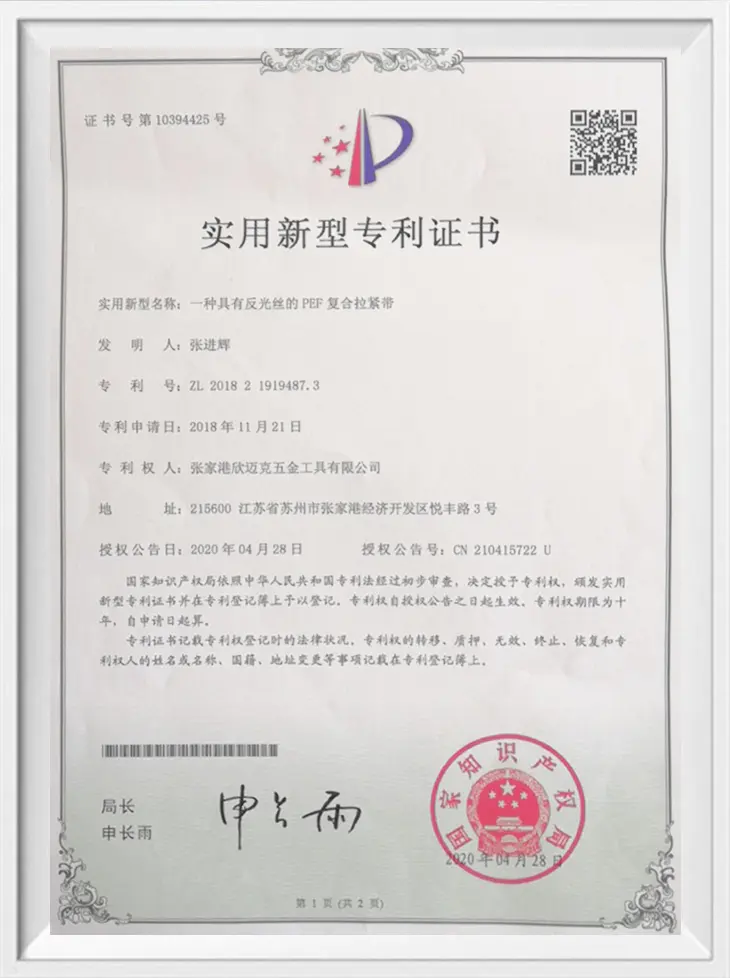
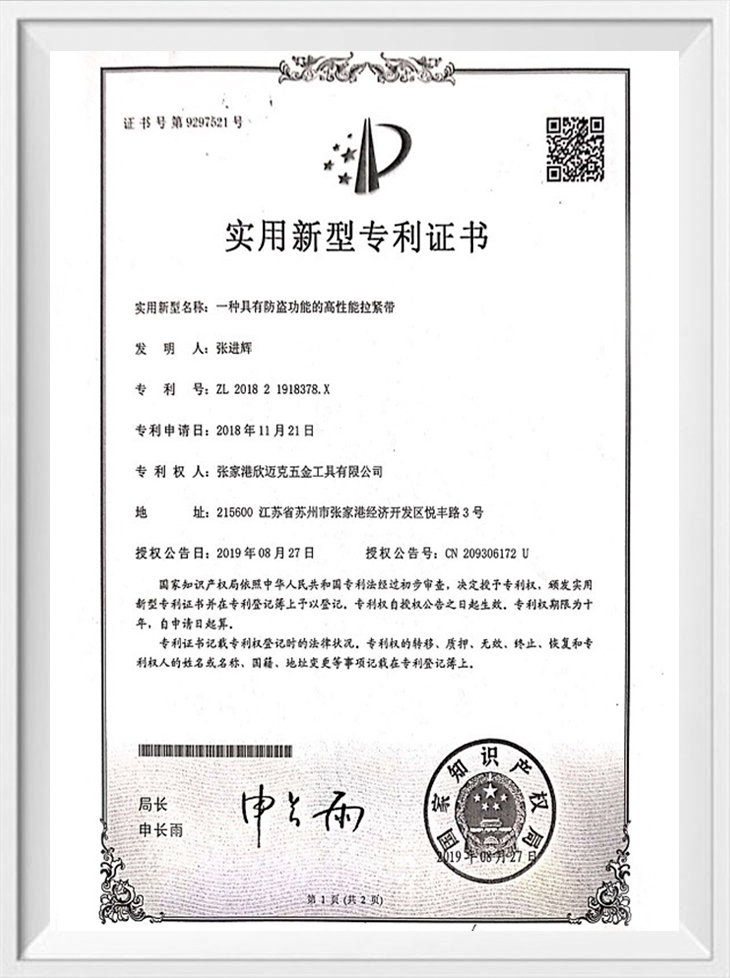
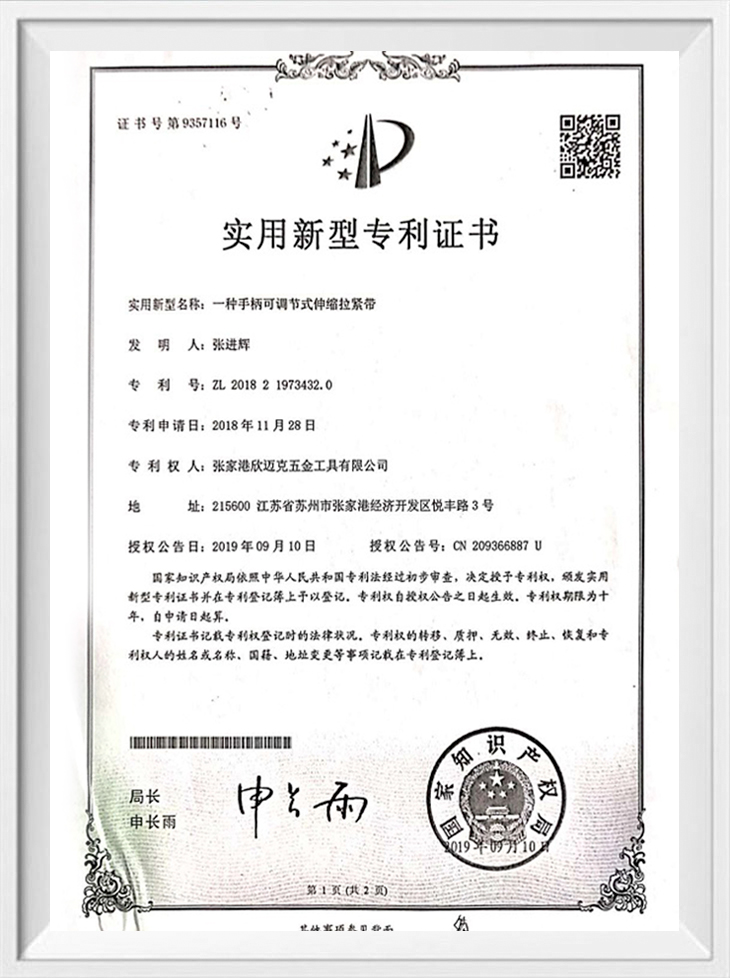
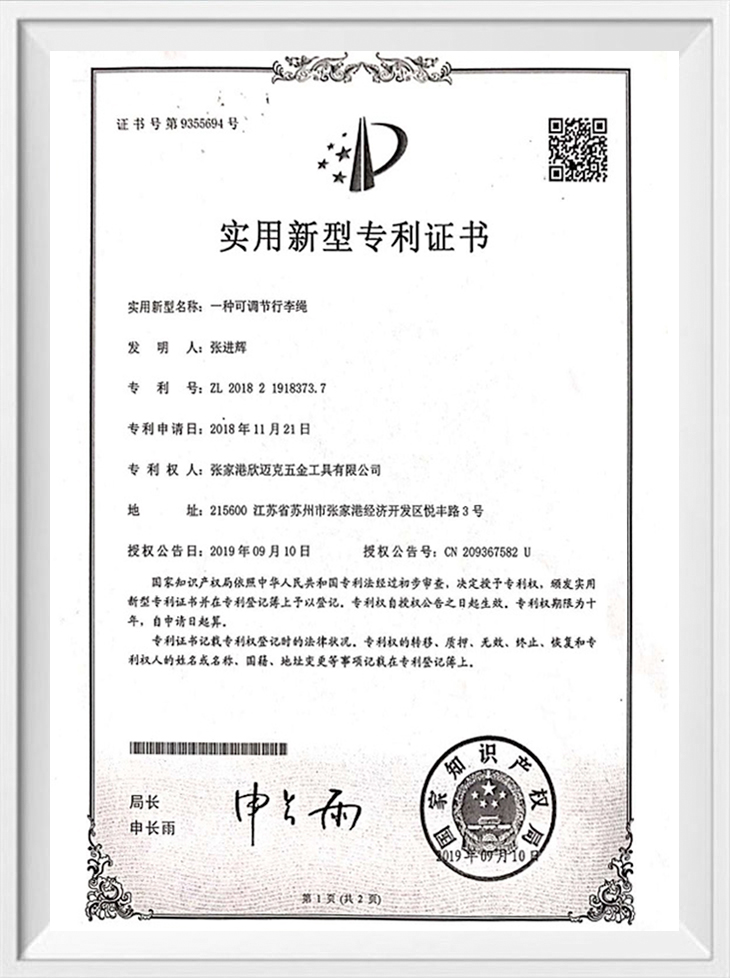
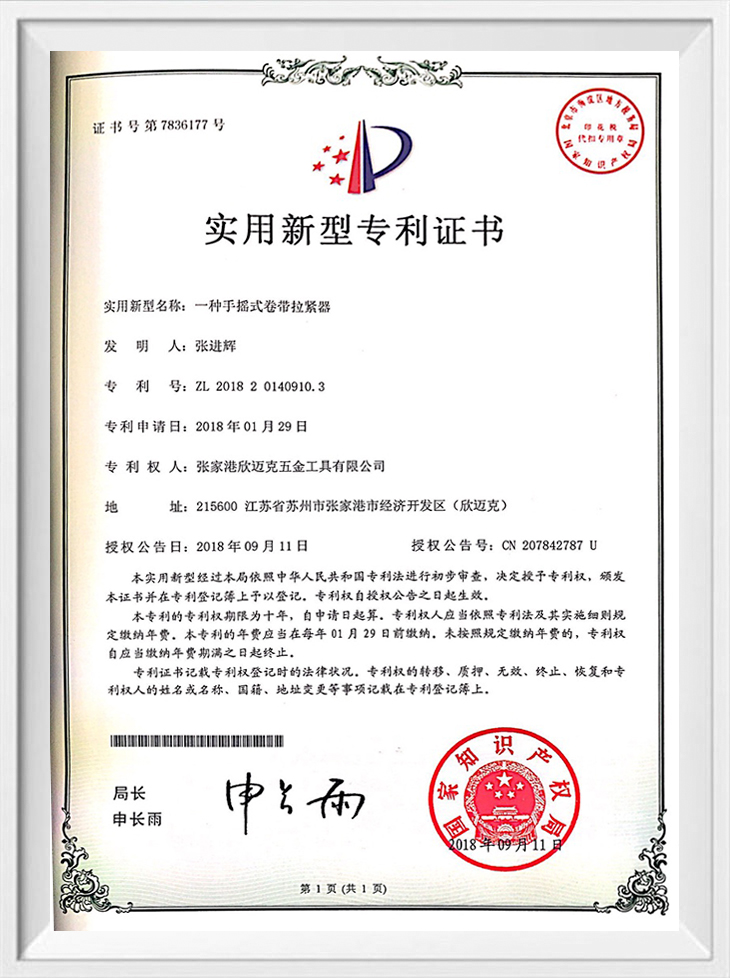
With over 8,000 sqm of production space, SMK is equipped with advanced automated lines and in-house testing labs, ensuring full-process quality control from raw material to finished goods. The company is ISO 9001 certified, SMETA audited, and has passed C-TPAT anti-terrorism inspections and multiple GS and patent certifications.
Looking ahead, SMK will continue to upgrade its cargo control systems, stay close to customer needs, and provide high-quality, efficient products and services worldwide.
Product
-
New Products
- Flatbed Solutions
- Interior Van Solutions
- Utility Tie down and Bungee Cord
- Auto Transport and Towing Solutions
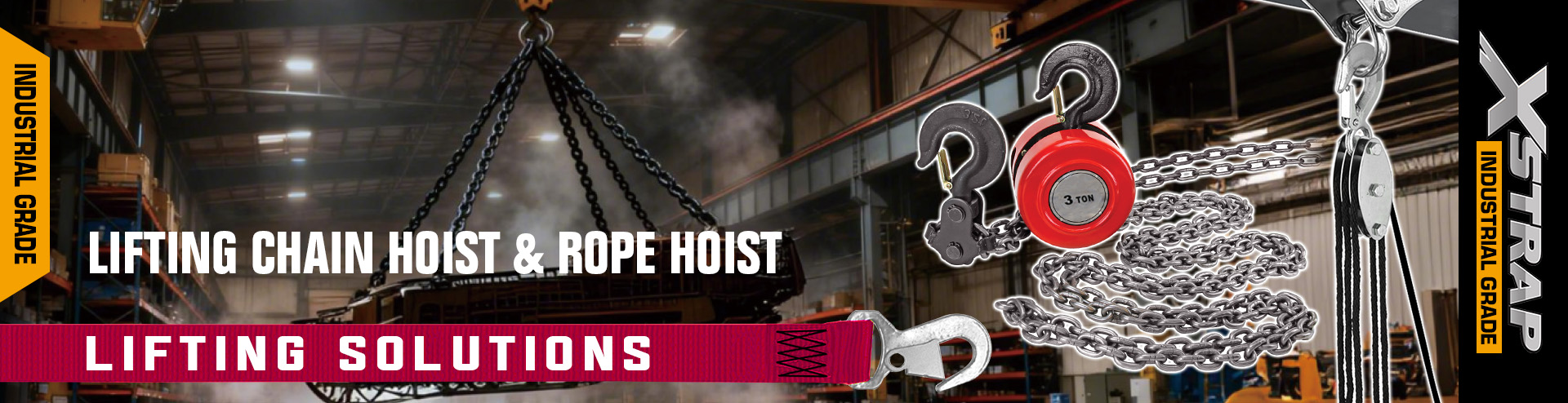
- Lifting Solutions
- Tie Down Hardware
-
TUV&GS Certificated Tie Down and Bungee Cord
-
Towing & Rigging
-
4×4 Off-Road & Trailers
contact
Company Profile
Zhangjiagang SMK MFG. Co., Ltd.
News
-
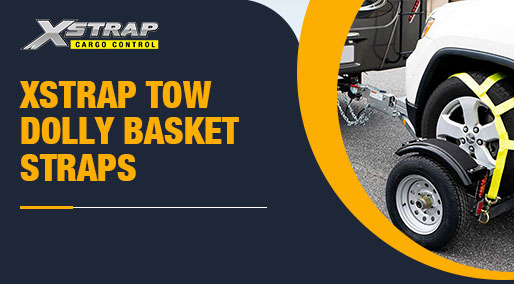
Understanding the Role of Tow Dolly Basket Straps in Vehicle Transport In the field of vehicle transport, Tow Dolly Basket Straps are recognized as one of the safest and most stable securing tools ava...
READ MORE -
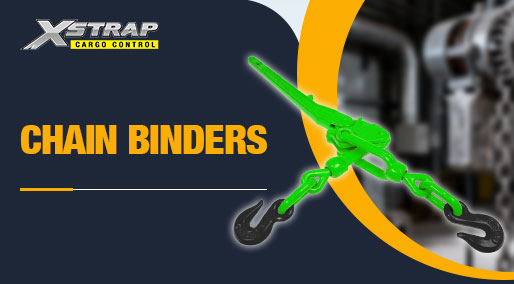
1. Understanding the Role of Chain Binders in Load Securement In the world of heavy transportation, Chain Binders are essential tools for ensuring cargo stability. They utilize either a lever principl...
READ MORE -
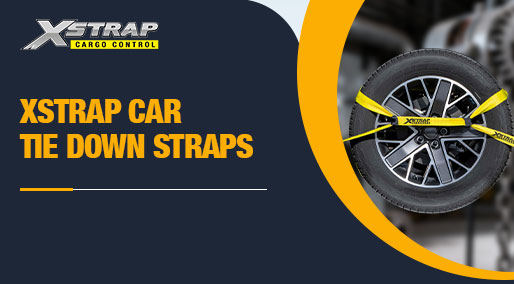
Understanding the Role of Car Tie Down Straps in Vehicle Transport Safety is the primary consideration when transporting a vehicle. Although standard cargo straps may look similar to Car Tie Down Stra...
READ MORE -
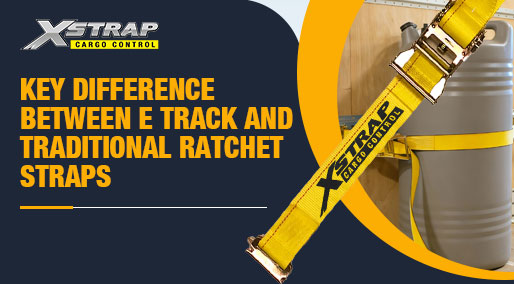
In the field of cargo transportation, securing loads is crucial to ensure the safety of both the cargo and the vehicle. Over the years, ratchet straps have been widely used to secure loads. However, w...
READ MORE
Certificate Of Honor
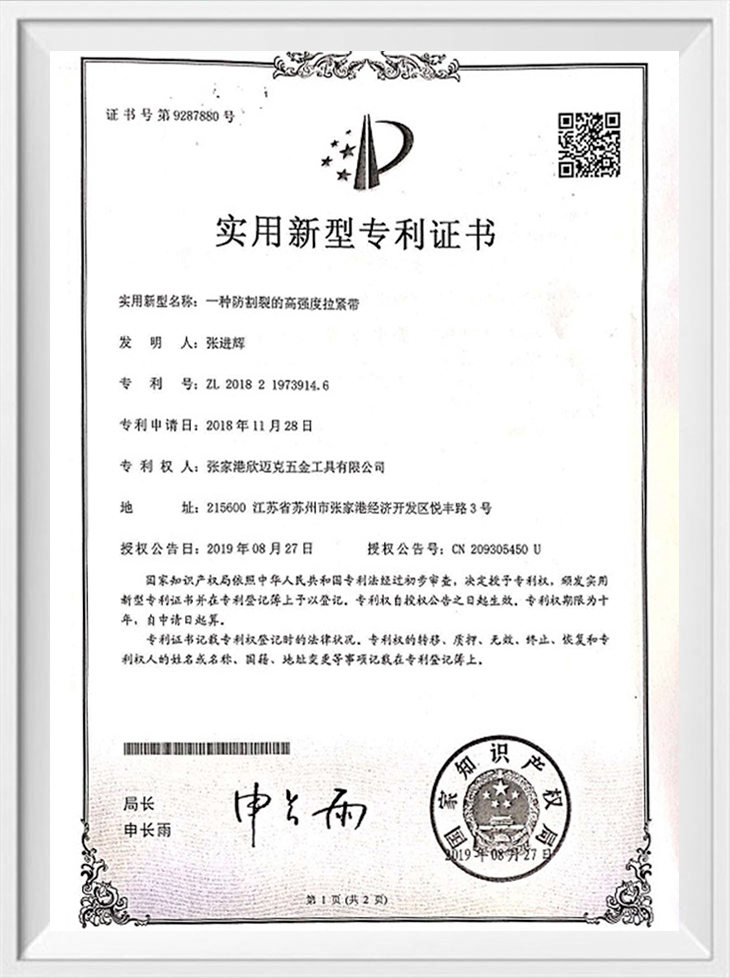
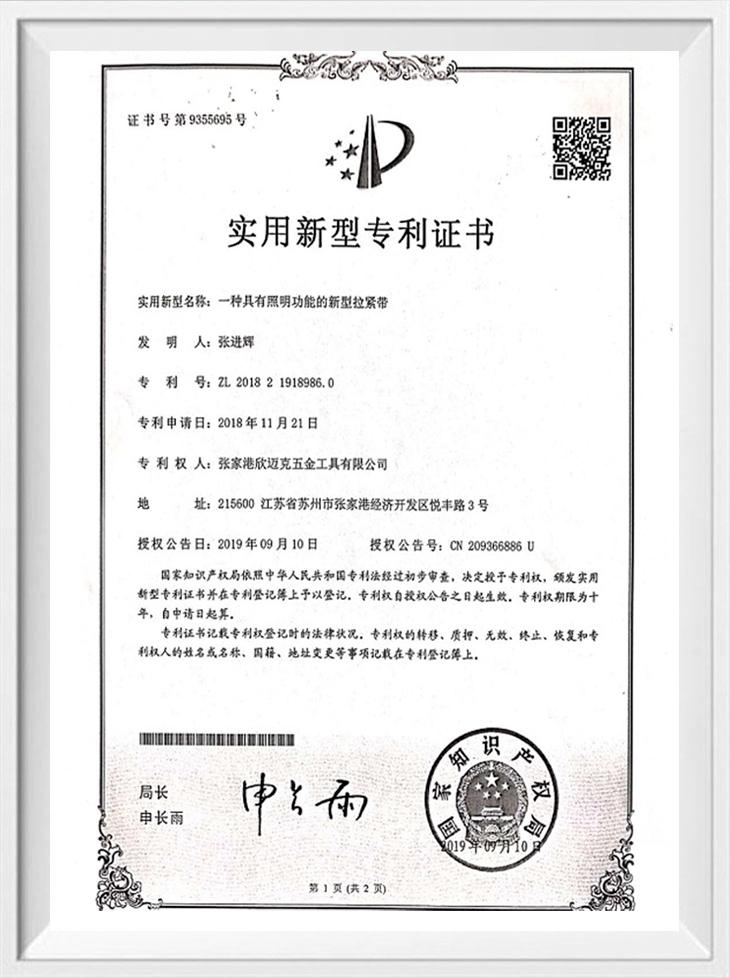
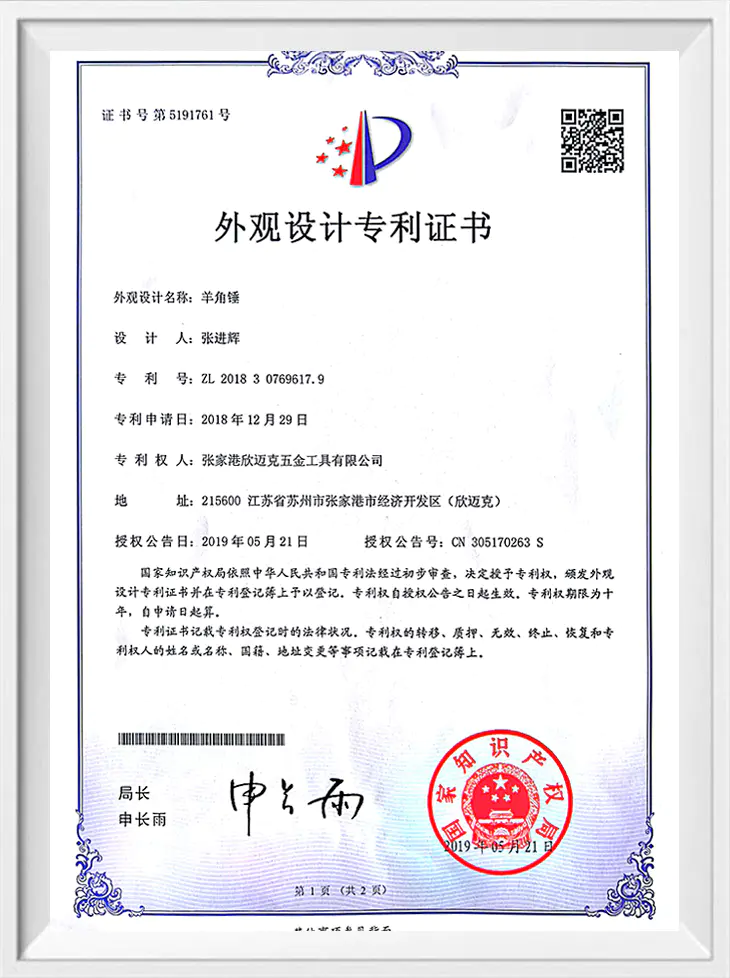
Lifting Chain Hoist Industry knowledge
Is the lifting chain hoist suitable for continuous long-term operation and in which industries is it suitable?
Understanding the Role of Lifting Chain Hoists
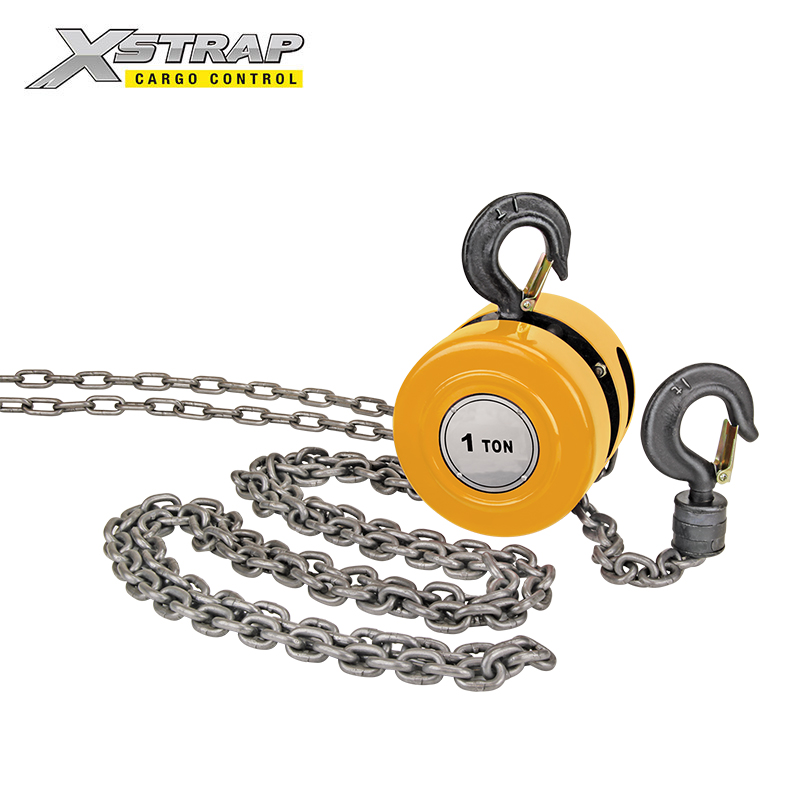
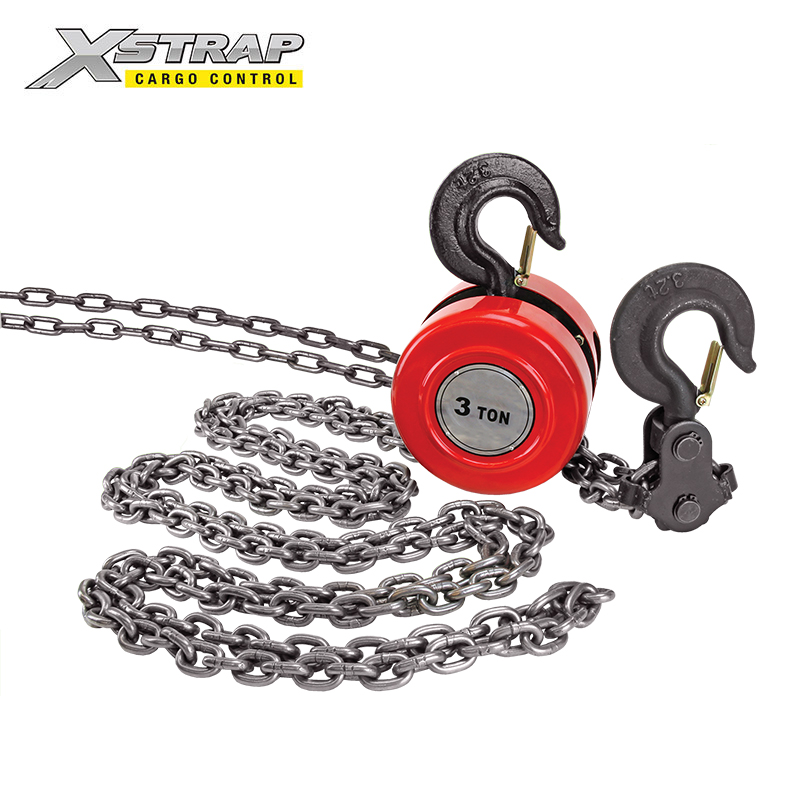
Lifting chain hoists are mechanical devices designed to handle heavy loads by utilizing a system of chains and gears to multiply the lifting force. They are commonly employed in industrial environments where reliable lifting solutions are required. Companies like Zhangjiagang SMK MFG. Co., Ltd., with its extensive background in cargo securing and control products, manufacture lifting chain hoists that combine durability and functionality. These hoists are used not only for lifting heavy machinery and materials but also for ensuring operational safety in demanding environments. The ability of a chain hoist to withstand continuous use and its applicability across different industries are key factors in evaluating its effectiveness.
Suitability for Continuous Long-Term Operation
The suitability of a lifting chain hoist for long-term continuous operation depends largely on its construction quality, load rating, and design efficiency. Hoists produced by SMK undergo full-process quality control, from raw material testing to finished product evaluation, ensuring they can handle repeated cycles of lifting and lowering without rapid wear. High-grade alloy steel chains and precision-machined gears reduce friction, which in turn minimizes heat buildup during extended operation. This durability ensures that chain hoists remain functional in work environments where continuous lifting is part of daily operations, such as assembly lines or warehouses with constant material movement.
Material and Structural Design
Material quality is one of the determining factors in whether a chain hoist is suited for long-term continuous use. The load chains are generally made of hardened alloy steel that resists stretching and deformation, while the housing protects the internal mechanisms from dust, moisture, and physical impact. SMK’s chain hoists incorporate robust casings and advanced stitching methods for connected straps when integrated with other securing systems. The mechanical components are engineered for precision, allowing smooth operation even under repetitive stress. These characteristics ensure the hoist retains consistent performance even after extended usage periods.
Maintenance and Operational Longevity
Even with high-quality construction, the longevity of lifting chain hoists depends on regular maintenance. Lubrication of gears, inspection of chains, and cleaning of the housing contribute to operational efficiency. Hoists designed for easy maintenance are more likely to sustain continuous use without interruption. SMK provides products that are tested in in-house laboratories to verify durability under simulated long-term use conditions, confirming that maintenance can be carried out efficiently to extend service life. Proper maintenance ensures that hoists remain suitable for environments where they must perform repeatedly without failure.
Safety Considerations in Continuous Operation
Continuous long-term operation of lifting chain hoists must take into account safety measures to protect operators and the load being lifted. Overloading is a common risk that can shorten the lifespan of a hoist. To address this, hoists are equipped with load limiters or mechanical safeguards to prevent lifting beyond the rated capacity. SMK’s products are ISO 9001 certified and have undergone GS and patent certifications, ensuring compliance with international safety standards. These safety features are particularly important in industries where hoists operate for extended hours, as they reduce the risk of mechanical failure during ongoing operations.
Energy Efficiency and Mechanical Design
Manual and electric chain hoists differ in their ability to support long-term continuous use. Manual hoists are effective for intermittent lifting tasks but may require significant operator effort when used continuously. Electric hoists, on the other hand, are designed for higher frequency lifting cycles and can manage repetitive tasks without causing operator fatigue. SMK offers hoists suitable for both categories, ensuring that the mechanical design matches the operational demand. Electric chain hoists, in particular, are engineered to operate efficiently with reduced heat accumulation, making them more suitable for long-term continuous lifting tasks.
Comparison of Manual and Electric Chain Hoists
| Feature | Manual Chain Hoist | Electric Chain Hoist |
|---|---|---|
| Operation | Requires manual pulling of chain | Powered by electric motor |
| Suitability for Continuous Use | Best for occasional lifting | Designed for frequent cycles |
| Load Capacity | Typically lower | Higher capacities available |
| Operator Effort | Physically demanding | Minimal physical effort |
| Maintenance | Simple inspection and lubrication | Requires periodic electrical checks |
Industrial Applications of Lifting Chain Hoists
Lifting chain hoists are versatile tools that find application across multiple industries due to their ability to handle heavy loads safely and efficiently. Their design makes them indispensable in construction, manufacturing, logistics, and mining sectors. The adaptability of hoists allows them to be used in stationary setups, such as factories, or mobile environments, such as shipyards and outdoor construction sites. Companies like SMK, with a wide product range covering lifting slings and hoists, provide solutions tailored for diverse industries, ensuring that hoists meet the specific operational demands of different sectors.
Use in Manufacturing Industries
In manufacturing environments, lifting chain hoists are employed to move heavy machinery components, raw materials, and finished products within facilities. Assembly lines often require repetitive lifting and precise placement of parts, making continuous operation essential. Electric hoists are particularly suitable here, as they enable smooth and consistent lifting without operator fatigue. The use of durable hoists manufactured under controlled processes, such as those by SMK, ensures that production efficiency is maintained while reducing downtime caused by equipment issues.
Application in Construction and Infrastructure Projects
Construction sites are another significant area where lifting chain hoists are essential. They are used to lift steel beams, concrete blocks, and other heavy materials to elevated work areas. Long-term use is critical in projects that extend over months or years. Hoists designed for continuous use ensure that heavy lifting can be performed consistently without breakdowns. SMK’s hoists, tested for durability and performance, meet the demands of such environments, offering reliable support for ongoing construction operations.
Role in Mining and Heavy Industries
Mining and heavy industries demand equipment that can endure some of the harshest working conditions. Lifting chain hoists in these environments are subjected to dust, moisture, and high loads on a regular basis. Continuous operation is not just an option but a requirement, as material extraction and processing rely on constant lifting. Hoists with protective casings and corrosion-resistant materials are most effective in these industries. By ensuring robust construction and compliance with strict standards, SMK provides solutions that are suitable for heavy-duty applications requiring long-term use.
Logistics and Warehousing Applications
In logistics and warehousing, chain hoists are used for loading and unloading goods, organizing storage areas, and moving heavy cargo. Since these tasks often occur daily and repeatedly, the suitability of hoists for continuous operation is vital. Electric chain hoists are particularly effective in these settings due to their speed and efficiency in repetitive lifting tasks. The global distribution network supported by SMK’s warehouse facilities ensures timely availability of hoists and related equipment for logistics companies worldwide, supporting smooth operations in this sector.
Industries Using Lifting Chain Hoists
| Industry | Common Applications | Hoist Suitability |
|---|---|---|
| Manufacturing | Lifting machinery parts and assembly components | Continuous electric hoists |
| Construction | Moving steel beams, concrete, and building materials | Manual and electric hoists |
| Mining | Handling ores and heavy mining equipment | Heavy-duty continuous hoists |
| Logistics | Loading, unloading, and warehouse storage | Electric hoists for frequent use |
| Shipbuilding | Moving large vessel components | Corrosion-resistant hoists |
Adaptability in Harsh Environments
Lifting chain hoists must often operate in challenging environments, including outdoor conditions with exposure to rain, heat, or dust. Hoists that are suitable for continuous operation must therefore incorporate weather-resistant coatings and protective features to prevent premature wear. Anti-corrosion treatments applied to SMK’s hoists ensure that they can withstand long-term use in marine, construction, and industrial contexts. This adaptability extends the range of industries in which hoists can be applied, making them versatile tools for global use.
Operator Training and Ease of Use
Even though hoists are engineered for continuous use, operator training plays an important role in ensuring long-term efficiency. Proper usage techniques reduce strain on the hoist, while training in load limits and inspection protocols minimizes misuse. SMK supports its customers with product instructions and technical support, helping operators maximize both safety and equipment lifespan. User-friendly designs with ergonomic controls further simplify operation, making chain hoists more suitable for industries with varying skill levels among staff.
Economic Impact of Continuous Operation
Investing in chain hoists that are suitable for continuous long-term use reduces overall operational costs by minimizing downtime and replacement expenses. Industries that rely heavily on material handling benefit from equipment that can sustain repeated use without degradation. By offering certified, tested, and globally distributed hoists, SMK helps industries achieve consistent productivity. The economic advantage is particularly evident in large-scale operations where delays or failures can lead to significant financial losses.
What is the difference between a manual and an electric lifting chain hoist?
Understanding Manual and Electric Lifting Chain Hoists
Lifting chain hoists are essential tools in industries where heavy loads must be lifted and moved safely. They operate through a system of chains and gears that multiply force, allowing workers to handle weights beyond manual capacity. Two main types exist in modern industries: manual chain hoists and electric chain hoists. Each has distinct design characteristics, applications, and performance advantages depending on operational requirements. Companies like Zhangjiagang SMK MFG. Co., Ltd., with more than two decades of experience in manufacturing cargo control products, provide both categories of chain hoists to support industries ranging from logistics to construction. The difference between manual and electric chain hoists lies in their power source, operational efficiency, and suitability for specific environments.
Design and Power Source
The most fundamental distinction between manual and electric chain hoists is their power source. A manual chain hoist relies entirely on human effort. Operators pull a hand chain that engages gears and transmits force to lift or lower a load. In contrast, an electric chain hoist uses an electric motor to automate the lifting process, reducing the need for physical exertion. SMK manufactures both types with durable alloy chains and precision-machined gears, but the addition of a motor in electric models introduces higher lifting speeds and continuous operation capability. The choice between manual and electric designs depends largely on the frequency of use and the working environment.
Lifting Capacity and Speed
Manual chain hoists typically have lower lifting speeds since they depend on the operator’s effort. They are effective for lifting loads gradually and with precision but are not suited for rapid or repetitive lifting tasks. Electric chain hoists, however, offer higher lifting speeds and can handle more frequent cycles. In industries such as automotive assembly or warehouse logistics where time efficiency is critical, electric hoists provide a significant advantage. SMK ensures that both manual and electric hoists undergo rigorous testing in in-house labs to confirm lifting capacities and consistent performance under load. While manual hoists may be limited in speed, they remain reliable for controlled lifting tasks where accuracy matters more than pace.
Operator Effort and Ergonomics
Manual hoists require physical exertion, which can be demanding in environments where heavy lifting is frequent. The process of pulling the hand chain continuously may result in operator fatigue over time. Electric hoists eliminate this issue by automating the process, enabling operators to control heavy lifts with minimal effort through a button or switch. This makes electric hoists more suitable for long-term repetitive operations. SMK designs its products with ergonomic considerations, ensuring that manual hoists are still manageable while electric hoists provide ease of use for extended work shifts. The ergonomic difference between the two types directly impacts productivity and worker safety.
Cost and Investment Considerations
Another important difference lies in cost. Manual chain hoists are generally more affordable upfront because they do not require motors, wiring, or advanced controls. They are ideal for smaller businesses or projects with limited budgets. Electric chain hoists, while requiring a higher initial investment, offer long-term savings through improved efficiency and reduced labor costs. Companies like SMK provide both options to meet the needs of different customer segments, allowing businesses to balance budget constraints with operational demands. The decision often depends on whether the hoist will be used occasionally or as part of a daily workflow requiring speed and efficiency.
Maintenance and Durability
Maintenance requirements also vary between manual and electric chain hoists. Manual hoists generally require basic upkeep such as chain lubrication, inspection for wear, and gear cleaning. Electric hoists, on the other hand, include electrical components and motors that require more complex maintenance. This involves checking wiring, motor performance, and control systems. SMK integrates in-house testing and quality control processes to ensure both manual and electric hoists maintain durability across different environments. While electric hoists may require more specialized maintenance, their construction with advanced materials ensures long-term performance when maintained properly.
Suitability for Different Working Environments
The environment in which a hoist is used strongly influences whether a manual or electric hoist is more suitable. Manual hoists are advantageous in remote or outdoor areas where electricity is not readily available. Their simple design also makes them less vulnerable to weather conditions. Electric hoists are ideal for industrial environments where power supply is consistent, and speed is important. In warehouses, assembly plants, and logistics hubs, electric hoists improve workflow efficiency. SMK’s wide product range, including tie-down straps and lifting slings, complements both types of hoists, ensuring that customers have comprehensive cargo control solutions.
Safety Features
Both manual and electric chain hoists incorporate safety features, but the specifics differ. Manual hoists rely on mechanical brakes that engage automatically when lifting stops, preventing accidental load drops. Electric hoists incorporate both mechanical brakes and electronic limit switches to prevent over-travel and overloading. Companies such as SMK, which follow ISO 9001 certification and pass GS and patent certifications, ensure their hoists comply with international safety standards. These safety features are essential in industries where operator protection and load security are top priorities.
Key Differences Between Manual and Electric Chain Hoists
| Feature | Manual Chain Hoist | Electric Chain Hoist |
|---|---|---|
| Power Source | Human effort via hand chain | Electric motor |
| Lifting Speed | Slow and controlled | Fast and efficient |
| Operator Effort | High, may cause fatigue | Minimal, button-controlled |
| Cost | Lower initial cost | Higher initial investment |
| Maintenance | Basic lubrication and inspection | Requires motor and electrical checks |
| Best Application | Remote areas, occasional lifting | Industrial, frequent lifting |
Application in Different Industries
Manual and electric hoists serve distinct roles across industries. In construction and field operations, manual hoists are valued for their portability and independence from electrical supply. They are commonly used in outdoor environments or temporary projects where heavy lifting is needed occasionally. Electric hoists are favored in industries such as automotive manufacturing, warehousing, and shipbuilding where lifting tasks occur continuously, and speed is crucial. SMK’s products, including lifting slings and hoists, are distributed worldwide to meet these diverse industrial demands. The flexibility to choose between manual and electric hoists ensures industries can select equipment tailored to their specific workflow.
Energy Consumption and Efficiency
Manual hoists consume no energy other than human effort, making them cost-effective in environments with limited resources. However, this comes at the cost of speed and physical demand. Electric hoists consume electrical energy but convert it into efficient mechanical lifting, making them suitable for environments where efficiency and high throughput are required. The difference in energy use highlights how each hoist is optimized for different scenarios. SMK’s manufacturing processes incorporate energy-efficient designs, ensuring that electric hoists provide reliable lifting while minimizing unnecessary power consumption.
Adaptability and Portability
Manual hoists are generally lighter and more portable than electric models, making them easy to transport between job sites. They are ideal for smaller or temporary operations. Electric hoists, being heavier due to motors and electrical components, are often installed permanently in industrial settings. However, they provide greater adaptability in terms of lifting speed and control. This difference influences how industries choose to deploy hoists, depending on whether mobility or efficiency is prioritized. SMK’s broad production space and advanced equipment allow the company to manufacture hoists in both categories with structural integrity and reliability.
Industrial Suitability of Manual vs. Electric Hoists
| Industry | Preferred Hoist Type | Reason |
|---|---|---|
| Construction | Manual Hoist | Portable, no need for electricity |
| Warehousing | Electric Hoist | Frequent and fast lifting required |
| Mining | Electric Hoist | Handles continuous heavy lifting |
| Shipbuilding | Electric Hoist | Precise control and efficiency |
| Field Projects | Manual Hoist | Lightweight, easy to carry |
Longevity and Reliability
When considering longevity, manual hoists tend to last longer in low-frequency applications since they have fewer components prone to wear. Electric hoists, while designed for continuous heavy use, require regular maintenance to sustain long-term reliability. SMK’s rigorous in-house testing and international certifications ensure that both manual and electric models meet durability expectations for global customers. Reliability is achieved through precise engineering, high-quality materials, and compliance with safety standards. By tailoring product design to customer needs, SMK ensures that lifting chain hoists remain dependable tools across diverse industries.
-
 +86-18112697781qindan355@gmail.comNo. 21 Yuefeng Road, Yangshe Town, Zhangjiagang City, Suzhou City, Jiangsu Province
 -
Quick Links
Social Media
-
OEM Partner
-


Copyright © 2025 Zhangjiagang SMK MFG. Co., Ltd. All rights reserved.
 Custom Lifting Chain Hoist Manufacturers
Custom Lifting Chain Hoist Manufacturers