
 English
 Français
 Español
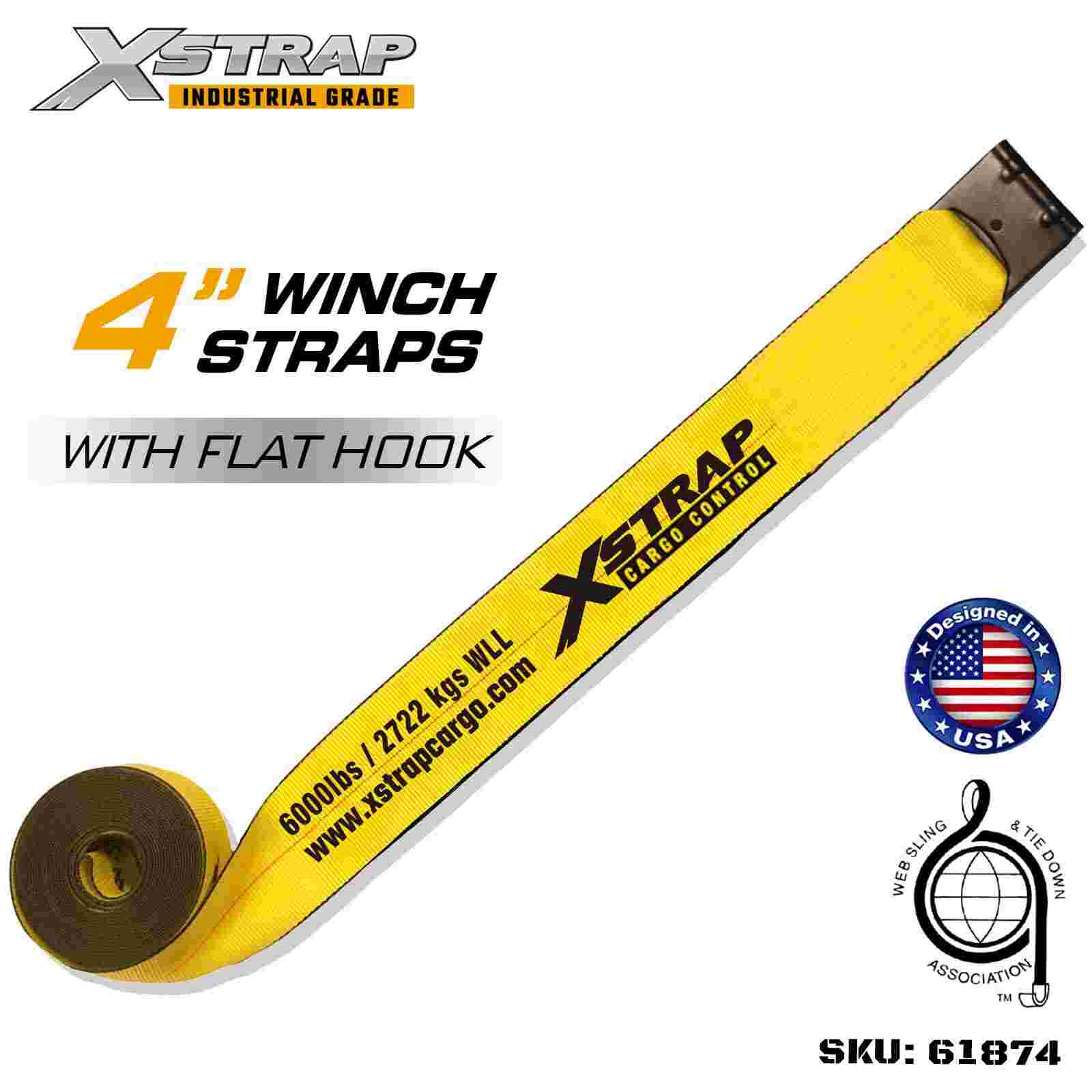
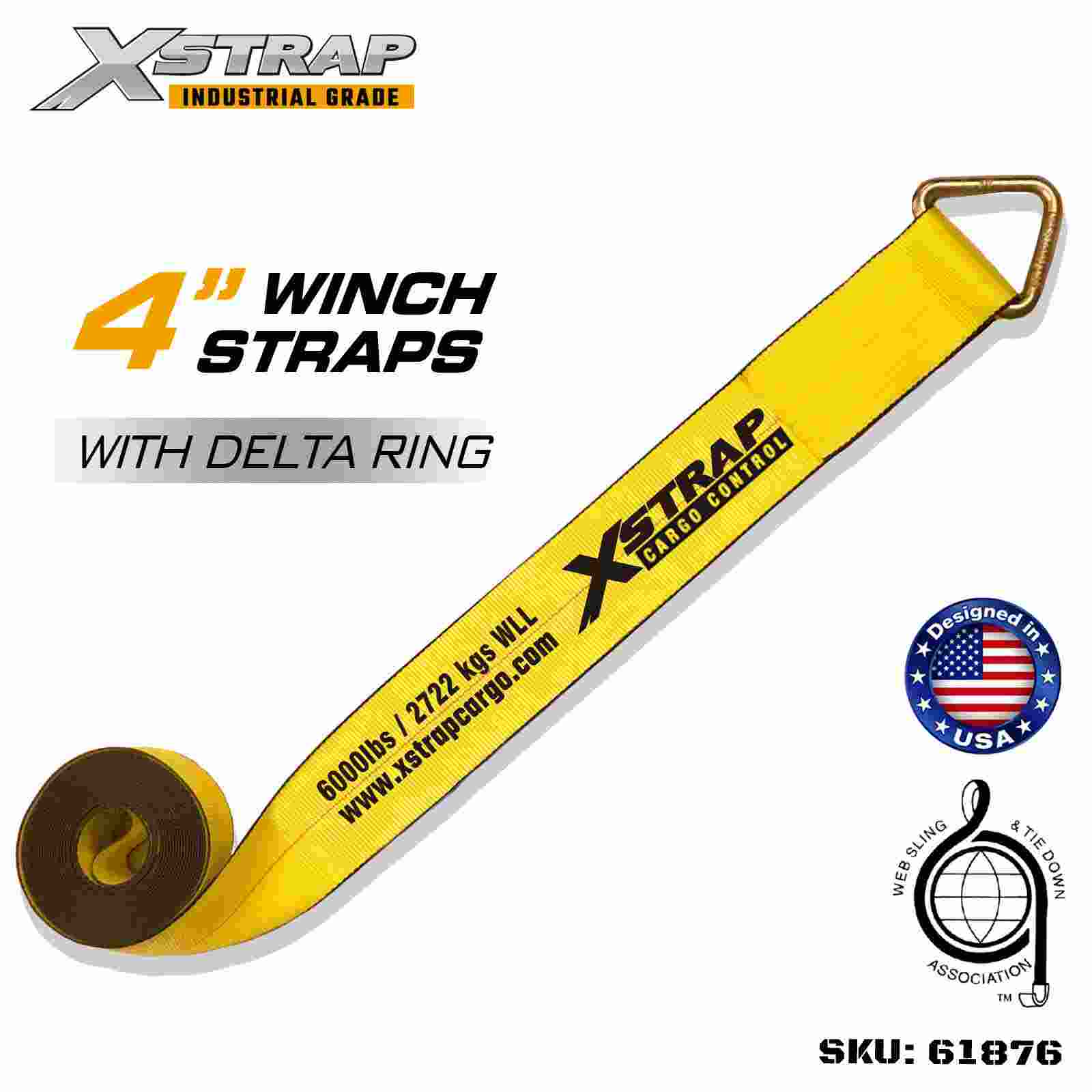
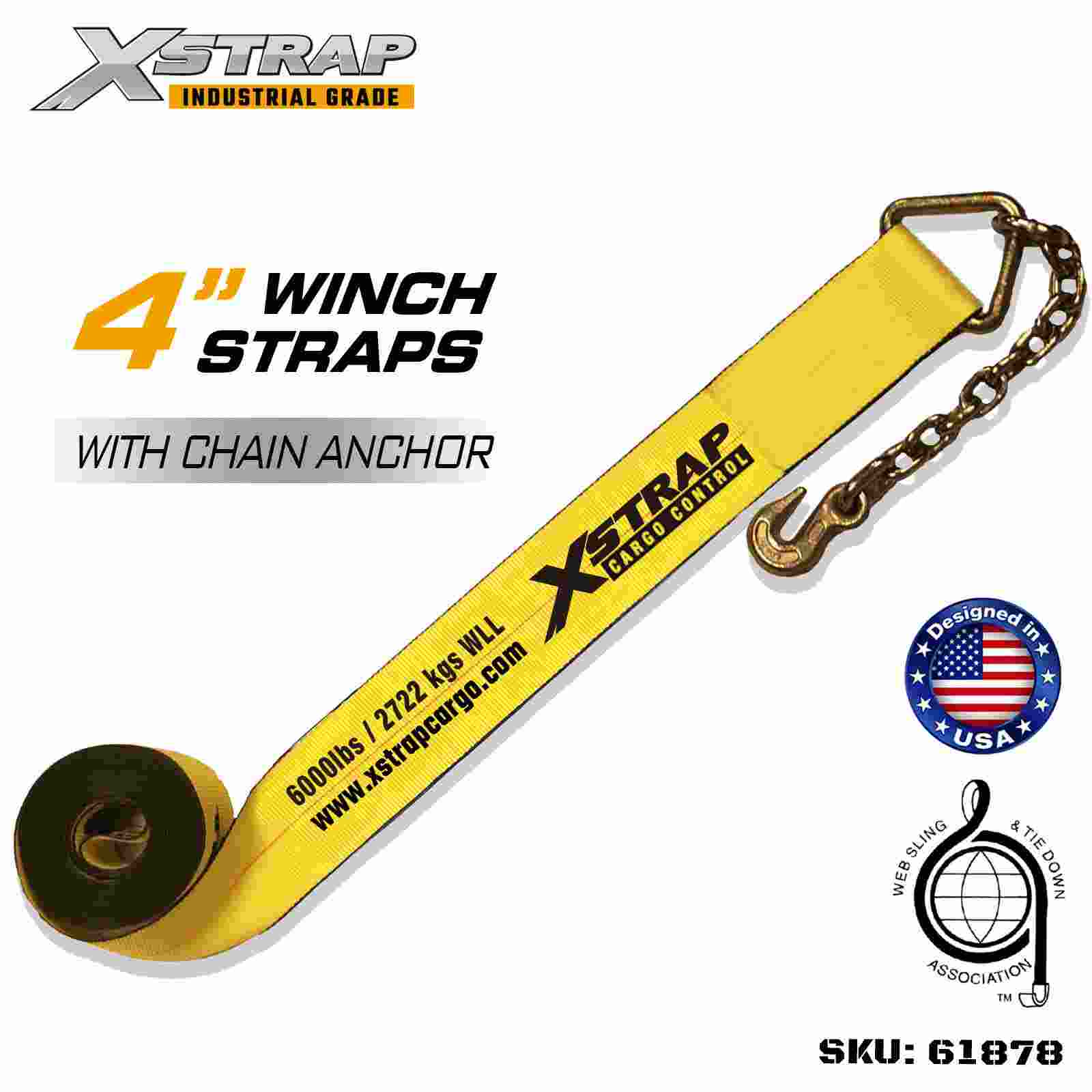
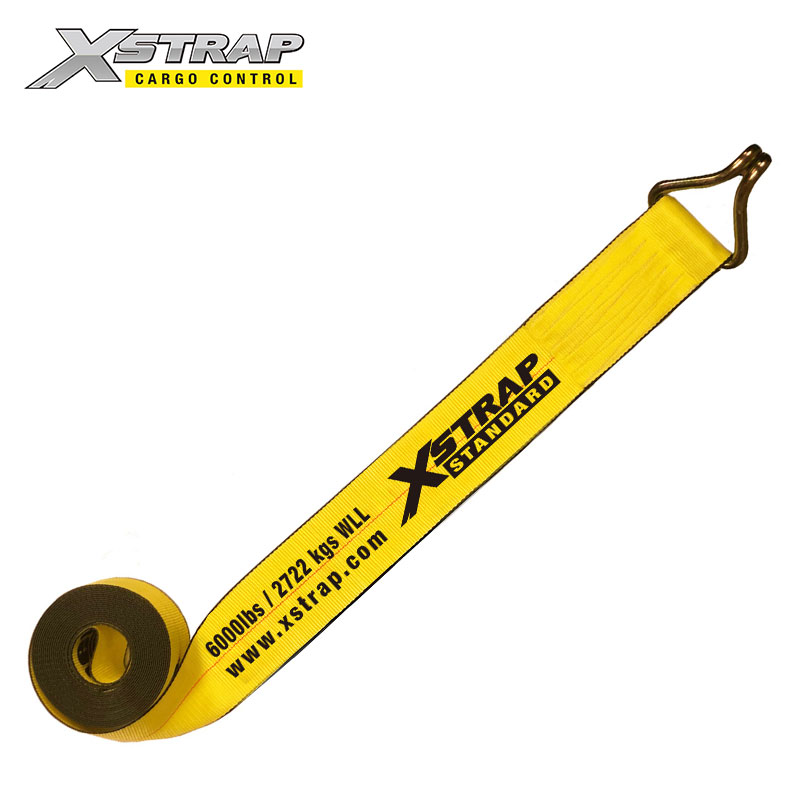
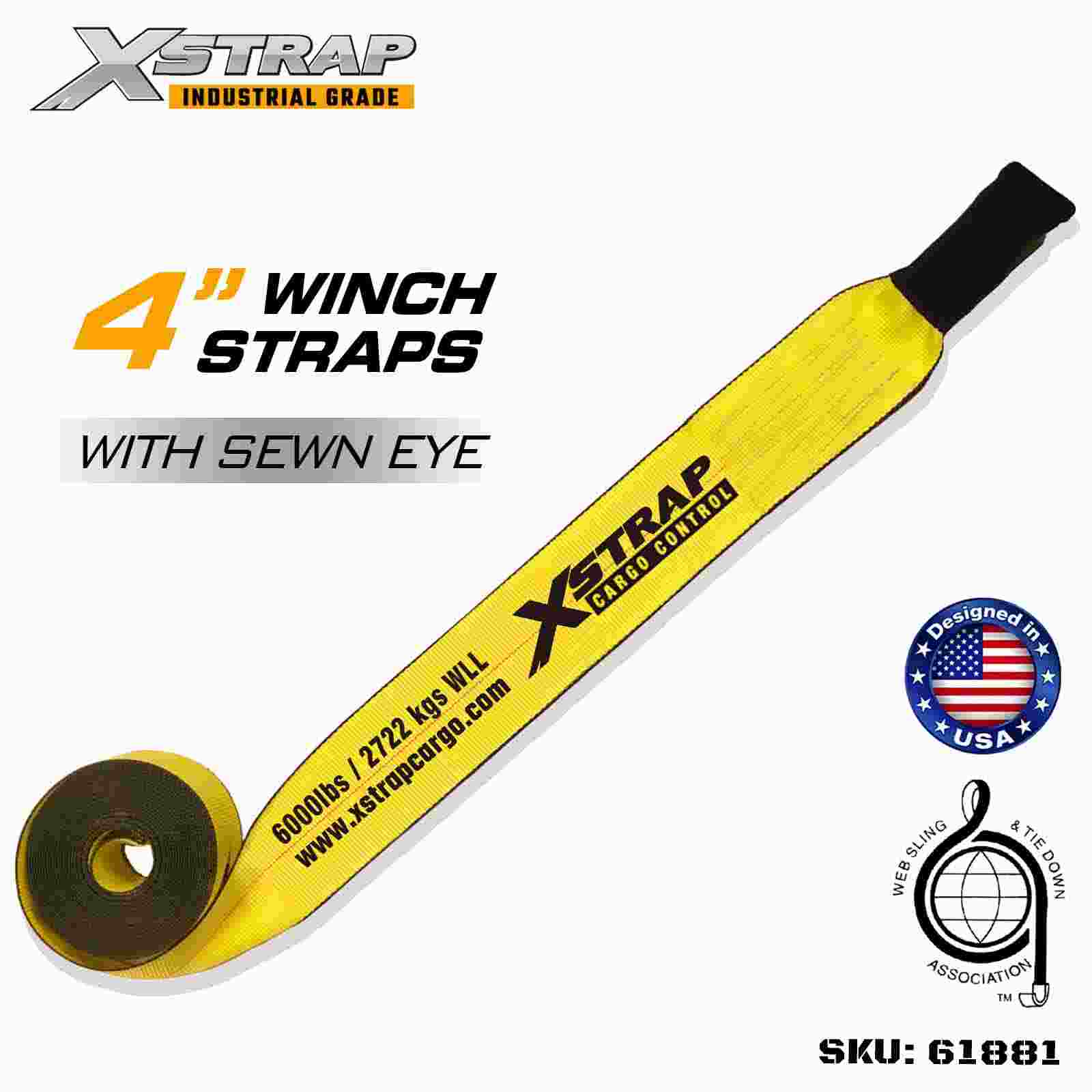
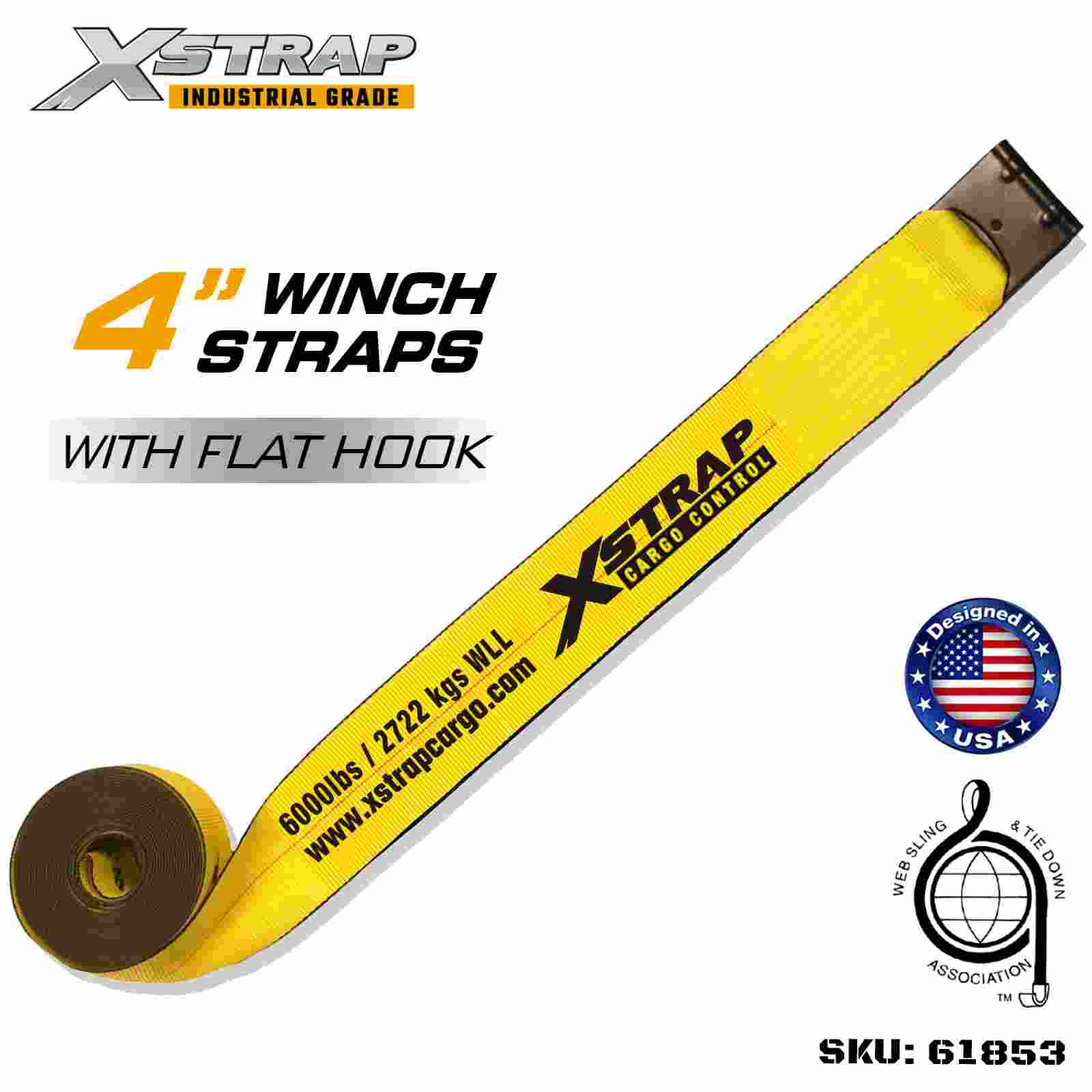
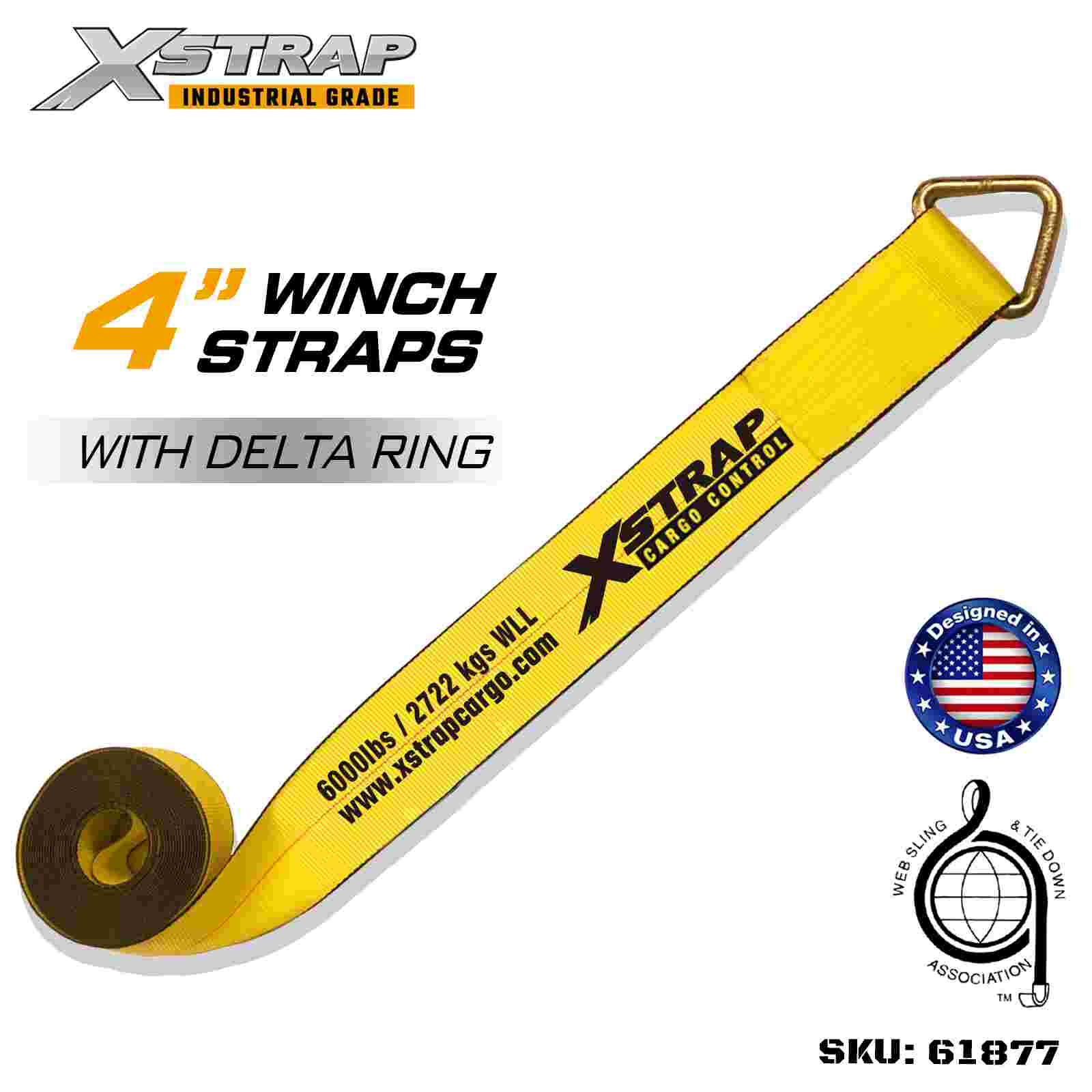
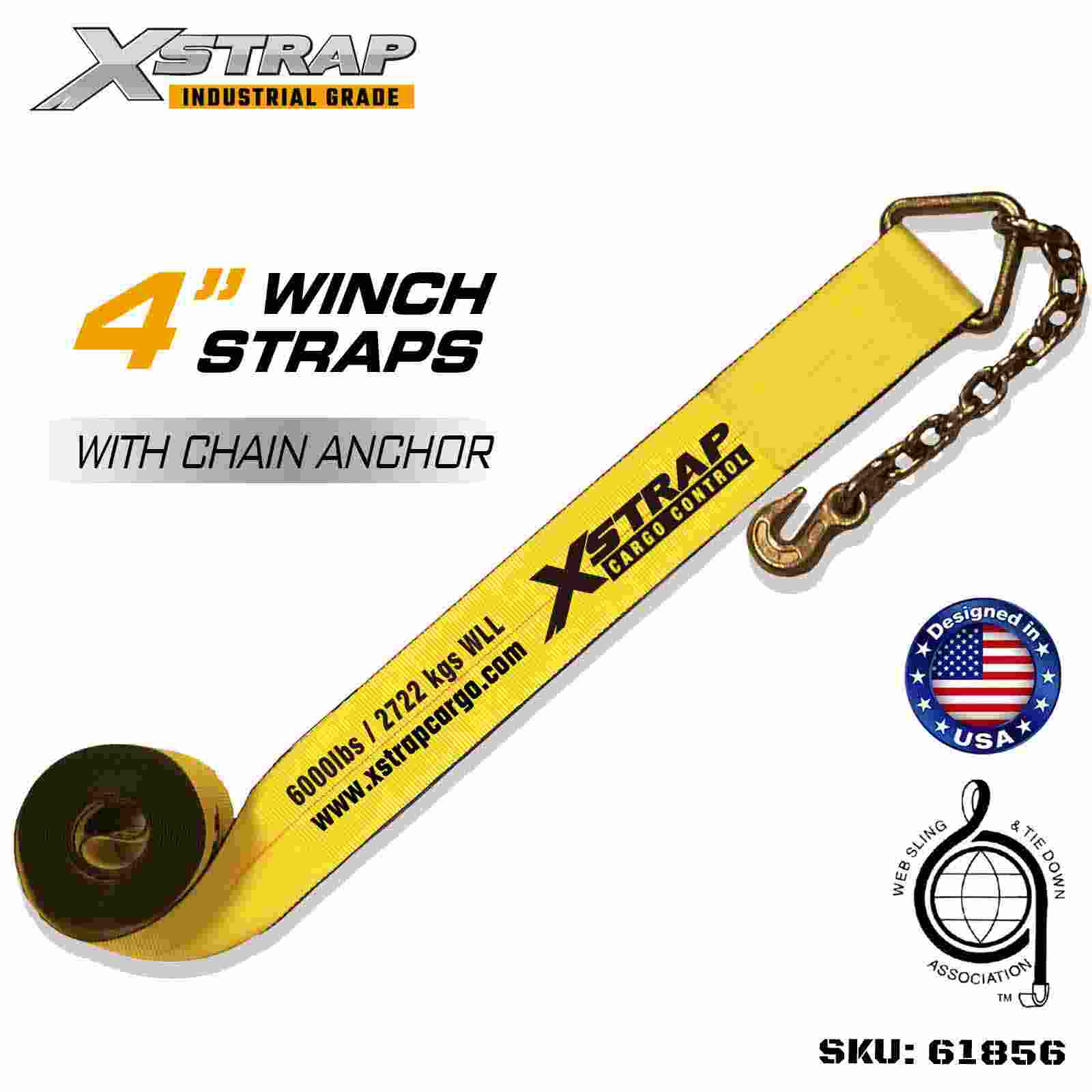
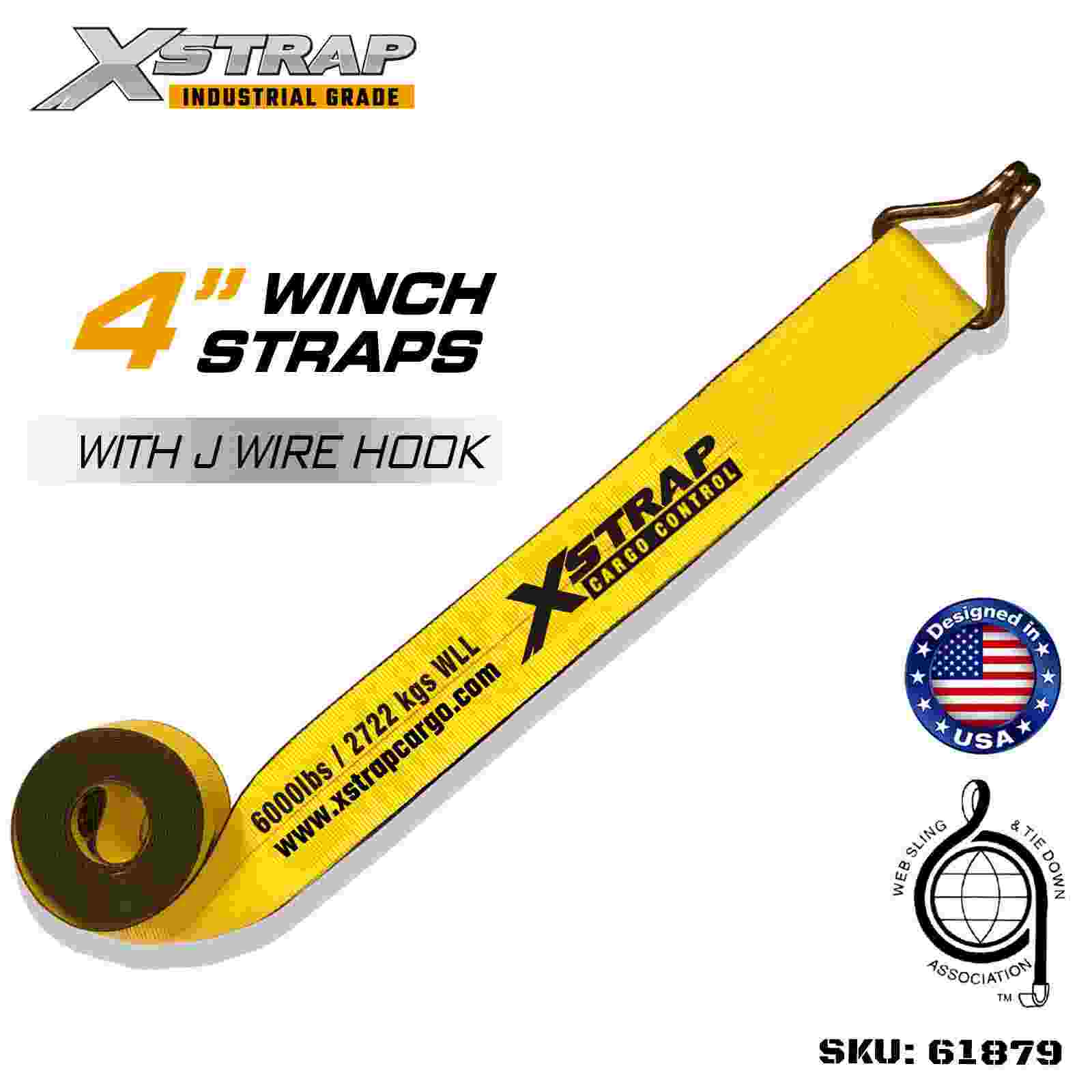
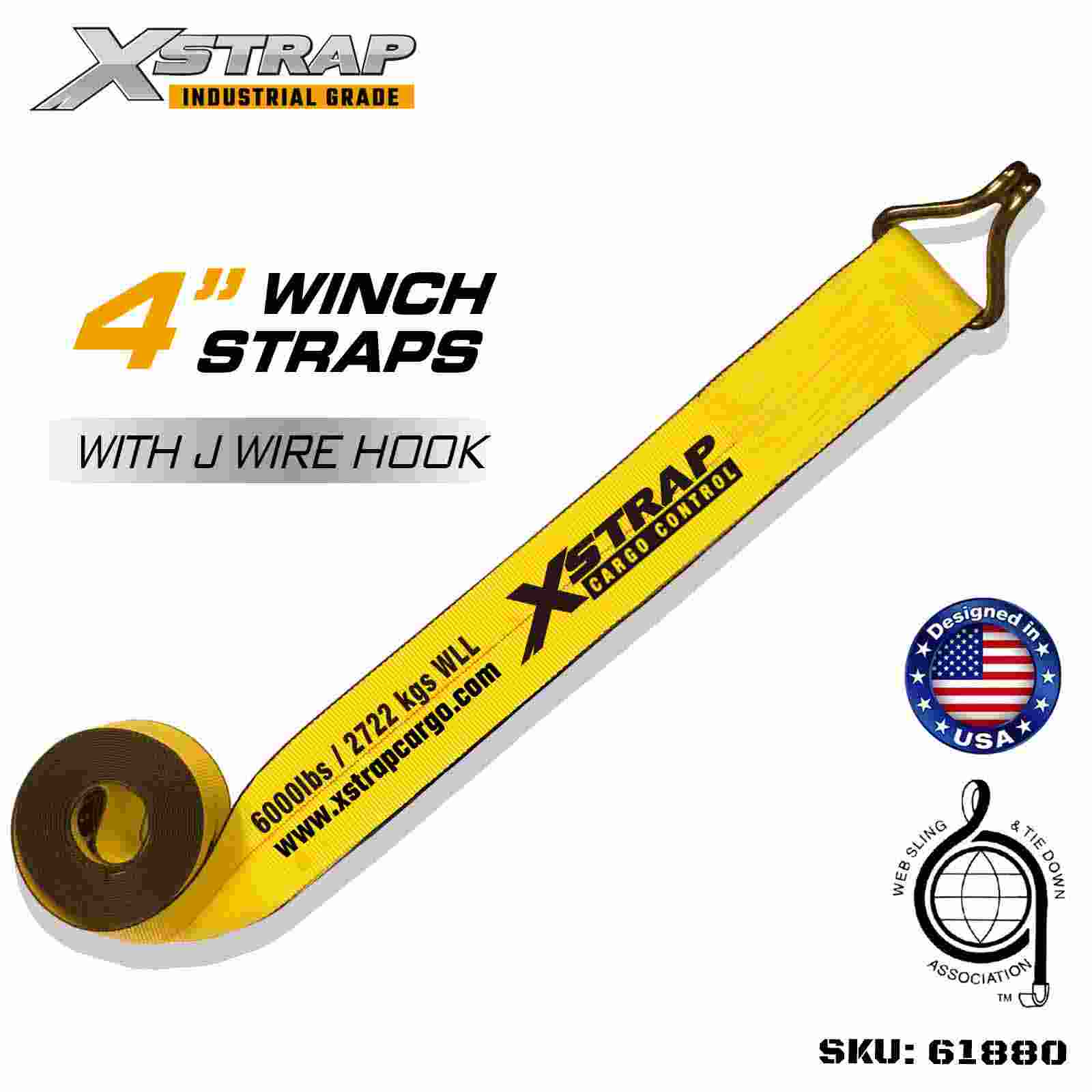
Since its establishment in 2002,
Zhangjiagang SMK MFG. Co., Ltd.
has specialized in cargo securing and control products, with over 20 years of experience in R&D and global export. The company is China 4 Inch Winch Straps Manufacturers and Custom 4 Inch Winch Straps Suppliers, and operates three factories and a large-scale warehouse center, forming an efficient international supply network.
SMK's product range includes tie-down straps, bungee cords, tow straps, lifting slings, hoists, and 4x4 accessories, widely used in transportation, logistics, outdoor, and industrial sectors. Its in-house brand XSTRAP enjoys strong recognition in global markets, alongside flexible OEM/ODM services for customized needs.
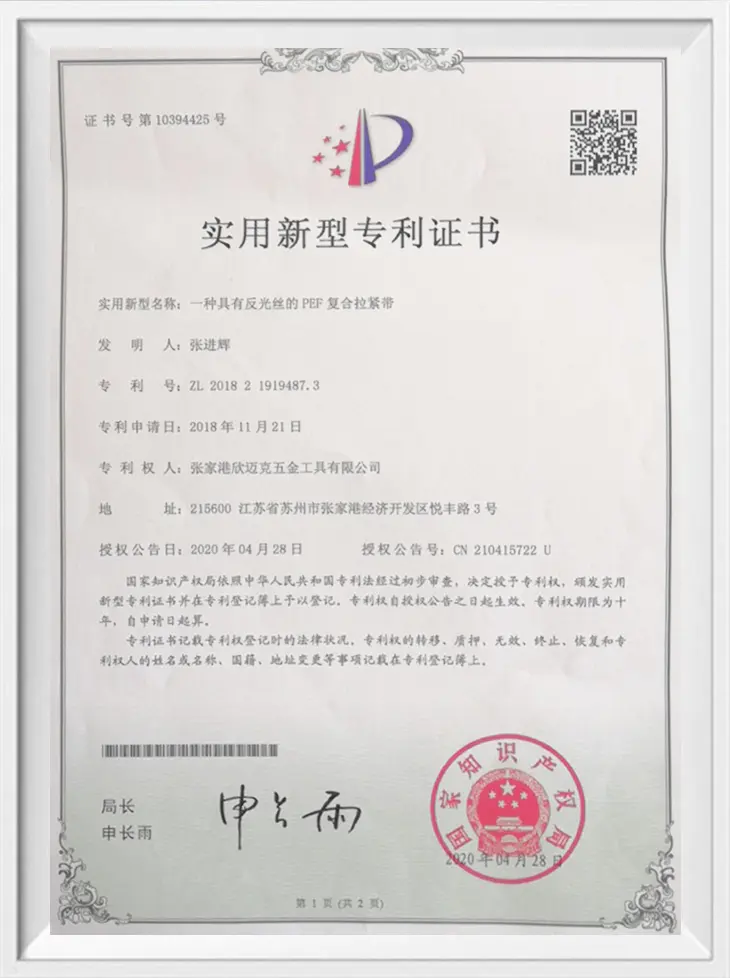
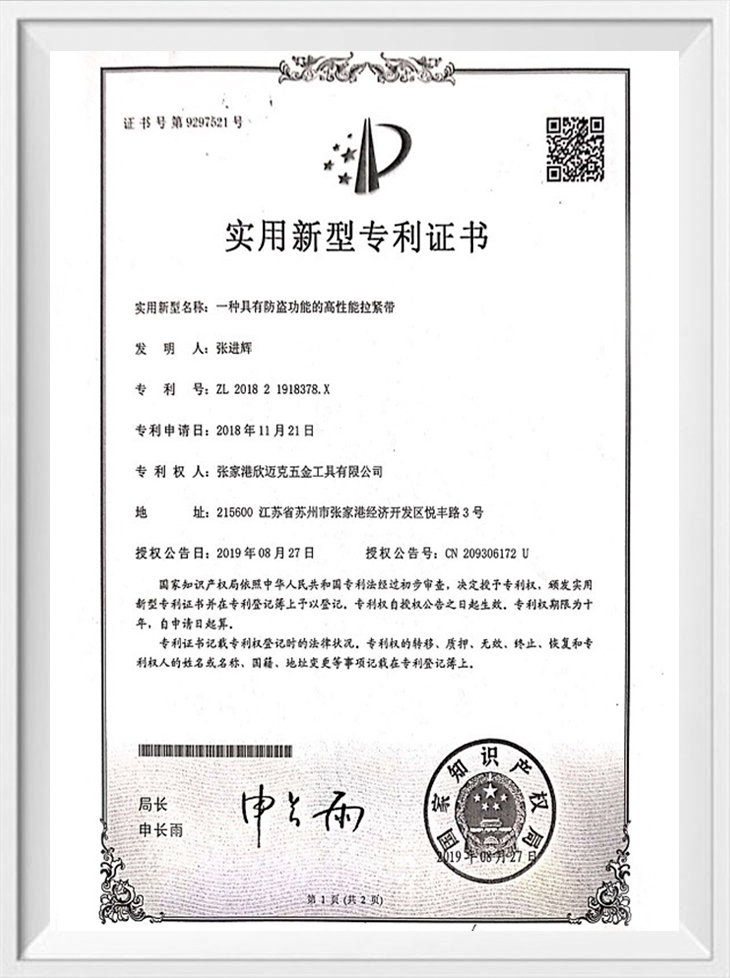
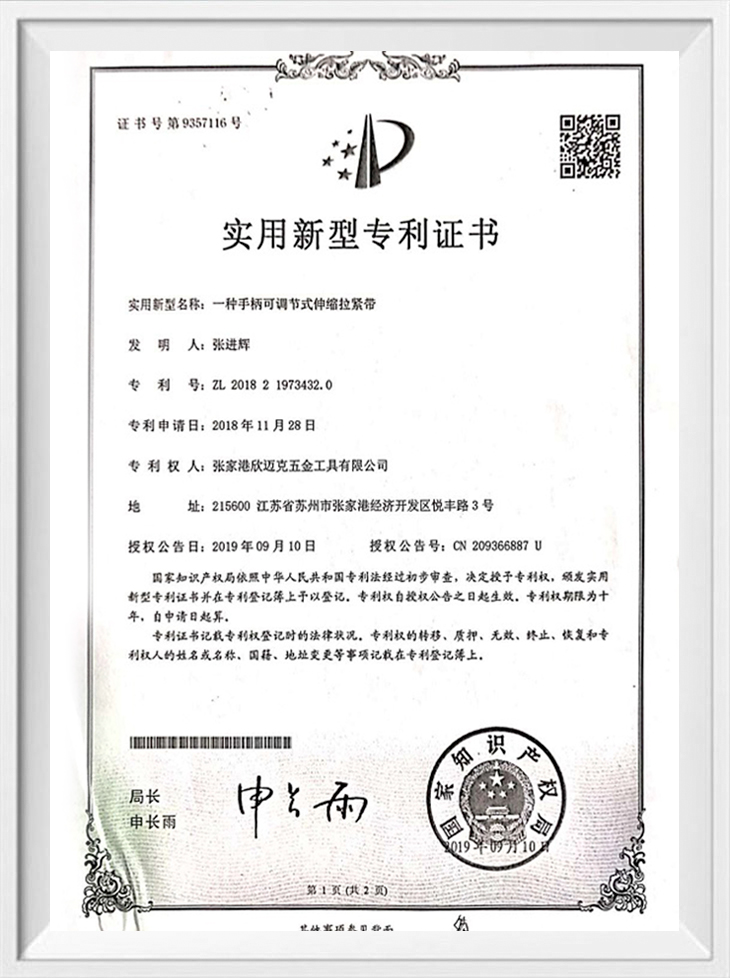
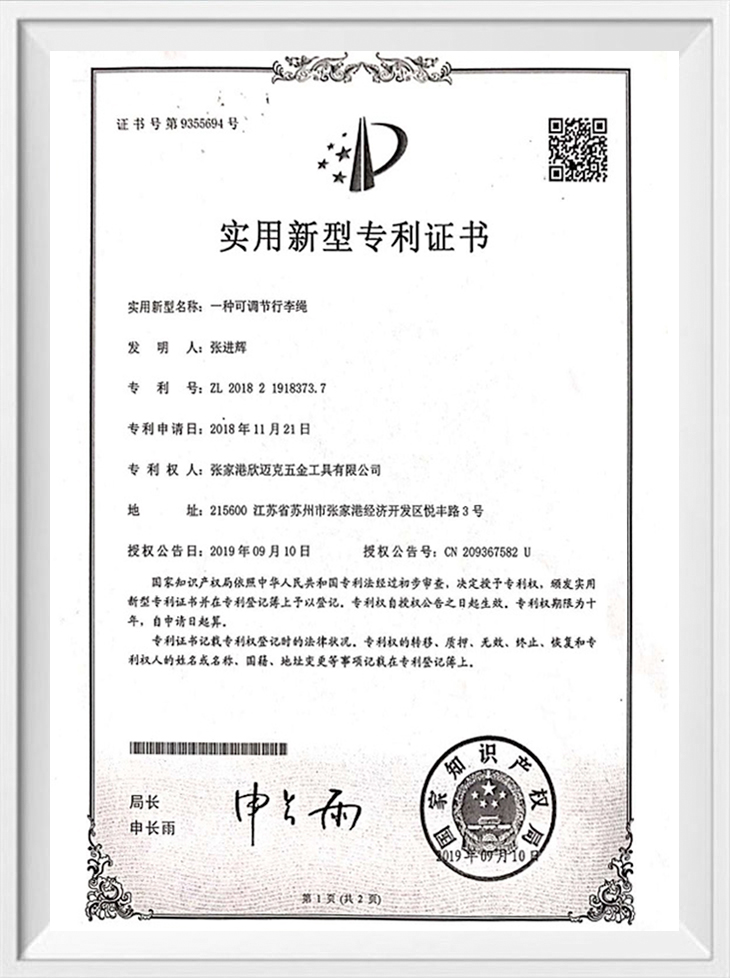
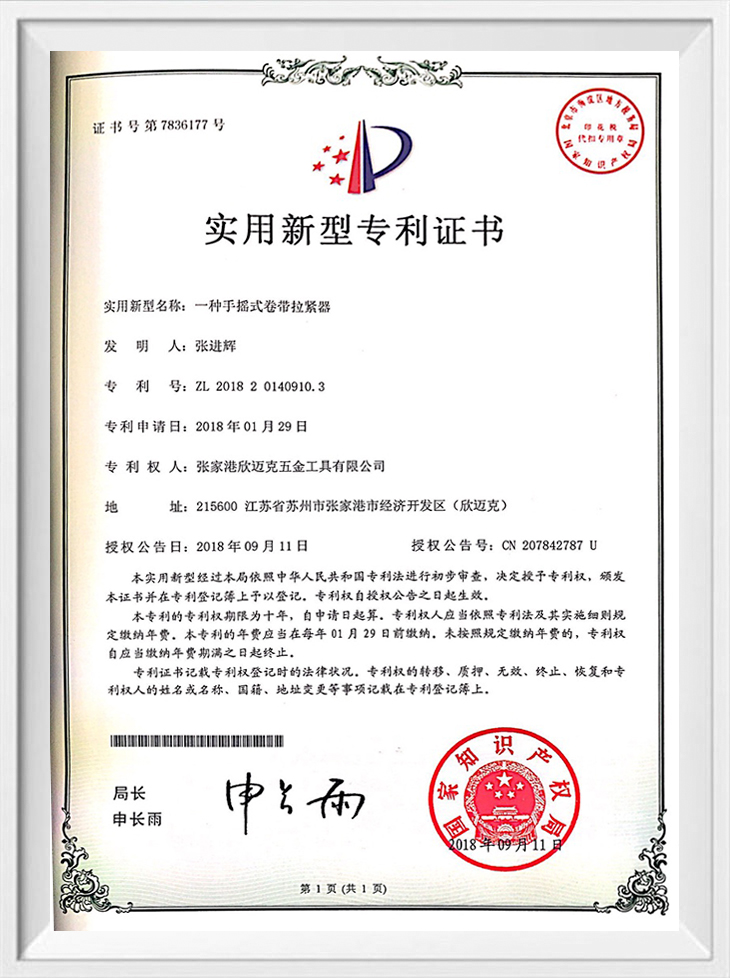
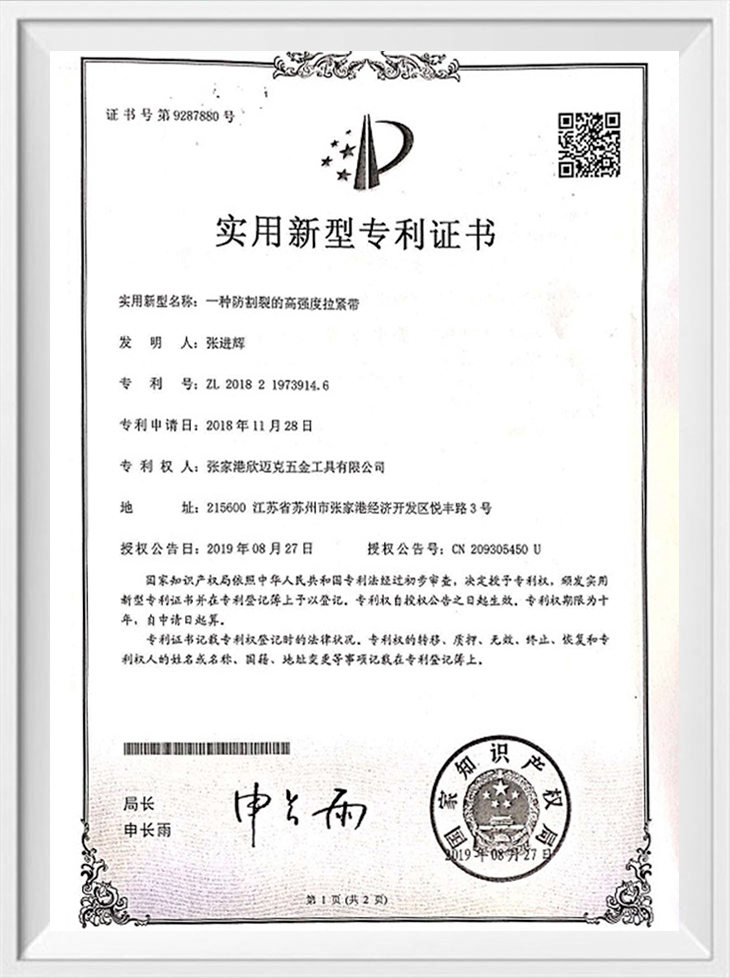
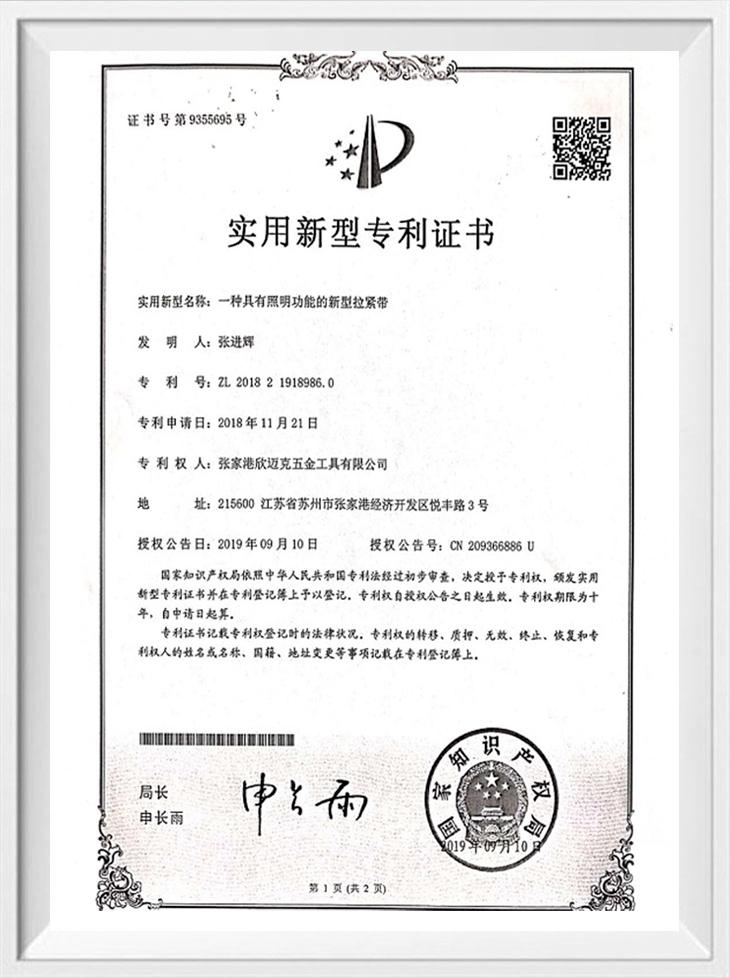
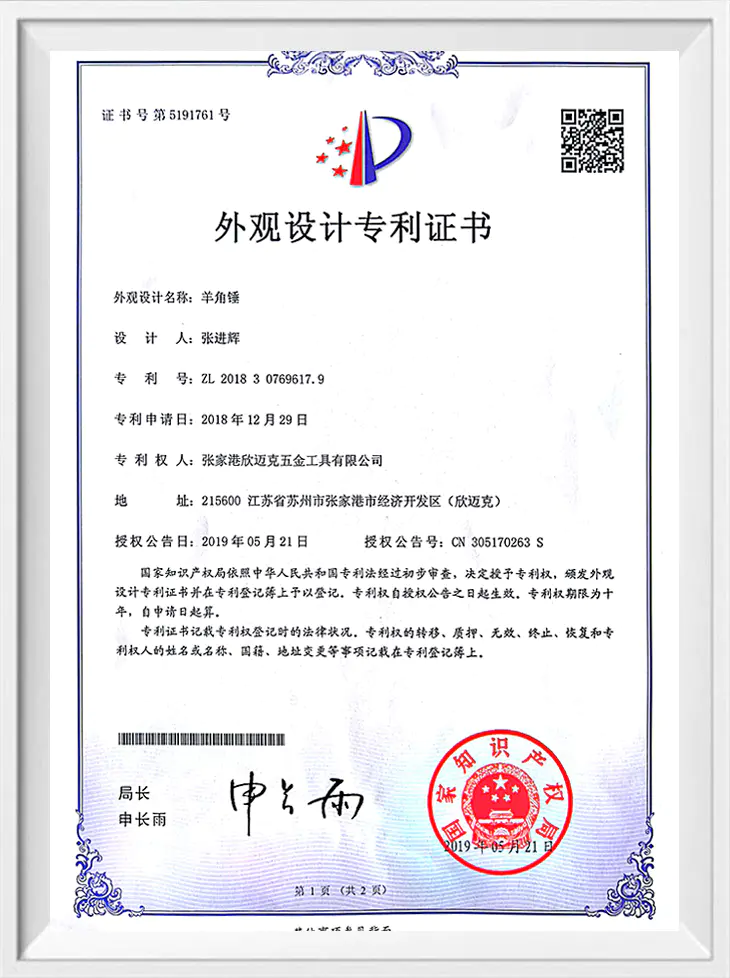
With over 8,000 sqm of production space, SMK is equipped with advanced automated lines and in-house testing labs, ensuring full-process quality control from raw material to finished goods. The company is ISO 9001 certified, SMETA audited, and has passed C-TPAT anti-terrorism inspections and multiple GS and patent certifications.
Looking ahead, SMK will continue to upgrade its cargo control systems, stay close to customer needs, and provide high-quality, efficient products and services worldwide.
Product
-
New Products
- Flatbed Solutions
- Interior Van Solutions
- Utility Tie down and Bungee Cord
- Auto Transport and Towing Solutions
- Lifting Solutions
- Tie Down Hardware
-
TUV&GS Certificated Tie Down and Bungee Cord
-
Towing & Rigging
-
4×4 Off-Road & Trailers
contact
Wholesale and manufactures of 4 Inch Winch Straps industrial grade
Company Profile
Zhangjiagang SMK MFG. Co., Ltd.
News
-
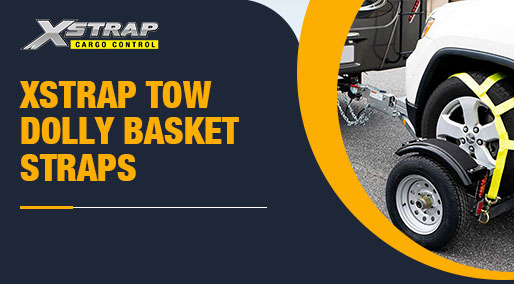
Understanding the Role of Tow Dolly Basket Straps in Vehicle Transport In the field of vehicle transport, Tow Dolly Basket Straps are recognized as one of the safest and most stable securing tools ava...
READ MORE -
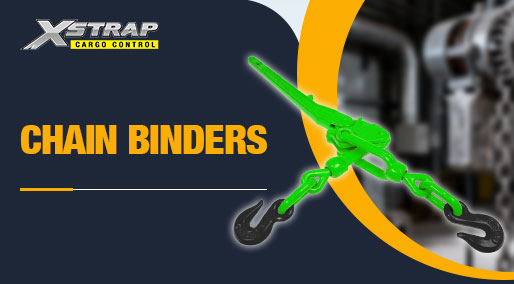
1. Understanding the Role of Chain Binders in Load Securement In the world of heavy transportation, Chain Binders are essential tools for ensuring cargo stability. They utilize either a lever principl...
READ MORE -
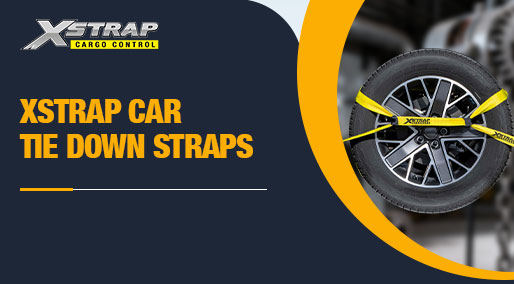
Understanding the Role of Car Tie Down Straps in Vehicle Transport Safety is the primary consideration when transporting a vehicle. Although standard cargo straps may look similar to Car Tie Down Stra...
READ MORE -
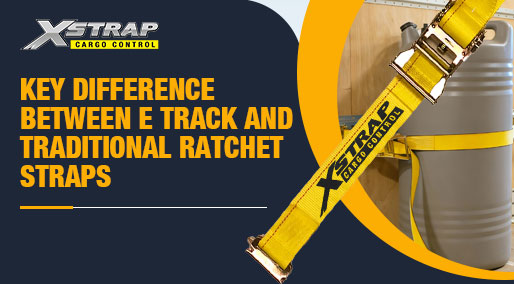
In the field of cargo transportation, securing loads is crucial to ensure the safety of both the cargo and the vehicle. Over the years, ratchet straps have been widely used to secure loads. However, w...
READ MORE
Certificate Of Honor
4 Inch Winch Straps Industry knowledge
Why is Polyester the Preferred Material for Manufacturing 4 Inch Winch Straps?
I. Core Technical Advantage: Minimal Elongation
For 4-inch winch straps used to secure heavy and oversized cargo (such as industrial machinery, steel, or precast concrete), low elongation is a critical safety performance indicator.
Characteristics of Polyester Fiber:
- Superior Load Stability: Polyester exhibits extremely low elongation when subjected to high tension, often significantly lower than Nylon. At the industry standard Working Load Limit (WLL), polyester webbing typically stretches only about 3% to 5%.
- Securement Assurance: This low elongation means that once our XSTRAP 4-inch winch strap is tensioned via the winch, the cargo remains firmly secured, preventing excessive slack even during road bumps or vibrations over long distances. This greatly reduces the risk of cargo shifting or "walking," ensuring transport safety and complying with high cargo securement standards from international bodies like the US FMCSA and WSTDA.
Demonstration of Company Advantage:
Zhangjiagang SMK MFG. Co., Ltd., a dedicated manufacturer of cargo securing and control products since 2002, with over 20 years of R&D and global export experience, understands the decisive role of raw materials. Within our over 8,000 sqm of production space, we employ advanced automated lines to ensure that every batch of webbing meets consistent low-elongation standards in both weaving density and post-treatment, providing clients with reliable heavy-duty solutions.
II. Weather Resistance and Durability: A Shield Against Harsh Environments
Heavy hauling often takes place in various challenging outdoor conditions, making the winch strap's weather resistance a direct determinant of its service life and safety.
Characteristics of Polyester Fiber:
- Excellent Water and Corrosion Resistance: Polyester fiber has extremely low hygroscopicity, absorbing almost no water. This means it will not experience significant strength loss or physical deformation (like shrinkage) in wet or rainy conditions, effectively avoiding the potential strength degradation and mildew associated with Nylon when wet.
- Strong UV Resistance: Polyester's resistance to sunlight and UV rays surpasses that of Nylon and Polypropylene. This means that even with long-term exposure to intense sunlight, the fiber structure and strength of the XSTRAP winch strap are better preserved, preventing premature aging or embrittlement and greatly extending the product's lifespan.
Demonstration of Company Advantage:
In Zhangjiagang SMK MFG. Co., Ltd.'s in-house testing labs, we conduct rigorous UV accelerated aging tests on both raw materials and finished products. As an ISO 9001 certified company, we ensure full-process quality control, guaranteeing that our polyester webbing can withstand diverse global regions and extreme weather conditions.
III. Strength and Cost-Effectiveness: Achieving the Optimal Balance
The 4-inch winch strap, with a standard Working Load Limit (WLL) of about 5,400 lbs (approx. 2,450 kg) and a Breaking Strength of 16,200 lbs, is the standard configuration for heavy-duty securement. Polyester fiber is the most cost-effective material for achieving this high strength index.
Characteristics of Polyester Fiber:
- High Tensile Strength and Lightweight: Polyester fiber offers an excellent strength-to-weight ratio. This allows our 4-inch winch straps to provide the required high safety load while remaining lightweight and easy to handle, reducing operator strain.
- Abrasion and Cut Resistance: Through special post-treatments like Resin Coating, the surface abrasion resistance of polyester webbing can be significantly enhanced. This allows it to better resist wear and minor cutting when rubbing against trailer edges or cargo surfaces, which is crucial in heavy-duty transport.
Demonstration of Company Advantage:
Leveraging its efficient international supply network and the production capacity of its three factories, Zhangjiagang SMK MFG. Co., Ltd. ensures the use of high-quality polyester fiber at a competitive price. We offer flexible OEM/ODM services to meet global demand for high-performance winch straps and are committed to continuously upgrading our cargo control systems with quality and efficiency.
What are the Main Advantages and Limitations of 4 Inch Winch Straps for Securing Heavy and Flat Cargo?
I. Core Advantages of 4 Inch Winch Straps for Heavy and Flat Cargo
4-inch winch straps are typically used on Flatbed Trailers in conjunction with winch systems on the trailer's side rails. Their professional advantages are mainly in three areas:
1. Ultra-High Working Load Limit (WLL) and Design Breaking Strength
- Professional Advantage: The 4-inch winch strap is the standard specification with the highest strength among webbing securement products. Its standard WLL typically reaches 5,400 lbs (approx. 2,450 kg), adhering to strict industry safety factors (e.g., 3:1 Design Factor). This high strength makes it ideal for securing heavy cargo that requires high securement force, such as large machinery, precast concrete components, steel bundles, or heavy timber.
- SMK Product Support: Zhangjiagang SMK MFG. Co., Ltd. uses high-density polyester webbing and advanced automated sewing technology to ensure that the Assembly Break Strength of every XSTRAP 4-inch winch strap meets or exceeds industry standards, providing solid security for heavy transport.
2. Extreme Tensioning Force and Low Webbing Elongation
- Professional Advantage: The winch strap system utilizes the leverage of the winch and winch bar to apply tension, capable of generating an initial tensioning force far greater than standard Ratchet Straps. Additionally, the polyester material we use features extremely low elongation. This ensures that once the cargo is secured, the webbing will not excessively slacken due to material elasticity during transit, preventing heavy cargo from sliding and greatly enhancing securement stability.
- SMK Manufacturing Process: Zhangjiagang SMK MFG. Co., Ltd. conducts strict control over the resin coating and heat treatment of the webbing in its in-house testing labs, further optimizing the webbing's low-elongation and abrasion-resistant properties to ensure secure, long-lasting performance when fastening heavy and smooth-surfaced objects.
3. High Efficiency for Long-Haul, Large-Scale Transport
- Professional Advantage: The winch strap system is an efficiency tool designed for the professional trucking industry. For securing a large quantity of flat, dimensionally uniform cargo (like stacks of lumber, pipes, steel coils), the operator can quickly and uniformly apply tension by simply hooking one end of the strap to the side rail or anchor point and threading the other end into the winch for tightening with a winch bar. This is faster and more consistent than operating multiple ratchet straps or chains, significantly improving loading efficiency for large-scale transport.
- SMK Service Advantage: Zhangjiagang SMK MFG. Co., Ltd. offers flexible OEM/ODM services, customizing different lengths and end fittings (Flat Hook, Wire Hook, Chain Anchor) of 4-inch winch straps to suit a client's fleet needs. We also provide services like stenciling the company name or logo on the webbing, which aids in both brand management and asset tracking.
II. Professional Limitations and Solutions for 4 Inch Winch Straps
Although the advantages are significant, 4 inch winch straps have professional limitations in certain applications that require careful handling:
1. Not Suitable for All Tensioning Environments
- Limitation: Winch straps require a dedicated winch system installed on the flatbed trailer's side rails. This means they are not suitable for small, scattered cargo securement where side rail winches are absent, or within enclosed vehicles (Box Vans).
- Professional Recommendation: Zhangjiagang SMK MFG. Co., Ltd.'s product line includes a full range of cargo control products. For cargo needing precise tensioning in enclosed or lighter-duty environments, we often recommend clients consider using our Ratchet Straps, which allow for fine tension control via the ratchet mechanism.
2. High Requirement for Cargo Edge Protection
- Limitation: When tensioning heavy loads, if the cargo has sharp or rough edges, the 4-inch webbing can easily suffer abrasion, cutting, or tearing. This directly and significantly reduces strap strength, posing a safety hazard.
- Professional Recommendation: Regardless of the webbing system used, we strongly advise using Edge Protectors/Corner Protectors. These devices distribute pressure over sharp edges, significantly extending the lifespan of the XSTRAP winch strap and ensuring compliance with international cargo securement regulations. We can provide professional edge protection packages with the straps.
3. Inferior Extreme Cut Resistance Compared to Chains
- Limitation: Although polyester fiber offers excellent abrasion resistance, for securing cargo in extremely hot conditions or loads with extreme sharp protrusions (e.g., certain scrap metal, steel structures with welding slag), chains retain the advantage in terms of cut resistance and heat tolerance due to their steel composition.
- Professional Recommendation: For securing cargo in extreme conditions, we recommend clients follow WLL standards and consider using a combination of XSTRAP 4-inch winch straps with our professional Lifting Slings or Chain Tie-Downs to achieve the optimal securement plan.
What is the Average Effective Service Life of 4 Inch Winch Straps Under Normal Heavy-Duty Use?
I. Product Quality Determines Baseline Lifespan: SMK's Initial Advantage
A winch strap's "baseline lifespan" is determined from its manufacturing raw materials and processes. Choosing a high-quality product is the prerequisite for ensuring it reaches its normal service cycle.
1. Quality Material Assurance (Polyester Fiber):
As mentioned, Zhangjiagang SMK MFG. Co., Ltd. selects low-hygroscopicity, high-UV-resistance Polyester for manufacturing 4-inch webbing. This material property ensures that our XSTRAP winch straps, under standard use, resist premature aging from environmental factors, laying the foundation for a long lifespan.
2. Manufacturing Process and Quality Certification:
We know that even the best raw materials require excellent craftsmanship to be converted into highly durable finished products. We operate over 8,000 sqm of production space with advanced automated lines and an in-house testing lab for full-process quality control.
- Stitching Strength and Uniformity: The lifespan bottleneck of a winch strap is often at the stitching point. Our automated lines ensure stitching uniformity and high strength, and our products have passed strict GS and multiple patent certifications, greatly enhancing the assembly's overall durability.
- Hardware Corrosion Protection: The metal end fittings (e.g., flat hooks, wire hooks) of the winch strap must withstand high stress and environmental corrosion. Our hardware undergoes rigorous anti-corrosion treatments (such as black powder coating or galvanization) to prevent rust-induced strength loss.
Zhangjiagang SMK MFG. Co., Ltd. is ISO 9001 certified, SMETA audited, and C-TPAT compliant, ensuring that our products leave the factory with industry-leading initial strength and reliability.
II. Four Core Factors Affecting Winch Strap Effective Lifespan
In heavy-duty applications, the effective lifespan of an XSTRAP 4-inch winch strap typically ranges from **1 to 3 years** (potentially shorter under extreme/high-frequency use, or longer with excellent maintenance/low frequency). This range fluctuation is mainly due to the following factors:
1. Frequency of Use and Load Rate:
A fleet using the straps multiple times daily will wear them out faster than a fleet using them once or twice a week. If the strap is frequently used near or at its Working Load Limit (WLL), the fibers will accumulate microscopic fatigue more quickly.
2. Abrasion and Cutting:
This is the number one reason for webbing retirement. If operators do not use **Edge Protectors** as required when transporting cargo with sharp or rough edges (e.g., bricks, stones, unfinished lumber, sharp steel), the webbing may need to be retired after just a few uses due to cutting.
3. Environment and Chemical Exposure:
Long-term exposure to intense sunlight, extreme temperature changes, or industrial chemicals (like acids, alkalis, salts, oil) accelerates the degradation of polyester fibers and the corrosion of hardware. Chemical damage is especially dangerous as it can severely weaken the strap's internal strength without obvious external signs.
4. Routine Maintenance and Storage:
Do operators regularly clean the straps to remove dirt and abrasive particles? Are the straps stored coiled up in a dry, cool place when not in use? Proper storage and maintenance habits can significantly extend the effective lifespan of the strap, pushing it toward the upper end of the 3-year range.
III. Professional Retirement Standards: Safety Always Over Cost
Zhangjiagang SMK MFG. Co., Ltd. always emphasizes that a winch strap's lifespan is not determined by time, but by its safety condition.
According to professional guidance from industry organizations like WSTDA (Web Sling & Tie-Down Association), the strap must be immediately removed from service (retired) upon discovery of any of the following signs, even if it has only been used for a few months:
- Visible Cuts or Holes: Any cut that penetrates the webbing fibers.
- Severe Surface Abrasion: Localized abrasion exceeding 10% of the webbing thickness.
- Signs of Acid/Alkali/Chemical Burn: Webbing fibers appear stiff, brittle, or discolored.
- Melting or Charring Signs: Fiber damage caused by heat exposure.
- Stitching Damage: Broken or visibly loose threads in the stitched area.
- Deformed or Damaged Hardware: Hooks or rings showing visible bending, cracking, or severe corrosion.
- Illegible Tag: Missing or unrecognizable Working Load Limit (WLL) tag.
Company Commitment and Customization Services:
We not only supply high-quality XSTRAP products but are also dedicated to providing professional training and guidance to clients. Through our OEM/ODM services, we can optimize the lifespan performance of the 4-inch winch strap by tailoring specifications to a client's specific transport environment (e.g., custom higher abrasion-resistant webbing or special coatings).
What are the Professional Storage and Maintenance Guidelines for 4 Inch Winch Straps When Not in Use?
I. Critical Pre-Storage Steps: Cleaning and Comprehensive Inspection
Before storing the winch strap, two core steps must be completed:
1. Thorough Neutral Cleaning:
- Professional Requirement: Winch straps inevitably pick up road dust, oil, salt, dirt, and potential industrial chemical residues during transit. If not removed, these substances, especially fine abrasive particles, will continue to wear down the fibers during storage, causing irreversible internal damage.
- Operational Guide: The webbing should be cleaned using mild, neutral soap and water or non-corrosive detergents. Bleach or strong acidic/alkaline solvents are strictly prohibited, as they will degrade the polyester fiber structure. After cleaning, rinse thoroughly with clean water and allow to fully air dry in a well-ventilated area.
- SMK Product Assurance: Our polyester webbing has low hygroscopicity, which aids quick drying, but it must still be ensured to be completely dry to prevent mildew growth in storage, which directly impacts the strap's lifespan and sanitation.
2. Professional Inspection and Documentation (Pre-storage Inspection):
- Professional Requirement: Before storage, a "retirement standard" inspection should be conducted, following WSTDA guidelines. Key inspection points include the webbing for cuts, holes, severe abrasion, fiber stiffening, or chemical burn signs, and the metal hardware (hooks, rings) for cracks or visible deformation.
- SMK Professional Advice: Ensure the tag (WLL, manufacturer information) is clear and legible. If the tag is damaged or missing, the strap must be retired immediately. For straps customized with a company logo via Zhangjiagang SMK MFG. Co., Ltd.'s OEM/ODM services, checking the logo's integrity also aids in fleet asset management and theft prevention.
II. Three Professional Principles of Winch Strap Storage
Once cleaned and inspected, professional storage should follow these "Three Anti-" principles:
1. Anti-Moisture and Anti-Mildew:
- Storage Environment: Winch straps must be stored in a dry, well-ventilated area. High humidity not only causes metal hardware to rust (even anti-corrosion treated hardware) but also promotes mildew growth on organic contaminants within the fibers, leading to strap degradation.
- SMK Advantage Highlight: Zhangjiagang SMK MFG. Co., Ltd. operates a large-scale warehouse center with high-standard storage management. We recommend clients follow similar professional standards, avoiding direct exposure to outdoor environments or contact with damp ground.
2. Anti-UV and Anti-Temperature Extremes:
- Storage Environment: UV rays are the invisible killer of polyester fibers. Even high-quality webbing with UV stabilizers will experience accelerated fiber aging and embrittlement from long-term sun exposure. Straps should be stored indoors in a dark and temperature-stable environment, avoiding direct sunlight.
- Professional Consideration: Extreme heat (e.g., close to heating pipes or engines) or cold (e.g., long-term freezing) can affect the webbing fiber's elasticity, strength, and abrasion resistance. A moderate, stable environment is crucial for maintaining the long-term performance of the XSTRAP winch strap.
3. Isolation from Contaminants:
- Storage Environment: Winch straps must be kept away from acids, alkalis, strong solvents, paints, oil, and any other chemically corrosive substances. Even minor splashing or fumes can severely damage the webbing fibers during long-term storage, leading to unexpected failure during the next use.
- SMK Solution: Zhangjiagang SMK MFG. Co., Ltd. recommends using dedicated storage bins, racks, or enclosed toolboxes for the straps, either hanging them up or neatly coiling them. This isolates them from chemicals and prevents physical damage like twisting, knotting, and unnecessary friction from careless stacking.
-
 +86-18112697781qindan355@gmail.comNo. 21 Yuefeng Road, Yangshe Town, Zhangjiagang City, Suzhou City, Jiangsu Province
 -
Quick Links
Social Media
-
OEM Partner
-


Copyright © 2025 Zhangjiagang SMK MFG. Co., Ltd. All rights reserved.
 Custom 4 Inch Winch Straps Manufacturers
Custom 4 Inch Winch Straps Manufacturers